Surtsey is a volcanic island some 32 kilometres off the southern coast of Iceland, in the Vestmannaeyjar archipelago, and is the country's southernmost point. It arose from an eruption that began 130 metres below sea level and reached the surface on 14 November 1963; activity continued until 5 June 1967, when the island reached its maximum size of 2.7 km². Marine erosion has been reducing it ever since: in 2012 its area was 1.3 km² and its maximum height is around 155 metres.
What makes it unique is not its origin but its management. Iceland protected it from birth, in 1965, under a regime equivalent to a strict nature reserve, and forbade access except for authorised scientific research. That has made Surtsey the only place in the world where it has been possible to follow, from the first day and without human interference, how life colonises a sterile surface.
The results have been documented since 1964: first came seeds carried by the currents, then moulds, bacteria and fungi, and in 1965 the first vascular plant. By the end of the first decade there were ten vascular species; by 2004 there were sixty, alongside 75 bryophytes, 71 lichens and 24 fungi. Curiously, the lichens did not appear until 1970, contrary to what had been assumed. A total of 89 bird species have been recorded, the first nesting took place in 1970, and grey seals have bred on its shores since 1982. UNESCO inscribed Surtsey on the World Heritage List on 7 July 2008.
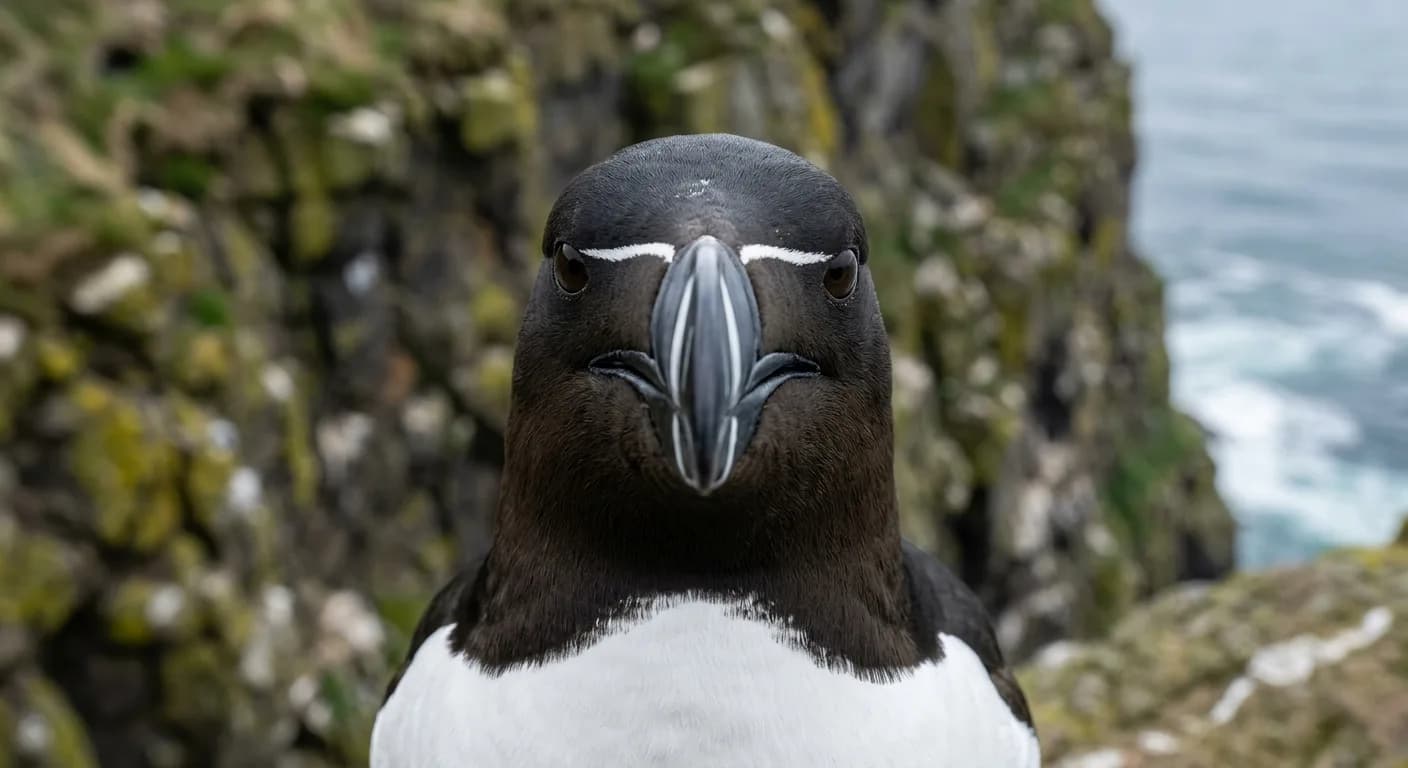 Least Concern
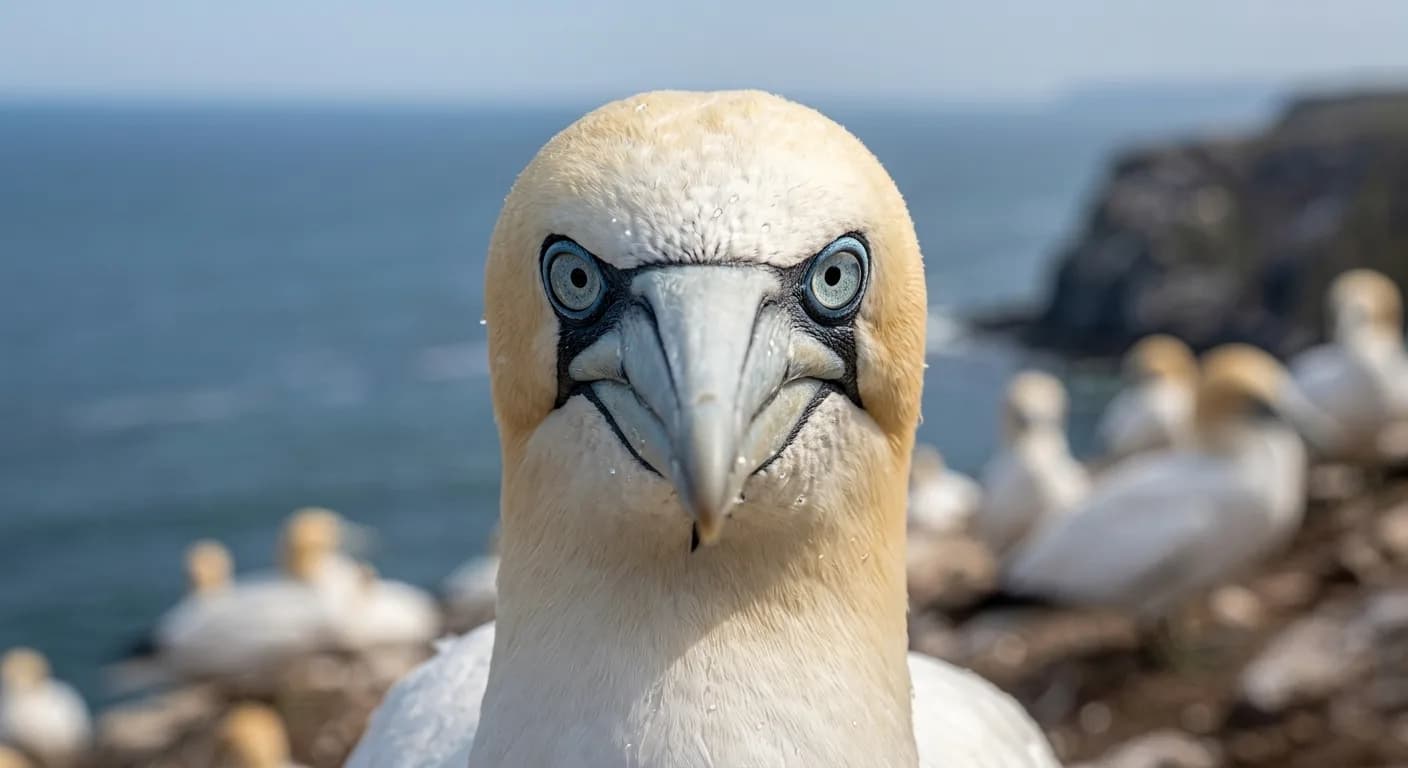 Least Concern
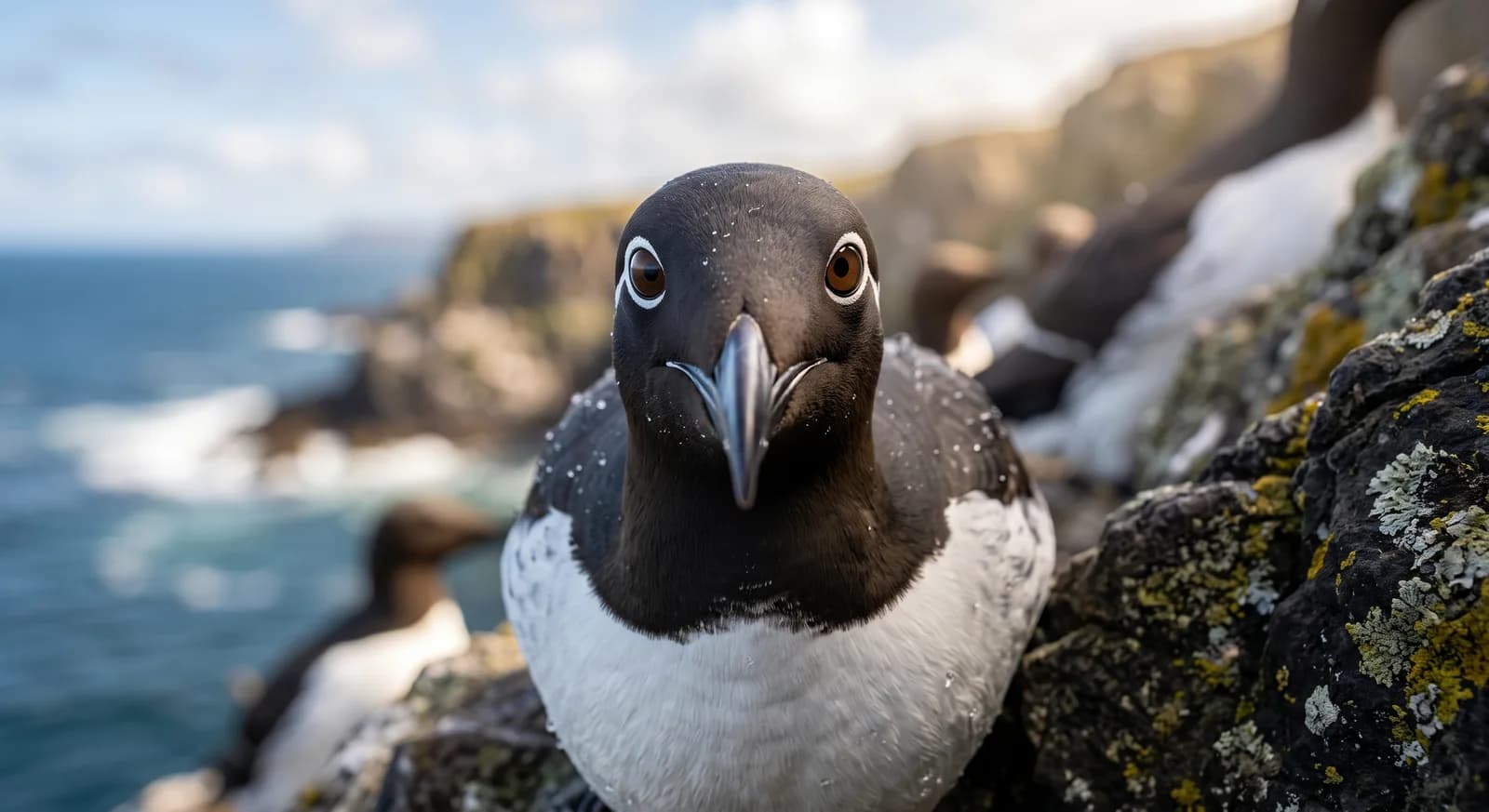 Least Concern
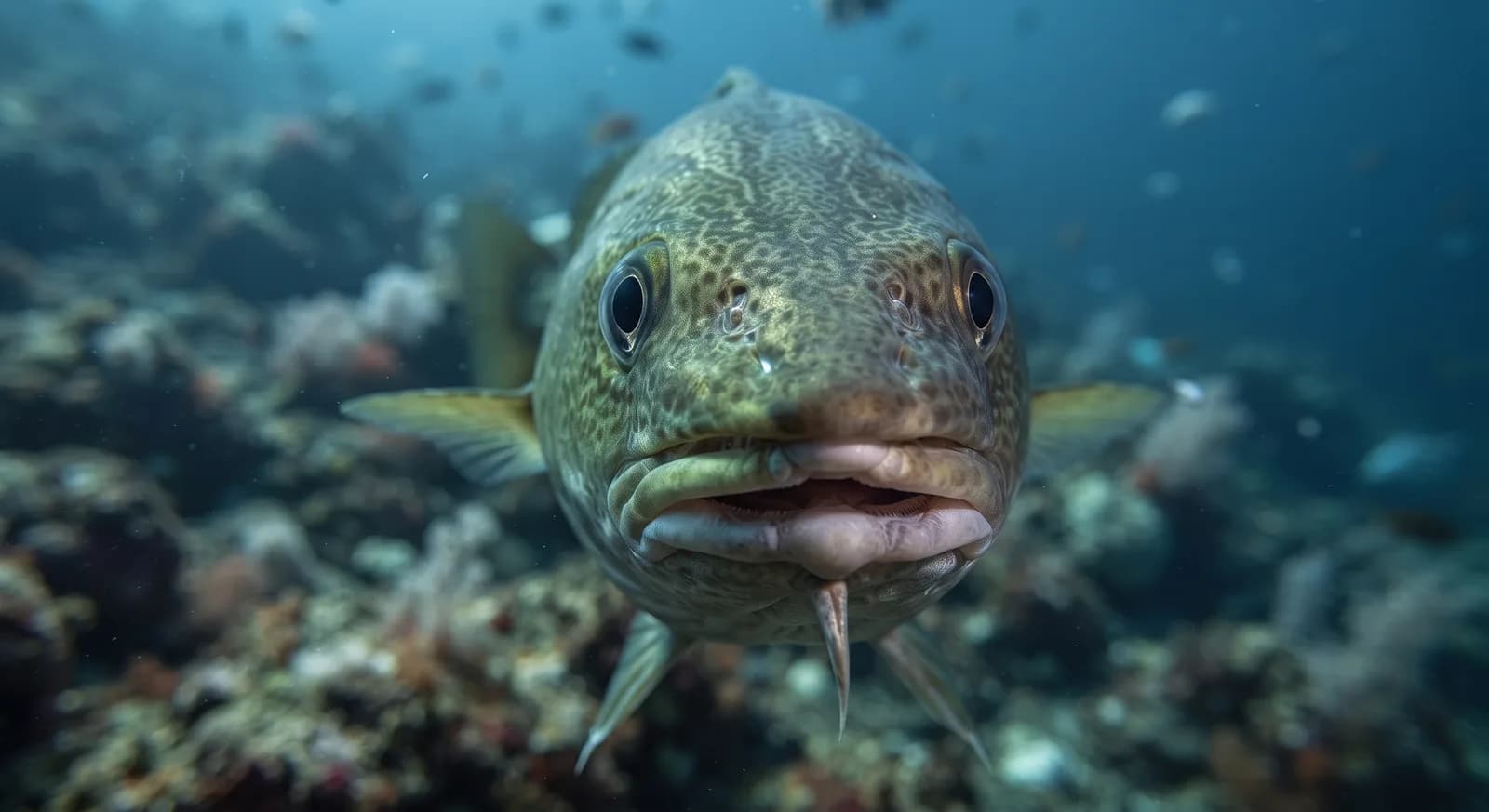 Vulnerable
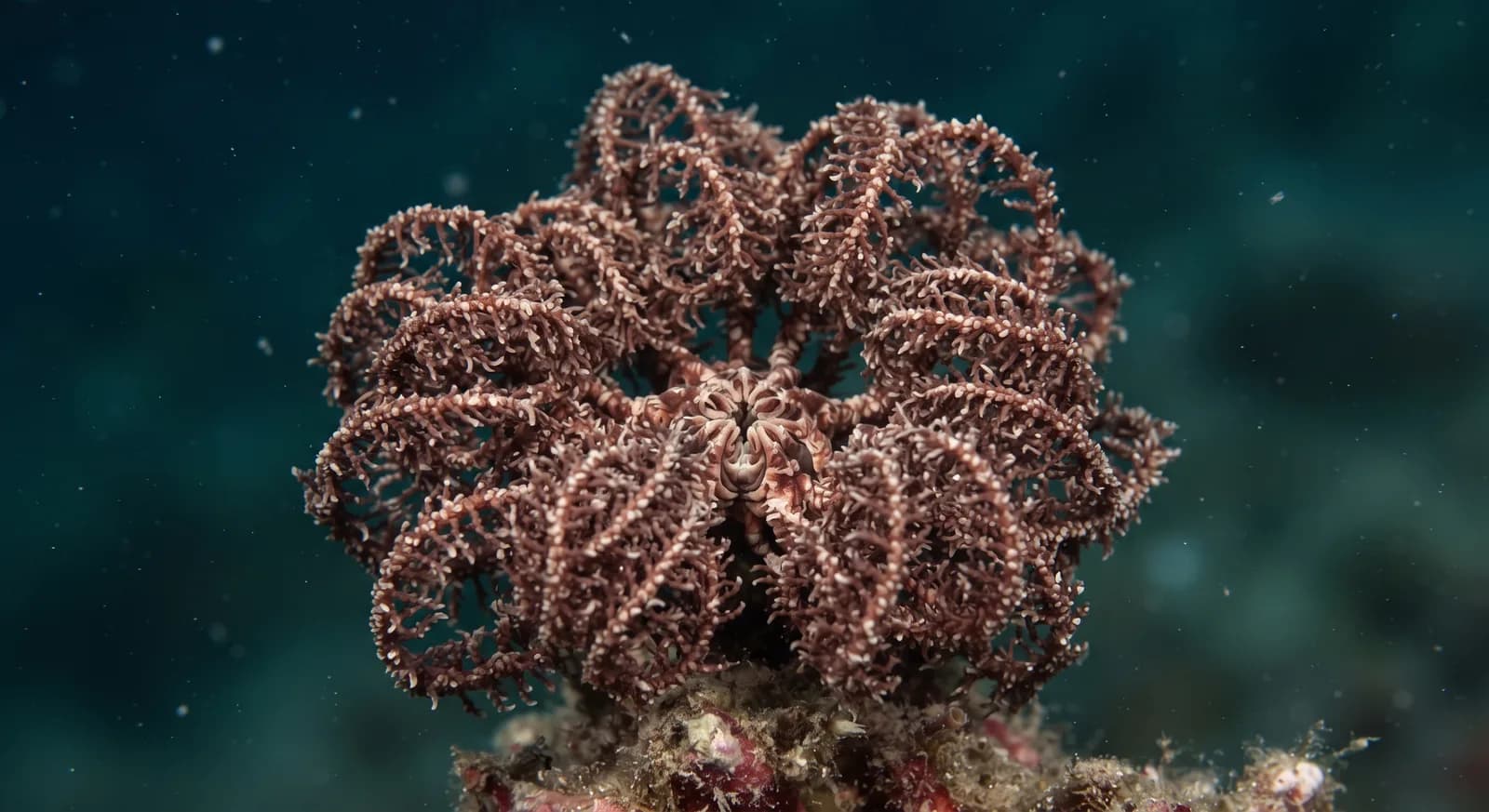 Not Evaluated
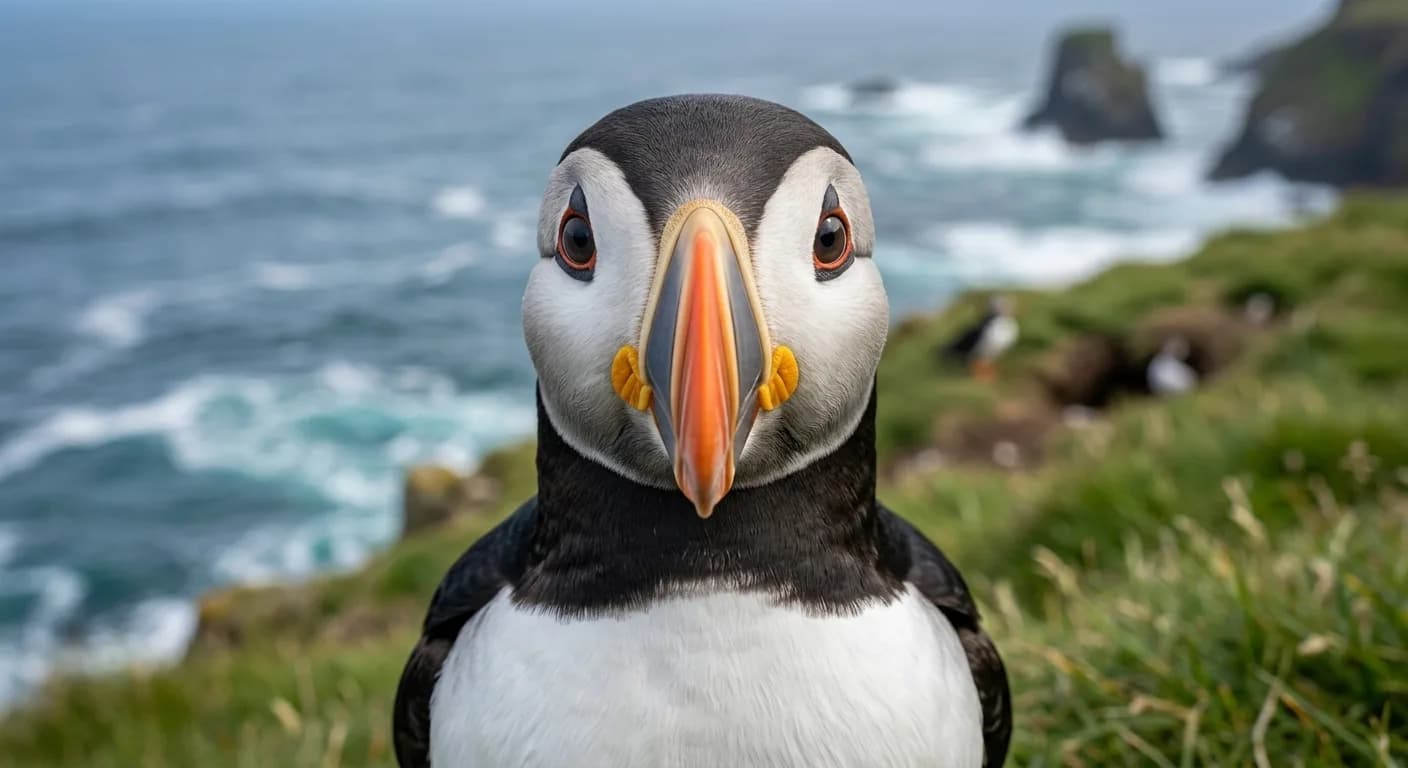 Vulnerable
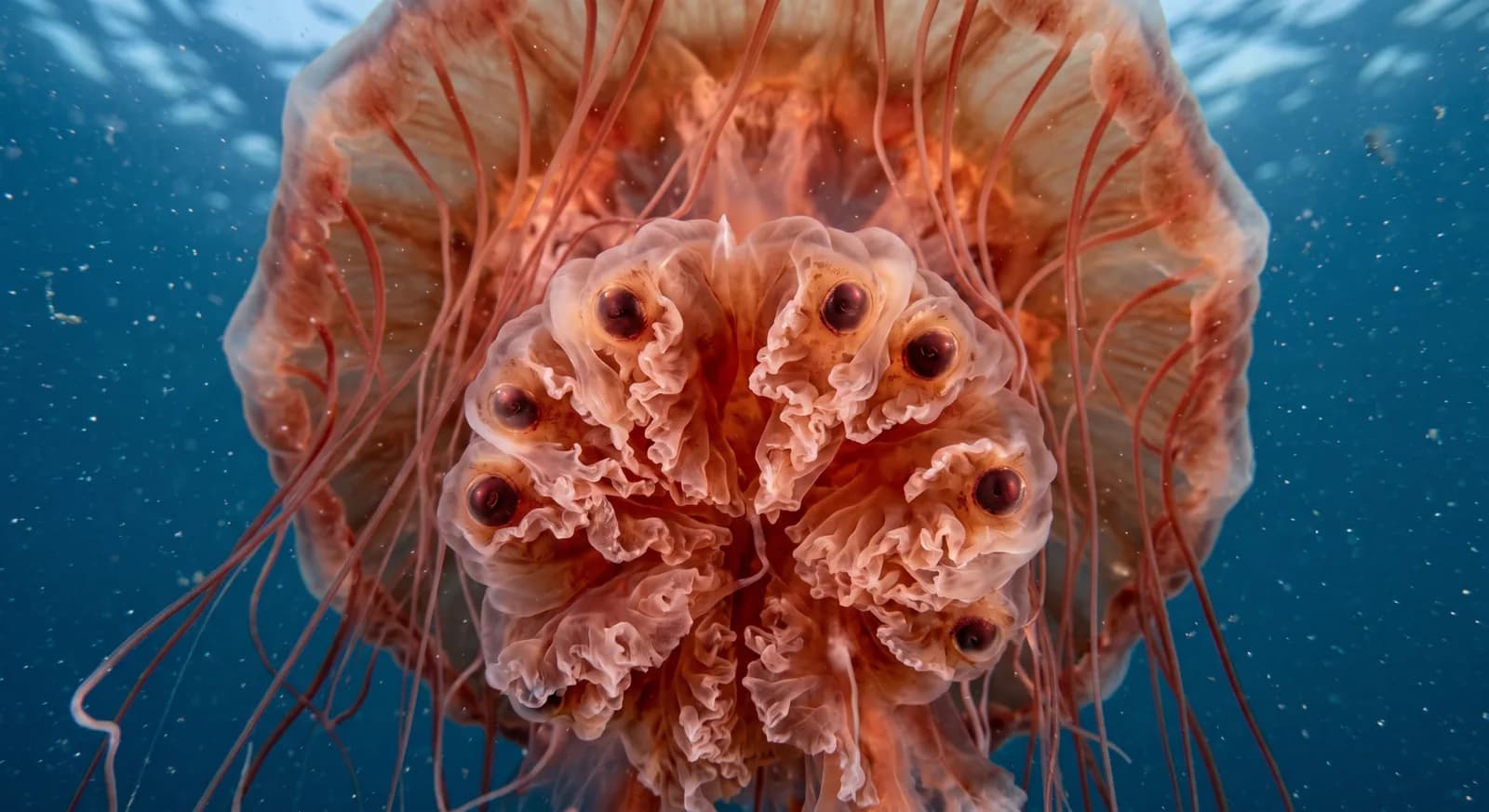 Not Evaluated
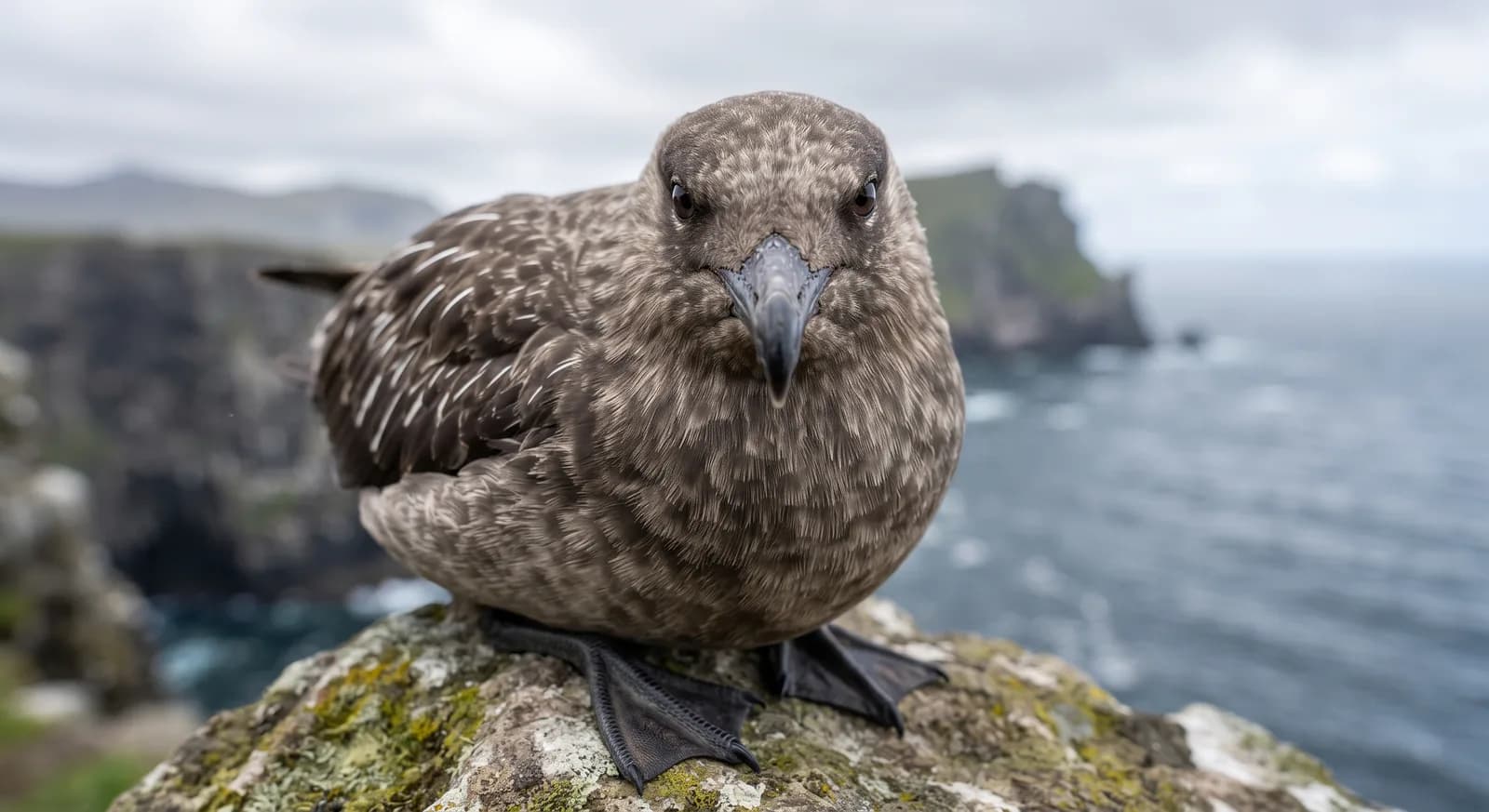 Least Concern
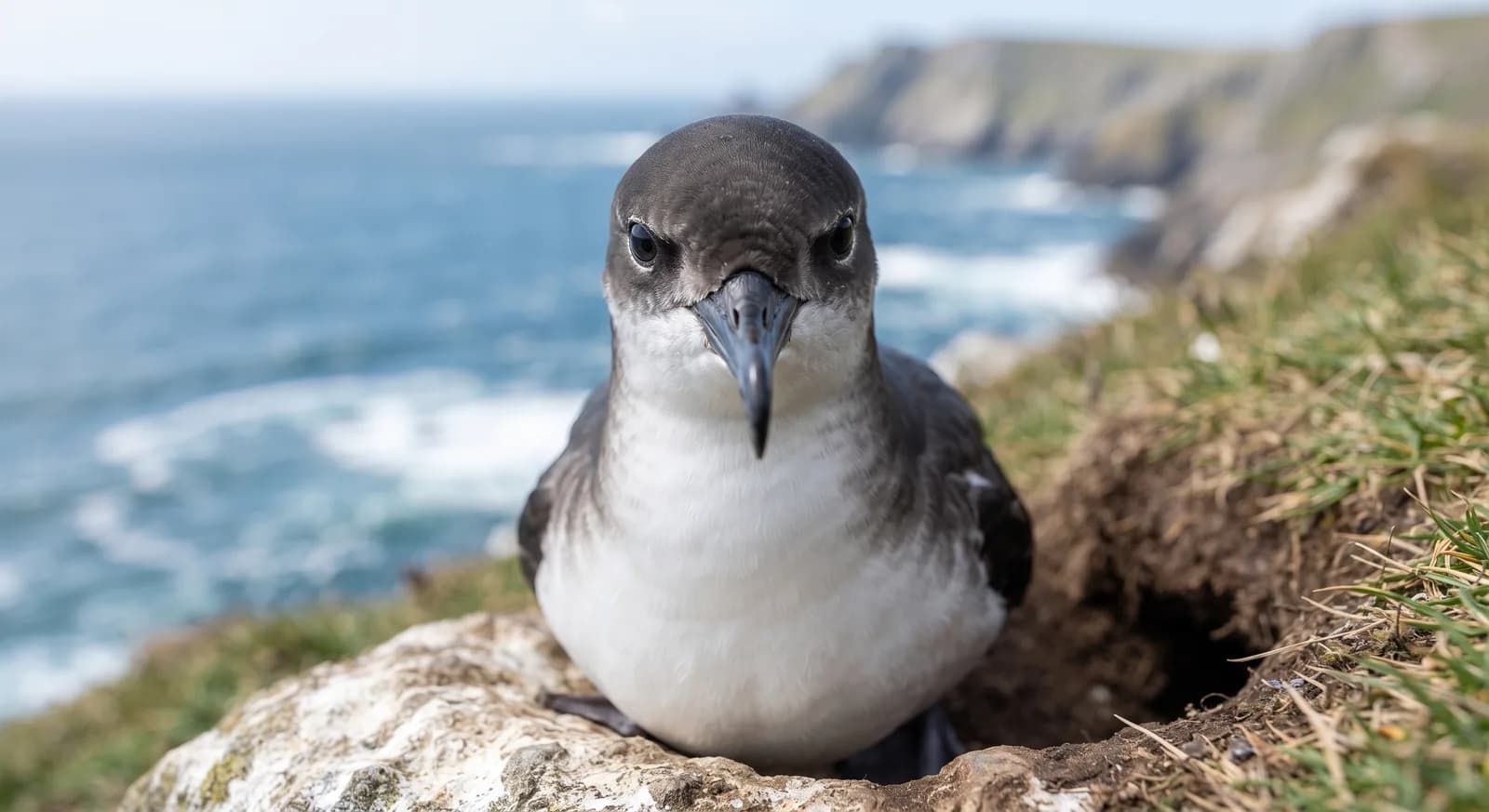 Least Concern
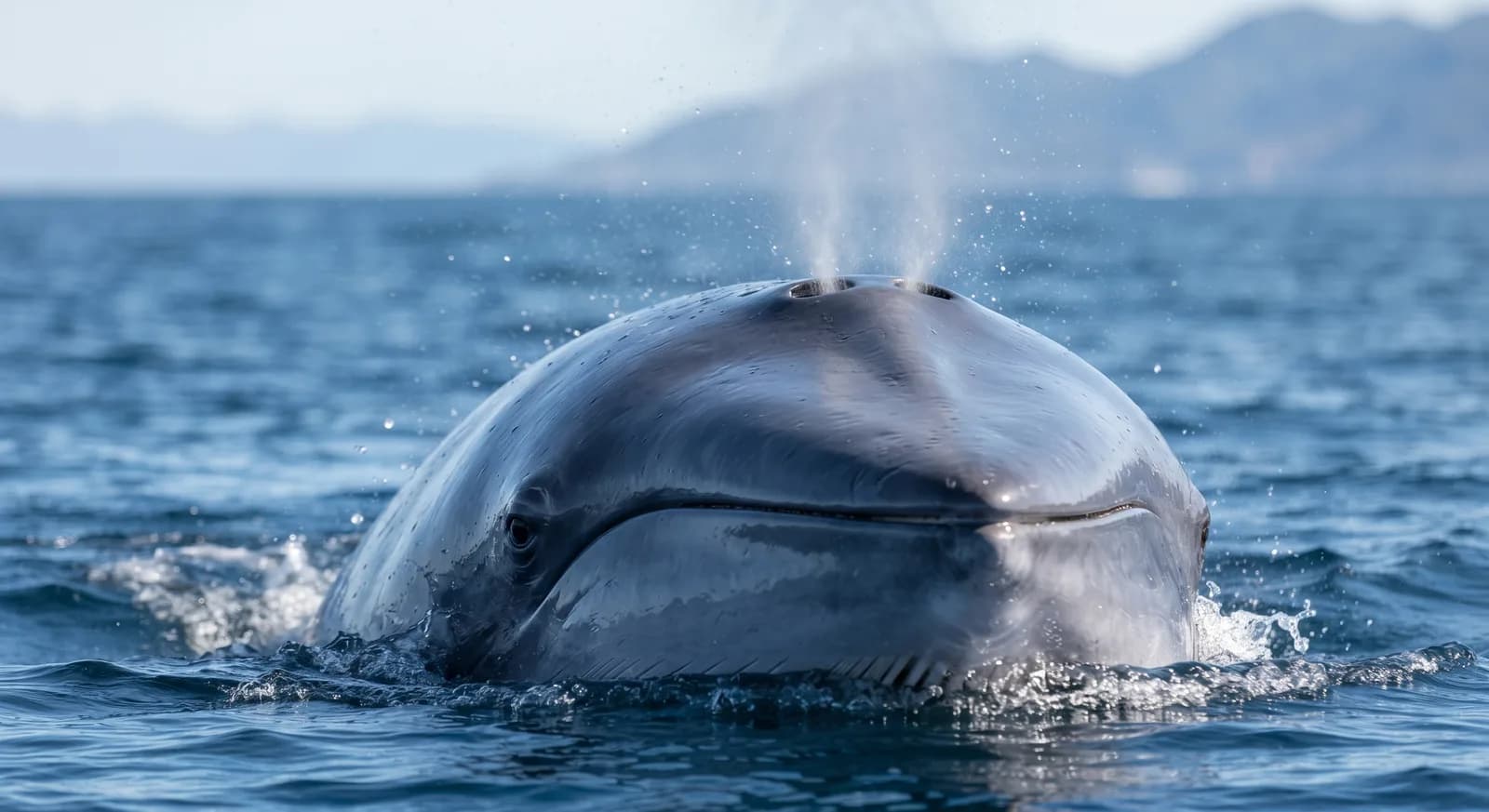 Least Concern
 Iceland
 Japan