Skip to content
WAnimals
  • Map
  • Species
  • Parks
  • Diving
Log inCreate account
WAnimals

The guide for travellers and animal lovers: discover, plan and share your wild adventures around the world.

Discover wildlife

  • Species
  • Ecosystems
  • Glossary
  • Tags

Explore places

  • Map
  • Countries
  • Parks
  • Diving

Plan experiences

  • Guides

Learn

  • Blog

Resources

  • About us
  • How we build our profiles
  • Help centre
  • Contact
  • Install the app

Follow us

Account

  • Log in
  • Create account

© 2026 WAnimals. All rights reserved.

Terms of servicePrivacyCookiesLegal notice
MapSpeciesParksDiving
  1. Home
  2. Species
  3. Black-legged Kittiwake

One of the 9 gulls on WAnimals

Birds · Charadriiformes · Laridae

Black-legged Kittiwake

Rissa tridactyla

Vulnerable

At high risk of extinction in the wild over the medium term.

Spotted something wrong?

It catches its prey at the surface of the sea, often on the wing. It nests on extremely narrow cliff ledges, where its chicks stay unusually still to avoid falling.

Weight

317 g – 500 g

Size

33 cm – 46 cm

Life expectancy

16 years

Diet

Carnivore

Feeds mainly on other animals.

Activity

Diurnal

Active mainly during the day.

Social structure

Colony

Lives in large concentrations, often for breeding reasons.

Ocean
20countries27parks19same family

Fun facts

  • It is the only gull in the world that can dive underwater to hunt.
  • Its chicks stay unusually still in the nest so as not to fall off the cliff.
  • One documented bird reached 28.5 years.

Life cycle and biology

Skeleton type
Vertebrate - pneumatised bony skeleton (bird)
Habitat and environment
Sea cliffs and islands at high northern latitudes, wintering out on the open ocean
Birth weight
36 grams
Size at birth
Altricial, wholly dependent on both parents
Sexual maturity
4-5 years
Gestation / incubation
25-28 days
Litter / clutch size
1 to 3 eggs per clutch (most commonly 2)

Sources consulted: NHPBS NatureWorks · AnAge (genomics.senescence.info) · Animalia.bio · Audubon Field Guide · Animal Diversity Web · Wikipedia (Kittiwake) · eBird · Birds of the World · PMC (chromosome-level genome study)

Where to find it

Best time: From April to August at the cliff colonies of the North Atlantic; outside the breeding season it is fully pelagic and is not seen from land.

Loading map…

Where to see it

Parks and dive sites where this species has been documented — showing 10 of 27.

Related species

Other species in the catalogue with the most in common with Black-legged Kittiwake — same habitat, park, country, tags or family.

Same taxonomic family

How to help

The black-legged kittiwake is classified as vulnerable. Organisations such as the IUCN, WWF and the Wildlife Conservation Society work specifically on its conservation and that of its habitat; looking into their programmes is a good starting point if you want to get involved.

It's documented in 10 protected areas — one reason why protecting these places matters for its conservation.

Keep exploring

Based on what we already know about black-legged kittiwake.

Share an experience, a fun fact or a tip for seeing the black-legged kittiwake.
See full glossary
This page in other languages: Español · Deutsch · Français · Português · Italiano

The pins mark the parks where its presence is documented.
See its range on the interactive map→
VatnajökullIceland
Glacier BayUnited States
Gros MorneCanada
AuyuittuqCanada
KatmaiUnited States
Pembrokeshire CoastUnited Kingdom
NorthumberlandUnited Kingdom
ConnemaraIreland
Cíes IslandsSpain
Sable IslandCanada
See all 27 parks
Least Concern

Great Black-backed Gull

Larus marinus

Least Concern

Black-headed Gull

Chroicocephalus ridibundus

Least Concern

Sandwich Tern

Thalasseus sandvicensis

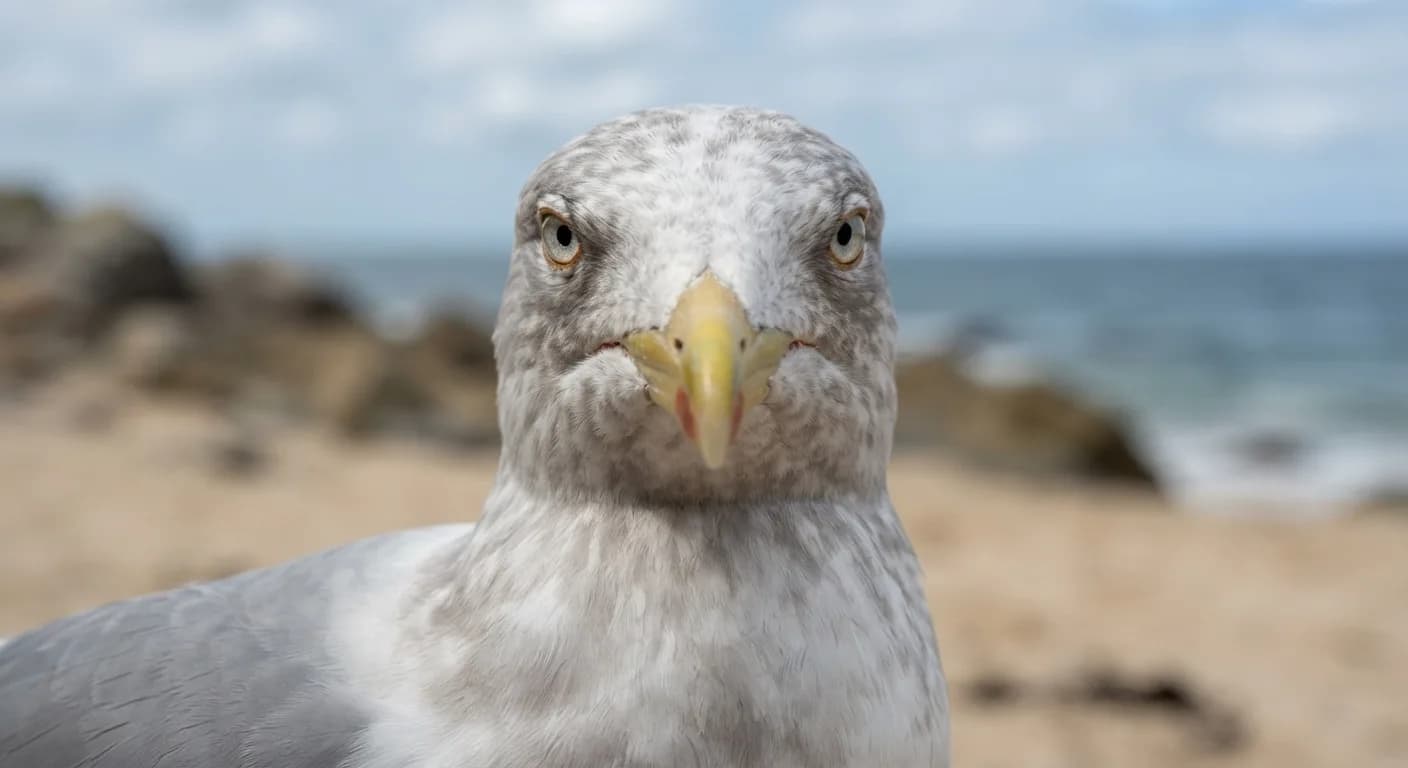
Herring GullLeast Concern

Herring Gull

Larus argentatus

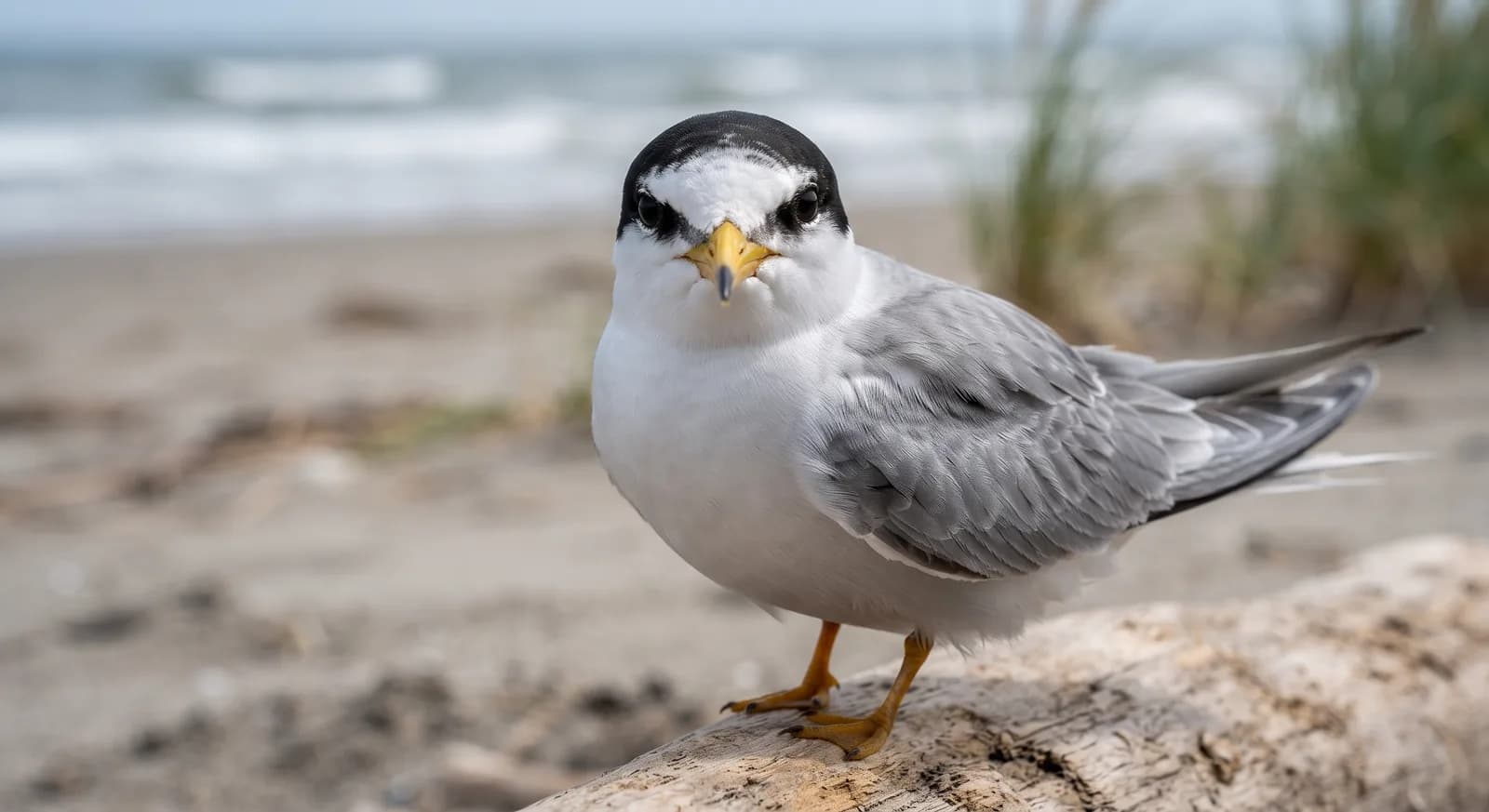
Little TernLeast Concern

Little Tern

Sternula albifrons

Yellow-legged GullLeast Concern

Yellow-legged Gull

Larus michahellis

CountriesCanada
ParksVatnajökullIceland
TagsCarnivore
Carnivore
Diurnal
Colonial
Vulnerable
Bird
Ocean

Europe15

North America3

Africa1

Asia1

Canada
United Kingdom
Norway
Iceland
Ireland
United States
Belgium
Denmark
Estonia
France
Iceland
Ireland
Latvia
Lithuania
Netherlands
Norway
Poland
Portugal
Spain
Sweden
United Kingdom
Canada
Greenland
United States
Morocco
Russia