Skip to content
WAnimals
  • Map
  • Species
  • Parks
  • Diving
Log inCreate account
WAnimals

The guide for travellers and animal lovers: discover, plan and share your wild adventures around the world.

Discover wildlife

  • Species
  • Ecosystems
  • Glossary
  • Tags

Explore places

  • Map
  • Countries
  • Parks
  • Diving

Plan experiences

  • Guides

Learn

  • Blog

Resources

  • About us
  • How we build our profiles
  • Help centre
  • Contact
  • Install the app

Follow us

Account

  • Log in
  • Create account

© 2026 WAnimals. All rights reserved.

Terms of servicePrivacyCookiesLegal notice
MapSpeciesParksDiving
  1. Home
  2. Species
  3. Little Tern
Little Tern (Sternula albifrons)

Birds · Charadriiformes · Laridae

Little Tern

Sternula albifrons

Least Concern

The species is abundant and widely distributed; it faces no significant short-term risk.

Spotted something wrong?

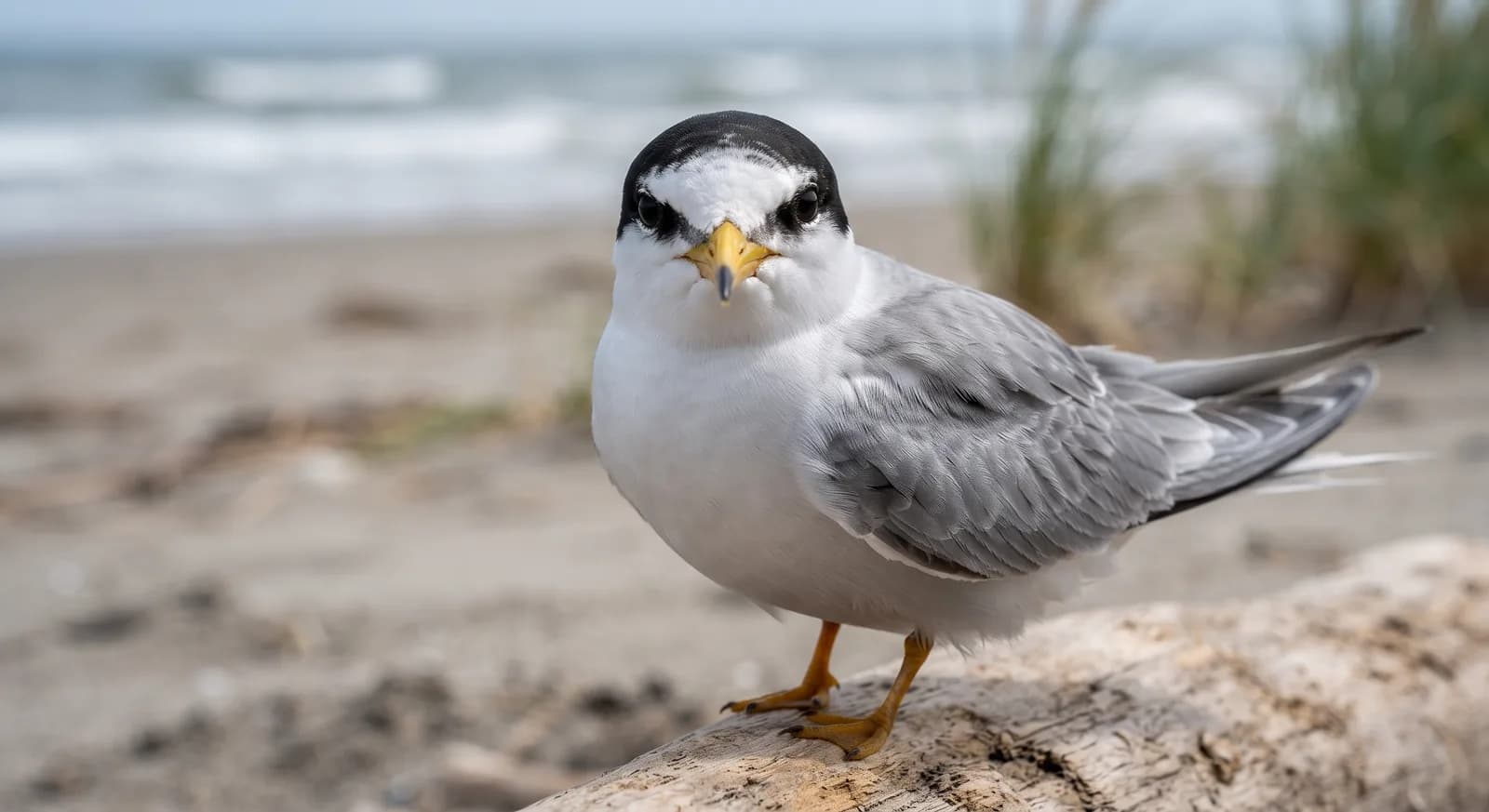
The little tern is the smallest tern in Europe, with a white forehead, a black mask and a yellow bill with a black tip. It breeds in colonies on sand and shingle beaches, saltpans and river banks, laying its eggs in a simple scrape. That habitat coincides with the busiest beaches, which makes it very vulnerable to disturbance in summer. In Spain it breeds in the Ebro Delta, the southern saltpans and along the Mediterranean coast.

Weight

45 g – 65 g

Size

21 cm – 25 cm

Life expectancy

21 years
Diet

Carnivore

Feeds mainly on other animals.

Activity

Diurnal

Active mainly during the day.

Social structure

Colony

Lives in large concentrations, often for breeding reasons.

OceanFreshwater
14countries63parks19same family

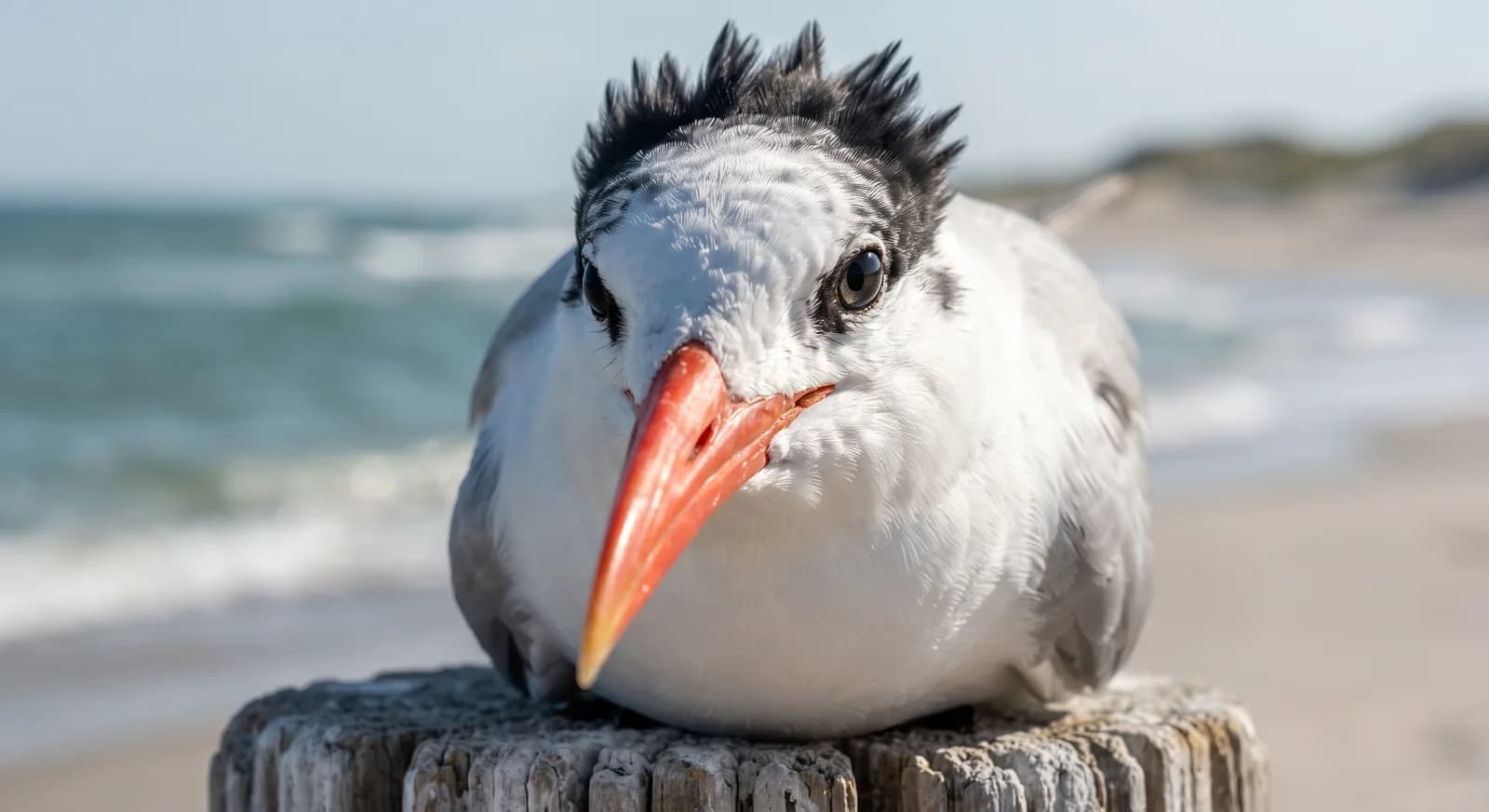
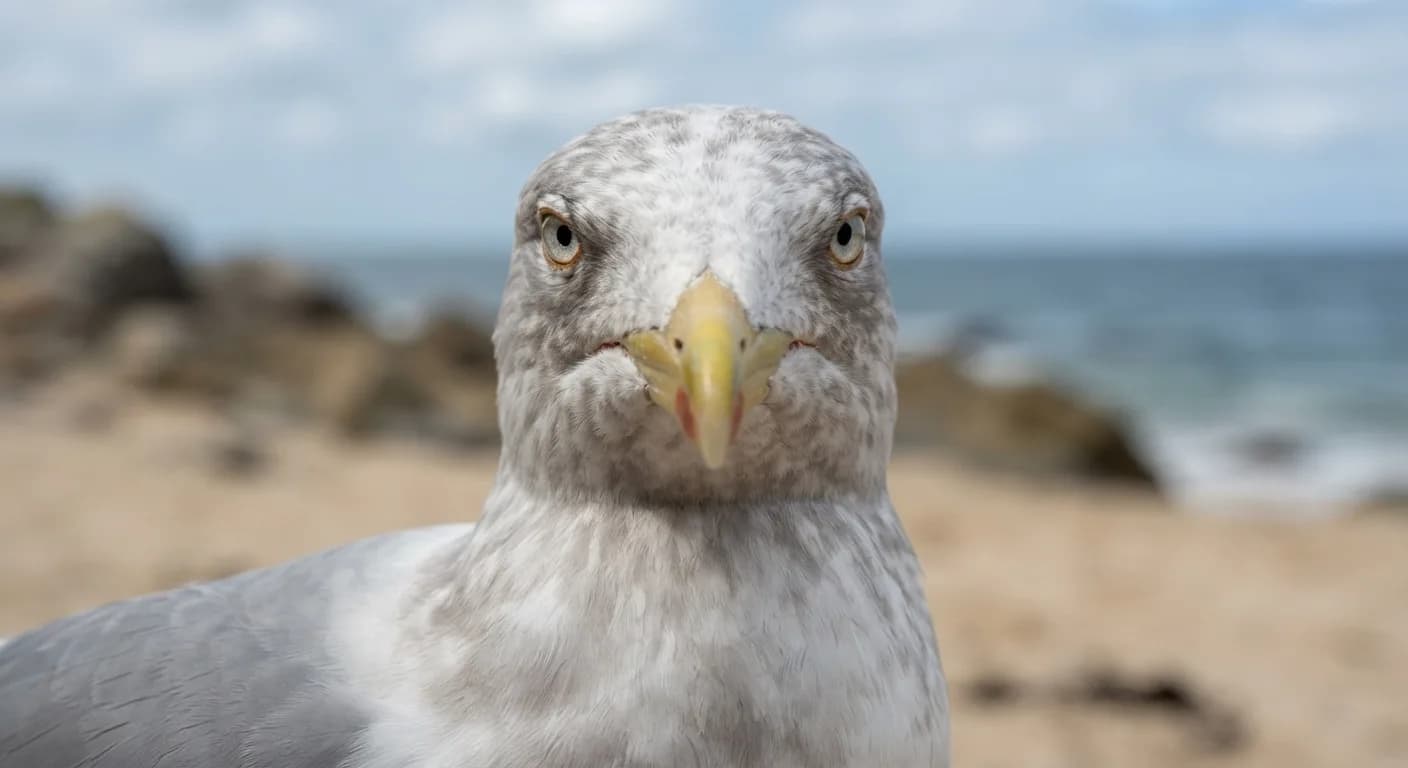
AI-generated images: illustrations, not photographs.

Fun facts

  • It fishes by plunging from very little height after hovering for a moment over the water, a flight of very rapid wingbeats that sets it apart from any other European tern.
  • Its colonies settle on the very beaches where bathers gather in summer: fencing off breeding areas along the Spanish coast has been decisive in keeping the species from disappearing from whole stretches of shoreline.

Life cycle and biology

Skeleton type
Vertebrate - internal bony skeleton (bird)
Habitat and environment
Sand and shingle beaches, saltpans, deltas and river banks of Europe, Asia and Africa
Sexual maturity
2 years
Gestation / incubation
21 days
Litter / clutch size
2

Sources consulted: IUCN Red List · Animal Diversity Web · Wikipedia (es)

Where to find it

Loading map…

Where to see it

Parks and dive sites where this species has been documented — showing 10 of 63.

Related species

Other species in the catalogue with the most in common with Little Tern — same habitat, park, country, tags or family.

Same taxonomic family

Keep exploring

Based on what we already know about little tern.

Share an experience, a fun fact or a tip for seeing the little tern.
See full glossary
This page in other languages: Español · Deutsch · Français · Português · Italiano

The pins mark the parks where its presence is documented.

See its range on the interactive map→
Doñana National ParkSpain
Picos de EuropaSpain
Ordesa y Monte PerdidoSpain
Aiguestortes i Estany de Sant MauriciSpain
Sierra de las NievesSpain
Peneda-GeresPortugal
Vjosa (Vjosa Valley)Albania
ToubkalMorocco
CabañerosSpain
Wadden SeaGermany
See all 63 parks
Least Concern

Great Black-backed Gull

Larus marinus

Least Concern

Black-headed Gull

Chroicocephalus ridibundus

Least Concern

Sandwich Tern

Thalasseus sandvicensis

Herring GullLeast Concern

Herring Gull

Larus argentatus

Least Concern

Black Tern

Chlidonias niger

Royal TernLeast Concern

Royal Tern

Thalasseus maximus

CountriesSpain
ParksDoñana National ParkSpain
TagsCarnivore
Carnivore
Diurnal
Colonial
Bird
Ocean
Freshwater

Europe7

Africa4

Asia3

Spain
Portugal
Morocco
Germany
France
Netherlands
France
Germany
Italy
Netherlands
Portugal
Spain
United Kingdom
Egypt
Morocco
Nigeria
Senegal
China
India
Türkiye