Skip to content
WAnimals
  • Map
  • Species
  • Parks
  • Diving
Log inCreate account
WAnimals

The guide for travellers and animal lovers: discover, plan and share your wild adventures around the world.

Discover wildlife

  • Species
  • Ecosystems
  • Glossary
  • Tags

Explore places

  • Map
  • Countries
  • Parks
  • Diving

Plan experiences

  • Guides

Learn

  • Blog

Resources

  • About us
  • How we build our profiles
  • Help centre
  • Contact
  • Install the app

Follow us

Account

  • Log in
  • Create account

© 2026 WAnimals. All rights reserved.

Terms of servicePrivacyCookiesLegal notice
MapSpeciesParksDiving
  1. Home
  2. Species
  3. Great Grey Shrike

One of the 3 shrikes on WAnimals

Birds · Passeriformes · Laniidae

Great Grey Shrike

Lanius excubitor

Least Concern

The species is abundant and widely distributed; it faces no significant short-term risk.

Spotted something wrong?

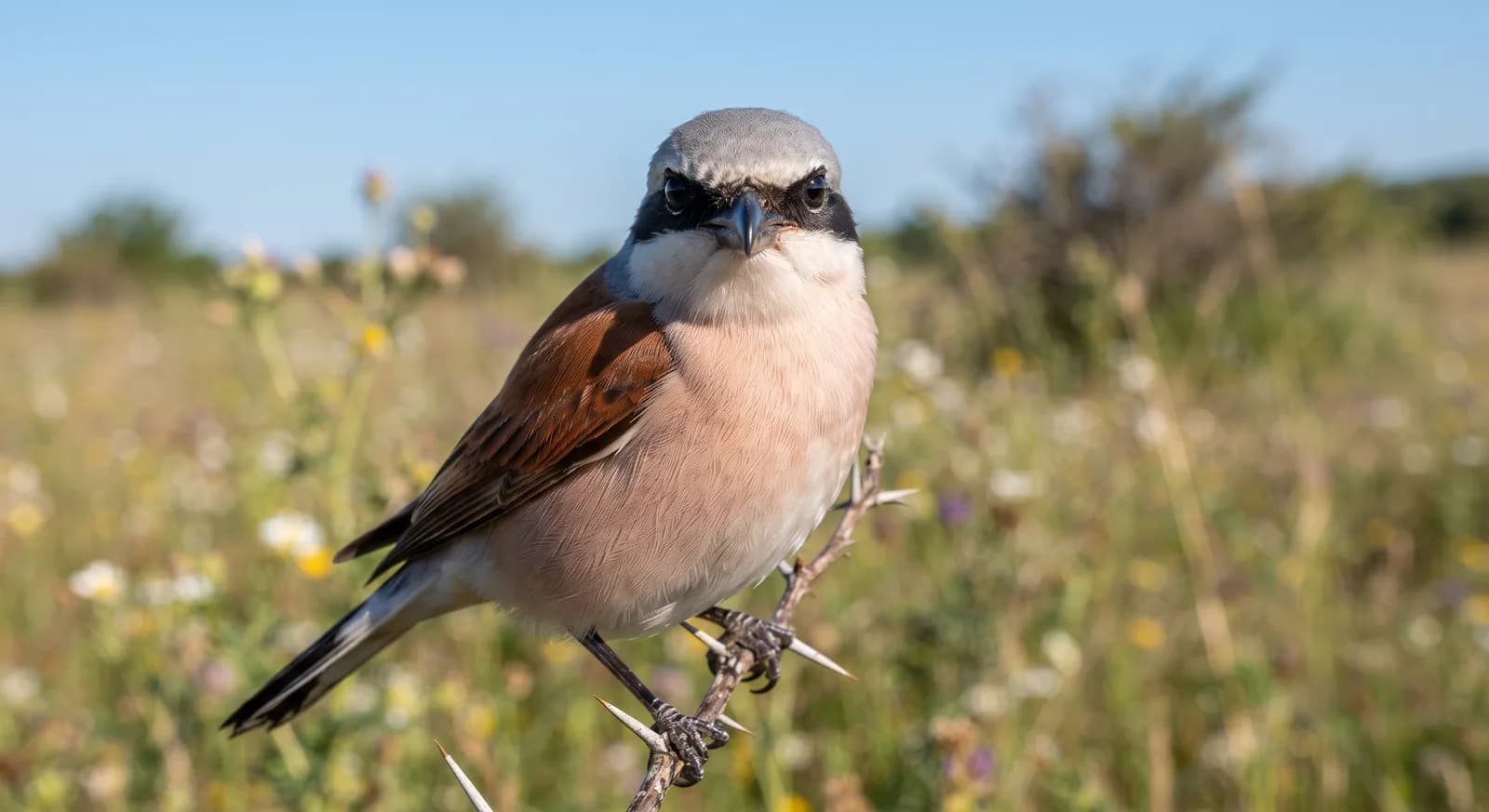
The great grey shrike is a predatory bird the size of a blackbird, grey with a black mask and black and white wings and tail. It hunts from raised perches and drops onto large insects, mice, lizards and other birds, which it kills with a precise bite to the nape. Its most famous habit is impaling its prey on thorns or barbed wire, forming larders that let it store food for lean days.

Weight

55 g – 80 g

Size

22 cm – 26 cm

Life expectancy

12 years

Diet

Carnivore

Feeds mainly on other animals.

Activity

Diurnal

Active mainly during the day.

Social structure

Solitary

Lives and hunts alone, joining others only to breed.

Temperate forestTundraGrassland
13countries104parks2same family

Fun facts

  • It impales its prey on thorn bushes and barbed wire, forming visible larders: it has no raptor's talons for holding prey while it tears at it, so it spikes the prey and pulls with its bill.
  • Males with larger larders attract more females: the store of impaled prey works as a display of the quality of both the territory and the hunter.

Life cycle and biology

Skeleton type
Vertebrate - internal bony skeleton (bird)
Habitat and environment
Open country with perches: open taiga, wooded tundra, steppe and farmland of Eurasia
Sexual maturity
11 months
Gestation / incubation
16 days of incubation
Litter / clutch size
5

Sources consulted: IUCN Red List · Animal Diversity Web · Wikipedia (es)

Where to find it

Loading map…

Where to see it

Parks and dive sites where this species has been documented — showing 10 of 104.

Related species

Other species in the catalogue with the most in common with Great Grey Shrike — same habitat, park, country, tags or family.

Same taxonomic family
Shares a park
Shares a park
Shares a park
Shares a park

Keep exploring

Based on what we already know about great grey shrike.

Share an experience, a fun fact or a tip for seeing the great grey shrike.
See full glossary
This page in other languages: Español · Deutsch · Français · Português · Italiano

The pins mark the parks where its presence is documented.
See its range on the interactive map→
SarekSweden
PadjelantaSweden
JotunheimenNorway
HardangerviddaNorway
Pallas-YllastunturiFinland
Urho KekkonenFinland
VanoiseFrance
BerchtesgadenGermany
EcrinsFrance
MercantourFrance
See all 104 parks
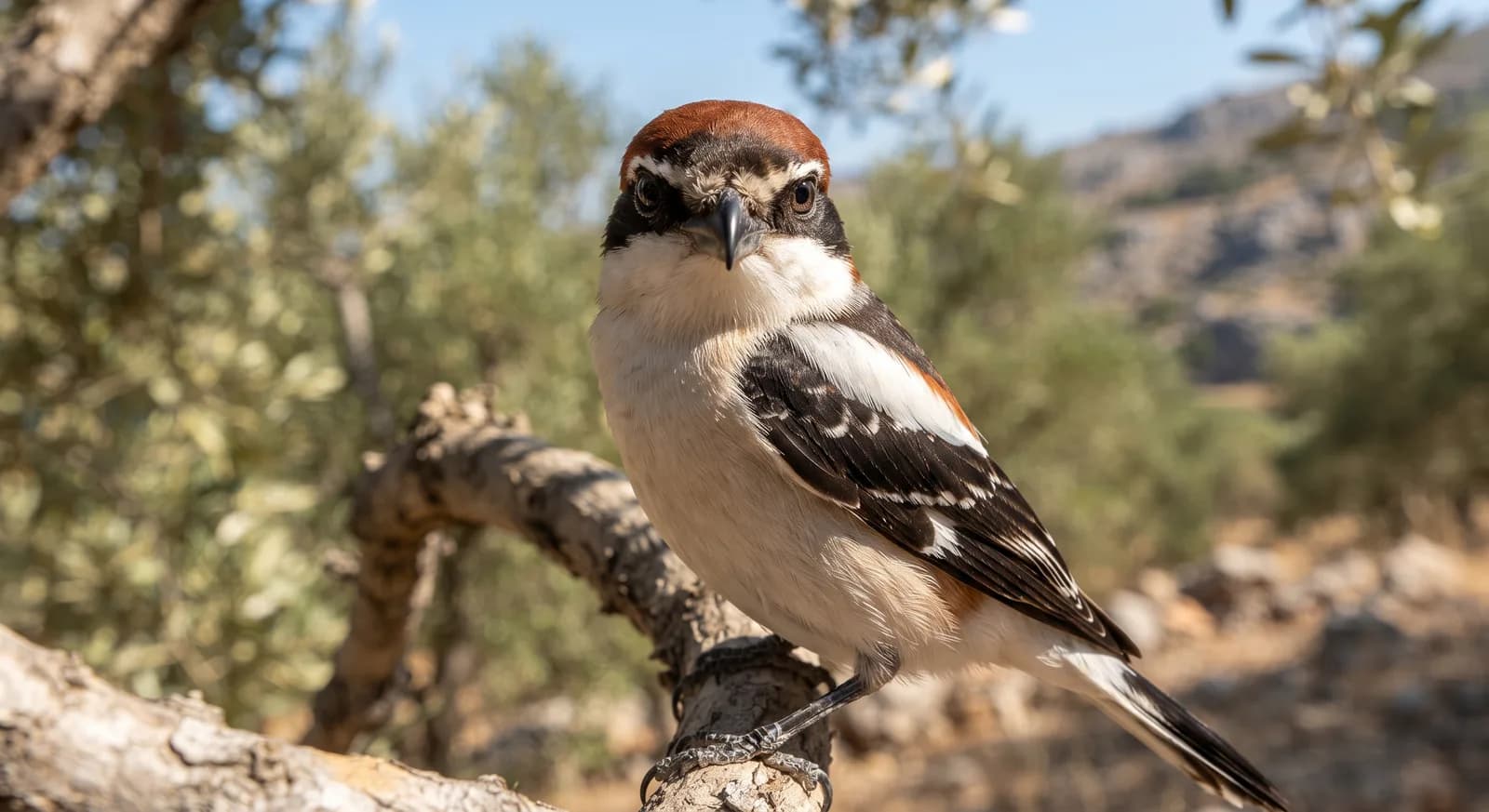
Woodchat ShrikeLeast Concern

Woodchat Shrike

Lanius senator

Red-backed ShrikeLeast Concern

Red-backed Shrike

Lanius collurio

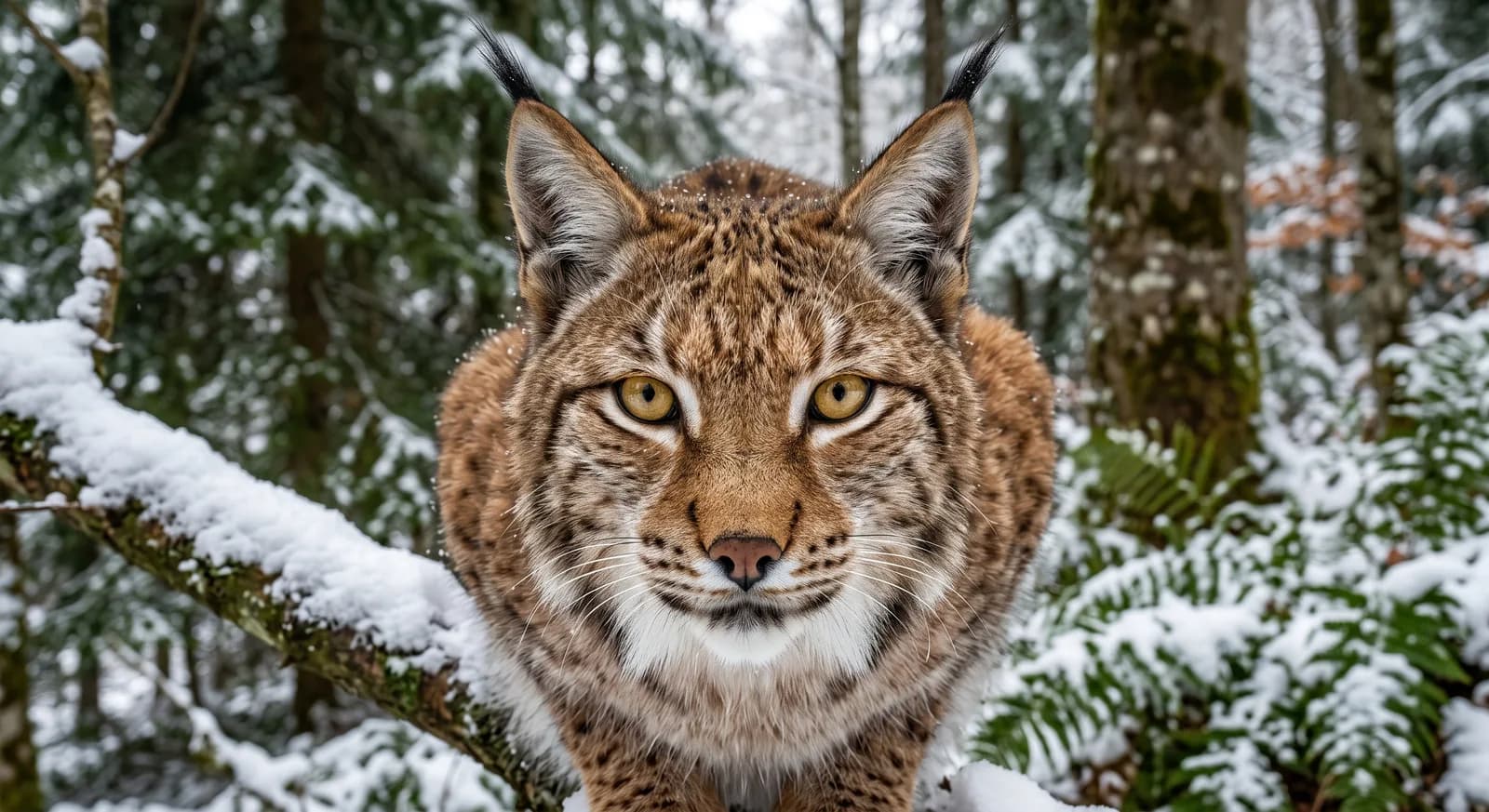
Eurasian LynxLeast Concern

Eurasian Lynx

Lynx lynx

Least Concern

Least Weasel

Mustela nivalis

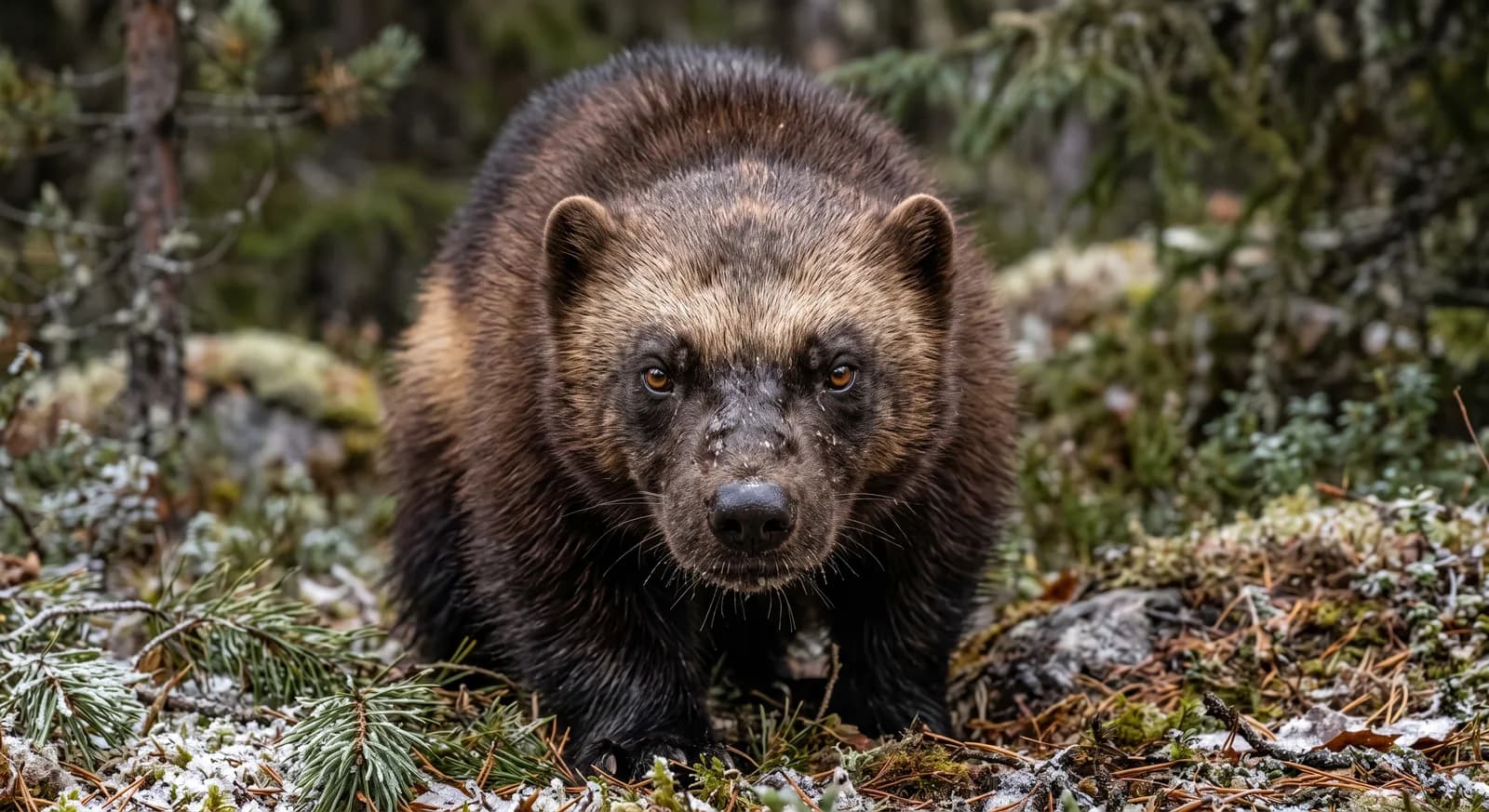
WolverineLeast Concern

Wolverine

Gulo gulo

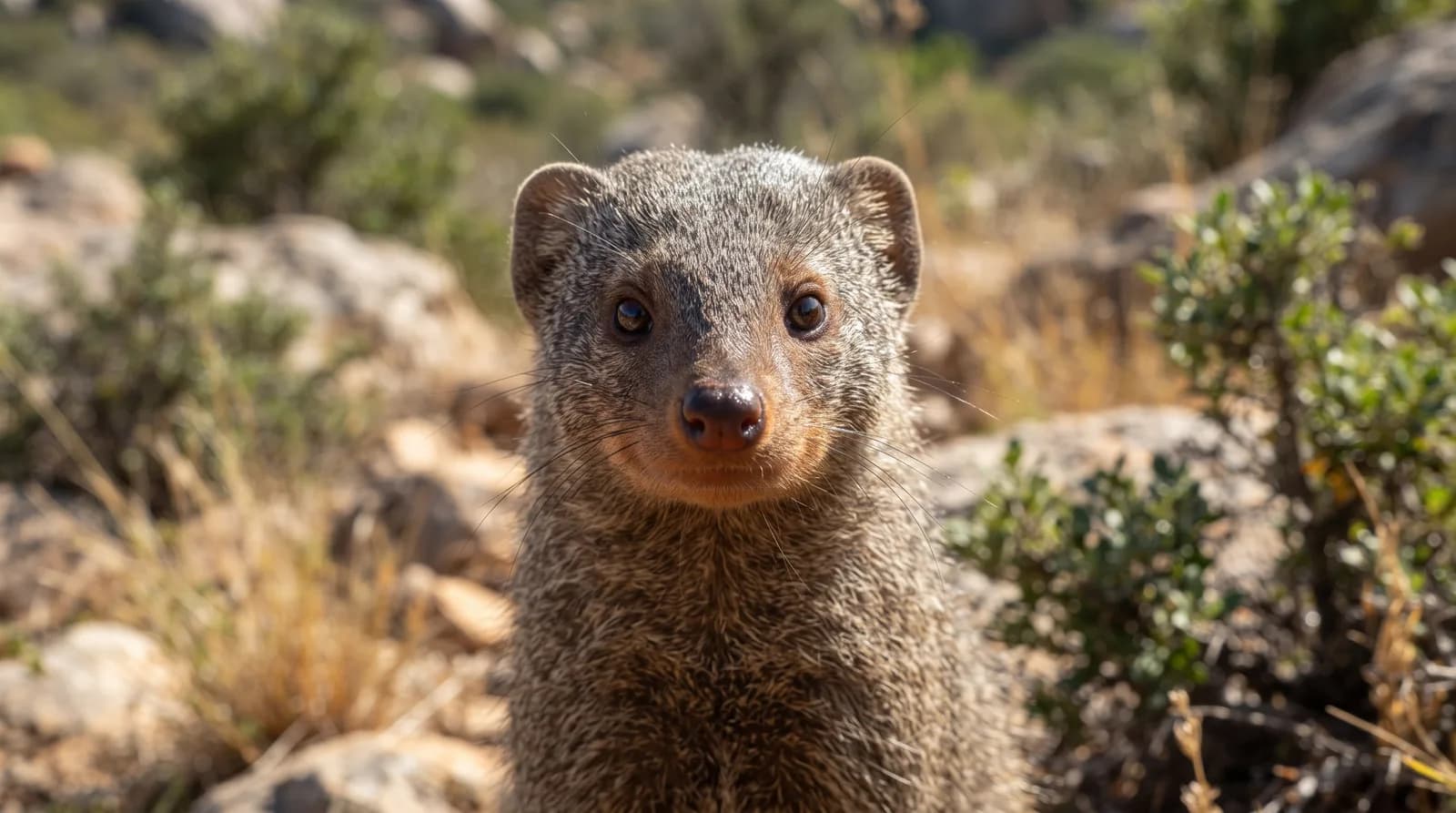
Egyptian MongooseLeast Concern

Egyptian Mongoose

Herpestes ichneumon

CountriesPoland
ParksSarekSweden
TagsCarnivore
Carnivore
Diurnal
Solitary
Bird
Temperate forest
Tundra
Grassland

Europe8

Asia4

North America1

Poland
Finland
Sweden
Norway
France
Germany
Cyprus
Finland
France
Germany
Norway
Poland
Spain
Sweden
China
Kazakhstan
Mongolia
Russia
Canada