Yoshino-Kumano National Park was declared in 1936 and takes in much of the Kii peninsula, south of Nara, Osaka and the old imperial capital, spread across the prefectures of Nara, Wakayama and Mie. It combines three very different environments: the wooded mountains of the interior, with the peaks of Omine and the cherry trees of Yoshino; the gorges and clear rivers of the Kumano system; and a stretch of rugged coastline on the Pacific.
It is one of the areas of Japan most densely charged with religious meaning. For more than a thousand years the Kii peninsula has been regarded as the dwelling place of the kami and a place of ascetic practice, and its mountains are crossed by the Kumano Kodo pilgrimage routes, which link the three great Kumano shrines, Mount Koya of Shingon Buddhism, and Yoshino-Omine, the centre of Shugendō, the ascetic mountain tradition. That group of shrines and paths was inscribed on the World Heritage List in 2004, but as a CULTURAL property, under the name Sacred Sites and Pilgrimage Routes in the Kii Mountain Range, not as a natural one.
The forest cover is dense and very wet — this is one of the rainiest areas in Japan — with Japanese cedar and cypress forests, largely planted, and patches of temperate deciduous forest and laurel forest. The fauna is typical of the mountains of Honshu: Japanese serow, macaque, sika deer, wild boar and a rich woodland birdlife, with the Japanese giant salamander present in some of the park's rivers.
 Least Concern
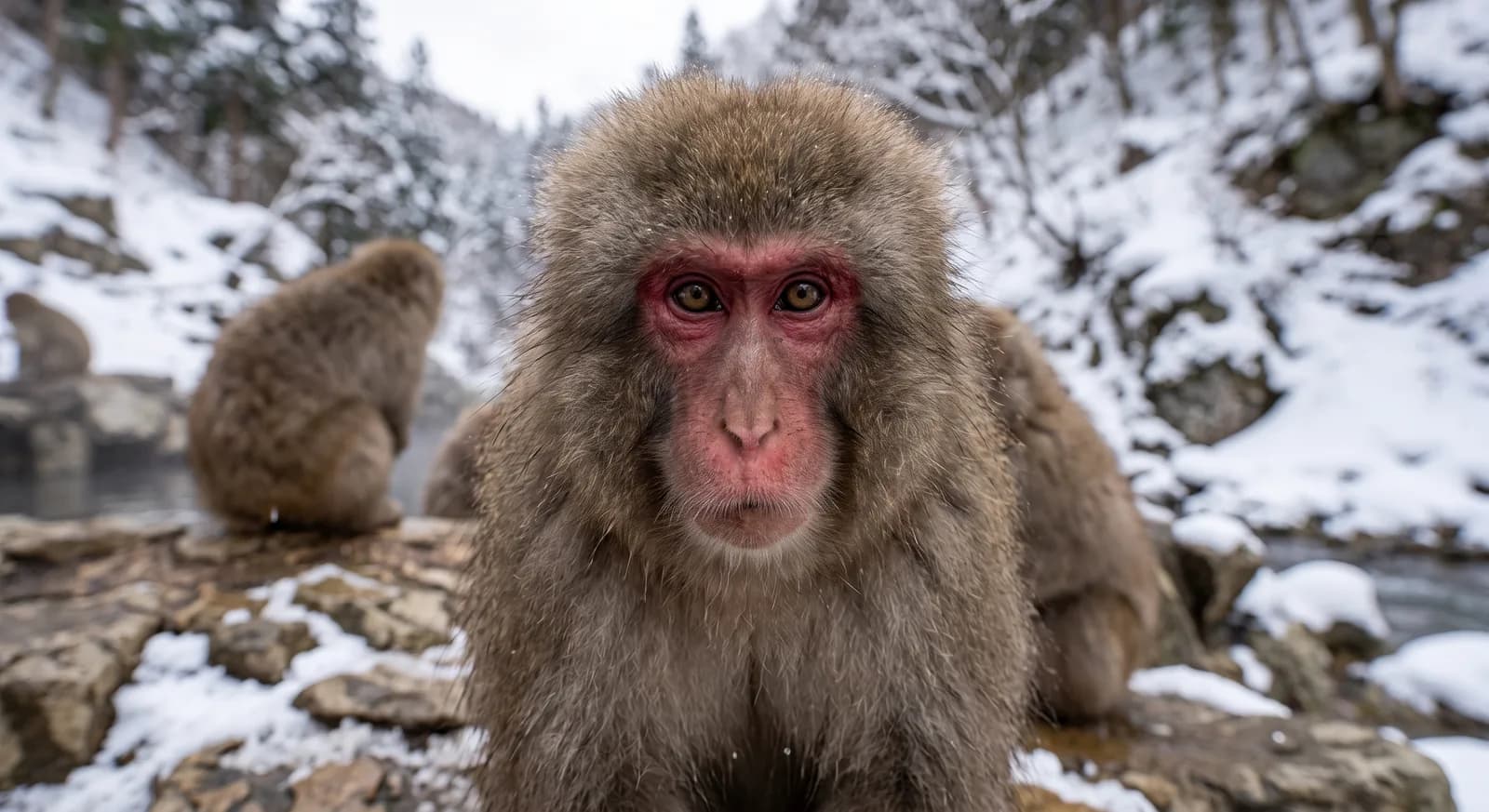 Least Concern
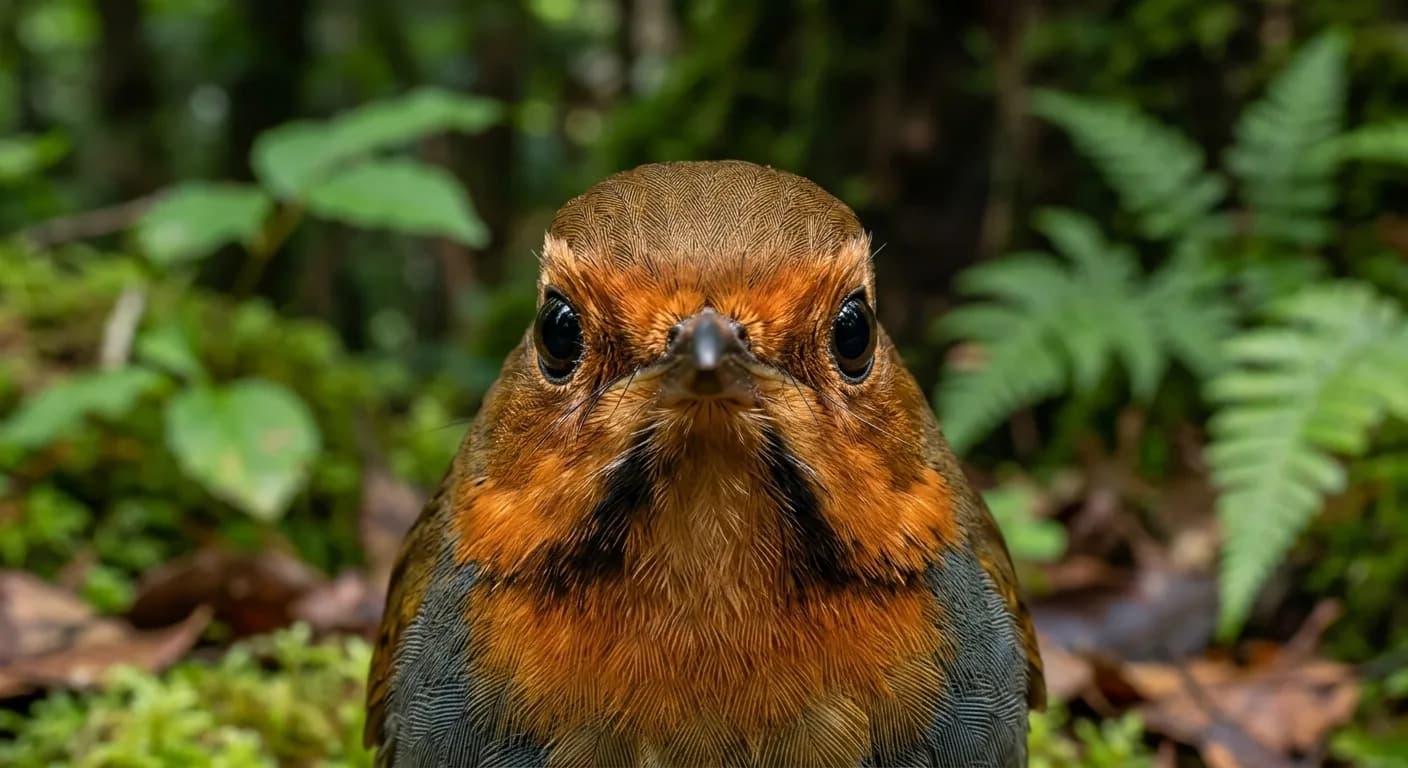 Least Concern
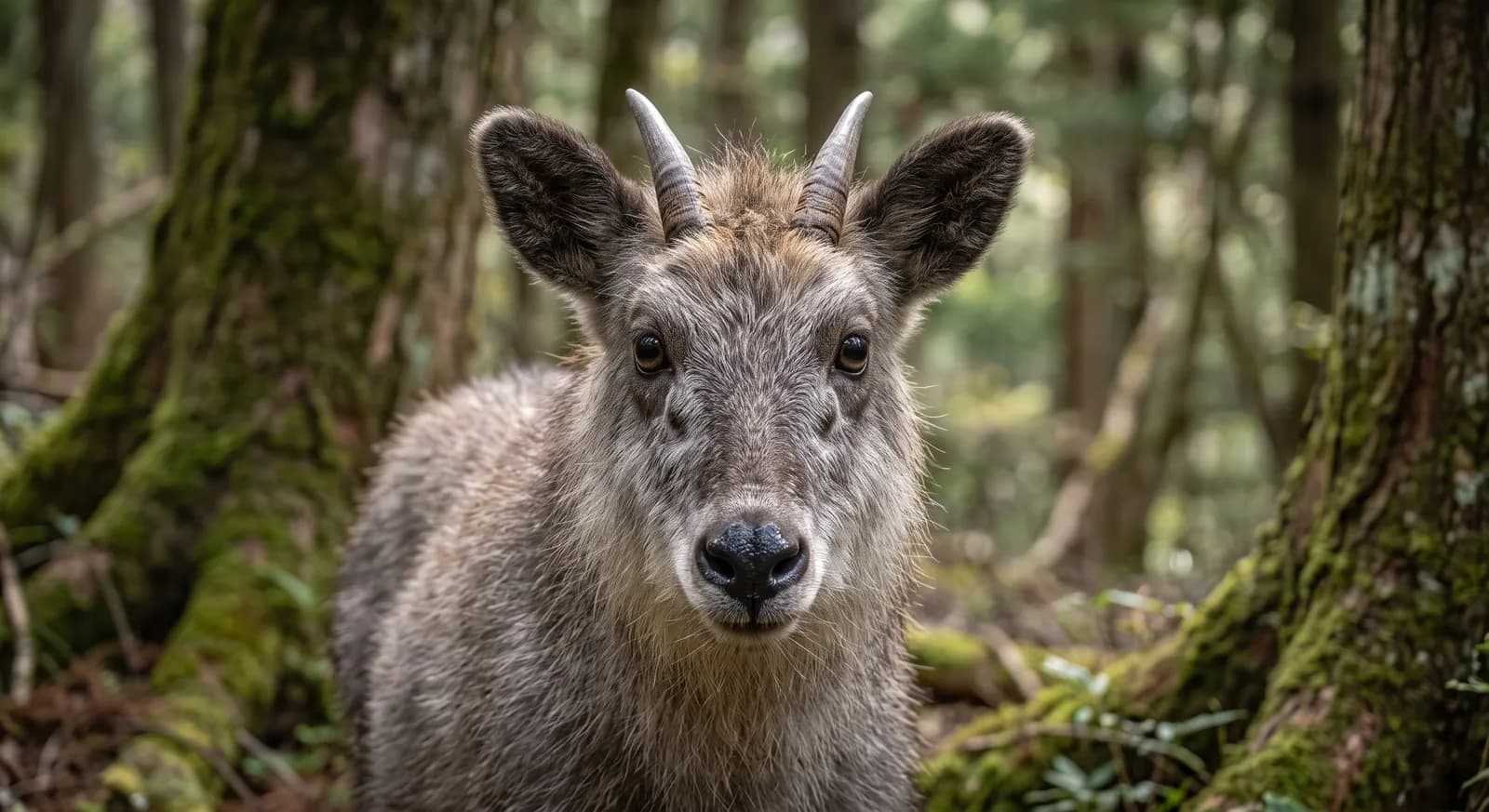 Least Concern
 Least Concern
 Japan