Skip to content
WAnimals
  • Map
  • Species
  • Parks
  • Diving
Log inCreate account
WAnimals

The guide for travellers and animal lovers: discover, plan and share your wild adventures around the world.

Discover wildlife

  • Species
  • Ecosystems
  • Glossary
  • Tags

Explore places

  • Map
  • Countries
  • Parks
  • Diving

Plan experiences

  • Guides

Learn

  • Blog

Resources

  • Help centre
  • Contact
  • Install the app

Follow us

Account

  • Log in
  • Create account

© 2026 WAnimals. All rights reserved.

About usHow we build our profilesTerms of servicePrivacyLegal notice
MapSpeciesParksDiving
  1. Home
  2. Species
  3. Common Bed Bug

One of the 7 bugs on WAnimals

Insects · Hemiptera · Cimicidae

Common Bed Bug

Cimex lectularius

Not Evaluated

It has not yet been assessed against the IUCN criteria.

Spotted something wrong?

Cimex lectularius, popularly known as the bedbug, is a hemipteran insect of the family Cimicidae. It is a blood feeder, that is, it lives on the blood of humans and other warm-blooded animals. Its common name comes from the habitat it most often uses: mattresses, sofas and other furniture. Although it is not strictly nocturnal, it is most active at night.

Size

0.4 cm – 0.7 cm

Life expectancy

1 year

Diet

Carnivore

Feeds mainly on other animals.

Activity

Nocturnal

Active mainly at night.

Social structure

Solitary

Lives and hunts alone, joining others only to breed.

Sighting difficulty

Unknown

Grassland

Fun facts

  • GeneralIt feeds on blood at night and can go several months without eating.
  • reproducciónIt breeds by traumatic insemination: the male pierces the female's abdomen to place the sperm straight into her body cavity.
  • It all but vanished from the developed world in the mid-twentieth century and has come back strongly since the 1990s, driven by international travel and by widespread resistance to pyrethroid insecticides.
  • It reproduces by traumatic insemination: the male pierces the female's abdominal wall with his external genitalia and inseminates directly into the body cavity. It costs the female both lifespan and offspring.
  • The adults can go without feeding for between 41 and 143 days depending on the strain; first-instar nymphs, far less.
  • It has resurged worldwide over the last two decades through a combination of international travel, the second-hand furniture trade, a shift to more selective insecticides and resistance to pyrethroids.
  • Its association with humans is documented over more than two thousand years, and it probably switched hosts when we lived in caves.
  • Resistant populations need up to 2,000 times the concentration of deltamethrin; silica gel dusts, by contrast, still kill more than 95% within 72 hours.

Life cycle and biology

Skeleton type
Invertebrate - chitin exoskeleton (insect)
Habitat and environment
Homes, hotels and transport: mattresses, bed frames and crevices
Size at birth
Elongated white egg of about 1 mm; the nymphs range from 1.5 to 4.5 mm depending on the instar
Sexual maturity
Five nymphal instars, each of which requires a blood meal in order to moult; after the fifth moult the adult is already able to breed
Gestation / incubation
The eggs hatch in 4-12 days; full nymphal development takes 6 to 8 weeks
Litter / clutch size
About 5 eggs a day throughout adult life, between 200 and 500 in all, in cracks and seams

Sources consulted: https://es.wikipedia.org/wiki/Cimex_lectularius; CDC DPDx; Oklahoma State University Extension (2-3 diarios); Oklahoma State University Extension; CDC DPDx, ficha Bed bugs; LSU AgCenter; LSU AgCenter, ficha Cimex lectularius

Related species

Other species in the catalogue with the most in common with Common Bed Bug — same habitat, park, country, tags or family.

Related to
Related to
Related to
Related to
Related to
Related to

Keep exploring

Based on what we already know about common bed bug.

Comments

Share an experience, a fun fact or a tip for seeing the common bed bug.

Be the first to comment.

See full glossary
This page in other languages: Español · Deutsch · Français · Português · Italiano
Not Evaluated

Cat

Felis catus

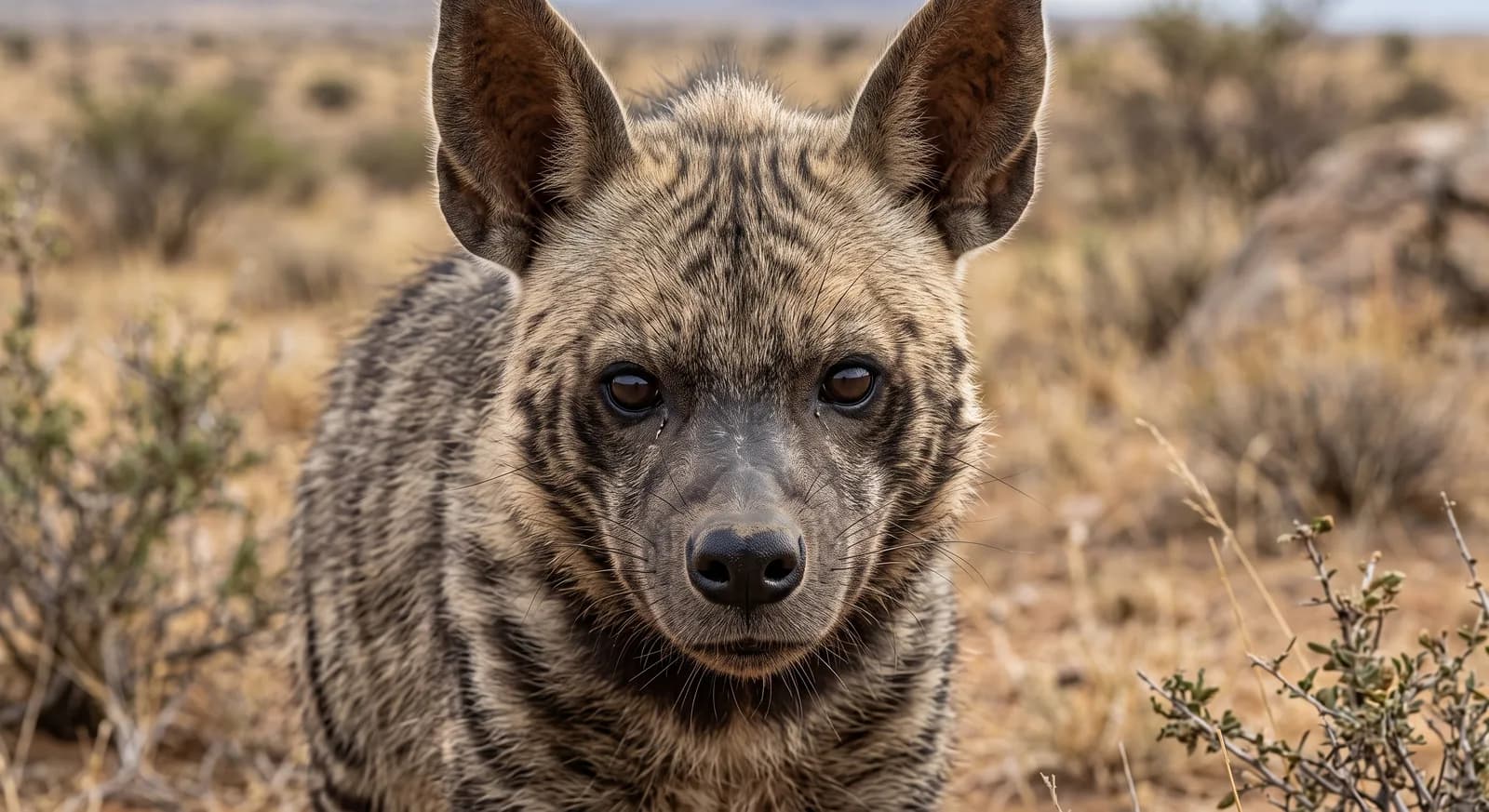
Striped HyaenaNear Threatened

Striped Hyaena

Hyaena hyaena

Yellow AnacondaLeast Concern

Yellow Anaconda

Eunectes notaeus

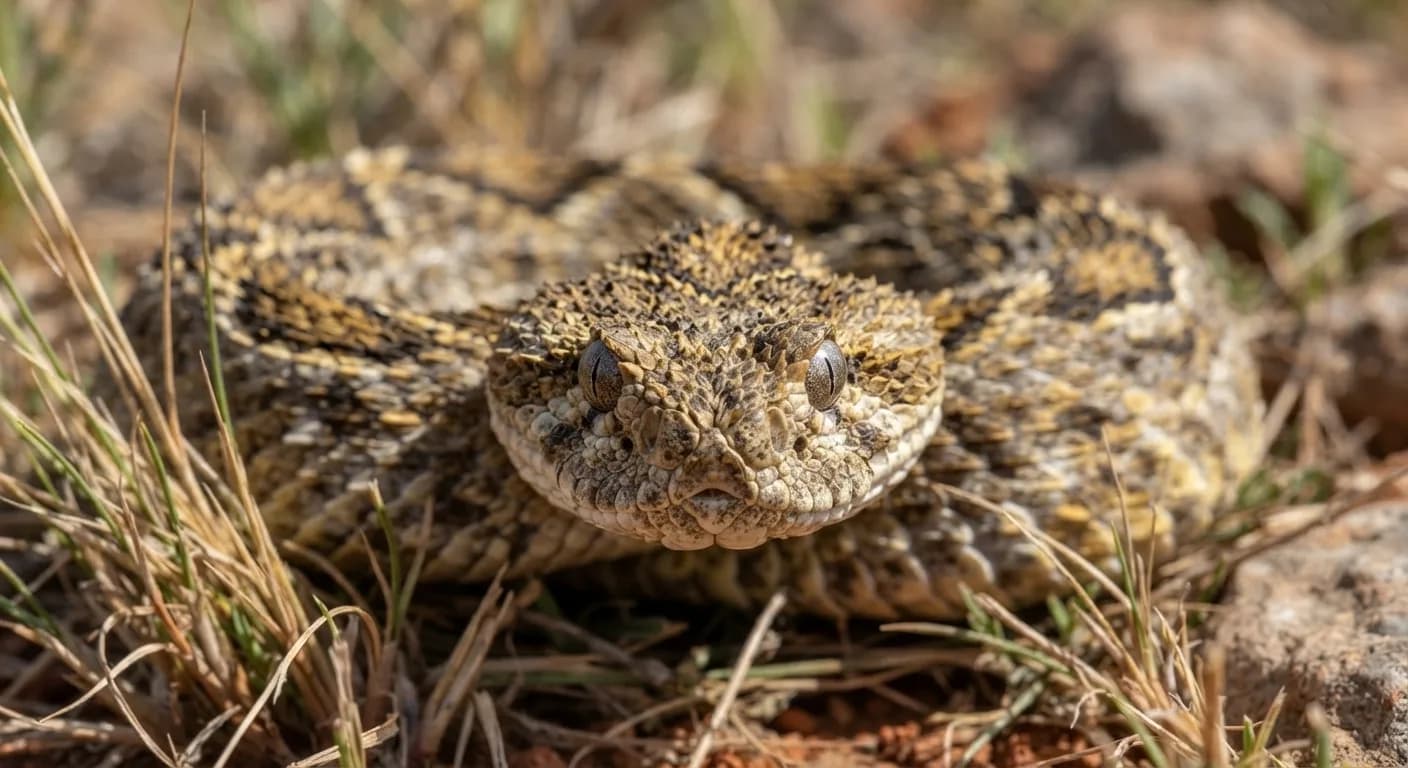
Puff AdderLeast Concern

Puff Adder

Bitis arietans

Least Concern

Cascabel Rattlesnake

Crotalus durissus

Least Concern

Black-necked Spitting Cobra

Naja nigricollis

TagsCarnivore
Carnivore
Nocturnal
Solitary
Insect
Grassland