One of the 6 crocodilians on WAnimals
Reptiles · Crocodilia · Alligatoridae
Chinese Alligator
Alligator sinensis
It faces an extremely high risk of imminent extinction in the wild. See full glossary
It is the only crocodilian genuinely adapted to a seasonal temperate climate, digging extensive underground burrows where it spends several winter months in a prolonged dormancy (brumation).
Weight
23 kg – 38.5 kg
Size
1.5 m – 2.1 m
Lifespan
50 years
Diet
Carnivore
Feeds mainly on other animals.
Activity
Nocturnal
Active mainly at night.
Social structure
Solitary
Lives and hunts alone, joining others only to breed.
Sighting difficulty
Very hard
Estimated population
The wild population is down to a few hundred individuals in the lower Yangtze, against several thousand kept in breeding centres.
Fun facts
- conservaciónIt is one of the smallest and most threatened crocodilians in the world, confined to a small part of the Yangtze valley, with a very small wild population.
Life cycle & biology
- Skeleton type
- Vertebrate - internal bony skeleton with osteoderms (crocodilian reptile)
- Habitat & environment
- Slow-flowing fresh water of the lower Yangtze, in the Chinese provinces of Anhui and Zhejiang
- Birth weight
- 25-30 grams; 20-22 cm long on hatching (the smallest of all the crocodilians)
- Size at birth
- 20 - 22 cm long at hatching
- Sexual maturity
- 4-7 years (female), depending on the source
- Gestation / incubation
- ~70 days
- Litter / clutch size
- 10 to 46 eggs per clutch (most commonly 20-30)
- Lifespan in captivity
- Documented record of up to 65-70 years in captivity
Sources consulted: Dimensions.com; Animal Diversity Web; Britannica; Animal of the World Wiki; AnAge (genomics.senescence.info); A-Z Animals; Animalia.bio; Smithsonian National Zoo; Grokipedia; PMC (semi-wild habitats study)
Where to find it
See its range on the interactive mapBest time: June to September in the lower Yangtze, when it is active; from October to March it stays torpid inside its burrows.
Related species
Other species in the catalogue with the most in common with Chinese Alligator — same habitat, park, country, tags or family.
Dwarf Caiman
Paleosuchus palpebrosus
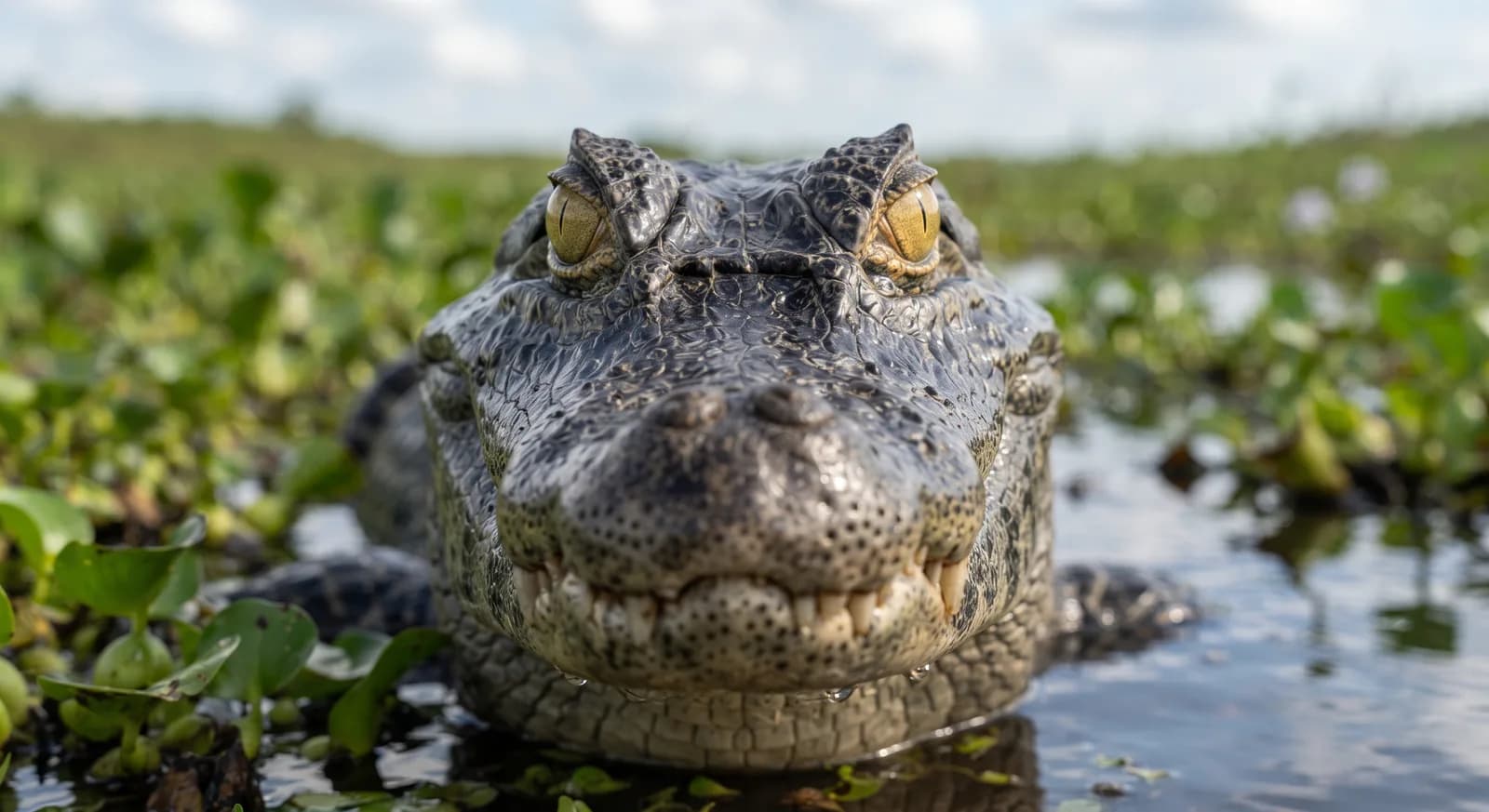 Least Concern
Yacare Caiman
Caiman yacare
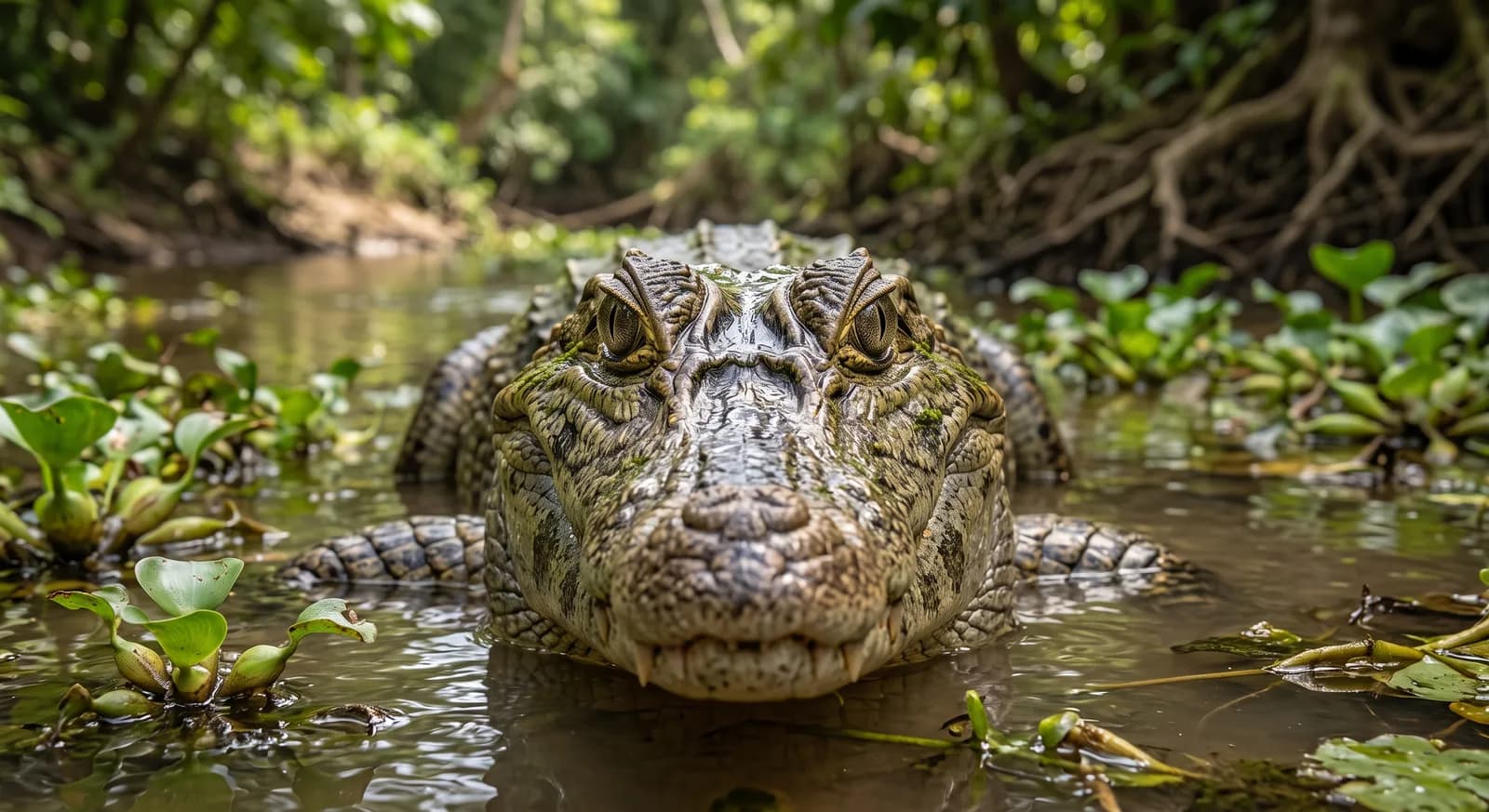 Least Concern
Spectacled Caiman
Caiman crocodilus
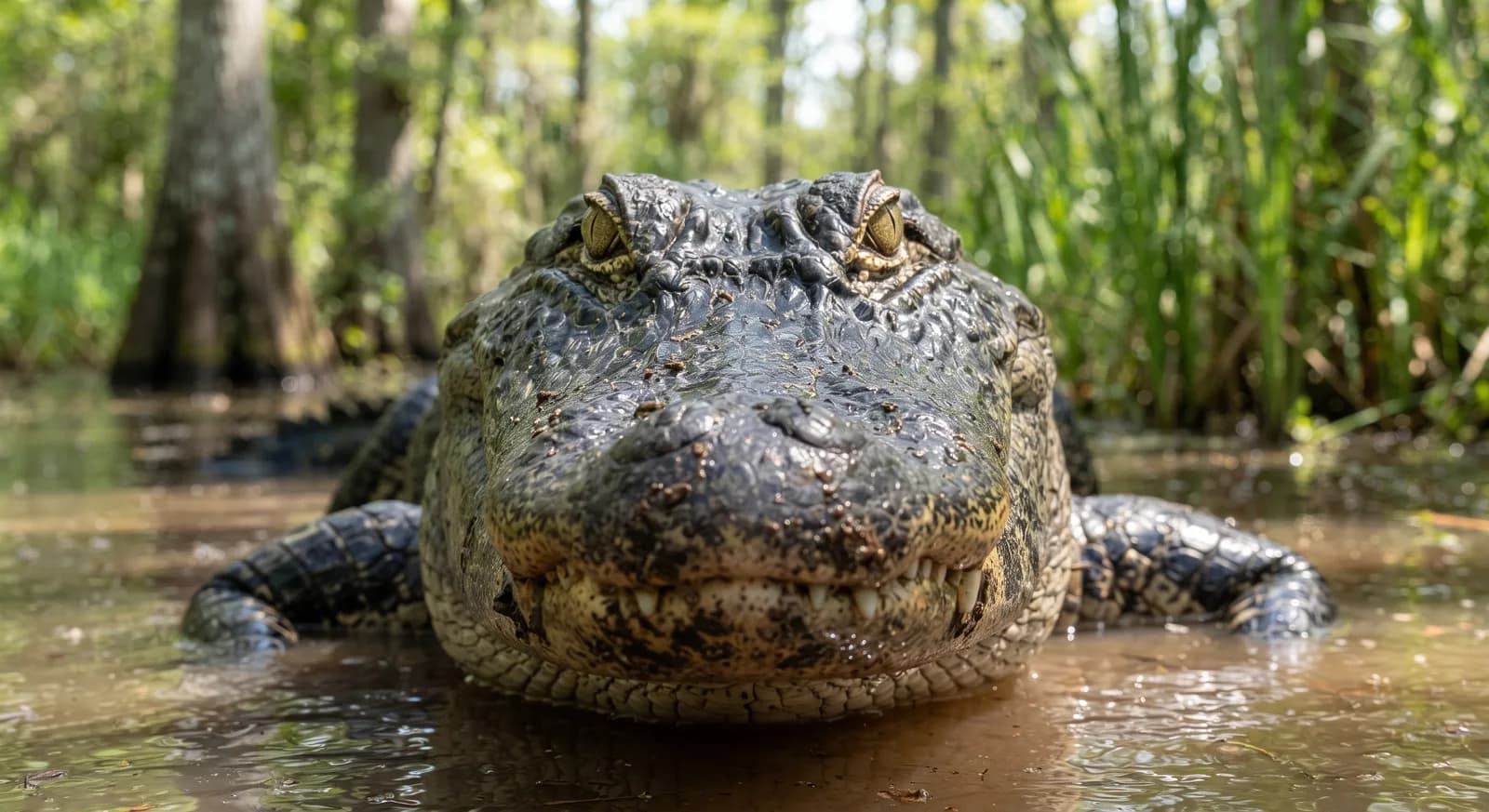 Least Concern
American Alligator
Alligator mississippiensis
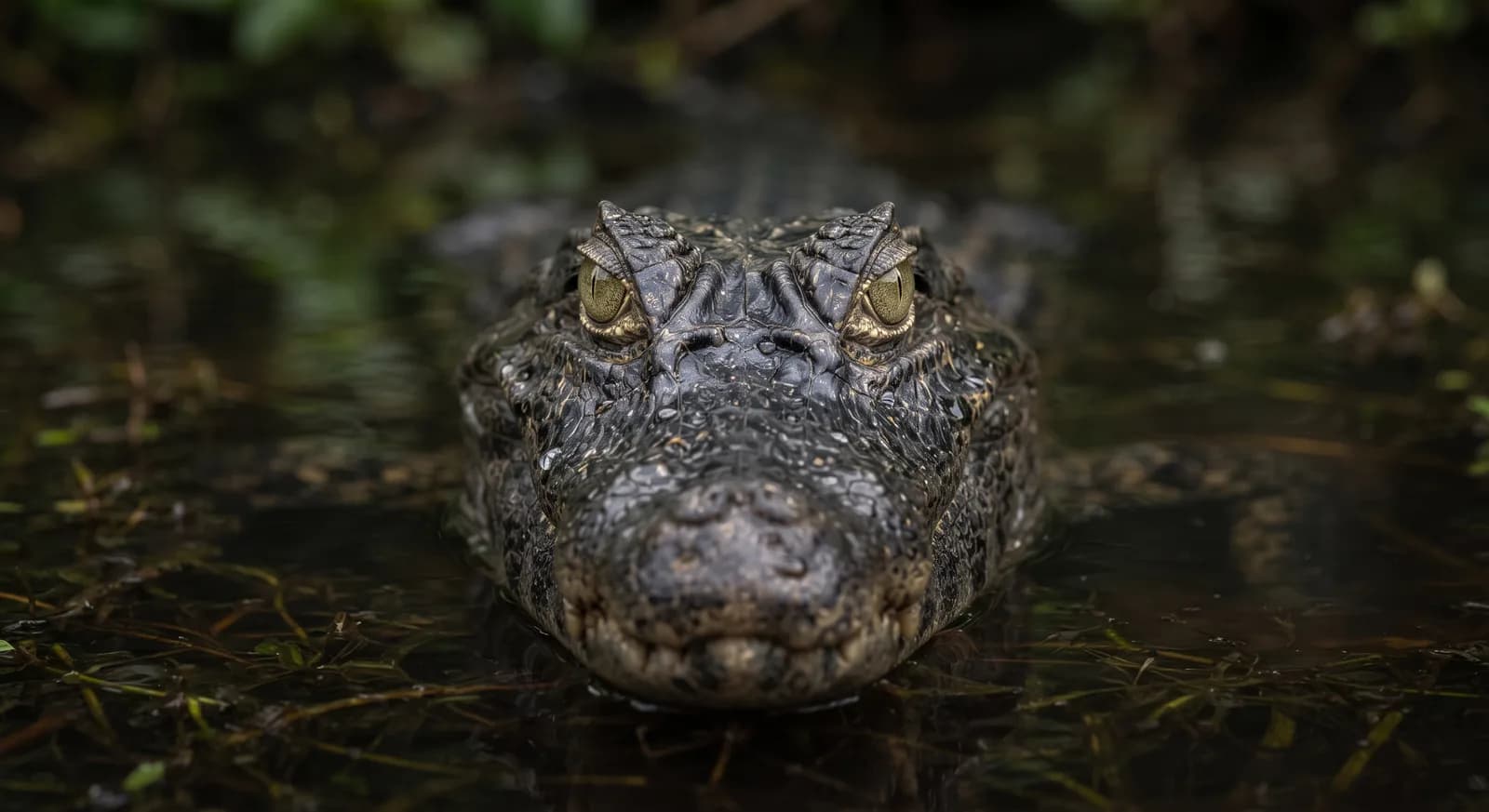 Least Concern
Black Caiman
Melanosuchus niger
How to help
The chinese alligator is classified as critically endangered. Organizations such as UICN, WWF y Wildlife Conservation Society work specifically on its conservation and that of its habitat; looking into their programs is a good starting point if you want to get involved.
Keep exploring
Based on what we already know about chinese alligator.
Comments
Share an experience, a fun fact or a tip for seeing the chinese alligator.
Be the first to comment.