China
Asia
China stretches from the Siberian taiga of the northeast to tropical forests in Yunnan and Hainan, and takes in the Tibetan plateau, the largest highland in the world, where Asia's great rivers rise and where the wild yak, the Tibetan antelope and the snow leopard live. The Hengduan Mountains, in the southwest, form one of the richest biodiversity hotspots on the planet, with deep valleys and a diversity of plants that stocked the gardens of half the world. To the south lies the karst of Guangxi and Guizhou, with limestone towers, caves and underground rivers. The Yangtze and the Yellow River organise densely populated plains where nature has been reduced to fragments, and the coast provides marshes crucial to the bird migration of the Yellow Sea.
The nature of China
National animal: The giant panda, the national animal and the emblem of conservation worldwide
Did you know?
The giant panda is a carnivore by anatomy and by digestive system that has given up meat entirely: it spends up to fourteen hours a day eating bamboo and needs between twelve and thirty-eight kilos daily because it barely digests it. To handle the stems it has developed a false thumb that is not a finger but a wrist bone, elongated and opposed to the others, an improvised evolutionary solution that lets it grip the canes precisely.
Biodiversity profile
Climate
- •Continental humedo y subartico en el noreste
- •Arido y semiarido (BWk/BSk) en el noroeste (desiertos de Gobi y Taklamakan)
- •Templado de alta montaña en la Meseta Tibetana
- •Subtropical humedo (Cfa) en el sur y sureste
- •Tropical en el extremo sur (Yunnan, Hainan)
Main biomes
- •Bosque boreal y estepa (norte)
- •Desierto (Gobi, Taklamakan)
- •Meseta y pastizal alpino tibetano
- •Bosque subtropical humedo (sur y sureste)
- •Selva tropical (Yunnan, Hainan)
- •Manglares y arrecifes de coral (costa sur)
- •Bosque de bambú de montaña
- •Meseta tibetana
- •Karst subtropical
- •Selva tropical de Yunnan
- •Marisma del mar Amarillo
- •Taiga del noreste
- •Desierto de Taklamakán
Marine and coastal ecosystems
- •Extensas areas marinas con arrecifes de coral relevantes en el sur (Hainan)
- •Manglares costeros
Flagship wildlife
- •Panda gigante
- •Tigre de Amur (Siberia/noreste de China)
- •Grulla de cuello negro
- •Mono dorado de Yunnan
- •Leopardo de las nieves
- •Delfin de rio del Yangtze (baiji, posiblemente extinto)
- •Antílope tibetano
- •Grulla de coronilla roja
- •Ibis crestado
- •Cocodrilo chino
- •Yak salvaje
- •Mono dorado de nariz chata
- •Panda rojo
- •Marsopa sin aleta del Yangtsé
Notable endemic species
- •Panda gigante (icono mundial de conservacion, endemico)
- •11% de los generos de vertebrados y 7% de los generos de plantas son endemicos
- •Yunnan, con solo 4,1% del territorio nacional, concentra una porcion desproporcionada de la biodiversidad del pais ("Centro de Diversidad Vegetal" y Endemic Bird Area global)
- •Dos tercios de las especies de anfibios de China son endemicas
- •Mono dorado de nariz chata
- •Cocodrilo chino
- •Marsopa sin aleta del Yangtsé
- •Salamandra gigante china
Notable threatened species
- •Leopardo (declive del 81% en el area de distribucion historica del panda desde los años 60)
- •Leopardo de las nieves (declive del 38%)
- •Lobo (declive del 77%)
- •Cuon o perro salvaje asiatico (declive del 95%)
- •Aprox. 233 especies de vertebrados en riesgo de extincion y 15-20% de las plantas superiores silvestres en peligro
Notable protected areas
- •Parque Nacional del Panda Gigante (27.134 km2, establecido en 2021, uno de los mayores hotspots de endemismo mundial)
- •Reserva Natural de Wolong (Sichuan)
- •Parque Nacional de Sanjiangyuan
- •Parque Nacional de Wuyishan
- •Reserva de Jiuzhaigou
- •Parque Nacional del Tigre Siberiano
- •Reserva de Poyang
Main conservation threats
- •Cambio climatico proyectado a reducir el habitat adecuado del panda gigante entre 6,7% y 16,2%, y el del almizclero de bosque hasta 24%
- •Fuerte declive historico de grandes carnivoros por perdida de habitat y conflicto humano-fauna
- •Contradicciones persistentes entre desarrollo economico y conservacion de biodiversidad
Notable natural phenomena
- •Migracion altitudinal proyectada del panda gigante y especies simpatricas hacia zonas mas elevadas y centrales de las Montañas Liangshan por el cambio climatico
Conservation
The Yangtze river dolphin, or baiji, was declared functionally extinct in 2006 after an expedition failed to find a single animal: it was the first cetacean lost to human causes. The giant panda, by contrast, moved from Endangered to Vulnerable in 2016 thanks to the network of bamboo reserves.
Where and when to watch wildlife
Sichuan between March and May for pandas and mountain birds. Zhalong in winter for red-crowned cranes. Sanjiangyuan in summer for Tibetan antelope and snow leopard.
Sources: BIOFIN - China | BioDB.com - China | PNAS - Strengthening protected areas for biodiversity China | ScienceDirect - Yunnan protected area network climate change | The Nature Conservancy - China biodiversity report
Parks and reserves
Jiuzhaigou
Multicoloured turquoise lakes formed by deposits of calcium carbonate
View parkNational Park / World Heritage SiteShennongjia
The centre of centuries of legend about the Yeren, or Chinese Bigfoot, a supposed wild hominid never scientifically confirmed
View parkNational Nature ReserveWolong (Giant Panda National Park)
China's oldest, largest and best-known giant panda reserve, home to the world's first captive breeding centre
View parkNational Scenic ParkDanxiashan
The type locality of danxia landforms: red sandstone cliffs and pillars in northern Guangdong.
View parkWorld Heritage Site (Natural)Fanjingshan
An island of metamorphic rock in a sea of karst, the only home of the Guizhou snub-nosed monkey and the Fanjingshan fir.
View parkNational Nature ReserveHuanglong
Coloured travertine terraces in the upper Minshan, with glaciers, waterfalls and giant panda habitat.
View parkNational Forest Park / World Heritage SiteHuangshan
A sacred Taoist mountain, its ancient pines clinging to granite cliffs, which has inspired Chinese painting for over a thousand years
View parkWorld Heritage Site (Natural)Karst del Sur de China
The world reference for humid tropical and subtropical karst, with stone forests, limestone towers and giant dolines.
View parkNational Scenic ParkLushan
A mountain cultural landscape in Jiangxi where part of Chinese spiritual and aesthetic thought took shape.
View parkNational Park / World Heritage SiteWuyi Mountains
The birthplace of Da Hong Pao oolong tea, whose original 350-year-old bushes are so closely protected that their tea is no longer sold, only given as a gift of state
View parkDiving and snorkelling
Países similares
¿A dónde más podría interesarme viajar?
Misma región: Asia Oriental
Misma región: Asia Oriental
Misma región: Asia Oriental
Misma región: Asia Oriental
Especies documentadas en China
479 species found
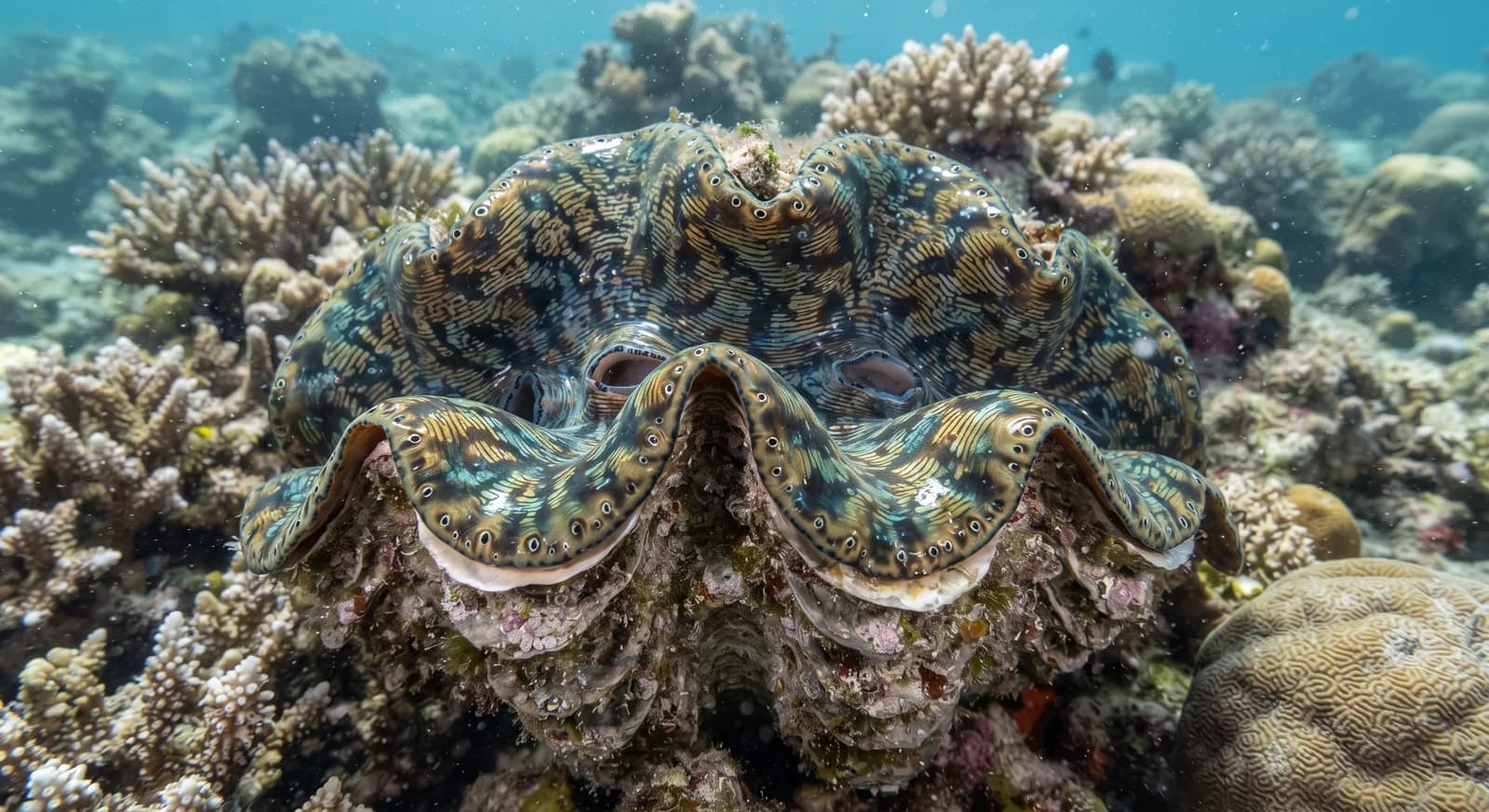 Critically Endangered
Giant Clam
Tridacna gigas
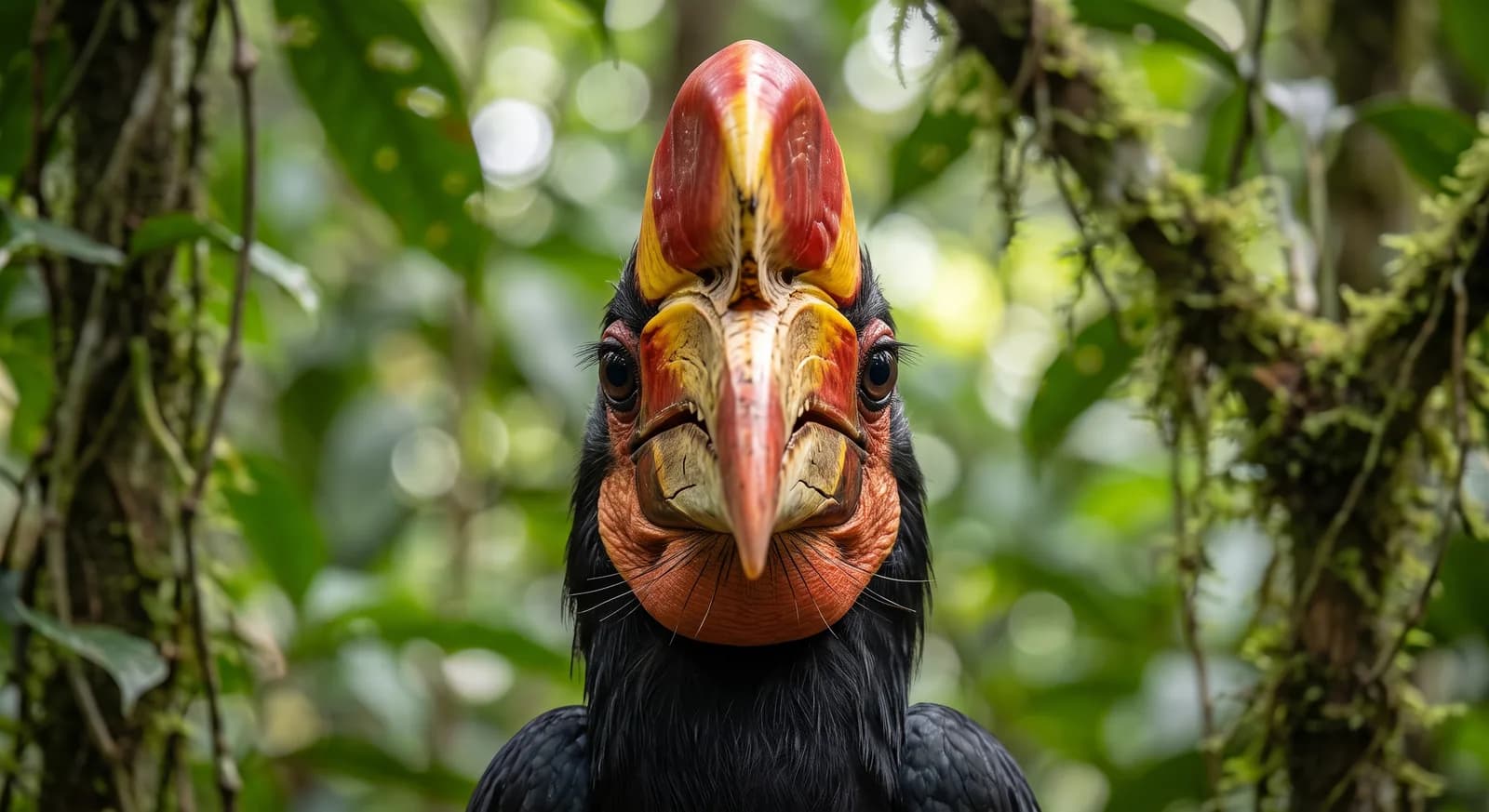 Critically Endangered
Helmeted Hornbill
Rhinoplax vigil
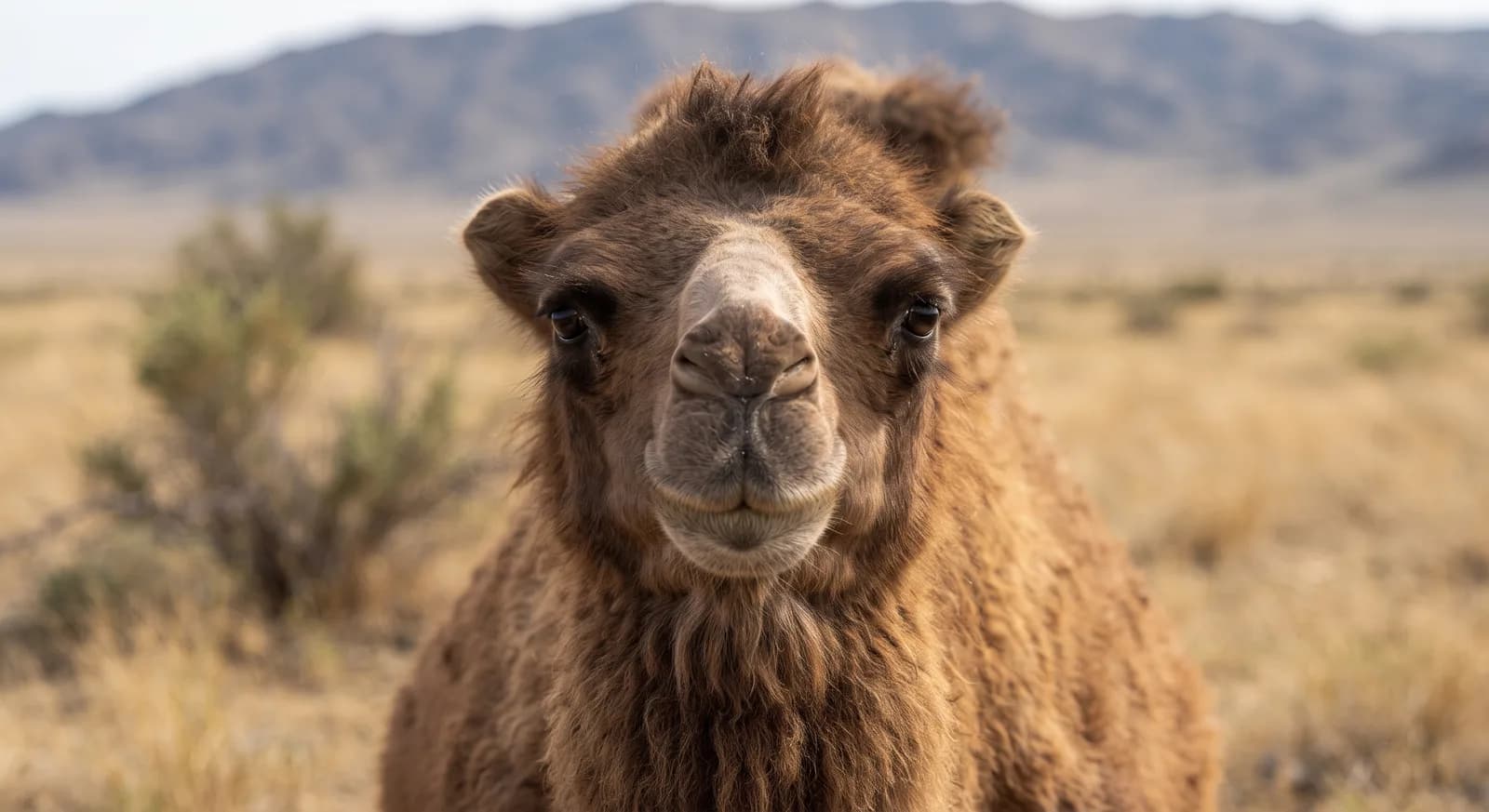 Critically Endangered
Bactrian Camel
Camelus bactrianus
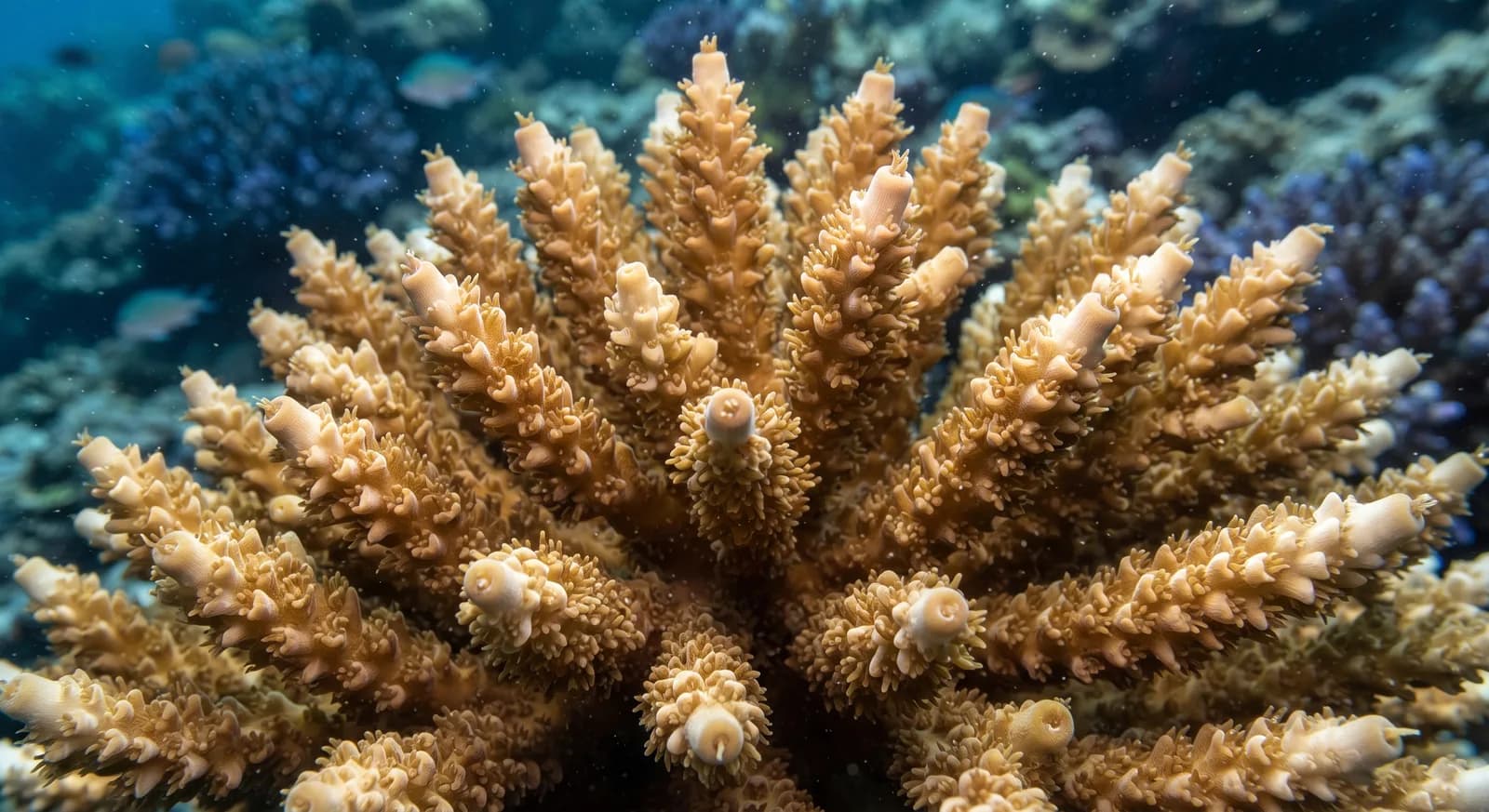 Critically Endangered
Staghorn Coral
Acropora cervicornis
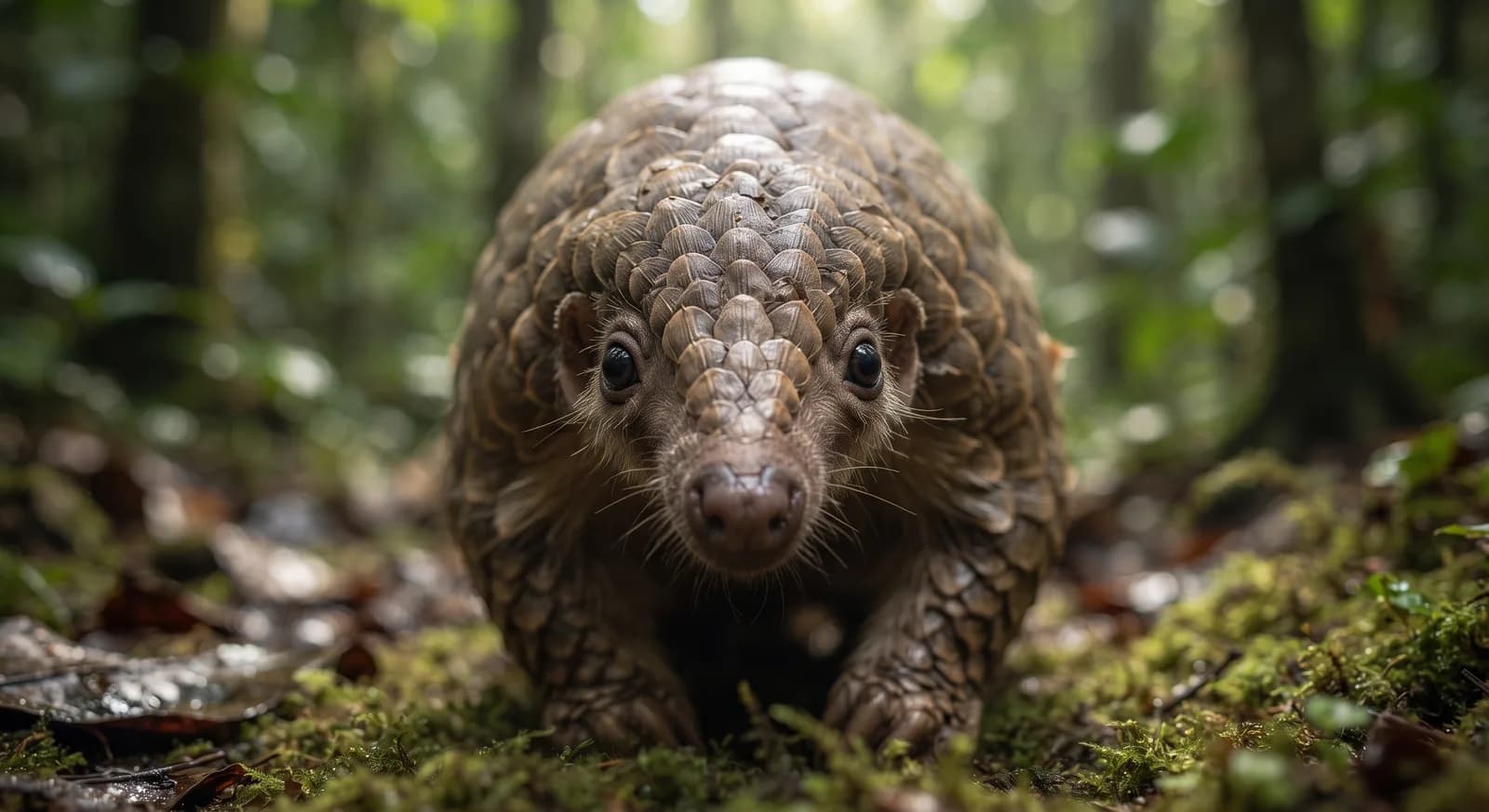 Critically Endangered
Chinese Pangolin
Manis pentadactyla
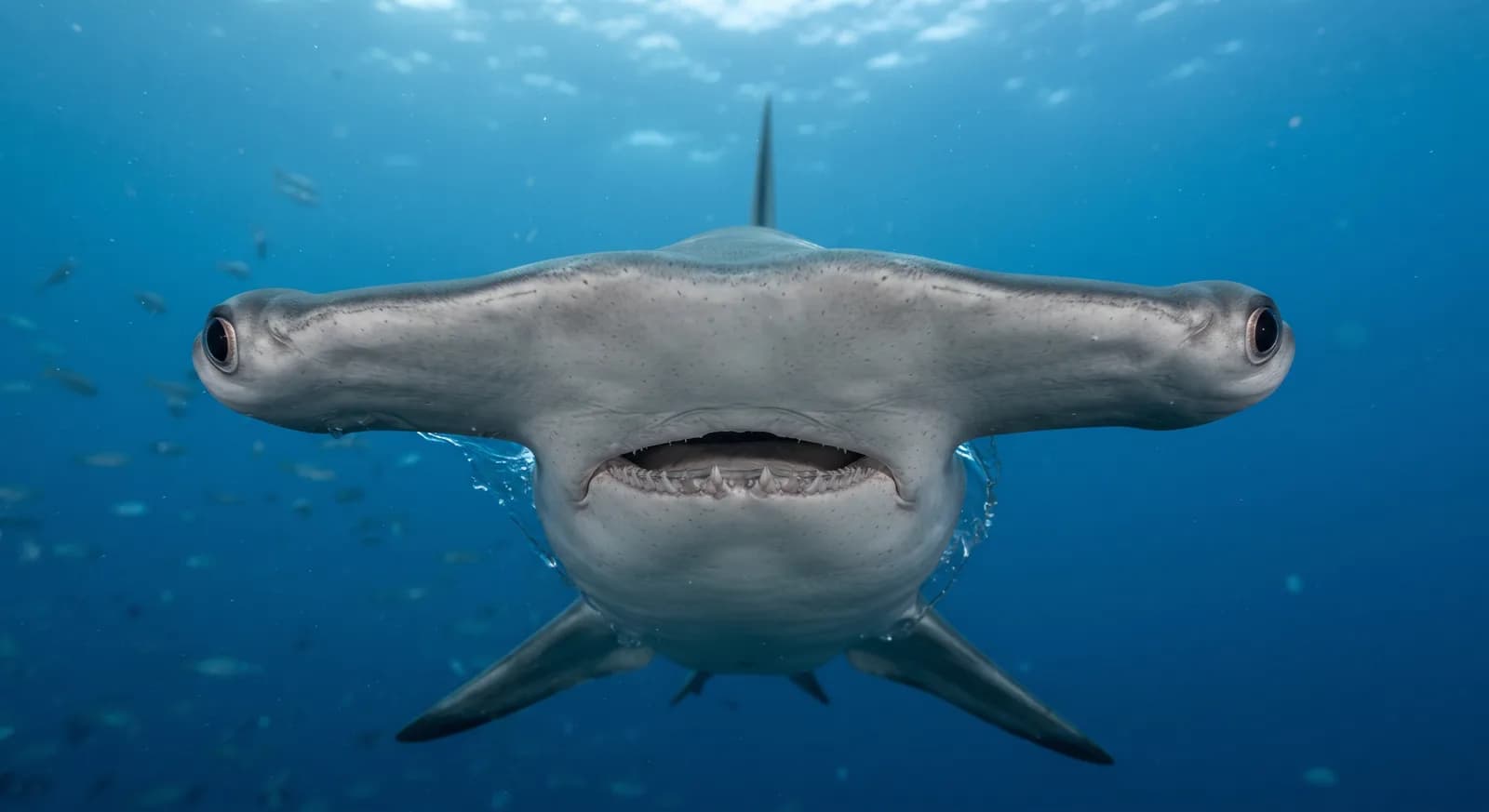 Critically Endangered
Great Hammerhead
Sphyrna mokarran
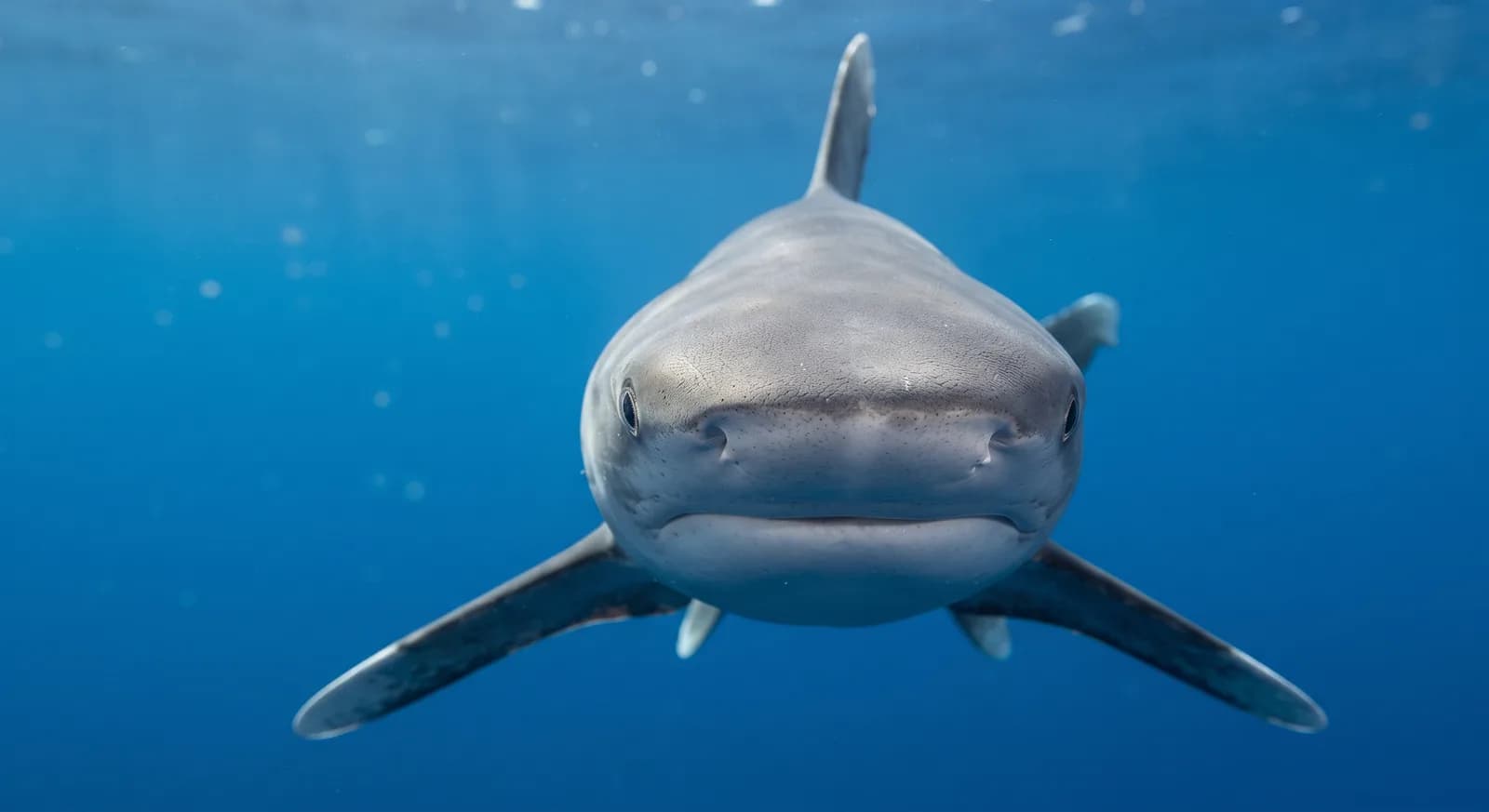 Critically Endangered
Oceanic Whitetip Shark
Carcharhinus longimanus
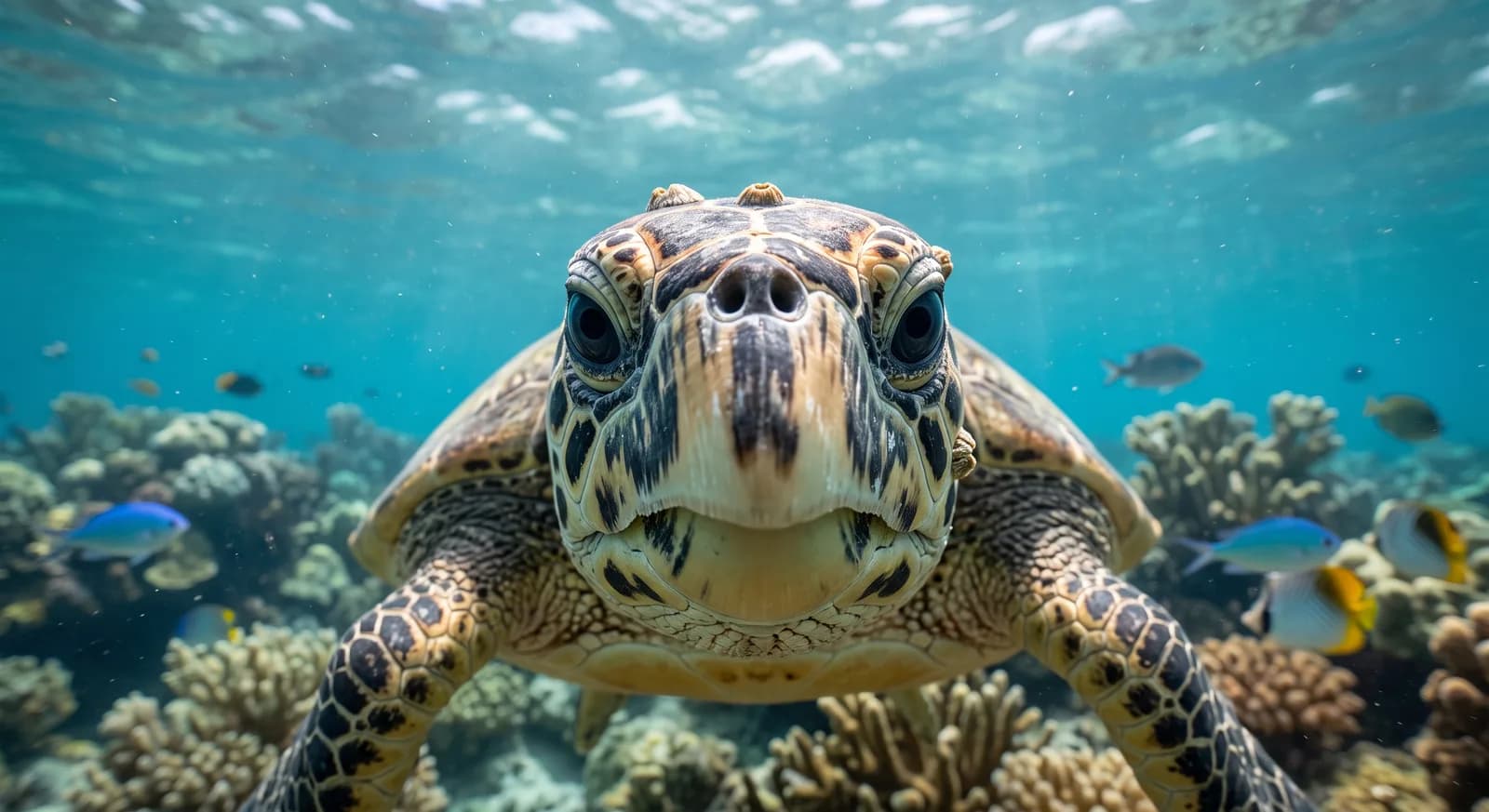 Critically Endangered
Hawksbill Turtle
Eretmochelys imbricata
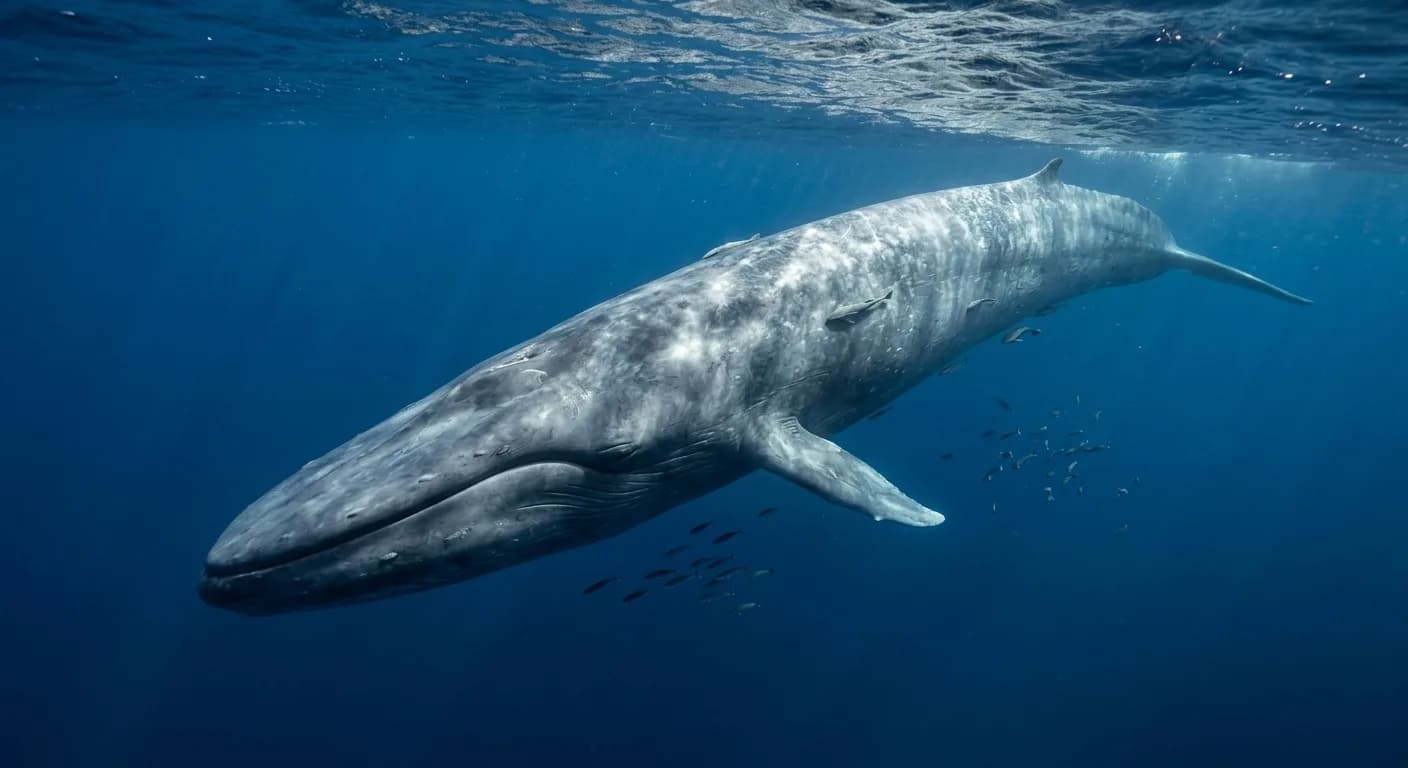 Endangered
Blue Whale
Balaenoptera musculus
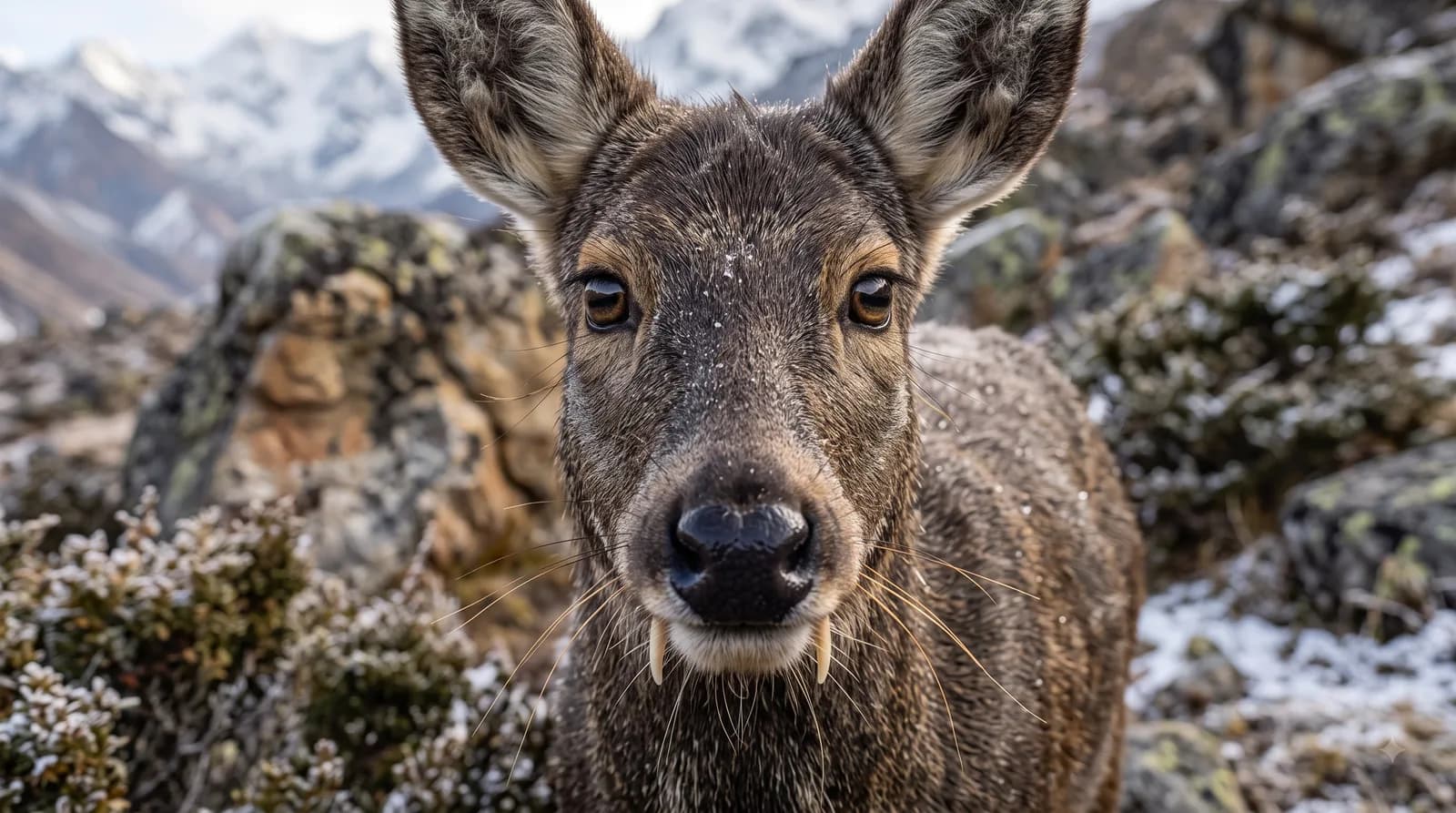 Endangered
Alpine Musk Deer
Moschus chrysogaster
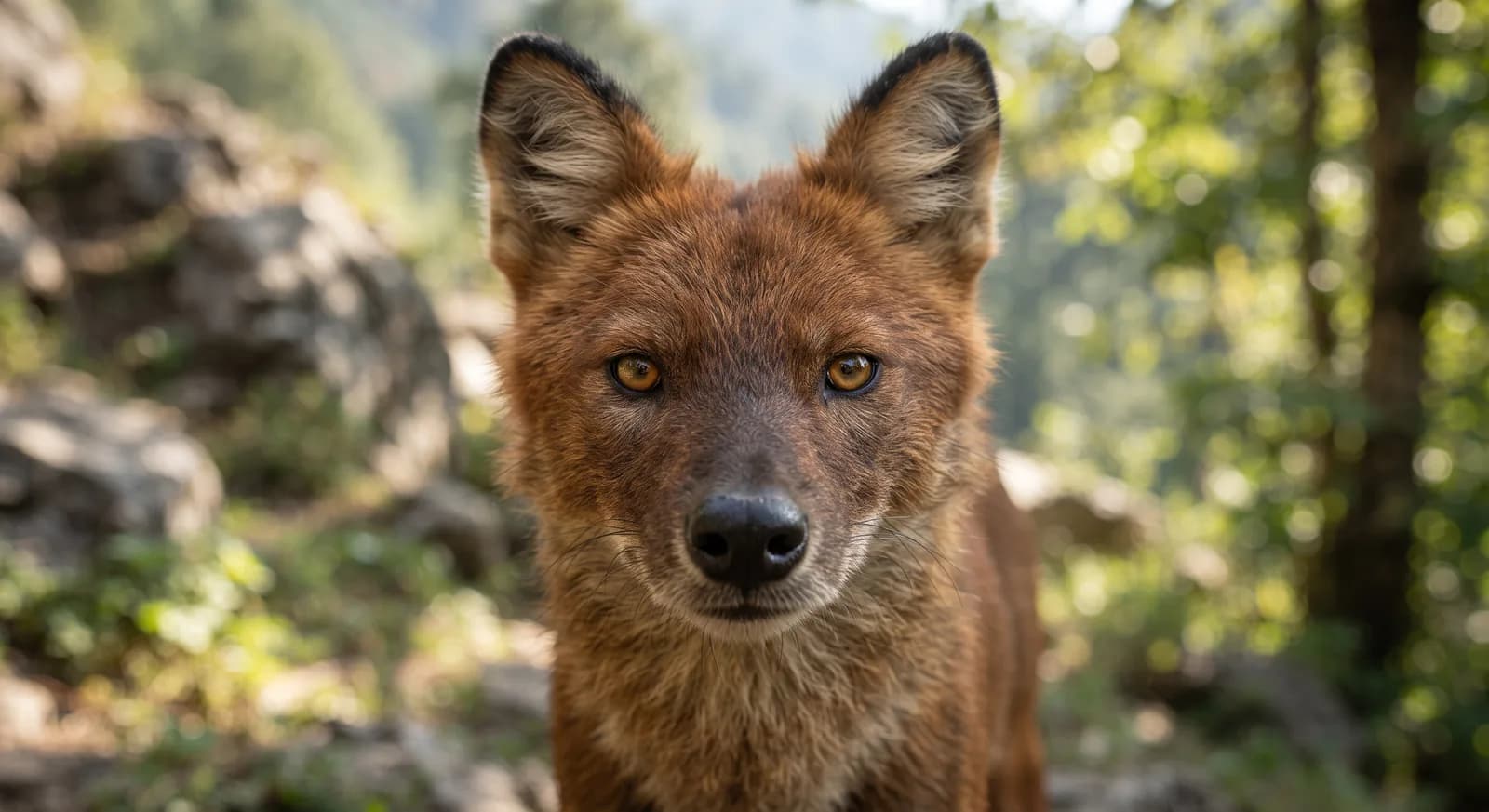 Endangered
Dhole
Cuon alpinus
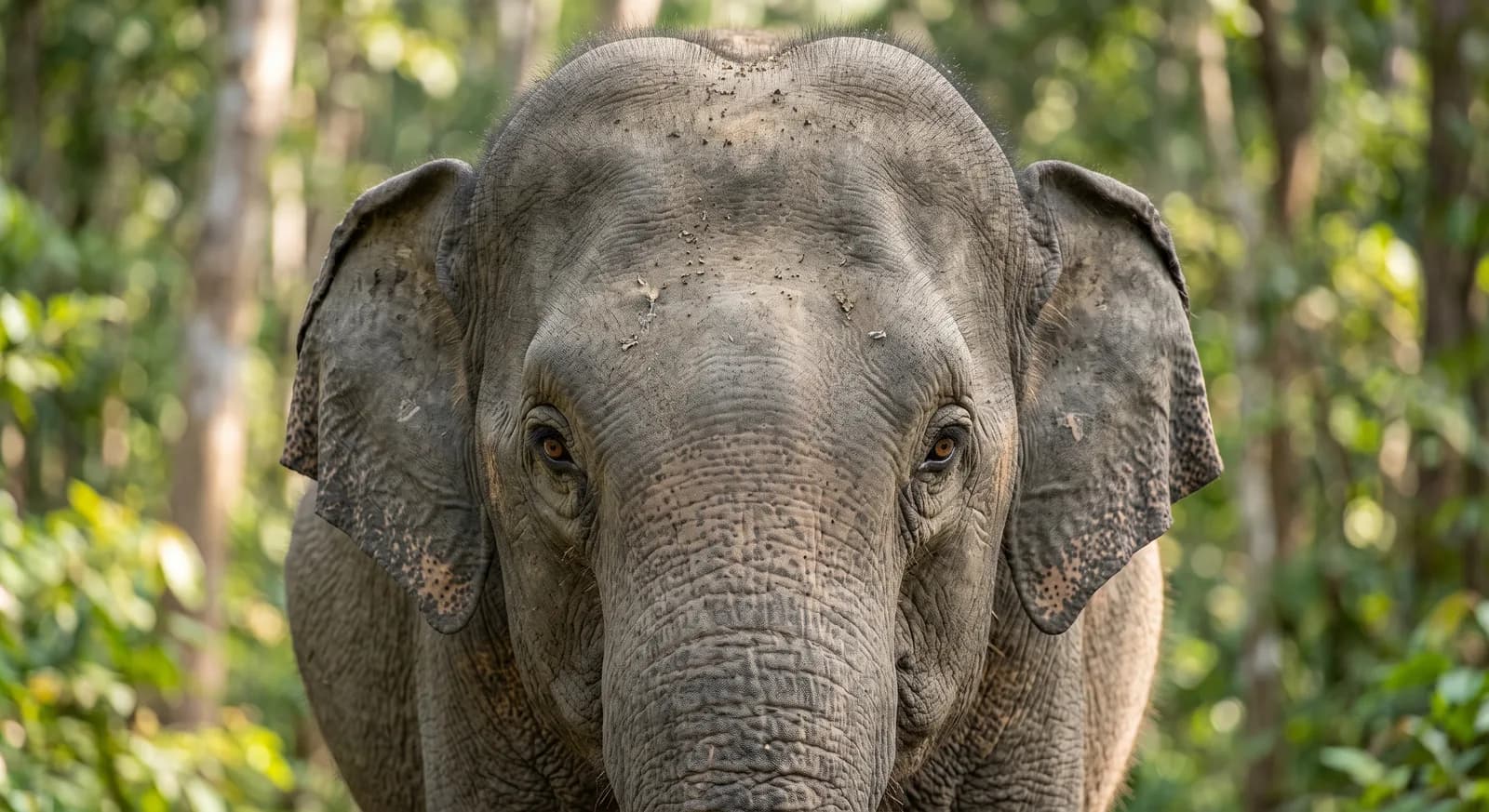 Endangered
Asian Elephant
Elephas maximus
Keep exploring
Based on what we already know about China.