One of the 2 pandas on WAnimals
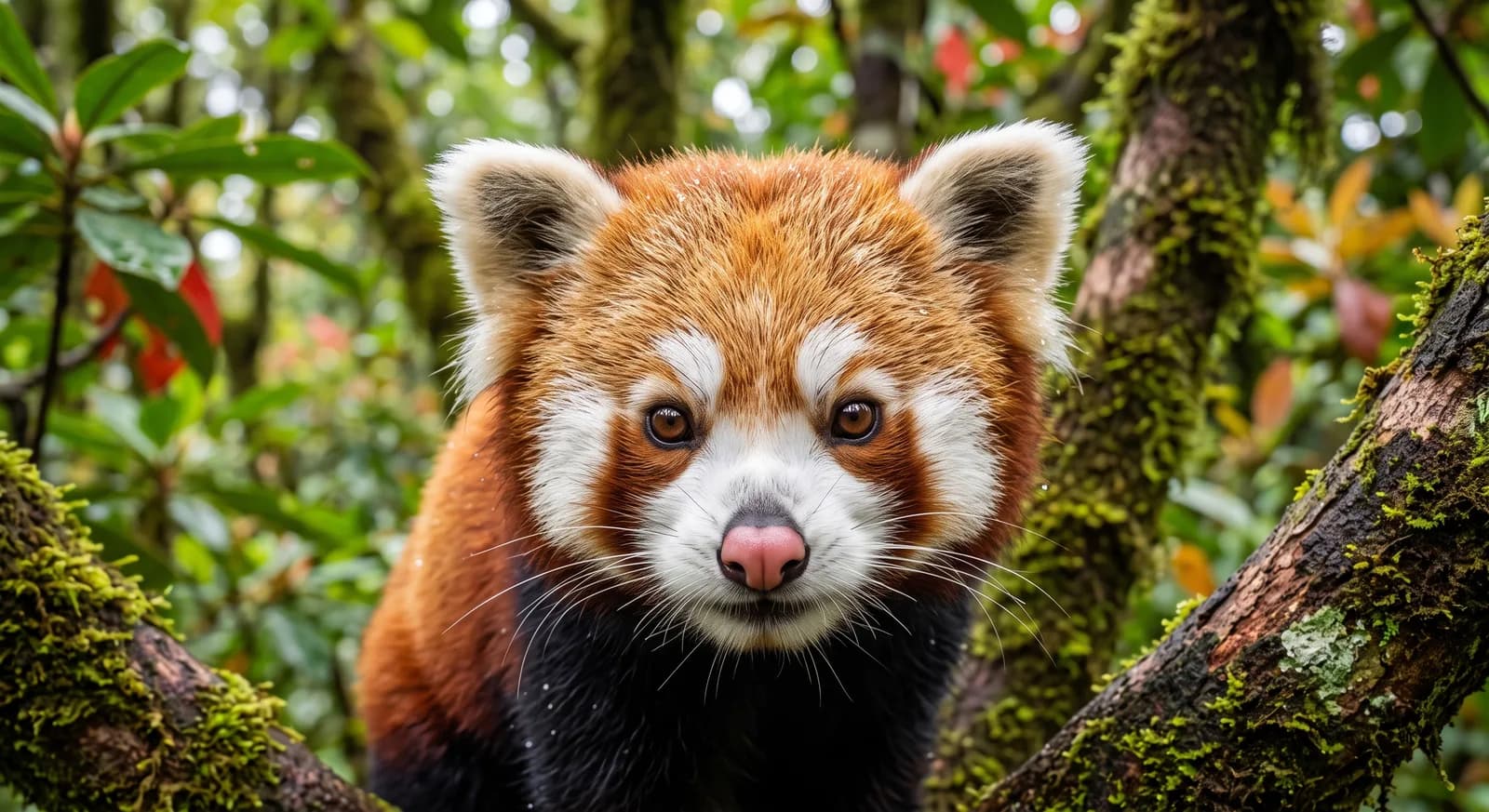
Mammals · Carnivora · Ailuridae
Red Panda
Ailurus fulgens
It faces a very high risk of extinction in the wild in the near future. See full glossary
It is the only living member of the family Ailuridae and, despite its name, is not closely related to the giant panda; genetically it is nearer to skunks, raccoons and weasels.
Weight
3.2 kg – 15 kg
Size
51 cm – 63.5 cm
Lifespan
10 years
Diet
Herbivore
Feeds mainly on plants.
Activity
Crepuscular
Active above all at dawn and dusk.
Social structure
Solitary
Lives and hunts alone, joining others only to breed.
Sighting difficulty
Hard
Fun facts
- Despite its name it is not closely related to the giant panda, but to skunks, raccoons and weasels.
- It lives in the trees and is largely solitary.
- Its diet is specialised on bamboo, though it also eats fruit, eggs and small mammals.
- anatomíaDespite its name it is not closely related to the giant panda, and it feeds mainly on bamboo thanks to a modified wrist bone that works as a false thumb.
Life cycle & biology
- Skeleton type
- Vertebrate - internal bony skeleton (mammal)
- Habitat & environment
- Temperate mountain forest of the Himalaya and south-western China, rich in bamboo
- Birth weight
- ~100-130 g at birth, blind and helpless
- Size at birth
- ~100-130 g at birth
- Sexual maturity
- 18-20 months (first births between 24 and 26 months)
- Gestation / incubation
- 112-158 days (a wide variation, possibly because of delayed implantation)
- Litter / clutch size
- 1 to 4 young per litter (average 1.7-2)
- Lifespan in captivity
- Documented record of up to 19 years
Sources consulted: Wikipedia (Red panda); AnAge (genomics.senescence.info); Nature Table (WordPress); ResearchGate (reproduction captivity study); Animal Diversity Web; Capron Park Zoo; The Animal Facts; Sarah Lyn Gay
Where to find it
See its range on the interactive mapWhere to watch it
Parques y spots de buceo donde se ha documentado esta especie — se muestran 10 de 15 documentados.
Related species
Other species in the catalogue with the most in common with Red Panda — same habitat, park, country, tags or family.
Golden Snub-nosed Monkey
Rhinopithecus roxellana
Black Snub-nosed Monkey
Rhinopithecus bieti
 Endangered
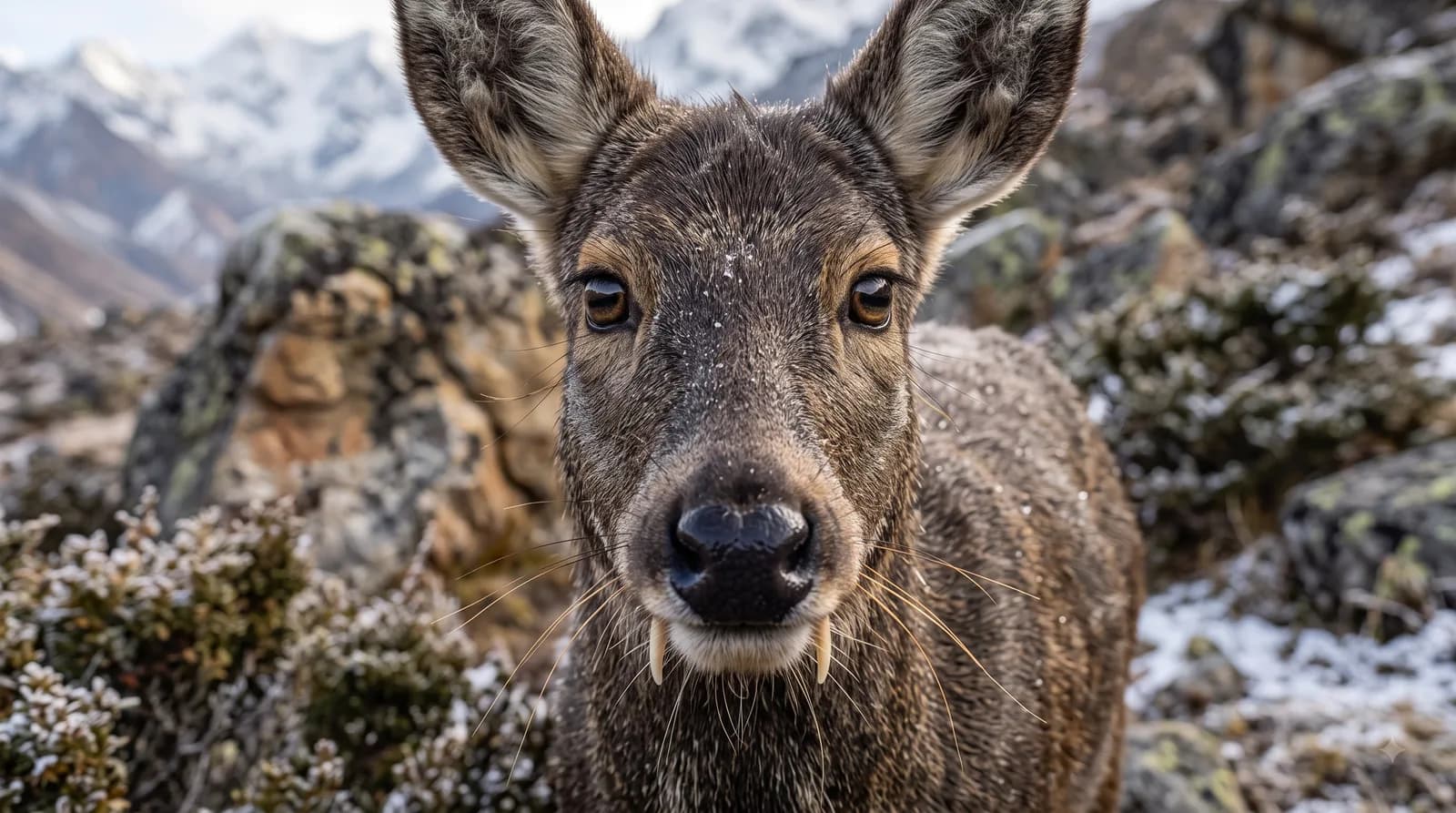
Alpine Musk Deer
Moschus chrysogaster
Phayre’s Leaf-monkey
Trachypithecus phayrei
 Vulnerable
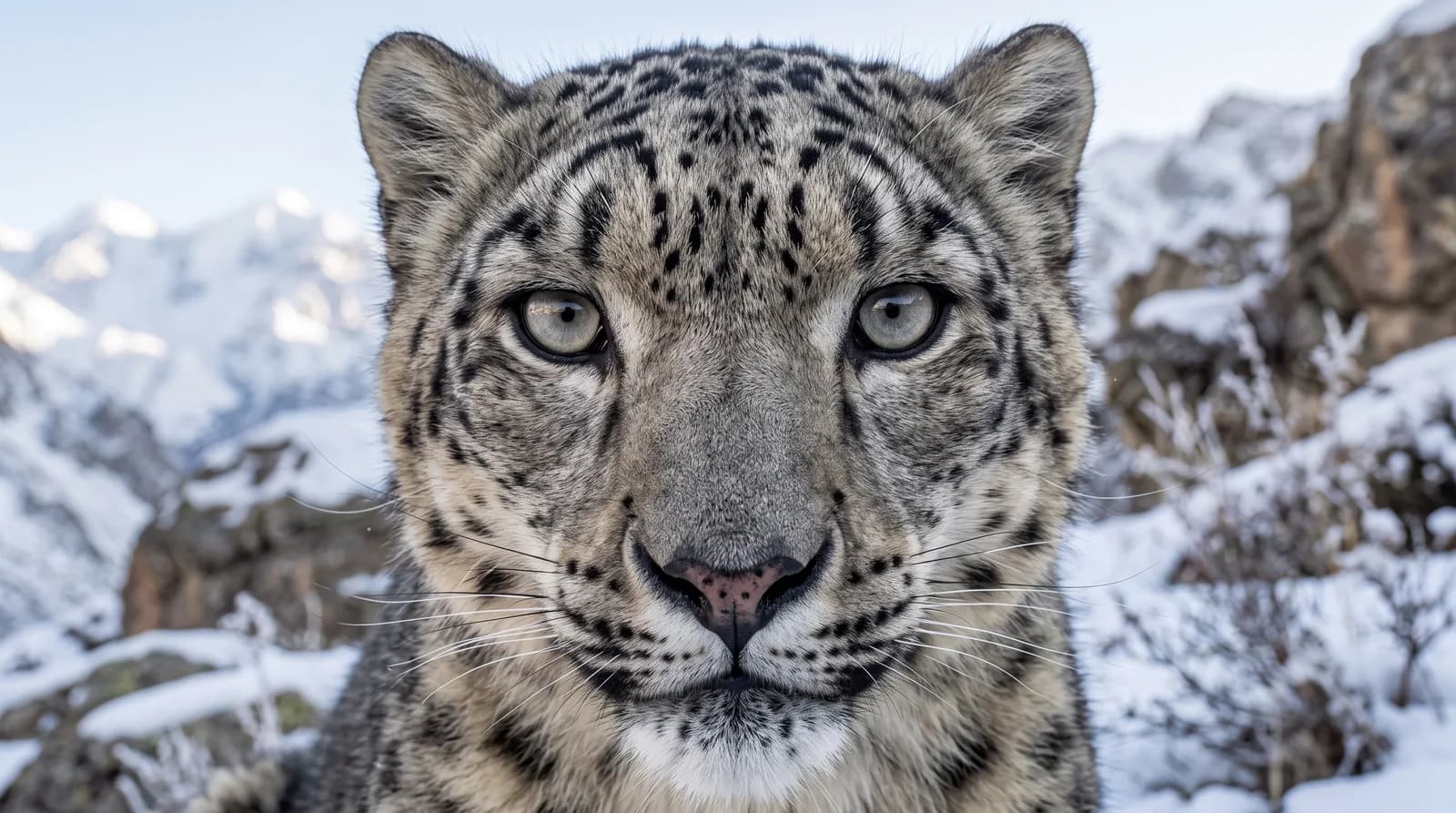
Snow Leopard
Panthera uncia
 Endangered
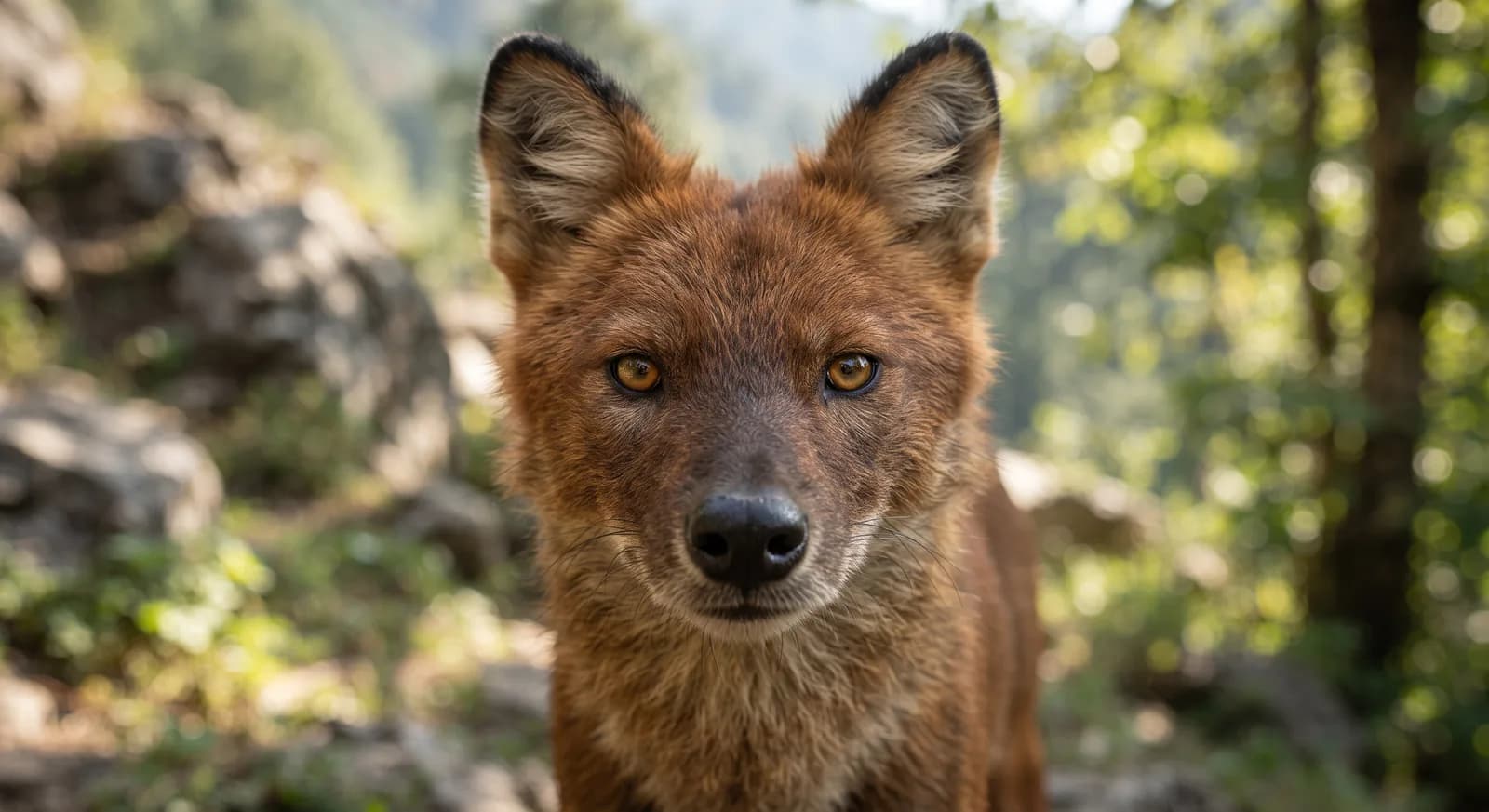
Dhole
Cuon alpinus
How to help
The red panda is classified as endangered. Organizations such as UICN, WWF y Wildlife Conservation Society work specifically on its conservation and that of its habitat; looking into their programs is a good starting point if you want to get involved.
It's documented in 9 real protected areas — part of why protecting these places matters for its conservation.
Keep exploring
Based on what we already know about red panda.
Comments
Share an experience, a fun fact or a tip for seeing the red panda.
Be the first to comment.