Bhutan
Asia
Bhutan is one of the few countries in the world with a negative carbon balance, that is, one that absorbs more greenhouse gases than it emits, and its constitution requires at least sixty per cent of the territory to be kept under forest, a threshold it comfortably exceeds today. Its relief rises from the subtropical forests of the south, at Royal Manas, to the Himalayan summits of the north, and more than half the country is protected through parks connected by legally recognised biological corridors. That continuity allows large mammals to move up and down in altitude with the season. The Phobjikha valley receives the black-necked cranes every winter, birds regarded as sacred whose arrival is celebrated with a festival and whose protection has even determined how the valley's power lines are laid.
The nature of Bhutan
National animal: The takin, the country's national animal
Did you know?
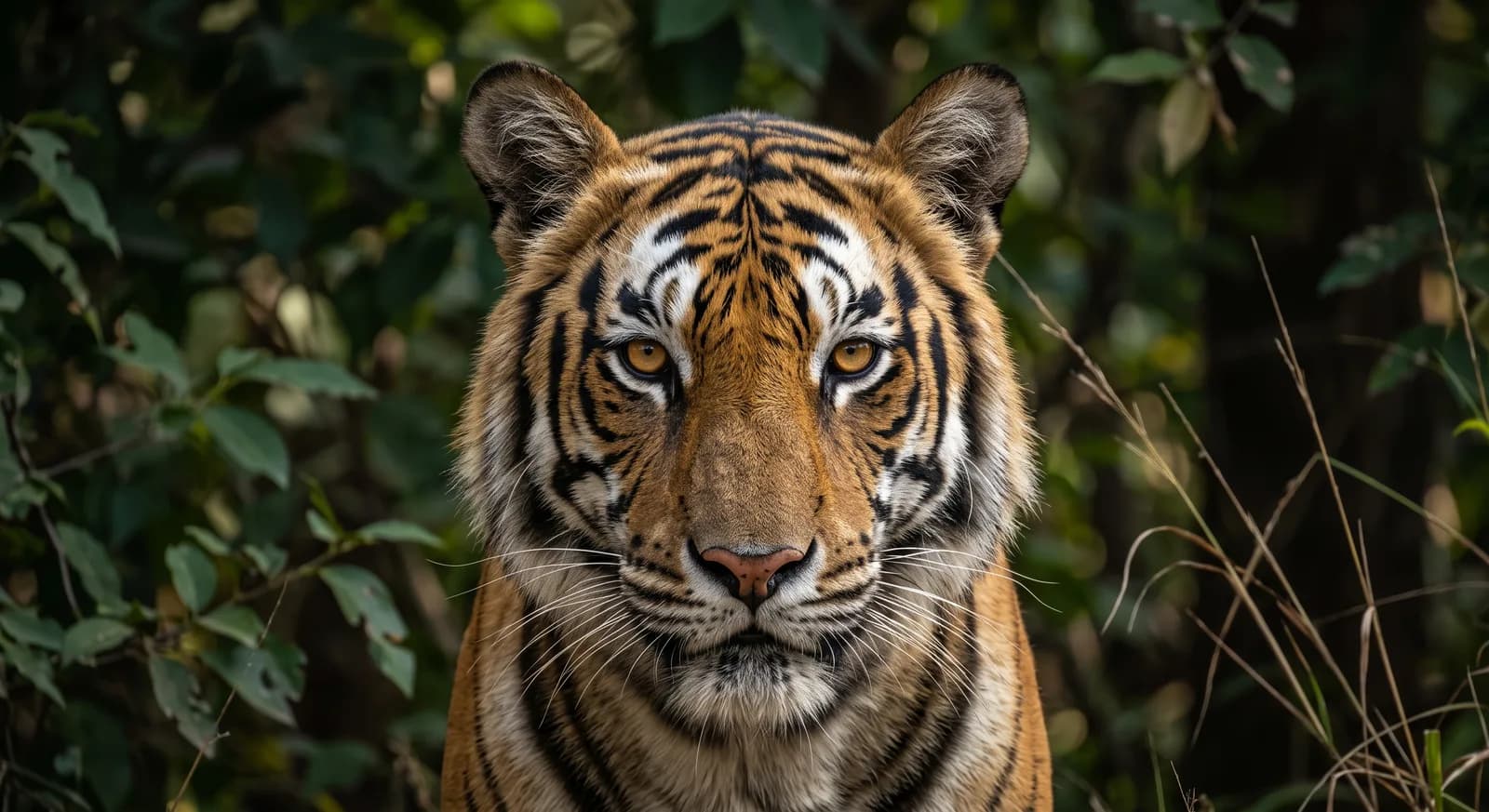
Bhutan's camera traps have photographed tigers above four thousand metres, the highest records of the species anywhere in the world. At that altitude they share ground with the snow leopard, something that happens in no other country, and they show that the biological corridors linking the parks from north to south really do work as high-altitude passageways for wildlife.
Biodiversity profile
Climate
- •Subtropical humedo en el sur (tierras bajas)
- •Templado en los valles centrales
- •Alpino y de tundra en el norte (Himalaya alto)
Main biomes
- •Selva subtropical en el sur
- •Bosque templado de coniferas y hoja ancha en los valles centrales
- •Bosque alpino y pastizal de alta montaña en el norte, parte del hotspot del Himalaya Oriental
- •Selva subtropical
- •Bosque de coníferas del Himalaya
- •Bosque de rododendros
- •Pradera alpina
- •Valle glaciar
- •Bosque de robles de montaña
- •Glaciar
Marine and coastal ecosystems
- •No aplica (pais sin litoral)
Flagship wildlife
- •Tigre de Bengala (presente hasta altitudes inusualmente altas)
- •Panda rojo
- •Leopardo de las nieves
- •Takin (mamifero nacional)
- •Grulla de cuello negro
- •Grulla cuellinegra
- •Elefante asiático
- •Langur dorado
- •Oso pardo del Himalaya
- •Monal del Himalaya
- •Gato dorado asiático
Notable endemic species
- •Mas de 5.600 especies de plantas vasculares, de las cuales aprox. 94% son nativas y 144 especies son endemicas de Bhutan
- •Parte del hotspot del Himalaya Oriental, una de las 10 regiones mas biodiversas del mundo
- •Langur dorado de Gee
- •Amapola azul del Himalaya
Notable threatened species
- •Grulla de cuello negro (Vulnerable, inverna en los valles de Bhutan y es objeto de veneracion cultural budista)
- •Tigre de Bengala (En Peligro, con presencia documentada a altitudes excepcionalmente altas para la especie)
Notable protected areas
- •Red nacional de parques, santuarios de vida silvestre y corredores biologicos que cubren mas de la mitad del territorio nacional
- •Parque Nacional Real de Manas
- •Parque Nacional de Jigme Dorji
- •Parque Nacional de Jigme Singye Wangchuck
- •Valle de Phobjikha
- •Parque Nacional de Wangchuck Centennial
- •Santuario de Bumdeling
Main conservation threats
- •Riesgo de incendios forestales agravado por sequias y mayor actividad de rayos asociados al cambio climatico
- •Posible perdida de especies endemicas de plantas y animales
- •Cambios en los patrones de migracion de fauna transfronteriza
Notable natural phenomena
- •Bhutan es el unico pais del mundo con balance de carbono negativo: sus bosques secuestran 4 veces mas CO2 del que el pais emite
- •Extremo gradiente altitudinal que sostiene una excepcional diversidad de microclimas en un territorio reducido
Conservation
The country has given the biological corridors between parks legal standing, something unusual anywhere in the world, which keeps the populations of large mammals connected. Living alongside leopards and bears creates conflict with livestock farming that is offset by community insurance schemes.
Where and when to watch wildlife
Phobjikha between November and February for the black-necked cranes. Jigme Dorji in spring for takin in the high pastures. Manas in winter for subtropical wildlife.
Sources: BIOFIN - Bhutan | tourhq.com - Bhutan Top 10 Biodiversity Hotspots | WWF - Bhutan Committed to Conservation | earth.org - Bhutan Carbon Negative Country | UNDP Climate Change Adaptation - Bhutan
Parks and reserves
Jigme Dorji
The only park in the world where habitat overlap between Bengal tiger and snow leopard has been documented
View parkNational ParkJigme Singye Wangchuck
Bhutan's largest protected area; named after the country's fourth king, architect of the Bhutanese environmental policy of Gross National Happiness
View parkNational ParkRoyal Manas
Bhutan's oldest national park, called the crown jewel of Bhutanese conservation
View parkNational ParkThrumshingla
It divides Bhutan climatically into east and west; it preserves large stretches of unlogged old-growth fir forest
View parkEspecies documentadas en Bhutan
115 species found
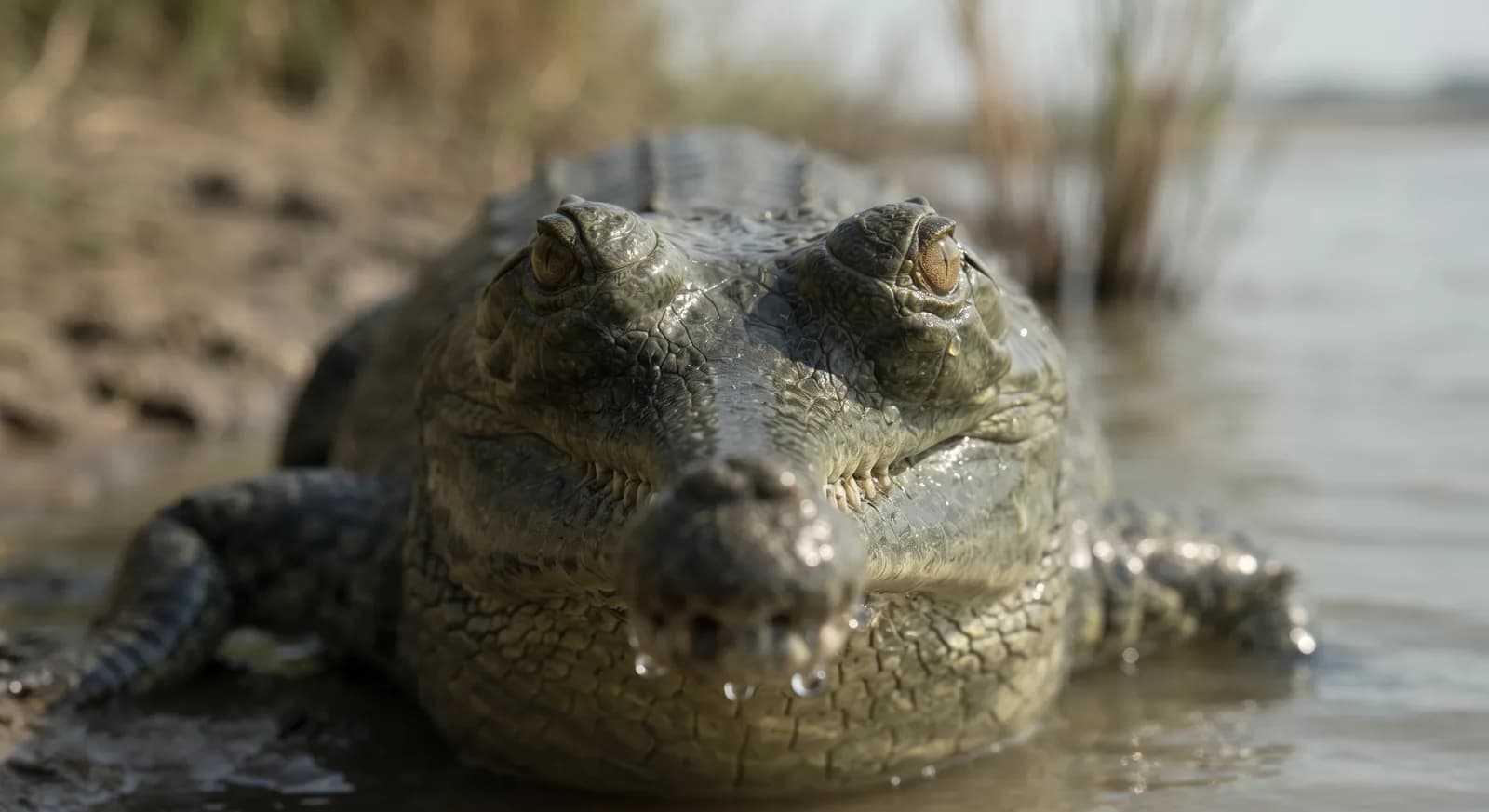 Critically Endangered
Gharial
Gavialis gangeticus
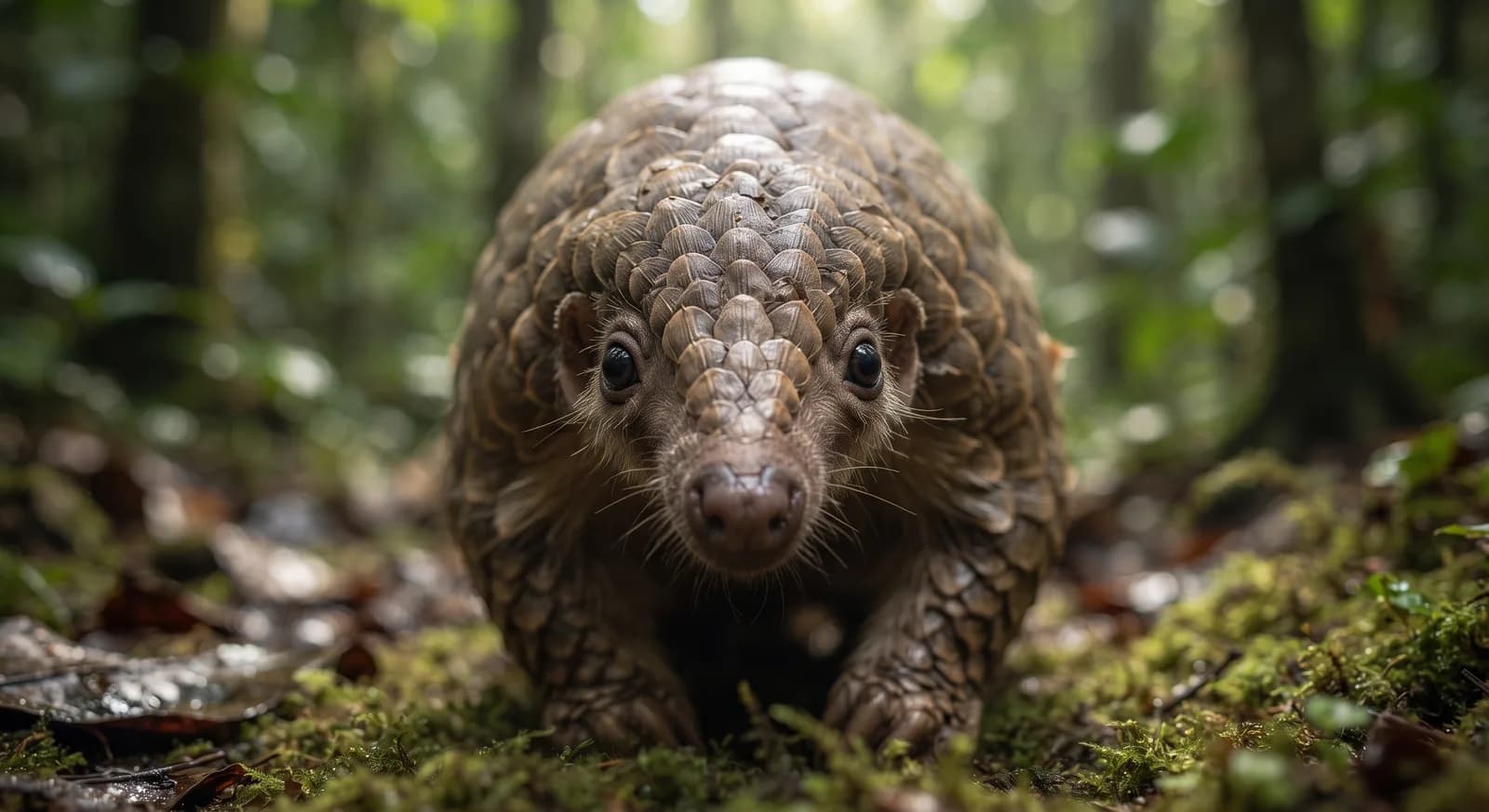 Critically Endangered
Chinese Pangolin
Manis pentadactyla
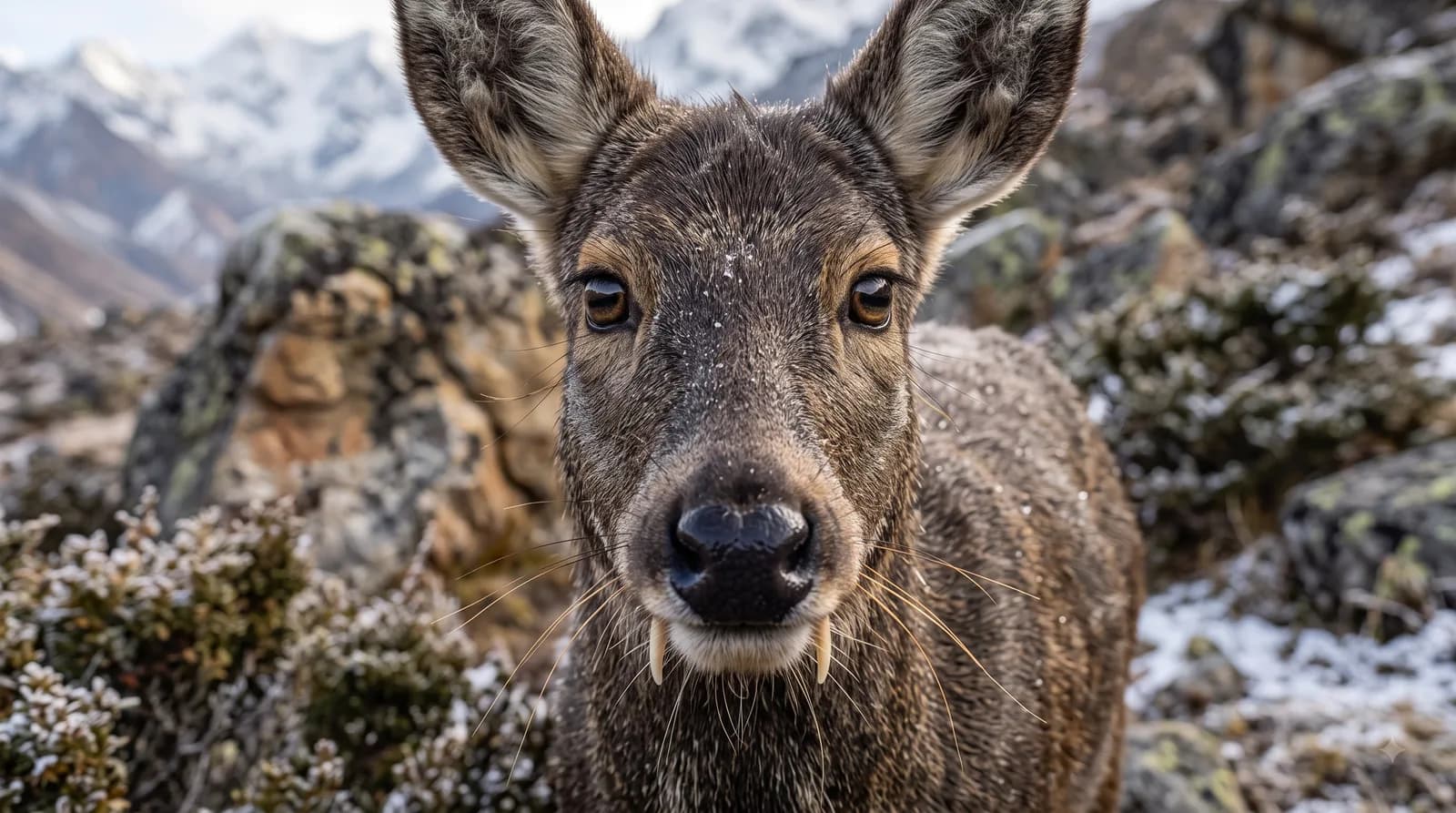 Endangered
Alpine Musk Deer
Moschus chrysogaster
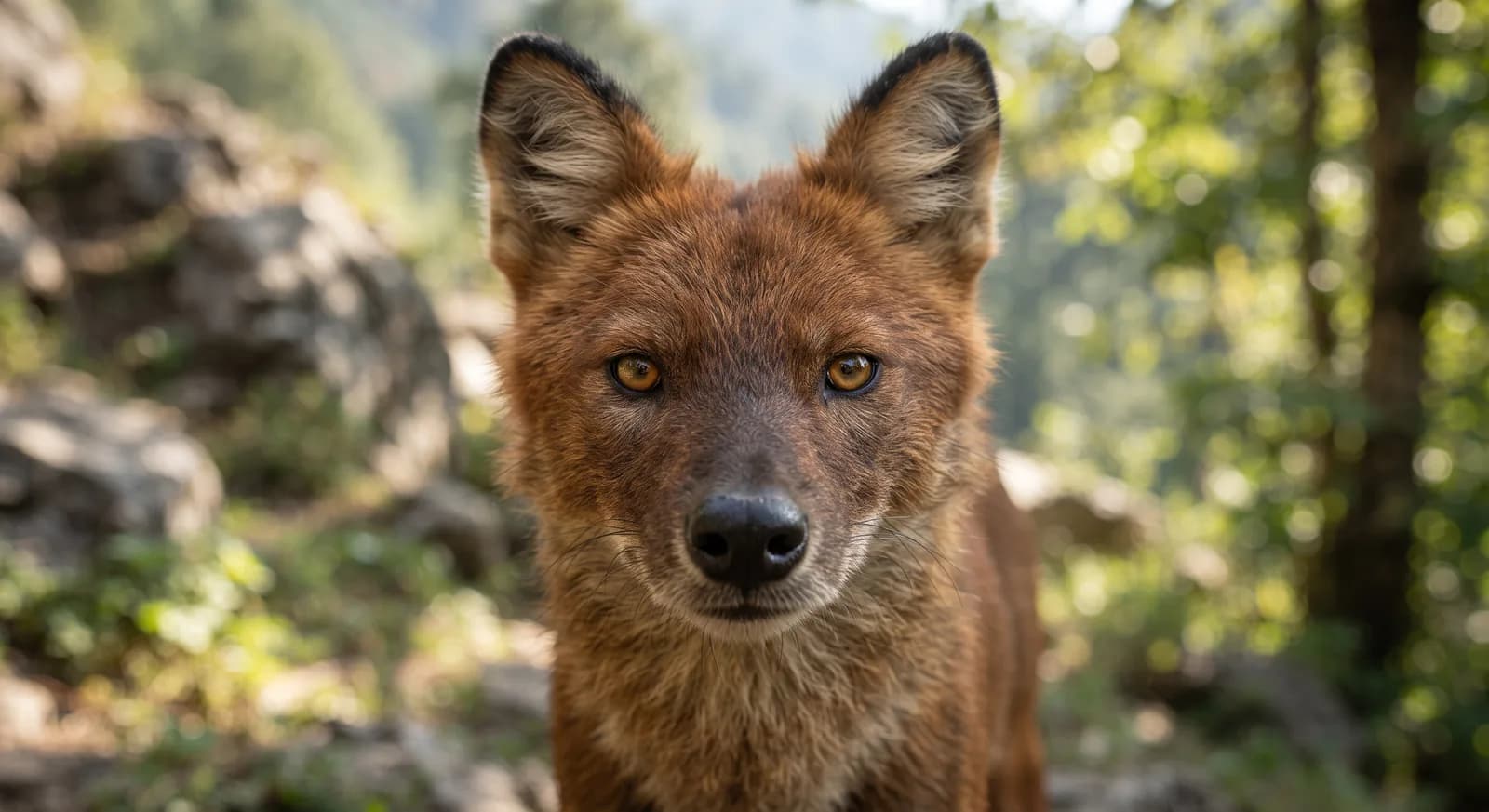 Endangered
Dhole
Cuon alpinus
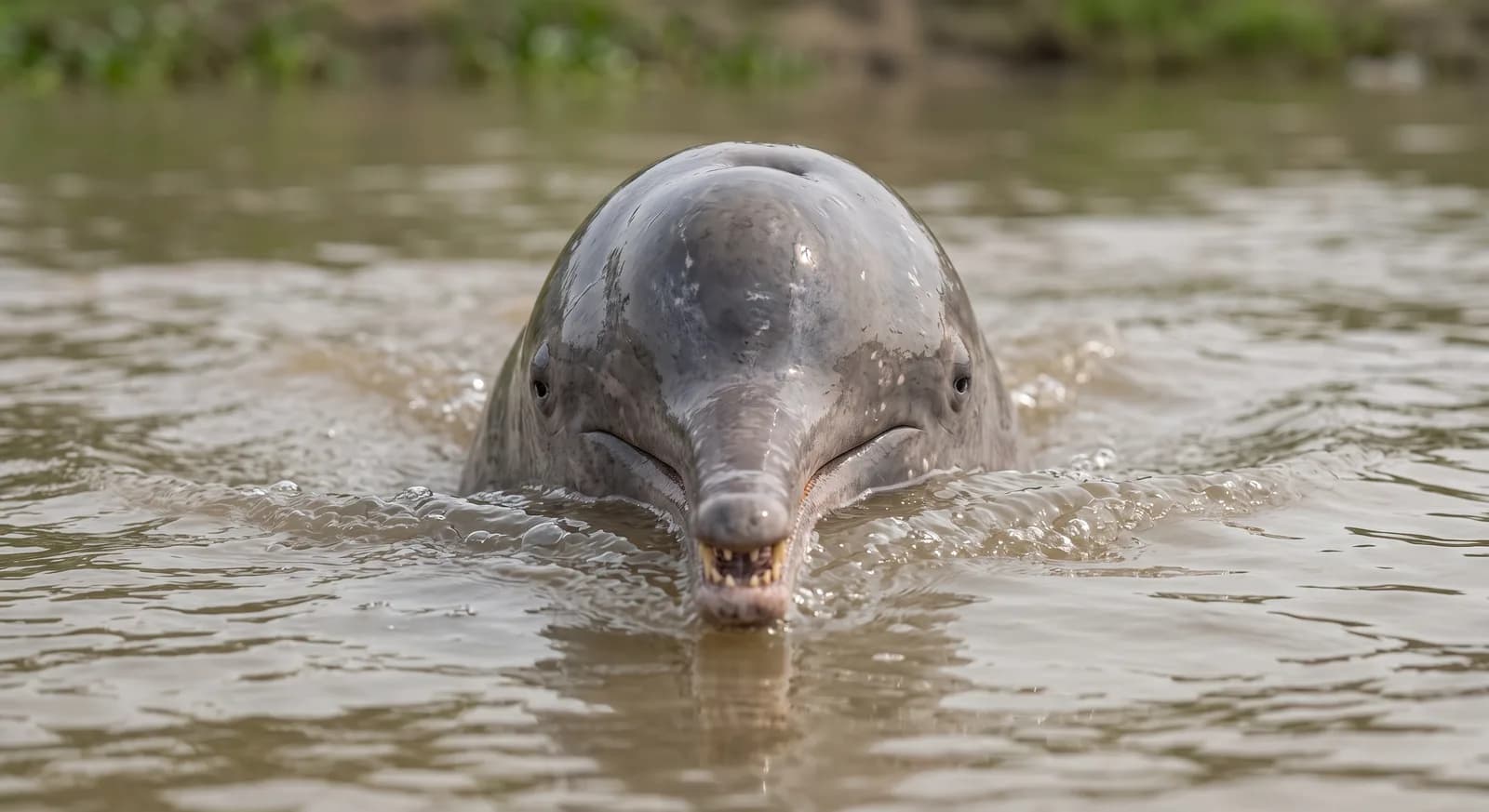 Endangered
Ganges River Dolphin
Platanista gangetica
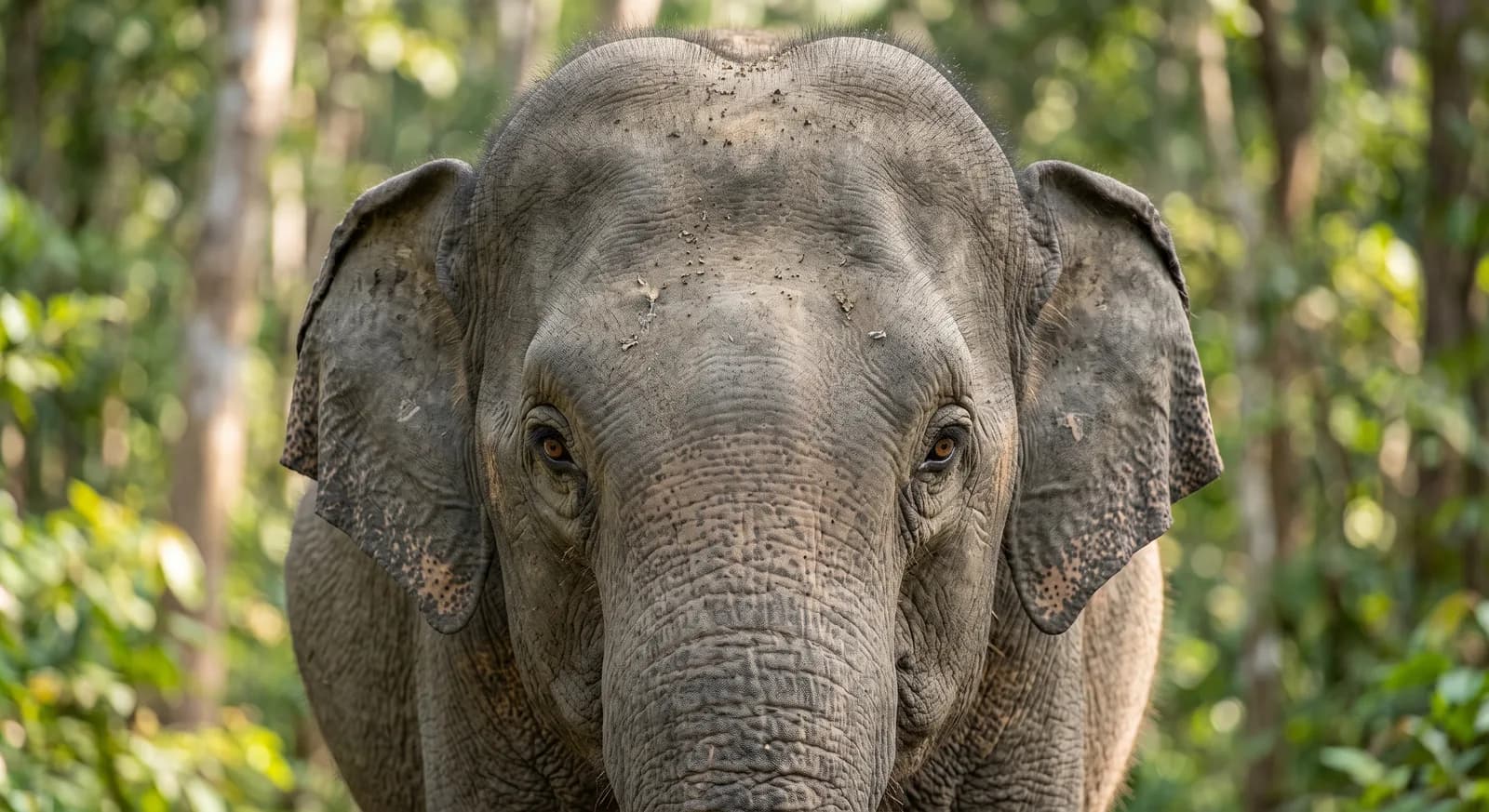 Endangered
Asian Elephant
Elephas maximus
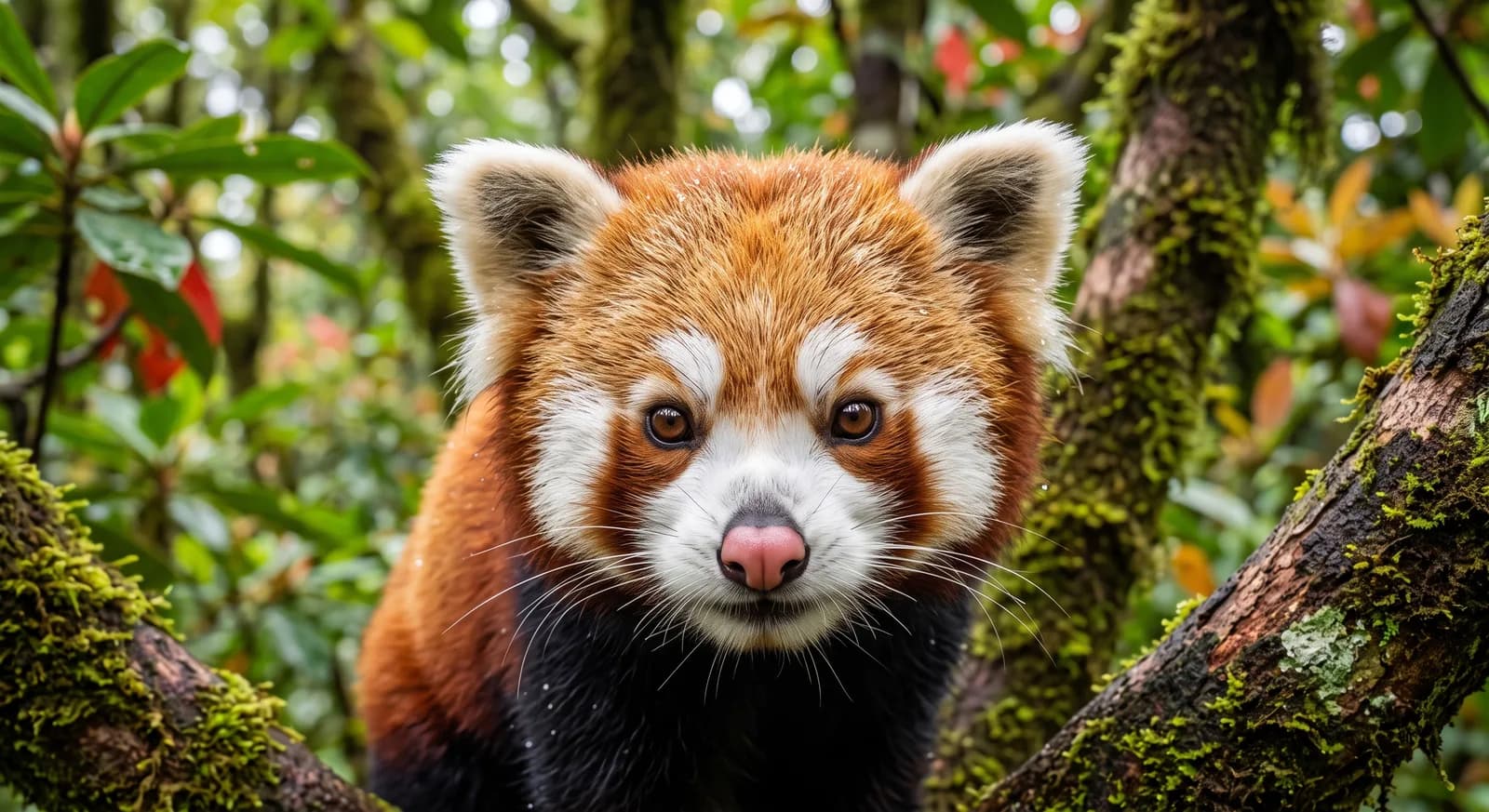 Endangered
Red Panda
Ailurus fulgens
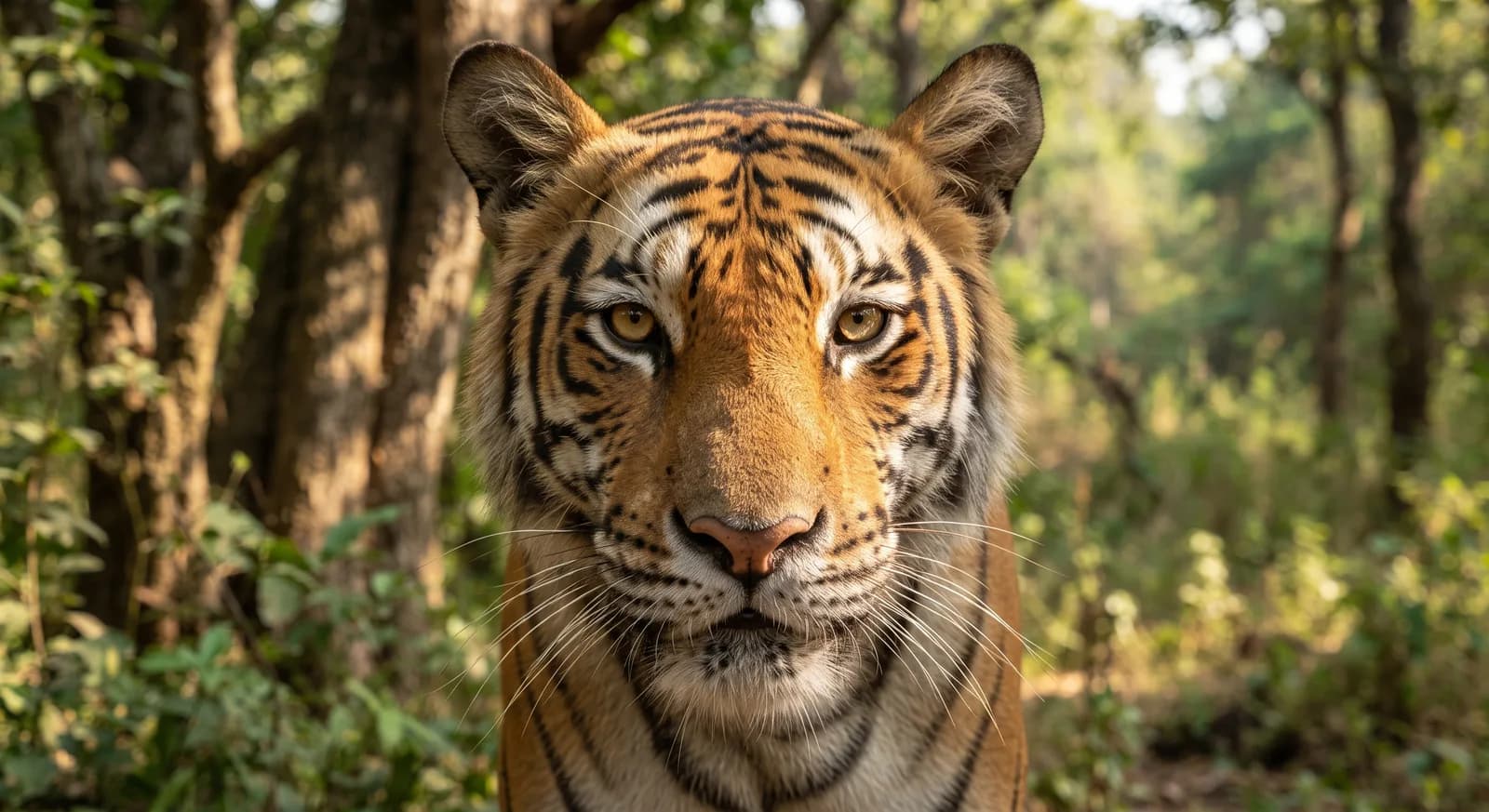 Endangered
Tiger
Panthera tigris
 Endangered
Bengal Tiger
Panthera tigris tigris
 Vulnerable
Great Hornbill
Buceros bicornis
 Vulnerable
Gaur
Bos gaurus
 Vulnerable
Leopard
Panthera pardus
Keep exploring
Based on what we already know about Bhutan.