One of the 6 pangolins on WAnimals
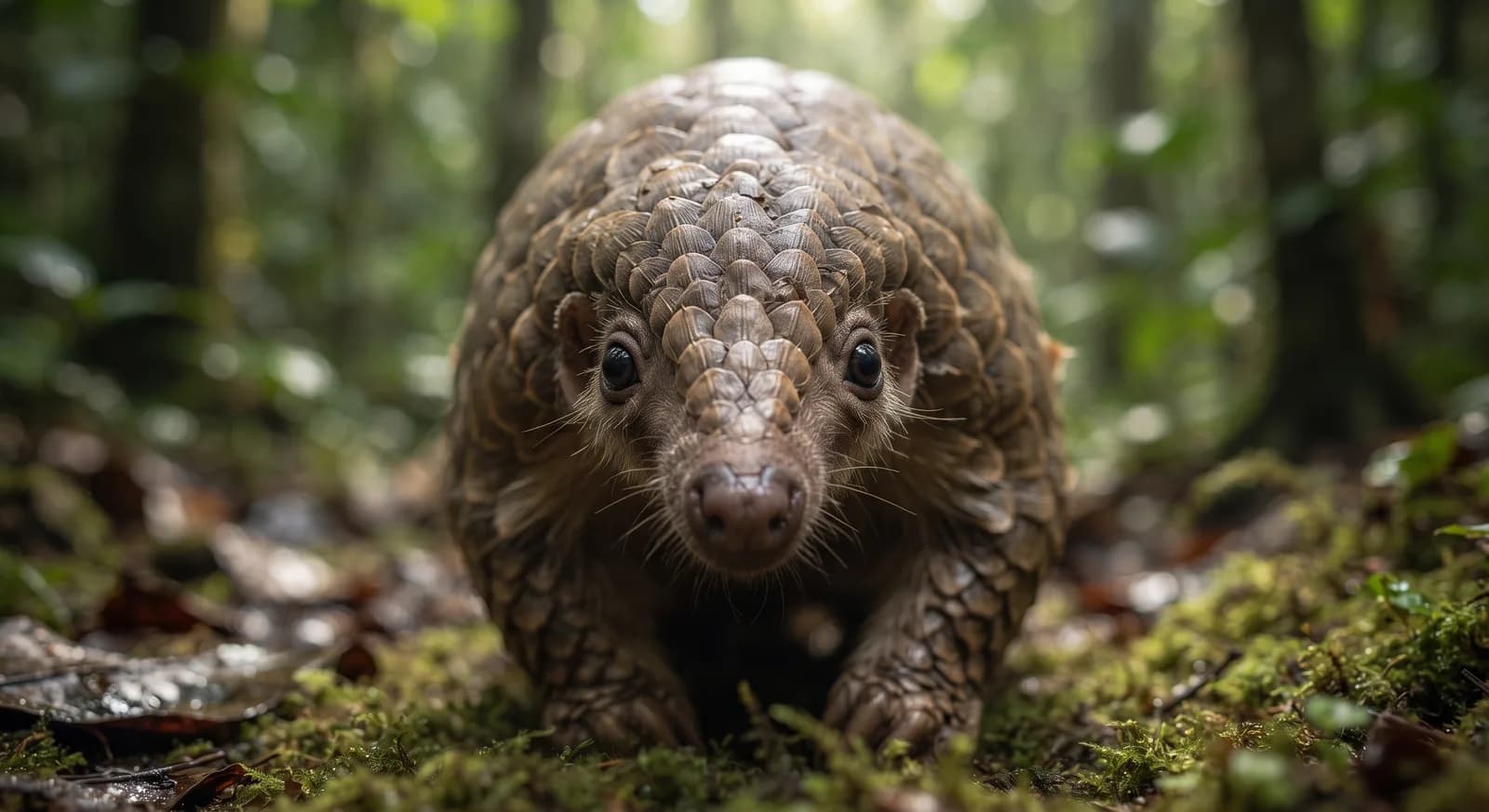
Mammals · Pholidota · Manidae
Chinese Pangolin
Manis pentadactyla
It faces an extremely high risk of imminent extinction in the wild. See full glossary
It digs burrows up to 2.4 metres deep with its powerful front claws, a job it can finish in only 3 to 5 minutes.
Weight
2 kg – 10 kg
Size
40 cm – 58 cm
Lifespan
15 years
Diet
Insectivore
Feeds mainly on insects and other invertebrates.
Activity
Nocturnal
Active mainly at night.
Social structure
Solitary
Lives and hunts alone, joining others only to breed.
Sighting difficulty
Very hard
Fun facts
- It is one of two pangolins listed as EDGE (Evolutionarily Distinct and Globally Endangered) and among the most illegally trafficked animals in the world.
- It eats nothing but ants and termites, dug out of their nests with its powerful claws.
- Its population has fallen by more than 80% in three generations.
- defensaWhen threatened it rolls into a tight ball armoured by its scales, a defence effective enough to withstand an attack by a big cat.
Life cycle & biology
- Skeleton type
- Vertebrate - internal bony skeleton covered in keratin scales (mammal)
- Habitat & environment
- Subtropical and deciduous forest of southern China, the eastern Himalaya and northern South East Asia
- Birth weight
- 92.5 grams to 1 lb (~450 g) depending on the source; 23-45 cm long at birth
- Size at birth
- Already covered in soft, pliable scales at birth, which harden within the first few days
- Sexual maturity
- Before its first birthday (some sources give ~755 days, a little over 2 years)
- Gestation / incubation
- Highly variable by source: 70-235 days of active gestation, though the whole span from mating to birth can stretch to 10-12 months through possible delayed implantation
- Litter / clutch size
- 1 young per birth
- Lifespan in captivity
- Documented record of up to 15.3 years in captivity
Sources consulted: ZooKeys (captive breeding study); ScienceDirect; PMC (reproductive behavior monitoring study); AnAge (genomics.senescence.info); Pangolin Specialist Group; World Land Trust; Animalia.bio; Animal Diversity Web
Where to find it
See its range on the interactive mapWhere to watch it
Parks and dive sites where this species has been documented.
Related species
Other species in the catalogue with the most in common with Chinese Pangolin — same habitat, park, country, tags or family.
Sunda Pangolin
Manis javanica
Indian Pangolin
Manis crassicaudata
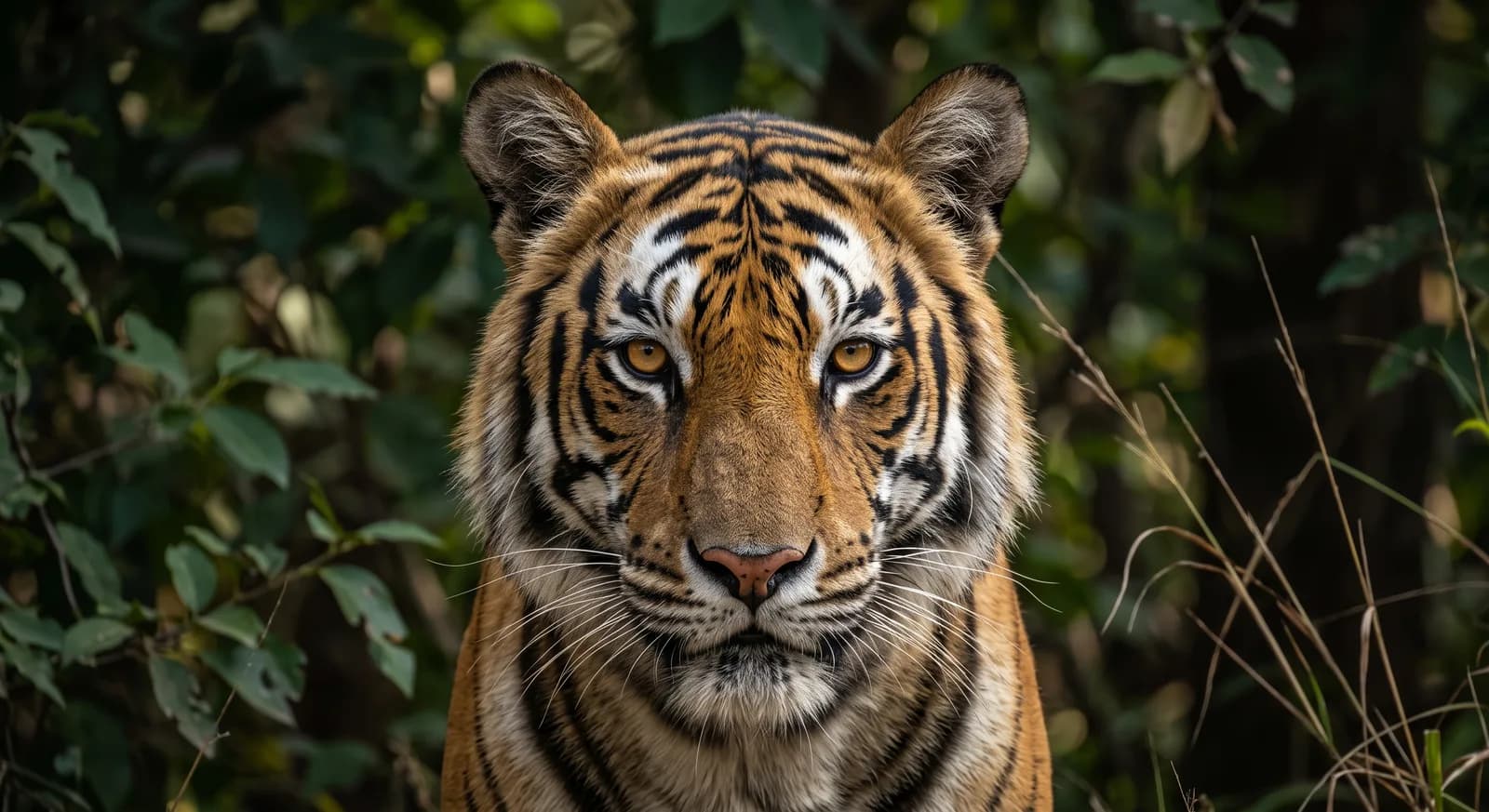 Endangered
Bengal Tiger
Panthera tigris tigris
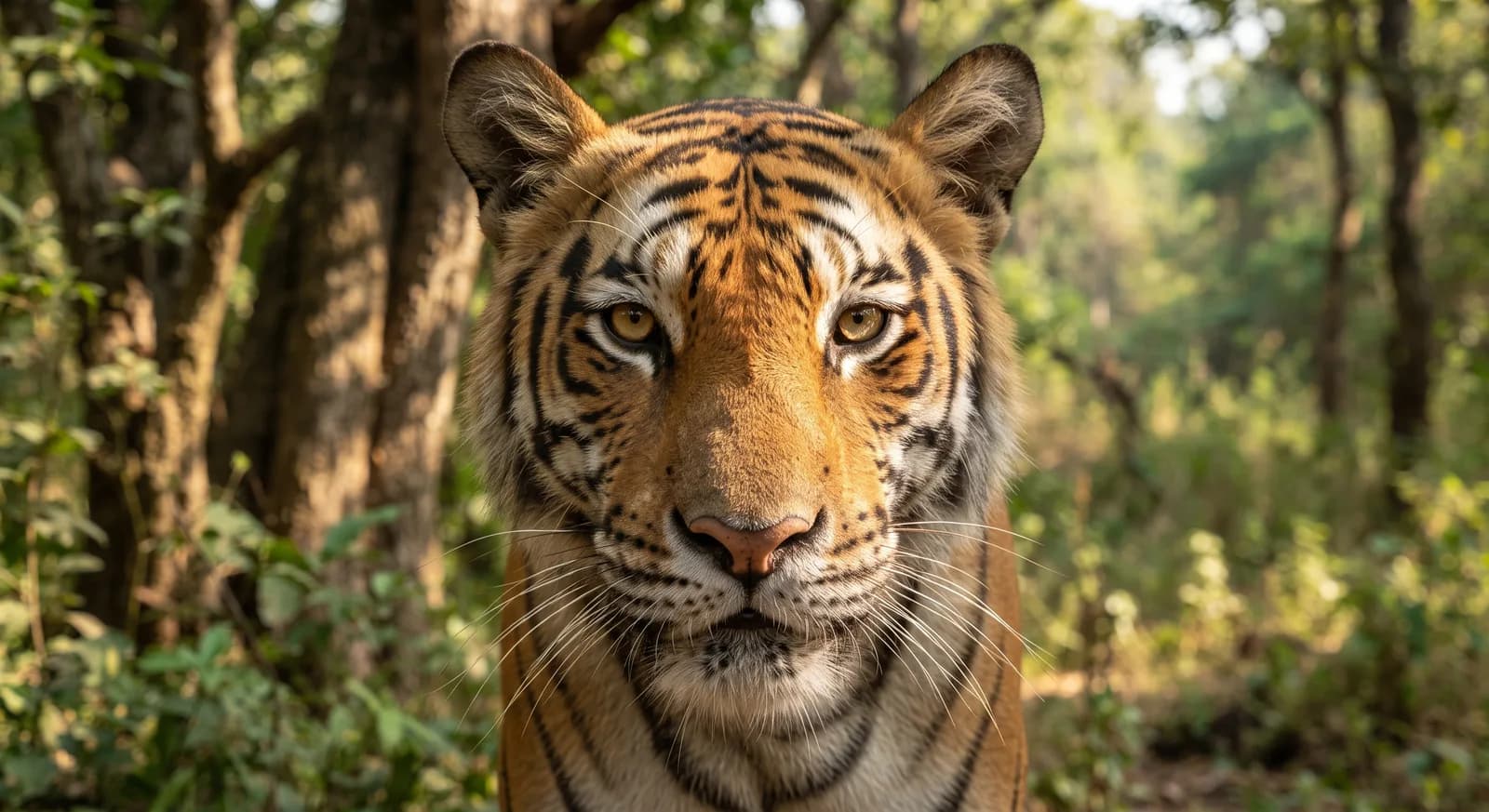 Endangered
Tiger
Panthera tigris
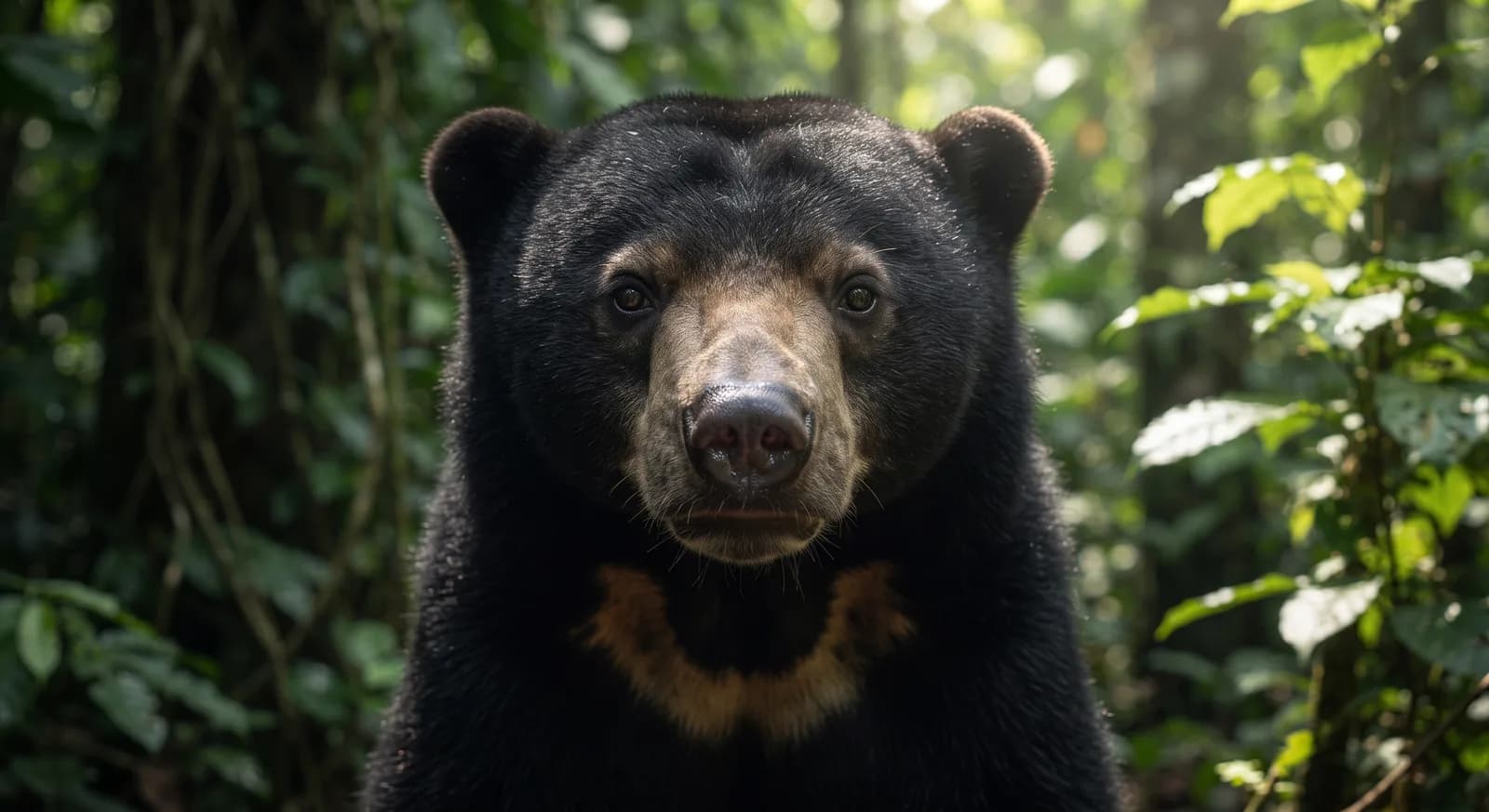 Vulnerable
Sun Bear
Helarctos malayanus
 Vulnerable
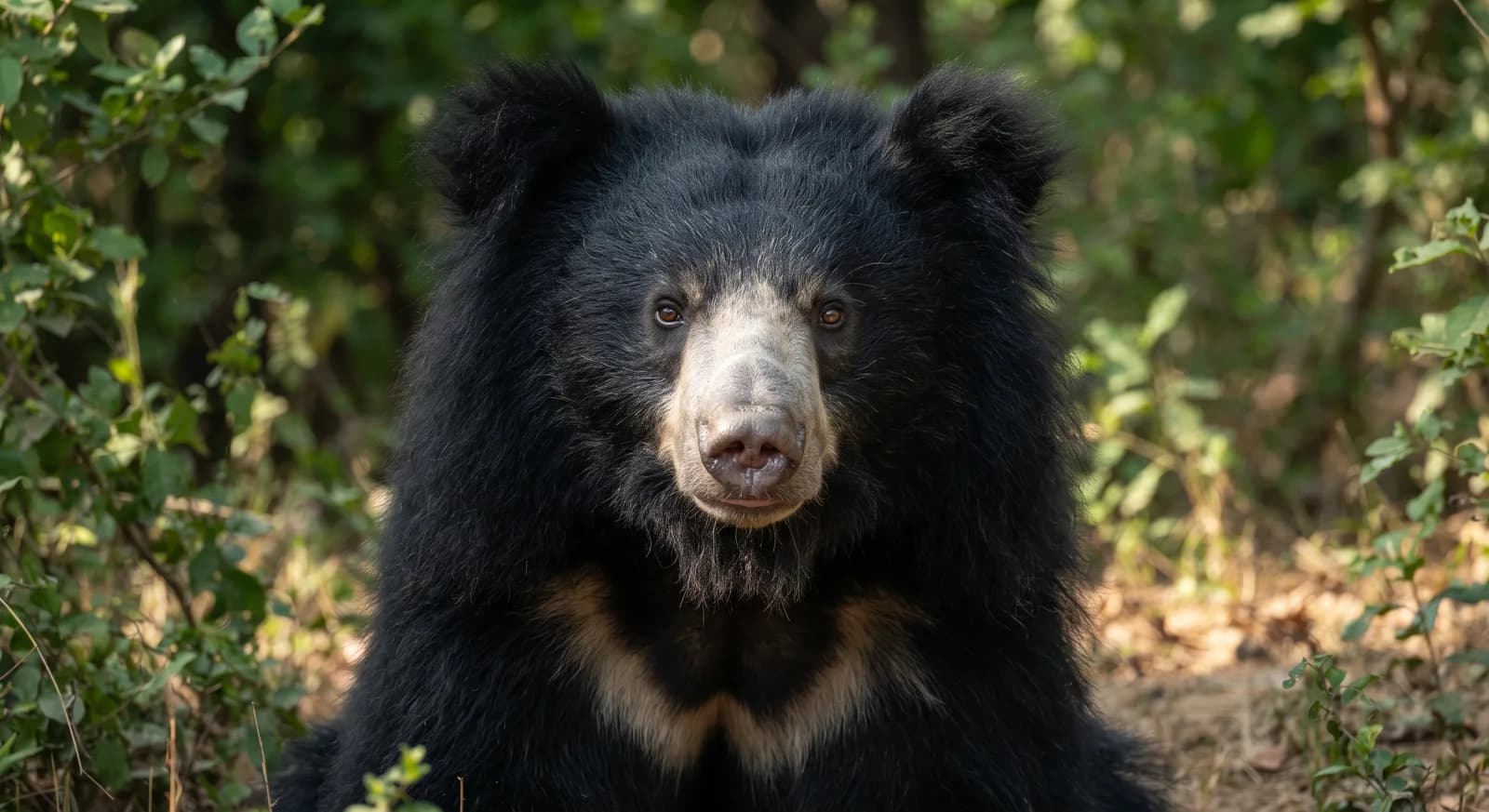
Sloth Bear
Melursus ursinus
How to help
The chinese pangolin is classified as critically endangered. Organizations such as UICN, WWF y Wildlife Conservation Society work specifically on its conservation and that of its habitat; looking into their programs is a good starting point if you want to get involved.
It's documented in 6 real protected areas — part of why protecting these places matters for its conservation.
Keep exploring
Based on what we already know about chinese pangolin.
Comments
Share an experience, a fun fact or a tip for seeing the chinese pangolin.
Be the first to comment.