Vietnam
Asia
Vietnam stretches more than one thousand six hundred kilometres along the South China Sea, with two fertile deltas at its ends, the Red River in the north and the Mekong in the south, joined by a narrow strip backed by the Annamite range. That range is one of the most remarkable centres of endemism on the planet and has yielded several mammal species new to science in recent decades. In the north, the karst of Ha Long bay and Ninh Binh forms thousands of limestone islets and caves, and Phong Nha-Ke Bang holds the largest known underground gallery in the world, with its own forest and its own microclimate inside. The langurs and doucs of the limestone massifs are among the most endangered primates on the planet.
The nature of Vietnam
National animal: No official national animal; the water buffalo is the symbolic animal of the country's rural culture
Did you know?
The silver-backed chevrotain, an animal the size of a rabbit with tiny hooves and tusks instead of horns, had not been documented since 1990 and many had given it up for lost. In 2019 a network of camera traps set in a dry forest in the south photographed it again, thirty years on, in one of the most celebrated mammal rediscoveries of the century.
Biodiversity profile
Climate
- •Tropical monzonico (Am) en el sur
- •Subtropical humedo con inviernos frescos en el norte
- •Clima de montaña en las tierras altas de Annamitas
Main biomes
- •Selva tropical humeda
- •Karst calizo (cubre aprox. 15% del territorio, con alto endemismo edafico)
- •Manglares del Delta del Mekong
- •Bosque montano de los Annamitas ("el Amazonas de Asia")
- •Selva húmeda de la cordillera Annamita
- •Karst calizo tropical
- •Cueva de gran galería
- •Delta fluvial
- •Manglar costero
- •Bosque seco de tierras bajas
- •Arrecife de coral
Marine and coastal ecosystems
- •Arrecifes de coral costeros
- •Delta del Mekong (uno de los deltas mas productivos del mundo)
Flagship wildlife
- •Saola o "unicornio asiatico" (bovido endemico descubierto en 1992, En Peligro Critico)
- •Tigre indochino (menos de 30 individuos silvestres estimados)
- •Mono de nariz chata de Tonkin (endemico)
- •Langur Delacour (endemico)
- •Ciervo ratón de lomo plateado
- •Saola
- •Langur de Cat Ba
- •Douc de patas rojas
- •Langur de Delacour
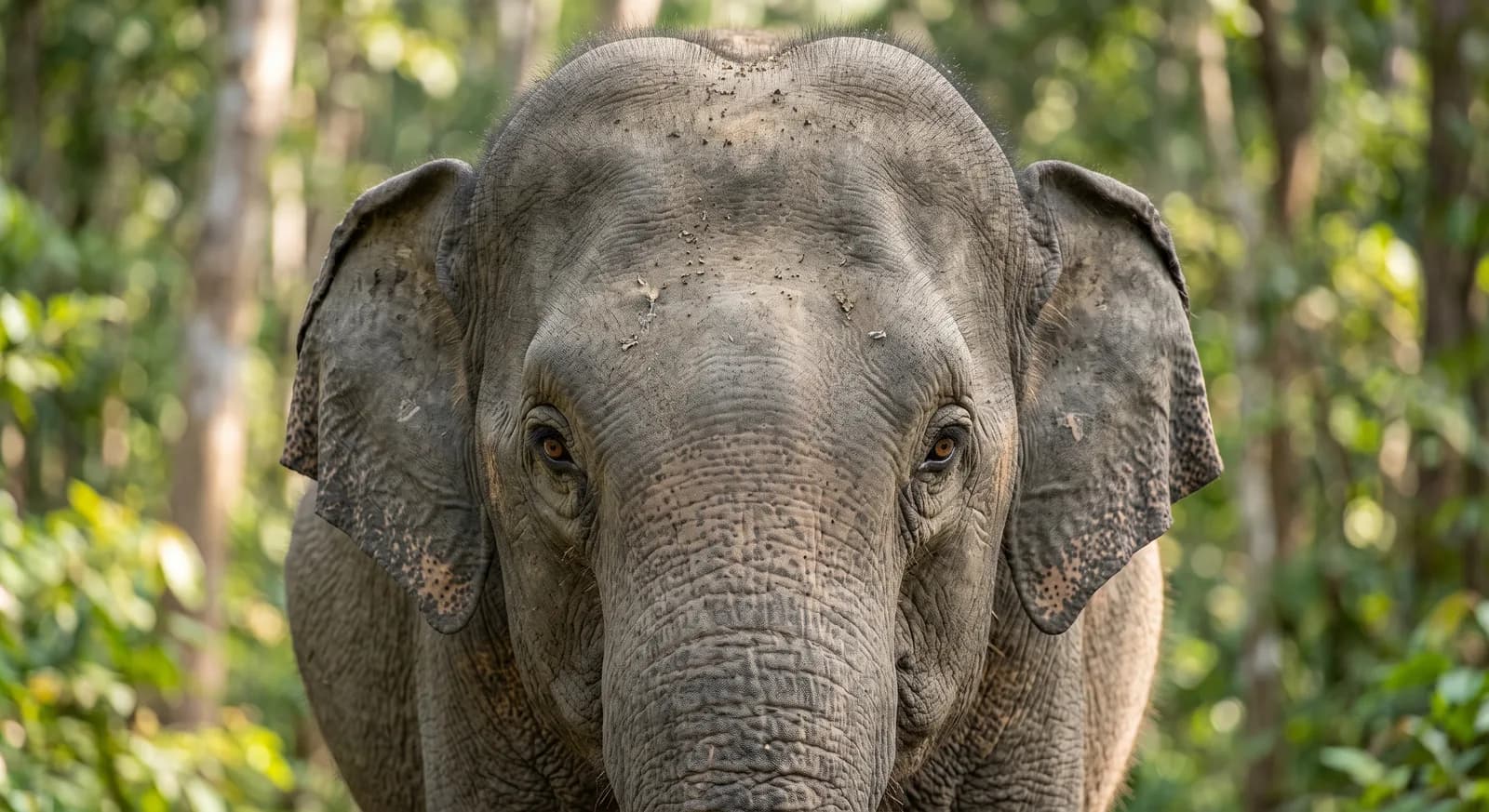
- •Elefante asiático
- •Gibón de mejillas amarillas
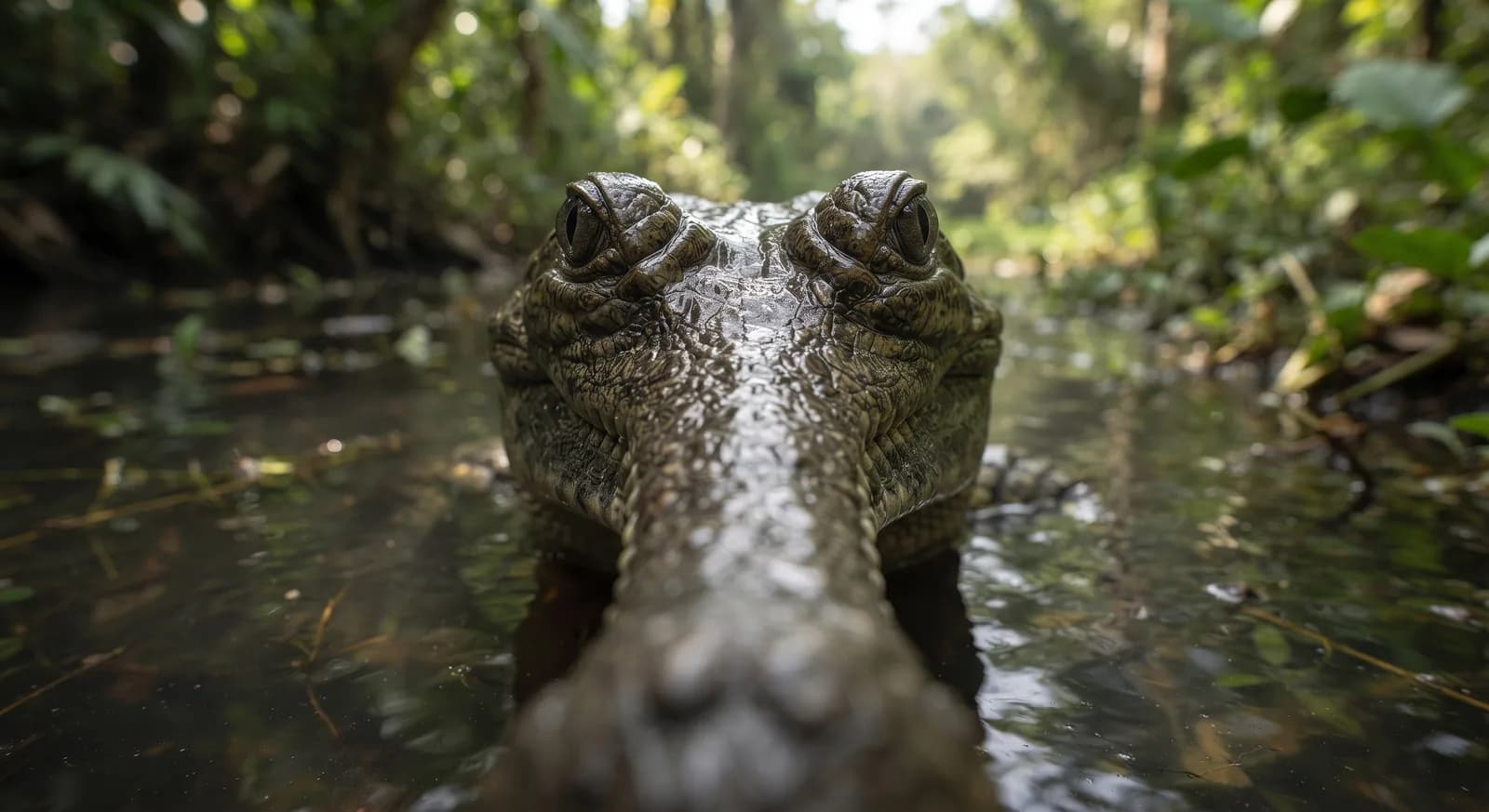
- •Cocodrilo siamés
- •Grulla sarus
- •Pangolín de Java
Notable endemic species
- •36 especies de mamiferos exclusivas de Vietnam, incluido el saola
- •25 especies de primates en el pais, 11 en peligro critico y 5 endemicas
- •Muntjac gigante, muntjac de Truong Son y conejo rayado de los Annamitas, todos descubiertos en la decada de 1990 y endemicos de la cordillera Annamita
- •Langur de Cat Ba
- •Langur de Delacour
- •Saola
- •Muntíaco de Truong Son
- •Faisán de Vietnam
Notable threatened species
- •Saola (En Peligro Critico, posiblemente menos de 100 individuos, foco de un programa de cria en cautividad en el Parque Nacional Bach Ma)
- •Tigre indochino (En Peligro Critico, poblacion silvestre estimada en solo 30 individuos)
- •Elefante asiatico (poblacion reducida a poco mas de 100 individuos)
Notable protected areas
- •Parque Nacional Phong Nha-Ke Bang (Patrimonio Mundial, karst calizo y sistema de cuevas)
- •Parque Nacional Bach Ma (centro de cria de especies endemicas de los Annamitas)
- •Parque Nacional de Phong Nha-Ke Bang
- •Bahía de Ha Long
- •Parque Nacional de Cat Tien
- •Parque Nacional de Cuc Phuong
- •Parque Nacional de Cat Ba
- •Parque Nacional de Tram Chim
Main conservation threats
- •Caza furtiva y comercio ilegal de vida silvestre, principal amenaza para especies emblematicas como el saola y el tigre
- •Fragmentacion de habitat por expansion agricola e infraestructura
- •Marco legal de proteccion de biodiversidad descrito como poco sistematico y con escasa coordinacion de politicas
Notable natural phenomena
- •Descubrimiento cientifico del saola en 1992, uno de los grandes mamiferos descritos mas recientemente en el mundo
Conservation
The Cat Ba langur, found only on that island, was reduced to a few dozen animals and is recovering very slowly under permanent watch. The pangolin trade, for which Vietnam is a key point on the global route, is one of the country's great conservation problems.
Where and when to watch wildlife
Cat Tien in the dry season for primates and birds. Cuc Phuong year-round, with its primate rescue centre. Tram Chim between December and April for sarus cranes.
Sources: ASEAN Biodiversity Dashboard - Viet Nam | WWF - Preserving Biodiversity and Culture in Viet Nam | Fauna & Flora - Vietnam | BioDB.com - Vietnam | Grokipedia - Wildlife of Vietnam
Parks and reserves
Cat Ba
Vietnam's largest limestone archipelago, added to Ha Long Bay as a World Heritage Site in 2023.
View parkWorld Heritage Site (Natural)Bahía de Ha Long
Thousands of limestone islets rising from a shallow sea, a tropical karst drowned by rising sea levels.
View parkNational ParkPhong Nha-Ke Bang
It contains Son Doong, the largest natural cave in the world by volume, found by a local farmer in 1991
View parkNational ParkCat Tien
The last documented refuge of the Javan rhinoceros on the Asian mainland, until the subspecies died out locally in 2010
View parkNational ParkBa Be
Vietnam's largest natural freshwater lake, ringed by limestone karst peaks and Tày ethnic villages
View parkNational ParkBach Ma
A mountain in the Annamite range where the floras of northern and southern Vietnam meet, under extreme rainfall.
View parkNational ParkCon Dao
An archipelago in southern Vietnam with the country's largest green turtle population and a past as a prison island.
View parkNational ParkCuc Phuong
Vietnam's first national park, declared personally by Ho Chi Minh in 1962; it holds trees more than 1,000 years old and a rescue centre for critically endangered primates
View parkNational ParkYok Don
Vietnam's largest protected dry dipterocarp forest, the country's last refuge for the Asian elephant.
View parkDiving and snorkelling
Con Dao Islands
A remote archipelago with Vietnam's largest green turtle nesting site and little-visited reefs.
View dive siteReef/ReserveCon Son Island (North Con Dao)
The northern part of the Con Dao archipelago, with seagrass meadows holding one of Vietnam's last dugong populations.
View dive siteReef/PinnacleNha Trang
Vietnam's principal diving destination, with rocky reefs and abundant macro life despite moderate visibility.
View dive siteCoral reefPhu Quoc
A Vietnamese island in the Gulf of Thailand with reefs recovering after years of controlled overfishing.
View dive siteEspecies documentadas en Vietnam
272 species found
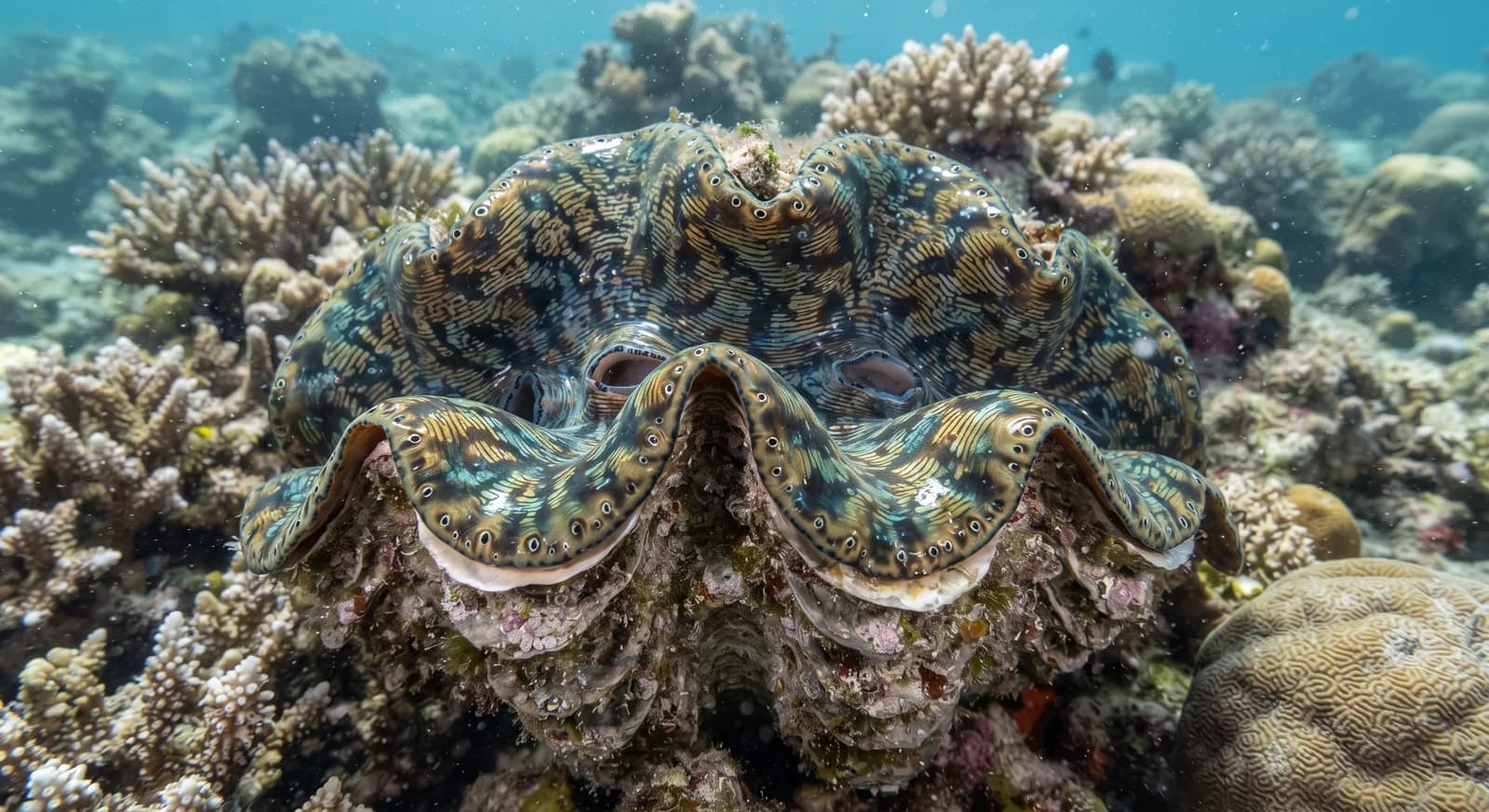 Critically Endangered
Giant Clam
Tridacna gigas
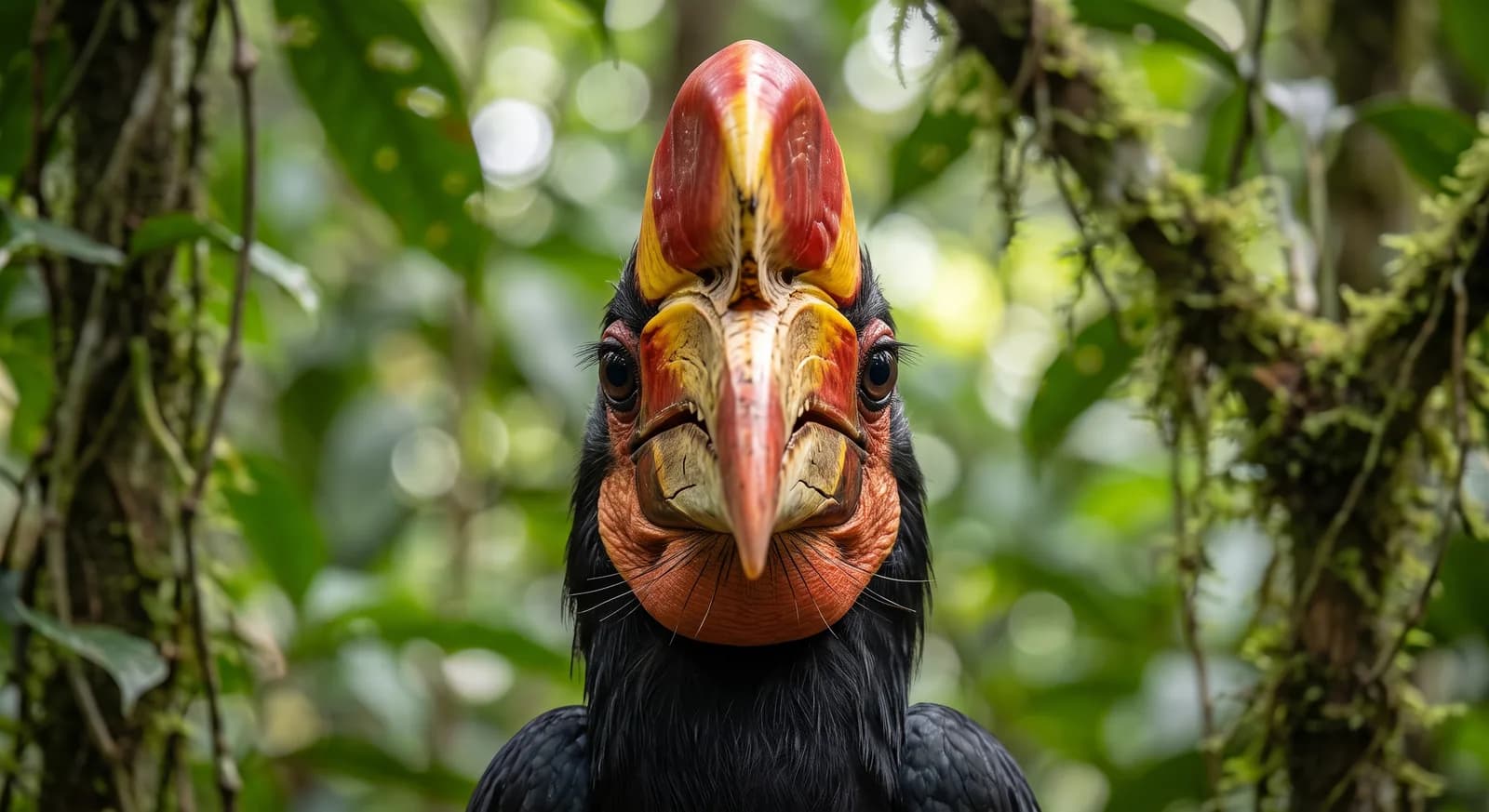 Critically Endangered
Helmeted Hornbill
Rhinoplax vigil
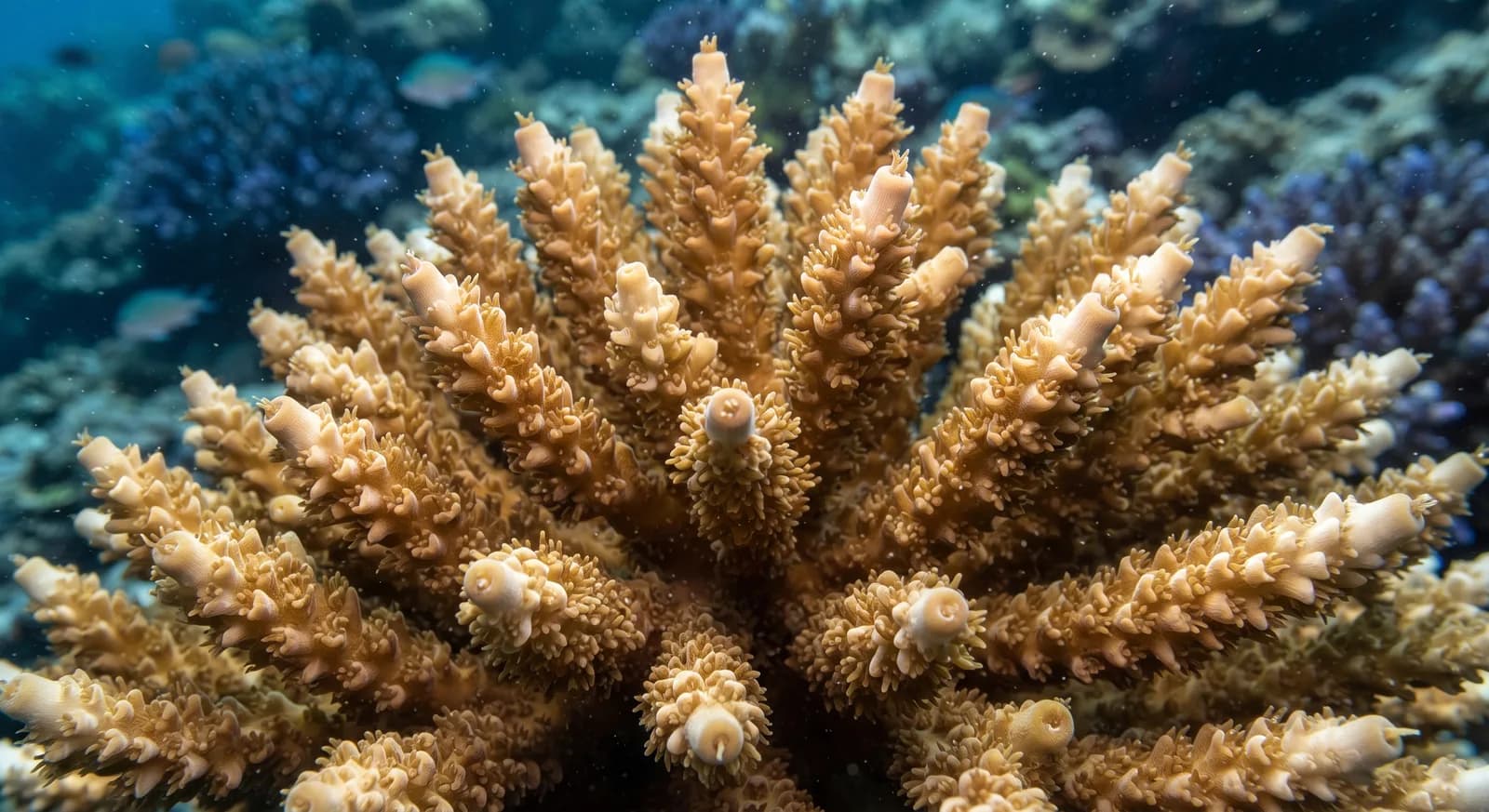 Critically Endangered
Staghorn Coral
Acropora cervicornis
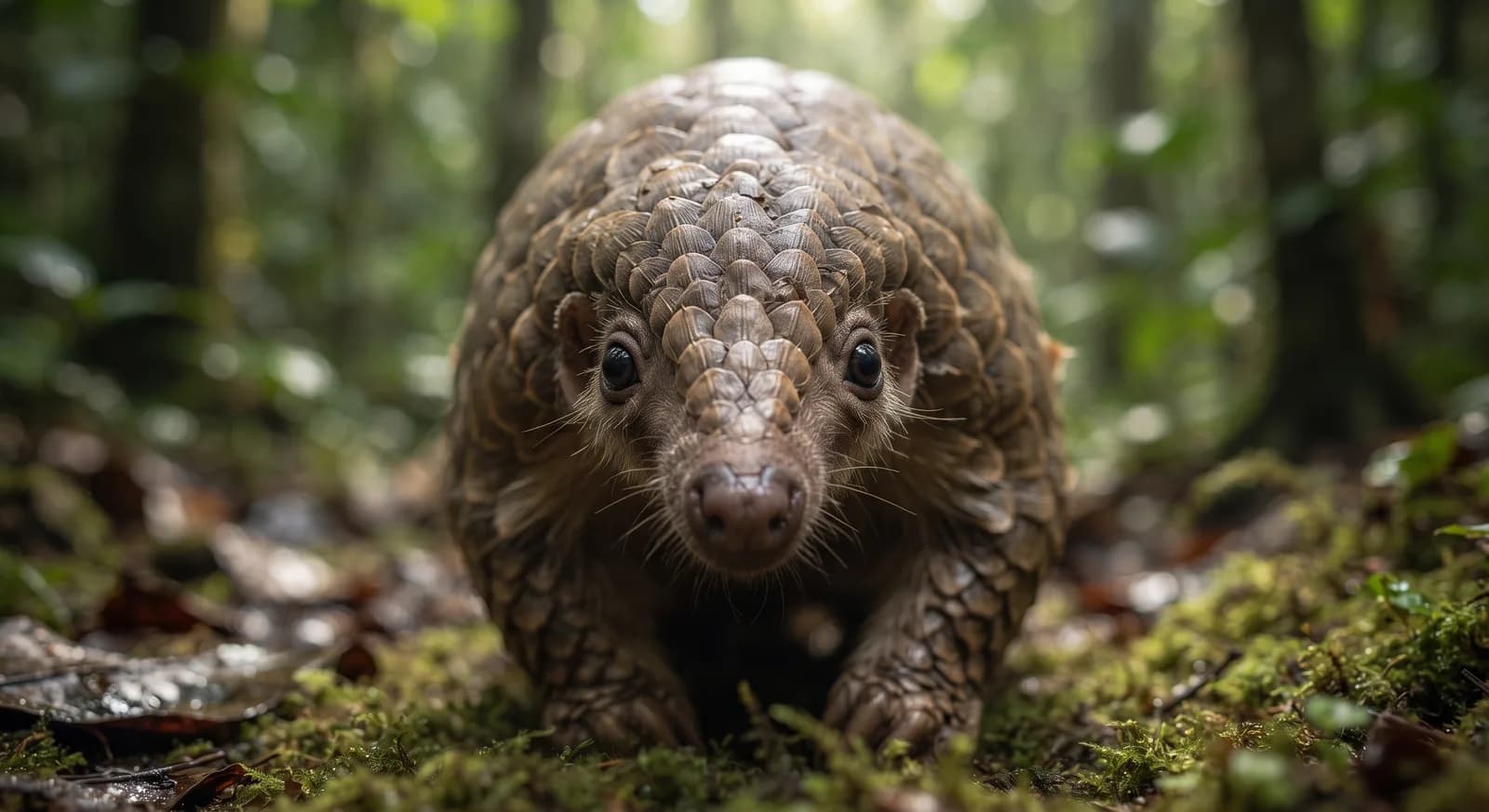 Critically Endangered
Chinese Pangolin
Manis pentadactyla
 Critically Endangered
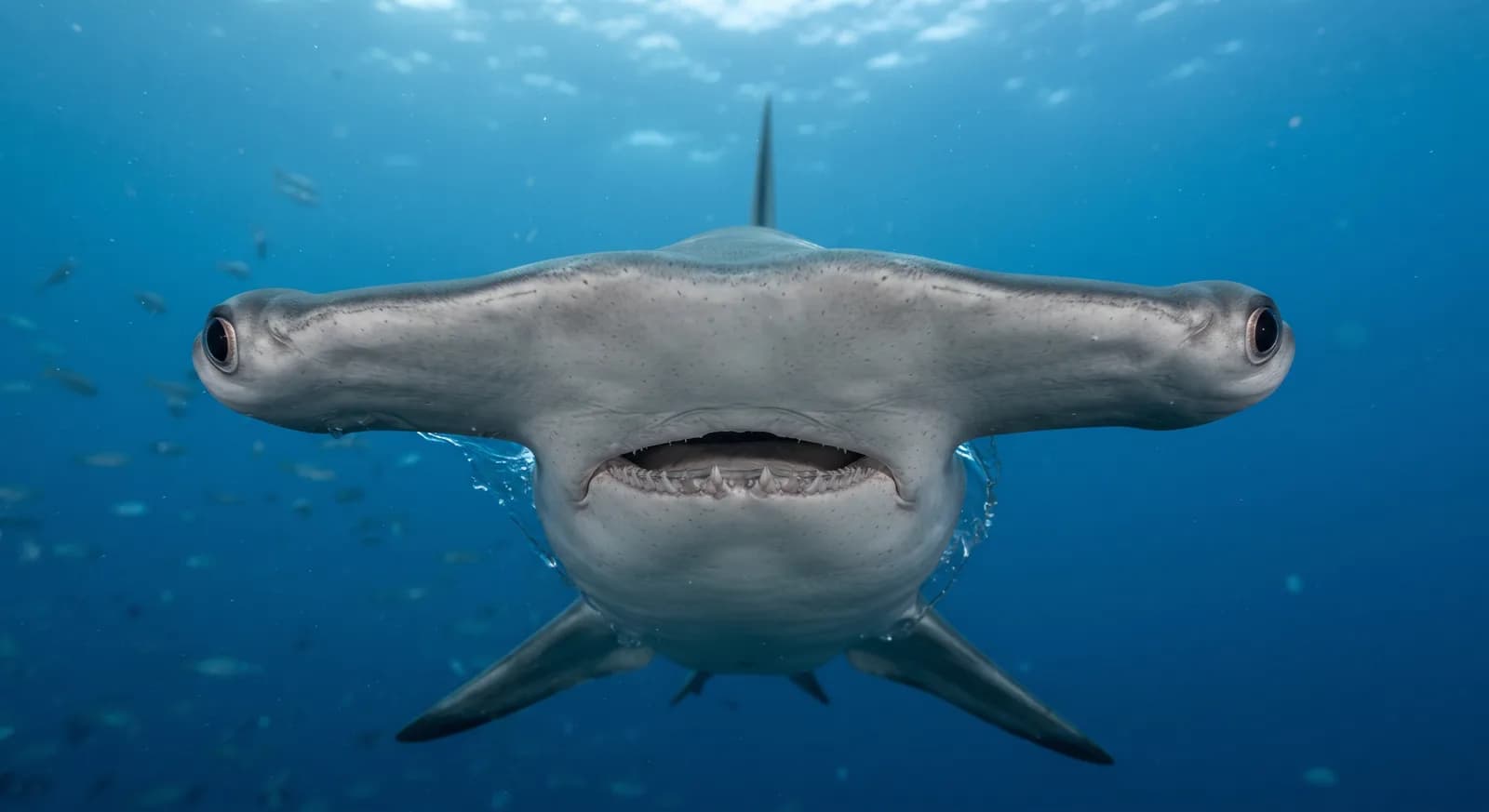
Great Hammerhead
Sphyrna mokarran
 Critically Endangered
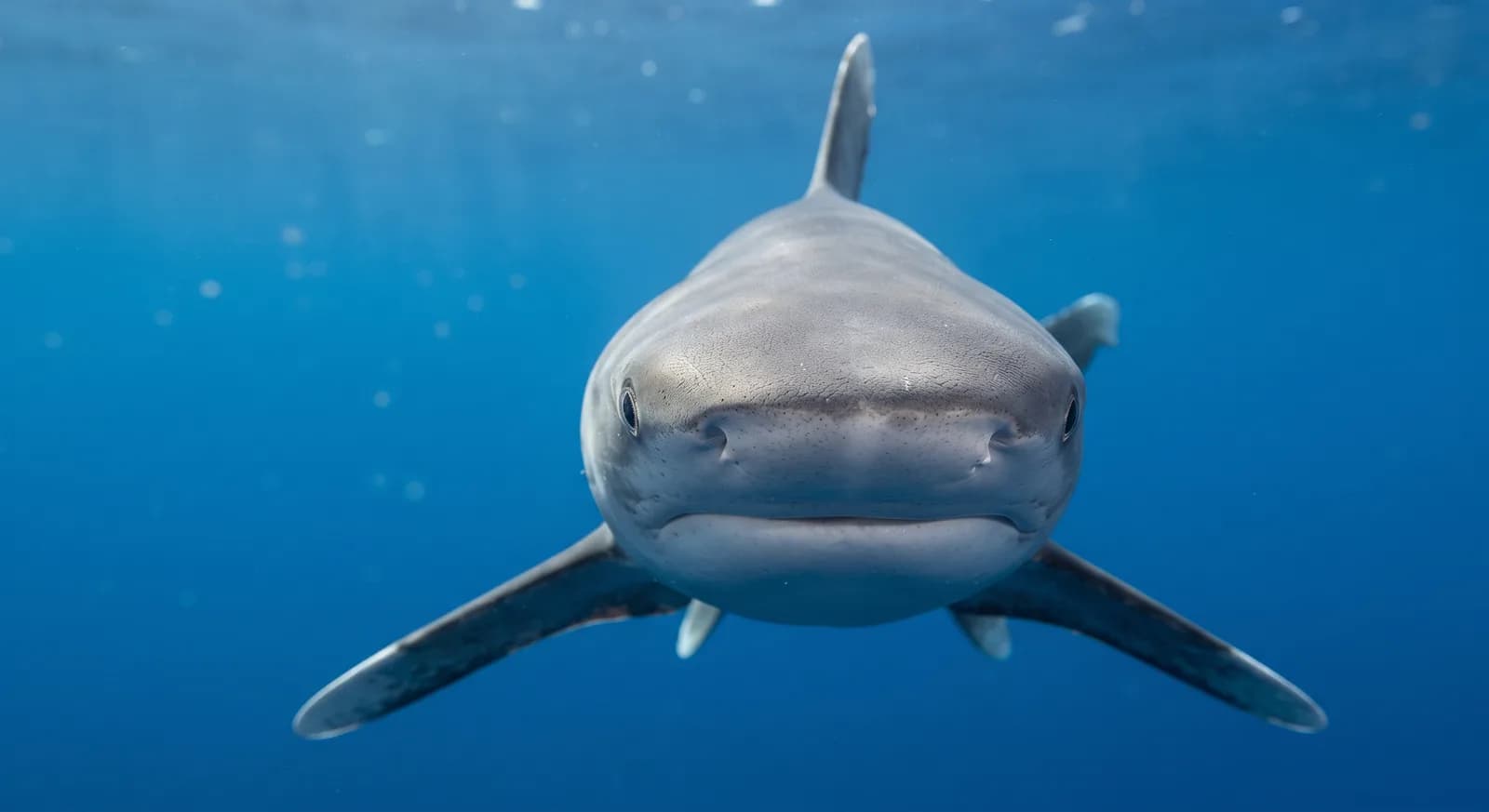
Oceanic Whitetip Shark
Carcharhinus longimanus
 Critically Endangered
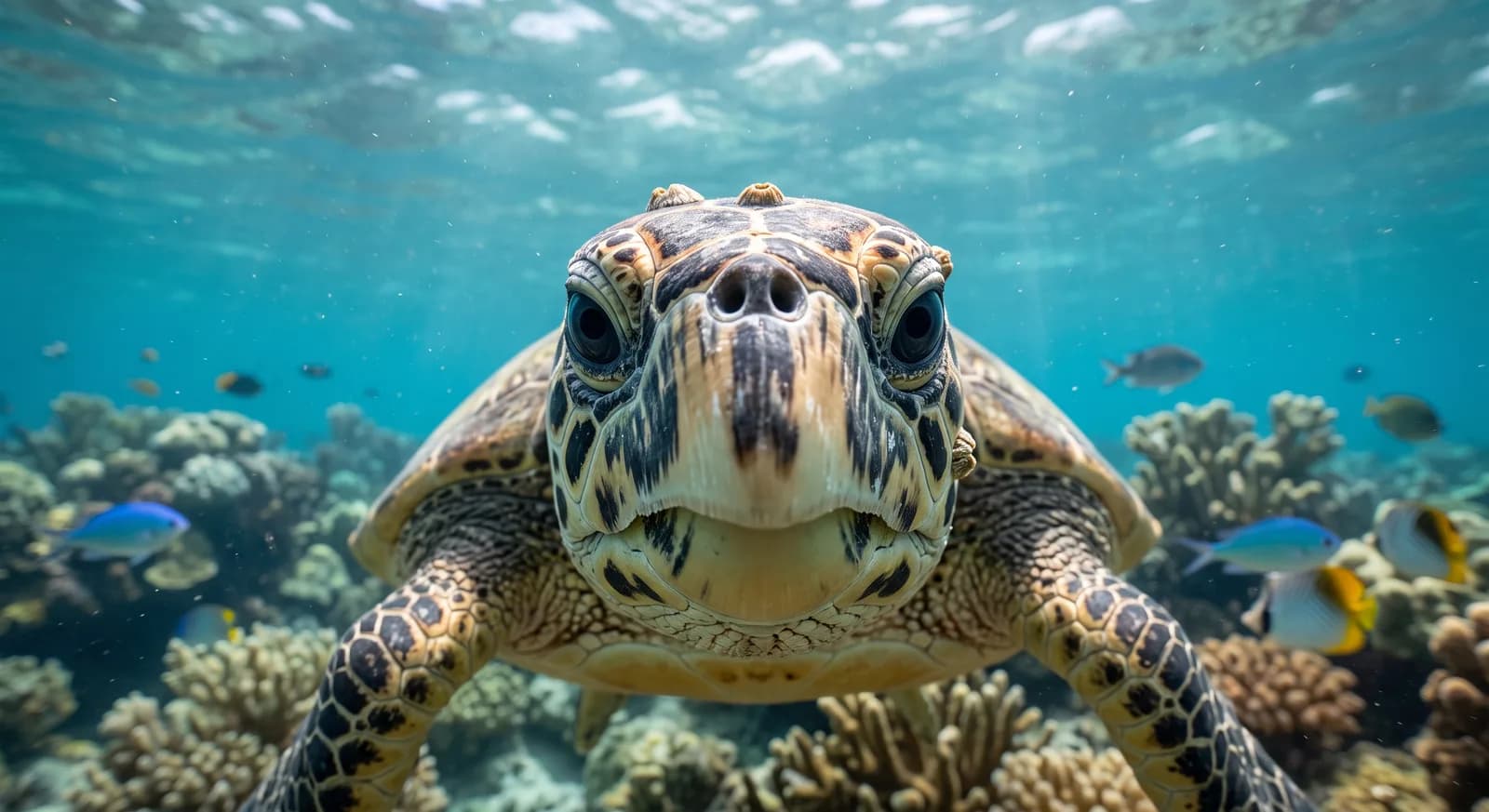
Hawksbill Turtle
Eretmochelys imbricata
 Endangered
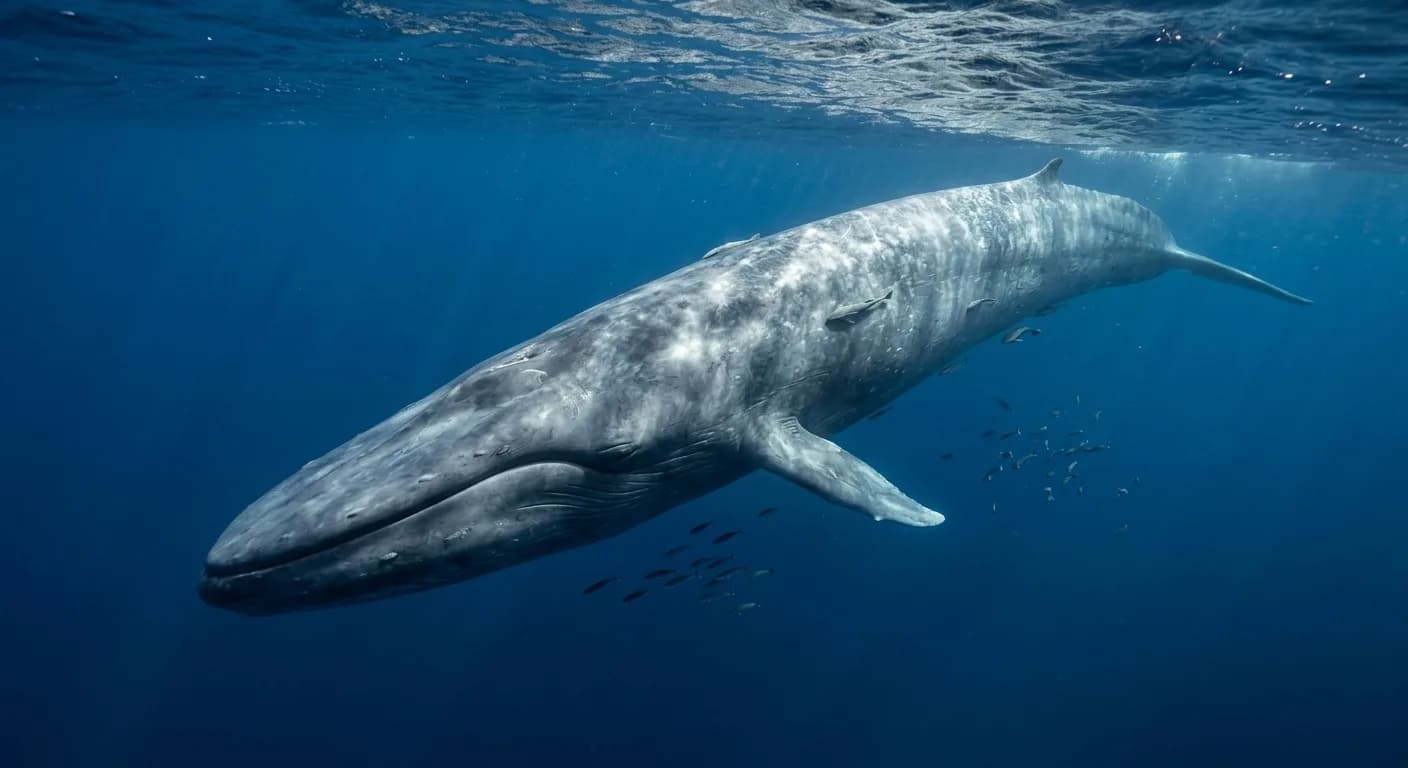
Blue Whale
Balaenoptera musculus
 Endangered
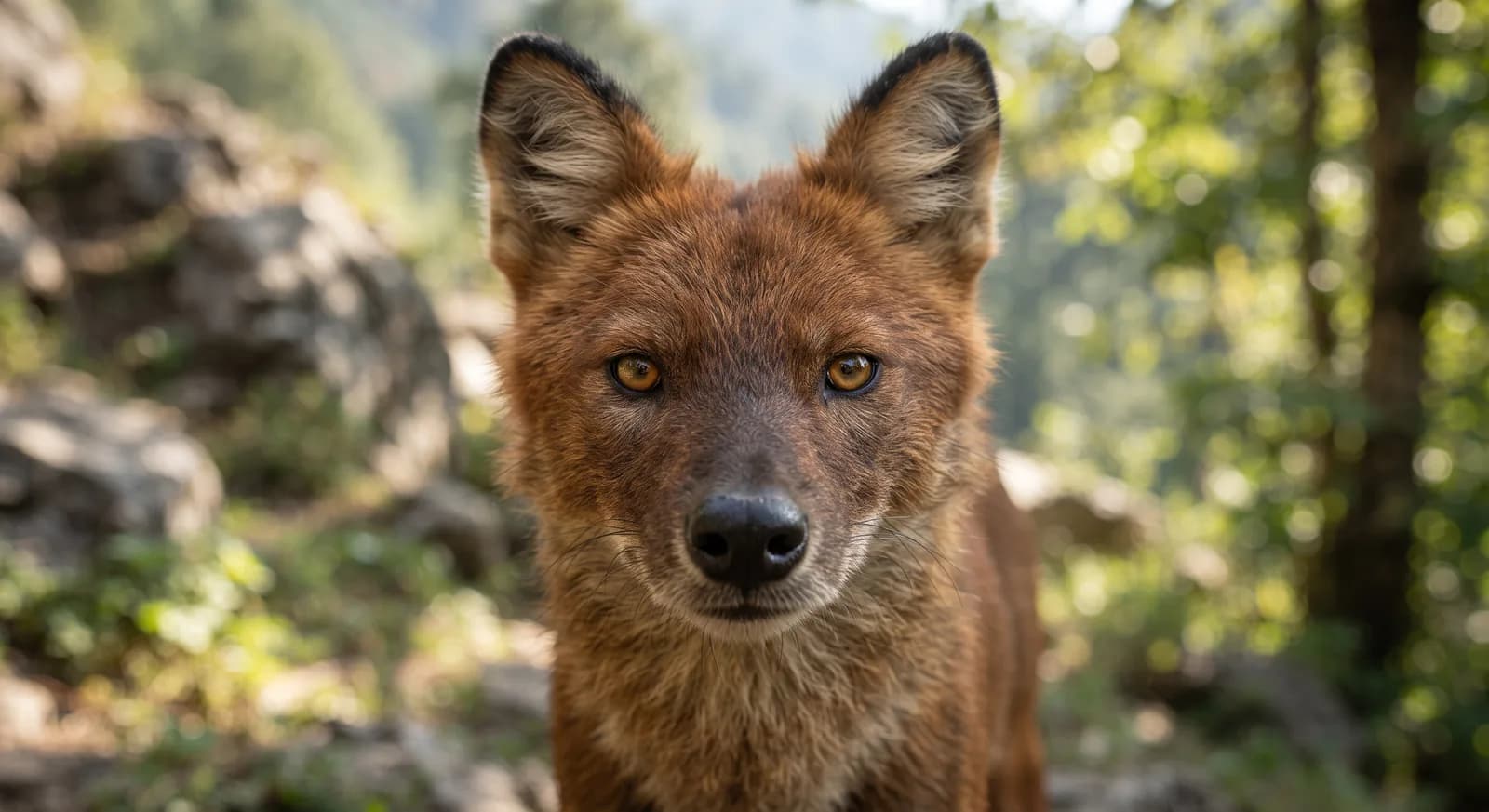
Dhole
Cuon alpinus
 Endangered
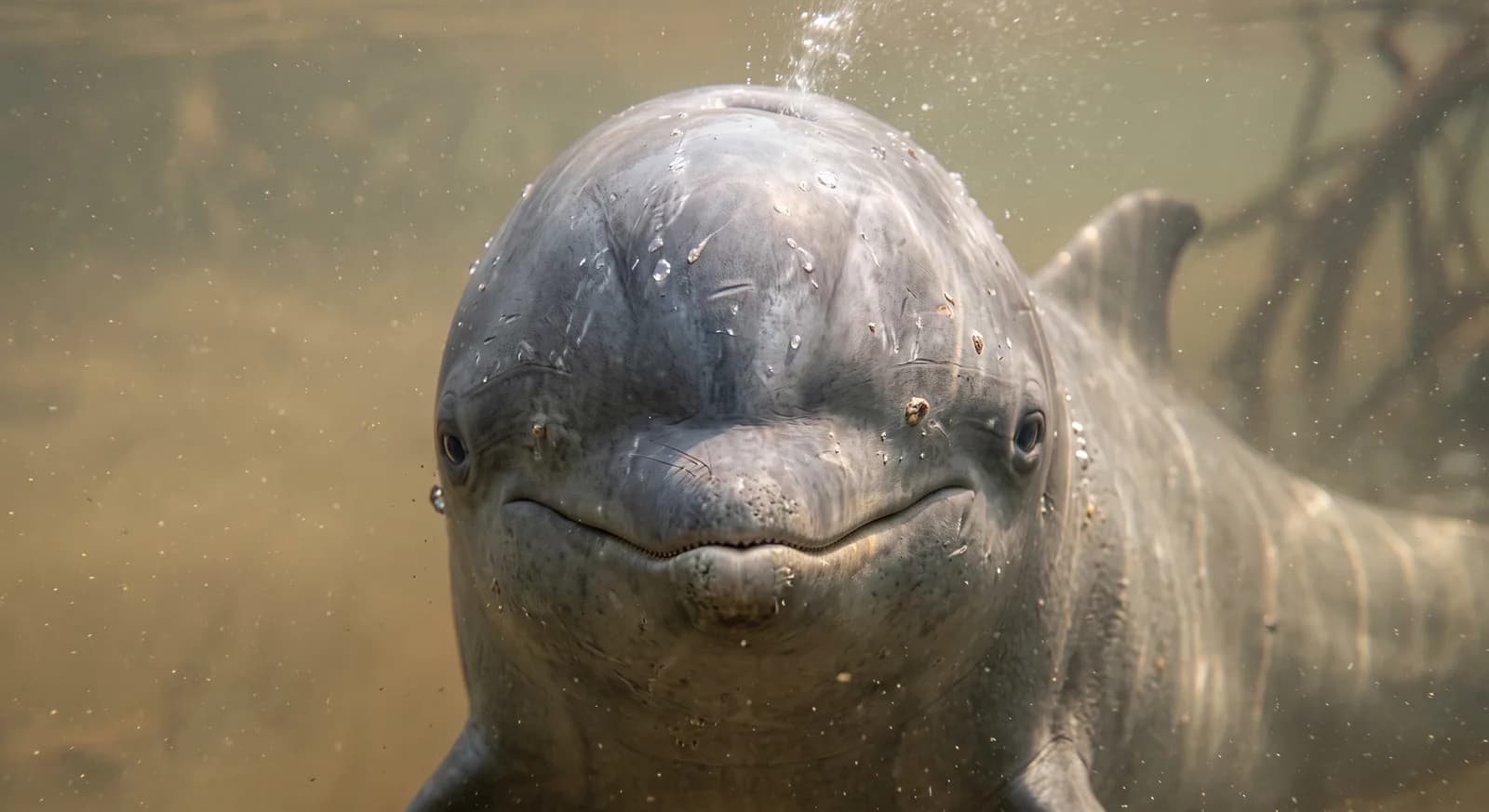
Irrawaddy Dolphin
Orcaella brevirostris
 Endangered
Asian Elephant
Elephas maximus
 Endangered
Sunda Gharial
Tomistoma schlegelii
Keep exploring
Based on what we already know about Vietnam.