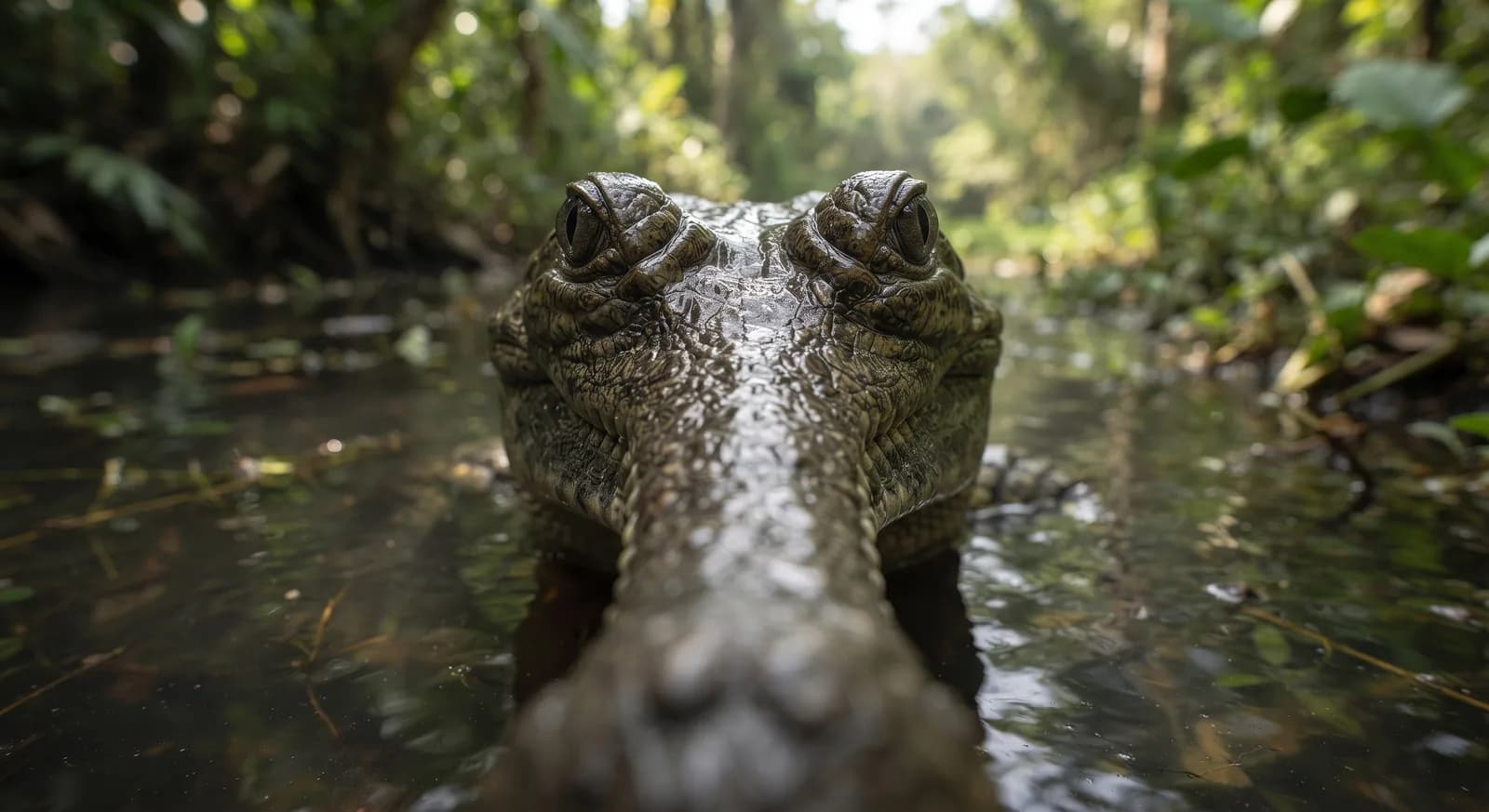
Reptiles · Crocodilia · Gavialidae
Sunda Gharial
Tomistoma schlegelii
It faces a very high risk of extinction in the wild in the near future. See full glossary
It lays the largest eggs of any living crocodilian, around 10 cm long, incubated in mounds of rotting vegetation whose natural heat holds the temperature steady.
Weight
90 kg – 210 kg
Size
4 m – 6 m
Lifespan
50 years
Diet
Carnivore
Feeds mainly on other animals.
Activity
Nocturnal
Active mainly at night.
Social structure
Solitary
Lives and hunts alone, joining others only to breed.
Sighting difficulty
Hard
Fun facts
- It lays the largest eggs of any living crocodilian, around 10 cm long.
- Genetic studies suggest it is more closely related to the gharials than to the true crocodiles.
- It feeds mainly on fish, supplemented with macaques, deer and birds.
Life cycle & biology
- Skeleton type
- Vertebrate - internal bony skeleton with osteoderms (crocodilian reptile)
- Habitat & environment
- Rivers, lakes and peat swamps of the Malay Peninsula, Sumatra and Borneo
- Birth weight
- Exact weight at hatching not found as a precise figure
- Size at birth
- Precocial at hatching
- Sexual maturity
- 20 years (both sexes, from 2.5-3 m long in females)
- Gestation / incubation
- 90-102 days
- Litter / clutch size
- 20 to 60 eggs per clutch — the largest of any crocodilian, at ~10 cm long
- Lifespan in captivity
- A documented record of up to 24.7 years in captivity (though other sources suggest a potential of 60-80)
Sources consulted: Dimensions.com; AnAge (genomics.senescence.info); Animal Diversity Web; Tierpark Berlin; LA Zoo; The Animal Facts; Wikipedia (False gharial); World Species
Where to find it
See its range on the interactive mapWhere to watch it
Parks and dive sites where this species has been documented.
Related species
Other species in the catalogue with the most in common with Sunda Gharial — same habitat, park, country, tags or family.
Greater Slow Loris
Nycticebus coucang
 Endangered
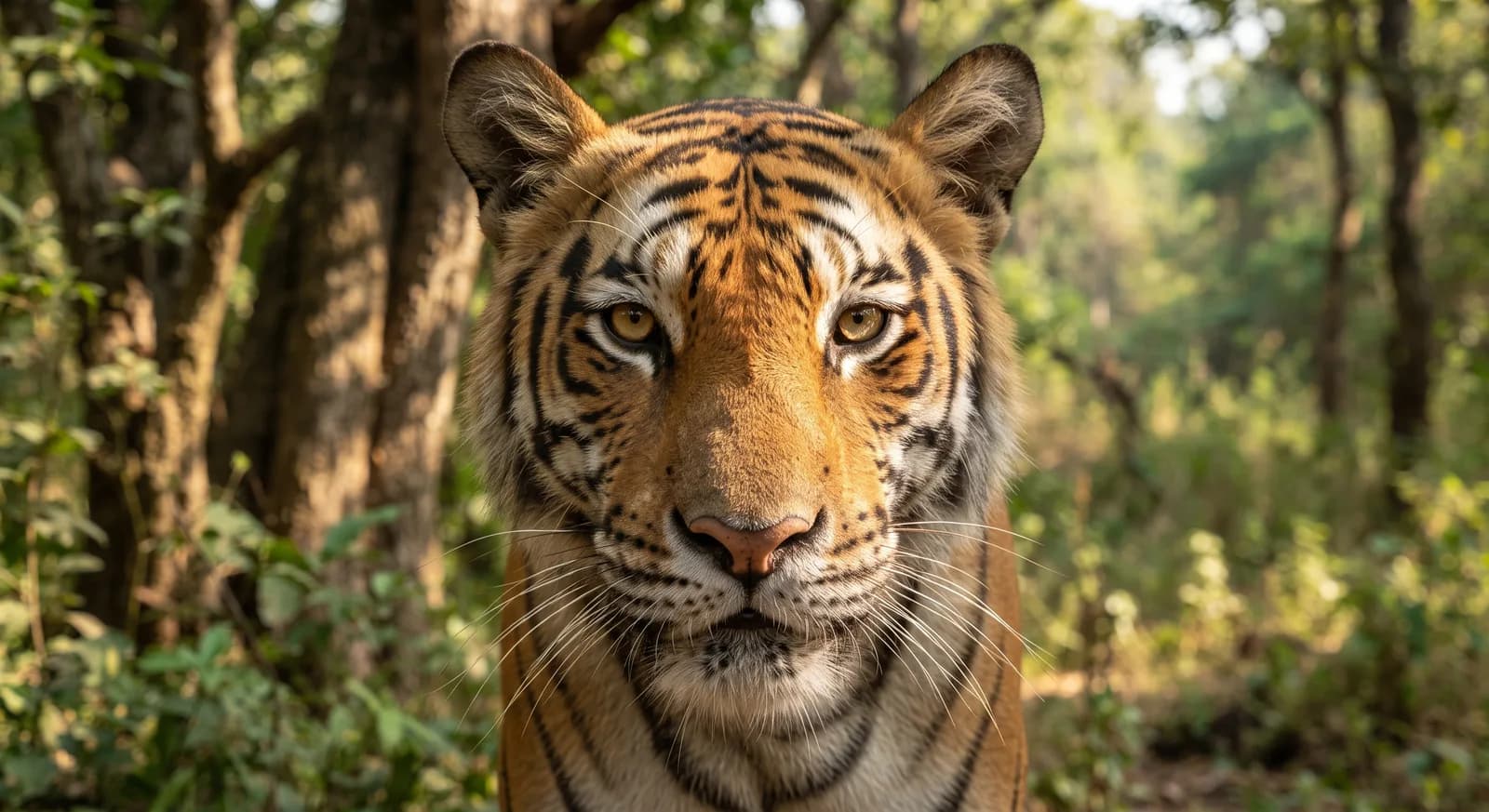
Tiger
Panthera tigris
 Endangered
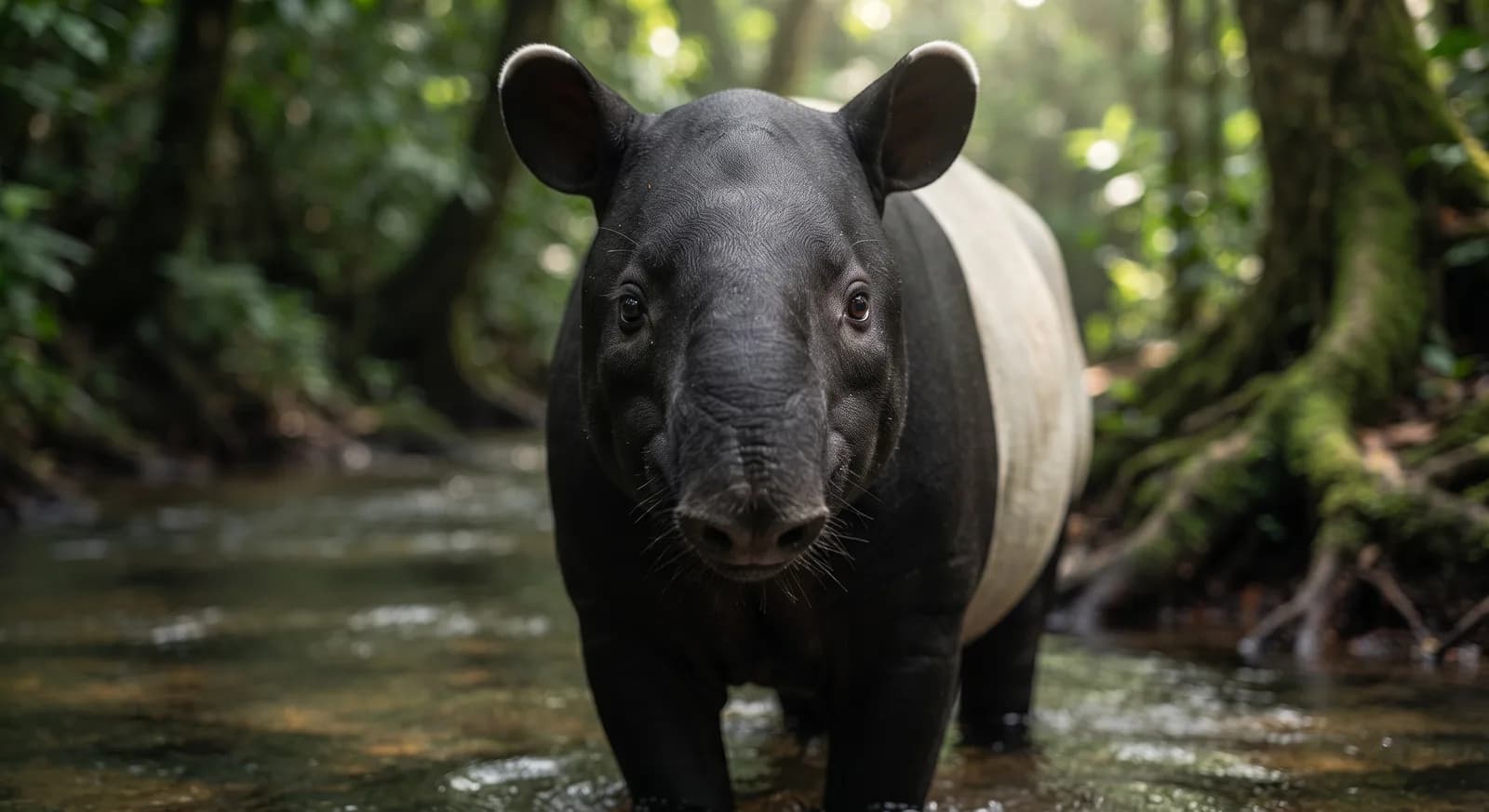
Malayan Tapir
Tapirus indicus
Southeast Asian Box Turtle
Cuora amboinensis
 Critically Endangered
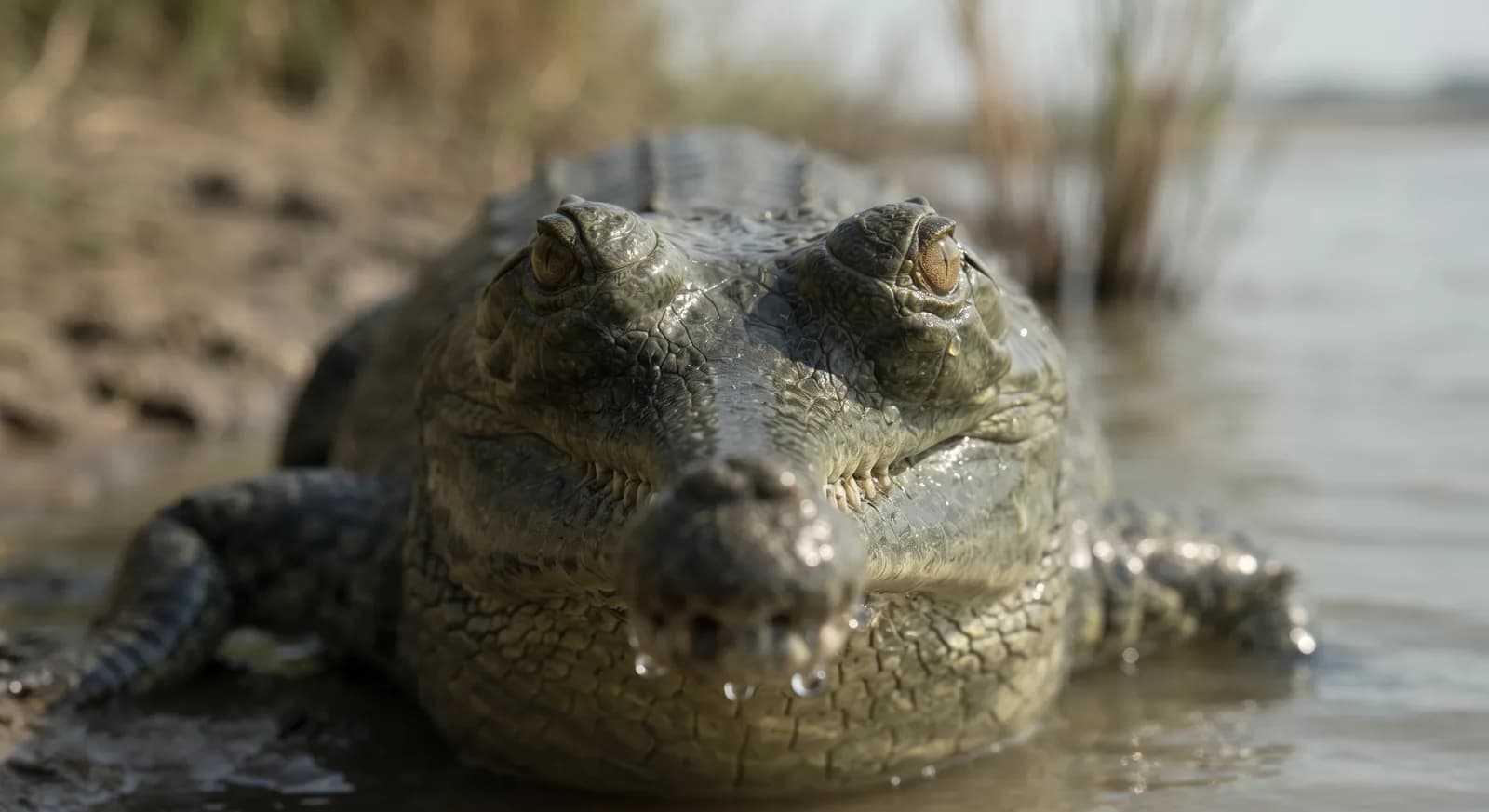
Gharial
Gavialis gangeticus
Large Flying-fox
Pteropus vampyrus
How to help
The sunda gharial is classified as endangered. Organizations such as UICN, WWF y Wildlife Conservation Society work specifically on its conservation and that of its habitat; looking into their programs is a good starting point if you want to get involved.
It's documented in 9 real protected areas — part of why protecting these places matters for its conservation.
Keep exploring
Based on what we already know about sunda gharial.
Comments
Share an experience, a fun fact or a tip for seeing the sunda gharial.
Be the first to comment.