Cambodia
Asia
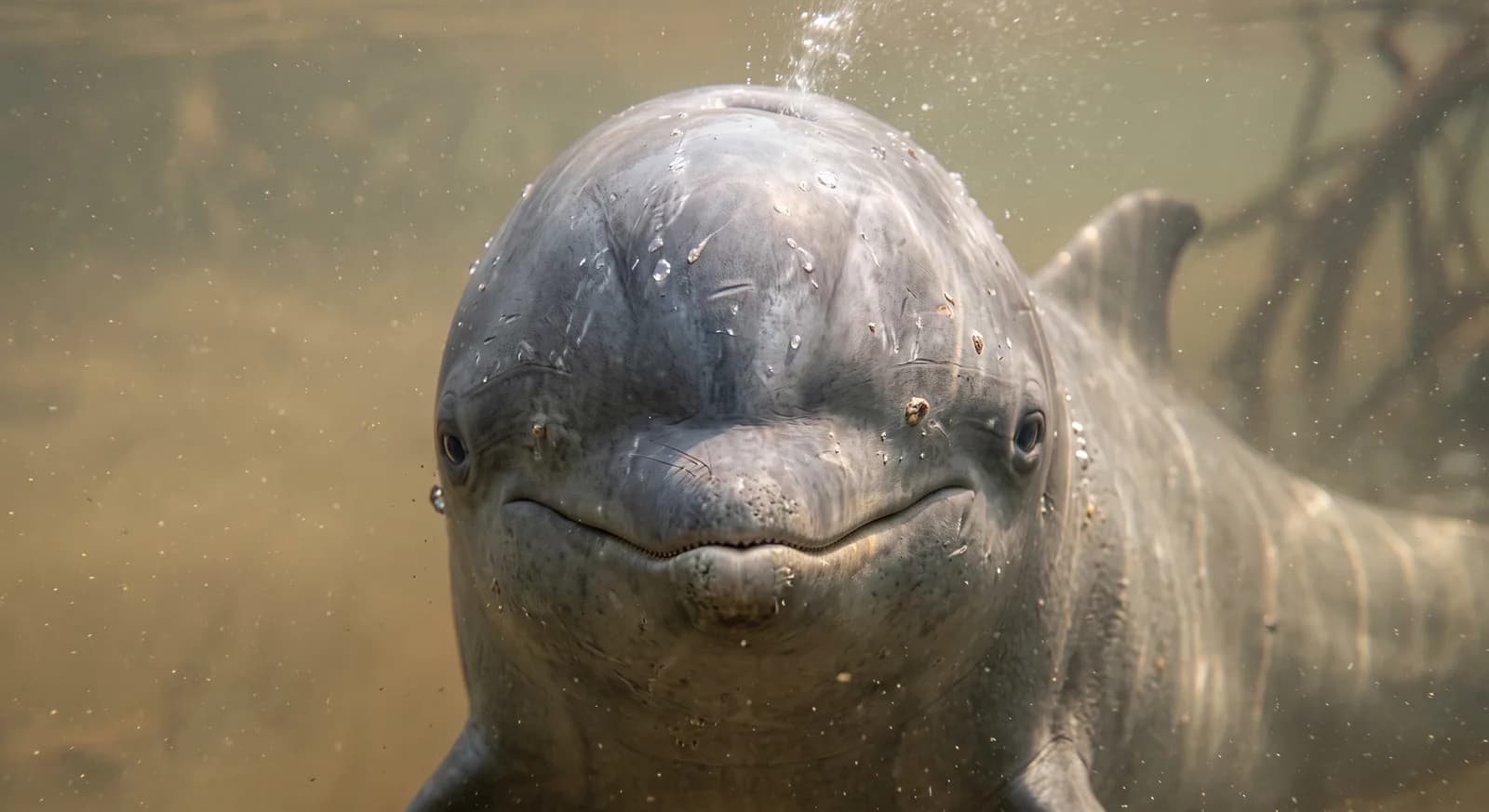
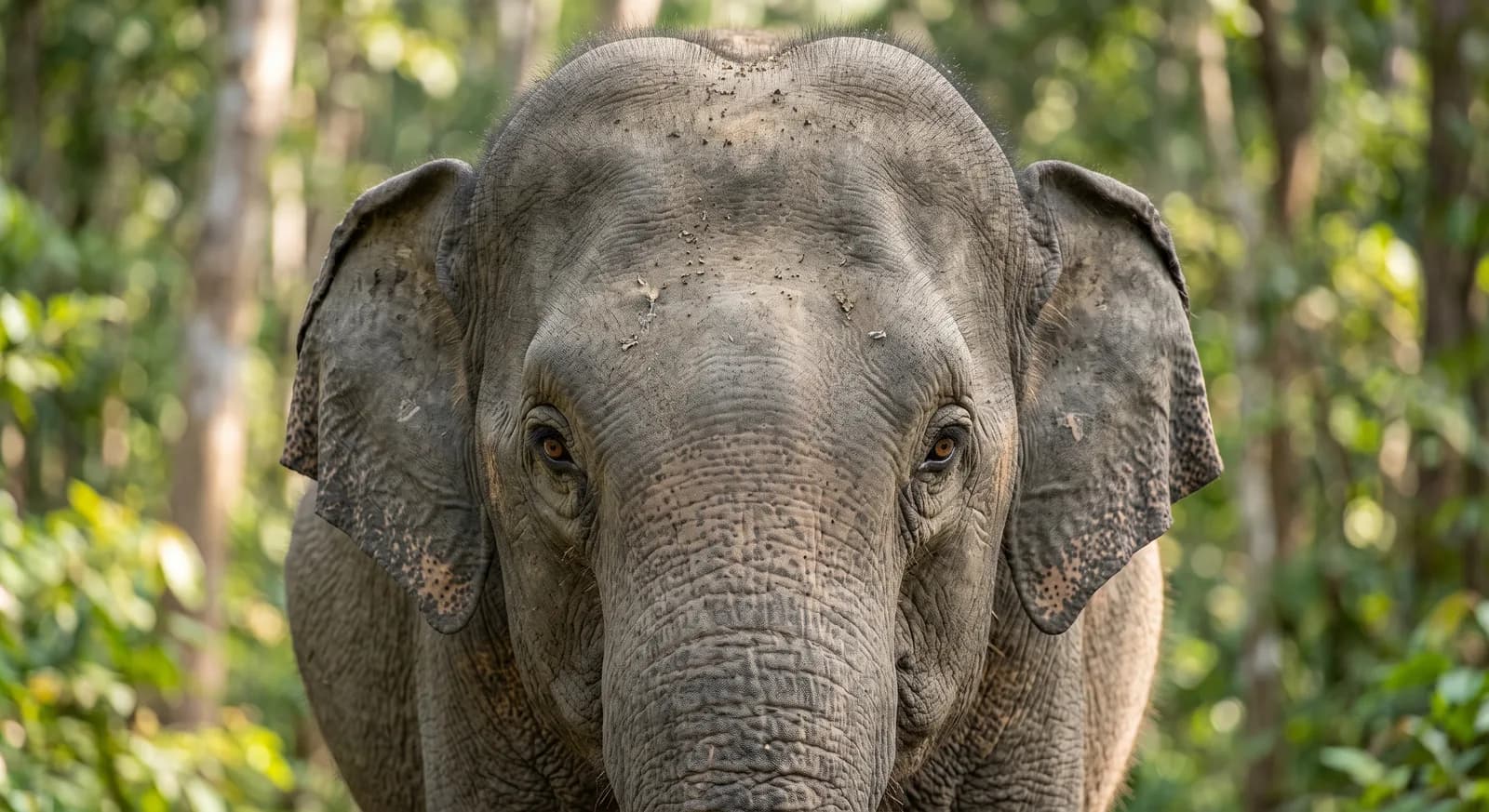
Cambodia is organised around the Mekong and Lake Tonlé Sap, the largest freshwater lake in Southeast Asia and the country's ecological engine. Its shores are occupied by a seasonally flooded forest where fish breed and where floating villages settle, moving with the water level. To the southwest, the Cardamom mountains keep one of the best-preserved blocks of rainforest in Indochina, with elephants, sun bears and Siamese crocodiles. To the north and east, the dry dipterocarp forest plains once held great herds of ungulates and remain the last refuge of the giant ibis and of Southeast Asia's vultures. The stretches of the Mekong at Kratie hold the country's last Irrawaddy dolphins.
The nature of Cambodia
National animal: The kouprey, a wild bovid declared national animal in 1964 and with no confirmed sightings since the 1980s; the giant ibis is the national bird
Did you know?
The Tonlé Sap stages an almost unique hydrological phenomenon every year: during the monsoon, the Mekong's flood is so strong that it reverses the river draining the lake and forces it to flow inland. The lake can multiply its surface fivefold, flood the surrounding forest and offer fish an enormous nursery. On that annual reversal depends one of the largest freshwater fisheries on the planet.
Biodiversity profile
Climate
- •Tropical monzonico (Am), con estacion seca y humeda bien diferenciadas, fuertemente influenciado por el rio Mekong y el lago Tonle Sap
Main biomes
- •Bosque humedo de la Cordillera Annamita (compartido con Vietnam y Laos)
- •Bosque humedo de los Montes Cardamomo (uno de los ecosistemas mas ricos en especies del pais)
- •Bosque seco de Indochina central
- •Ecoregion de agua dulce del Mekong y el lago Tonle Sap
- •Lago de crecida invertida
- •Bosque inundado estacional
- •Selva húmeda de las Cardamomo
- •Bosque seco de dipterocarpáceas
- •Río de llanura
- •Manglar costero
- •Humedal de papiro
Marine and coastal ecosystems
- •Costa del Golfo de Tailandia con manglares e islas costeras
Flagship wildlife
- •Elefante asiatico (Montes Cardamomo)
- •Delfin del Irrawaddy (rio Mekong, aprox. 90 individuos remanentes)
- •Ibis gigante (ave nacional, En Peligro Critico)
- •Tigre indochino (funcionalmente extinto en el pais, con esfuerzos de reintroduccion en marcha)
- •Cocodrilo siamés
- •Bagre gigante del Mekong
- •Buitre dorsiblanco bengalí
- •Oso malayo
- •Banteng
- •Grulla sarus
- •Nutria lisa
Notable endemic species
- •Camboya alberga el mayor bloque continuo de bosque natural remanente del continente asiatico
- •55% de especies vegetales unicas segun ASEAN Biodiversity, con 31.746 especies de plantas vasculares registradas
- •Bosques de la Cordillera Annamita con 134 especies de mamiferos endemicos y casi endemicos
- •Kouprey
Notable threatened species
- •Ibis gigante (En Peligro Critico, ave nacional)
- •10 especies de mamiferos y 6 de aves catalogadas "casi extintas" por el propio gobierno camboyano
- •23 especies de fauna clasificadas como globalmente en peligro segun la Lista Roja IUCN
Notable protected areas
- •Montes Cardamomo (uno de los ultimos grandes bloques de selva del sudeste asiatico)
- •Bosque Protegido de Preah Vihear (Parque Patrimonio ASEAN)
- •Reserva de la Biosfera del Tonlé Sap
- •Santuario de Aves de Prek Toal
- •Parque Nacional de Cardamomo Central
- •Santuario de Vida Silvestre de Keo Seima
- •Llanuras Secas del Norte
- •Parque Nacional de Virachey
Main conservation threats
- •Mas del 50% de los bosques humedos de la Cordillera Annamita ya han sido talados para madera y leña
- •Represas hidroelectricas en el Mekong que han impactado negativamente el ecosistema fluvial
- •Mineria de arena y sobrepesca en el sistema Mekong-Tonle Sap
Notable natural phenomena
- •El lago Tonle Sap invierte estacionalmente el flujo de su rio conector con el Mekong, generando uno de los pulsos de inundacion mas productivos del sudeste asiatico para la pesca de agua dulce
Conservation
Prek Toal is the last great refuge for large waterbirds in Southeast Asia, with colonies of adjutant storks and other storks that were on the brink of collapse and recovered when the former egg collectors became wardens. The region's vultures suffered the same poison-driven collapse as those of South Asia.
Where and when to watch wildlife
Prek Toal between December and February for the waterbird colonies. Kratie year-round for Irrawaddy dolphins. The northern dry plains in the dry season for the giant ibis.
Sources: ASEAN Centre for Biodiversity - ASEAN Biodiversity | Interactive Country Fiches (UNEP-GRID) - Biodiversity Cambodia | worldatlas.com - Ecological Regions of Cambodia | WWF - Greater Mekong
Parks and reserves
Bokor
A former French colonial hill station abandoned after the civil war, today half swallowed by the forest
View parkNational ParkKirirom
Cambodia's first national park, a pine plateau a thousand metres above the plain, created by Sihanouk.
View parkNational ParkVirachey
One of the last great blocks of forest in northern Cambodia, at the triple border with Laos and Vietnam.
View parkDiving and snorkelling
Koh Rong
Cambodia's emerging dive island, celebrated for its night dives with bioluminescent plankton.
View dive siteReef/Bioluminescent planktonKoh Ta Kiev
A pristine Cambodian island with barely any tourist infrastructure, ideal for night diving with bioluminescent plankton.
View dive siteEspecies documentadas en Cambodia
231 species found
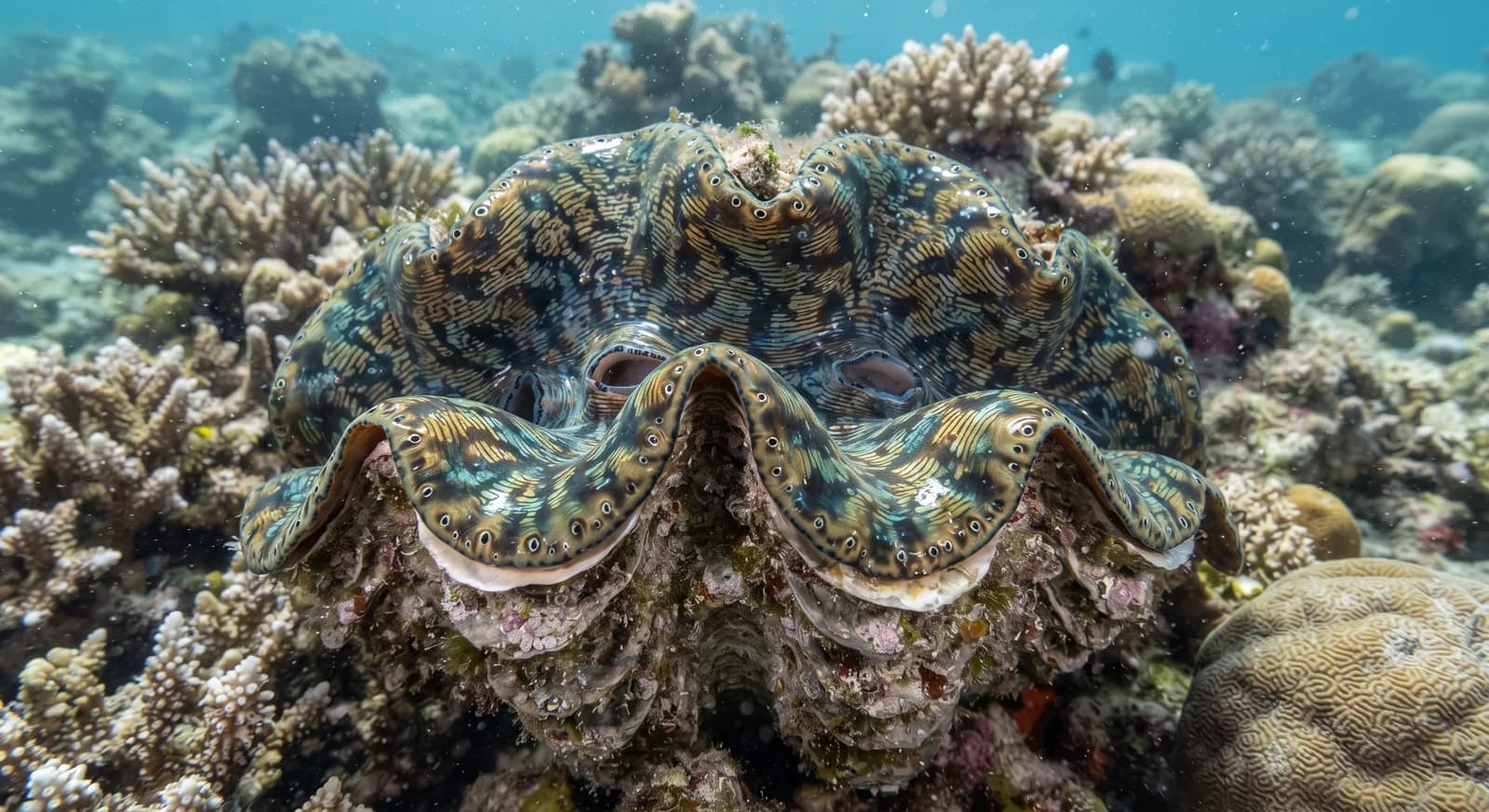 Critically Endangered
Giant Clam
Tridacna gigas
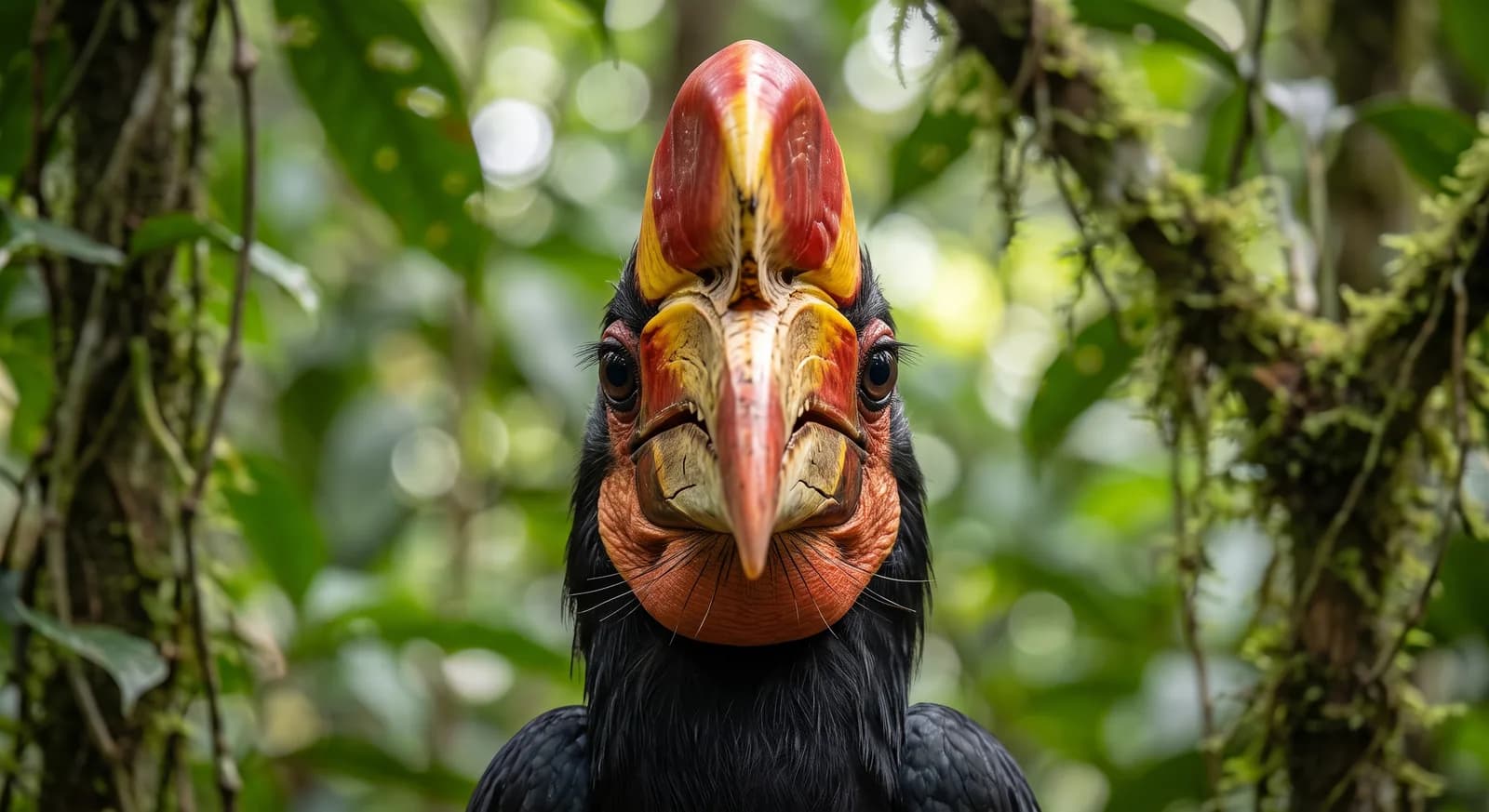 Critically Endangered
Helmeted Hornbill
Rhinoplax vigil
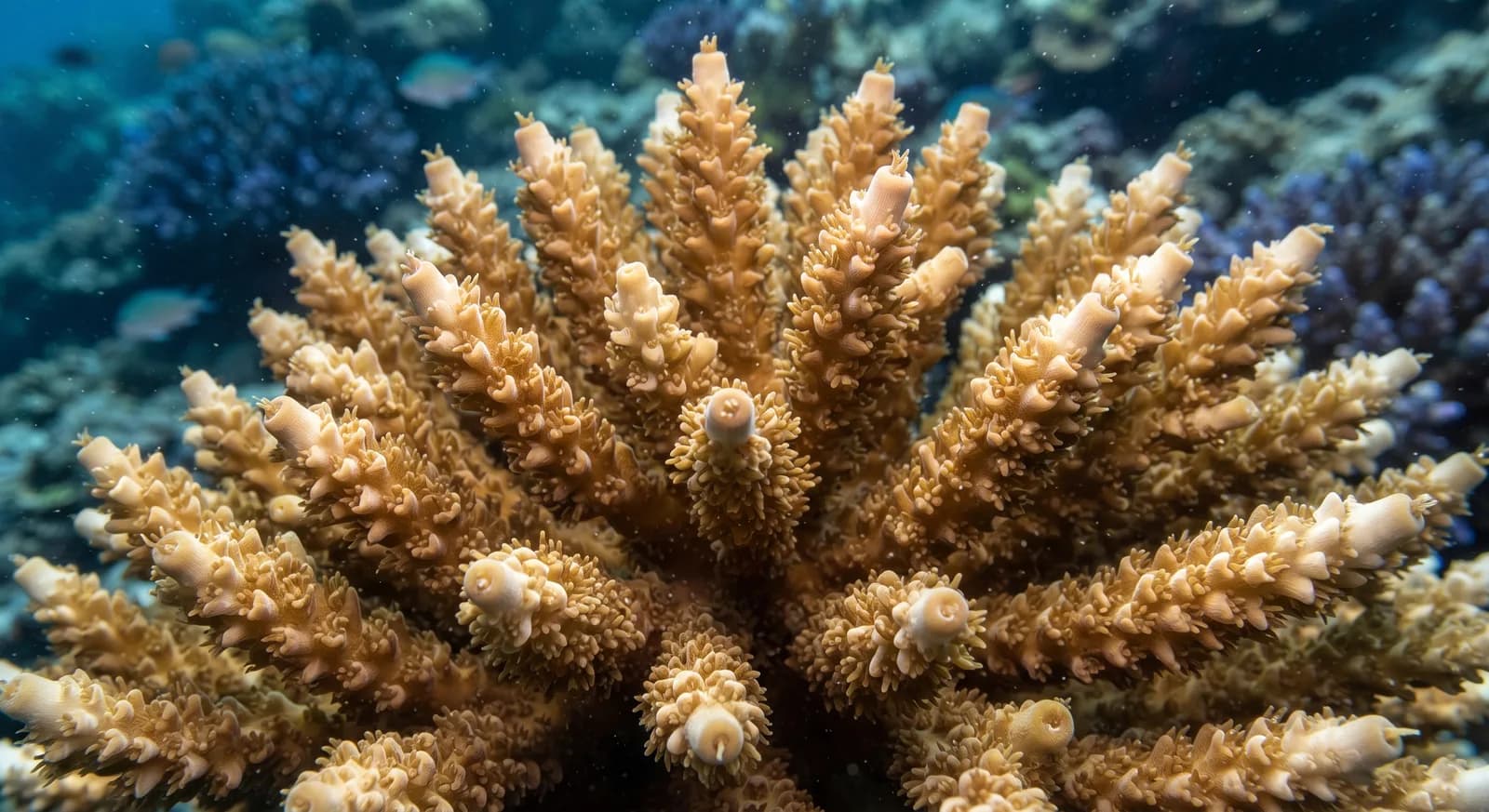 Critically Endangered
Staghorn Coral
Acropora cervicornis
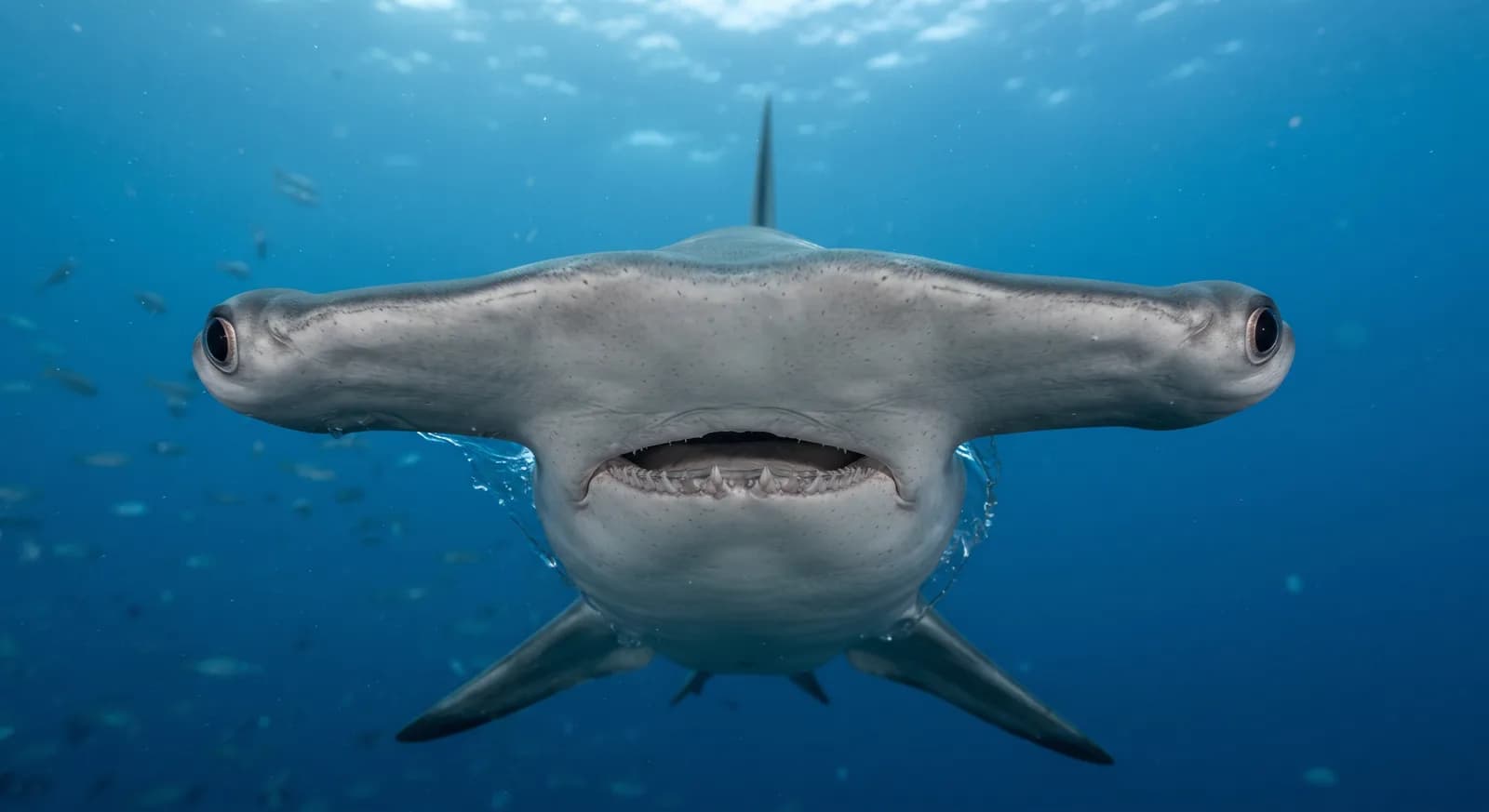 Critically Endangered
Great Hammerhead
Sphyrna mokarran
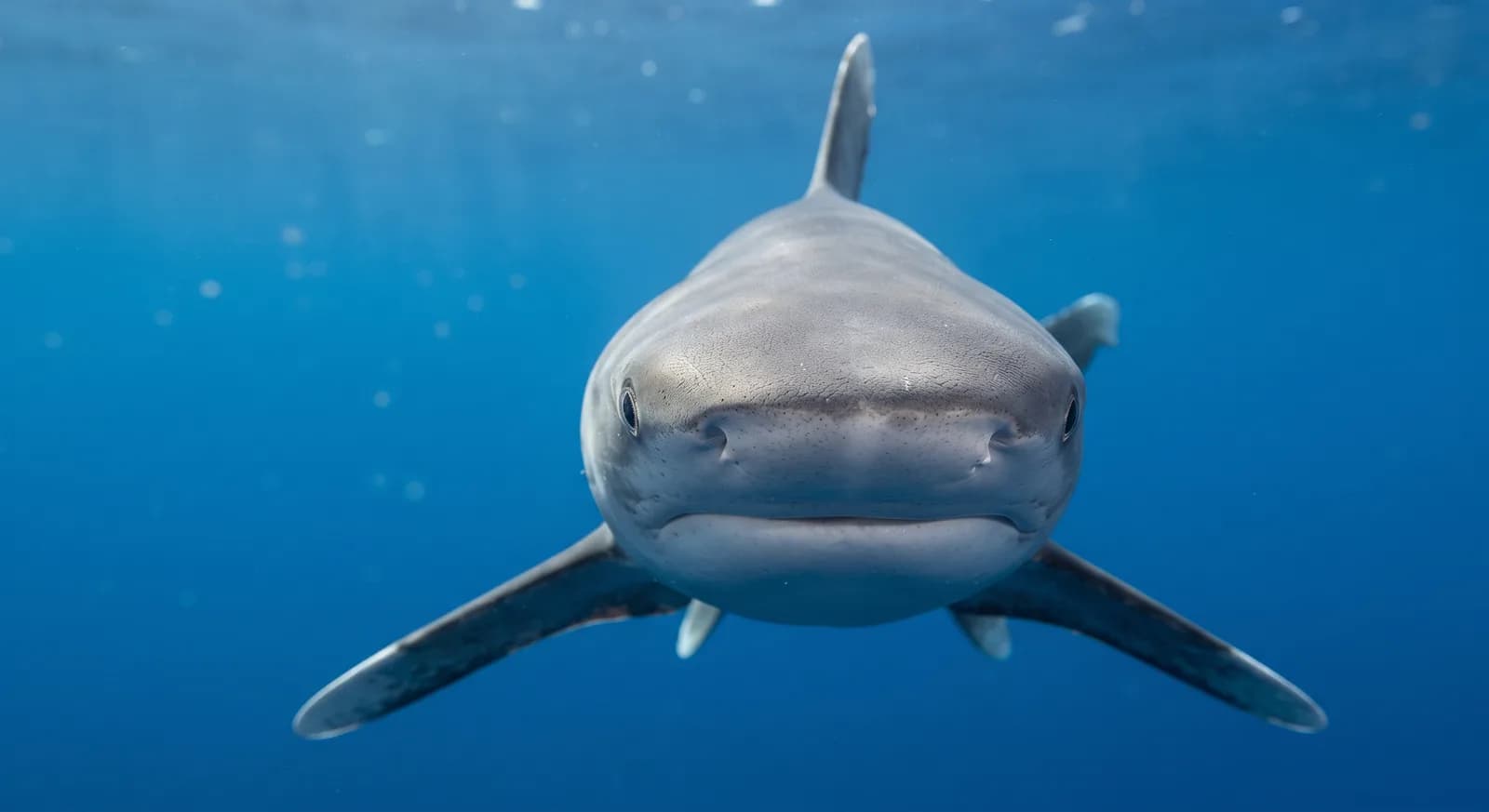 Critically Endangered
Oceanic Whitetip Shark
Carcharhinus longimanus
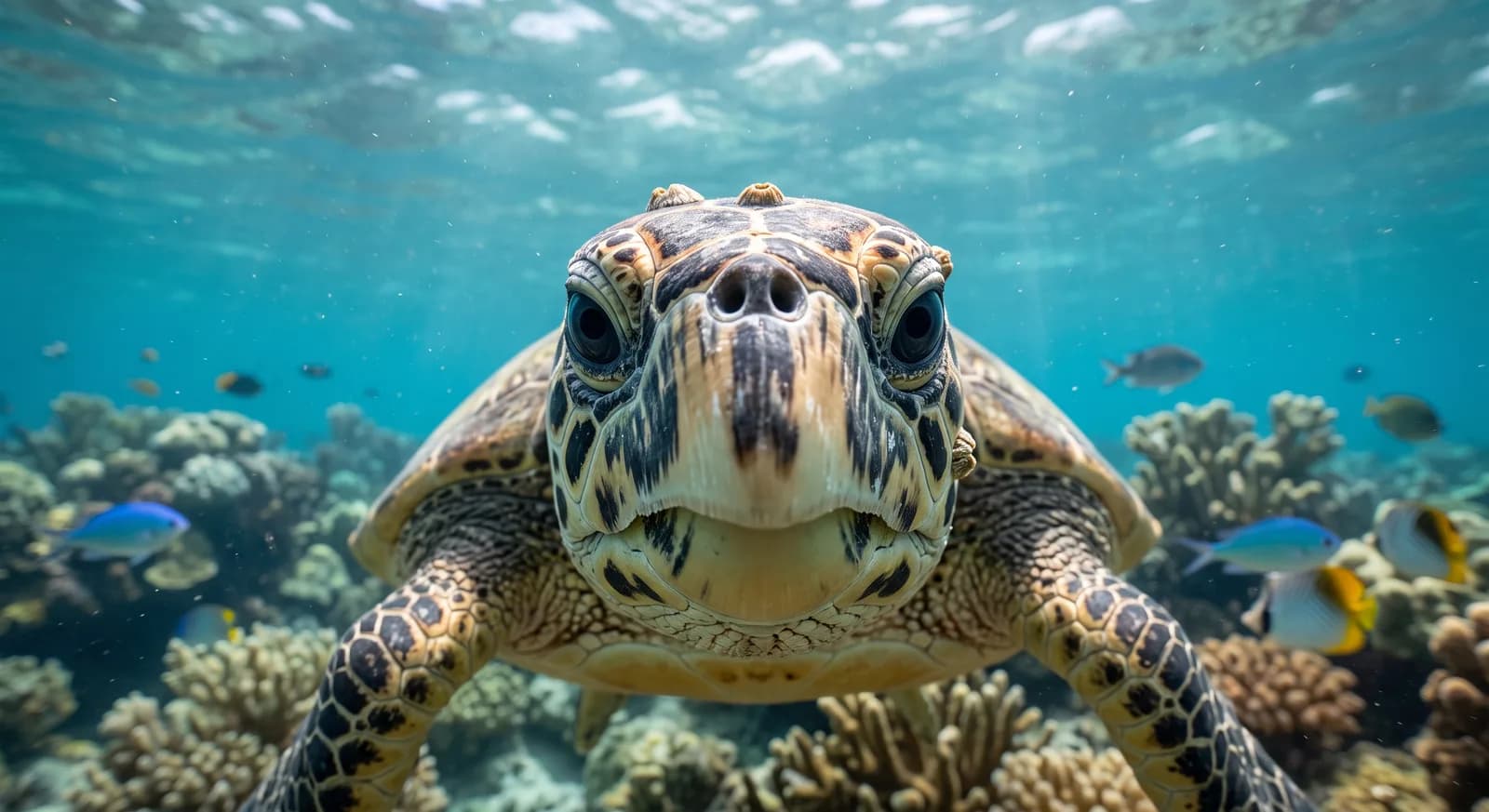 Critically Endangered
Hawksbill Turtle
Eretmochelys imbricata
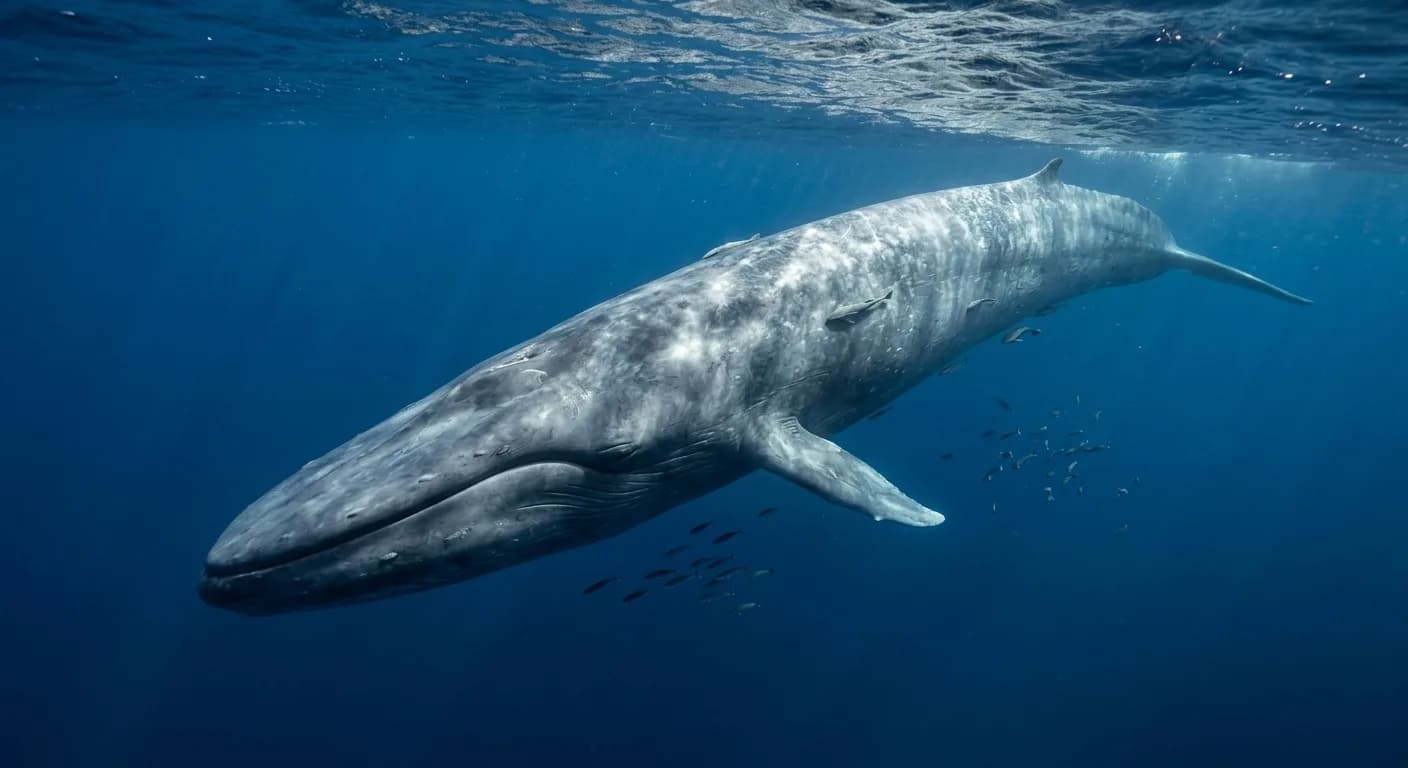 Endangered
Blue Whale
Balaenoptera musculus
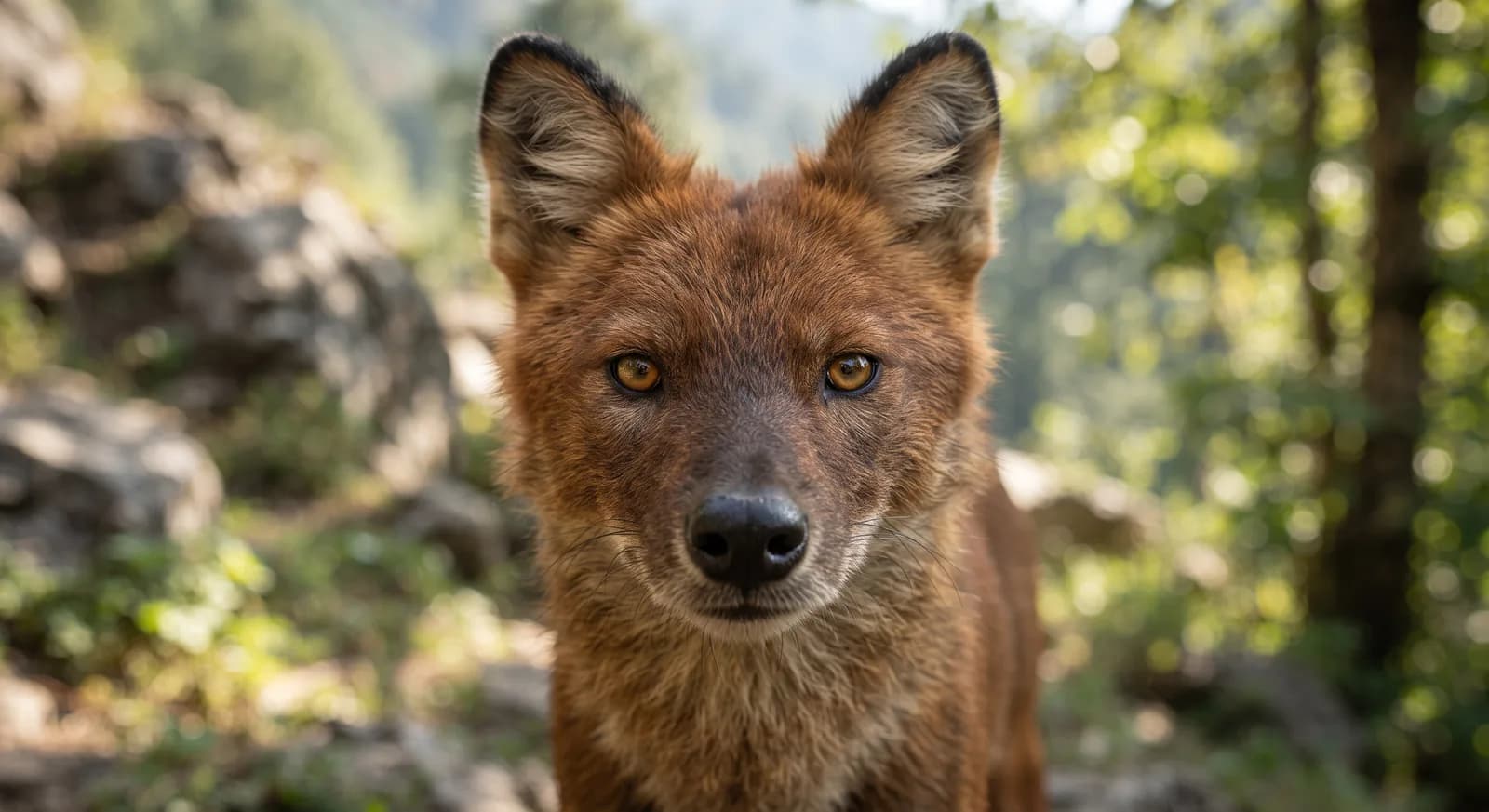 Endangered
Dhole
Cuon alpinus
 Endangered
Irrawaddy Dolphin
Orcaella brevirostris
 Endangered
Asian Elephant
Elephas maximus
 Endangered
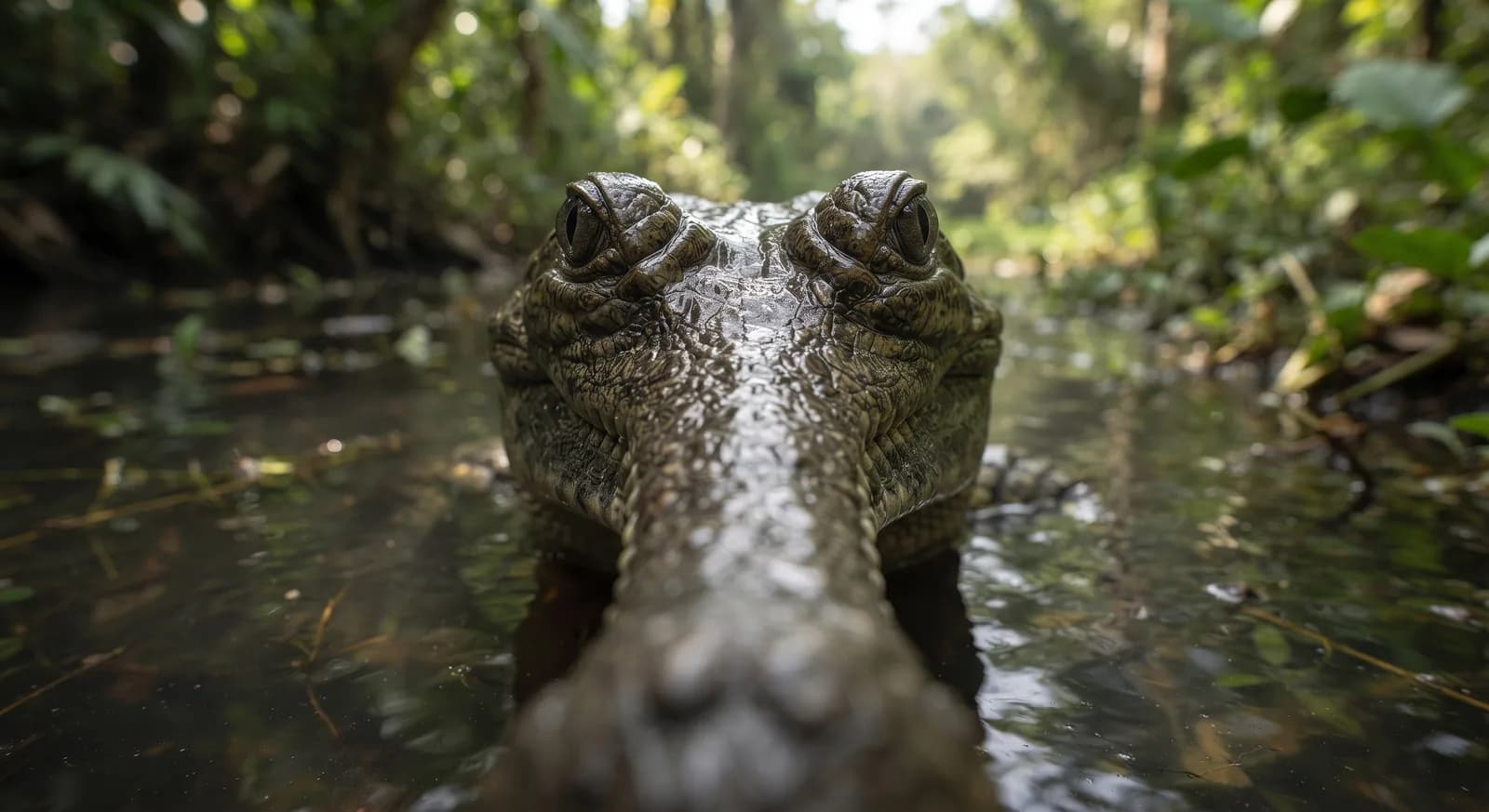
Sunda Gharial
Tomistoma schlegelii
 Endangered
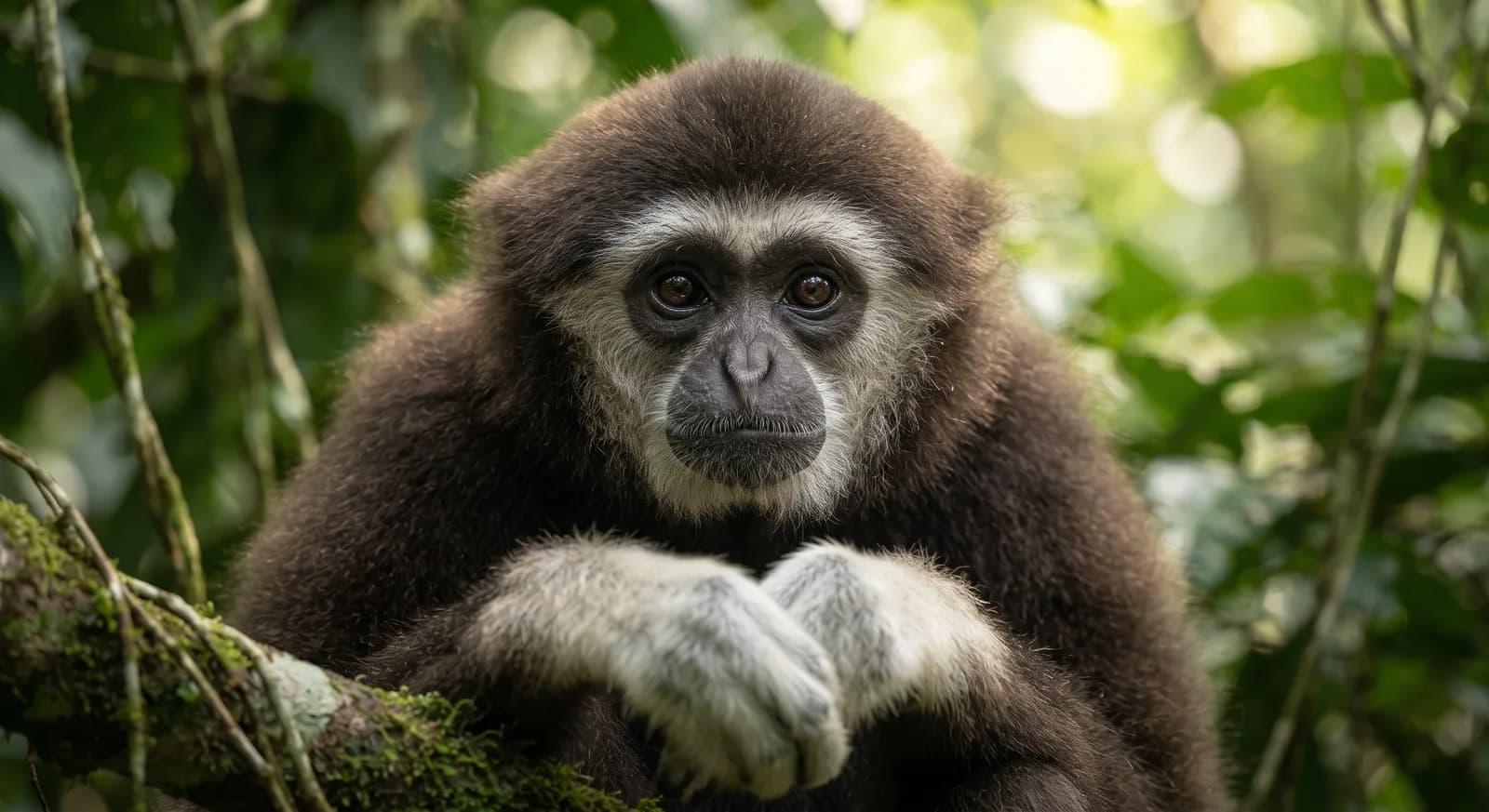
Lar Gibbon
Hylobates lar
Keep exploring
Based on what we already know about Cambodia.