Mammals · Artiodactyla · Bovidae
Banteng
Bos javanicus
It faces a very high risk of extinction in the wild in the near future. See full glossary
The banteng is a wild bovid of South-East Asia and the ancestor of Bali domestic cattle. It shows a striking dimorphism: the males are black or dark chestnut and the females and young an intense reddish colour, and all of them share white stockings on the legs and a white patch on the rump. It lives in herds in open forest with clearings. Hunting, habitat loss and hybridisation with domestic cattle have reduced its population by more than 80% in three generations.
Weight
400 kg – 900 kg
Size
1.9 m – 2.3 m
Lifespan
20 years
Diet
Herbivore
Feeds mainly on plants.
Activity
Nocturnal
Active mainly at night.
Sighting difficulty
Hard
Fun facts
- GeneralA wild bovid of South-East Asia, domesticated locally as Bali cattle.
- It is the ancestor of Bali cattle, one of the few domestic bovines not descended from the aurochs: Indonesia has millions of domestic banteng while the wild ones are counted in thousands.
- In 2003 a banteng was successfully cloned from tissue frozen twenty years earlier at San Diego Zoo, one of the first clonings of a threatened species.
Life cycle & biology
- Skeleton type
- Vertebrate - internal bony skeleton (mammal)
- Habitat & environment
- Open dry and moist forest with grassy clearings and salt licks in South-East Asia
- Sexual maturity
- 2 years
- Gestation / incubation
- 9.7 months
- Litter / clutch size
- 1
Sources consulted: https://www.iucnredlist.org/ | https://animaldiversity.org/ | https://es.wikipedia.org/
Where to find it
See its range on the interactive mapWhere to watch it
Parques y spots de buceo donde se ha documentado esta especie — se muestran 10 de 12 documentados.
Related species
Other species in the catalogue with the most in common with Banteng — same habitat, park, country, tags or family.
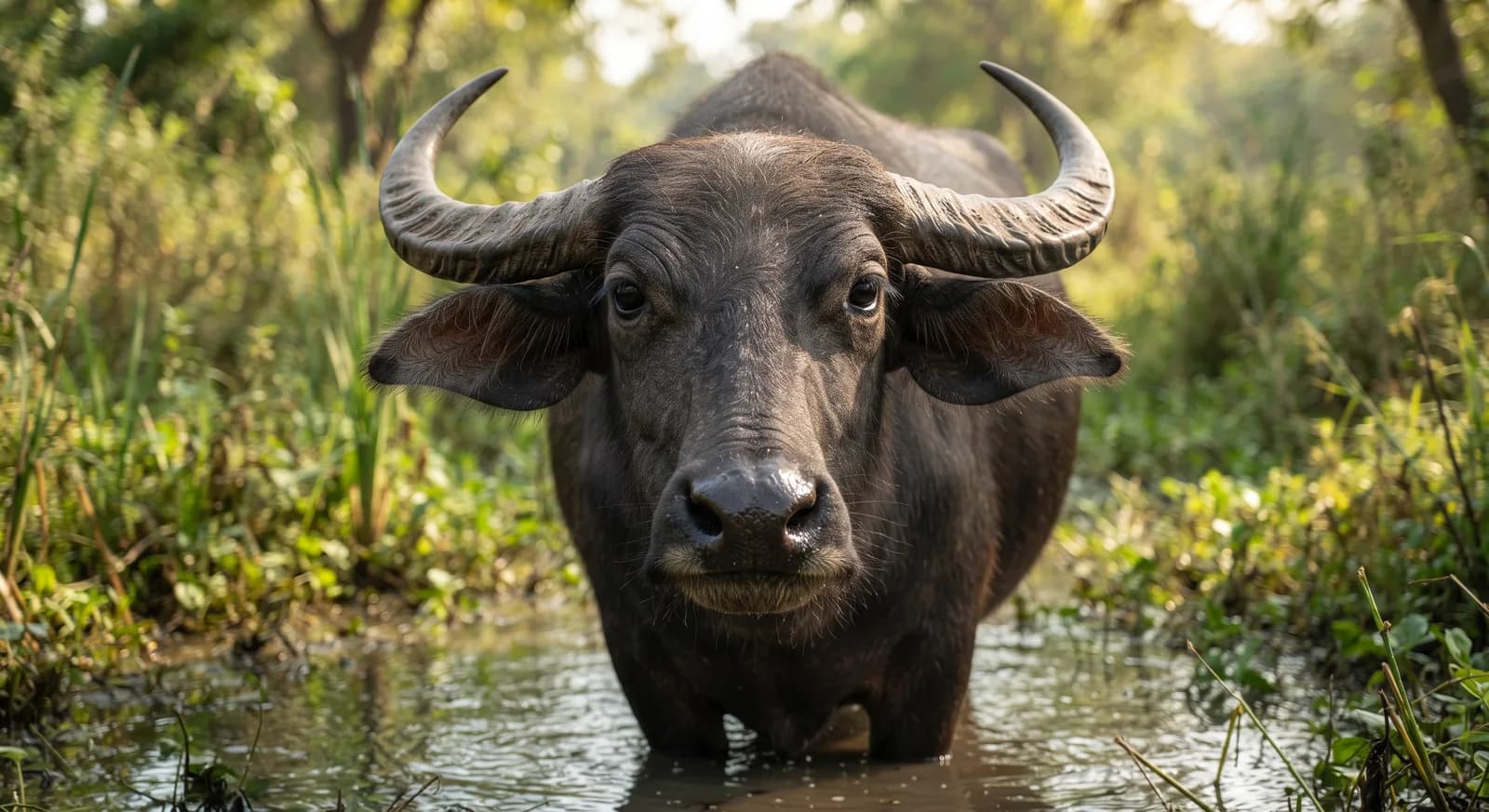 Not Evaluated
Water Buffalo
Bubalus bubalis
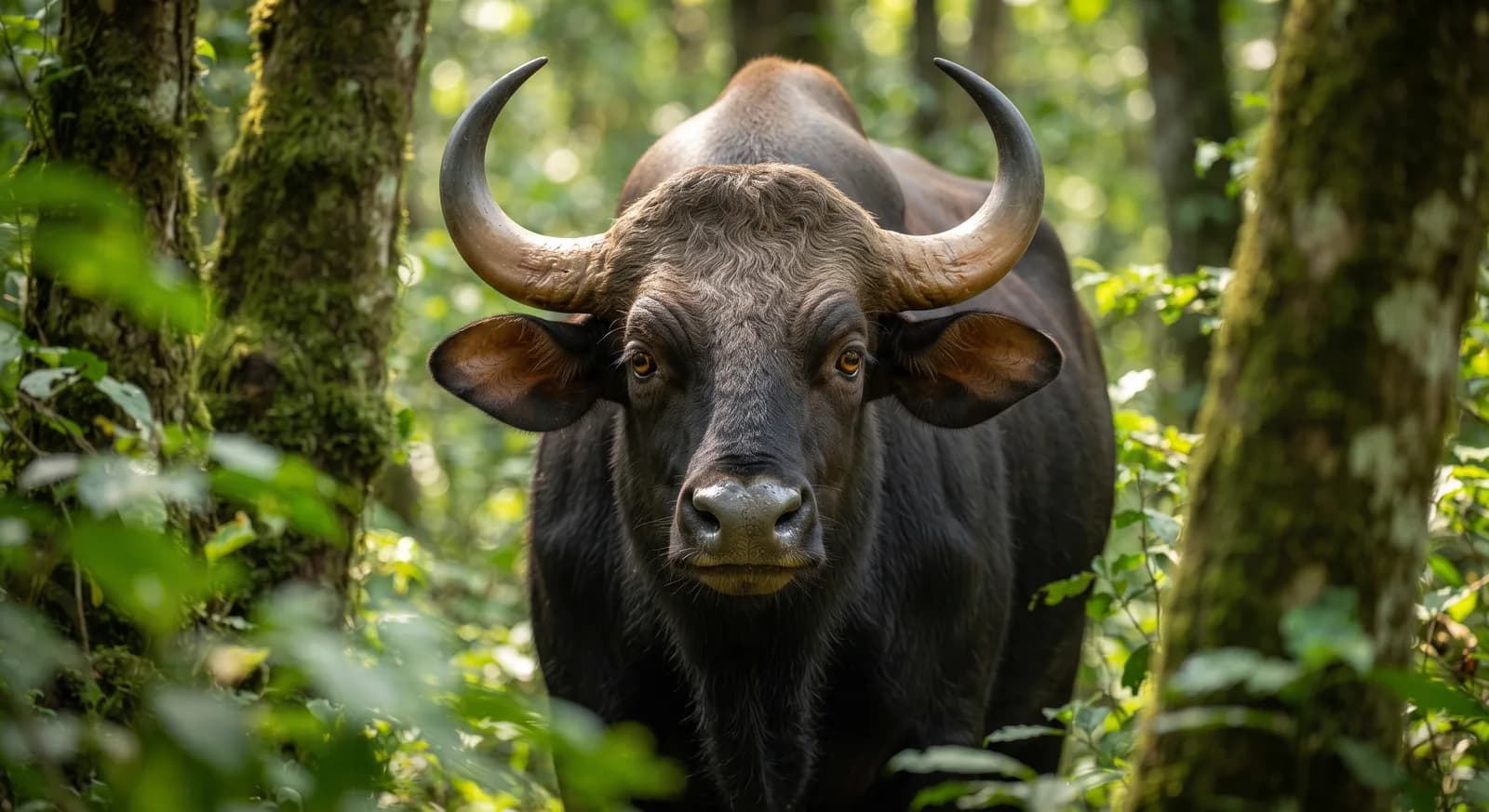 Vulnerable
Gaur
Bos gaurus
Lowland Anoa
Bubalus depressicornis
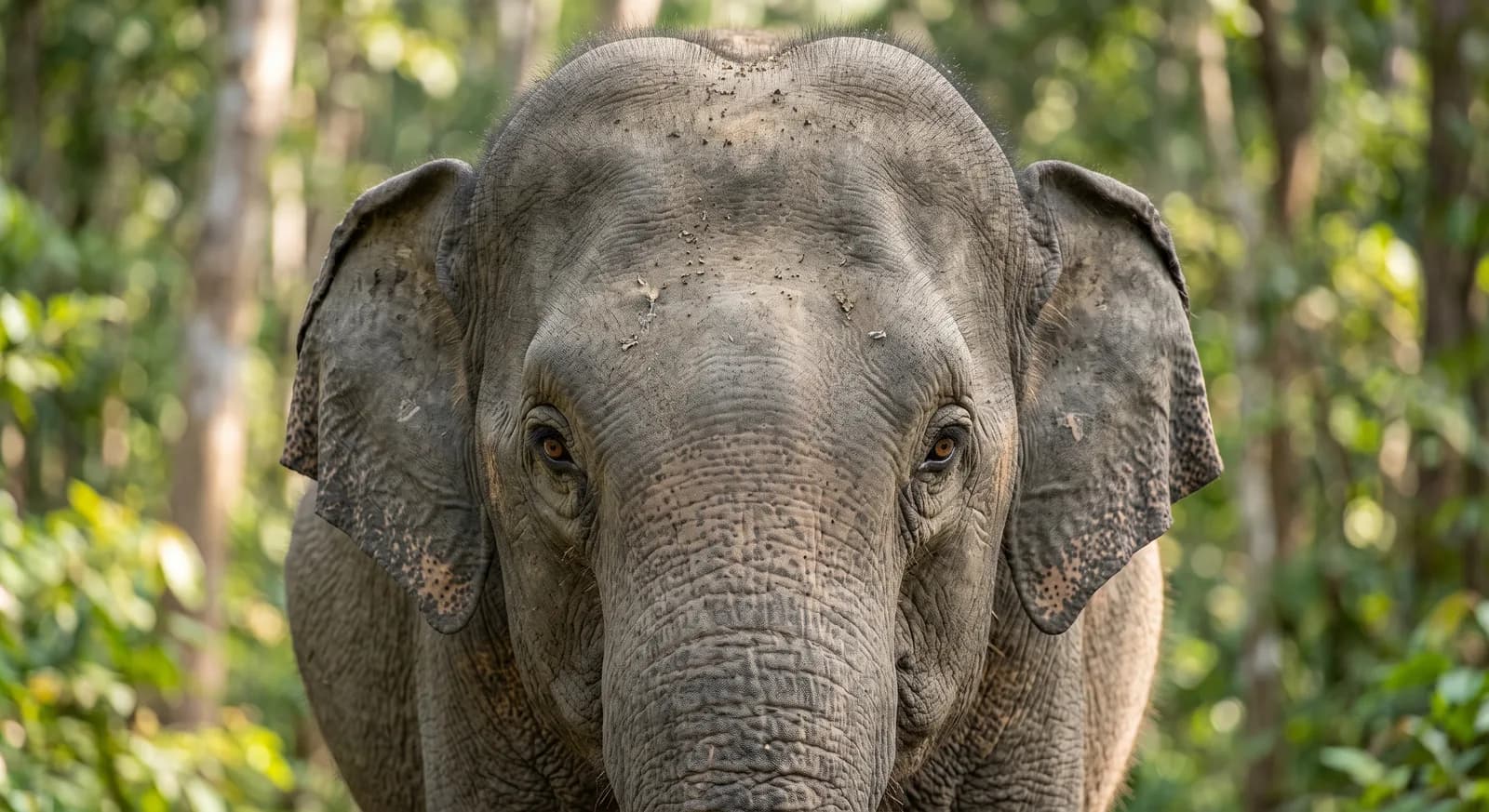 Endangered
Asian Elephant
Elephas maximus
Large Flying-fox
Pteropus vampyrus
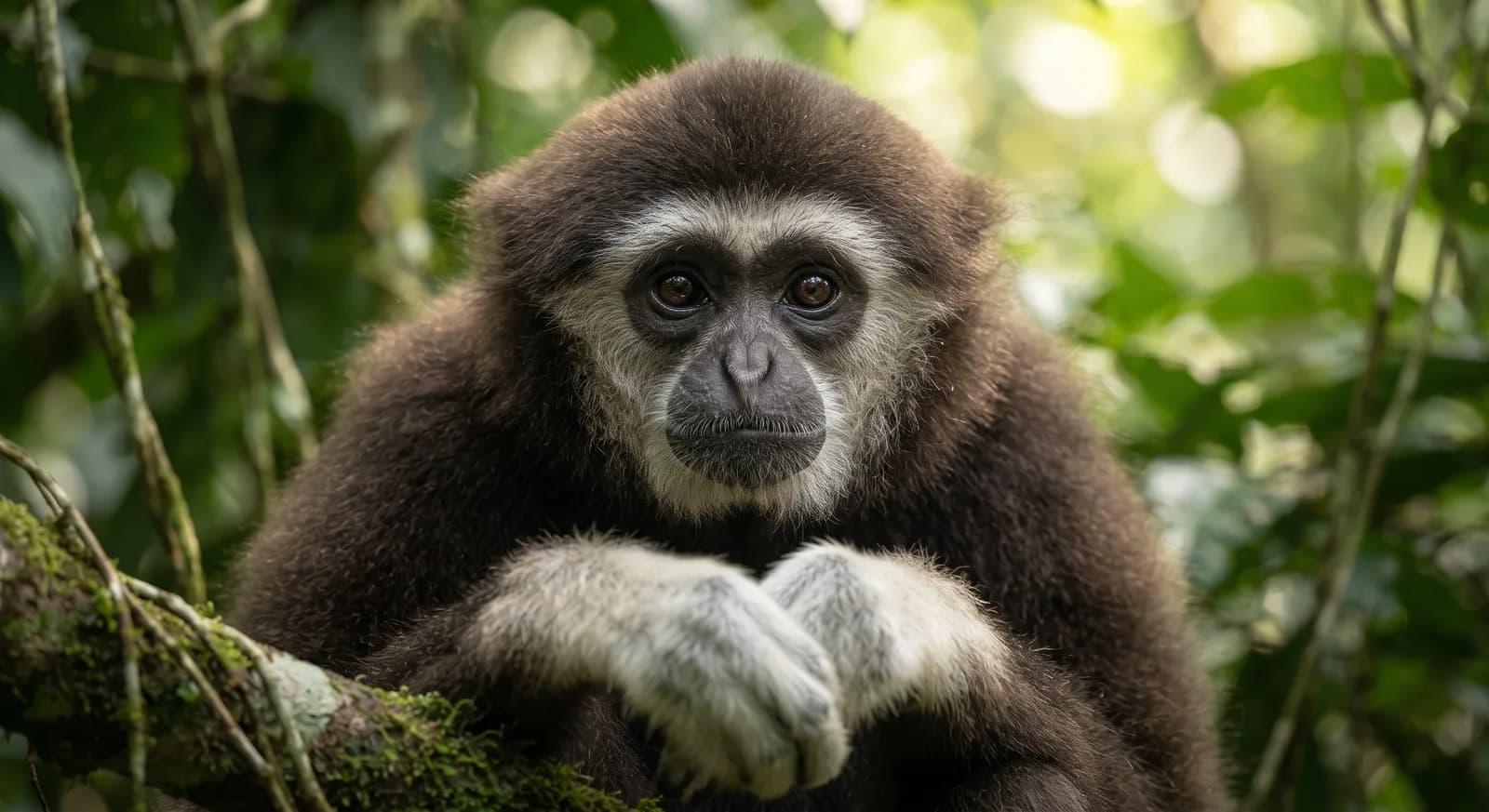 Endangered
Lar Gibbon
Hylobates lar
How to help
The banteng is classified as endangered. Organizations such as UICN, WWF y Wildlife Conservation Society work specifically on its conservation and that of its habitat; looking into their programs is a good starting point if you want to get involved.
It's documented in 6 real protected areas — part of why protecting these places matters for its conservation.
Keep exploring
Based on what we already know about banteng.
Comments
Share an experience, a fun fact or a tip for seeing the banteng.
Be the first to comment.