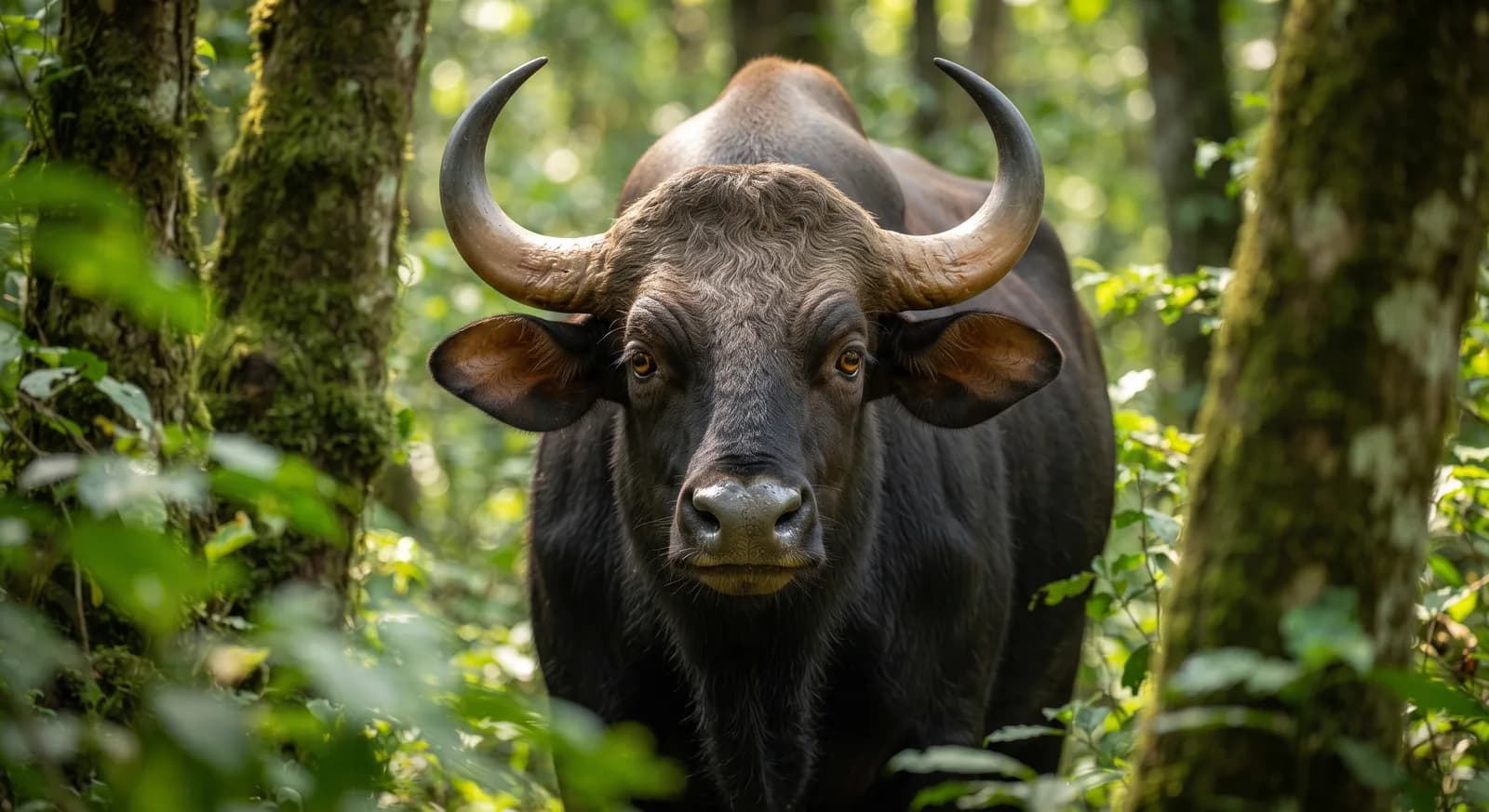
Mammals · Artiodactyla · Bovidae
Gaur
Bos gaurus
It faces a high risk of extinction in the wild over the medium term. See full glossary
It is the largest and tallest wild cattle in the world, standing higher at the shoulder than either the American bison or the African buffalo.
Weight
450 kg – 1.5 t
Size
2.5 m – 3.3 m
Lifespan
20 years
Diet
Herbivore
Feeds mainly on plants.
Activity
Crepuscular
Active above all at dawn and dusk.
Social structure
Herd
Lives in large groups as a strategy against predators.
Sighting difficulty
Moderate
Fun facts
- Its domesticated form, the gayal or mithun, is traditionally kept by communities in north-eastern India and Burma.
- It feeds on a wide range of plants, favouring the leaves, stems, seeds and flowers of grasses.
- It lives in the dense montane and semi-evergreen forest of southern and South-East Asia.
- récordIt is the largest wild bovid in the world, and a mature bull can outweigh an adult African buffalo despite looking less bulky.
Life cycle & biology
- Skeleton type
- Vertebrate - internal bony skeleton (mammal)
- Habitat & environment
- Dense montane and semi-evergreen forest of southern and South-East Asia
- Birth weight
- ~23 kg
- Size at birth
- Able to follow its mother shortly after birth
- Sexual maturity
- Female: 2-3 years | Male: 2-3 years physically, though it rarely breeds before 6-8 because of social competition
- Gestation / incubation
- 270-280 days (~9 months)
- Litter / clutch size
- 1 calf (twins very rare)
- Lifespan in captivity
- Documented record of 26.2-30 years in captivity
Sources consulted: Animalia.bio; Thai National Parks; JungleDragon; AnAge (genomics.senescence.info); Dimensions.com; DinoAnimals; Wildlife Navigator; Katien Safari; Facts and Details
Where to find it
See its range on the interactive mapWhere to watch it
Parques y spots de buceo donde se ha documentado esta especie — se muestran 10 de 21 documentados.
Related species
Other species in the catalogue with the most in common with Gaur — same habitat, park, country, tags or family.
Four-horned Antelope
Tetracerus quadricornis
Himalayan Tahr
Hemitragus jemlahicus
Banteng
Bos javanicus
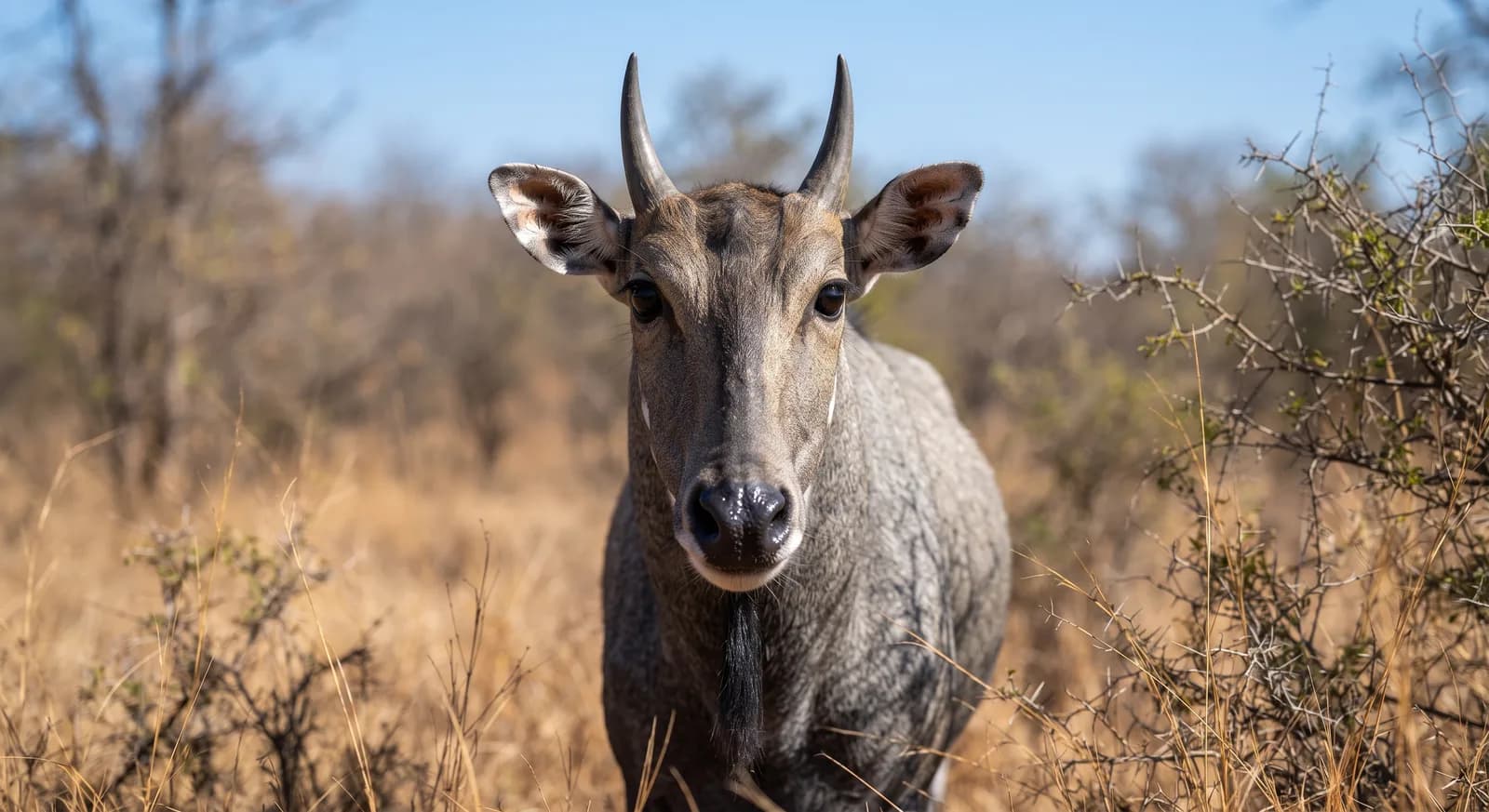 Least Concern
Nilgai
Boselaphus tragocamelus
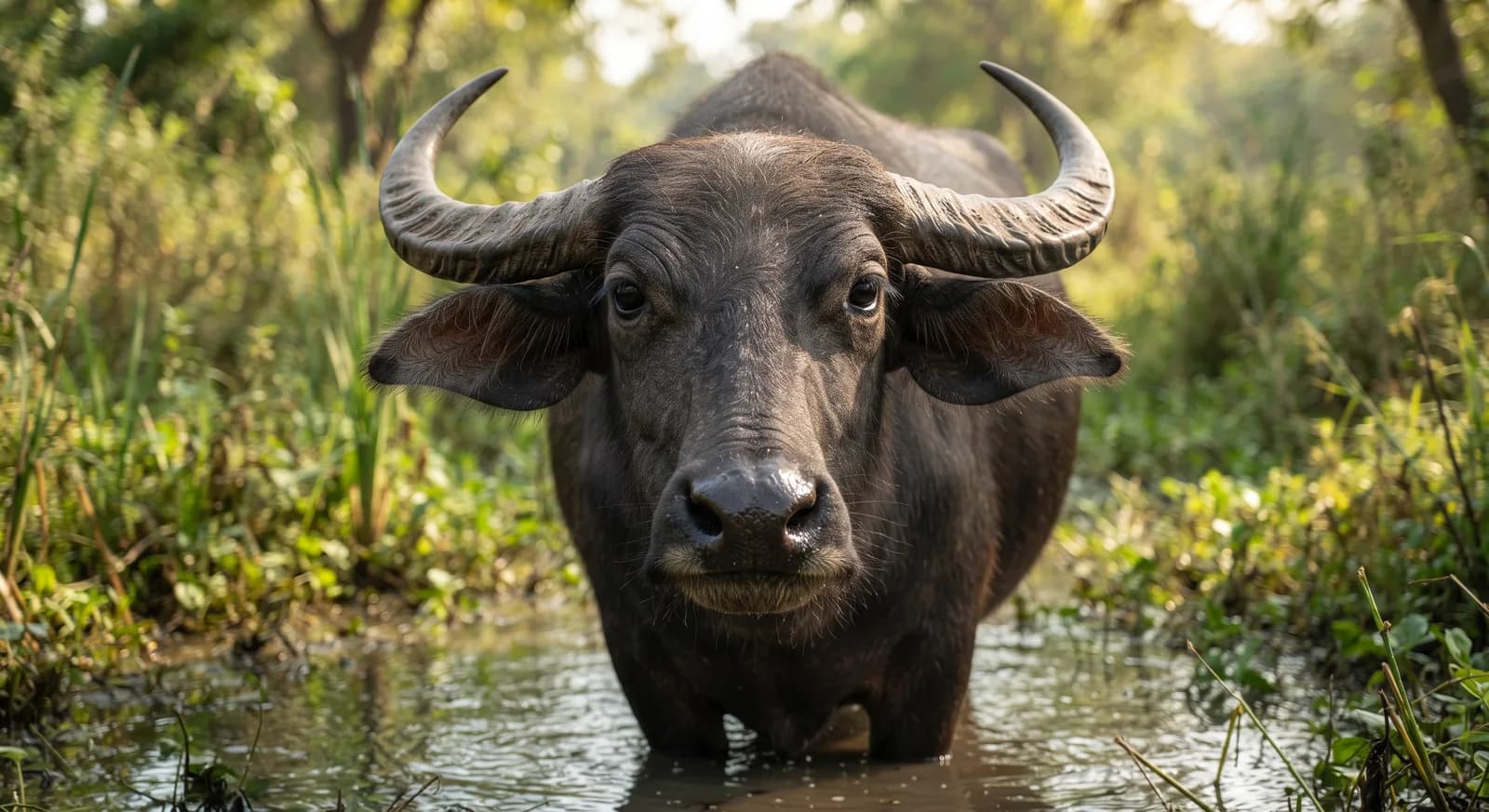 Not Evaluated
Water Buffalo
Bubalus bubalis
Himalayan Goral
Naemorhedus goral
How to help
The gaur is classified as vulnerable. Organizations such as UICN, WWF y Wildlife Conservation Society work specifically on its conservation and that of its habitat; looking into their programs is a good starting point if you want to get involved.
It's documented in 8 real protected areas — part of why protecting these places matters for its conservation.
Keep exploring
Based on what we already know about gaur.
Comments
Share an experience, a fun fact or a tip for seeing the gaur.
Be the first to comment.