Mammals · Artiodactyla · Bovidae
Himalayan Tahr
Hemitragus jemlahicus
It could become endangered in the near future if current threats go unchecked. See full glossary
The Himalayan tahr is a robust goat-antelope of the steep slopes of the Himalayas, with a woolly coat and a thick mane that in adult males hangs from the neck down to the knees. Its hooves have a hard horny rim and a soft, flexible centre that grips the rock, which lets it move across almost vertical faces. Introduced to New Zealand for sport hunting at the start of the twentieth century, it has become a pest there that degrades the native alpine vegetation.
Weight
36 kg – 90 kg
Size
90 cm – 1.4 m
Lifespan
15 years
Diet
Herbivore
Feeds mainly on plants.
Activity
Crepuscular
Active above all at dawn and dusk.
Social structure
Herd
Lives in large groups as a strategy against predators.
Sighting difficulty
Moderate
Fun facts
- GeneralIts dense woolly coat forms a mane on the neck in males.
- comportamientoIt has backward-curving horns up to 45 centimetres long and lives in groups of four to twelve on steep rocky slopes.
- Its hooves combine a hard rim that catches in cracks with a soft, rubbery centre that grips smooth rock, a system of purchase that lets it climb cliffs no predator will follow it up.
- In New Zealand, where it was introduced in 1904 as a game animal, it has become a serious conservation problem: it strips the endemic alpine vegetation and the government runs control programmes by helicopter.
Life cycle & biology
- Skeleton type
- Vertebrate - internal bony skeleton (mammal)
- Habitat & environment
- Steep wooded slopes and rocky meadows of the Himalaya, between 2,500 and 5,000 metres
- Size at birth
- Precocial: on its feet within half an hour, although it stays hidden for the first few weeks
- Sexual maturity
- 18 months
- Gestation / incubation
- 6 months
- Litter / clutch size
- 1
Sources consulted: https://es.wikipedia.org/wiki/Hemitragus_jemlahicus
Where to find it
See its range on the interactive mapBest time: From October to December in the Himalaya, during the rut, when the males show off their manes; in winter they come down to more accessible slopes.
Where to watch it
Parques y spots de buceo donde se ha documentado esta especie — se muestran 10 de 11 documentados.
Related species
Other species in the catalogue with the most in common with Himalayan Tahr — same habitat, park, country, tags or family.
Himalayan Goral
Naemorhedus goral
 Vulnerable
Takin
Budorcas taxicolor
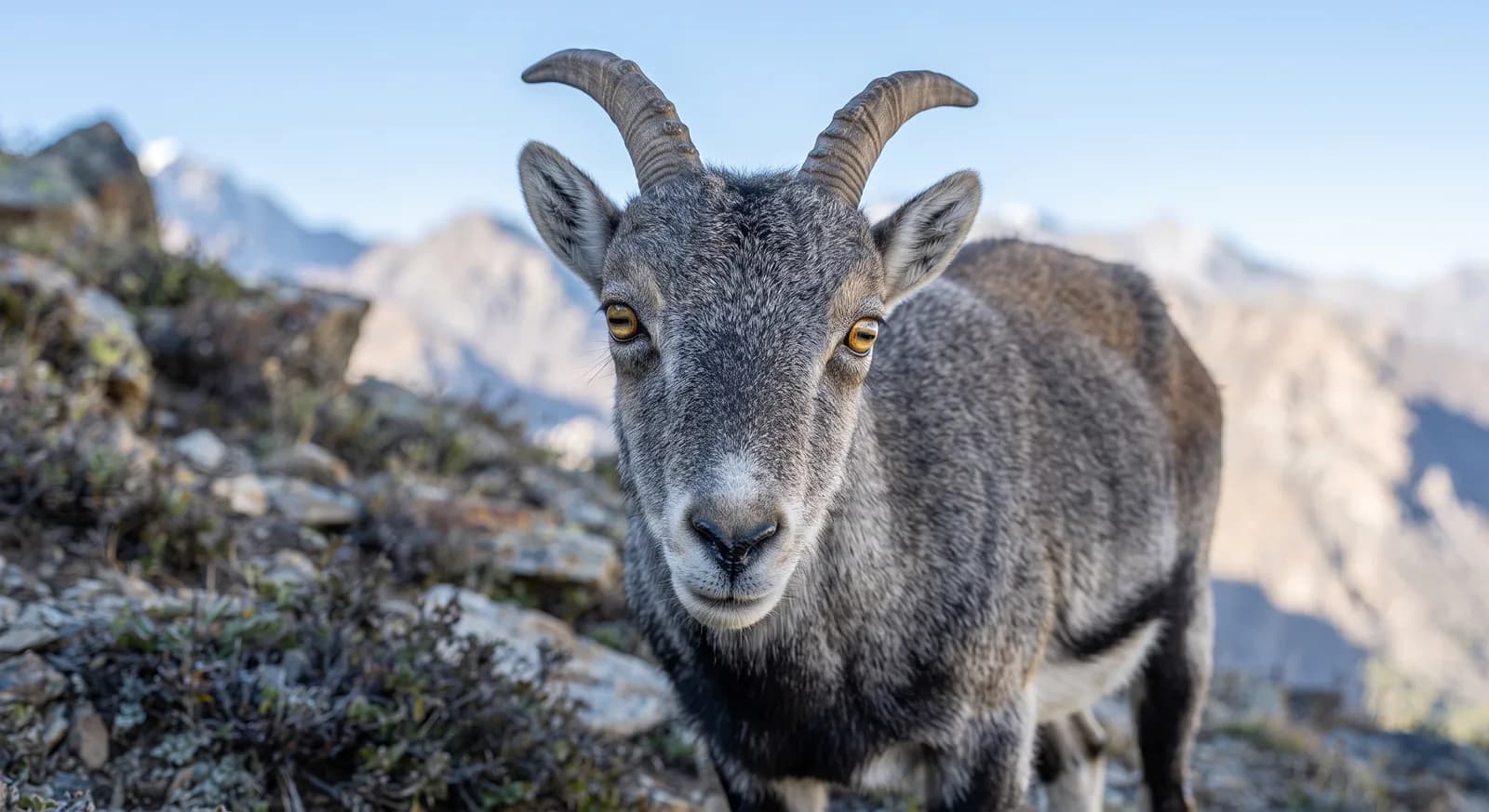 Least Concern
Blue Sheep
Pseudois nayaur
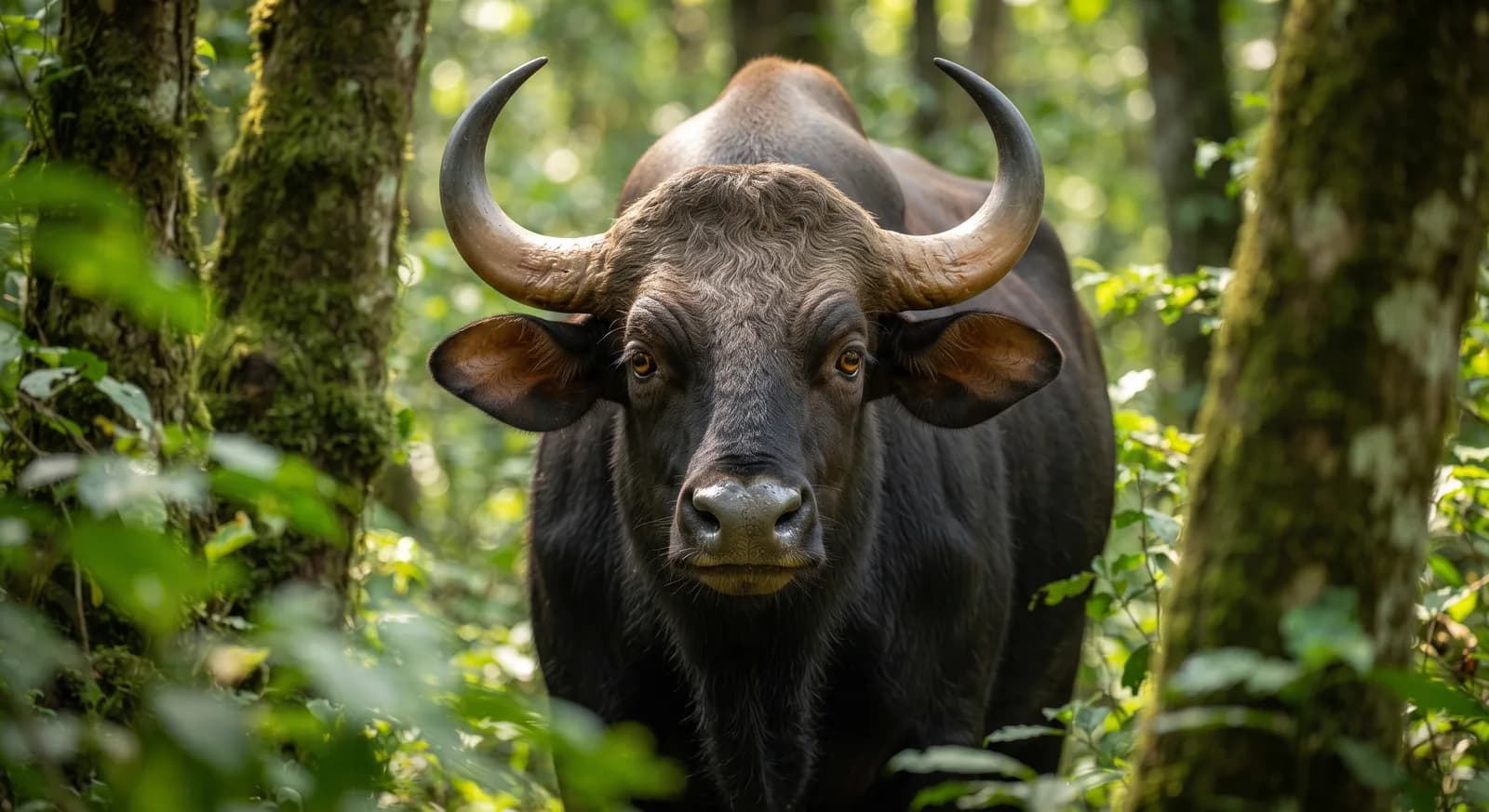 Vulnerable
Gaur
Bos gaurus
Chiru
Pantholops hodgsonii
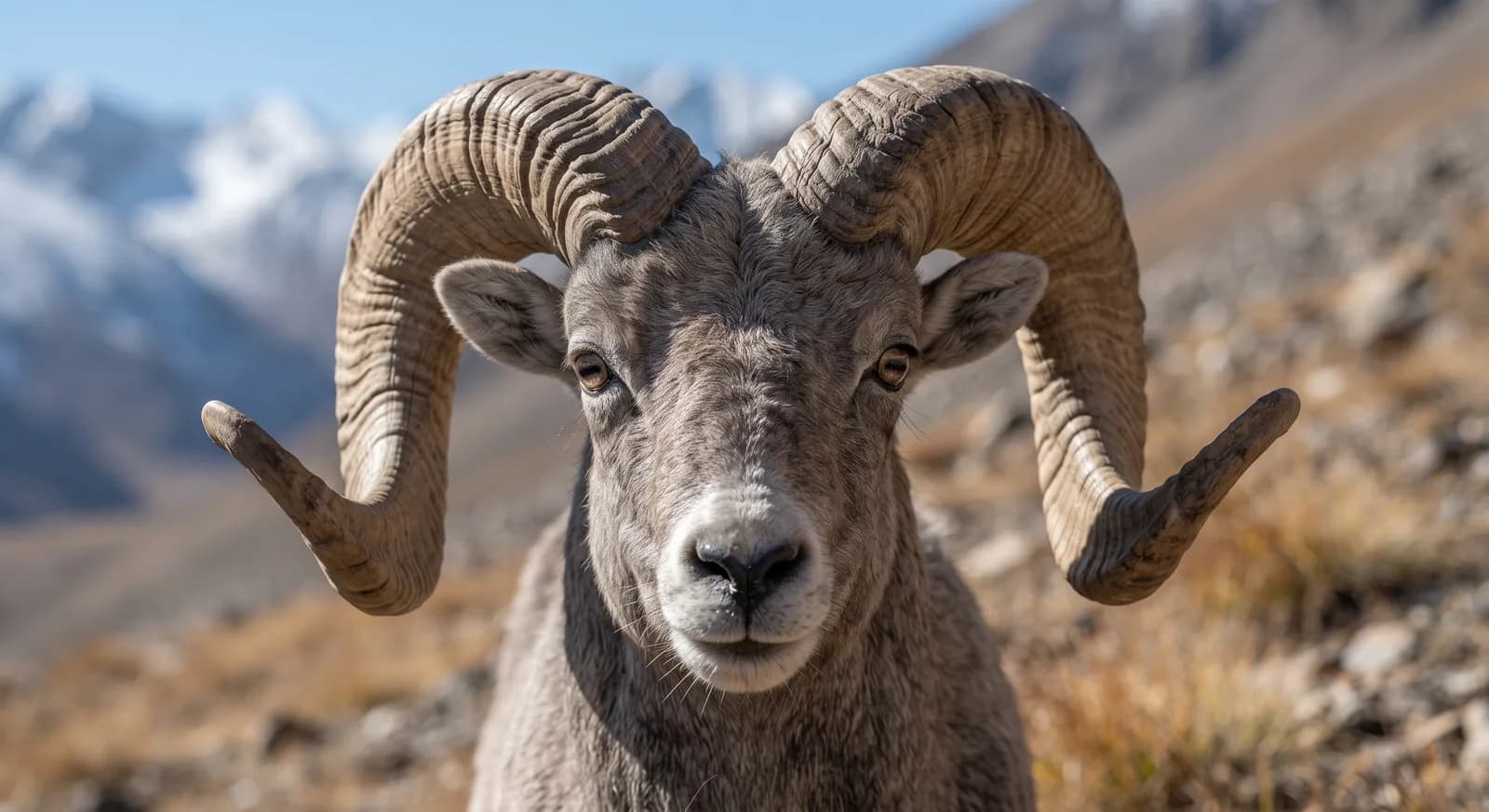 Near Threatened
Argali
Ovis ammon
Keep exploring
Based on what we already know about himalayan tahr.
Comments
Share an experience, a fun fact or a tip for seeing the himalayan tahr.
Be the first to comment.