Argentina
América del Sur
Argentina extends more than three thousand five hundred kilometres from north to south and strings together the subtropical forest of Misiones, with the Iguazú falls, the dry Chaco, the Iberá wetlands, the pampas, the Patagonian steppe, the Andes with Aconcagua, and the forests and glaciers of the south as far as Tierra del Fuego. The Valdés peninsula, on the Atlantic, is an exceptional enclave where southern right whales come to calve alongside elephant seals, sea lions and Magellanic penguins in colonies of hundreds of thousands of pairs. In the northwest, the puna and the high-altitude salt flats hold flamingos and vicuñas, and on the river lowlands the Iberá marshes have become the largest rewilding project in the Americas.
The nature of Argentina
National animal: The rufous hornero, the country's national bird
Did you know?
At Punta Norte, on the Valdés peninsula, a handful of orcas practise a hunting technique known almost nowhere else in the world: they use the high tide to charge the shore, deliberately stranding themselves on the shingle to seize sea lion pups, then twist their way back into the water. It is a risky manoeuvre that adult females teach their calves over years, pushing them up the beach and dragging them back.
Biodiversity profile
Climate
- •Subtropical humedo (Cfa) en el noreste
- •Semiarido y arido (BSk/BWk) en Cuyo y la Patagonia central
- •Templado humedo (Cfb) en la region pampeana
- •Tundra de alta montaña y estepa fria en la Patagonia austral
- •Tropical con estacion seca en el extremo norte (Chaco)
Main biomes
- •Pampas (pastizales templados)
- •Monte y desierto (Cuyo)
- •Estepa patagonica
- •Selva de Yungas (noroeste andino)
- •Selva paranaense/Mata Atlantica (Misiones)
- •Puna altoandina
- •Chaco seco (norte)
- •Selva subtropical de Misiones
- •Humedal del Iberá
- •Puna y salinas de altura
- •Pradera pampeana
- •Bosque andino-patagónico
- •Litoral atlántico frío
Marine and coastal ecosystems
- •Costa atlantica patagonica con colonias de pinguinos y lobos marinos
- •Peninsula Valdes (avistamiento de ballena franca austral)
Flagship wildlife
- •Yaguarete/jaguar
- •Puma
- •Condor andino
- •Huemul
- •Ballena franca austral
- •Pinguino de Magallanes
- •Carpincho
- •Guanaco
- •Orca
- •Elefante marino del sur
- •Yaguareté
- •Ñandú
- •Vicuña
Notable endemic species
- •Aprox. 18% de las ~9.237 especies de flora vascular del pais son endemicas (1.570-1.683 especies vegetales endemicas segun estudios recientes)
- •Huemul del sur (endemico de los Andes patagonicos, compartido con Chile)
- •Cauquén colorado
- •Tuco-tuco de las dunas
- •Rana del Somuncurá
Notable threatened species
- •Huemul (En Peligro, menos de 2.000 individuos en toda su distribucion)
- •Yaguarete (En Peligro Critico en Argentina, poblacion muy reducida)
- •Aproximadamente la mitad de las 1.683 plantas endemicas catalogadas estan clasificadas como amenazadas
Notable protected areas
- •Parque Nacional Nahuel Huapi (bosque andino-patagonico)
- •Parque Nacional Iguazu (Mata Atlantica)
- •Parque Nacional Talampaya (desierto del Monte)
- •Península Valdés
- •Parque Nacional Los Glaciares
- •Parque Nacional Iberá
- •Parque Nacional Tierra del Fuego
Main conservation threats
- •Avance de la frontera agricola sobre el Chaco y el Espinal (habitat perdido superior al 90% en varias ecorregiones)
- •Cambio climatico en ecosistemas andinos de alta montaña (Puna, Monte Alto, Estepa Andina Sur)
- •Escasa proteccion efectiva para especies de macroinvertebrados de agua dulce en el noroeste
Notable natural phenomena
- •Migracion anual de la ballena franca austral hacia Peninsula Valdes (jun-dic)
- •Nevadas estacionales que condicionan la distribucion del huemul en los Andes
Conservation
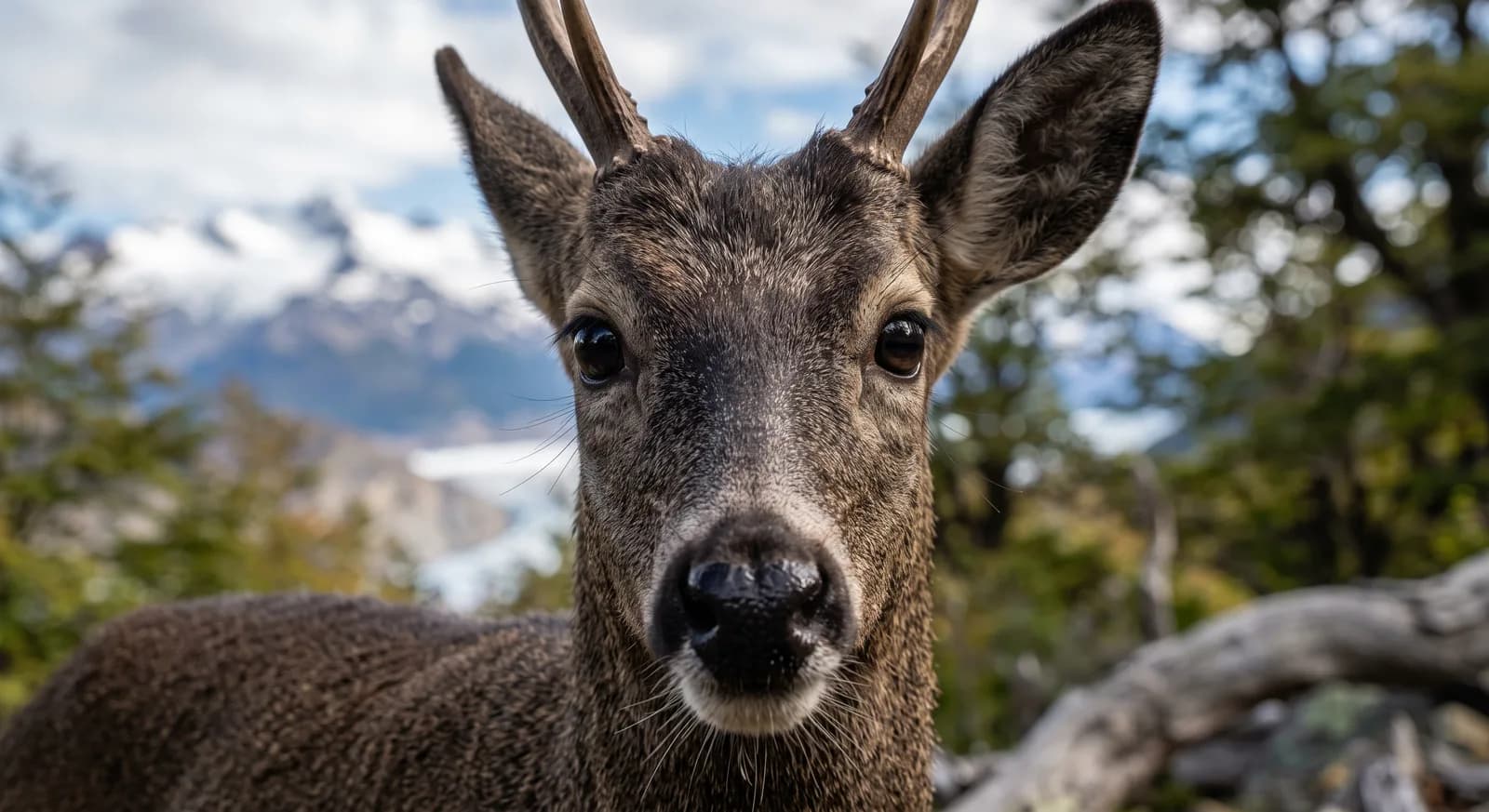
In the Iberá marshes the jaguar has been reintroduced after seventy years of absence, along with the giant anteater, the pampas deer, the peccary and the red-and-green macaw, in the most ambitious wildlife restoration operation on the continent. The huemul, Patagonia's emblematic deer, remains endangered with highly fragmented populations.
Where and when to watch wildlife
The Valdés peninsula between June and December for southern right whales, and in March and April for the orcas at Punta Norte. Iberá year-round for capybaras, deer and jaguars. Iguazú in spring for forest birds.
El dato de superficie protegida varia mucho segun se cuenten solo parques nacionales (~4%) o el total de figuras provinciales y privadas.
Sources: Journeys With Purpose - Sustainability in Argentina | ScienceDirect - Threat patterns for endemic plants of Argentina | BioDB.com - Argentina | Wikipedia - Argentine Espinal / High Monte
Natural phenomena in Argentina
- Ballenas francas en Península Valdés — Junio a diciembre (pico jul-oct)
- Colonia de pingüinos magallánicos en Punta Tombo — Septiembre a abril (pico dic-feb)
Parks and reserves
Península Valdés
The main breeding site of the southern right whale and the only place where orcas deliberately strand themselves to hunt.
View parkProvincial ParkIschigualasto (Valley of the Moon)
The Valley of the Moon; the fossil beds where some of the earliest dinosaurs on the planet were found
View parkNational ParkLos Alerces
Forests of Patagonian cypress, a tree that can live more than 3,000 years, among the longest-lived on the planet alongside the redwoods
View parkNational ParkLos Glaciares
The Perito Moreno is one of the few glaciers in the world in balance or advancing rather than retreating
View parkNational ParkIguazú National Park
It protects the Argentine side of the Iguazú Falls, a system of almost 300 cataracts surrounded by subtropical forest.
View parkNational ParkTalampaya
A red rock canyon up to 200 metres high with petroglyphs more than 2,000 years old
View parkNational ParkCampo de los Alisos
A complete yungas gradient in Tucumán, from montane cloud forest up to the high grasslands of the Aconquija.
View parkNational ParkLago Puelo
Valdivian forest in north-western Chubut, where Chilean species cross the Andes through a low pass.
View parkProvincial/National Park and ReserveIbera
The second largest freshwater wetland in South America; a pioneering rewilding project with jaguar and giant anteater reintroduced
View parkNational ParkTierra del Fuego
Argentina's southernmost national park; the end of the Pan-American route and of the southernmost railway in the world
View parkDiving and snorkelling
Puerto Deseado (pingüinos)
A stretch of Patagonian coast with penguin colonies reachable by diving, in the cold water of the South Atlantic.
View dive siteCold pelagicPuerto Madryn (Península Valdés)
Seasonal snorkelling and diving with southern right whales, which breed in Golfo Nuevo each southern winter.
View dive siteFauna que puedes ver ahora
¿Qué merece la pena observar este mes en Argentina?
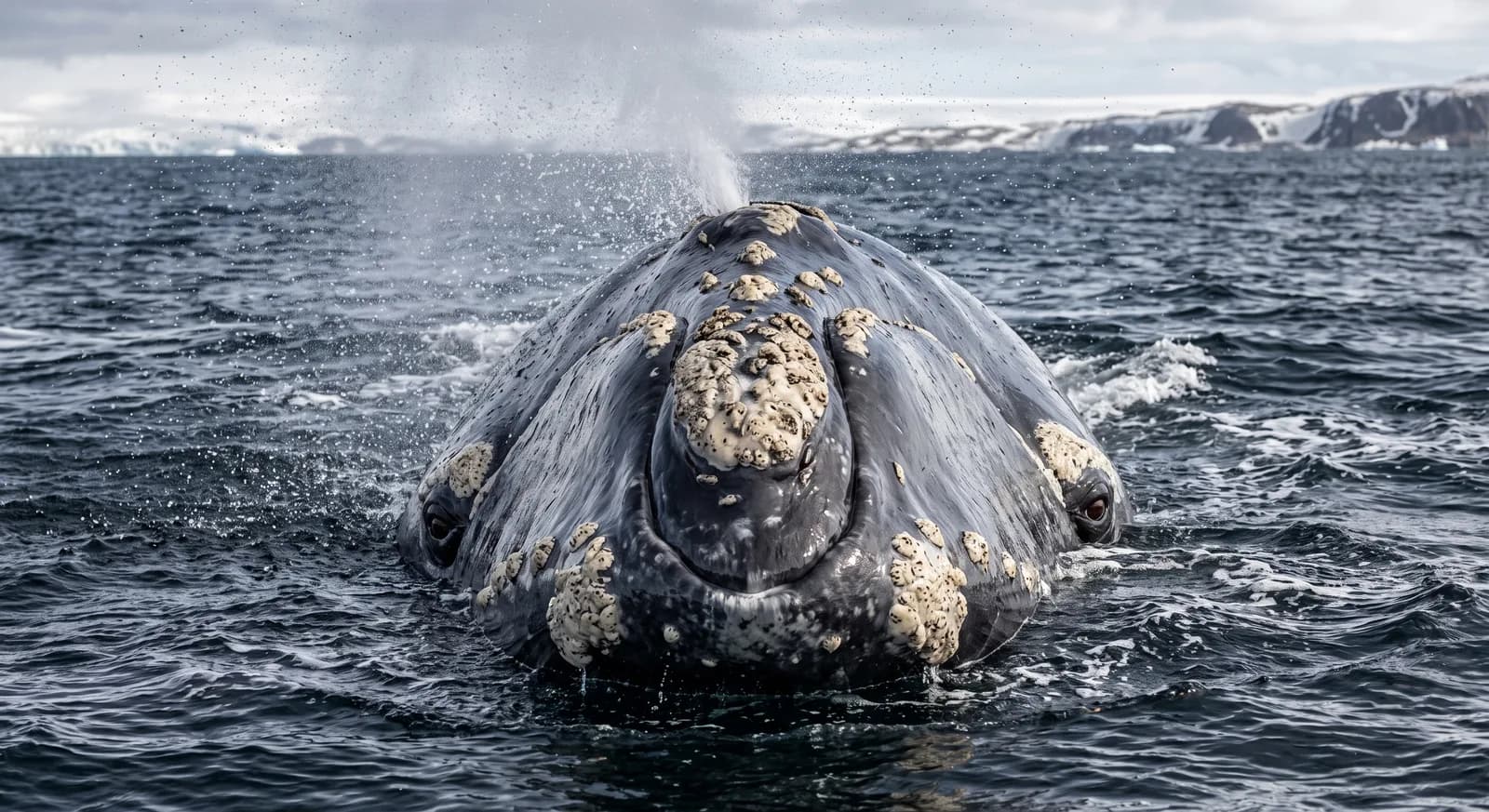 Least Concern
Southern Right Whale
Eubalaena australis
Ahora es buena época: Ballenas francas en Península Valdés (Junio a diciembre (pico jul-oct))
Especies documentadas en Argentina
394 species found
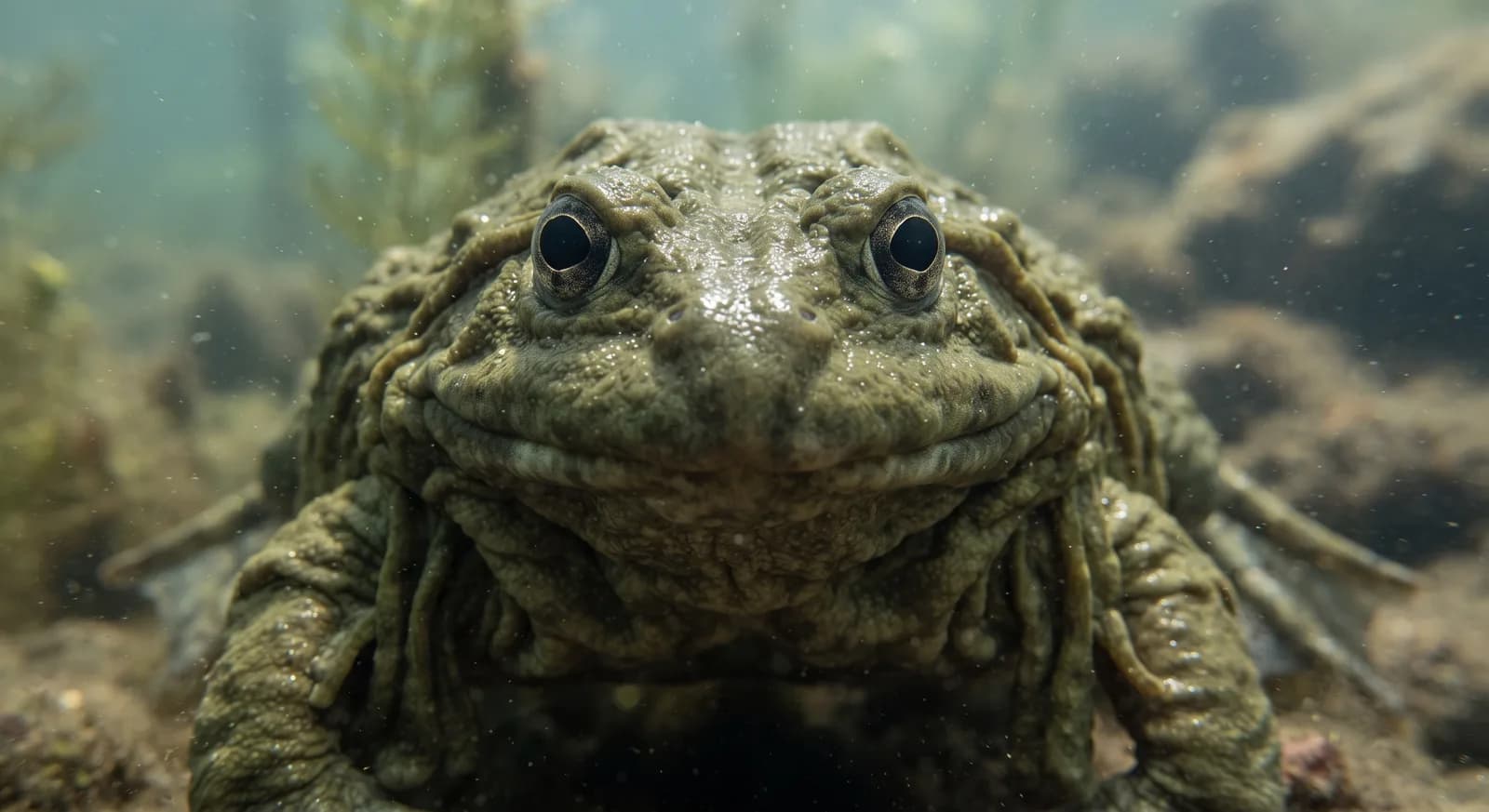 Critically Endangered
Titicaca Water Frog
Telmatobius culeus
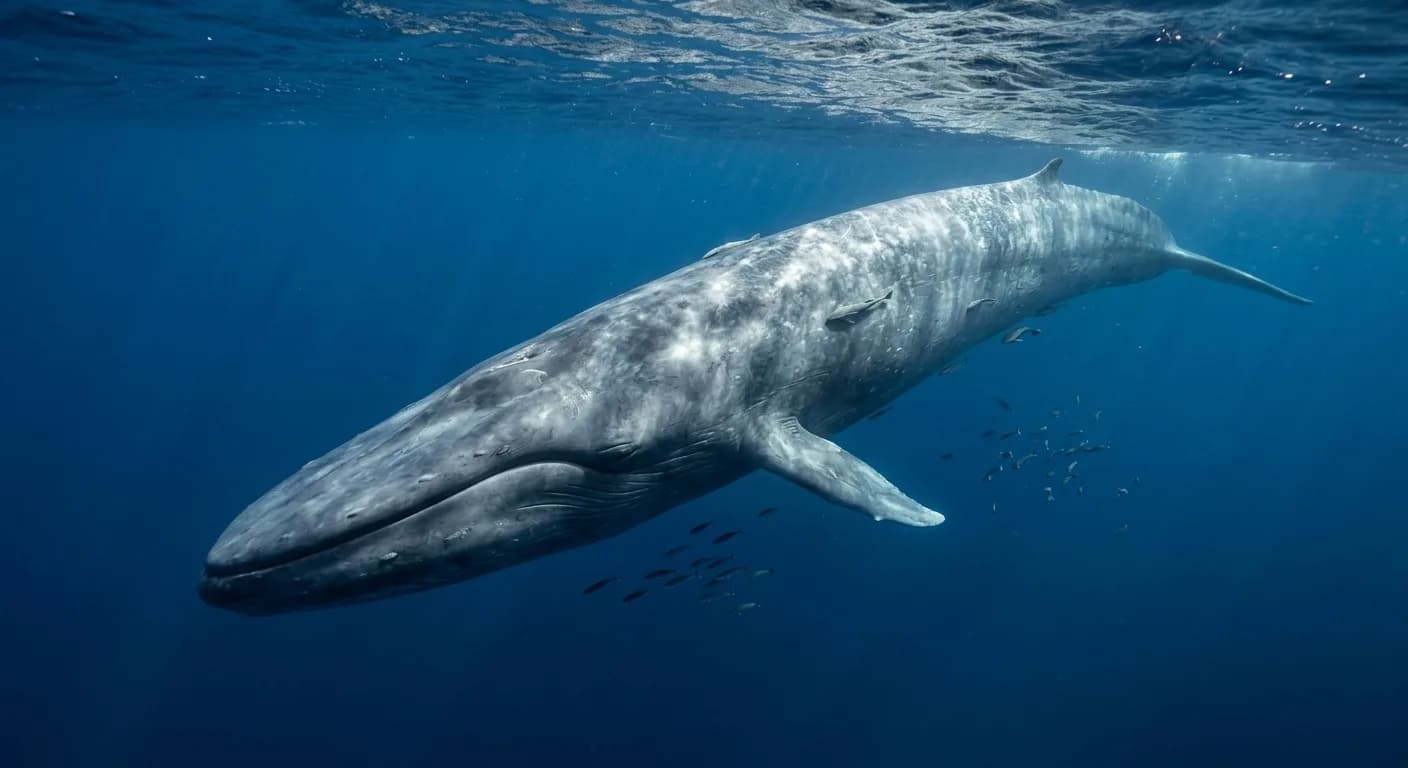 Endangered
Blue Whale
Balaenoptera musculus
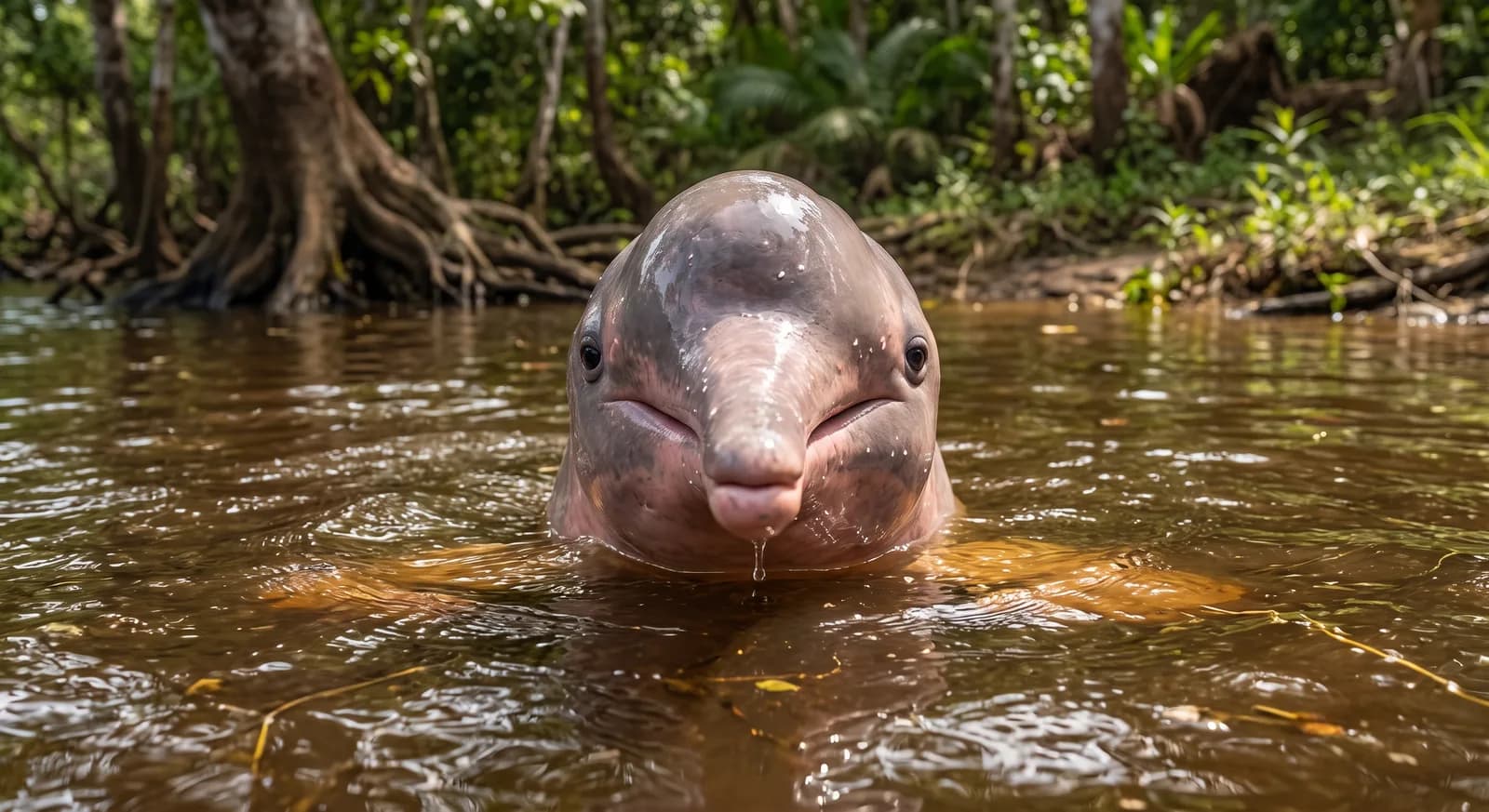 Endangered
Amazon River Dolphin
Inia geoffrensis
 Endangered
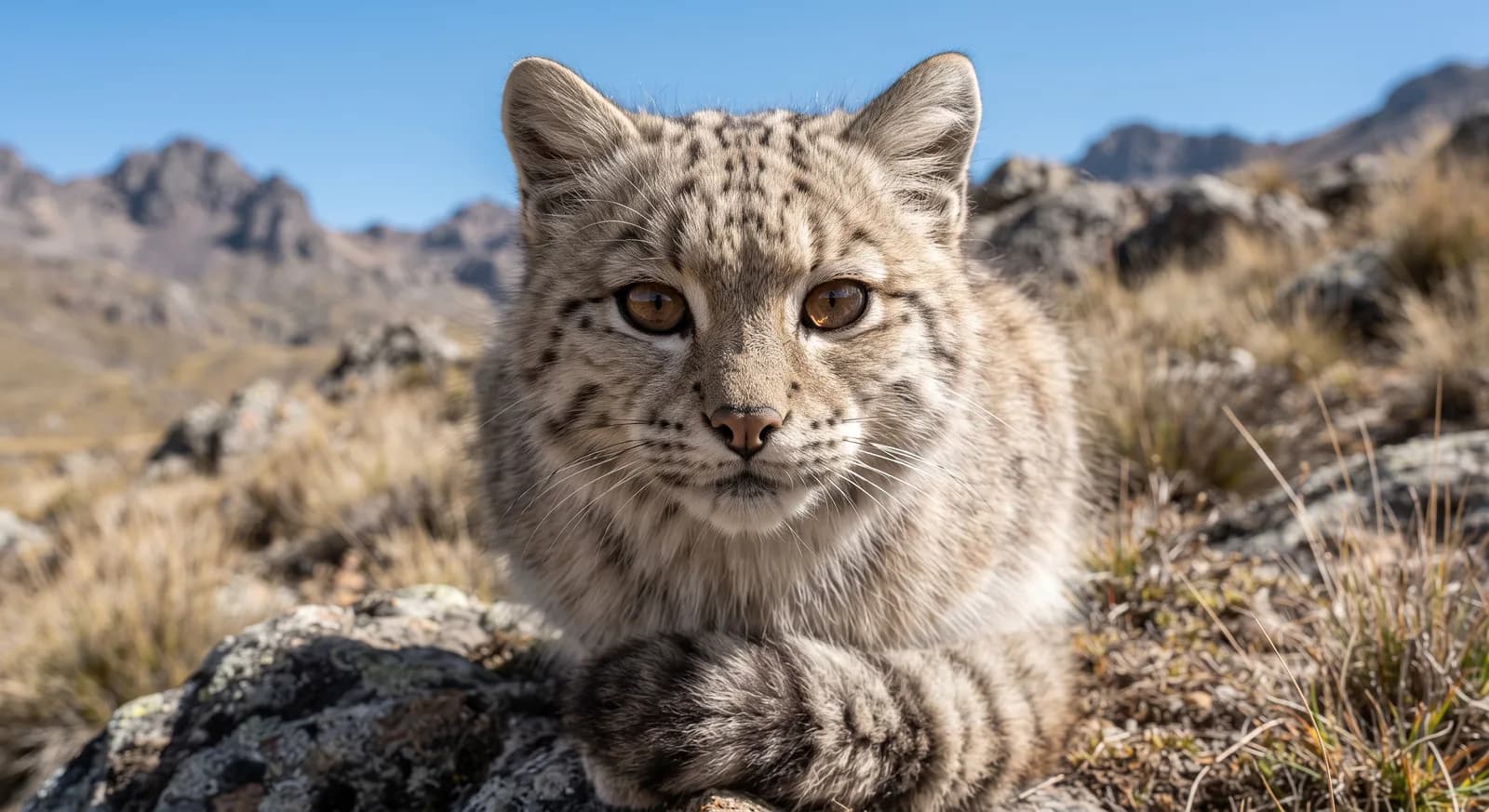
Andean Cat
Leopardus jacobita
 Endangered
Patagonian Huemul
Hippocamelus bisulcus
 Endangered
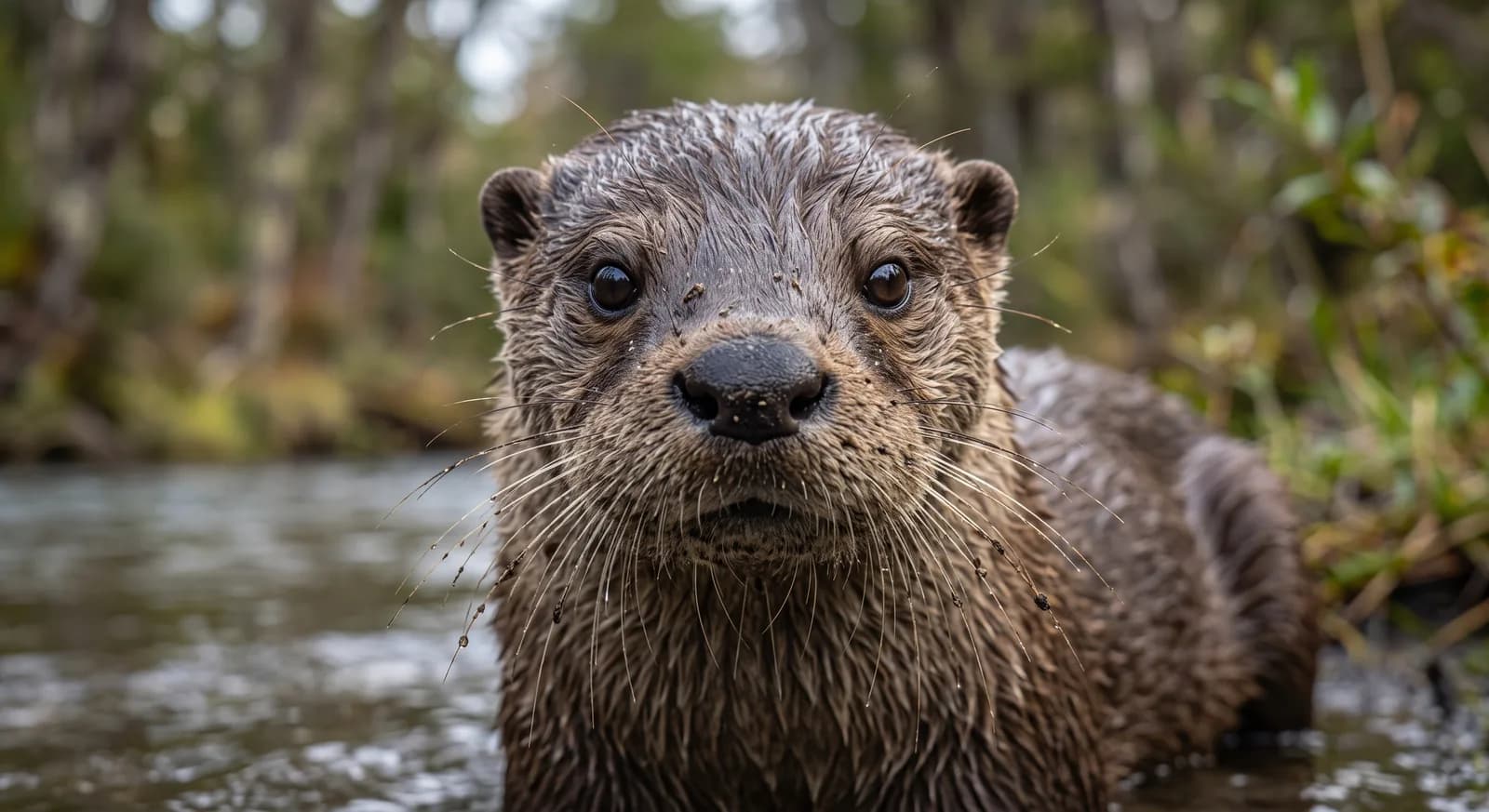
Southern River Otter
Lontra provocax
 Endangered
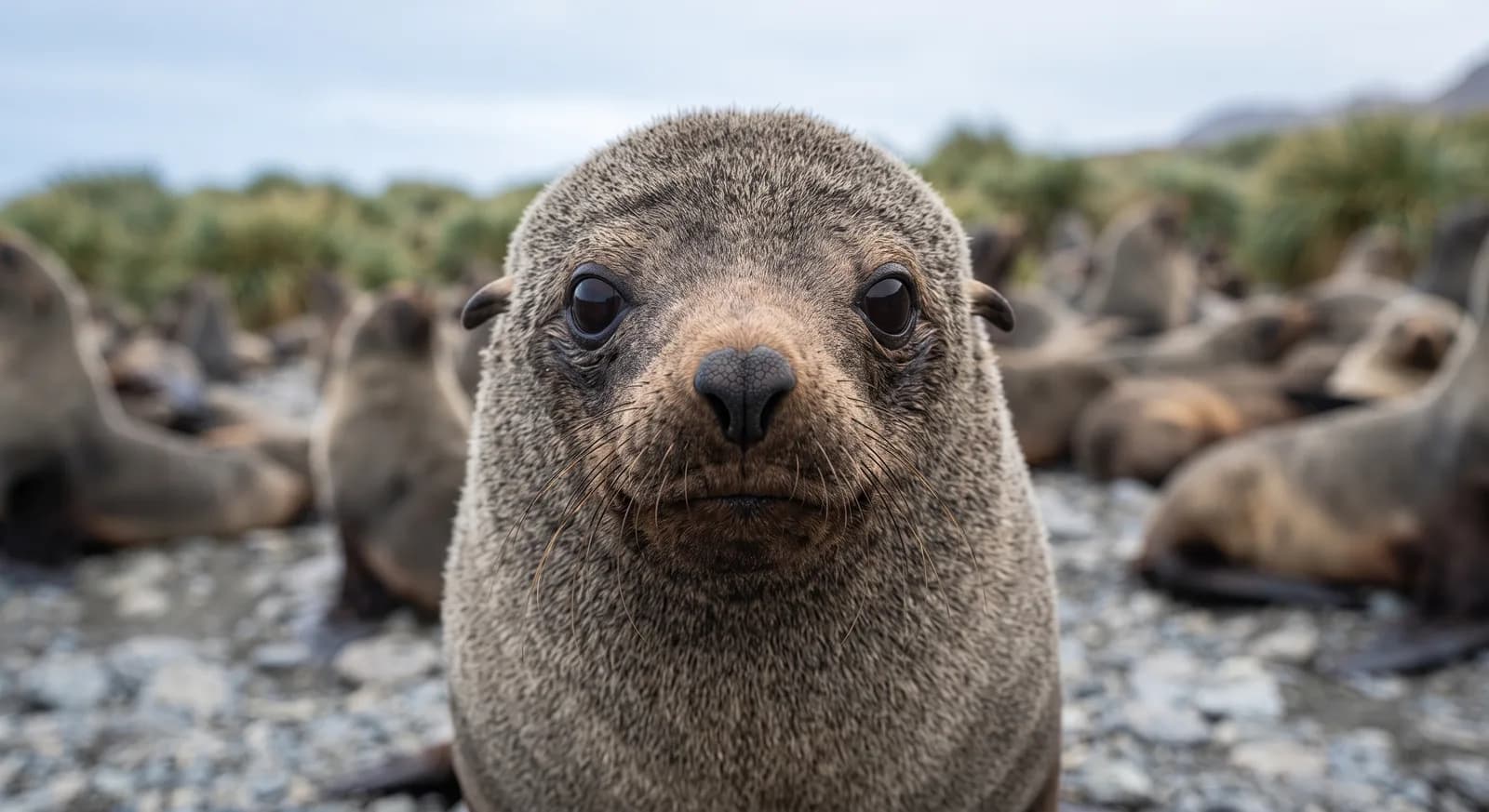
Antarctic Fur Seal
Arctocephalus gazella
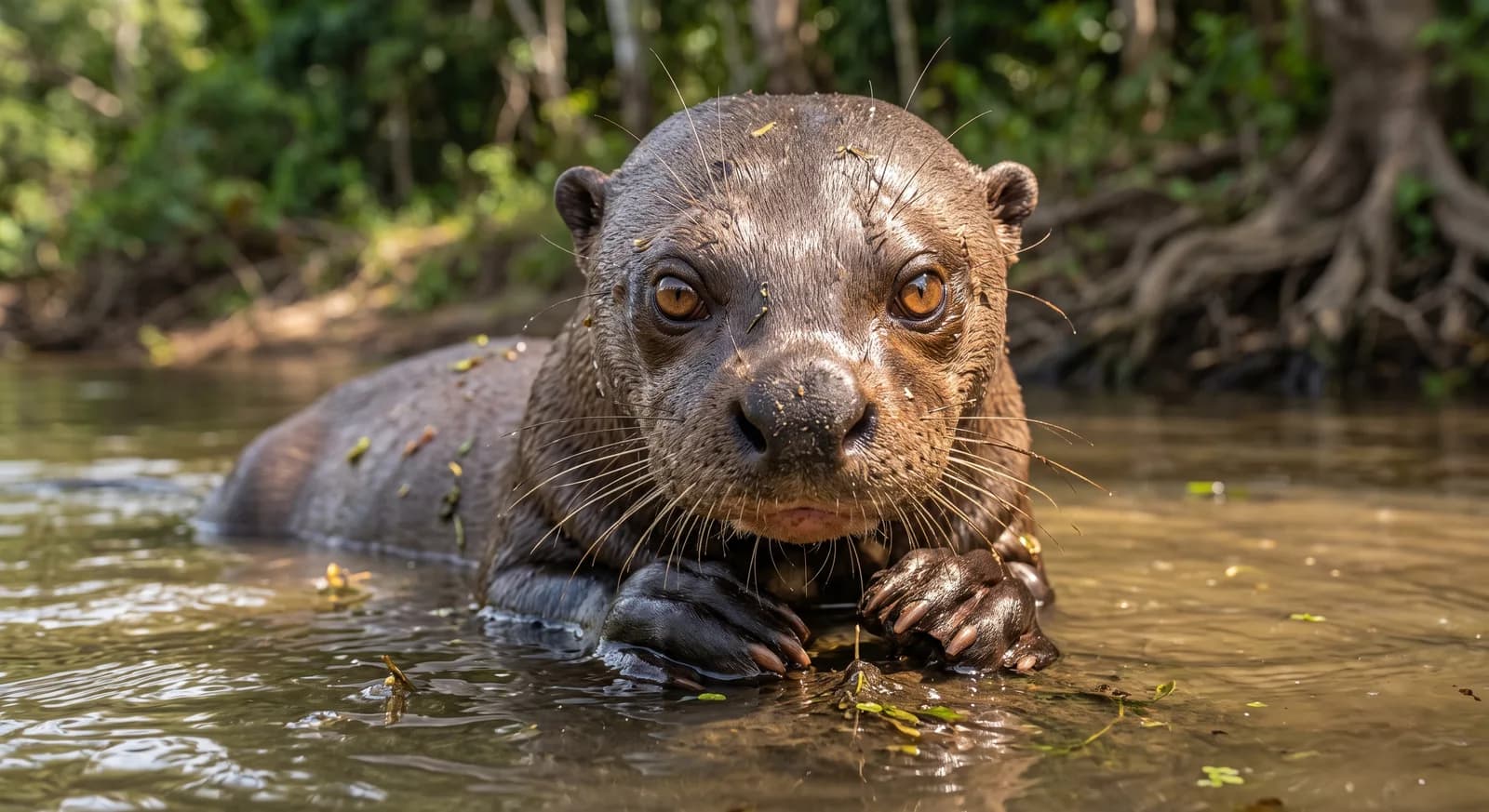 Endangered
Giant Otter
Pteronura brasiliensis
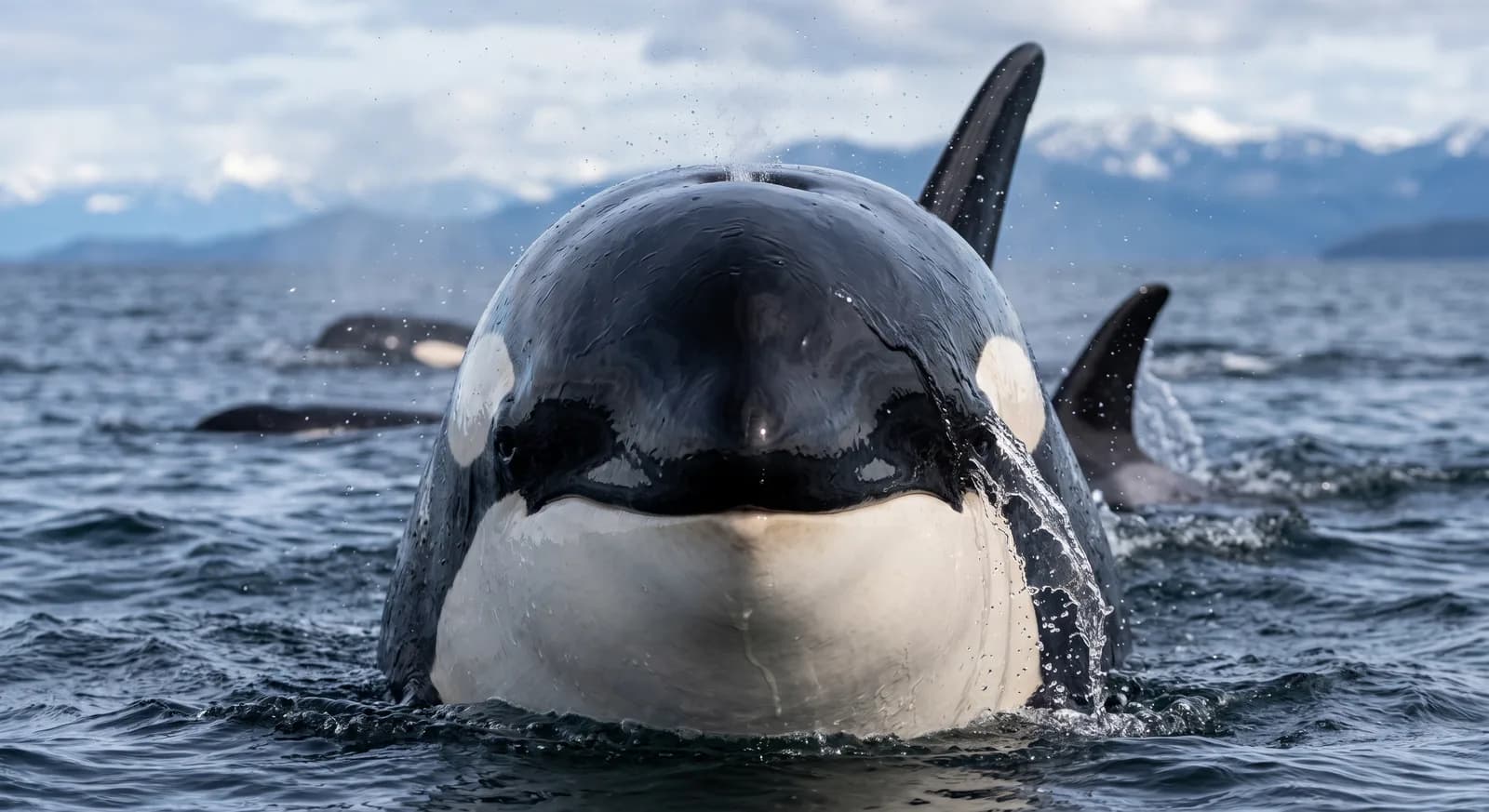 Endangered
Killer Whale
Orcinus orca
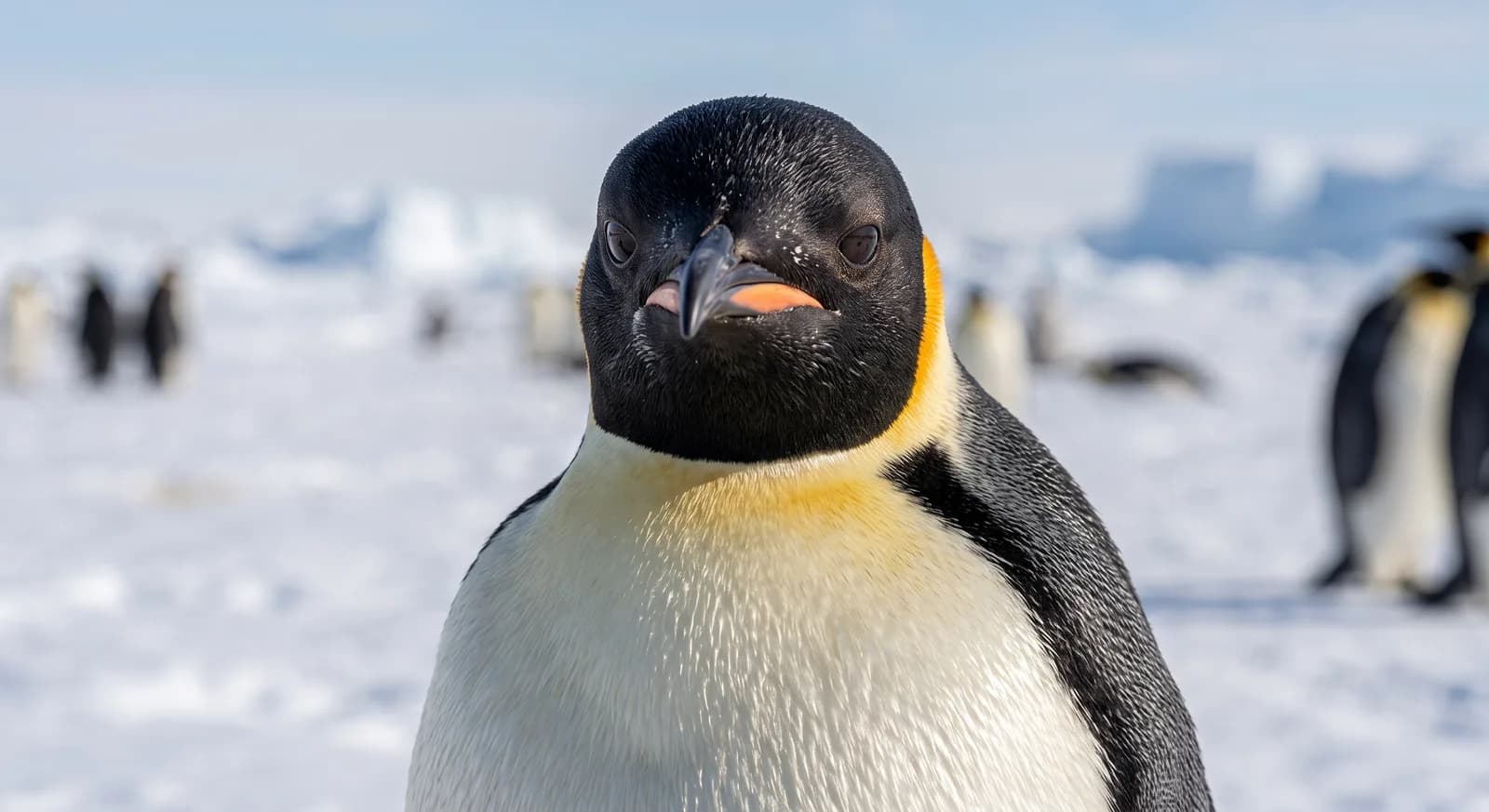 Endangered
Emperor Penguin
Aptenodytes forsteri
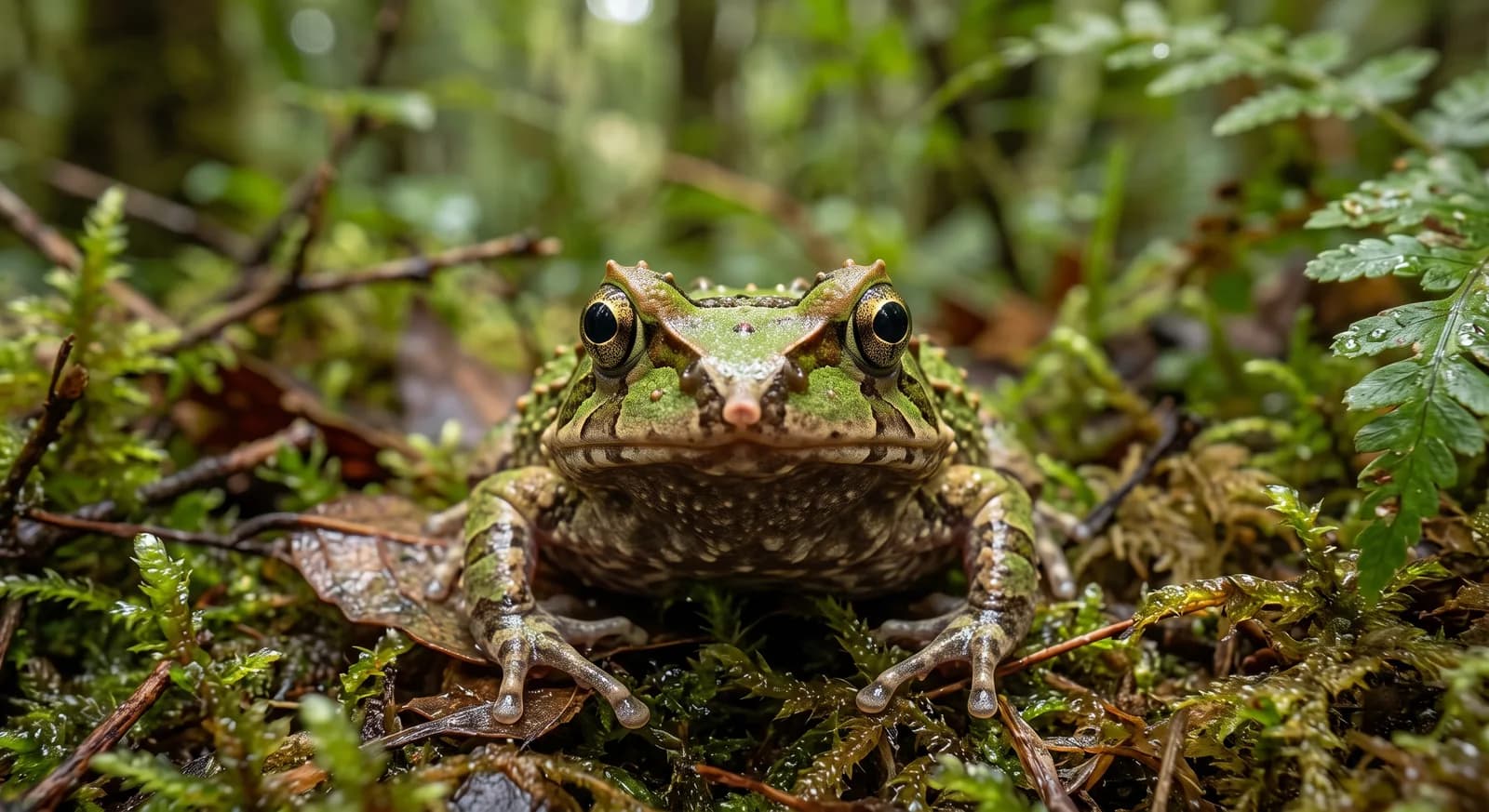 Endangered
Southern Darwin's Frog
Rhinoderma darwinii
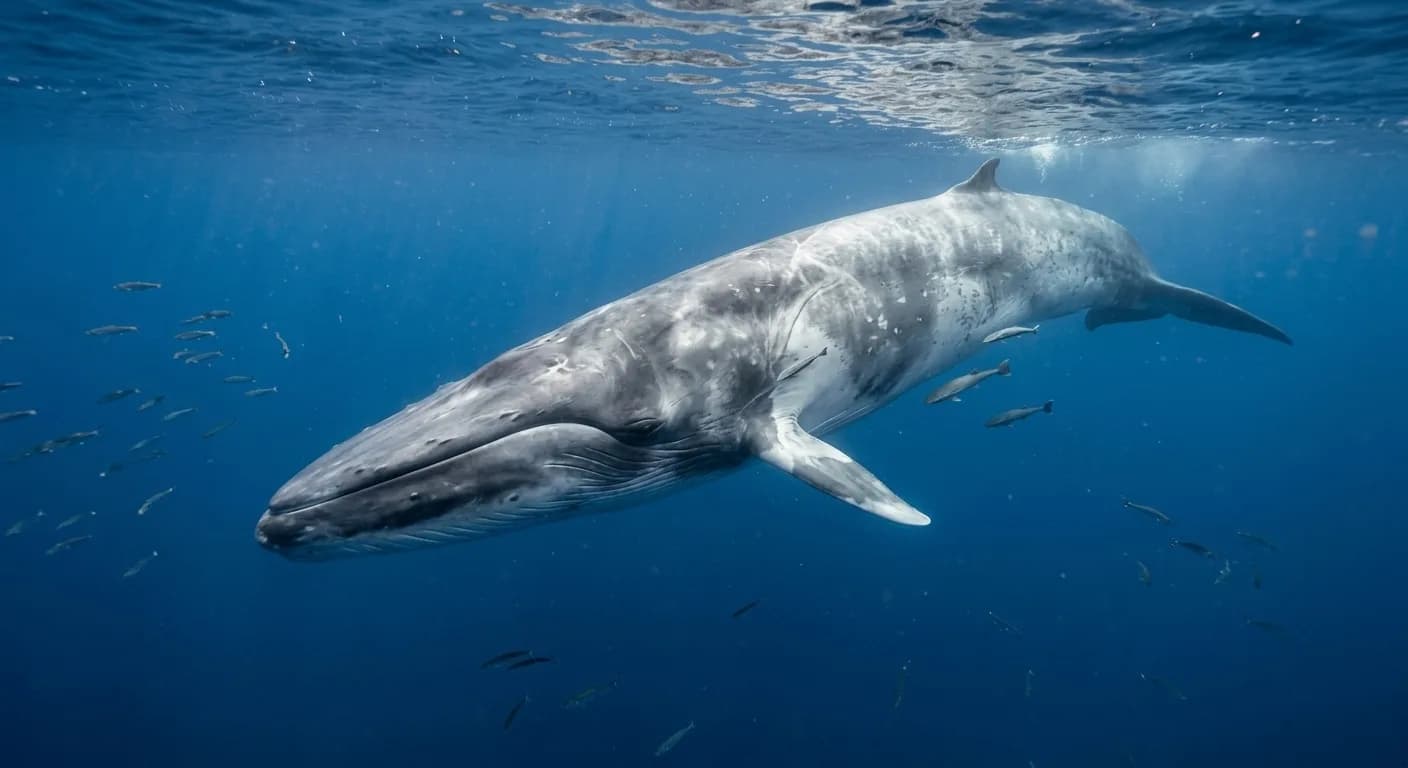 Endangered
Fin Whale
Balaenoptera physalus
Keep exploring
Based on what we already know about Argentina.