Bolivia
América del Sur
Bolivia runs from the Andean altiplano, at almost four thousand metres, to the Amazon lowlands of the north and the dry Chaco of the southeast, an altitudinal range that explains its enormous diversity. The Uyuni salt flat, the largest in the world, is the remnant of a prehistoric lake and turns into a perfect mirror when a thin film of water covers it after the rains. To the south open high Andean lagoons in intense colours from minerals and algae, with flamingo colonies. The Yungas descend abruptly from the Andes to the Amazon in a gradient of cloud forests, and Madidi, which spans that entire descent, is regarded as one of the most biodiverse parks on the planet. The plains of the Beni combine flooded savannah, gallery forest and rivers with dolphins.
The nature of Bolivia
National animal: The llama is the national animal and the Andean condor the national bird
Did you know?
James's flamingo was given up for extinct for decades, until in 1957 an expedition found it breeding on the salt lagoons of the altiplano, above four thousand metres, in a place so remote and so inhospitable that it had gone unnoticed. It filters microscopic diatoms with its bill from water that is near boiling in some spots and frozen in others, and shares those lagoons with two other Andean flamingo species.
Biodiversity profile
Climate
- •Clima de alta montaña y tundra en el altiplano andino
- •Tropical con estacion seca (Aw) en los Llanos orientales y el Chaco
- •Ecuatorial humedo (Af) en la Amazonia boliviana
Main biomes
- •Altiplano andino (puna)
- •Yungas (bosque nublado de transicion)
- •Amazonia boliviana
- •Chaco (compartido con Argentina, Paraguay y Brasil)
- •Pantanal boliviano (extremo del humedal compartido con Brasil)
- •Salar y laguna altoandina
- •Puna y altiplano
- •Bosque nuboso de yungas
- •Selva amazónica
- •Sabana inundable del Beni
- •Chaco seco
- •Bosque seco chiquitano
Marine and coastal ecosystems
- •No aplica (pais sin litoral); Lago Titicaca como principal cuerpo de agua de gran relevancia ecologica de altura
Flagship wildlife
- •Oso de anteojos (jucumari)
- •Condor andino
- •Jaguar
- •Vicuña
- •Guacamayo
- •Rana gigante del Titicaca
- •Flamenco de James
- •Llama
- •Delfín rosado boliviano
- •Oso andino
- •Nutria gigante
- •Titi
- •Guacamayo barbazul
Notable endemic species
- •Palma endemica en riesgo en la region de Chuquisaca (area en retroceso segun guardaparques locales)
- •Alto endemismo en los Yungas y el altiplano por gradientes altitudinales extremos
- •Guacamayo barbazul
- •Delfín rosado boliviano
- •Titi de Olalla
- •Rana acuática de Sehuencas
Notable threatened species
- •Oso de anteojos (Vulnerable, con individuos aislados por expansion agricola documentados cerca de asentamientos humanos)
- •Palma endemica de Chuquisaca (area de distribucion en reduccion activa)
Notable protected areas
- •Area Natural de Manejo Integrado El Palmar (Chuquisaca)
- •Parque Nacional Iñao
- •Parque Nacional Madidi (uno de los de mayor biodiversidad documentada del planeta, en la Amazonia/Andes)
- •Salar de Uyuni
- •Reserva Nacional Eduardo Avaroa
- •Parque Nacional Noel Kempff Mercado
- •Parque Nacional Amboró
- •Reserva de la Biosfera del Beni
Main conservation threats
- •Expansion de la frontera agricola (aislamiento de poblaciones de fauna, ej. oso de anteojos)
- •Tala y comercio ilegal de especies endemicas
- •Incendios forestales recurrentes (quemas para agricultura)
- •Falta de monitoreo anual sistematico segun activistas ambientales locales
Notable natural phenomena
- •Gradiente altitudinal extremo entre el altiplano (mas de 3.800 msnm) y la Amazonia (por debajo de 300 msnm), generador de alta diversidad de microclimas
Conservation
A systematic inventory carried out in Madidi between 2015 and 2018 identified more than a hundred species that are candidates to be new to science, reinforcing its standing as the most biodiverse protected area in the world. The blue-throated macaw, found only in the Beni, numbers a few hundred individuals and depends on the palms in which it nests.
Where and when to watch wildlife
The southwestern lagoons between December and April for flamingos. Madidi and Rurrenabaque in the dry season for Amazonian wildlife. The Beni year-round for river dolphins and savannah birds.
Sources: D+C Development and Cooperation - Bolivia's extraordinary biodiversity is under threat
Natural phenomena in Bolivia
- Bola de apareamiento de la anaconda verde — Marzo a mayo (estación seca)
Parks and reserves
Noel Kempff Mercado
A 500-million-year-old sandstone plateau that helped inspire Arthur Conan Doyle's The Lost World
View parkNational ParkAmbora
The meeting point of three ecosystems — Andes, Amazonia and Chaco — with one of the greatest bird diversities on the planet
View parkNational ReserveEduardo Avaroa
It holds the Laguna Colorada, a deep red from microscopic algae, and geysers above 4,800 metres
View parkNational ParkAmboró
The "elbow of the Andes": the point where Amazonia, the Andes and the Chaco converge in a single park.
View parkNational ParkCarrasco
It protects an ecological transition running from the Andes down to lowland Amazon rainforest, with caves inhabited by the nocturnal oilbird
View parkNational ParkKaa-Iya del Gran Chaco
Bolivia's largest national park and the first in the Americas created on Indigenous initiative.
View parkNational ParkMadidi
One of the most biodiverse national parks documented on the planet, with more than 1,000 bird species recorded
View parkNational ParkSajama
Bolivia's oldest national park; it protects Nevado Sajama, the country's highest mountain, and the highest queñua forest in the world
View parkNational ParkTorotoro
Thousands of fossilised dinosaur tracks 65-140 million years old, exposed directly on the bedrock
View parkEspecies documentadas en Bolivia
273 species found
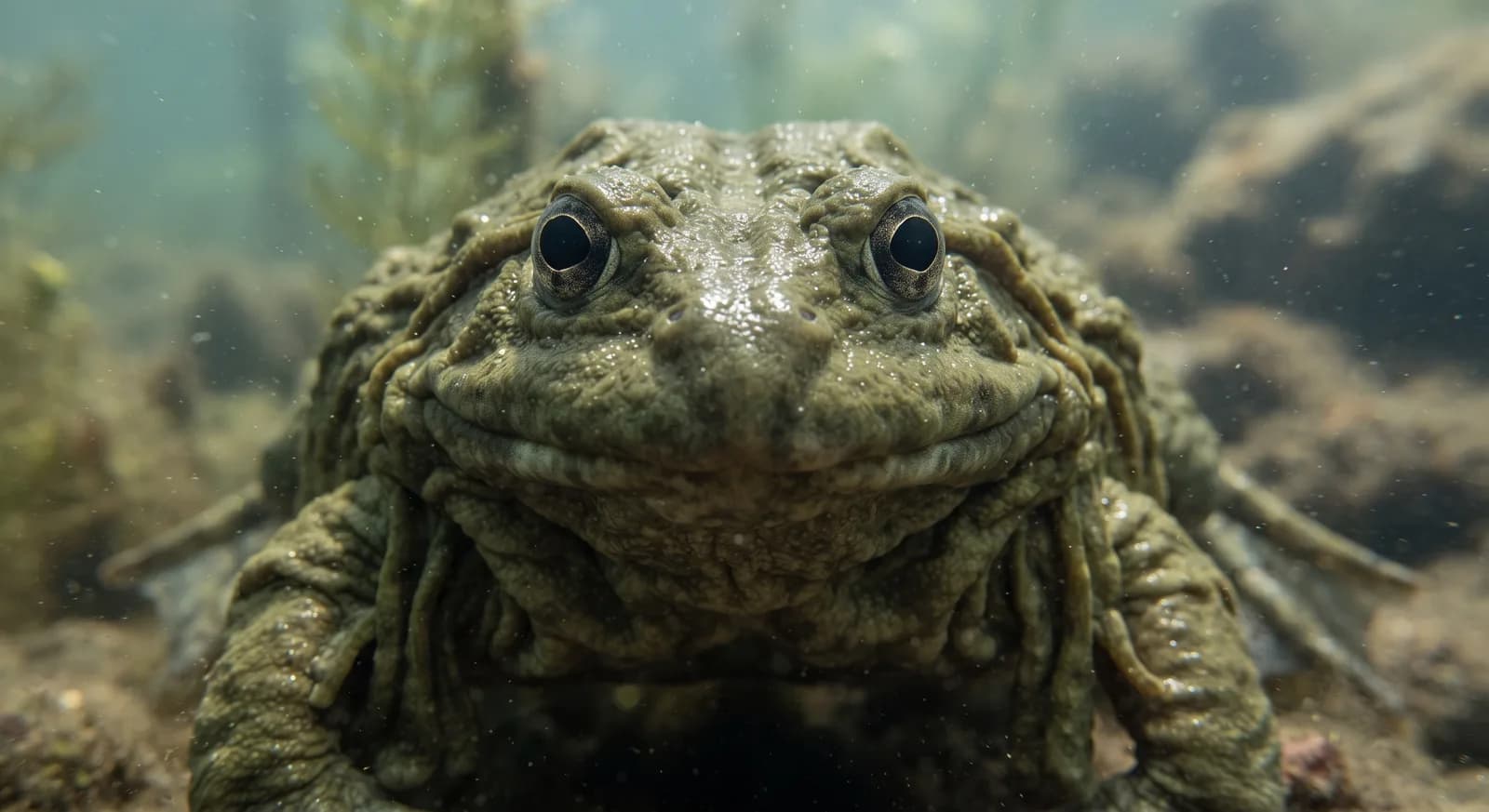 Critically Endangered
Titicaca Water Frog
Telmatobius culeus
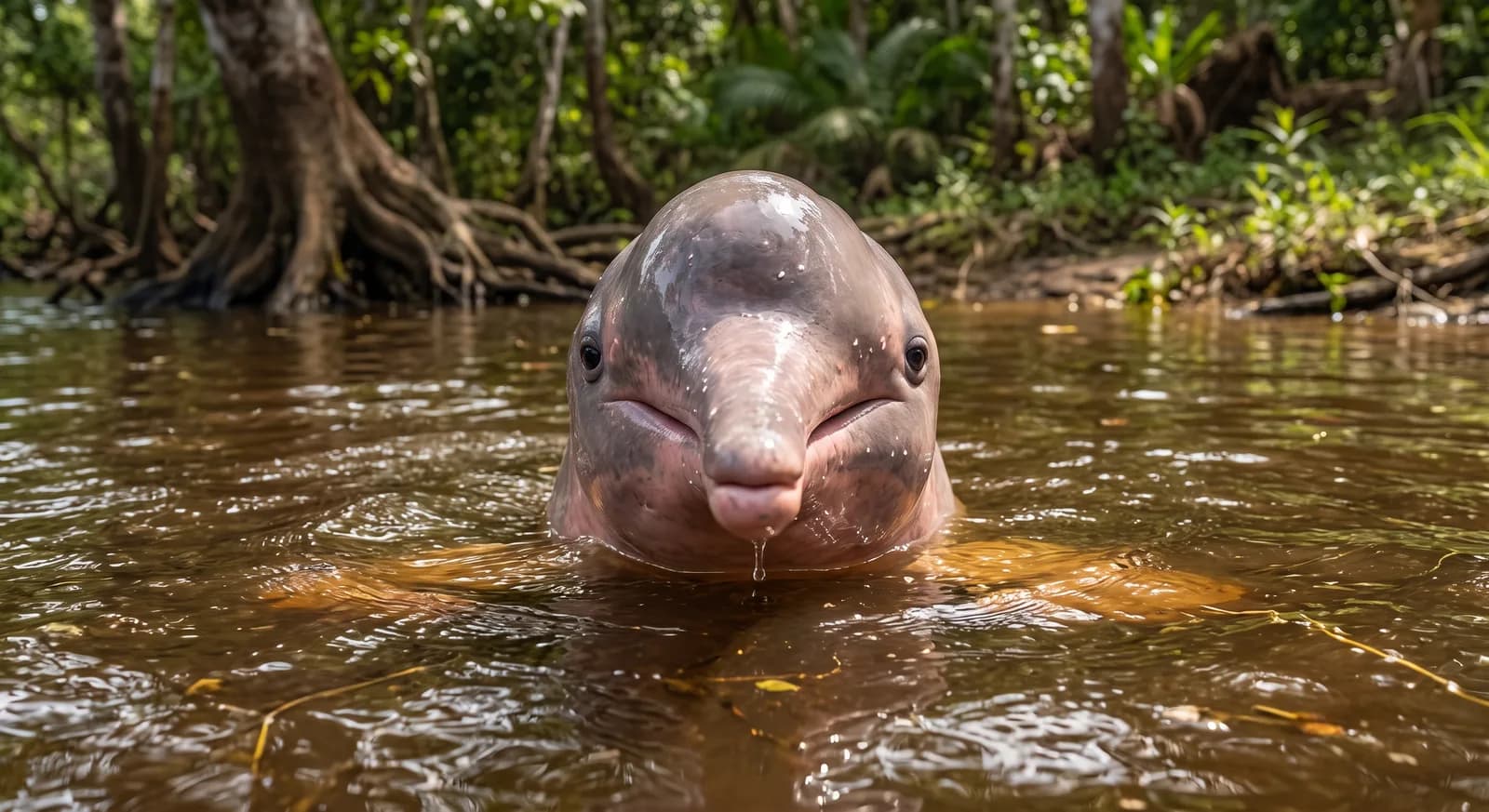 Endangered
Amazon River Dolphin
Inia geoffrensis
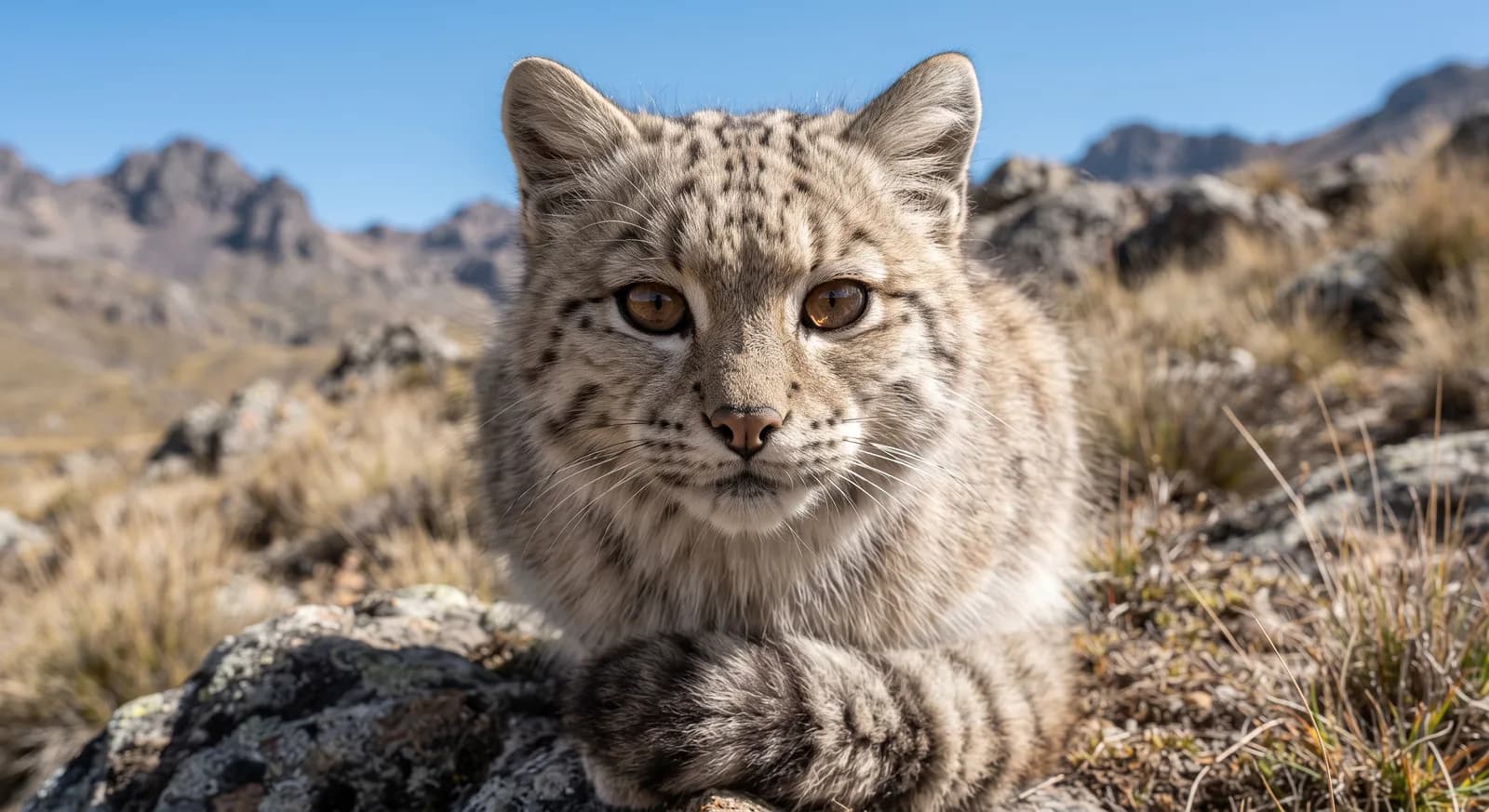 Endangered
Andean Cat
Leopardus jacobita
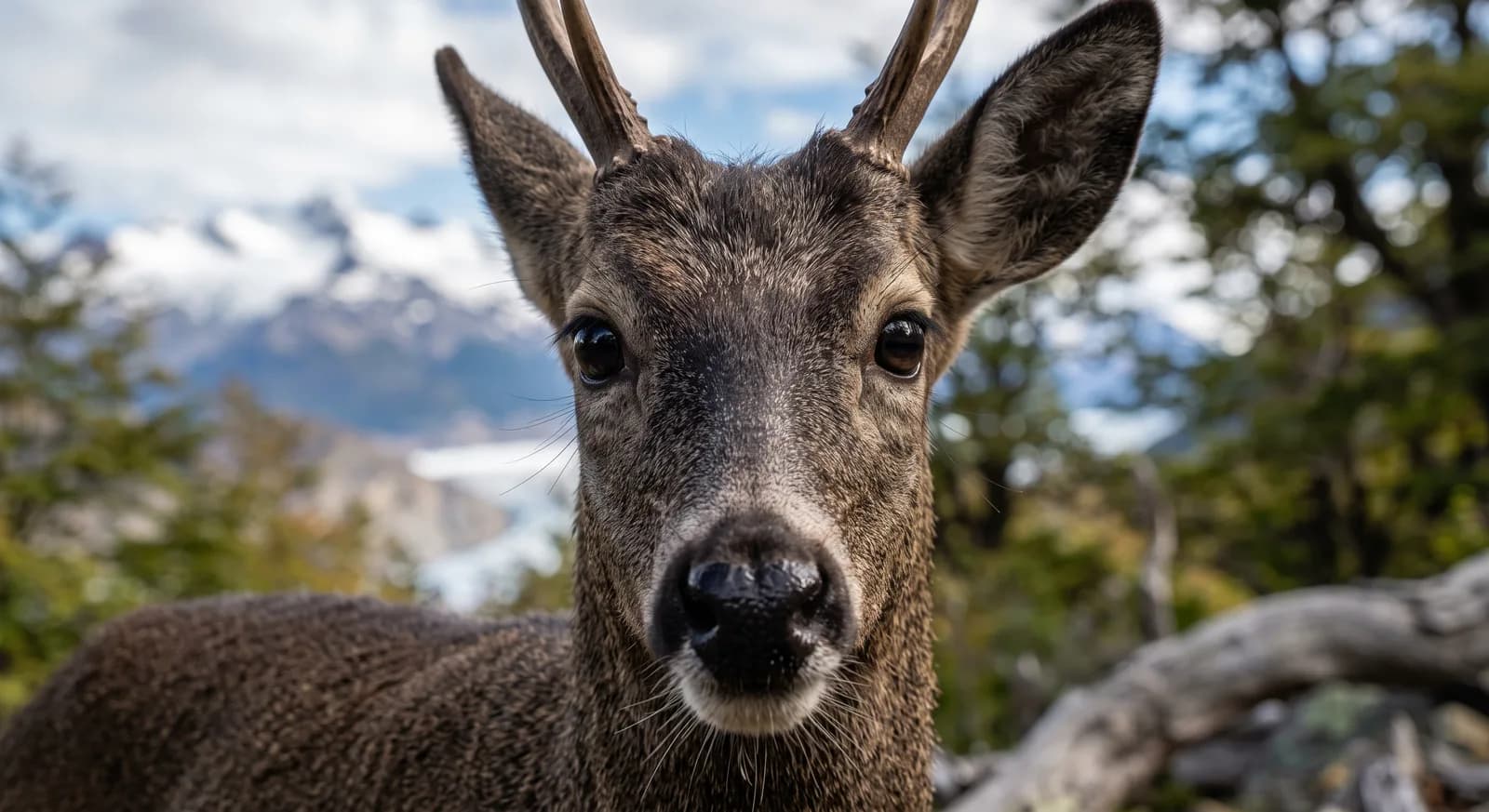 Endangered
Patagonian Huemul
Hippocamelus bisulcus
 Endangered
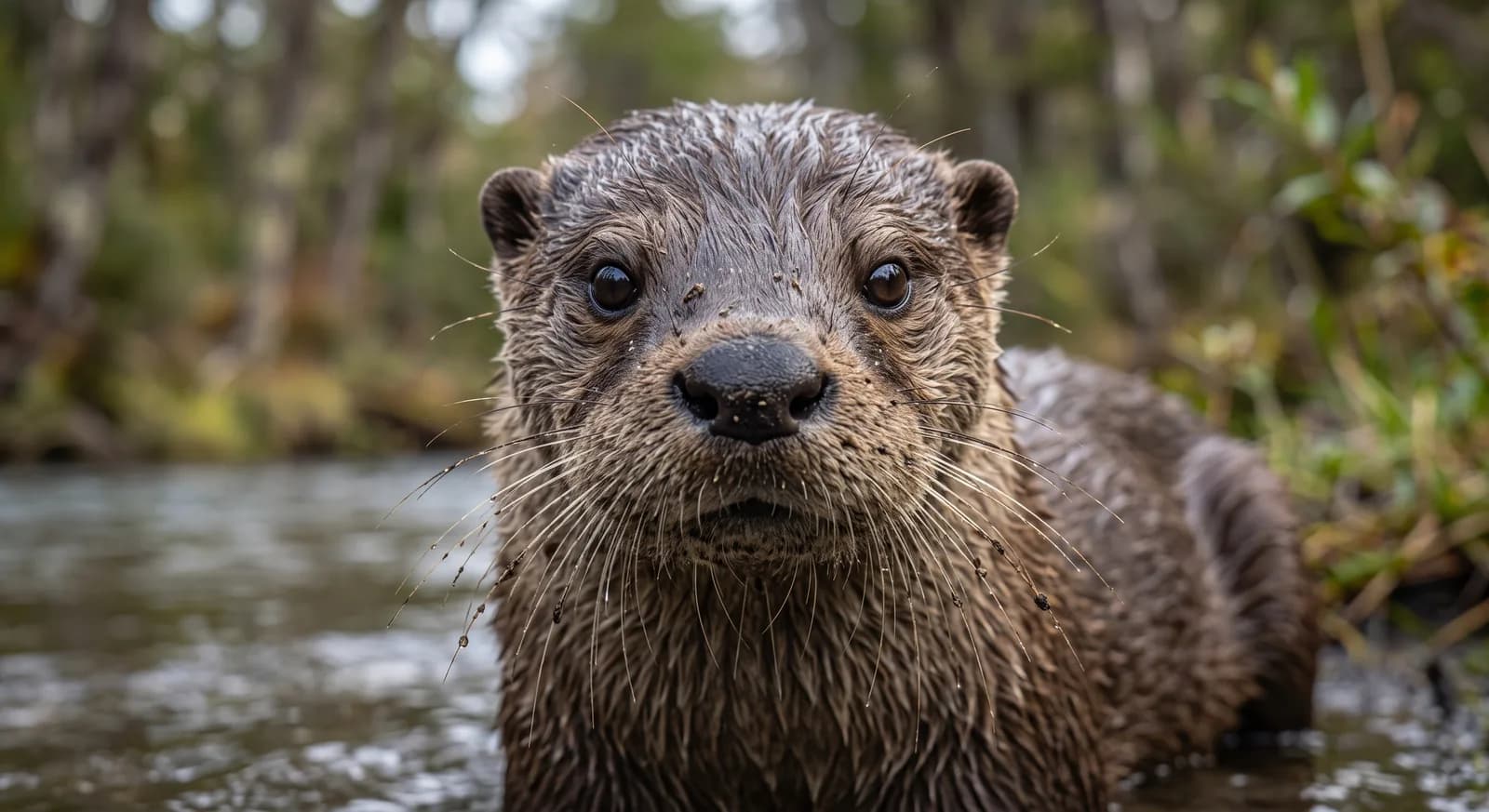
Southern River Otter
Lontra provocax
 Endangered
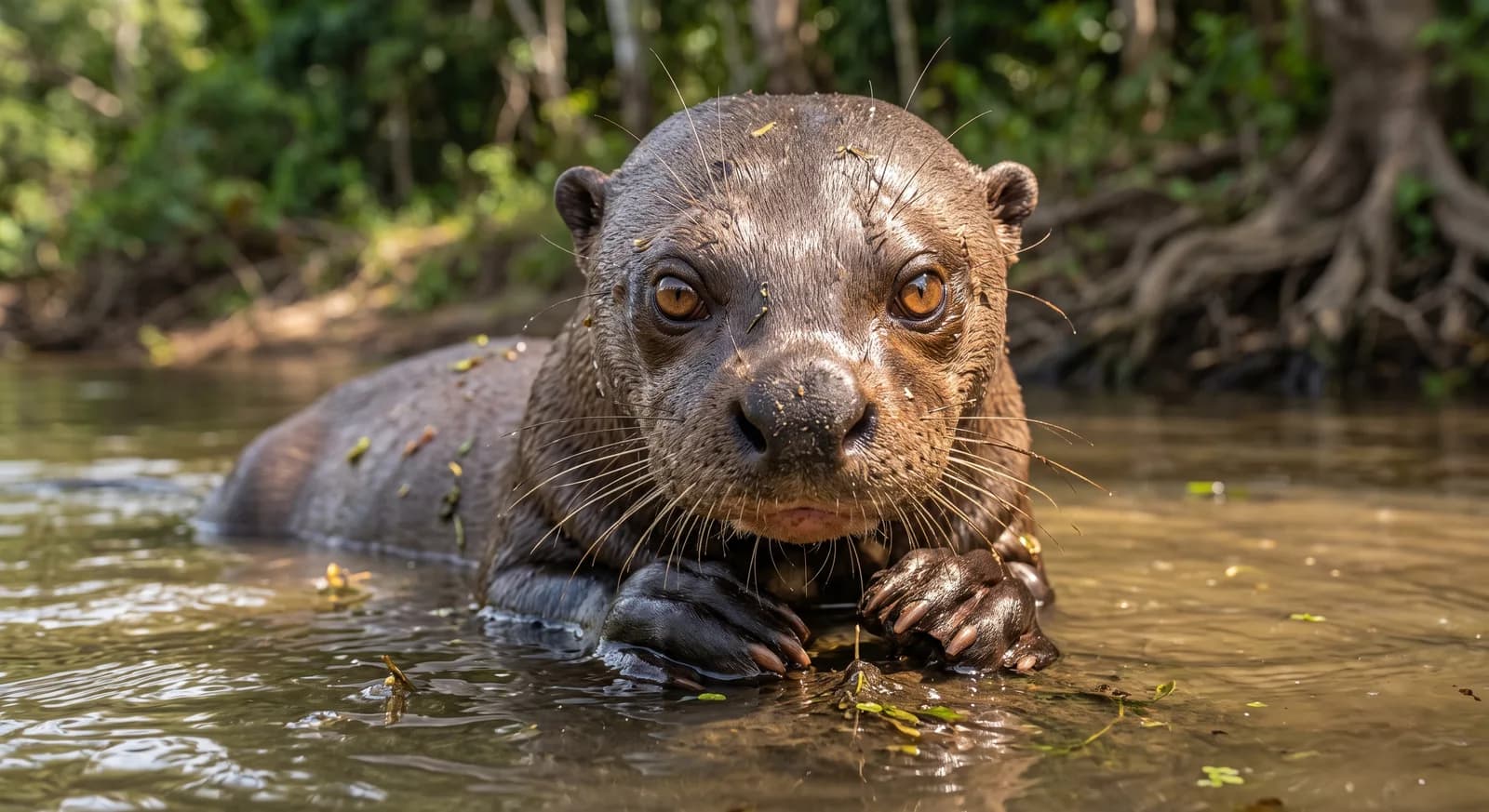
Giant Otter
Pteronura brasiliensis
 Vulnerable
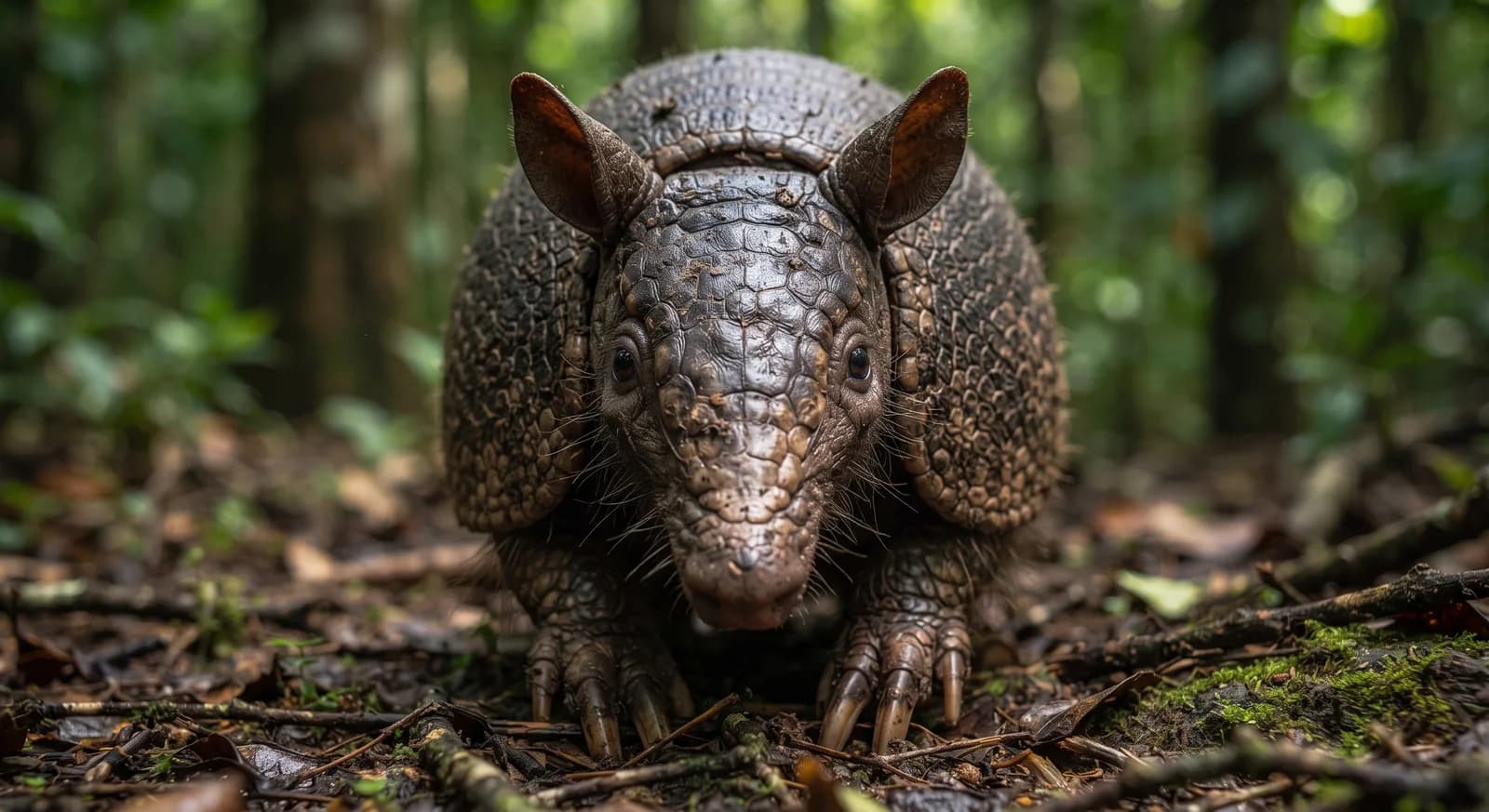
Giant Armadillo
Priodontes maximus
 Vulnerable
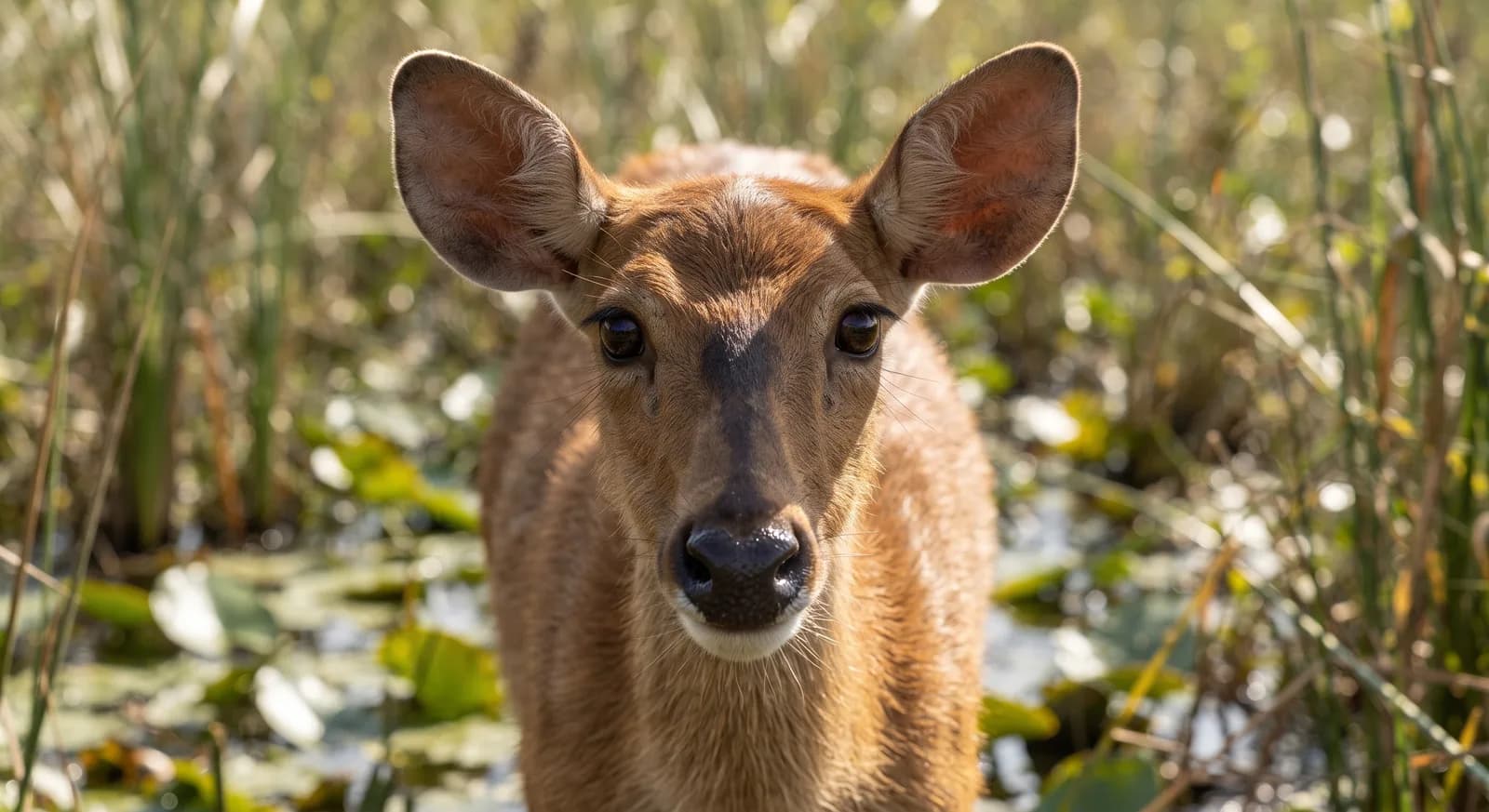
Marsh Deer
Blastocerus dichotomus
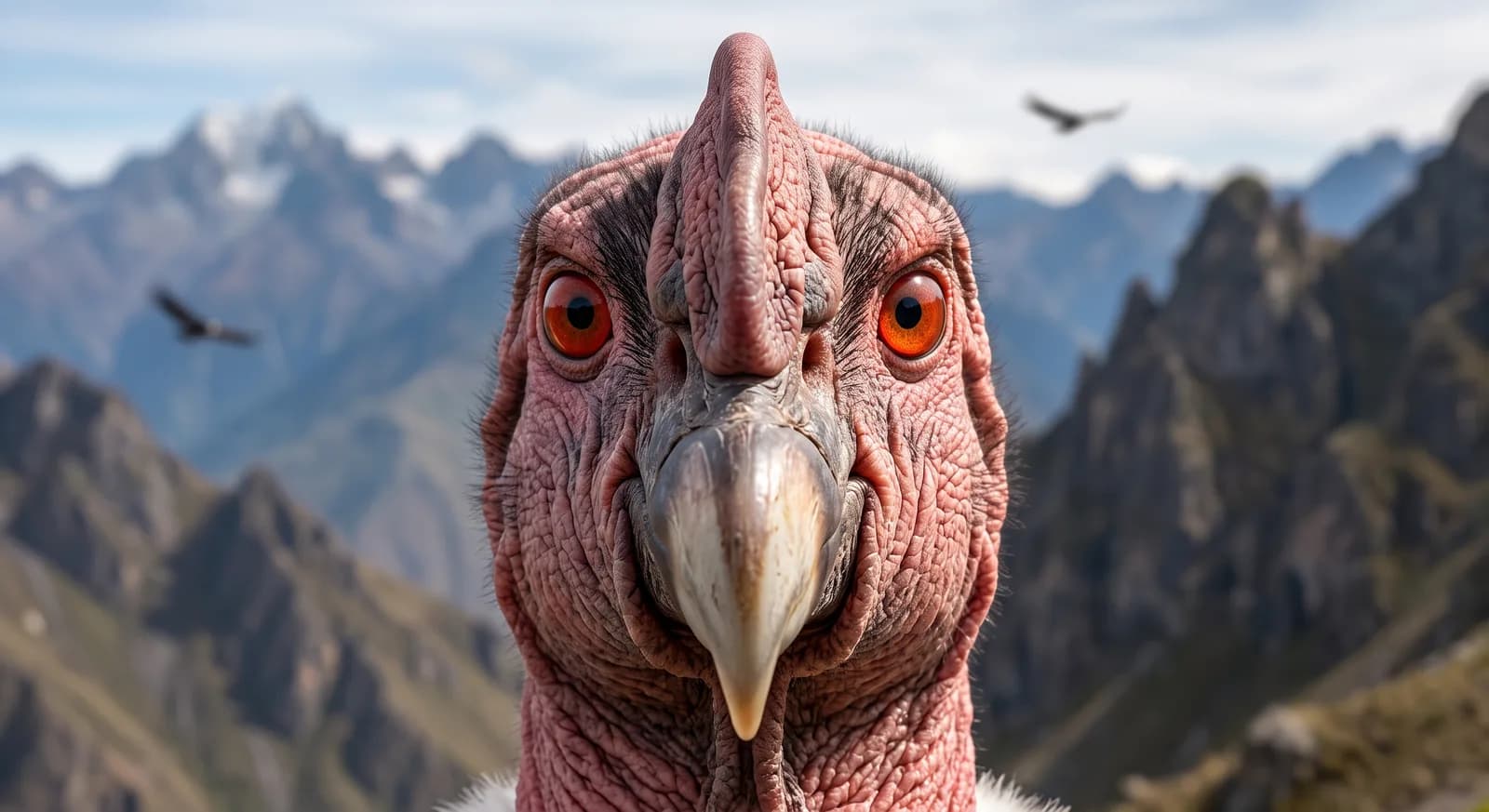 Vulnerable
Andean Condor
Vultur gryphus
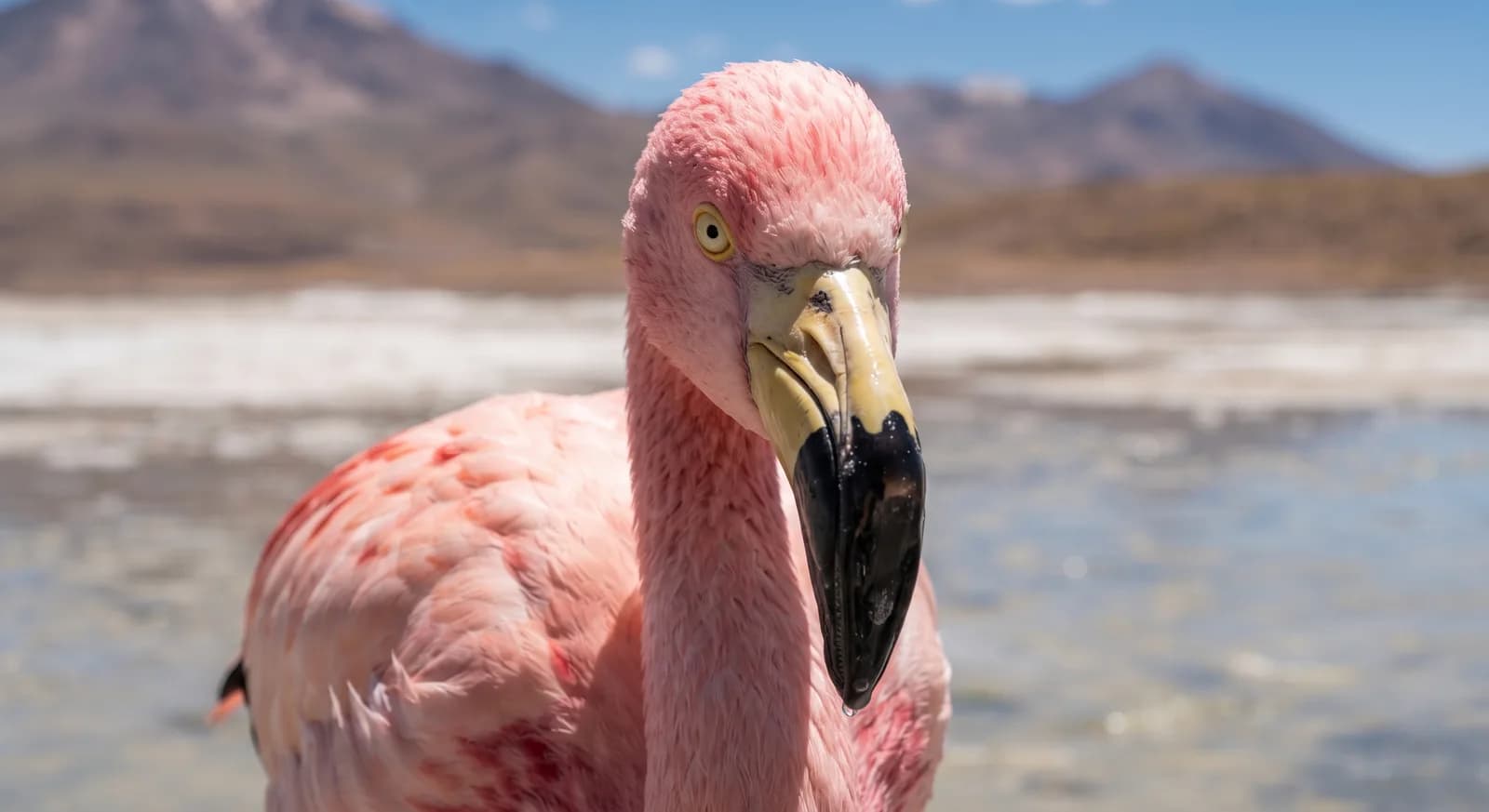 Vulnerable
Andean Flamingo
Phoenicoparrus andinus
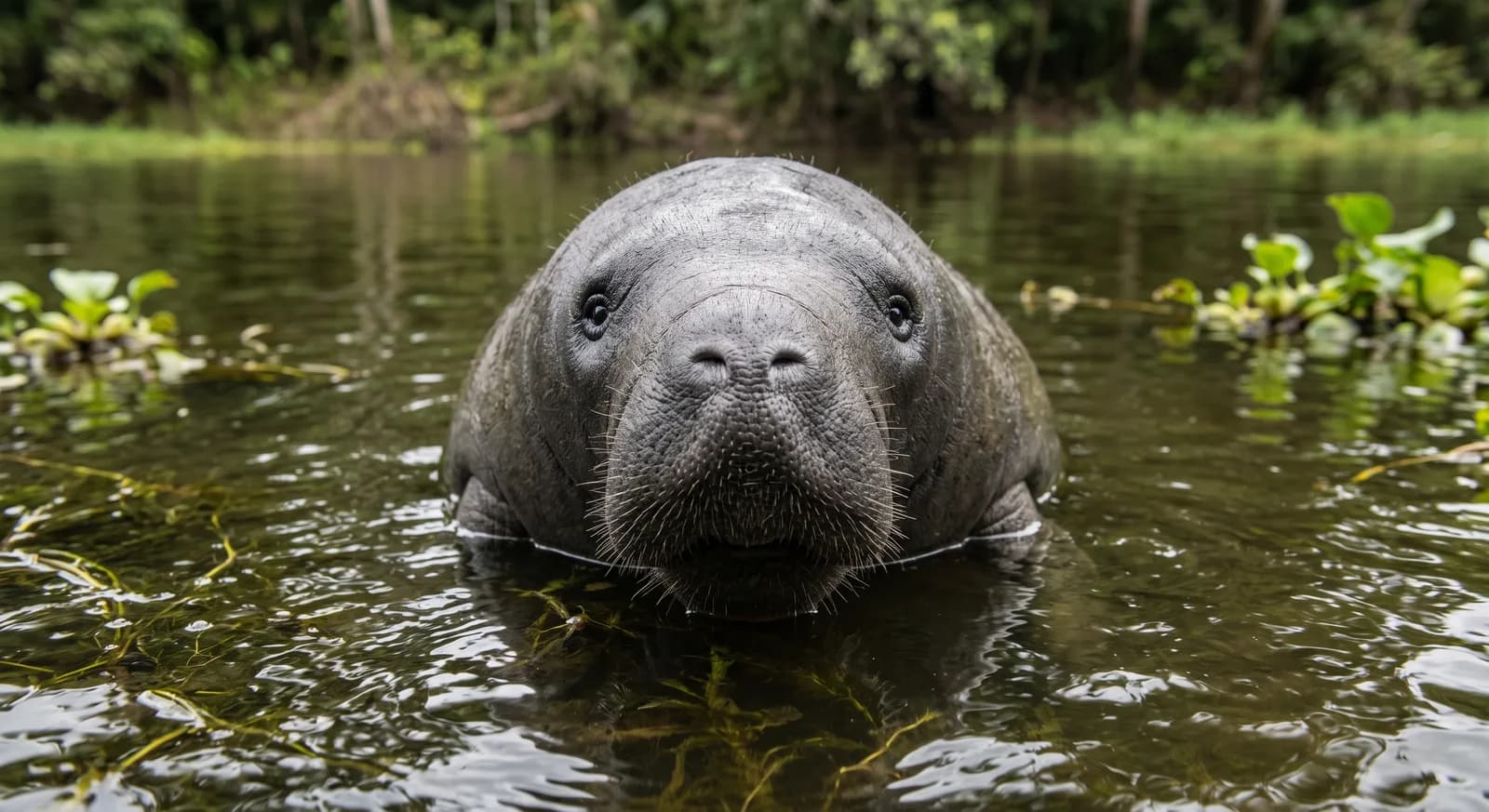 Vulnerable
Amazonian Manatee
Trichechus inunguis
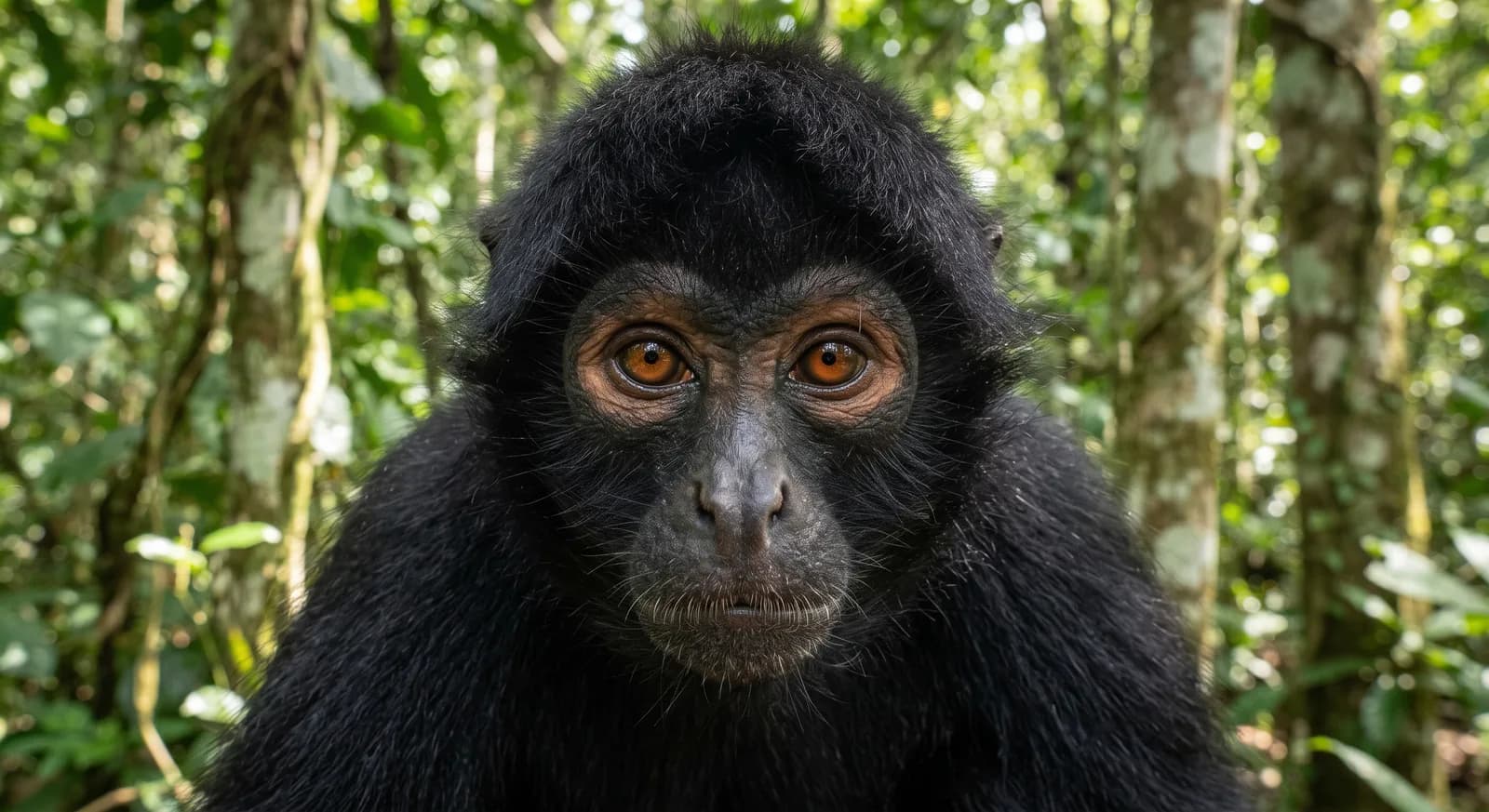 Vulnerable
Red-faced Black Spider Monkey
Ateles paniscus
Keep exploring
Based on what we already know about Bolivia.