One of the 5 armadillos on WAnimals
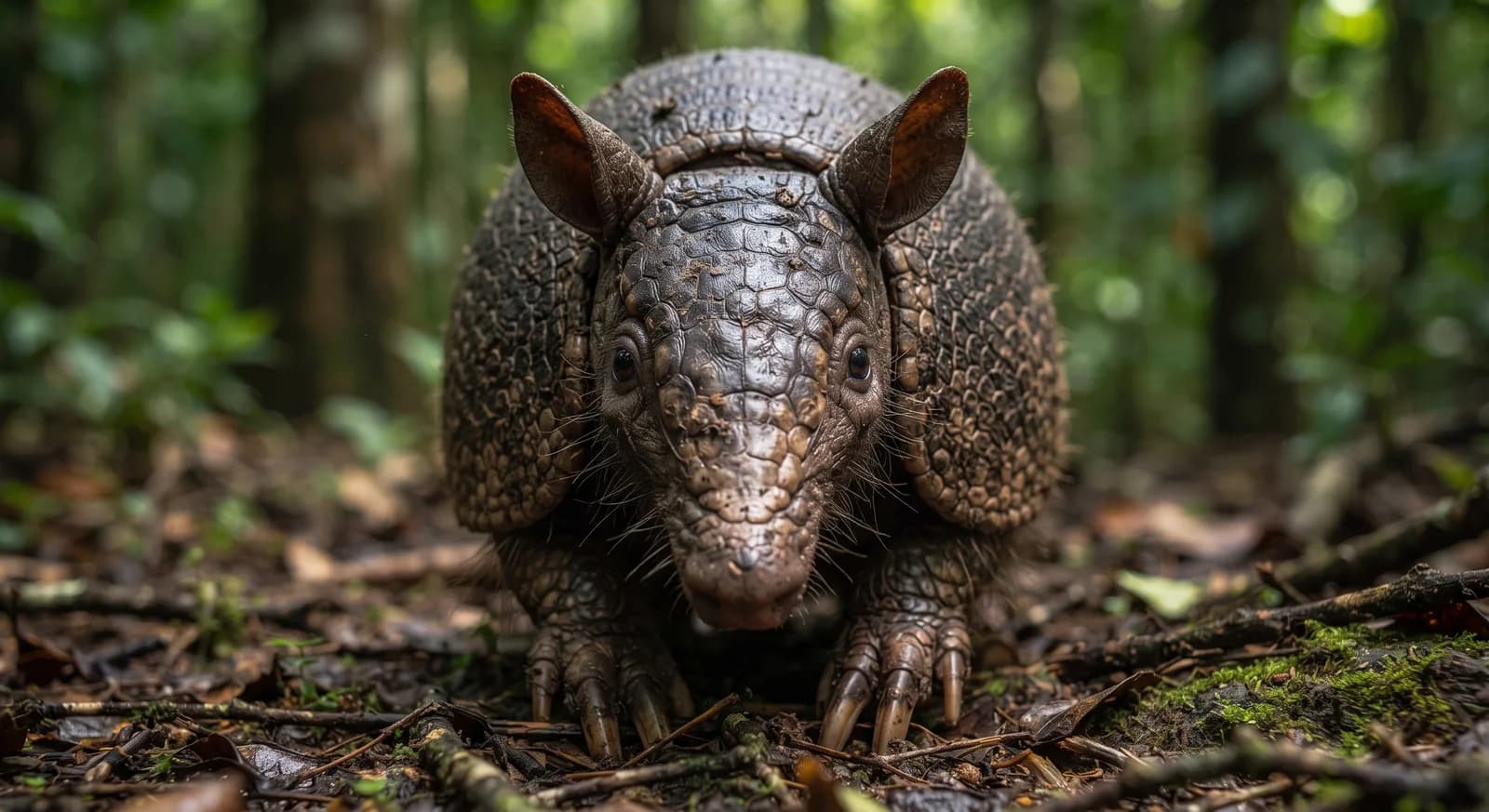
Mammals · Cingulata · Chlamyphoridae
Giant Armadillo
Priodontes maximus
It faces a high risk of extinction in the wild over the medium term. See full glossary
It is by far the largest armadillo in the world, and acts as a keystone ecosystem engineer: more than 70 species have been recorded using its abandoned burrows.
Weight
18 kg – 54 kg
Size
75 cm – 1.5 m
Lifespan
13 years
Diet
Insectivore
Feeds mainly on insects and other invertebrates.
Activity
Nocturnal
Active mainly at night.
Social structure
Solitary
Lives and hunts alone, joining others only to breed.
Sighting difficulty
Moderate
Fun facts
- It is the largest armadillo in the world.
- More than 70 different species use its abandoned burrows for shelter.
- The curved 20 cm claw on its third front toe is one of the largest for body size of any mammal.
Life cycle & biology
- Skeleton type
- Vertebrate - internal bony skeleton (mammal)
- Habitat & environment
- Forest, savannah and grassland across much of South America, with large exclusive home ranges
- Birth weight
- ~113 g at birth according to one source (questioned by more recent literature)
- Size at birth
- 832-960 mm long by some measurements
- Sexual maturity
- 7 years
- Gestation / incubation
- ~4 months by the traditional estimate (though it is scientifically disputed)
- Litter / clutch size
- 1 young per birth (2 on rare occasions), with ~3 years between births
- Lifespan in captivity
- Documented record of up to 15-16 years
Sources consulted: ResearchGate (potential lifespan wild study); PMC (first recorded birth under human care); Oxford Academic (Mammalian Species); Animal Diversity Web; Encyclopedia of Life; AnAge (genomics.senescence.info)
Where to find it
See its range on the interactive mapWhere to watch it
Parques y spots de buceo donde se ha documentado esta especie — se muestran 10 de 18 documentados.
Related species
Other species in the catalogue with the most in common with Giant Armadillo — same habitat, park, country, tags or family.
Amazon Naked-tailed Armadillo
Cabassous unicinctus
Southern Three-banded Armadillo
Tolypeutes matacus
Yellow Armadillo
Euphractus sexcinctus
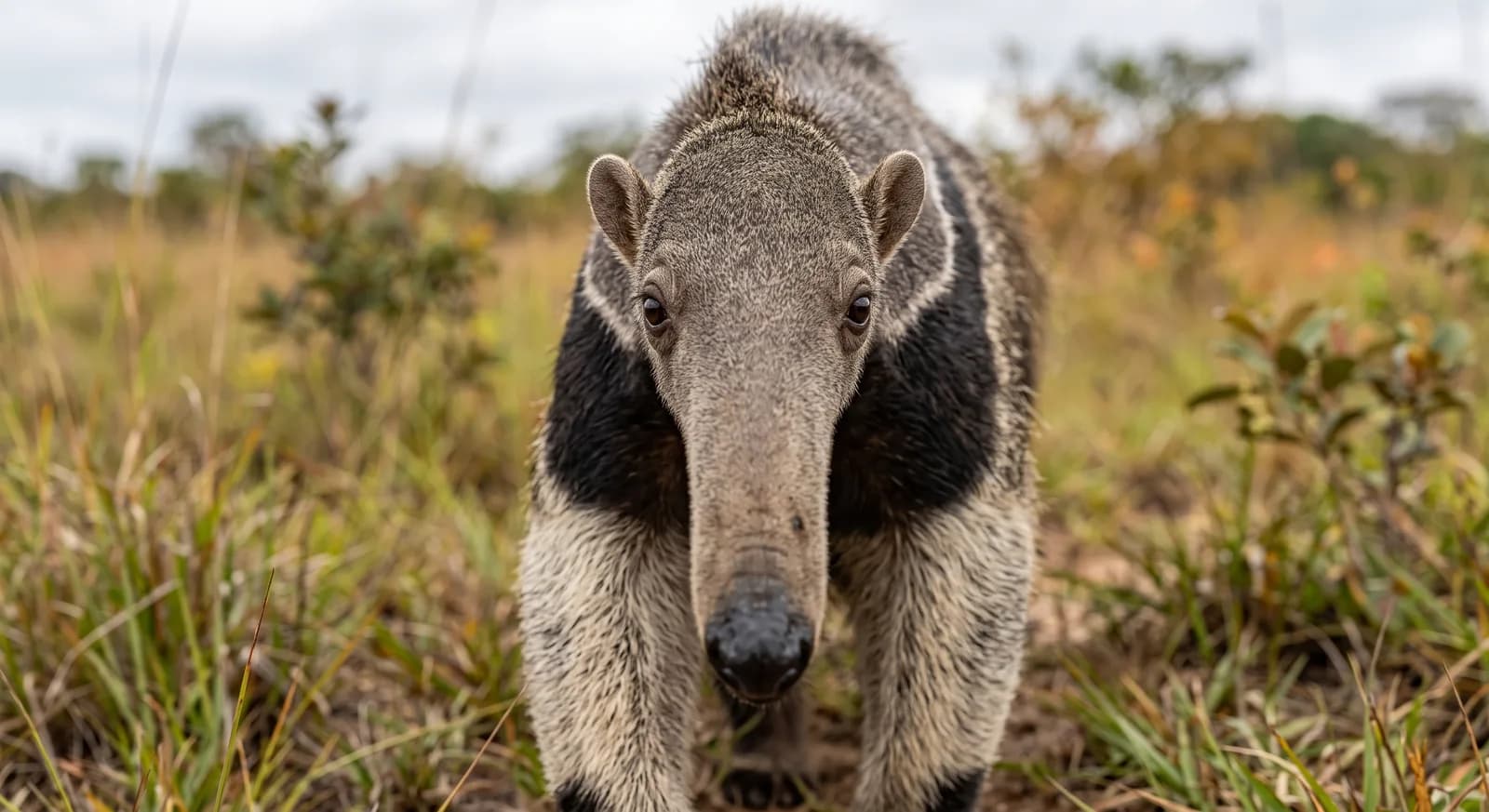 Vulnerable
Giant Anteater
Myrmecophaga tridactyla
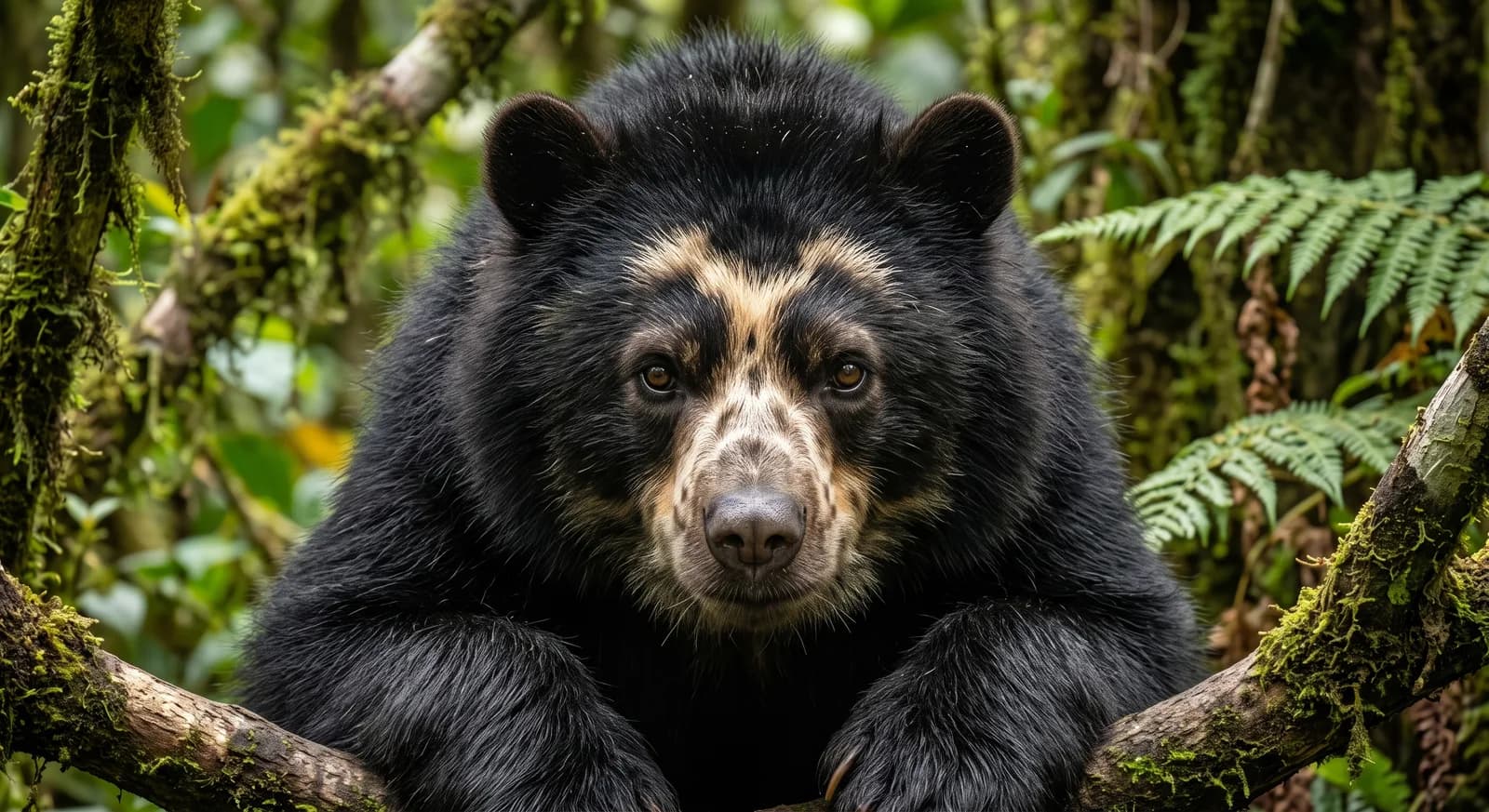 Vulnerable
Andean Bear
Tremarctos ornatus
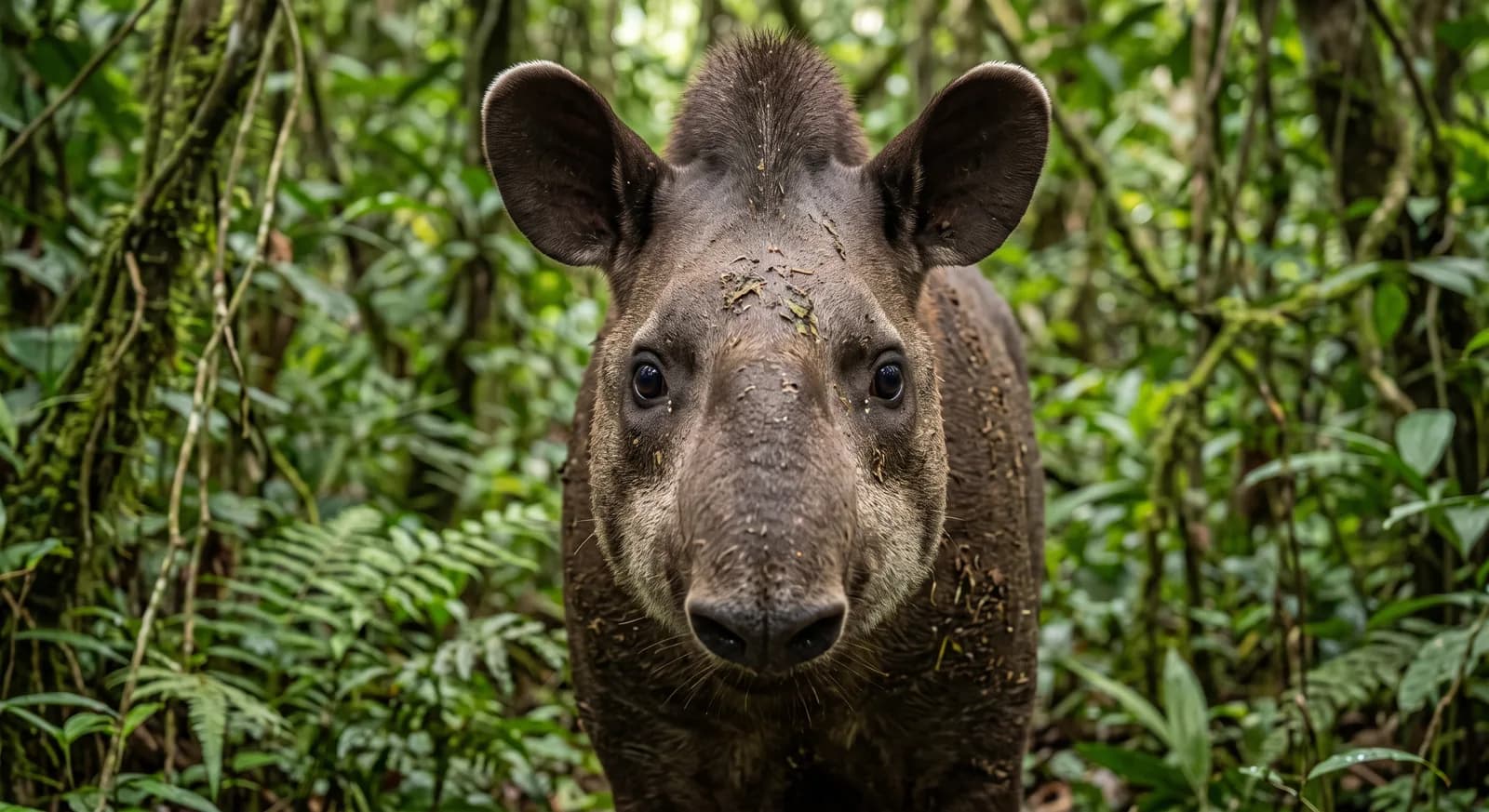 Vulnerable
Lowland Tapir
Tapirus terrestris
How to help
The giant armadillo is classified as vulnerable. Organizations such as UICN, WWF y Wildlife Conservation Society work specifically on its conservation and that of its habitat; looking into their programs is a good starting point if you want to get involved.
It's documented in 10 real protected areas — part of why protecting these places matters for its conservation.
Keep exploring
Based on what we already know about giant armadillo.
Comments
Share an experience, a fun fact or a tip for seeing the giant armadillo.
Be the first to comment.