Suriname
América del Sur
Suriname is the country with the highest proportion of forest cover in the world: around ninety per cent of its territory is still covered by tropical rainforest, largely because almost all its population is concentrated in a narrow coastal strip. The interior, on the Guiana Shield, consists of continuous rainforest, granite inselbergs that rise from the canopy like bare domes, and rivers with rapids. The Central Suriname Nature Reserve protects an enormous block of forest virtually free of human alteration and is a World Heritage Site. On the coast, the mangroves and beaches of Galibi receive one of the greatest concentrations of leatherback turtle nesting in the western Atlantic, and the coastal plains host scarlet ibises and migratory waders.
The nature of Suriname
National animal: No official national animal
Did you know?
The Surinam toad has one of the strangest reproductive strategies in the animal kingdom: after mating, the eggs stay stuck to the female's back and the skin grows around them until they are enclosed in small individual chambers. There they develop for months, with no free-swimming tadpole stage, until one day the mother's back opens and dozens of fully formed little toads emerge.
Biodiversity profile
Climate
- •Ecuatorial humedo (Af), temperatura media anual costera entre 26 y 28°C
Main biomes
- •Llanura costera joven (manglares, playas de arena, lagunas)
- •Llanura costera antigua
- •Cinturon de sabana (Zanderij)
- •Tierras altas residuales del interior (selva tropical densa, muy poco perturbada por la baja densidad poblacional del pais, 2,7 hab/km2)
- •Selva tropical del Escudo Guayanés
- •Inselberg de granito
- •Manglar costero
- •Sabana de arena blanca
- •Río de rápidos
- •Playa de puesta de tortugas
- •Bosque pantanoso
Marine and coastal ecosystems
- •Costa con manglares, bancos de lodo y playas de arena
- •Corriente de Guyana (rama de la Corriente Norbrasileña) a lo largo de la costa
Flagship wildlife
- •Oso hormiguero gigante
- •Saki de cara blanca
- •Jaguar
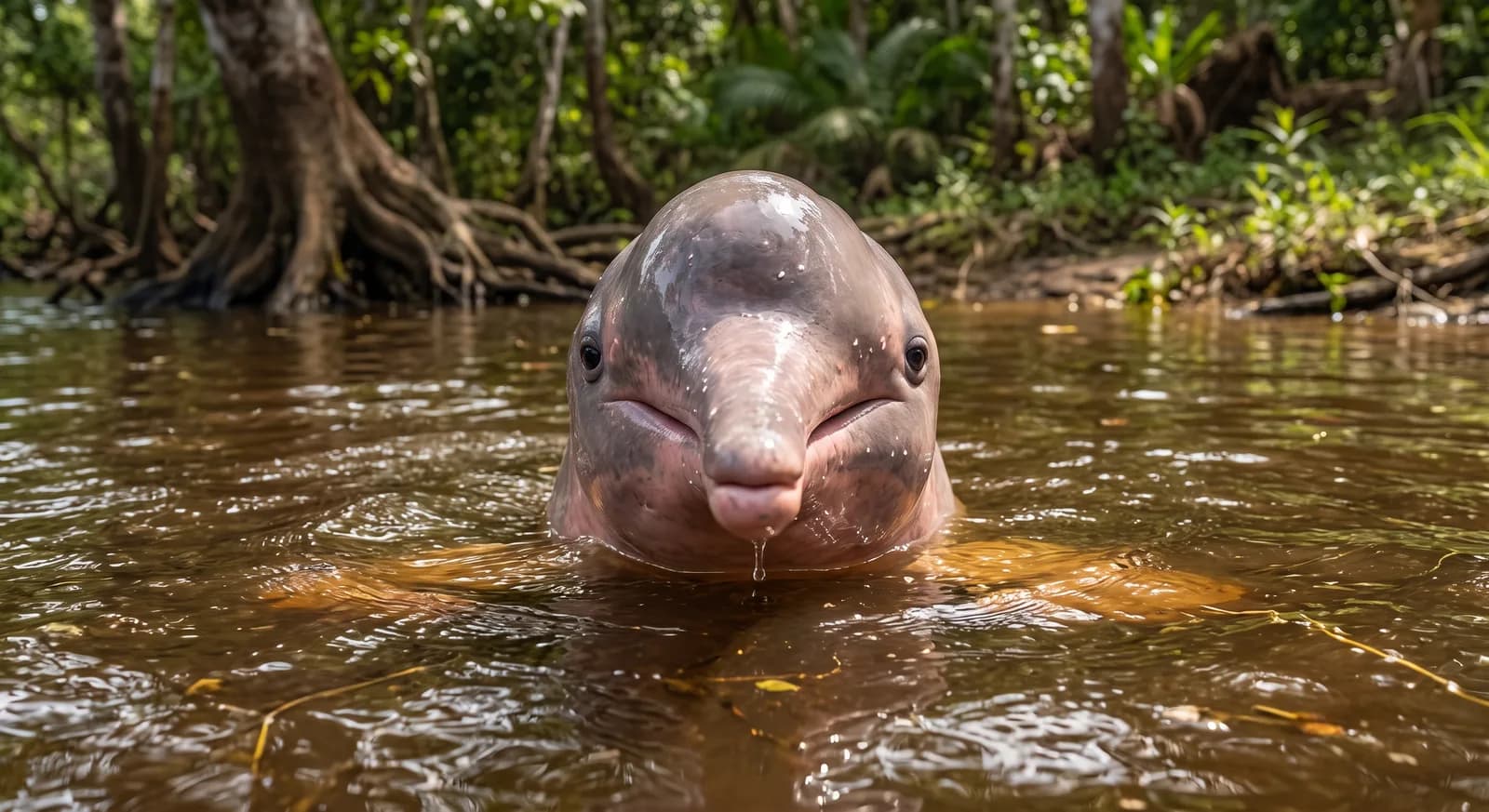
- •Delfin de rio
- •Tapir
- •Aguila harpia
- •Rana de Surinam
- •Tortuga laúd
- •Ibis escarlata
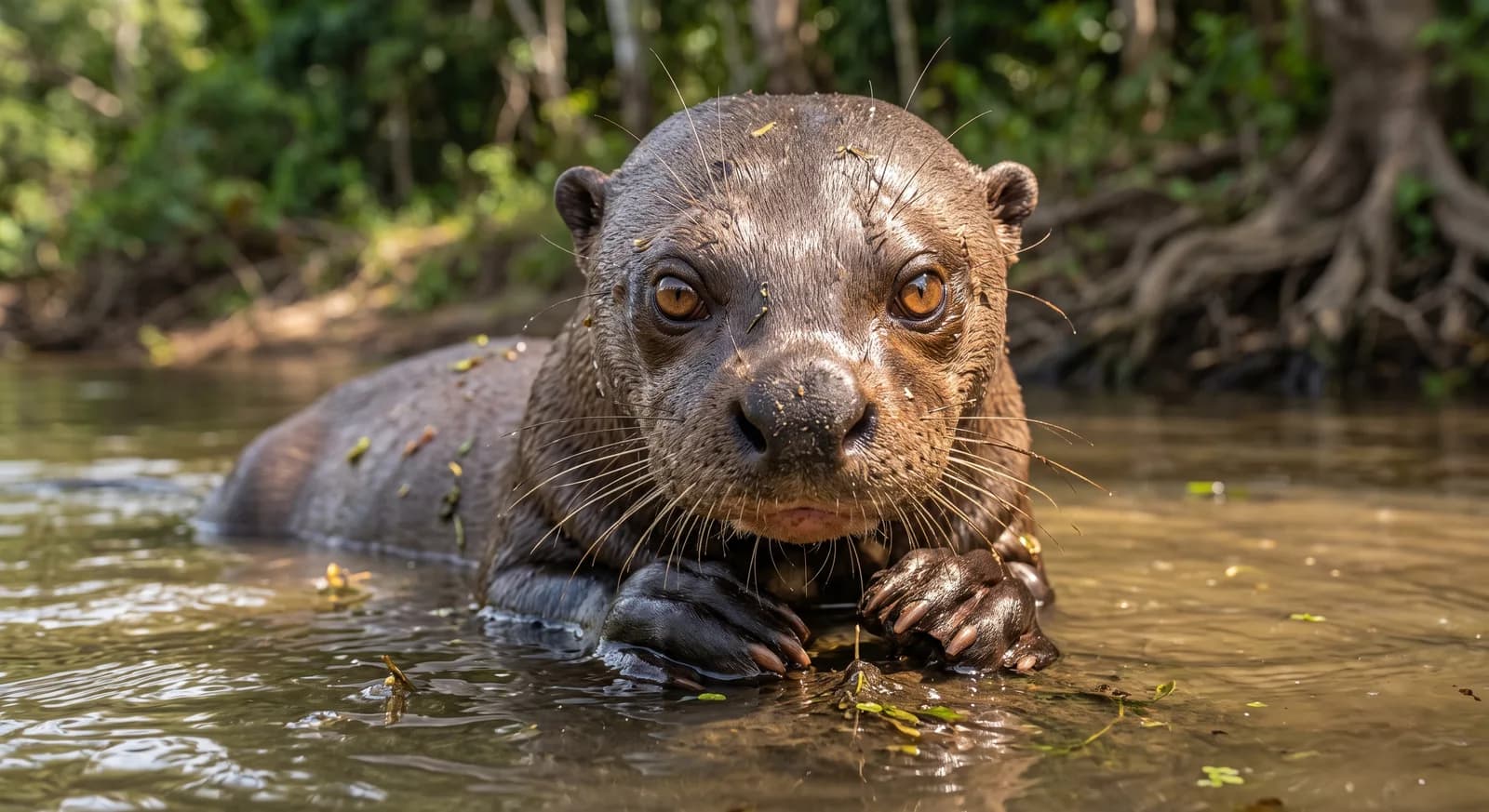
- •Nutria gigante
- •Delfín rosado del Amazonas
- •Mono aullador rojo
- •Águila arpía
- •Perezoso de tres dedos
- •Caimán negro
Notable endemic species
- •Saki de cara blanca (endemico de las Guayanas)
- •Carpinterito guayanes, probablemente endemico de Surinam (no confirmado para paises vecinos)
- •Montañas Bakhuys y Van Asch Van Wijck (parte del Escudo Guayanes) con endemismo notable
Notable threatened species
- •Dato no disponible con precision agregada en fuentes verificadas consultadas para el conjunto del pais
Notable protected areas
- •Reserva Natural Central de Surinam (Patrimonio Mundial UNESCO, selva casi virgen)
- •Reserva Natural de Surinam Central
- •Reserva de Galibi
- •Reserva Natural de Brownsberg
- •Reserva de Coppename
- •Inselberg de Voltzberg
- •Reserva de Wia Wia
Main conservation threats
- •Mineria de oro en el interior selvatico
- •Tala selectiva
- •La baja densidad poblacional del pais ha mantenido la mayoria de sus bosques sin perturbar hasta la fecha, situacion que podria cambiar con la presion extractiva
Notable natural phenomena
- •El Escudo Guayanes, del que Surinam forma parte, es una de las regiones de mayor biodiversidad y endemismo del planeta
Conservation
Galibi is one of the most important sites in the Atlantic for the leatherback turtle, and its protection is carried out together with the Kalinya communities. Scientific expeditions of recent decades have described dozens of new species in the interior, a sign of how little explored it still is.
Where and when to watch wildlife
Galibi between February and August for turtle nesting. Brownsberg year-round for primates and birds. The Coppename in the dry season for scarlet ibises and waders.
Sources: Wikipedia - Biodiversity of Suriname
Parks and reserves
Central Suriname Nature Reserve
Suriname's largest stretch of intact rainforest; a UNESCO World Heritage Site since 2000 for its all but untouched biodiversity
View parkNature ReserveSouth Suriname Nature Reserve
A vast area of untouched Amazon rainforest with no permanent human presence, among the best preserved on the planet.
View parkNature ReserveReserva Natural de Surinam Central
A block of primary rainforest the size of a small country, with no permanent population and no roads.
View parkNature ParkBrownsberg
A bauxite plateau above the Surinamese rainforest, the country's most visited protected area and the most threatened by gold mining.
View parkEspecies documentadas en Suriname
233 species found
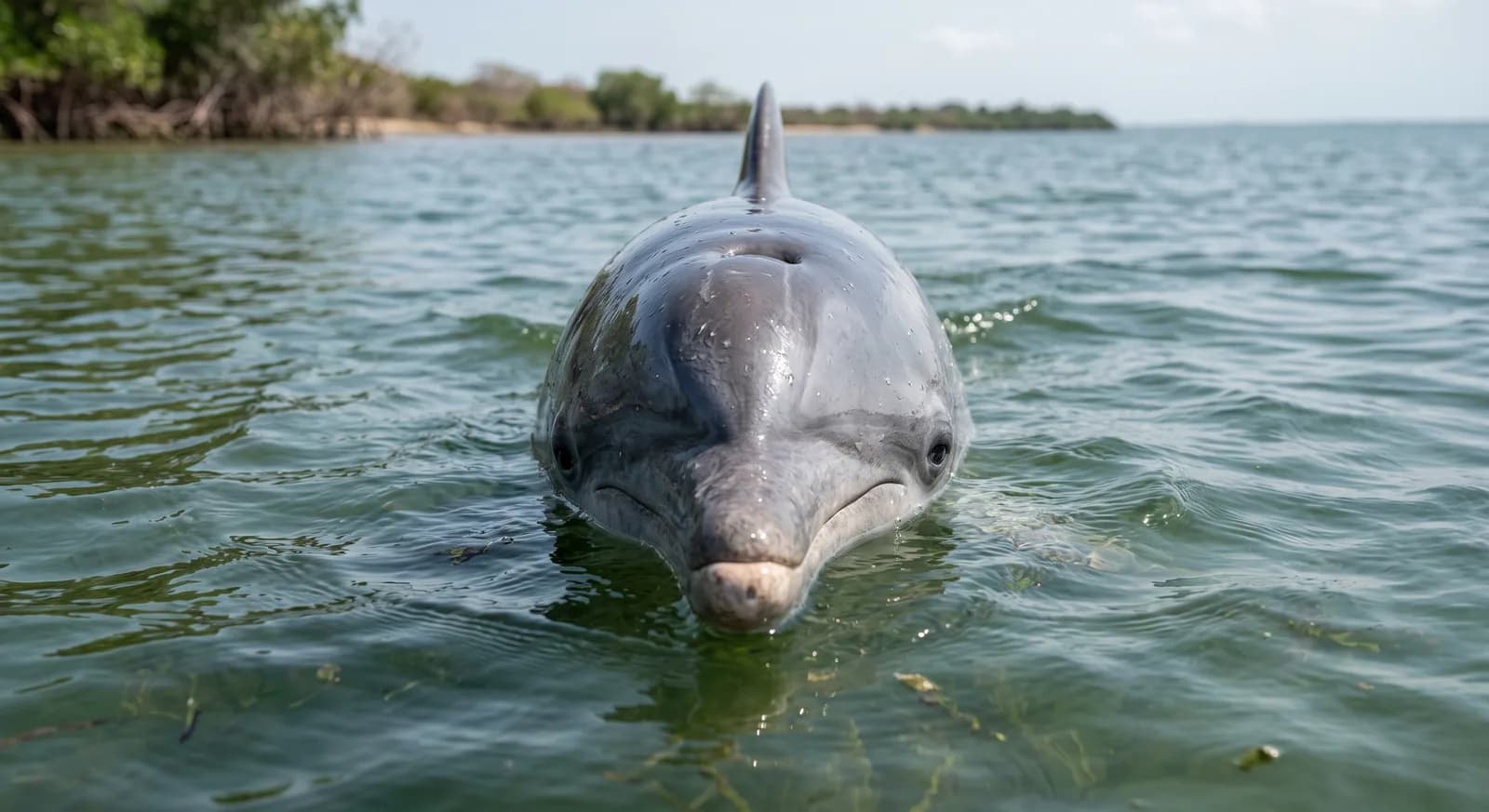 Critically Endangered
Atlantic Humpback Dolphin
Sousa teuszii
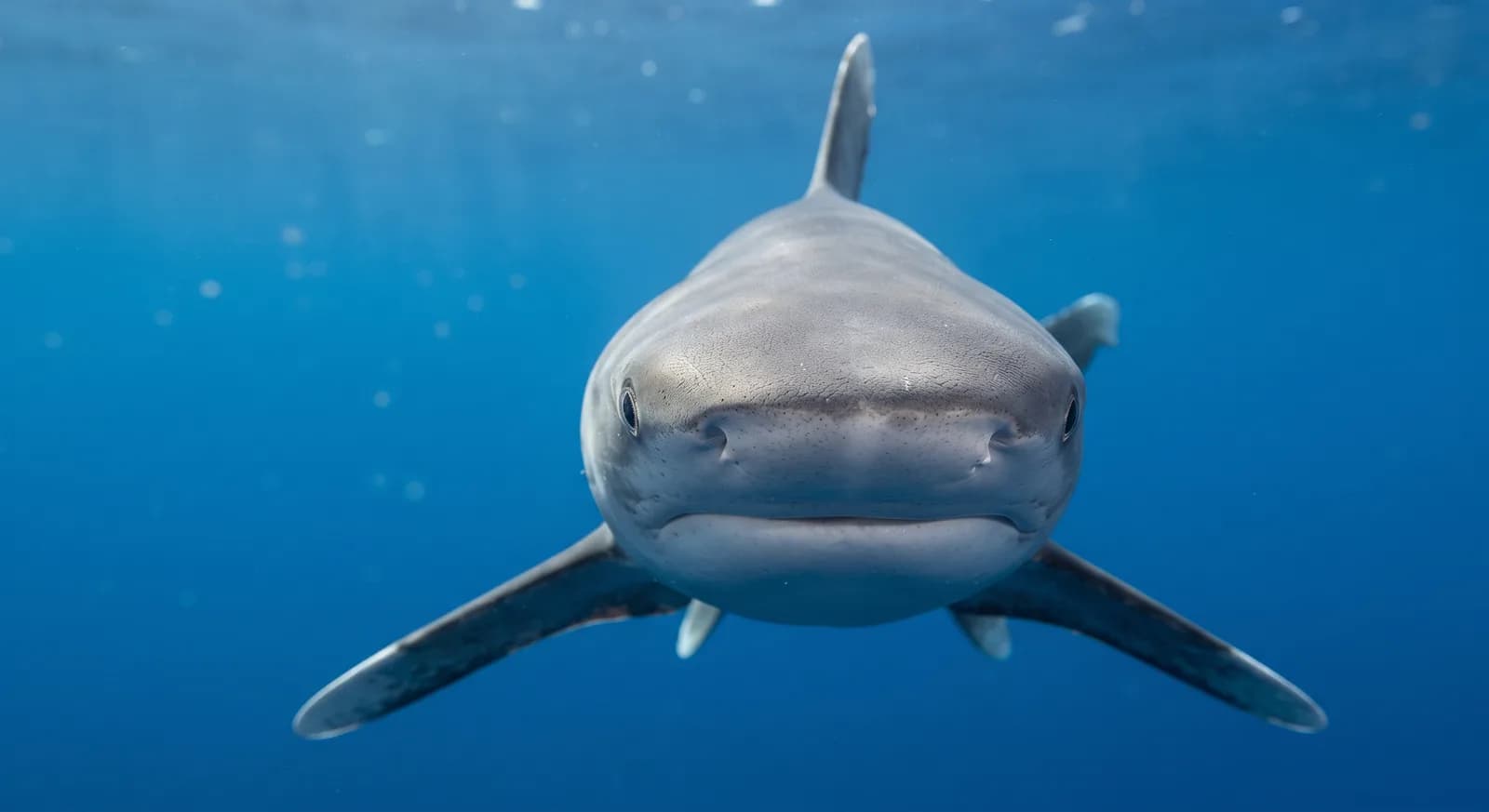 Critically Endangered
Oceanic Whitetip Shark
Carcharhinus longimanus
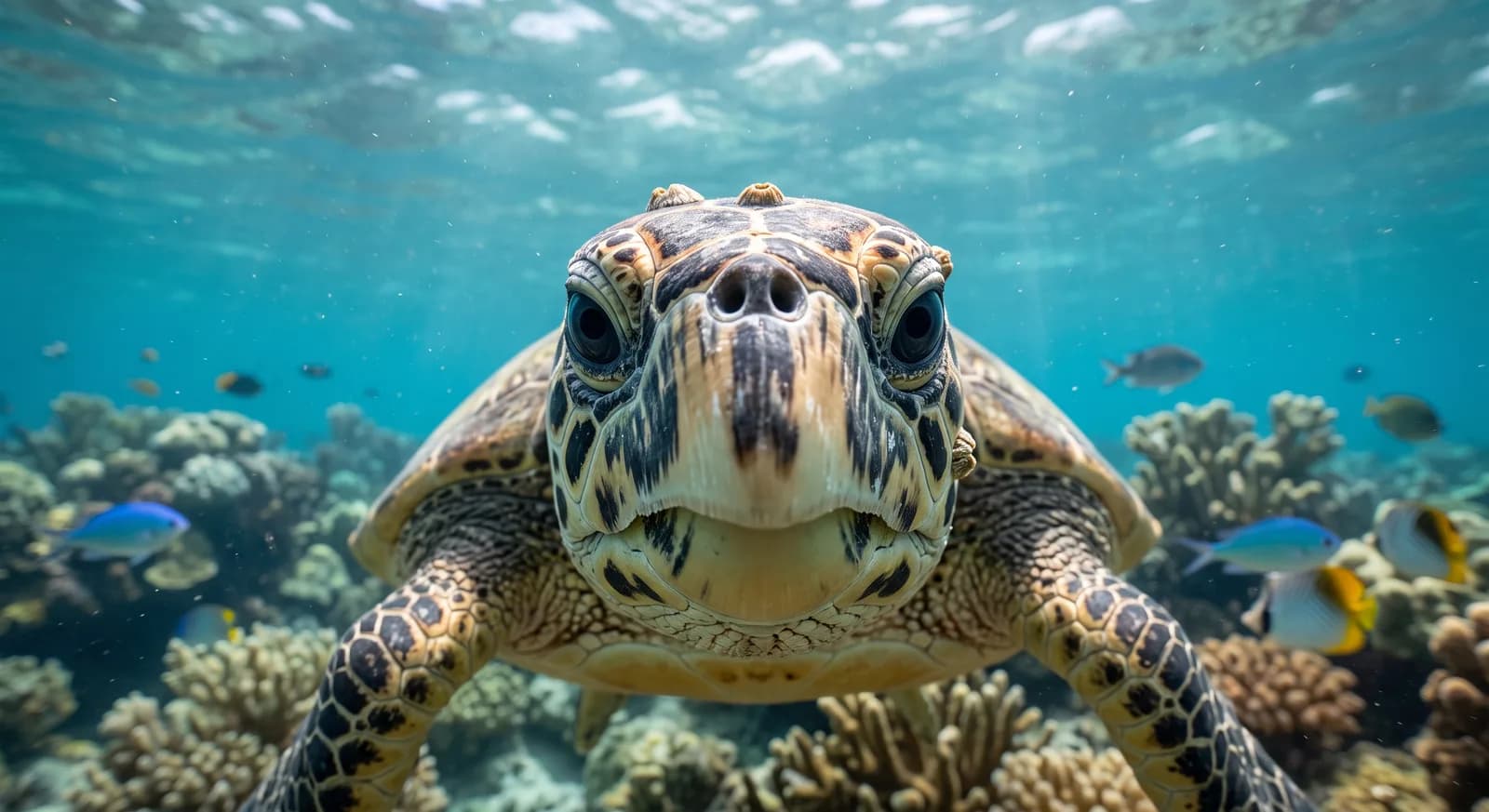 Critically Endangered
Hawksbill Turtle
Eretmochelys imbricata
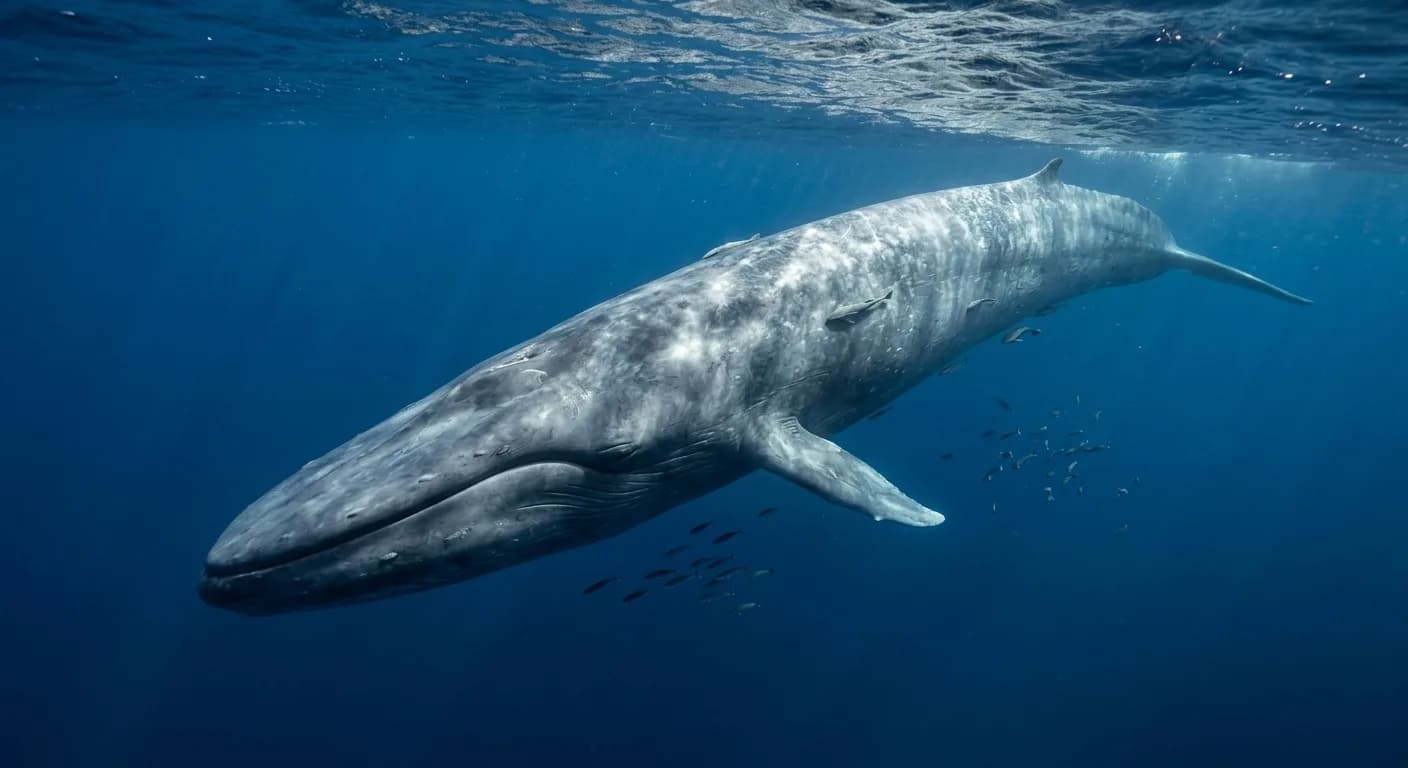 Endangered
Blue Whale
Balaenoptera musculus
 Endangered
Amazon River Dolphin
Inia geoffrensis
 Endangered
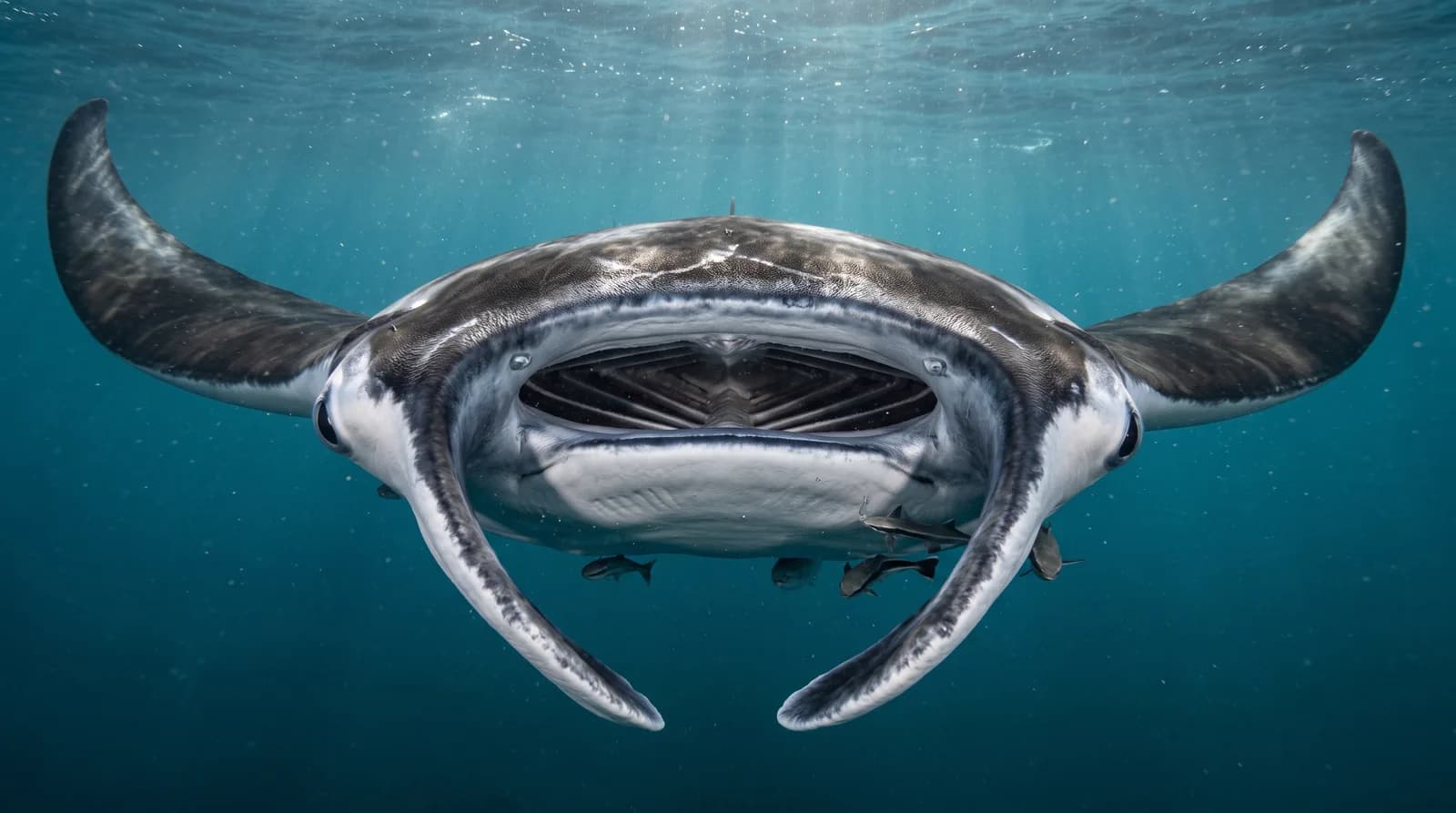
Giant Manta
Mobula birostris
 Endangered
Giant Otter
Pteronura brasiliensis
 Endangered
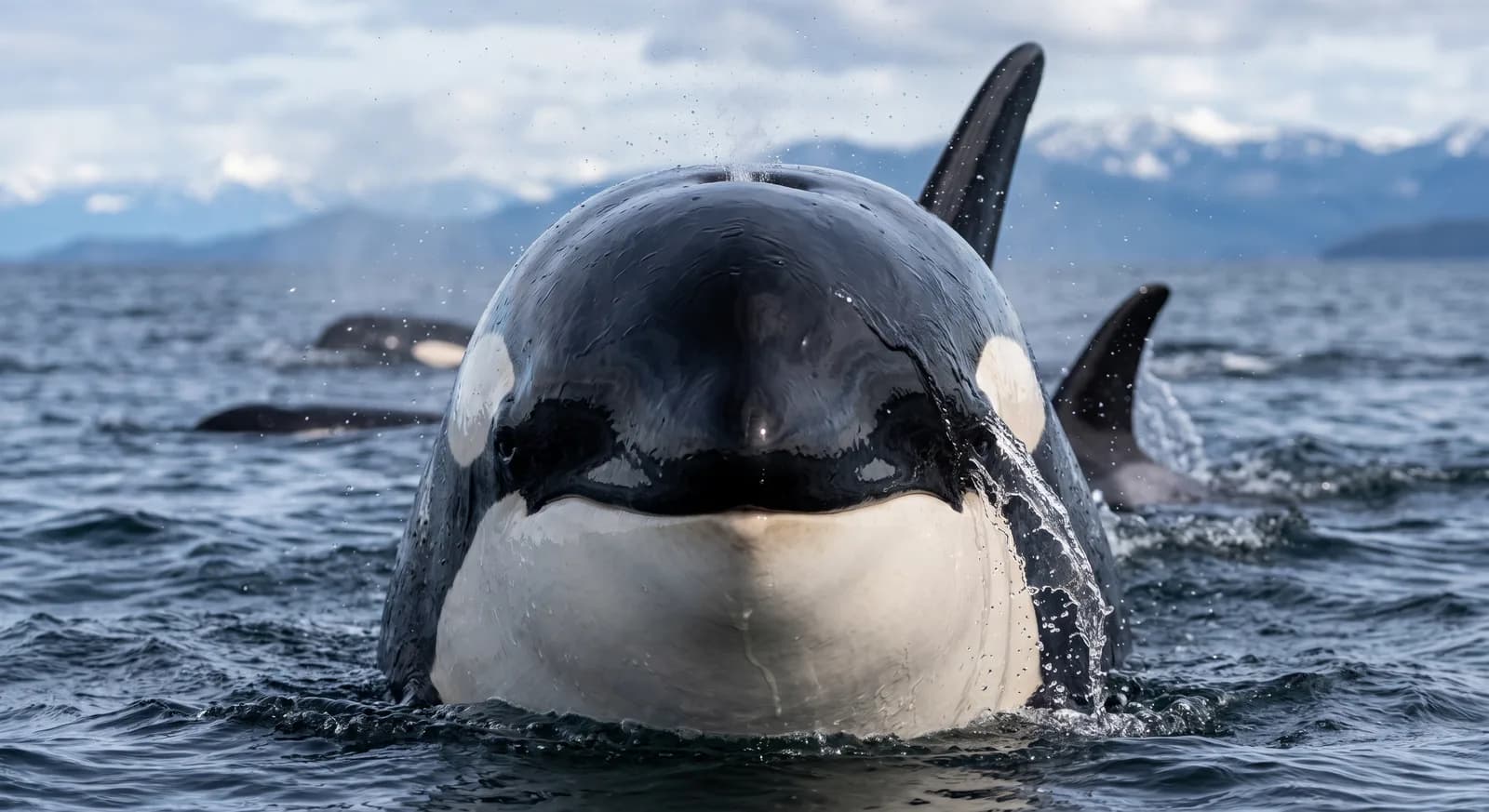
Killer Whale
Orcinus orca
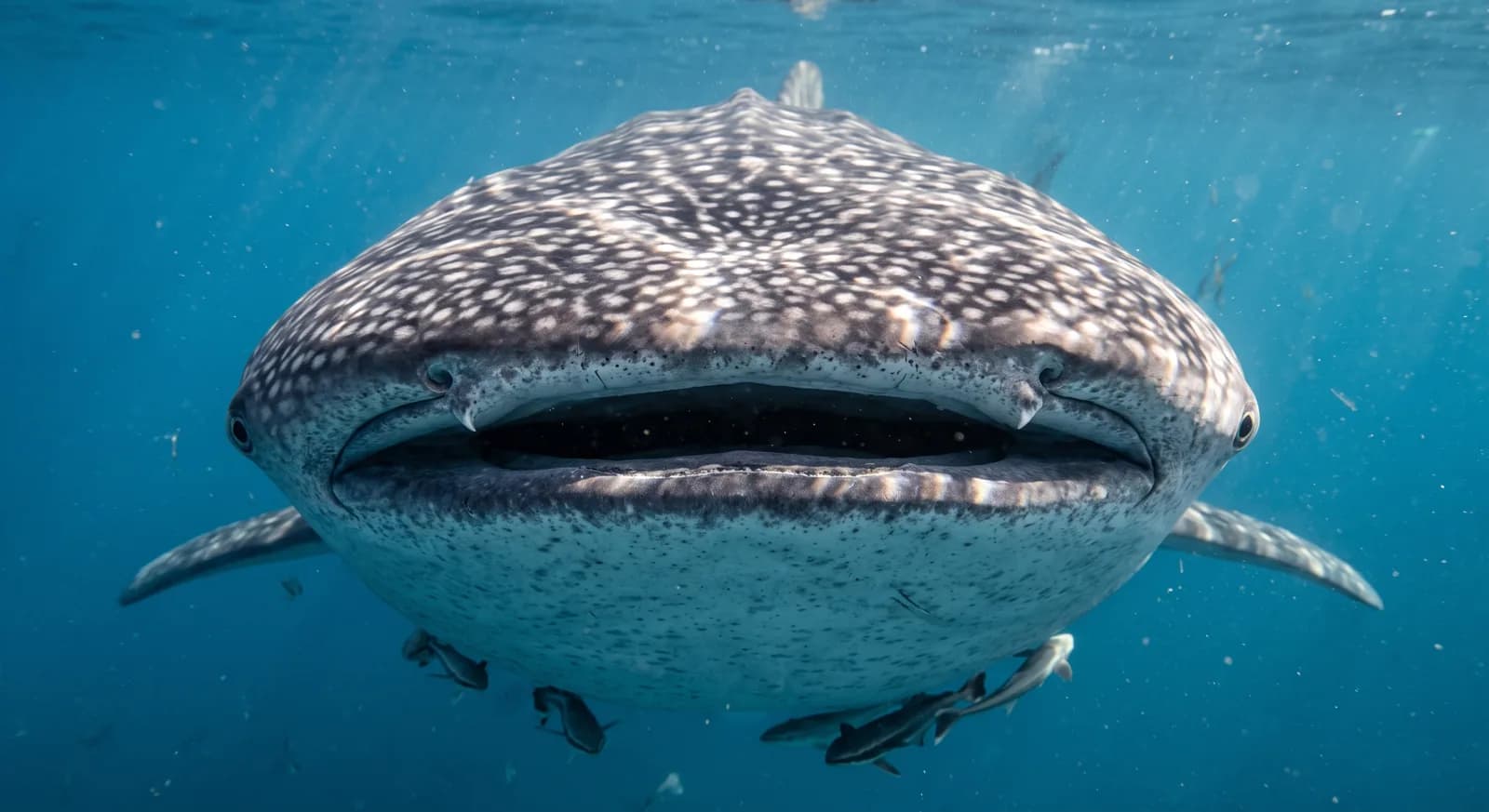 Endangered
Whale Shark
Rhincodon typus
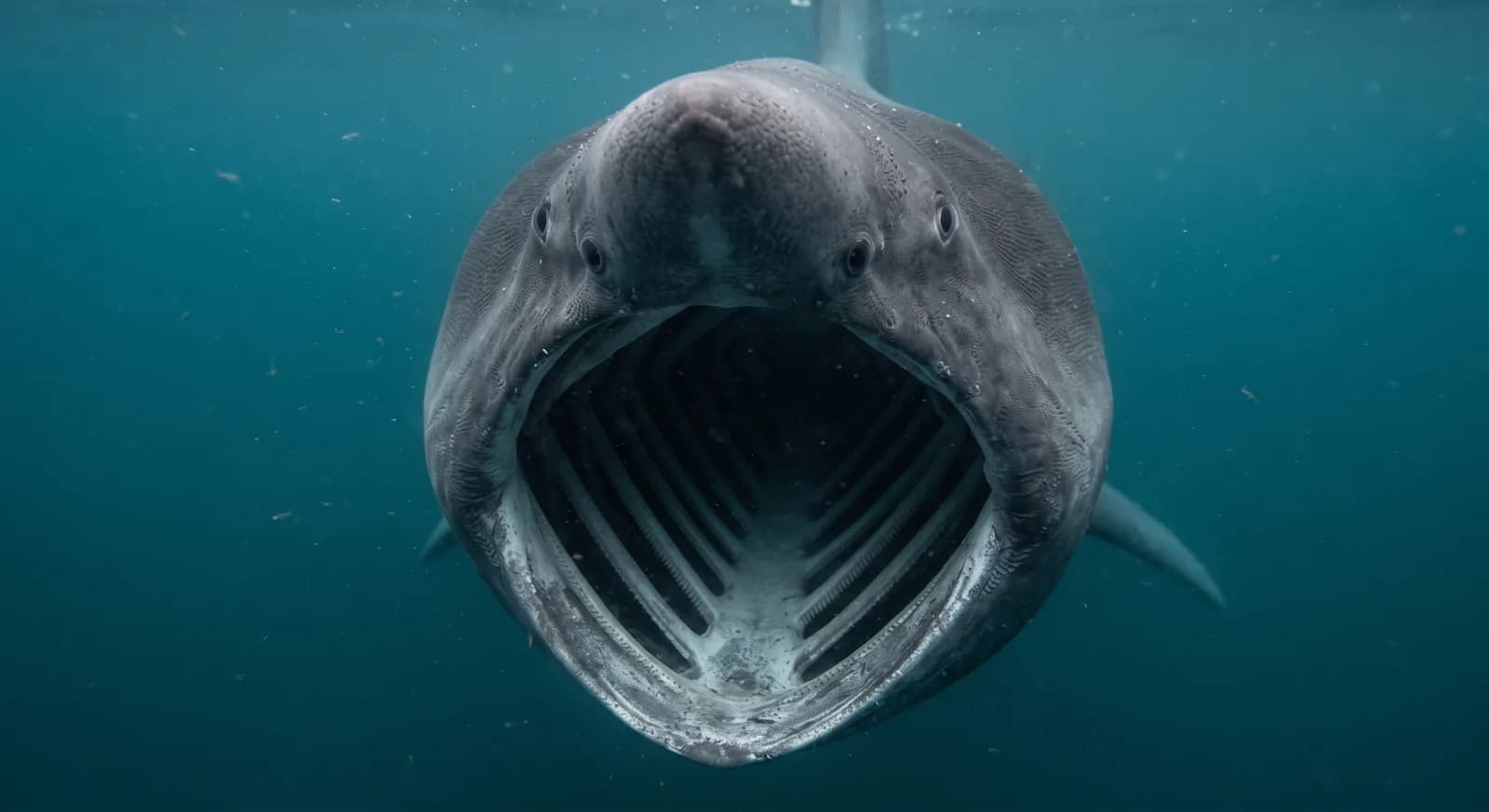 Endangered
Basking Shark
Cetorhinus maximus
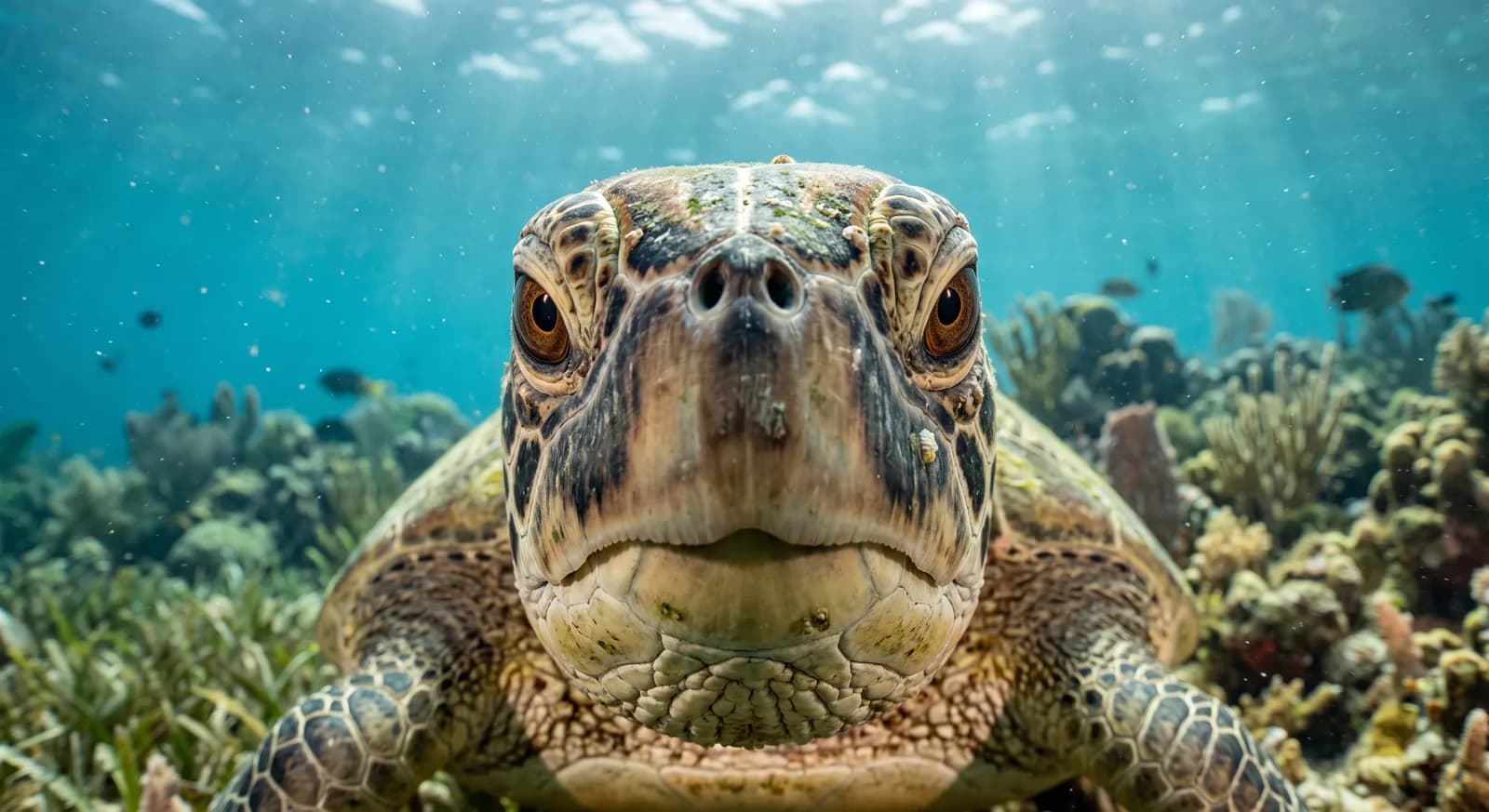 Endangered
Green Turtle
Chelonia mydas
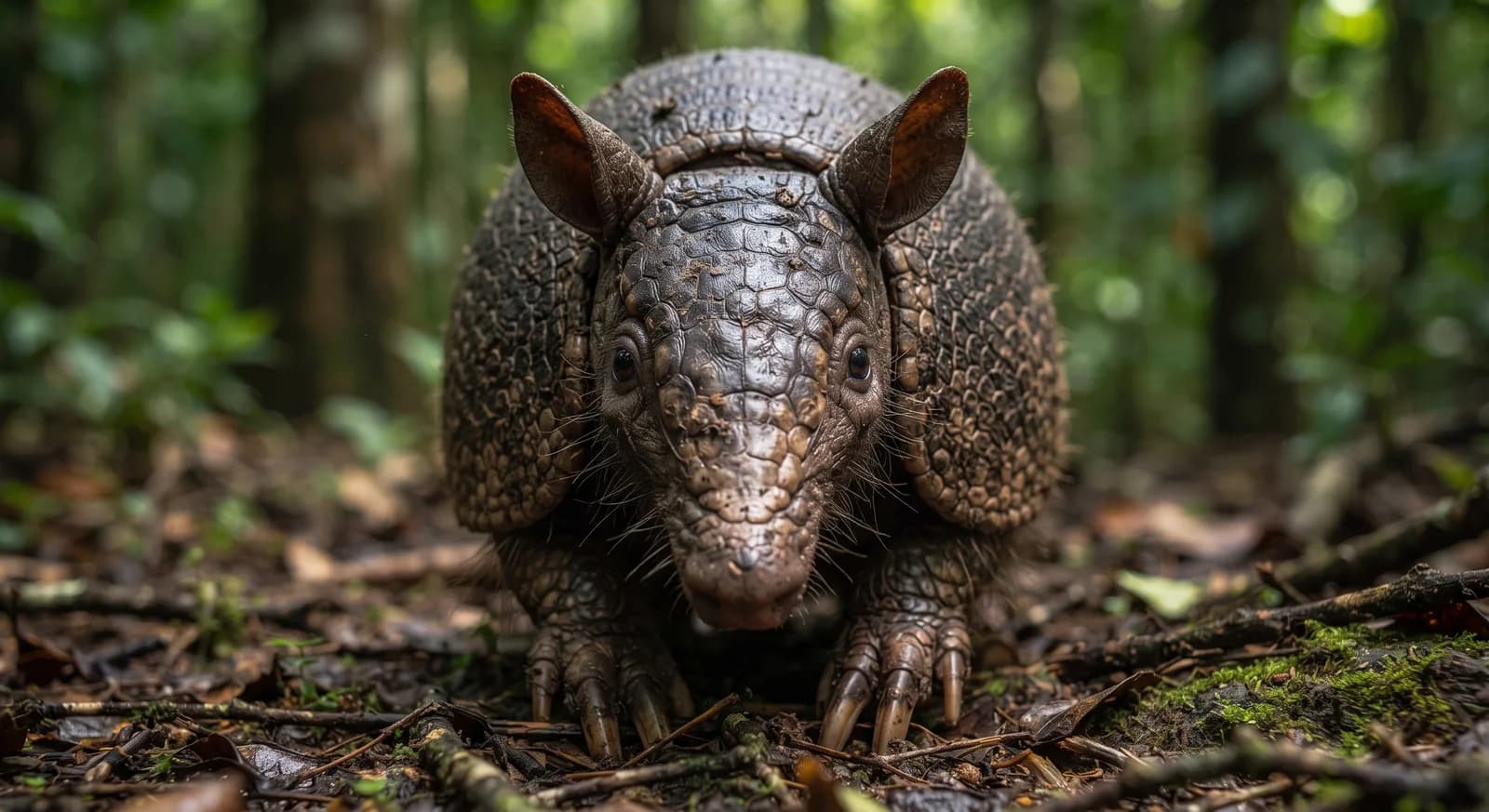 Vulnerable
Giant Armadillo
Priodontes maximus
Keep exploring
Based on what we already know about Suriname.