One of the 17 dolphins on WAnimals
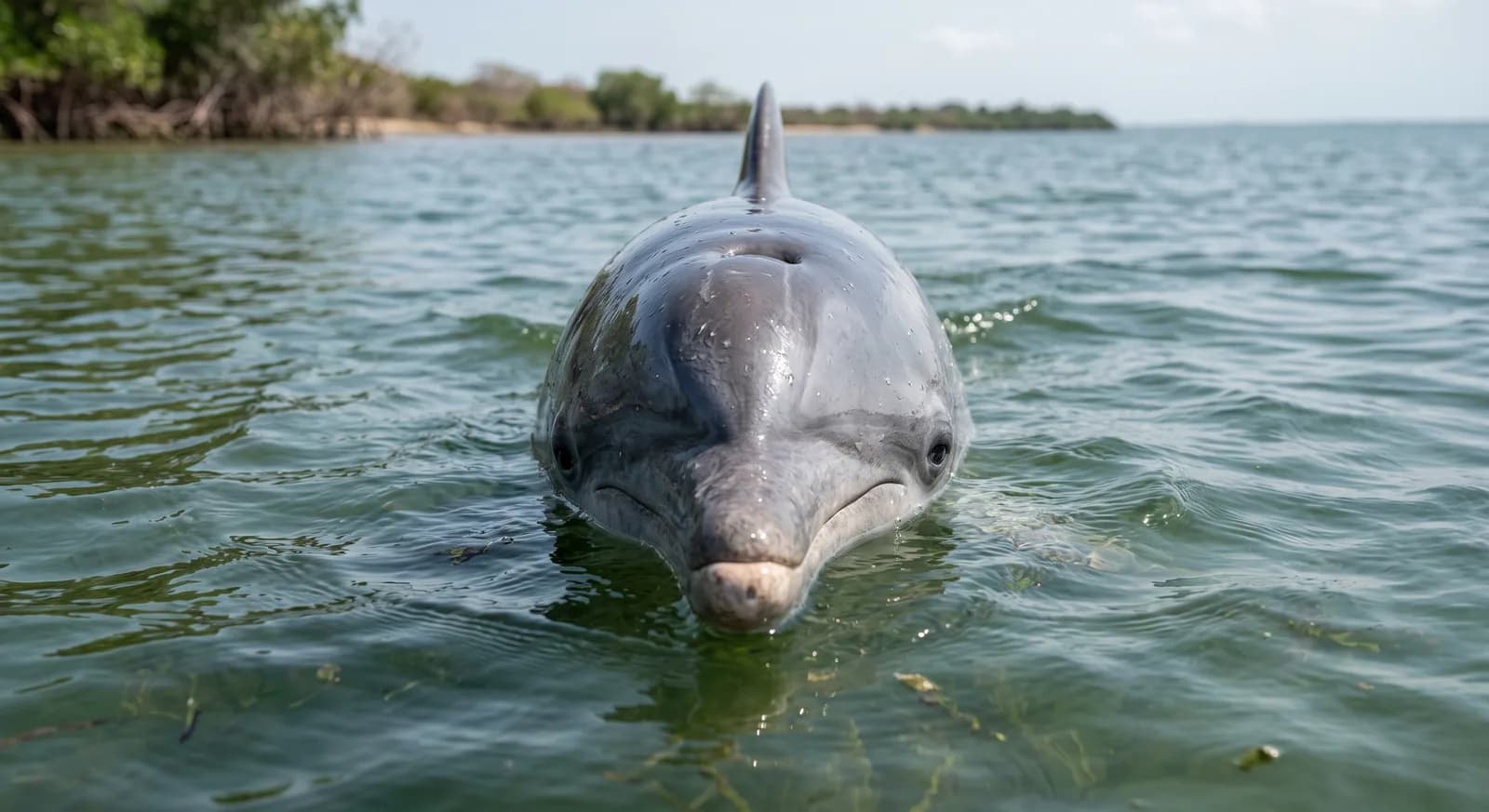
Mammals · Artiodactyla · Delphinidae
Atlantic Humpback Dolphin
Sousa teuszii
It faces an extremely high risk of imminent extinction in the wild. See full glossary
The Atlantic humpback dolphin is one of the most threatened cetaceans in the world. It lives hard against the West African coast, almost always less than three kilometres from land and in water under twenty metres deep, which exposes it directly to artisanal fishing nets. It owes its name to an elongated hump on the back on which a small dorsal fin sits. Its subpopulations are highly fragmented and some are already down to a few dozen animals.
Weight
100 kg – 150 kg
Size
2 m – 2.5 m
Lifespan
40 years
Diet
Carnivore
Feeds mainly on other animals.
Activity
Diurnal
Active mainly during the day.
Sighting difficulty
Very hard
Estimated population
Fewer than 1,500 mature individuals, spread across very small, isolated subpopulations
Fun facts
- On the Banc d'Arguin in Mauritania, cooperative fishing has been documented between these dolphins and the Imraguen fishermen, who beat the water with sticks so that the dolphins drive the mullet shoals towards the nets.
- It is a strictly coastal cetacean: it almost never ventures more than a few kilometres from shore, which makes it the large cetacean most exposed to human activity in Africa.
Life cycle & biology
- Skeleton type
- Vertebrate - internal bony skeleton (mammal)
- Habitat & environment
- Very shallow coastal waters, estuaries and mangroves of the African Atlantic coast
- Gestation / incubation
- 11 months
- Litter / clutch size
- 1
Sources consulted: https://www.iucnredlist.org/ | https://animaldiversity.org/ | https://es.wikipedia.org/
Where to find it
See its range on the interactive mapWhere to watch it
Parks and dive sites where this species has been documented.
Related species
Other species in the catalogue with the most in common with Atlantic Humpback Dolphin — same habitat, park, country, tags or family.
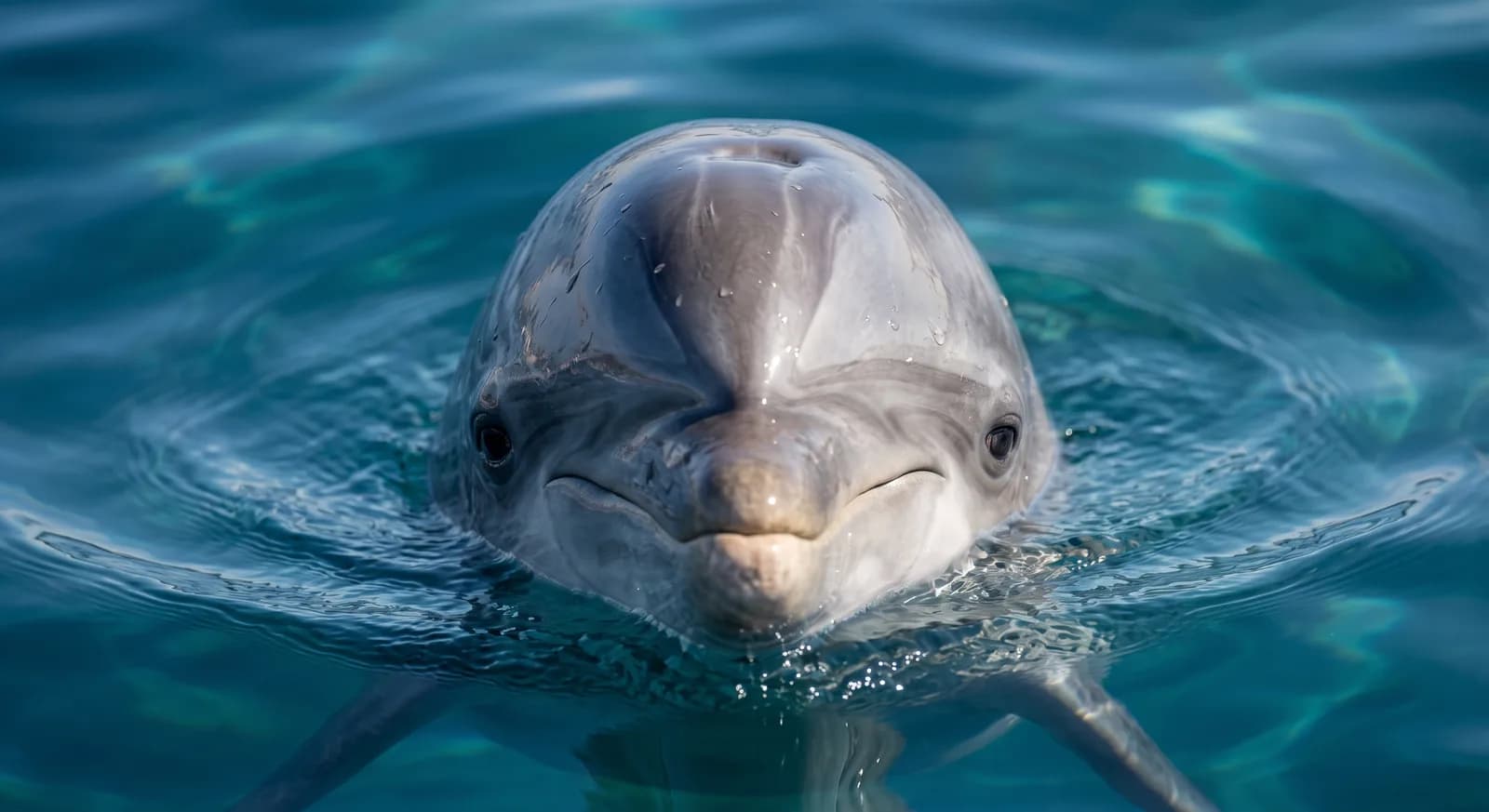 Least Concern
Bottlenose Dolphin
Tursiops truncatus
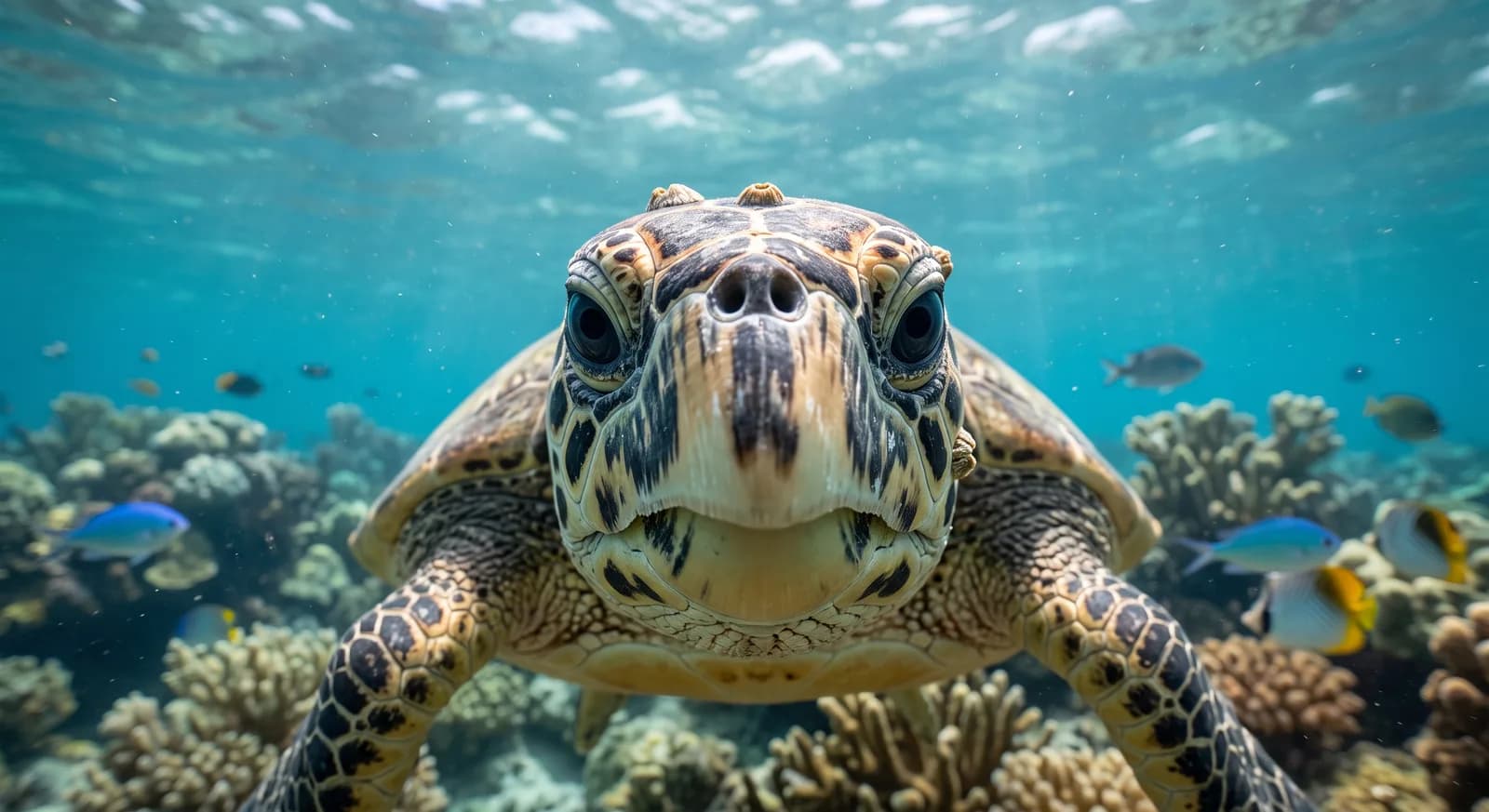 Critically Endangered
Hawksbill Turtle
Eretmochelys imbricata
Skipjack
Katsuwonus pelamis
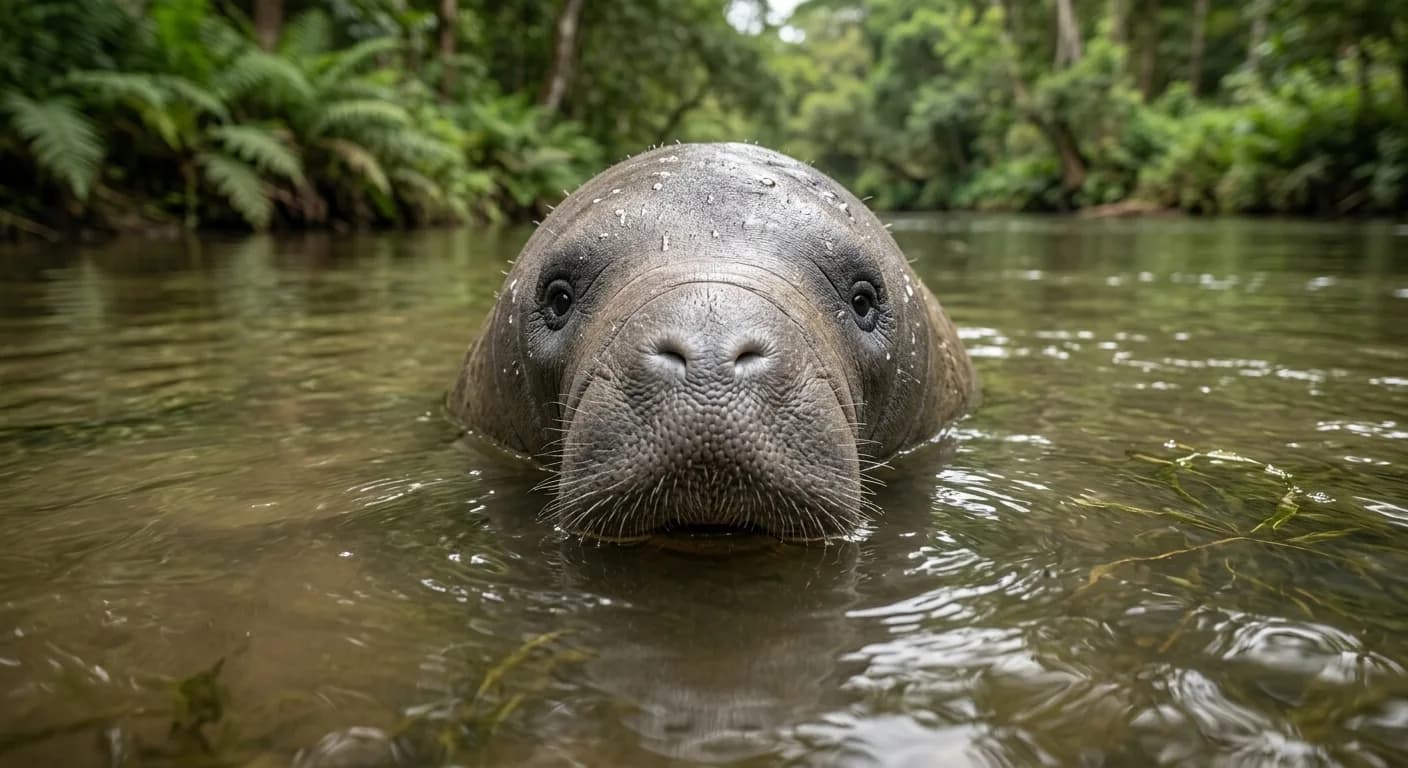 Vulnerable
African Manatee
Trichechus senegalensis
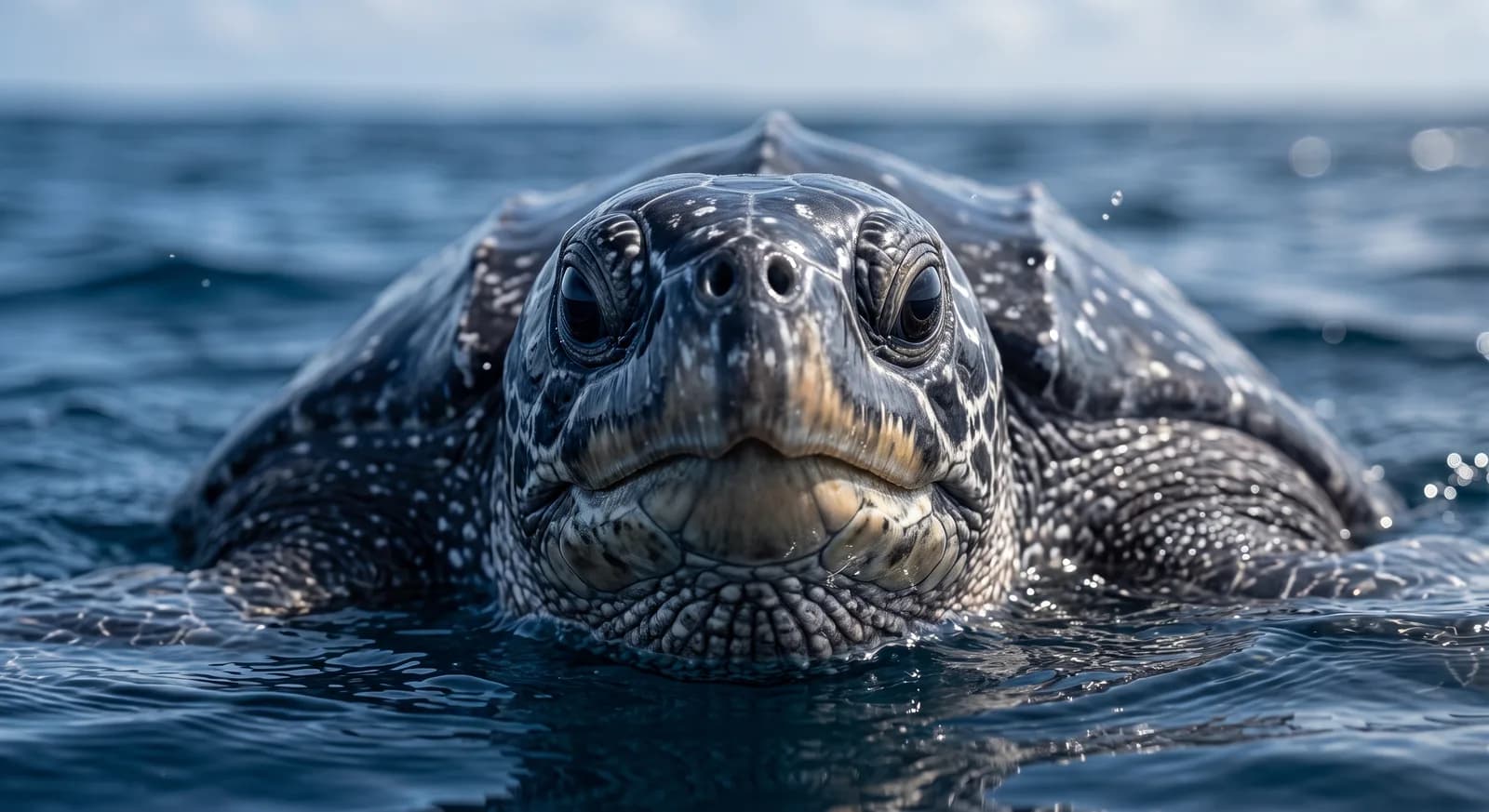 Vulnerable
Leatherback Sea Turtle
Dermochelys coriacea
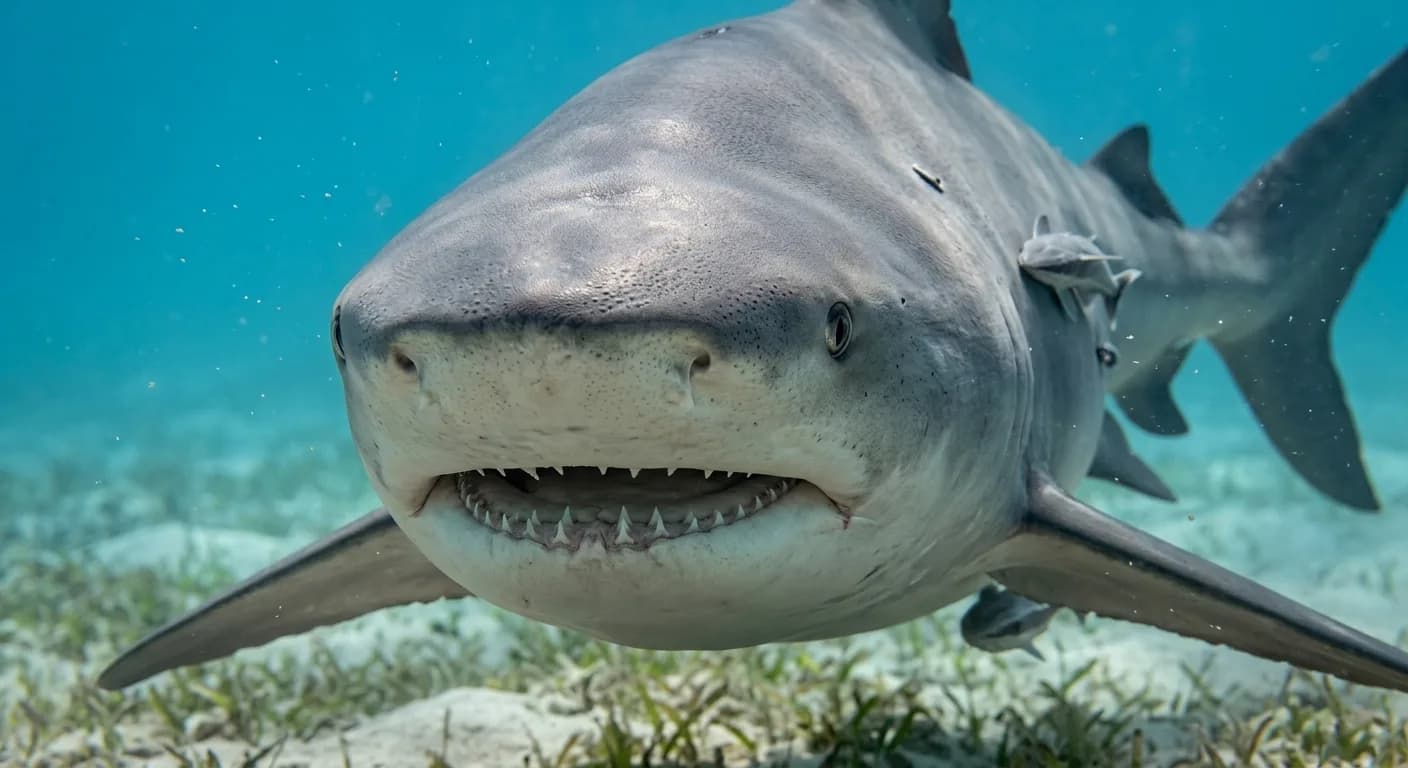 Near Threatened
Bull Shark
Carcharhinus leucas
How to help
The atlantic humpback dolphin is classified as critically endangered. Organizations such as UICN, WWF y Wildlife Conservation Society work specifically on its conservation and that of its habitat; looking into their programs is a good starting point if you want to get involved.
It's documented in 4 real protected areas — part of why protecting these places matters for its conservation.
Keep exploring
Based on what we already know about atlantic humpback dolphin.
Comments
Share an experience, a fun fact or a tip for seeing the atlantic humpback dolphin.
Be the first to comment.