Ghana
África
Ghana is arranged from south to north in belts: the Atlantic coast with lagoons, mangroves and turtle nesting beaches; the rainforest of the southwest, an extension of the Upper Guinean block; the transition zone of the centre; and the Sudanian and Guinean savannahs of the north, where Mole park lies, the country's largest, with savannah elephants, buffalo, antelopes and baboons. Lake Volta, created by the Akosombo dam, is one of the largest reservoirs in the world by surface area and has transformed the ecology of the river. At Kakum, a suspended walkway allows the forest canopy to be crossed tens of metres above the ground, and the coastal lagoons of Keta and Songor are Ramsar sites with concentrations of terns and migratory waders.
The nature of Ghana
National animal: The eagle, represented on the national coat of arms
Did you know?
At the Boabeng-Fiema sanctuary, two villages in the centre of the country have protected for centuries the colobus and mona monkeys that live among their houses and in the adjoining sacred grove. Local custom holds these animals sacred, forbids killing them and goes as far as holding funerals when one dies and burying it in a cemetery of its own, a case of conservation based on traditional belief that long predates any environmental law.
Biodiversity profile
Climate
- •Tropical humedo (Af/Am) en el sur
- •Tropical con estacion seca (Aw) en el norte, transicion hacia la sabana sudanesa
Main biomes
- •Bosques Guineanos Orientales (selva tropical de tierras bajas, sur y suroeste)
- •Mosaico de bosque-sabana guineano (centro)
- •Sabana sudanesa (norte)
- •Bosque húmedo de Alta Guinea
- •Sabana sudanesa arbolada
- •Laguna costera
- •Manglar atlántico
- •Embalse continental
- •Bosque sagrado
- •Bosque de galería
Marine and coastal ecosystems
- •Costa del Golfo de Guinea con manglares y lagunas costeras
- •Lago Volta (uno de los mayores lagos artificiales del mundo por superficie)
Flagship wildlife
- •Elefante de bosque africano
- •Chimpance occidental
- •Manati de Africa Occidental
- •Antilopes de sabana en el norte (parque de Mole)
- •Colobo blanco y negro
- •Cercopiteco mona
- •Elefante africano de sabana
- •Búfalo cafre
- •Hipopótamo
- •Manatí africano
- •Tortuga laúd
- •Cocodrilo del Nilo
- •Águila pescadora africana
- •Antílope jeroglífico
Notable endemic species
- •Los Bosques Guineanos Orientales, que se extienden de Costa de Marfil a Ghana, albergan mas de 8.000 especies de plantas vasculares, 780 de aves, 1.000 de mamiferos (mayoritariamente primates), 200 de reptiles y numerosas especies de peces
Notable threatened species
- •Chimpance occidental (En Peligro Critico)
- •Elefante de bosque africano (En Peligro Critico)
- •Manati de Africa Occidental (Vulnerable)
Notable protected areas
- •Parque Nacional de Mole (mayor parque de Ghana, sabana y grandes mamiferos)
- •Parque Nacional Kakum (dosel de selva tropical, pasarela de copas de arboles)
- •Parque Nacional de Kakum
- •Santuario de Monos de Boabeng-Fiema
- •Parque Nacional de Ankasa
- •Sitio Ramsar de la Laguna de Keta
- •Parque Nacional de Bui
Main conservation threats
- •Tala, expansion agricola y mineria ilegal (galamsey) en zonas de bosque tropical
- •Caza furtiva de elefantes y primates
- •Perdida de habitat de sabana por expansion agricola en el norte
Conservation
The sacred groves protected by traditional rules work as biodiversity refuges in heavily transformed landscapes. Artisanal gold mining pollutes rivers and degrades forest in the southwest.
Where and when to watch wildlife
Mole between December and April for elephants at the waterholes. Boabeng-Fiema year-round for colobus and mona monkeys. Kakum at dawn from the canopy walkway for forest birds.
Sources: WorldAtlas - Ecological Regions of Ivory Coast (referencia a Bosques Guineanos Orientales compartidos) | PARCC - Identification priority areas biodiversity conservation West Africa
Parks and reserves
Países similares
¿A dónde más podría interesarme viajar?
Misma región: África Occidental
Misma región: África Occidental
Misma región: África Occidental
Misma región: África Occidental
Especies documentadas en Ghana
252 species found
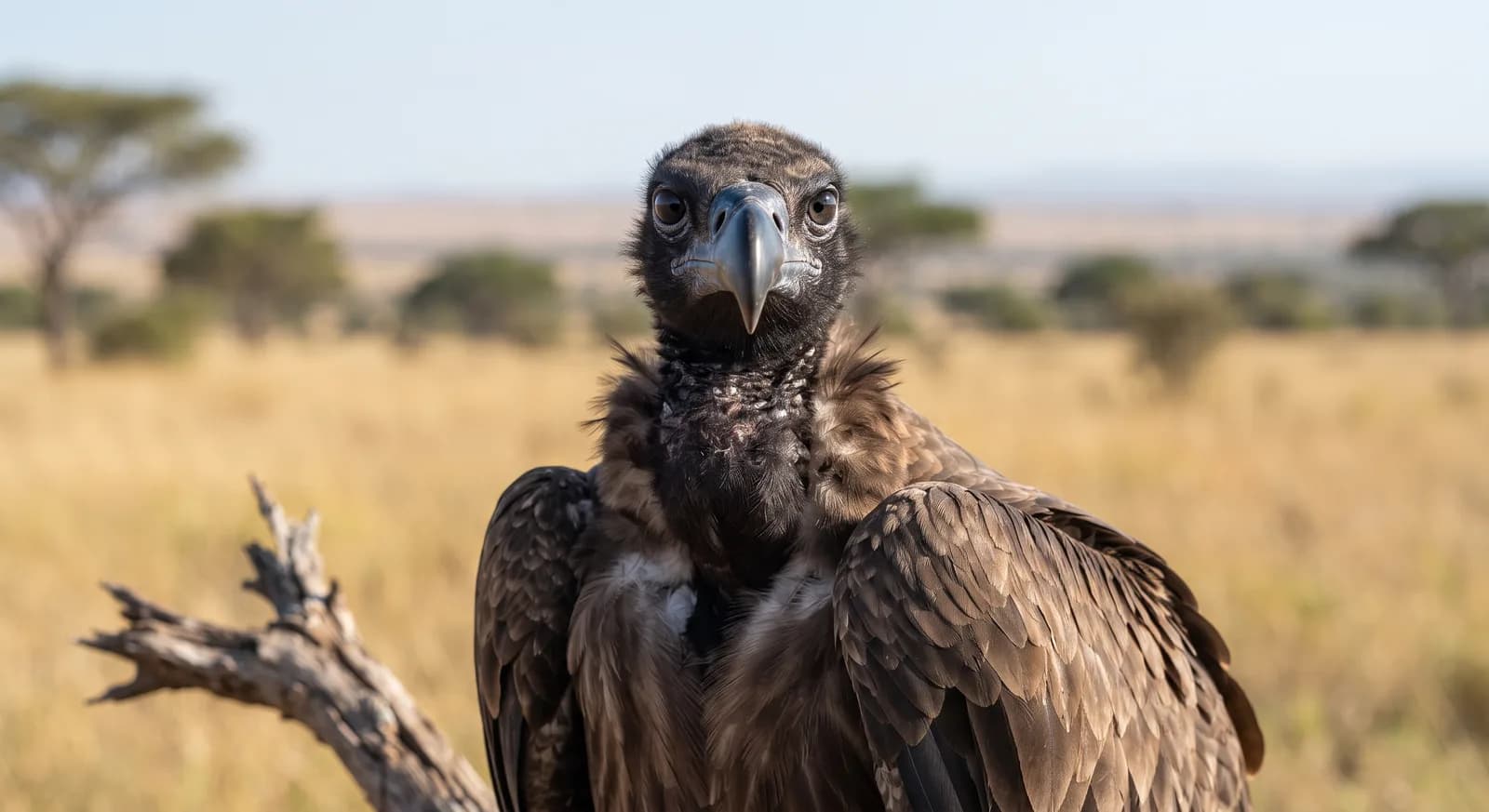 Critically Endangered
White-backed Vulture
Gyps africanus
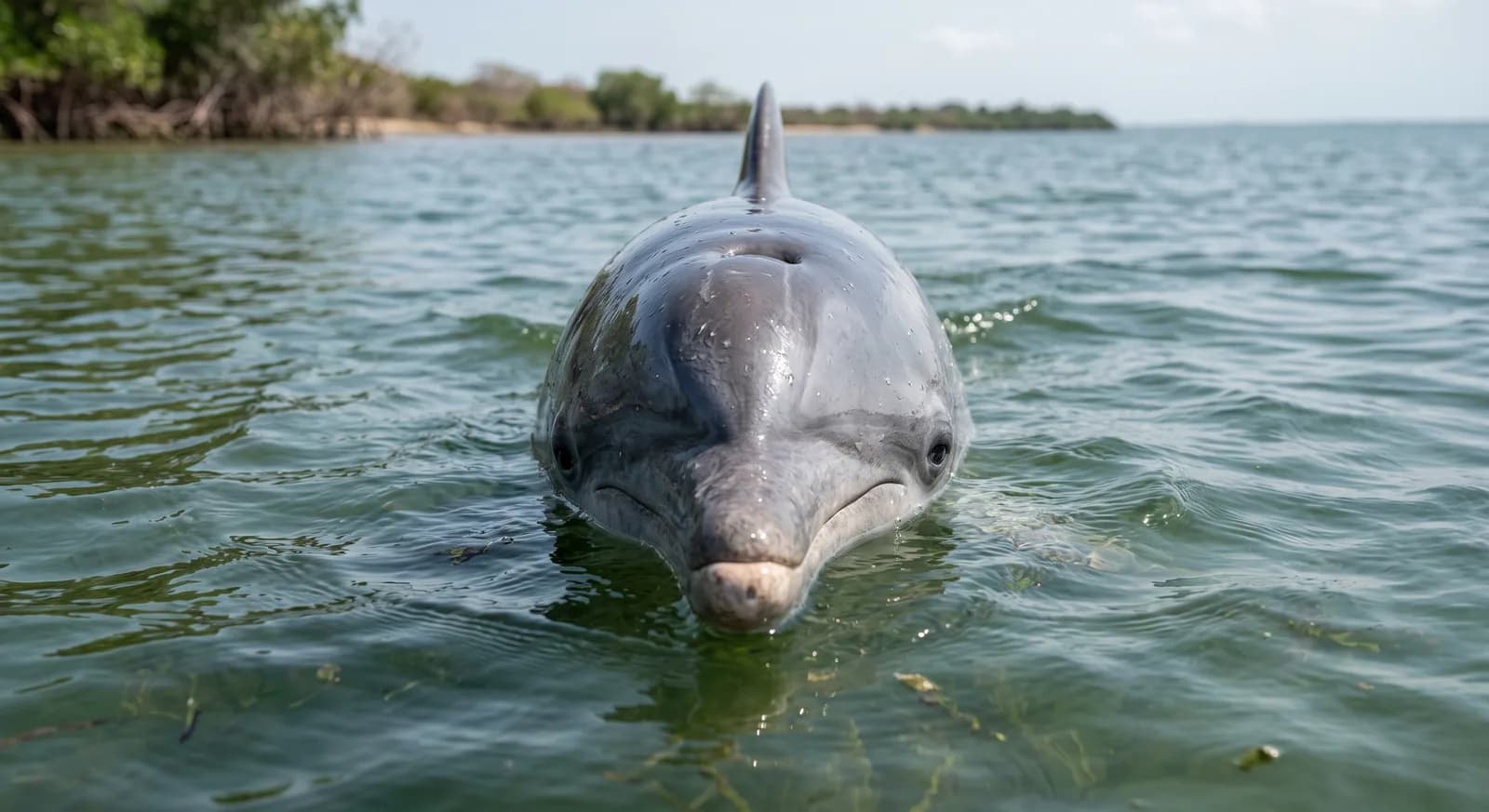 Critically Endangered
Atlantic Humpback Dolphin
Sousa teuszii
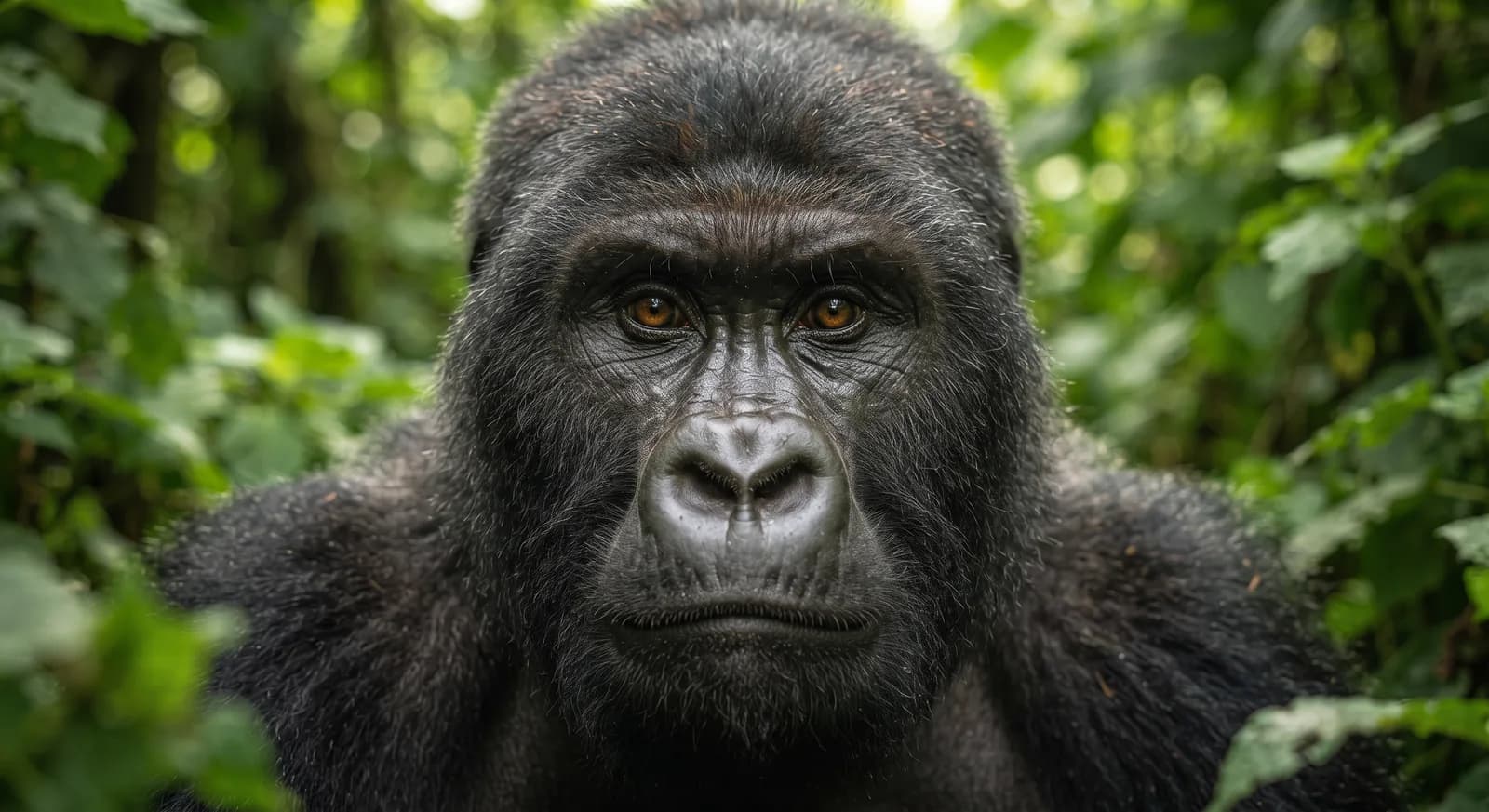 Critically Endangered
Western Gorilla
Gorilla gorilla
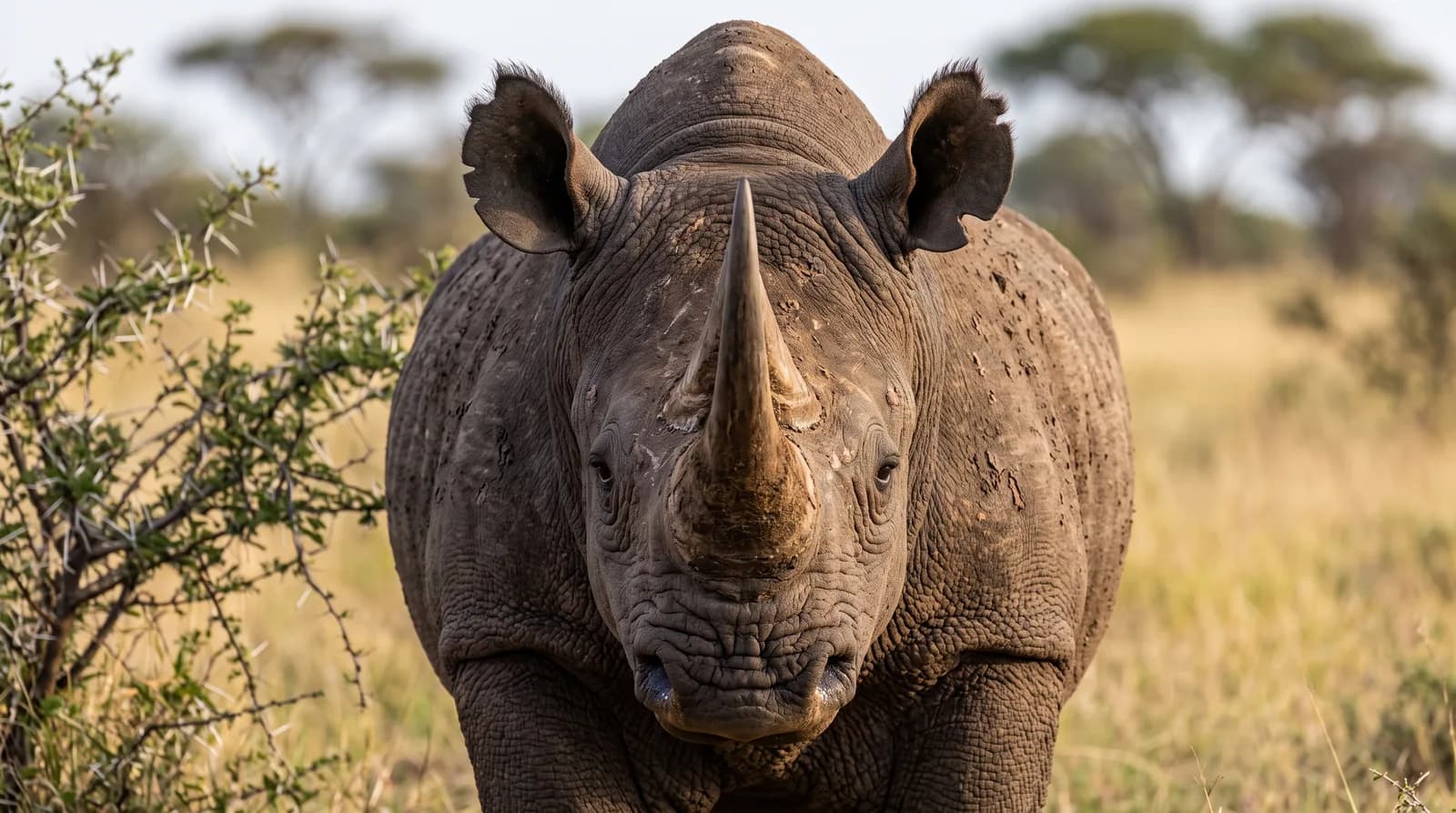 Critically Endangered
Black Rhinoceros
Diceros bicornis
 Endangered
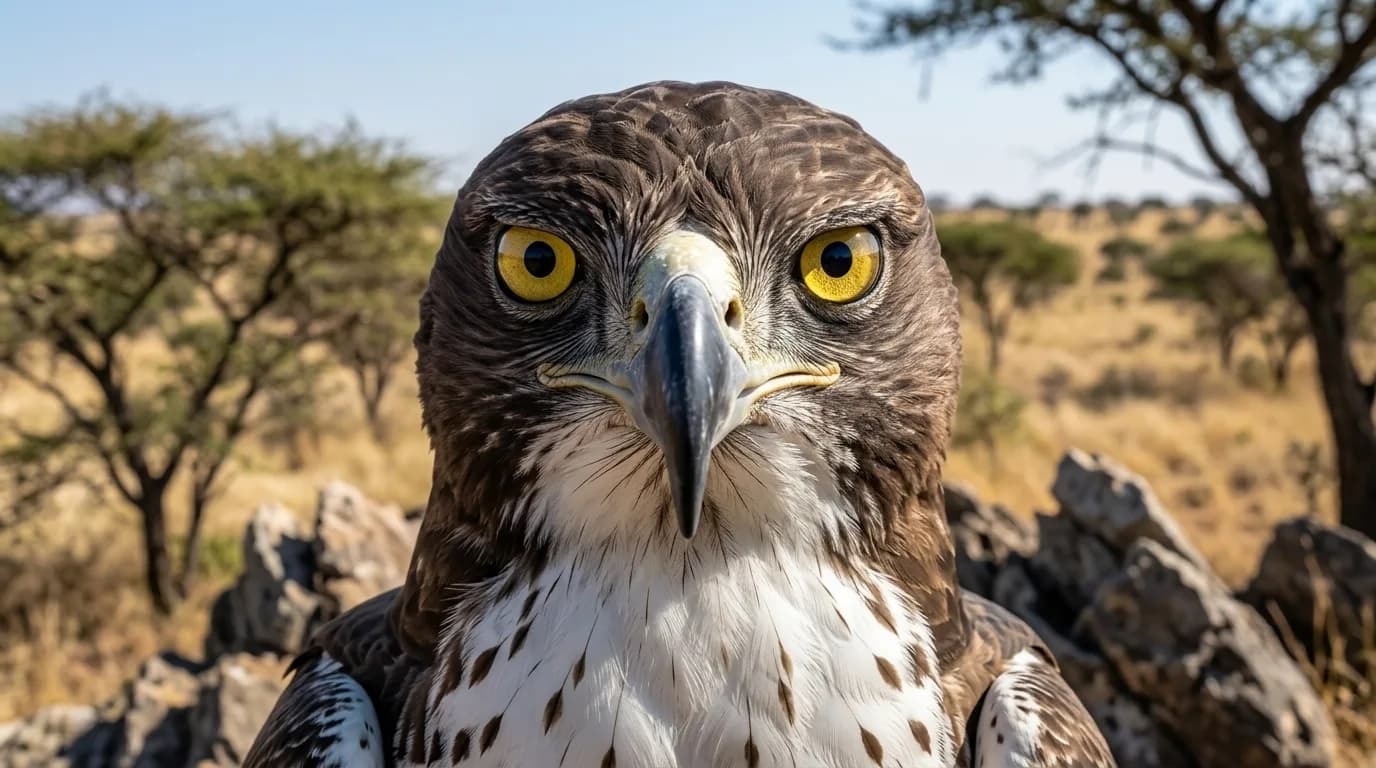
Martial Eagle
Polemaetus bellicosus
 Endangered
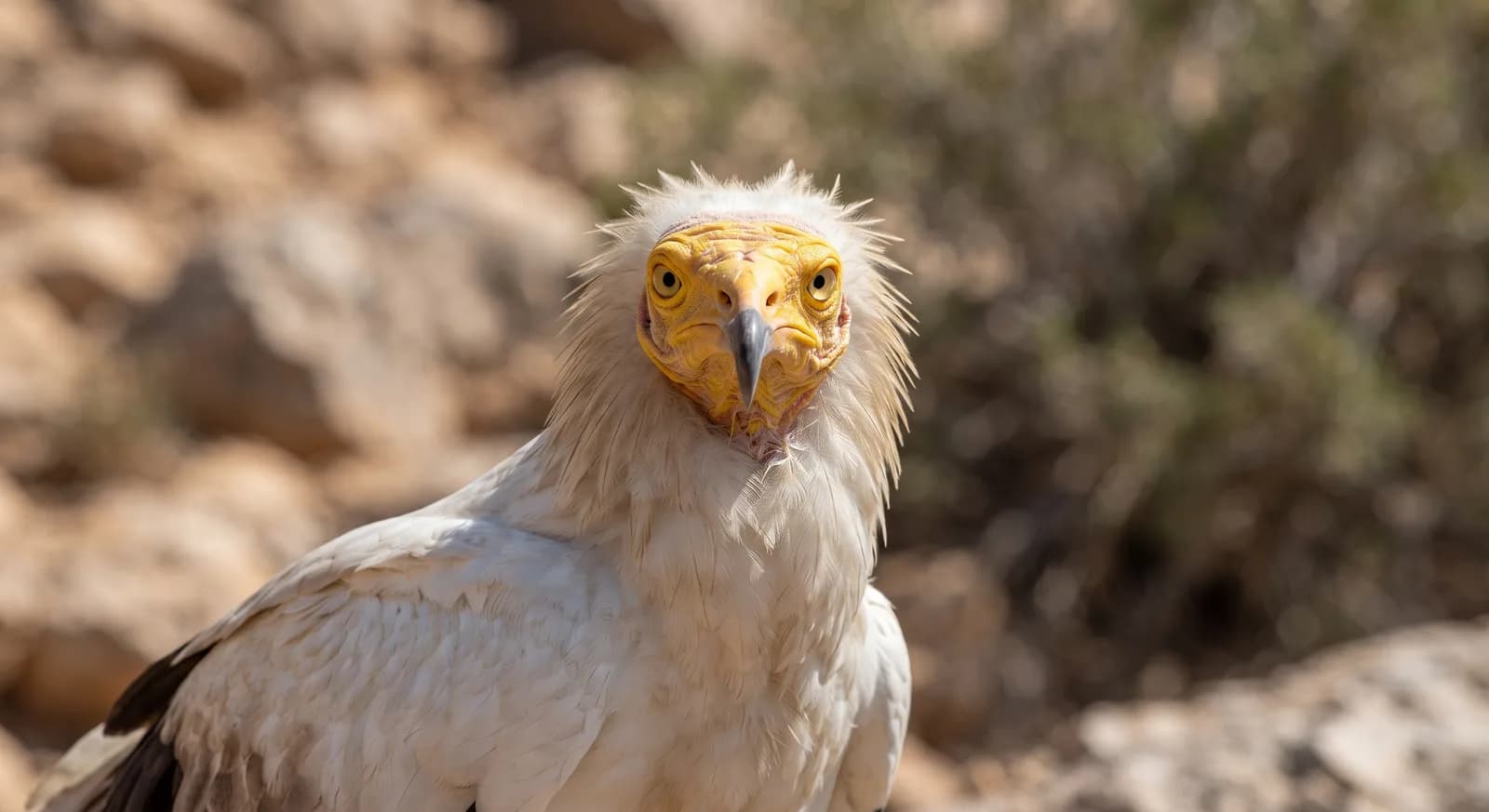
Egyptian Vulture
Neophron percnopterus
 Endangered
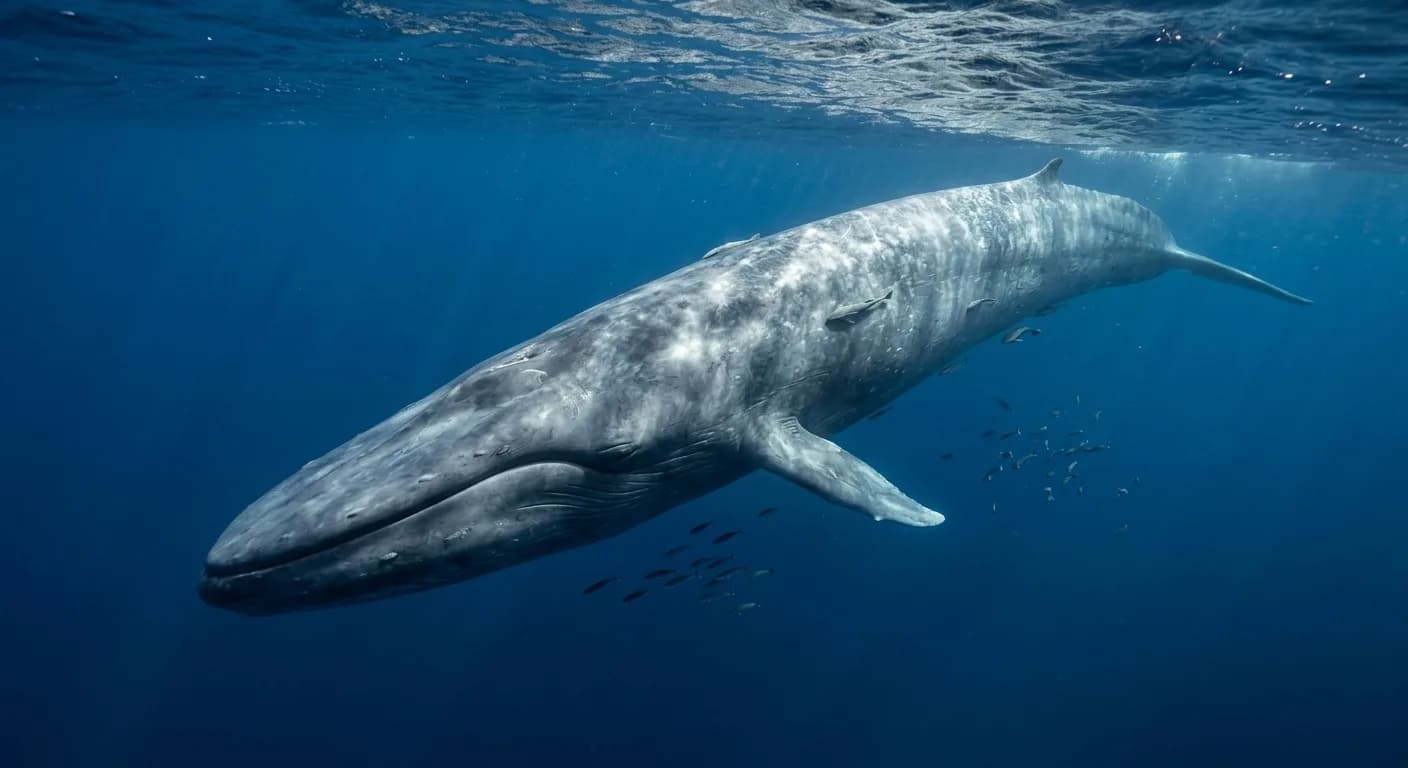
Blue Whale
Balaenoptera musculus
 Endangered
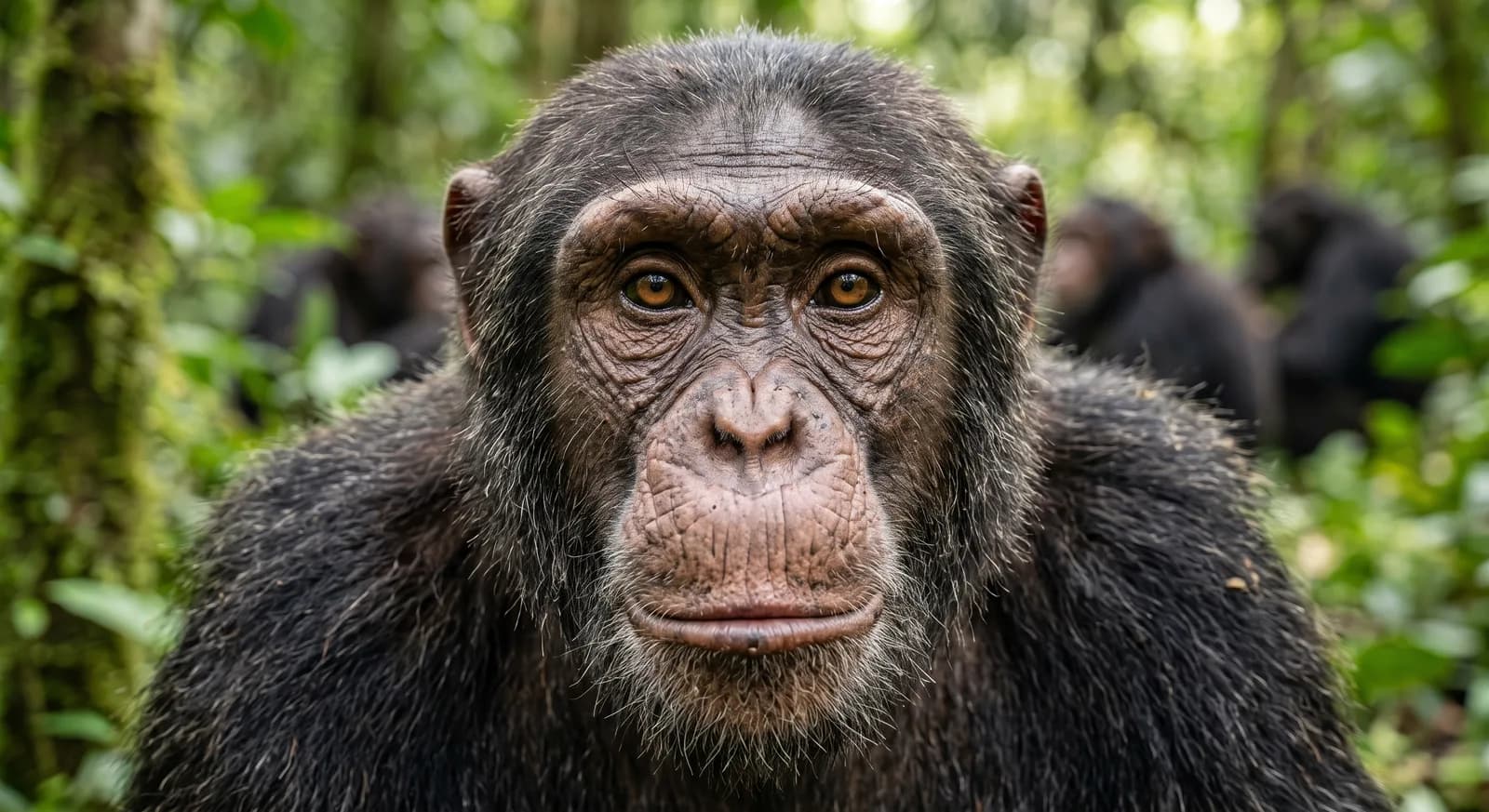
Chimpanzee
Pan troglodytes
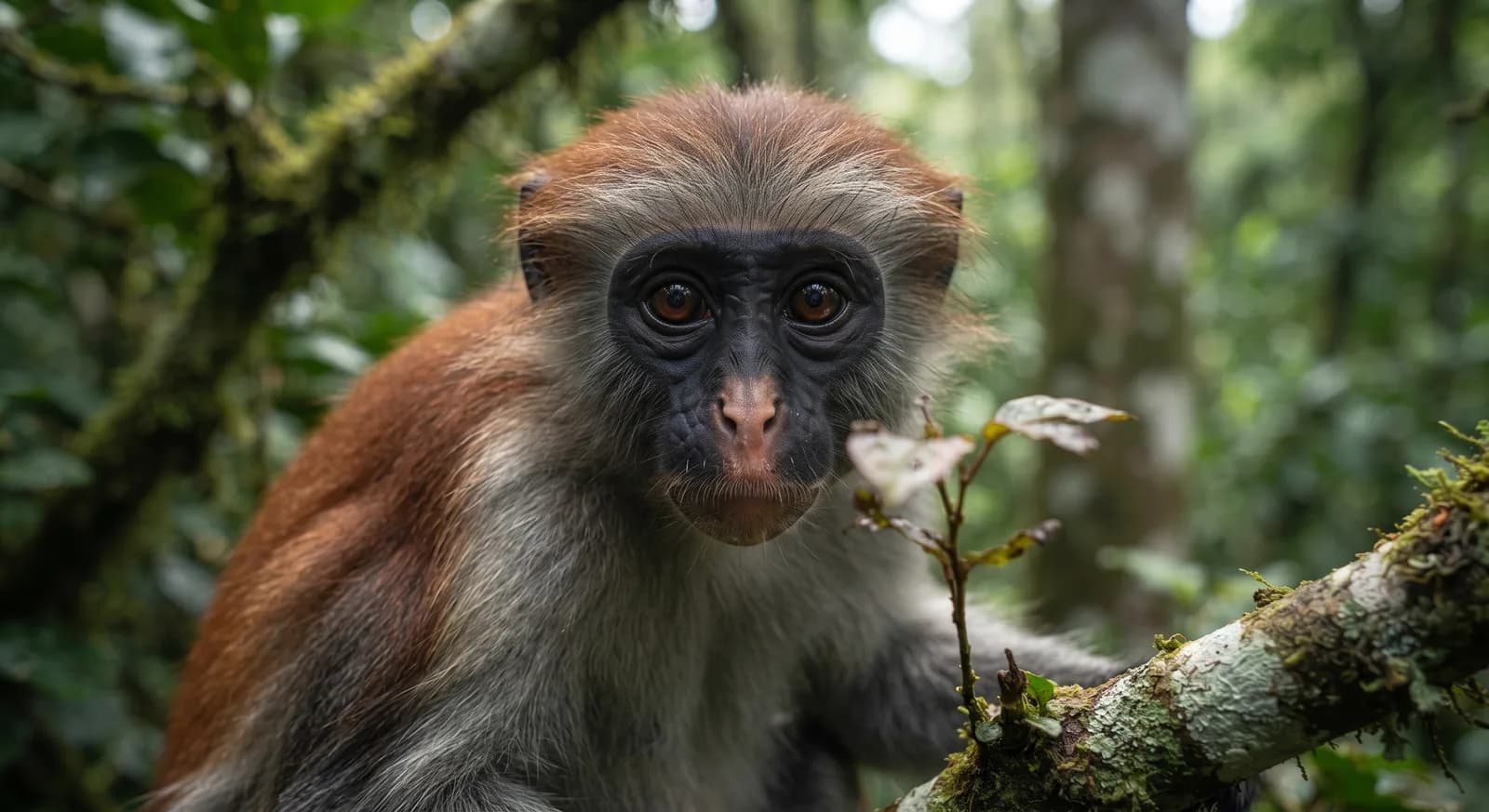 Endangered
Western Red Colobus
Piliocolobus badius
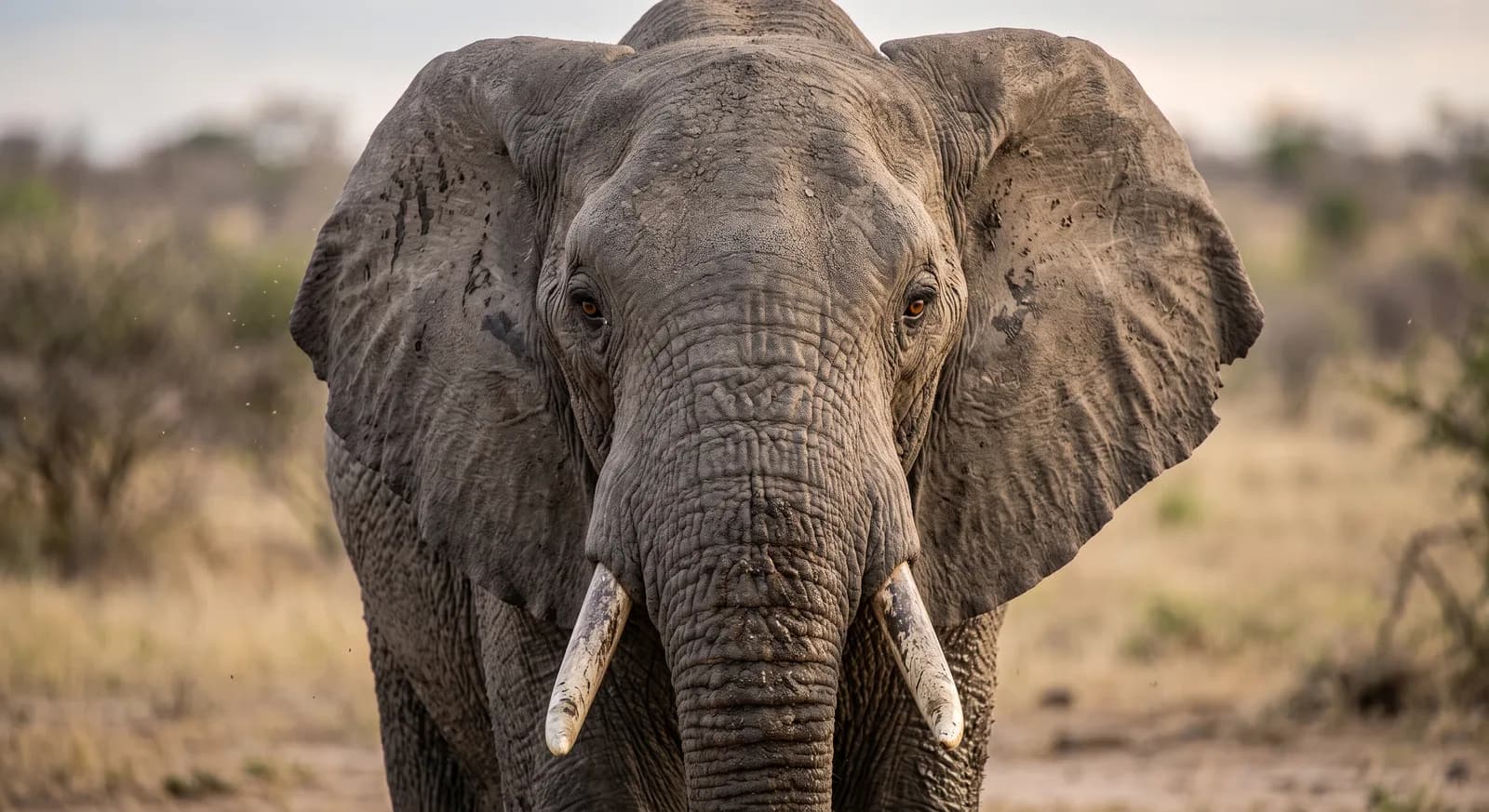 Endangered
African Savanna Elephant
Loxodonta africana
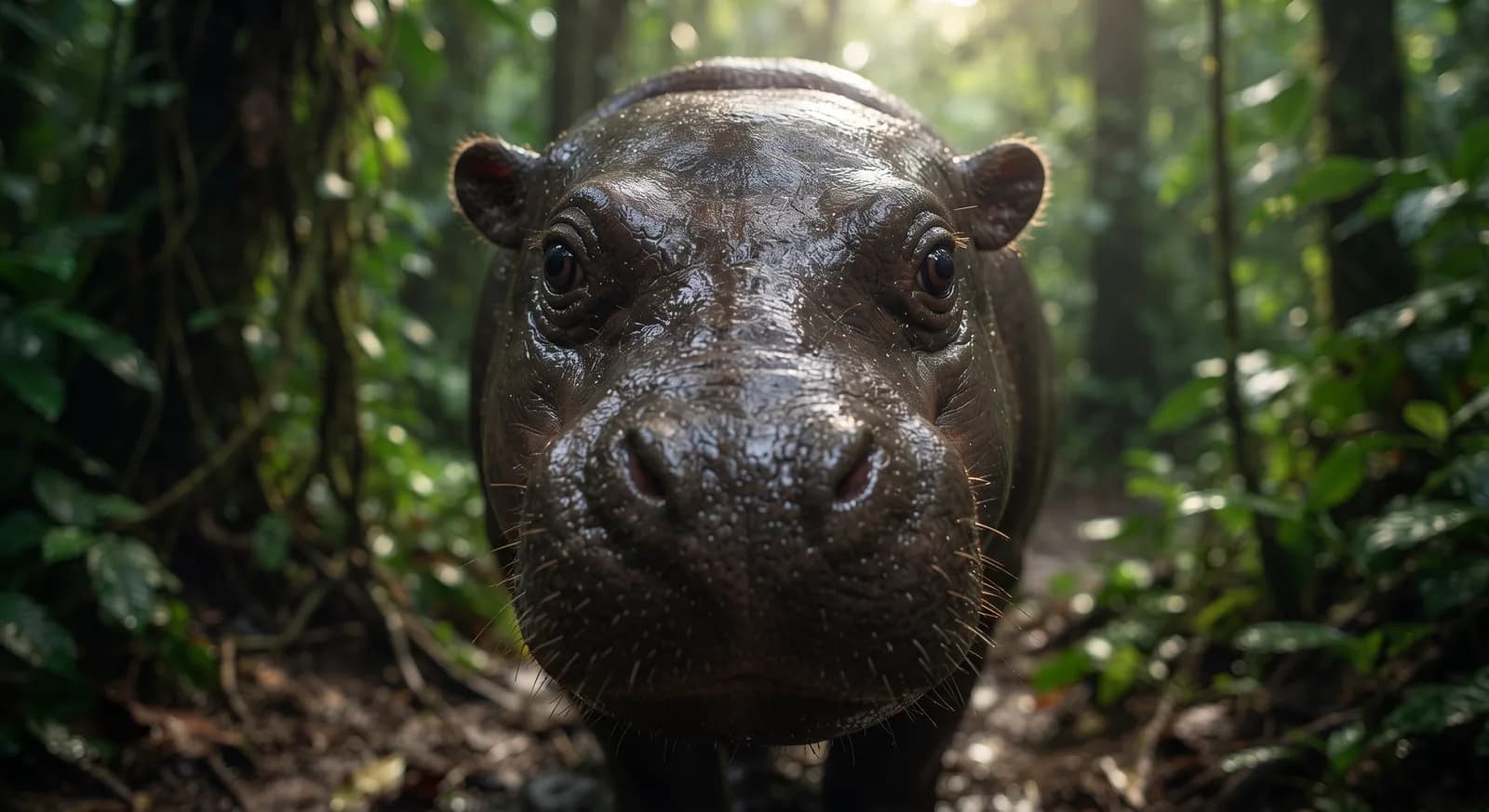 Endangered
Pygmy Hippopotamus
Choeropsis liberiensis
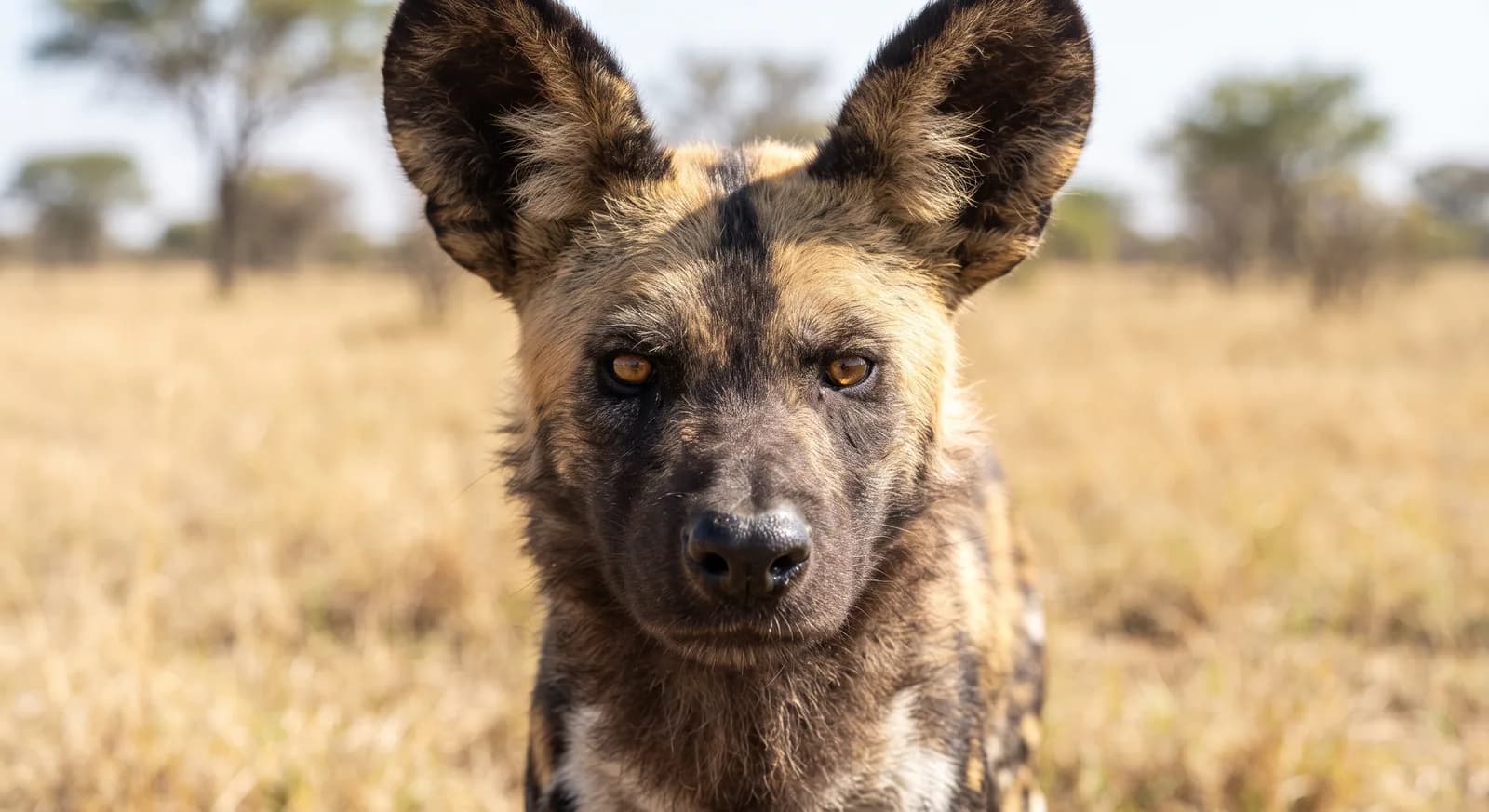 Endangered
African Wild Dog
Lycaon pictus
Keep exploring
Based on what we already know about Ghana.