Mammals · Carnivora · Canidae
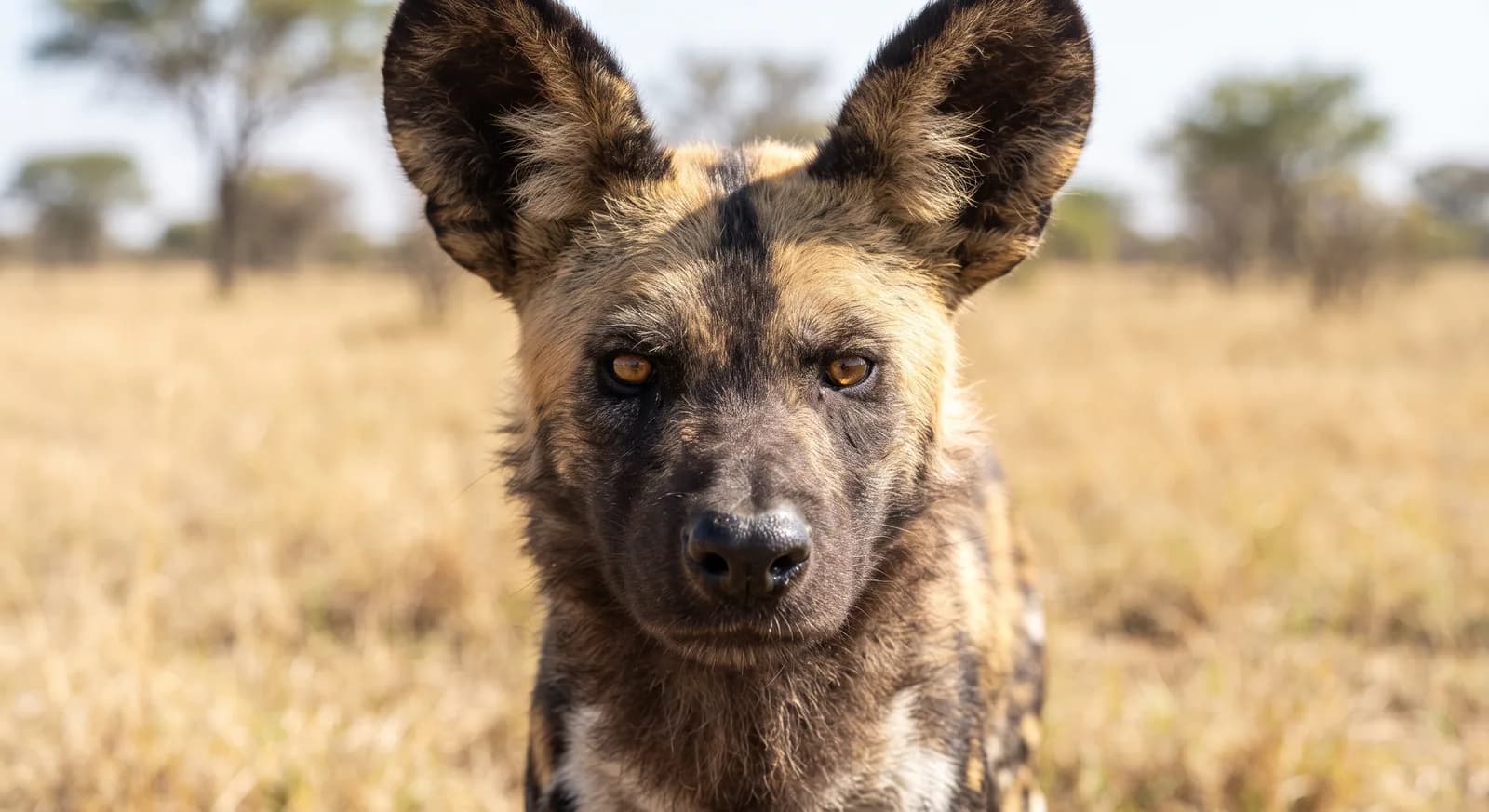
African Wild Dog
Lycaon pictus
It faces a very high risk of extinction in the wild in the near future. See full glossary
It has one of the most cooperative social systems of any carnivore: normally only the alpha pair breeds, but the whole pack helps raise the pups.
Weight
18 kg – 36 kg
Size
75 cm – 1.1 m
Lifespan
10 years
Diet
Carnivore
Feeds mainly on other animals.
Activity
Diurnal
Active mainly during the day.
Social structure
Hierarchical pack
Lives in an organised hierarchical group, typical of cooperative hunters.
Sighting difficulty
Hard
Fun facts
- Its cooperative hunts succeed as often as 80% of the time, a better rate than lions or cheetahs manage.
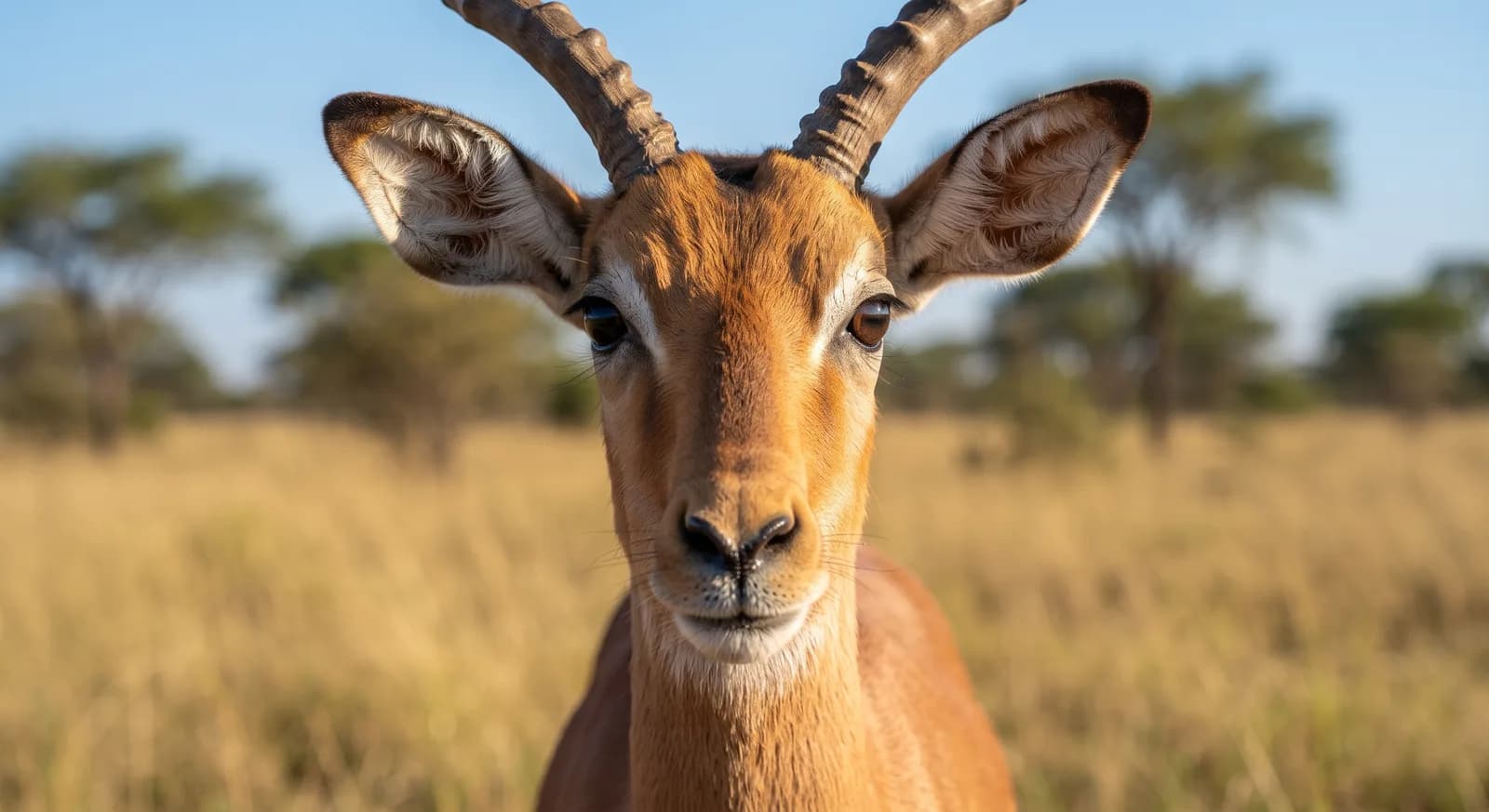
- It hunts medium-sized ungulates such as wildebeest, zebra and impala, taken cooperatively by the pack.
- Fewer than 7,000 are left in the wild.
- comportamientoIt has one of the highest hunting success rates of any large African carnivore thanks to how well the pack coordinates — better even than a lion's.
Life cycle & biology
- Skeleton type
- Vertebrate - internal bony skeleton (mammal)
- Habitat & environment
- Grassland, savanna and open woodland of sub-Saharan Africa, in an increasingly fragmented range
- Birth weight
- Born in a den, often an abandoned aardvark burrow
- Size at birth
- Born blind and helpless in the den
- Sexual maturity
- 12-18 months (though it rarely breeds until later)
- Gestation / incubation
- 69-80 days (~10 weeks)
- Litter / clutch size
- 2 to 20 pups per litter (average 6-16)
- Lifespan in captivity
- Documented record of up to 15-17 years
Sources consulted: Britannica; Encyclopedia of Life; A-Z Animals; Animal Diversity Web; Animal Corner; AnAge (genomics.senescence.info); Wildlife ACT
Where to find it
See its range on the interactive mapWhere to watch it
Parques y spots de buceo donde se ha documentado esta especie — se muestran 10 de 20 documentados.
Related species
Other species in the catalogue with the most in common with African Wild Dog — same habitat, park, country, tags or family.
Side-striped Jackal
Canis adustus
African Golden Wolf
Canis anthus
 Least Concern
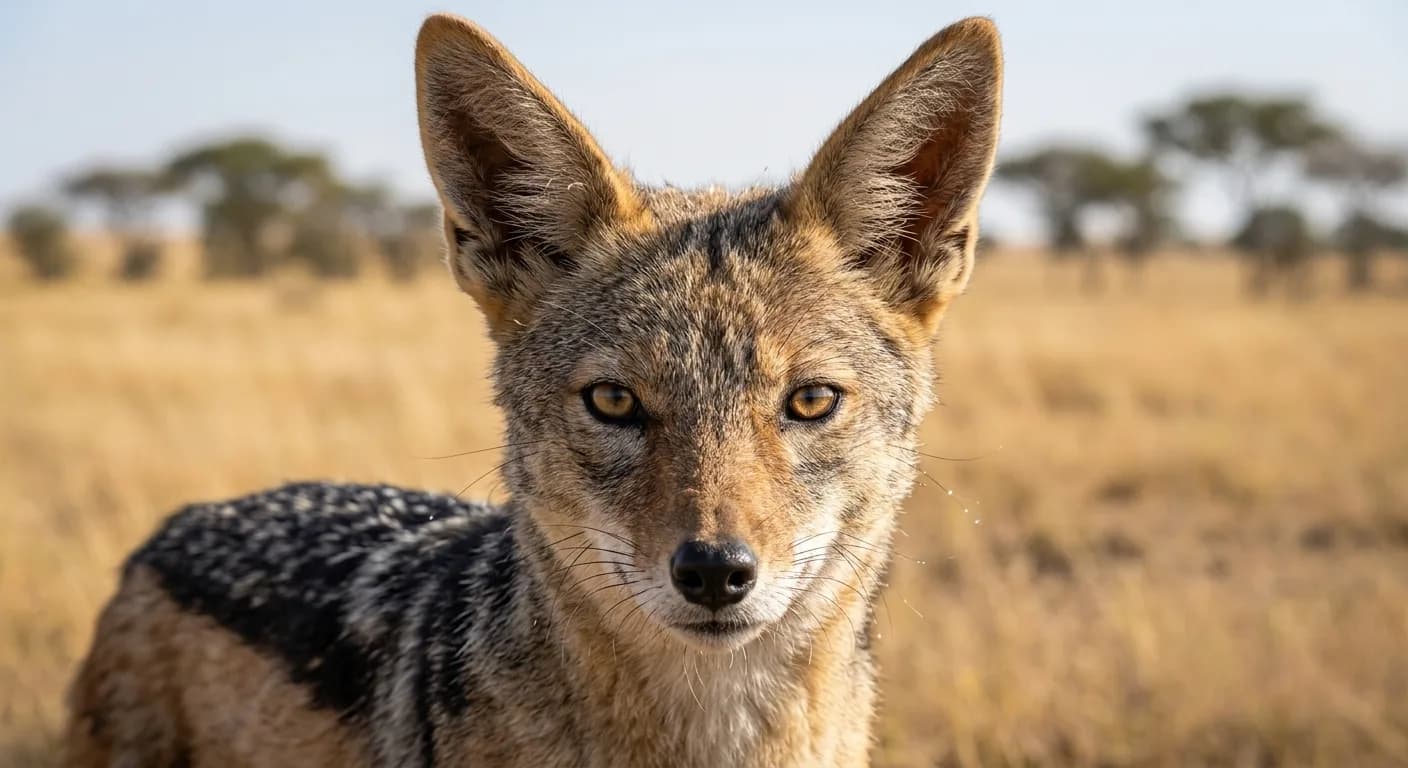
African Jackals
Lupulella mesomelas
 Endangered
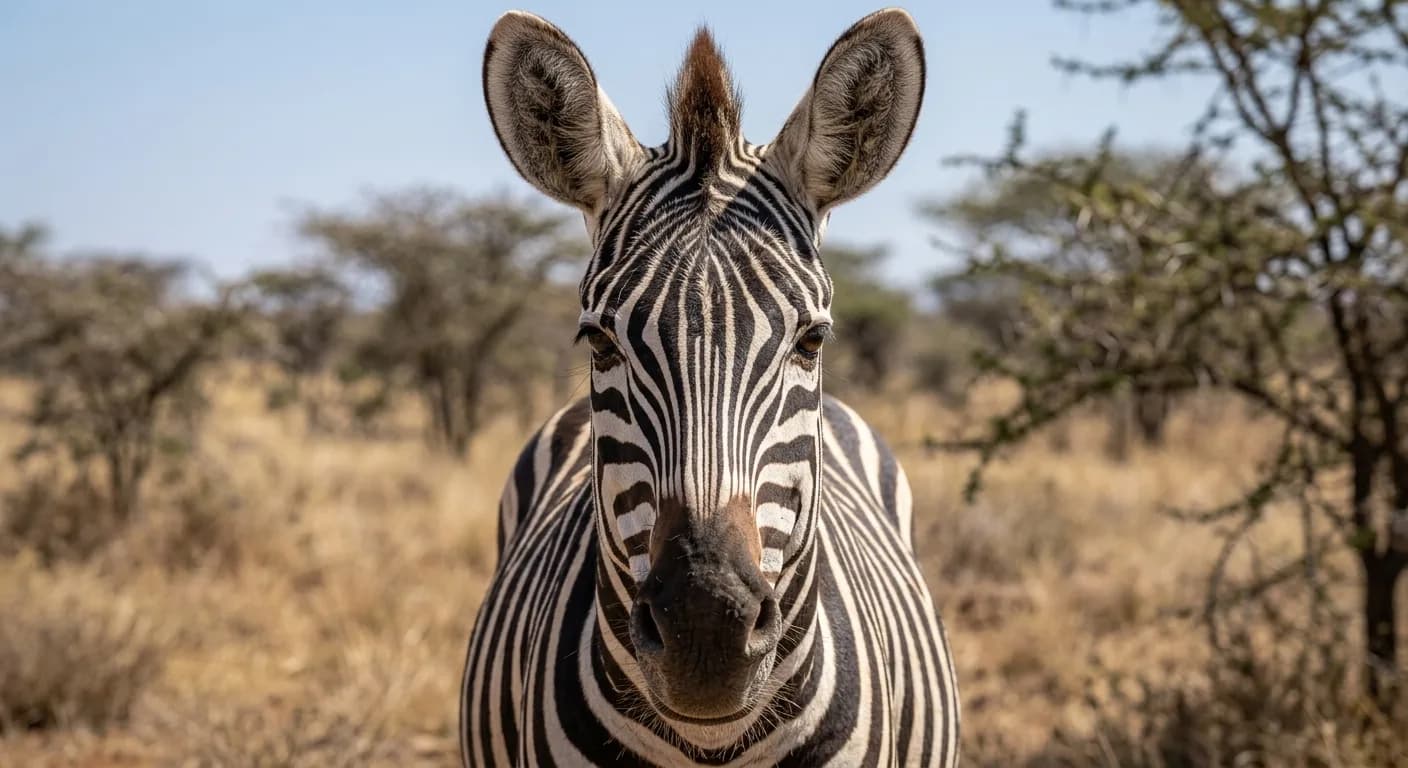
Grevy's Zebra
Equus grevyi
Secretarybird
Sagittarius serpentarius
Beisa Oryx
Oryx beisa
Ecological relationships
How African Wild Dog relates to other species in the catalogue.
How to help
The african wild dog is classified as endangered. Organizations such as UICN, WWF y Wildlife Conservation Society work specifically on its conservation and that of its habitat; looking into their programs is a good starting point if you want to get involved.
It's documented in 10 real protected areas — part of why protecting these places matters for its conservation.
Keep exploring
Based on what we already know about african wild dog.
Comments
Share an experience, a fun fact or a tip for seeing the african wild dog.
Be the first to comment.