Mauritania
África
Mauritania is an almost entirely Saharan country, with dune ergs, sandstone plateaux such as the Adrar and the Tagant, and a southern belt of Sahelian savannah beside the Senegal river. Its great natural value lies on the coast: the cold Canary Current drives an upwelling of nutrients that makes its waters one of the most productive fishing grounds on the planet. The Banc d'Arguin, a vast system of shallows, seagrass meadows and sandy islands, is one of the most important wintering quarters for waders in the world, with more than two million birds arriving from the European and Siberian Arctic. There too fish the Imraguen, a people who have developed a cooperative fishing technique in which dolphins drive the shoals of mullet towards nets set from the shore.
The nature of Mauritania
National animal: No official national animal; the dromedary is the symbolic animal of the country's culture
Did you know?
Cap Blanc, at the northern end of the Mauritanian coast, holds the largest Mediterranean monk seal colony left in the world, sheltering in sea caves at the foot of a cliff. In 1997 a mass mortality killed around two thirds of the colony in a matter of weeks and came close to ending it; since then, protected and watched over, it has grown again to several hundred animals.
Biodiversity profile
Climate
- •Desertico calido (BWh), con aprox. 95% del territorio cubierto por ecoregiones saharianas y saheliana
- •Franja costera atlantica mas templada por corrientes frias
Main biomes
- •Sahara (desierto, bioma dominante)
- •Sahel (franja de transicion semiarida al sur)
- •Ecosistemas costeros del Banco de Arguin (dunas, marismas e islas)
- •Bajío y pradera marina atlántica
- •Erg y hamada sahariana
- •Sabana saheliana
- •Guelta o charca permanente
- •Meseta de arenisca
- •Estuario del río Senegal
- •Acantilado costero
Marine and coastal ecosystems
- •Parque Nacional del Banco de Arguin (Patrimonio Mundial), uno de los sitios mas importantes del mundo para aves acuaticas migratorias, con praderas marinas extensas y alta productividad pesquera
Flagship wildlife
- •Addax (antilope sahariana En Peligro Critico)
- •Gacela dorcas
- •Leopardo (poblacion muy reducida y amenazada)
- •Aves acuaticas migratorias en el Banco de Arguin (cientos de miles de individuos invernantes)
- •Foca monje del Mediterráneo
- •Delfín mular
- •Flamenco común
- •Espátula africana
- •Zorro del desierto
- •Cocodrilo del Nilo
- •Tortuga verde
- •Águila pescadora
- •Pelícano común
Notable endemic species
- •Barleria lancifolia subsp. charlesii (distribucion restringida al limite del Adrar mauritano)
- •Suaeda arguinensis, especie vegetal exclusiva del Banco de Arguin
- •Nivel de endemismo del Sahara Atlantico de aprox. 13% a escala regional
Notable threatened species
- •Addax (En Peligro Critico, una de las antilopes mas amenazadas del mundo, historicamente cazada casi hasta la extincion)
- •Leopardo (En Peligro, poblacion muy reducida)
- •11% de extincion regional reciente de grandes artiodactilos y carnivoros segun estudio cientifico sobre mamiferos mauritanos
- •11% de las especies de mamiferos actuales del pais catalogadas como amenazadas, con 23% adicional clasificado como Datos Insuficientes
Notable protected areas
- •Parque Nacional del Banco de Arguin (Patrimonio Mundial, humedal costero clave para aves migratorias)
- •Parque Nacional de Diawling (delta del rio Senegal)
- •Cabo Blanco
- •Guelta de Matmata
- •Meseta del Adrar
- •Estructura de Richat
Main conservation threats
- •Baja cobertura de areas protegidas, muy por debajo de los estandares internacionales
- •Inseguridad regional y remotidad que limitan la investigacion cientifica en amplias zonas del pais desde finales de los años 1970
- •Riqueza de especies pobremente representada por la red actual de areas protegidas segun mapeo de mamiferos terrestres
Notable natural phenomena
- •El Banco de Arguin es uno de los sitios mas importantes del planeta para la invernada de aves acuaticas migratorias procedentes de Europa y Siberia
Conservation
The Banc d'Arguin combines the protection of an exceptional marine ecosystem with traditional artisanal fishing. In the permanent pools of the interior, relict populations of Nile crocodile survive, isolated since the Sahara dried out.
Where and when to watch wildlife
The Banc d'Arguin between November and March for wintering waders. Cap Blanc year-round for monk seals from the authorised viewpoints. The gueltas of the Tagant in the dry season for relict crocodiles.
La inseguridad regional desde finales de los años 1970 ha limitado el acceso cientifico a amplias zonas del pais, dejando vacios de conocimiento reconocidos en la literatura especializada.
Sources: PMC - Diversity distribution conservation land mammals Mauritania | BioOne - Bioregionalization Atlantic Sahara | PARCC - Identification priority areas biodiversity conservation West Africa
Parks and reserves
Especies documentadas en Mauritania
305 species found
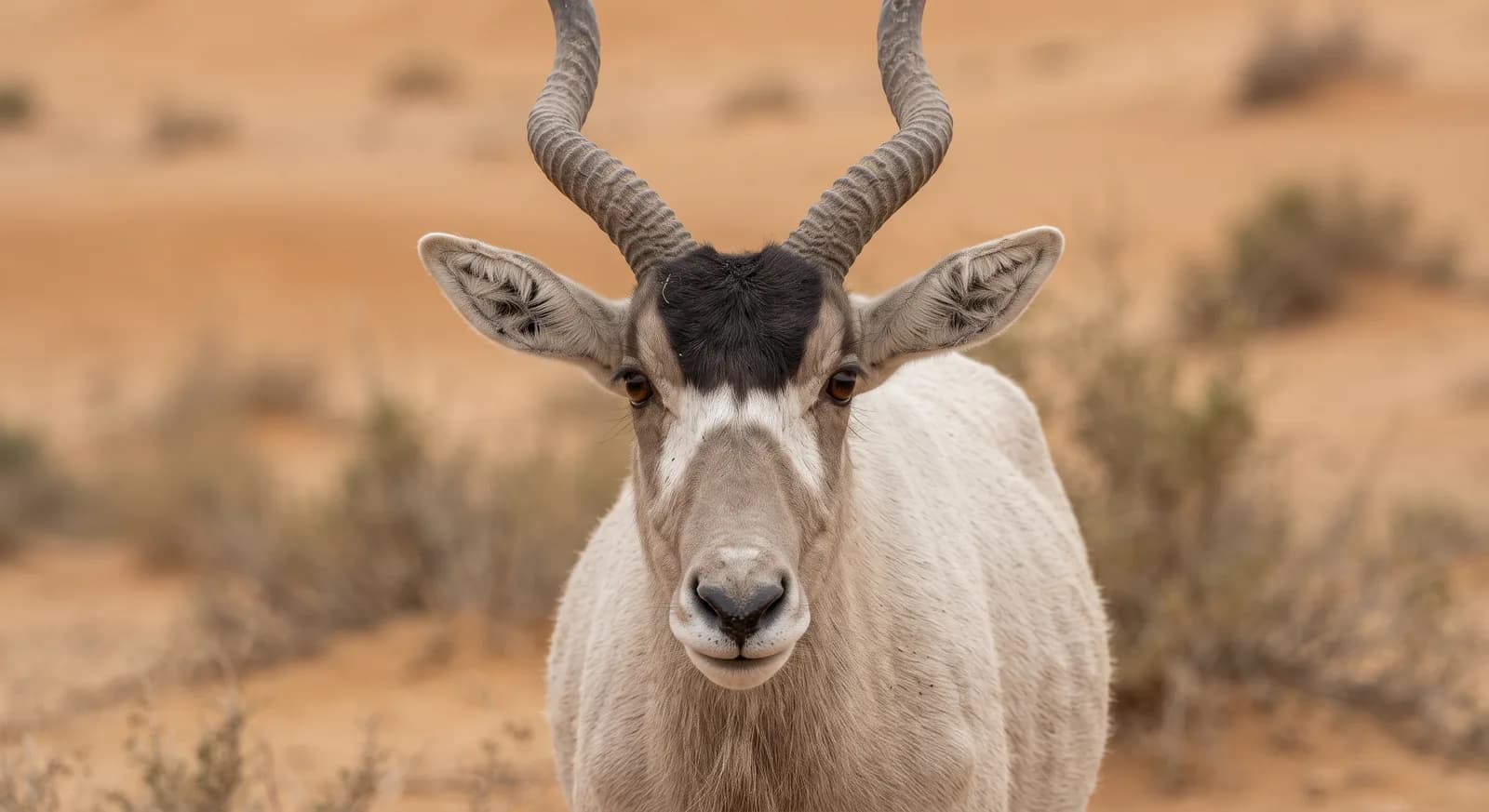 Critically Endangered
Addax
Addax nasomaculatus
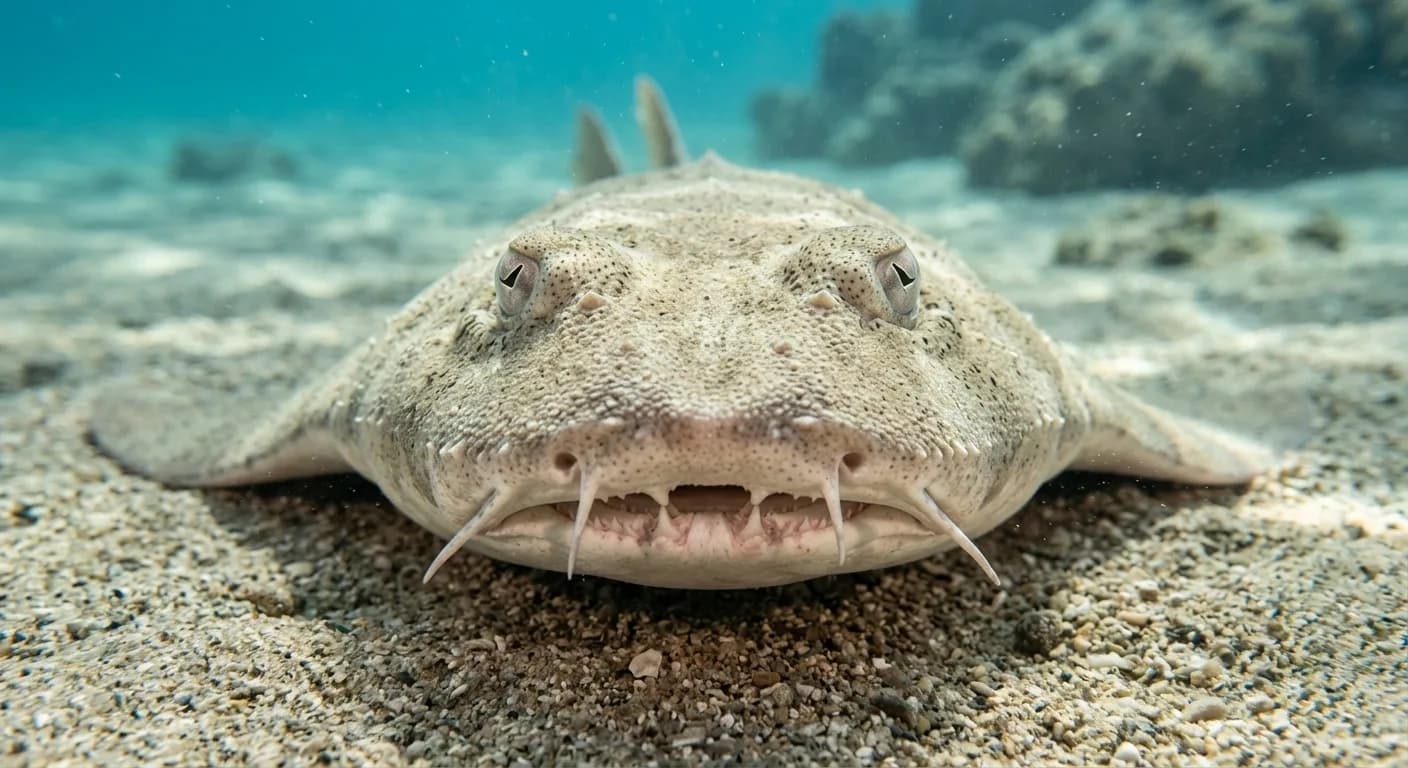 Critically Endangered
Angelshark
Squatina squatina
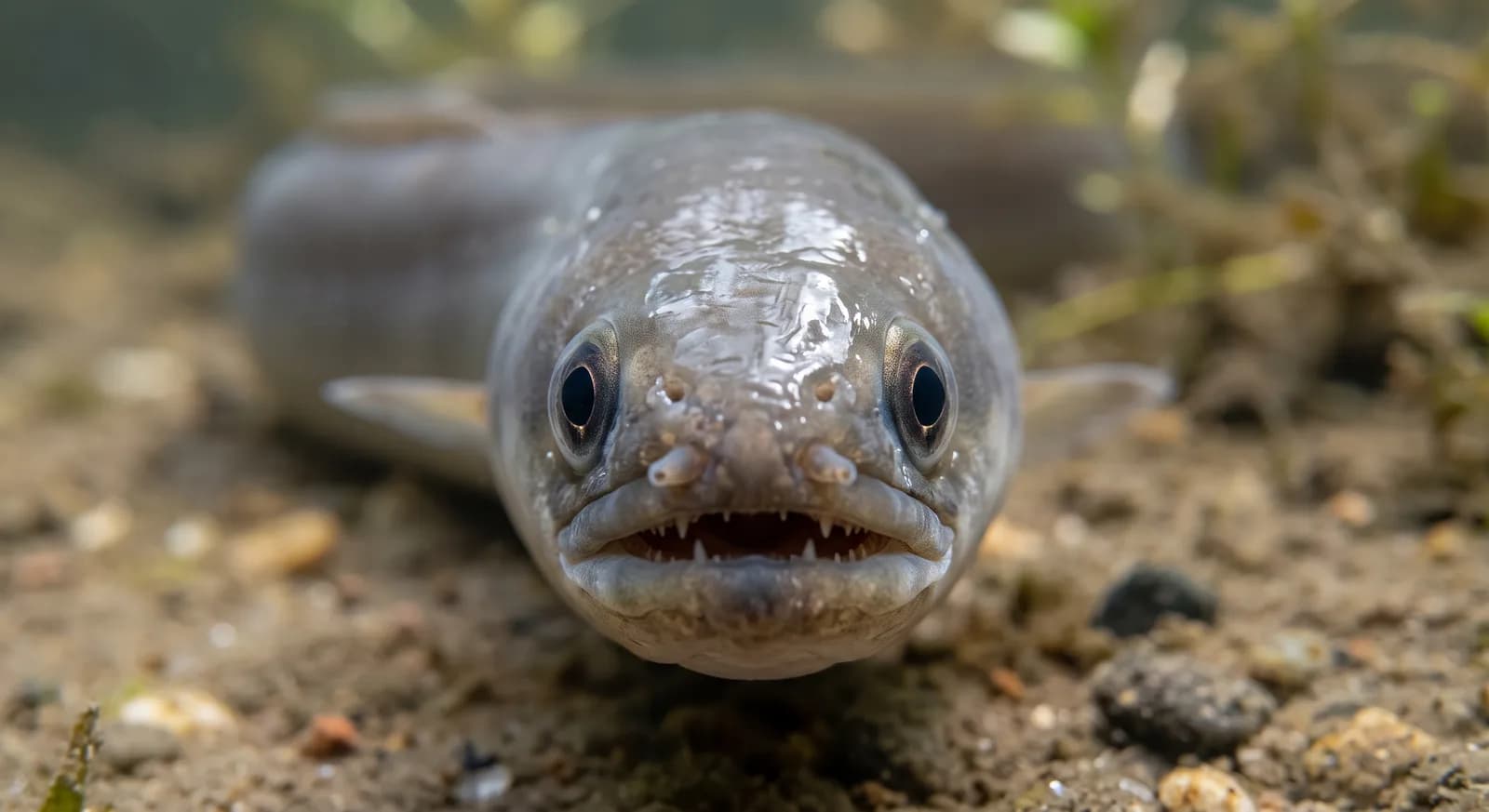 Critically Endangered
European Eel
Anguilla anguilla
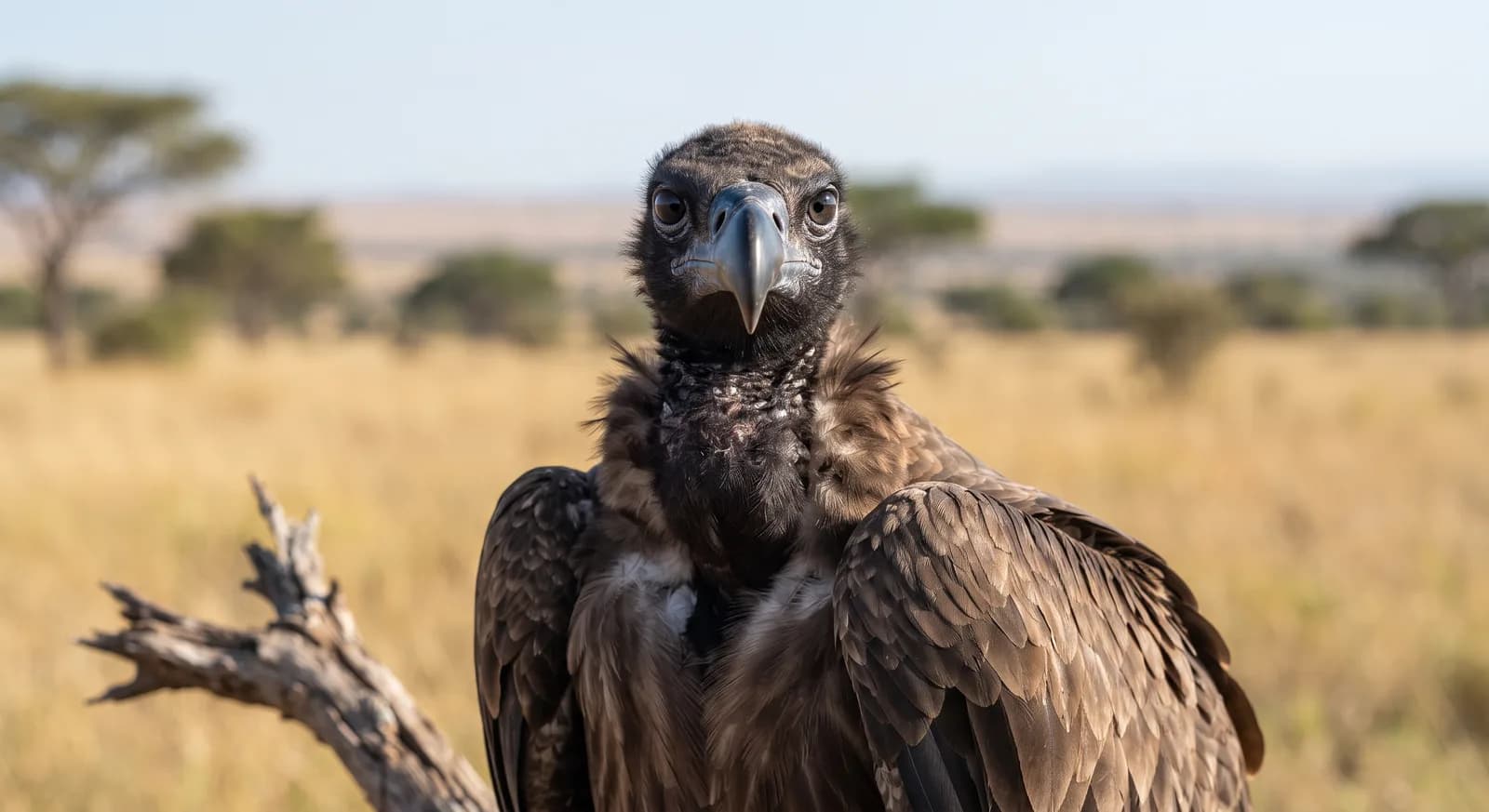 Critically Endangered
White-backed Vulture
Gyps africanus
 Critically Endangered
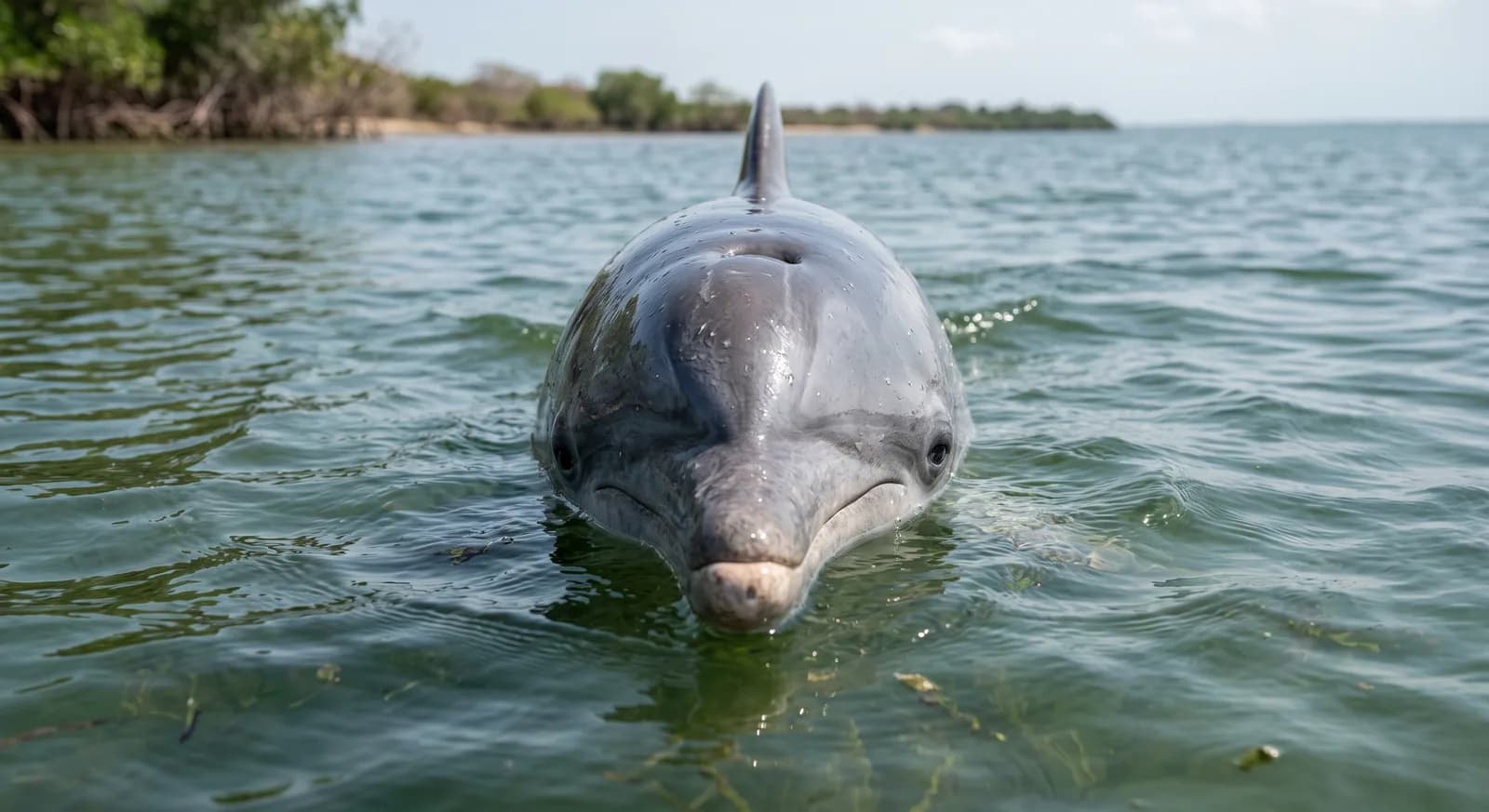
Atlantic Humpback Dolphin
Sousa teuszii
 Critically Endangered
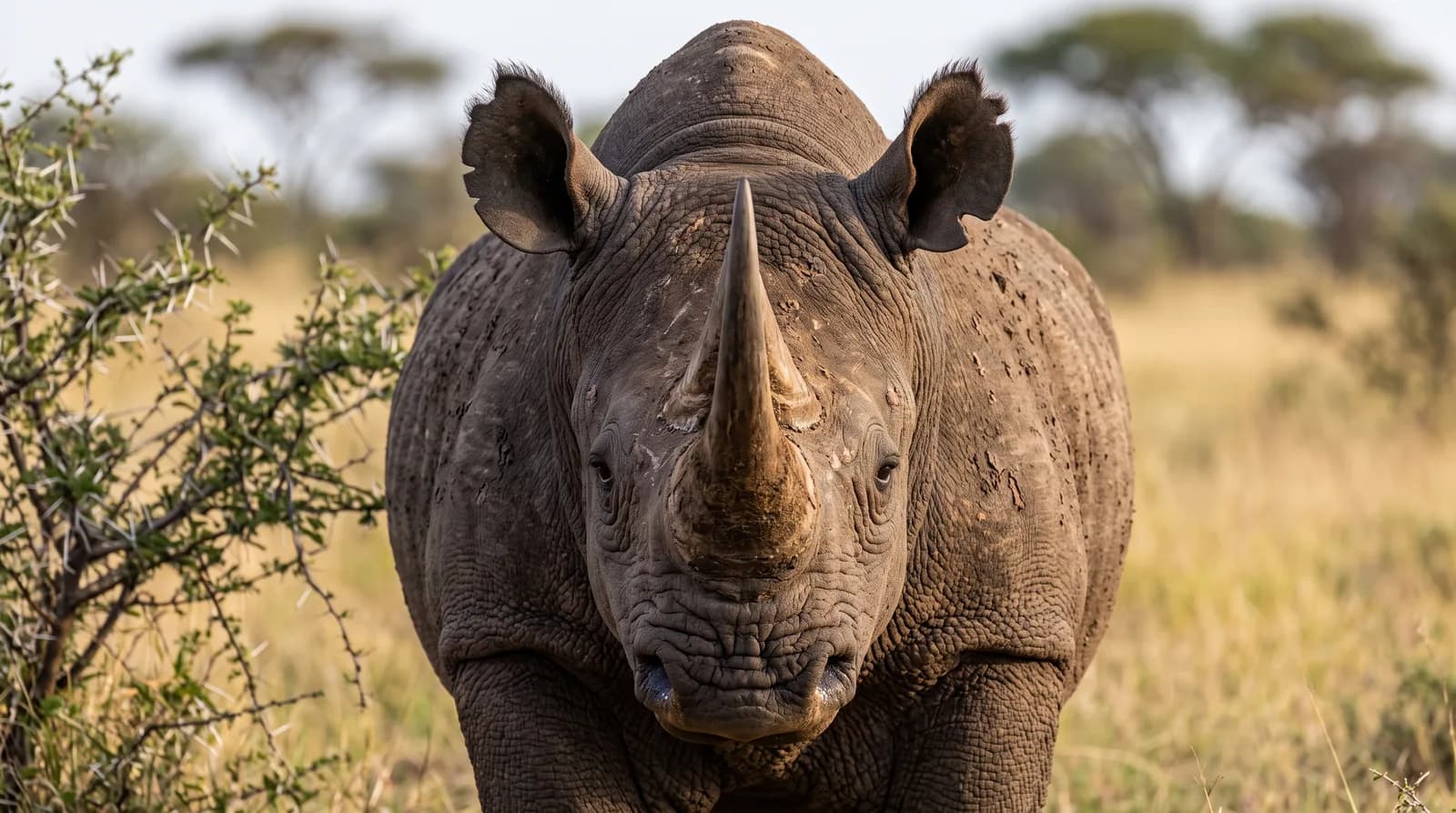
Black Rhinoceros
Diceros bicornis
 Critically Endangered
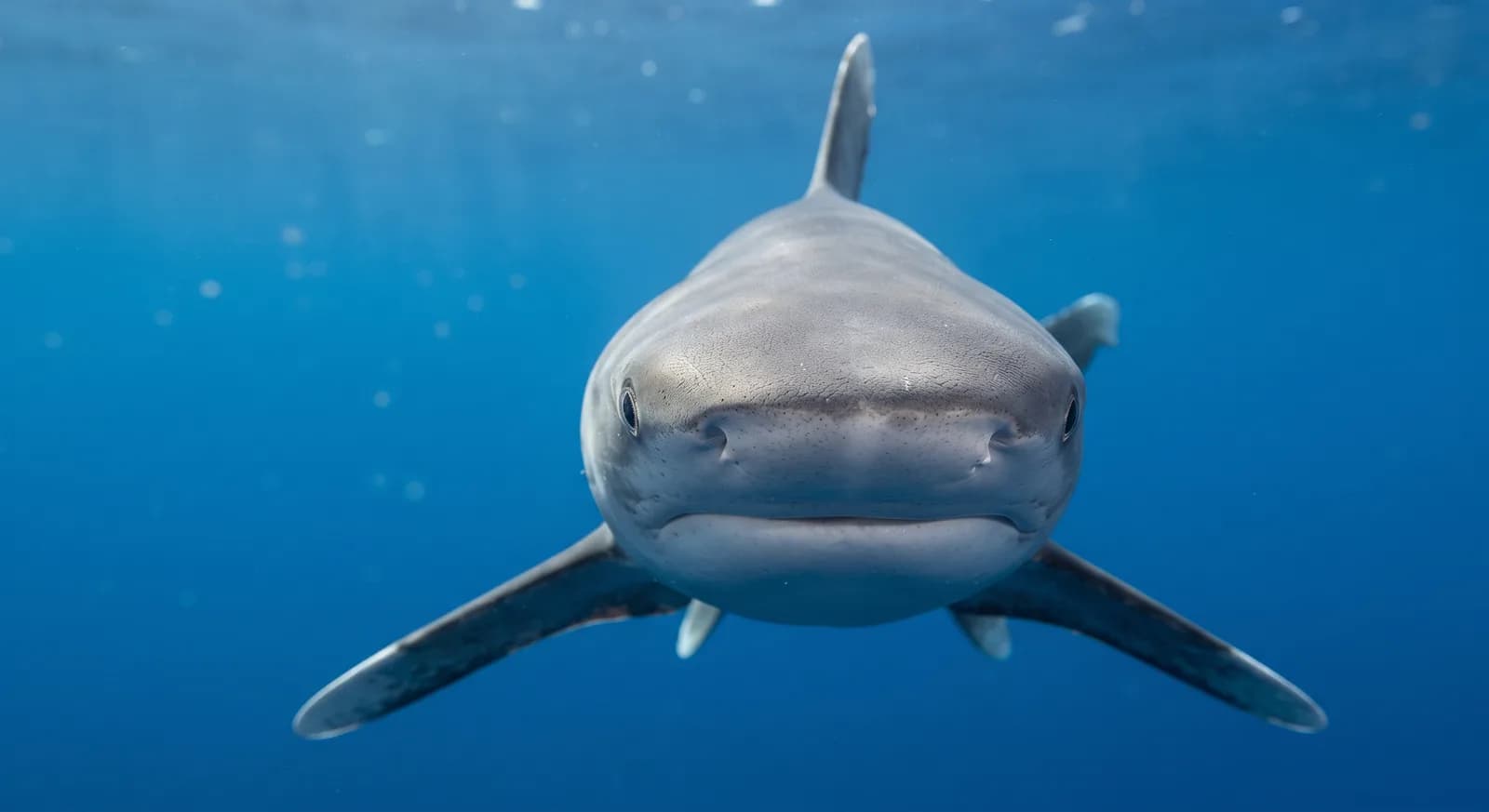
Oceanic Whitetip Shark
Carcharhinus longimanus
 Critically Endangered
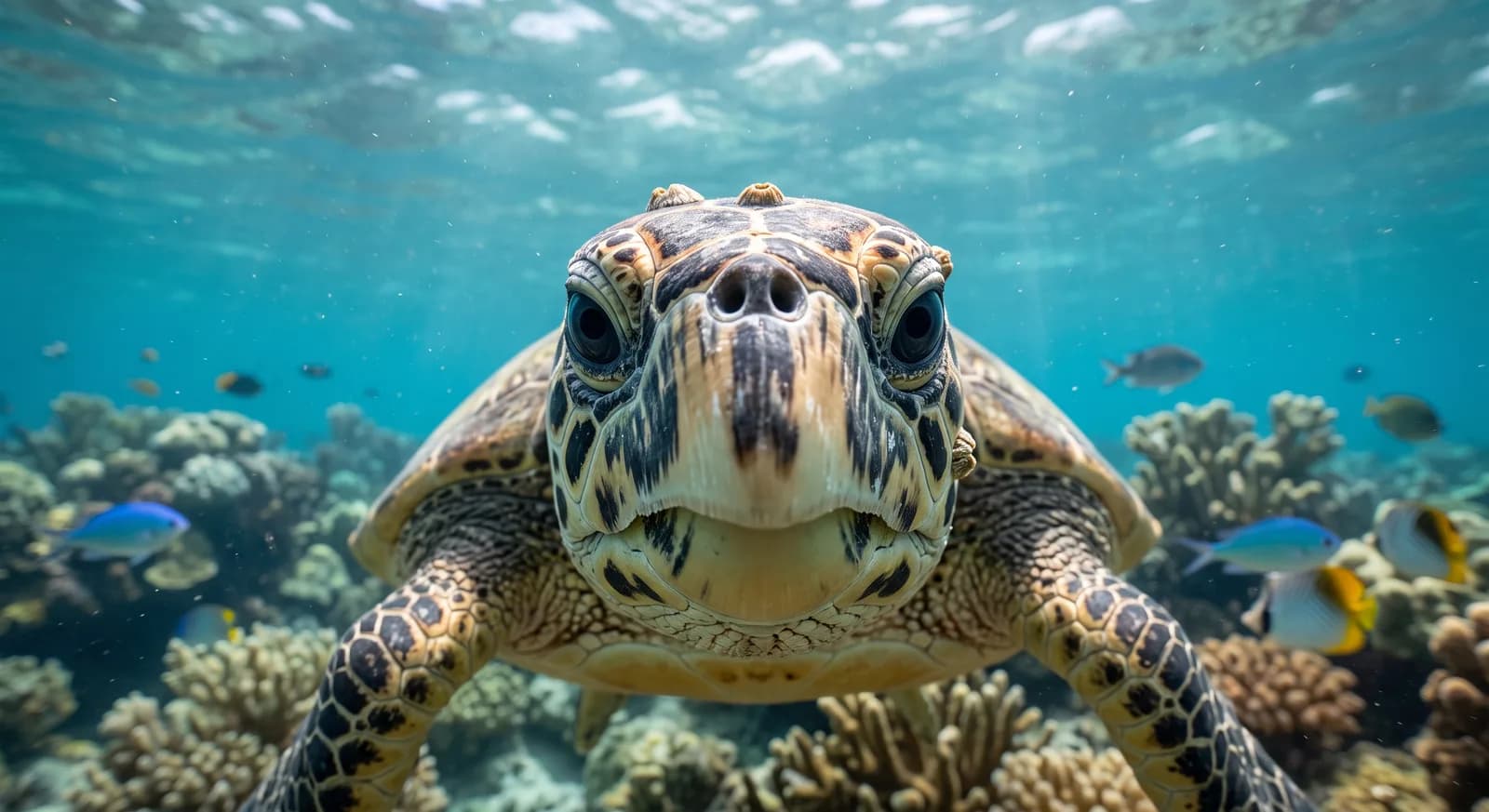
Hawksbill Turtle
Eretmochelys imbricata
 Endangered
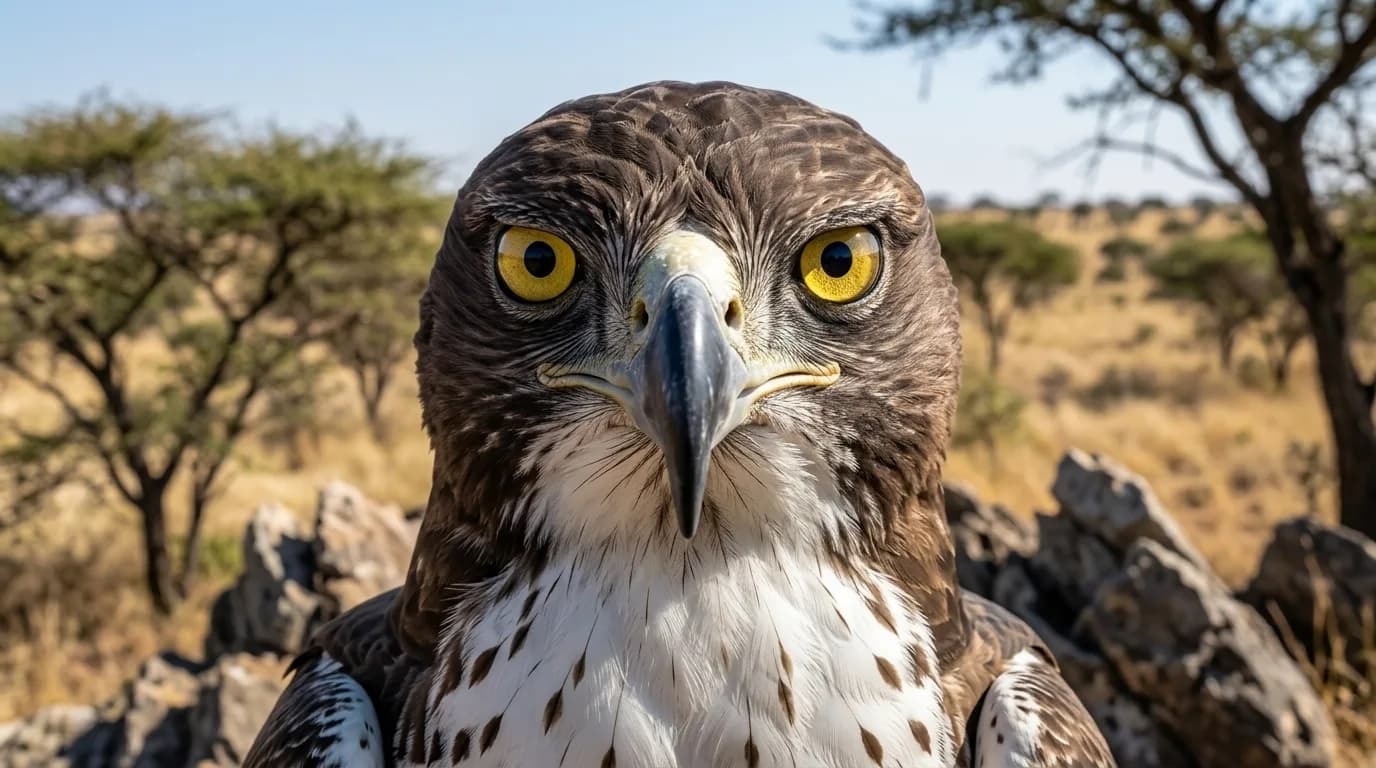
Martial Eagle
Polemaetus bellicosus
 Endangered
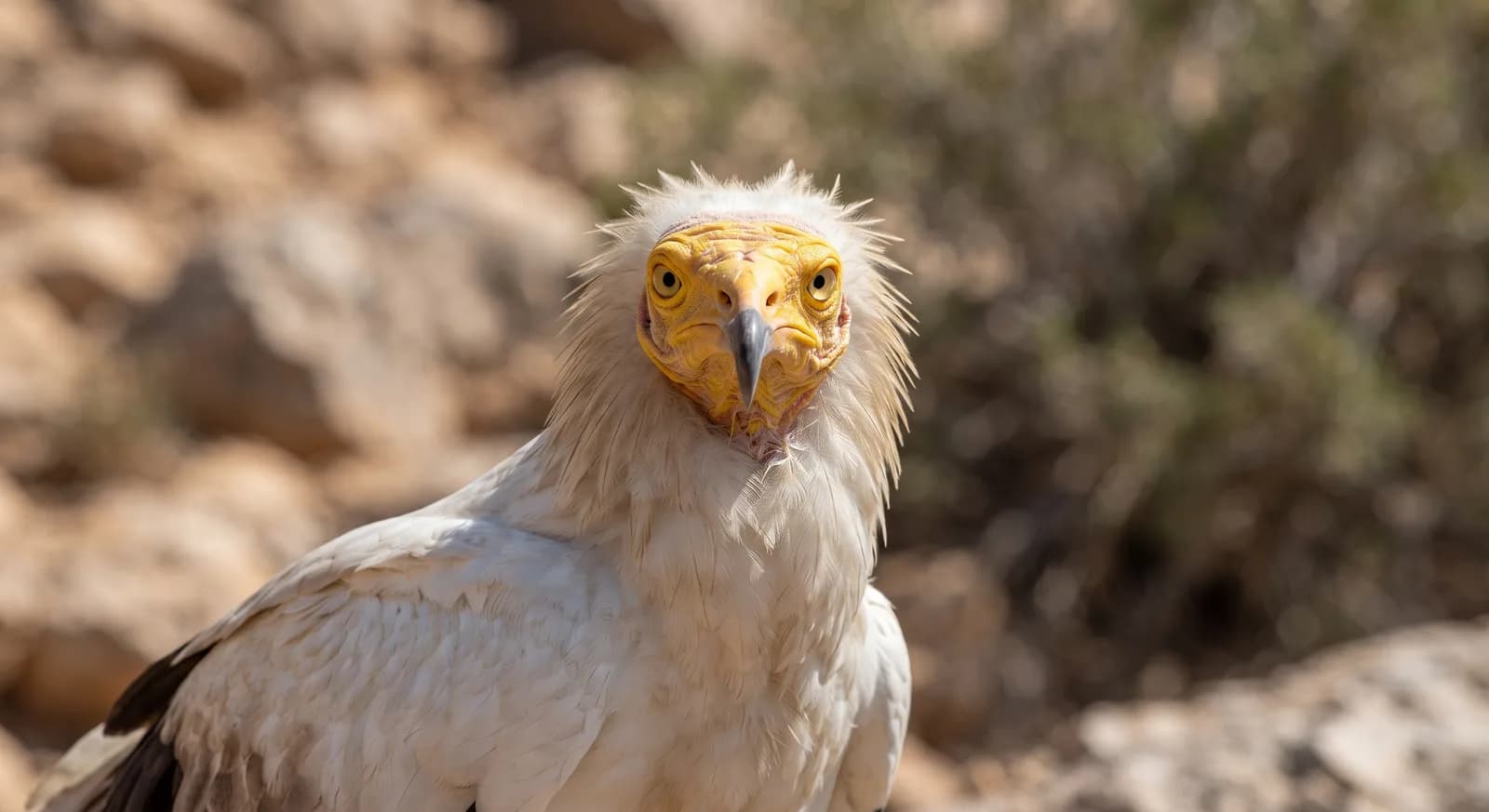
Egyptian Vulture
Neophron percnopterus
 Endangered
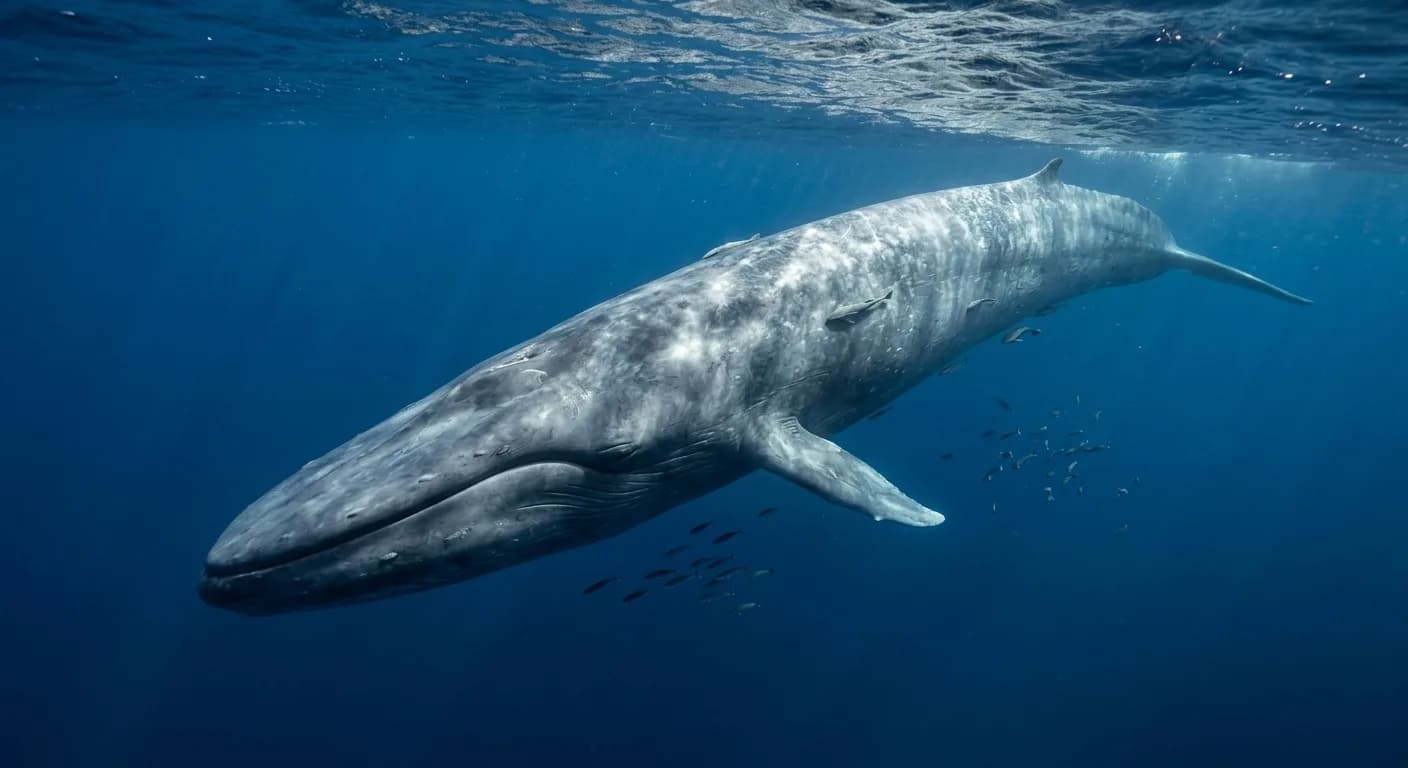
Blue Whale
Balaenoptera musculus
 Endangered
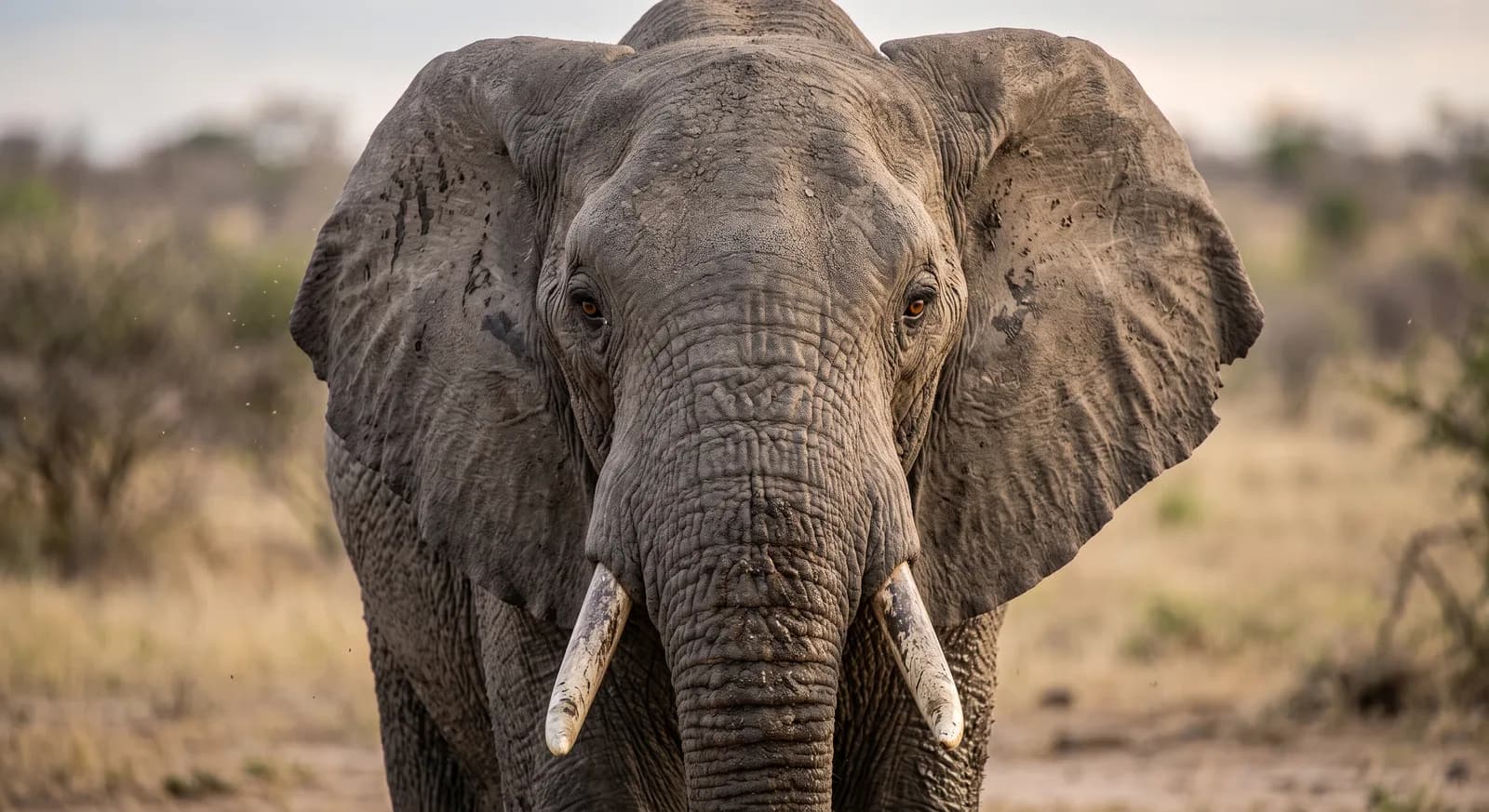
African Savanna Elephant
Loxodonta africana
Keep exploring
Based on what we already know about Mauritania.