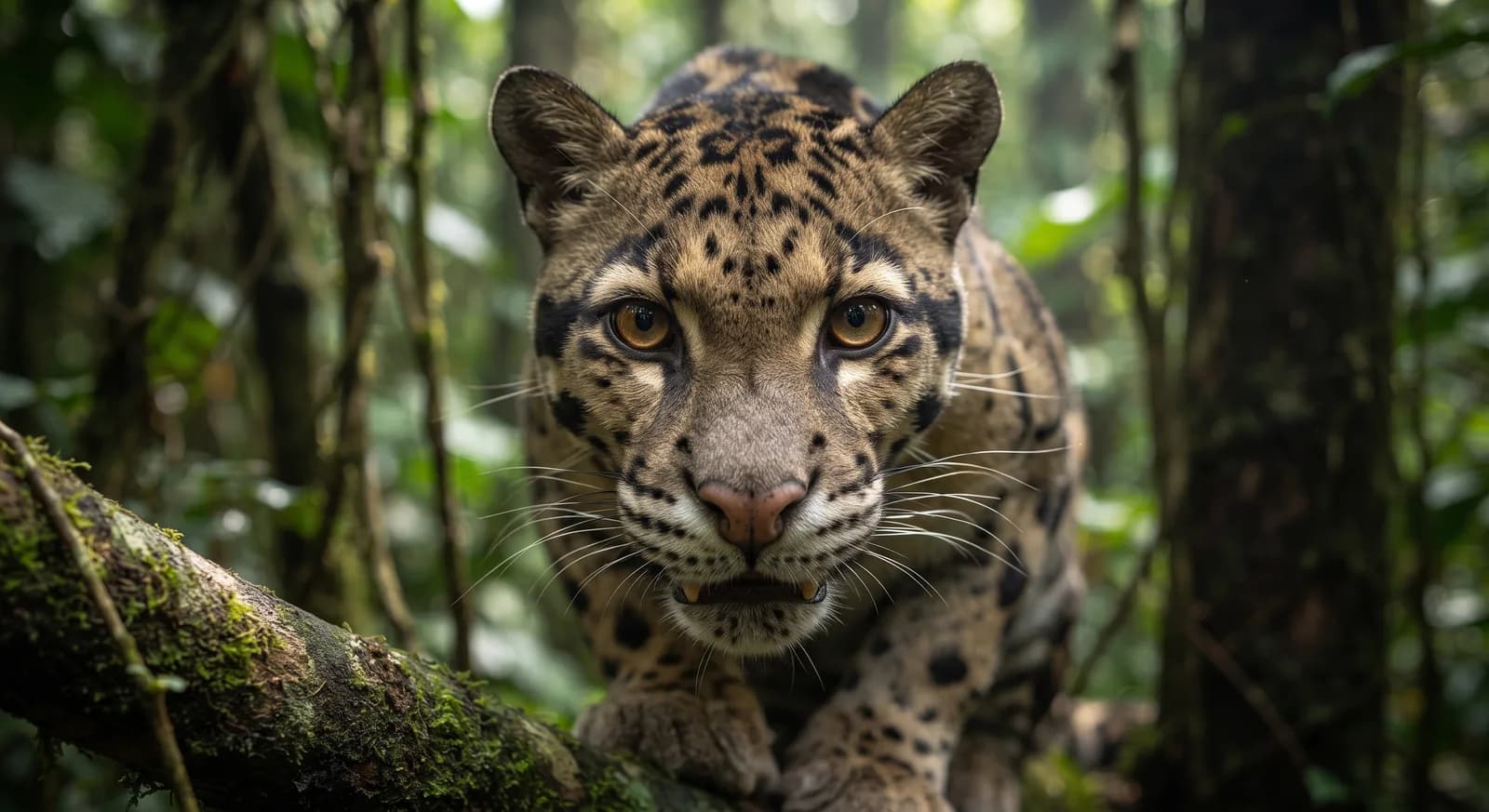
One of the 3 leopards on WAnimals
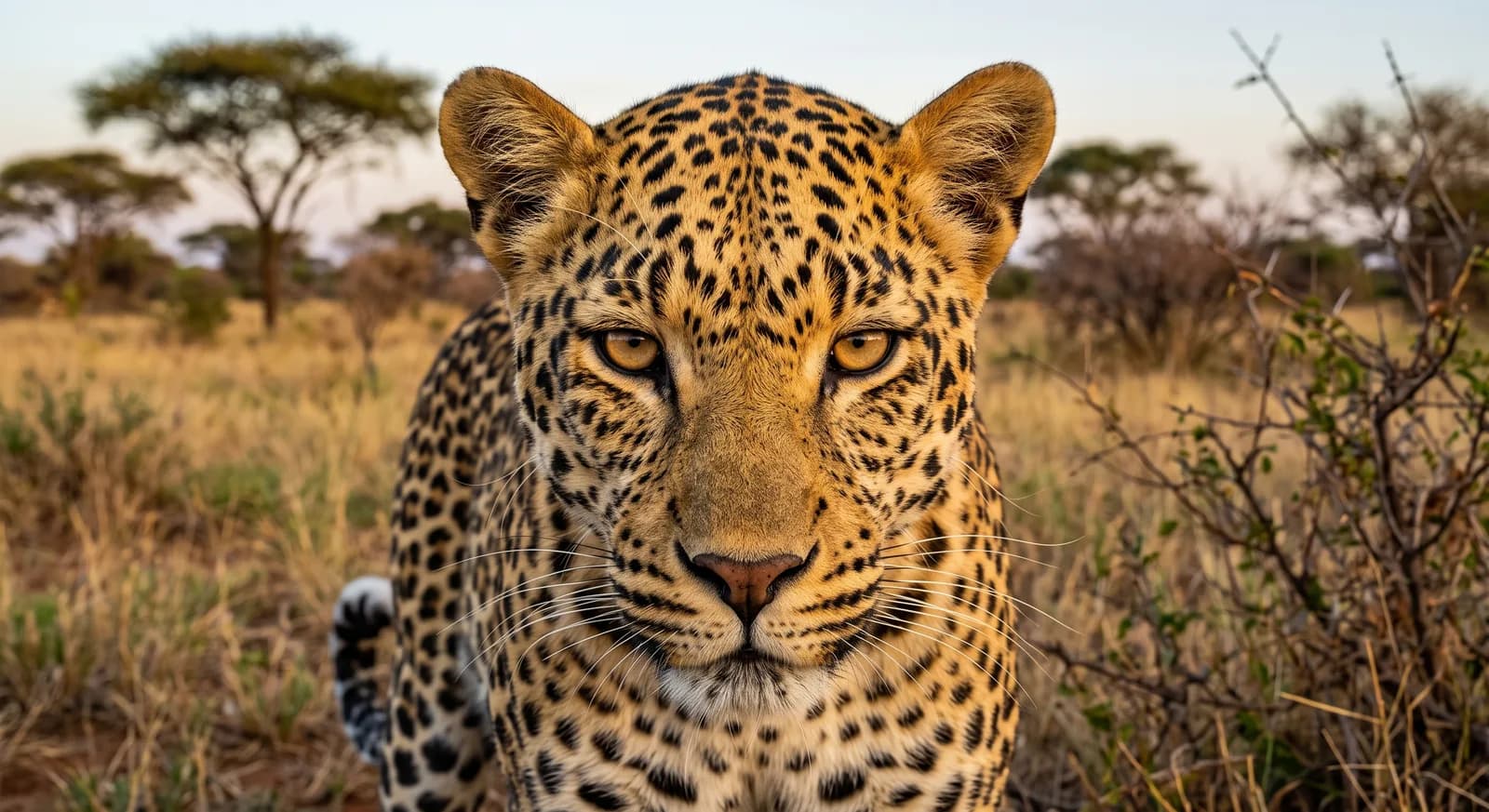
Mammals · Carnivora · Felidae
Leopard
Panthera pardus
It faces a high risk of extinction in the wild over the medium term. See full glossary
It is the most widely distributed big cat in the world, at home in habitats ranging from desert to rainforest and the edges of cities.
Weight
21 kg – 90 kg
Lifespan
15 years
Diet
Carnivore
Feeds mainly on other animals.
Activity
Nocturnal
Active mainly at night.
Social structure
Solitary
Lives and hunts alone, joining others only to breed.
Sighting difficulty
Moderate
Fun facts
- Melanistic individuals, known as 'black panthers', are in fact leopards carrying a genetic pigmentation mutation.
- It hunts a wide range of prey, from antelope to primates and small fish.
- It can haul prey weighing up to twice its own body weight into the branches of a tree to keep it safe from other predators.
- comportamientoIt can drag prey weighing more than twice its own body weight up into the canopy of a tree to keep it safe from other predators.
Life cycle & biology
- Skeleton type
- Vertebrate - internal bony skeleton (mammal)
- Habitat & environment
- Extremely adaptable: savannas, rainforests, mountains and semi-deserts of Africa and Asia
- Birth weight
- 400 - 700 grams
- Size at birth
- Blind, with dark woolly spotted fur; eyes open at 7-10 days
- Sexual maturity
- Female: 33 months on average (~2.75 years) | Male: physically mature earlier, at ~21 months
- Gestation / incubation
- 90-105 days
- Litter / clutch size
- 1 to 4 young per litter (most commonly 2-3)
- Lifespan in captivity
- Documented record of 27.3 years in captivity
Sources consulted: AnAge (genomics.senescence.info); ISEC Canada; Wild Cats World; Arcadia Safaris; PBS Nature; PMC (Cub Survival study)
Where to find it
See its range on the interactive mapWhere to watch it
Parques y spots de buceo donde se ha documentado esta especie — se muestran 10 de 114 documentados.
Related species
Other species in the catalogue with the most in common with Leopard — same habitat, park, country, tags or family.
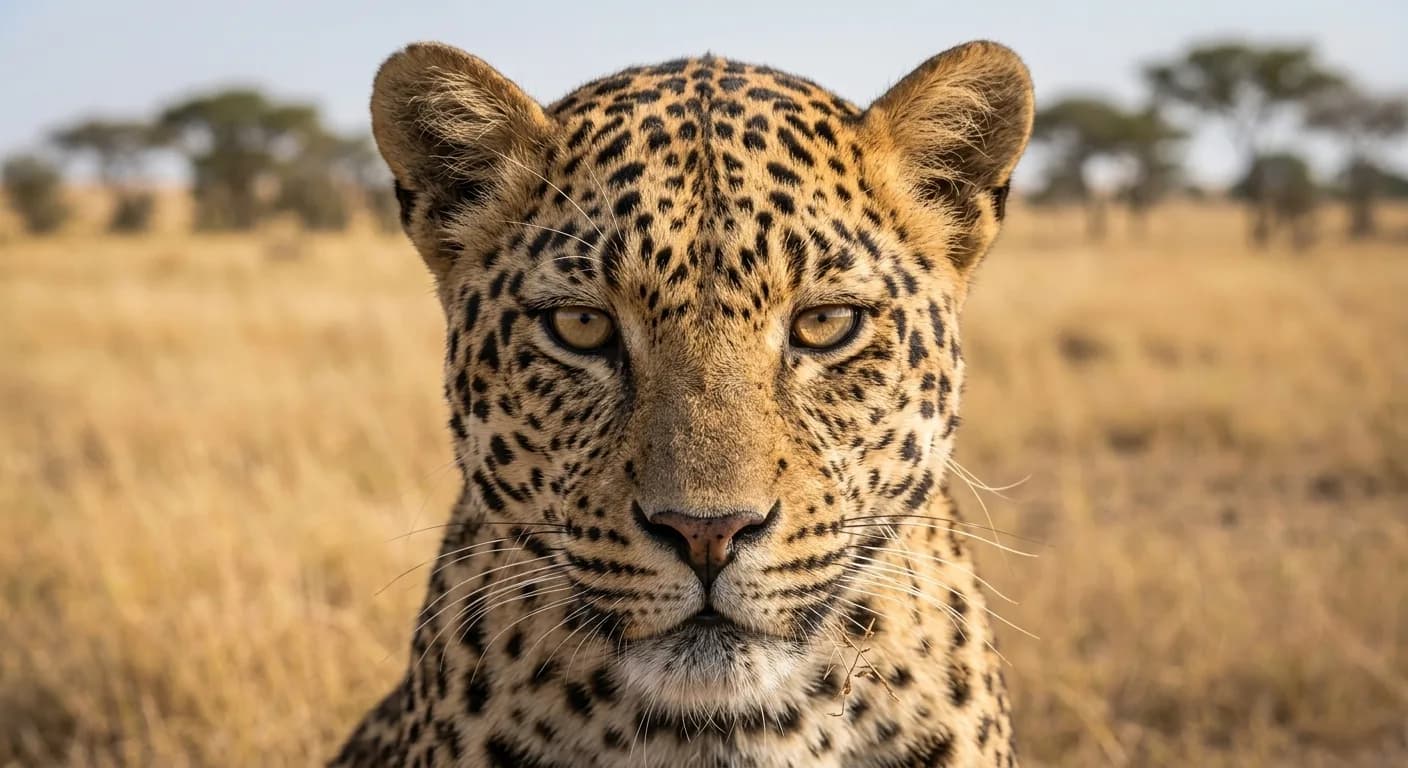 Vulnerable
African Leopard
Panthera pardus pardus
African Golden Cat
Caracal aurata
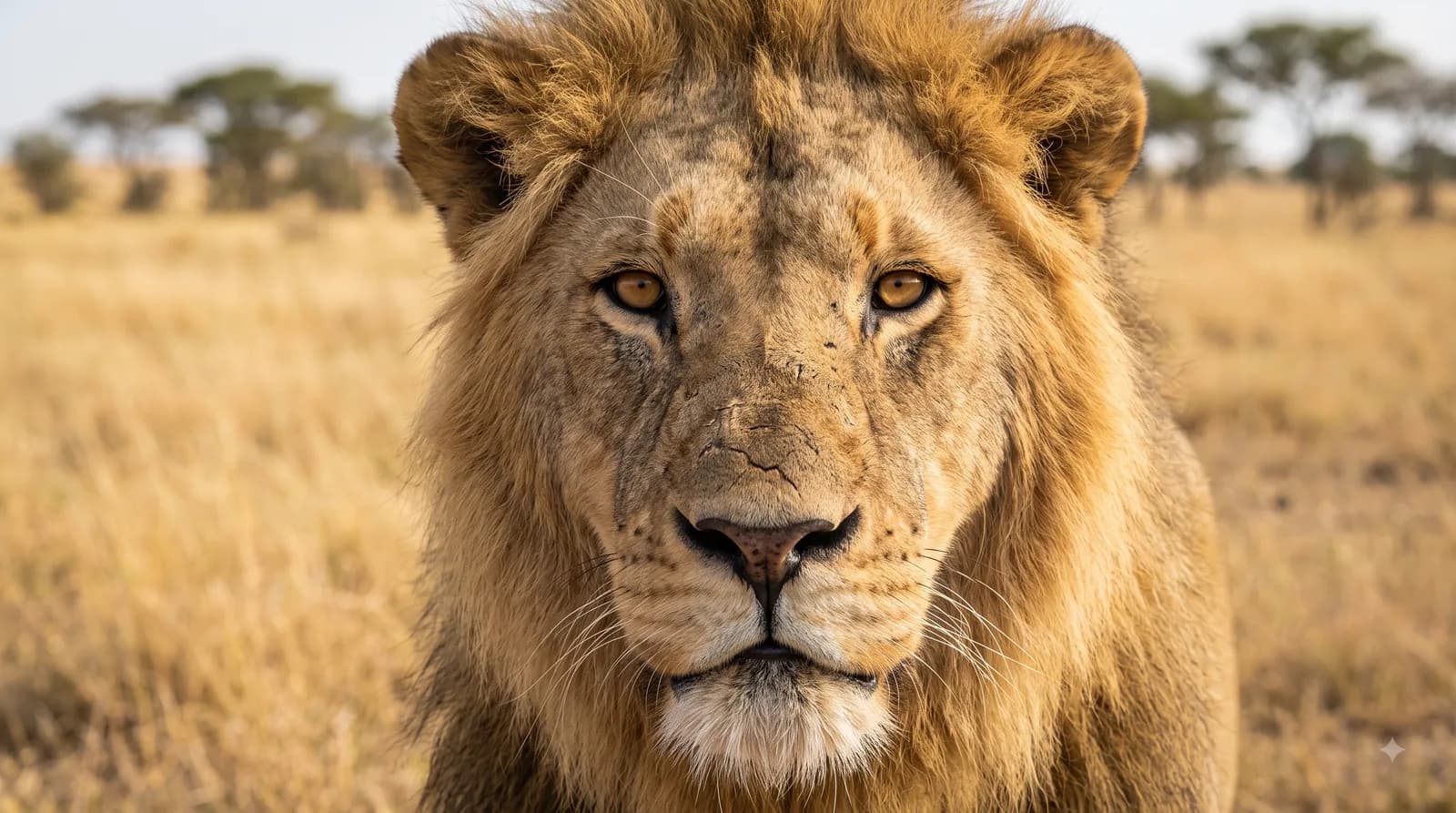 Vulnerable
Lion
Panthera leo
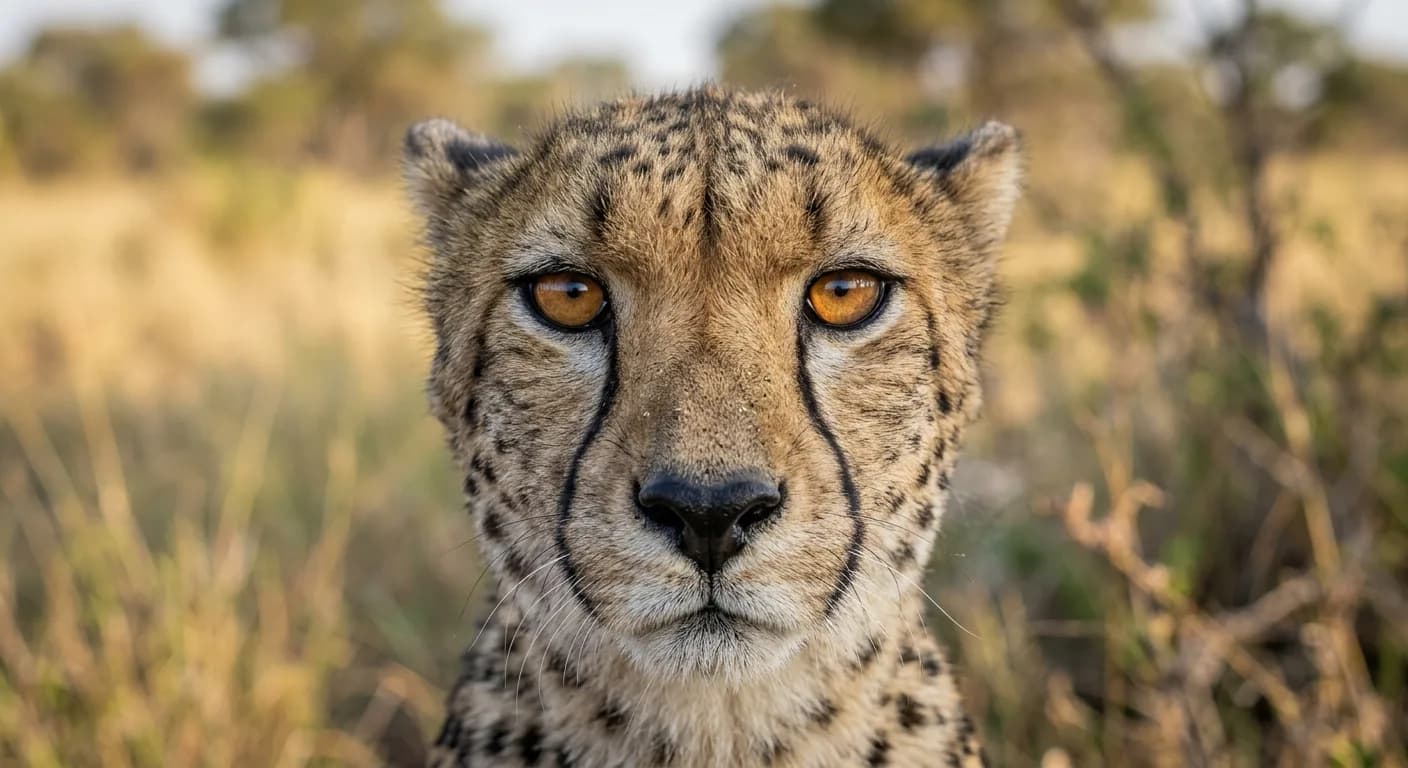 Vulnerable
Cheetah
Acinonyx jubatus
Black-footed Cat
Felis nigripes
 Vulnerable
Clouded Leopard
Neofelis nebulosa
How to help
The leopard is classified as vulnerable. Organizations such as UICN, WWF y Wildlife Conservation Society work specifically on its conservation and that of its habitat; looking into their programs is a good starting point if you want to get involved.
It's documented in 10 real protected areas — part of why protecting these places matters for its conservation.
Keep exploring
Based on what we already know about leopard.
Comments
Share an experience, a fun fact or a tip for seeing the leopard.
Be the first to comment.