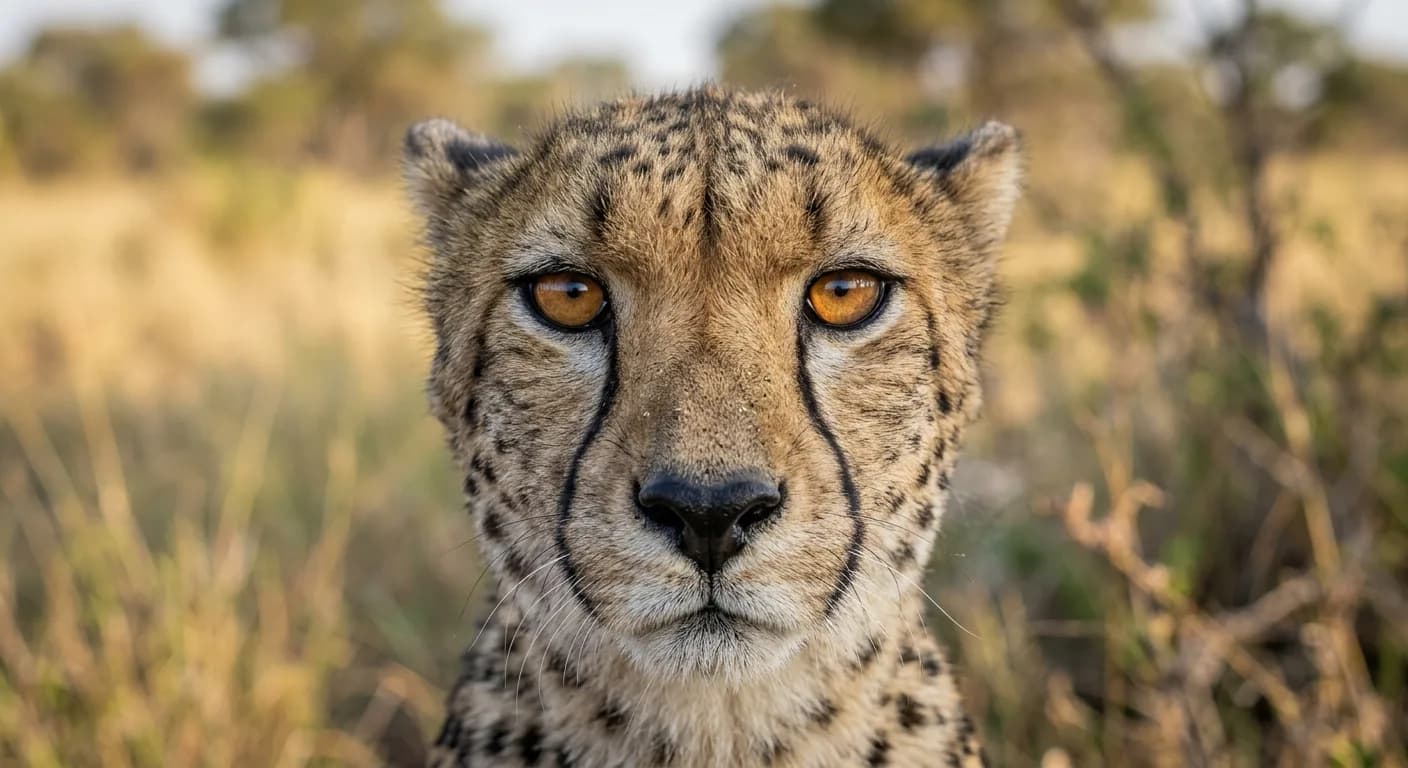
Mammals · Carnivora · Felidae
Cheetah
Acinonyx jubatus
It faces a high risk of extinction in the wild over the medium term. See full glossary
It is the fastest land mammal in the world, capable of hitting peaks of 110-120 km/h over short distances. Unlike the other big cats, it cannot roar.
Weight
39 kg – 65 kg
Size
1.1 m – 1.5 m
Lifespan
10 years
Diet
Carnivore
Feeds mainly on other animals.
Activity
Diurnal
Active mainly during the day.
Social structure
Solitary
Lives and hunts alone, joining others only to breed.
Sighting difficulty
Moderate
Fun facts
- It can reach 110-120 km/h over short distances, the fastest land speed of any mammal.
- It cannot roar; instead it makes a sound like a high-pitched chirp.
- It hunts mainly Thomson's gazelle and other small ungulates.
- locomociónIt can go from 0 to 100 km/h in under three seconds, but can only hold its top speed for some 20 to 30 seconds before overheating.
Life cycle & biology
- Skeleton type
- Vertebrate - light internal bony skeleton, adapted for speed (mammal)
- Habitat & environment
- Open savanna, grassland and semi-desert across Africa, plus a small population in Iran
- Birth weight
- ~250 - 425 grams (a range of 9 to 15 ounces)
- Size at birth
- Blind and vulnerable, with a distinctive dorsal mantle that it loses in adolescence
- Sexual maturity
- Female: ~24 months | Male: ~18 months (though it cannot compete effectively for females until later)
- Gestation / incubation
- 88 - 95 days
- Litter / clutch size
- 1 to 8 pups per litter (typical 3-5)
- Lifespan in captivity
- Up to 20.5 years documented
Sources consulted: AnAge (genomics.senescence.info); Philadelphia Zoo; A-Z Animals; Chasing Wildlife; SDZWA Library Fact Sheet; Big Cat Facts; PBS Nature
Where to find it
See its range on the interactive mapWhere to watch it
Parques y spots de buceo donde se ha documentado esta especie — se muestran 10 de 33 documentados.
Related species
Other species in the catalogue with the most in common with Cheetah — same habitat, park, country, tags or family.
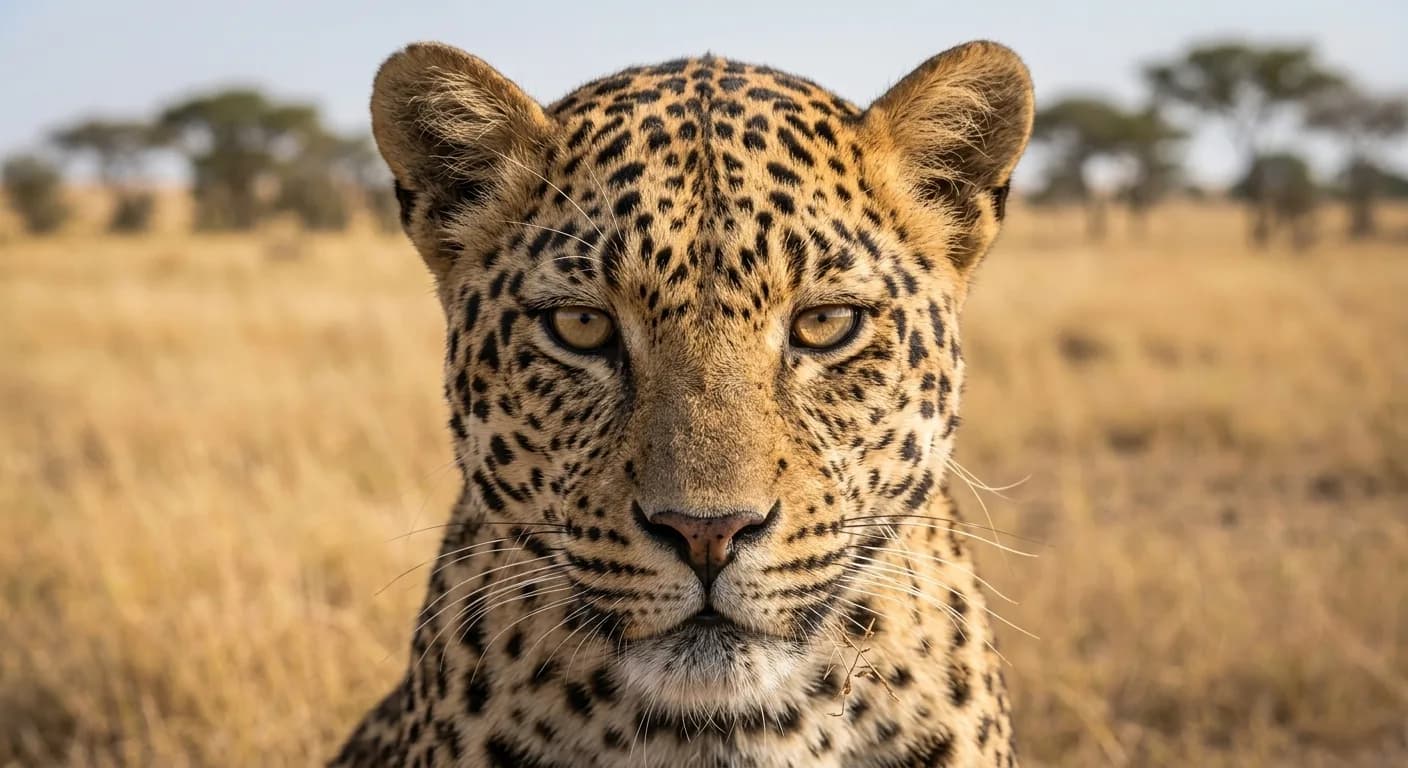 Vulnerable
African Leopard
Panthera pardus pardus
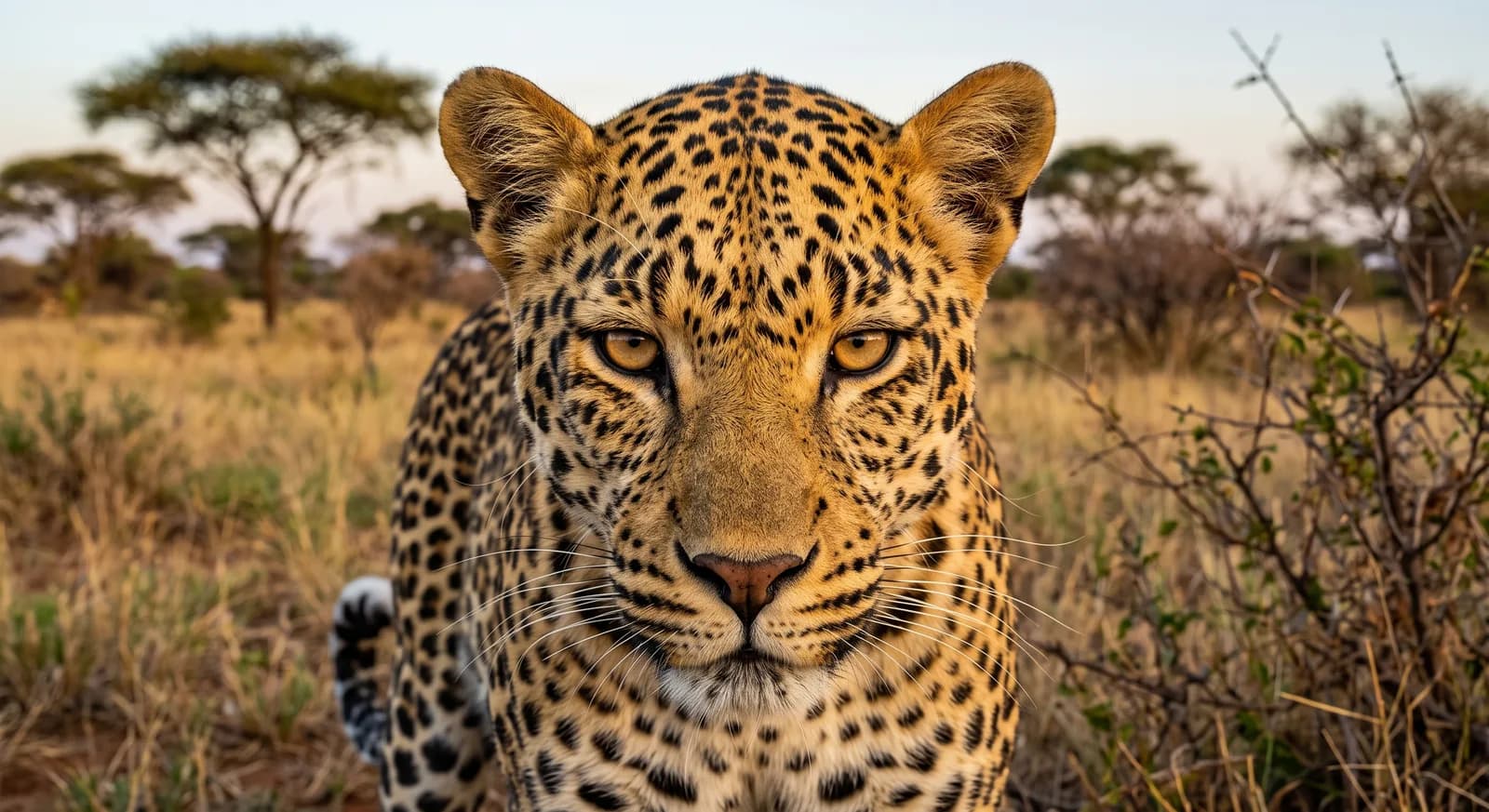 Vulnerable
Leopard
Panthera pardus
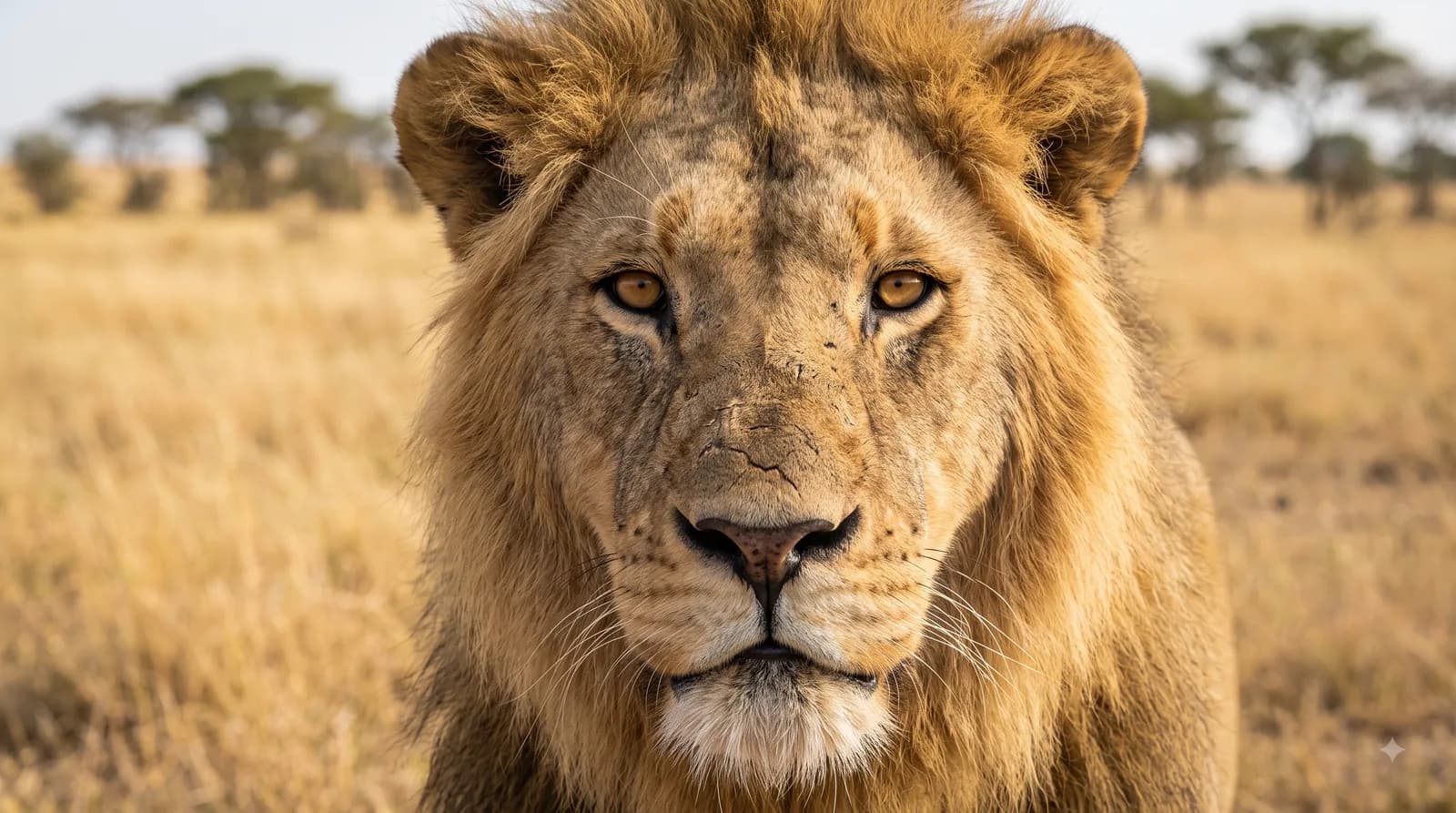 Vulnerable
Lion
Panthera leo
Black-footed Cat
Felis nigripes
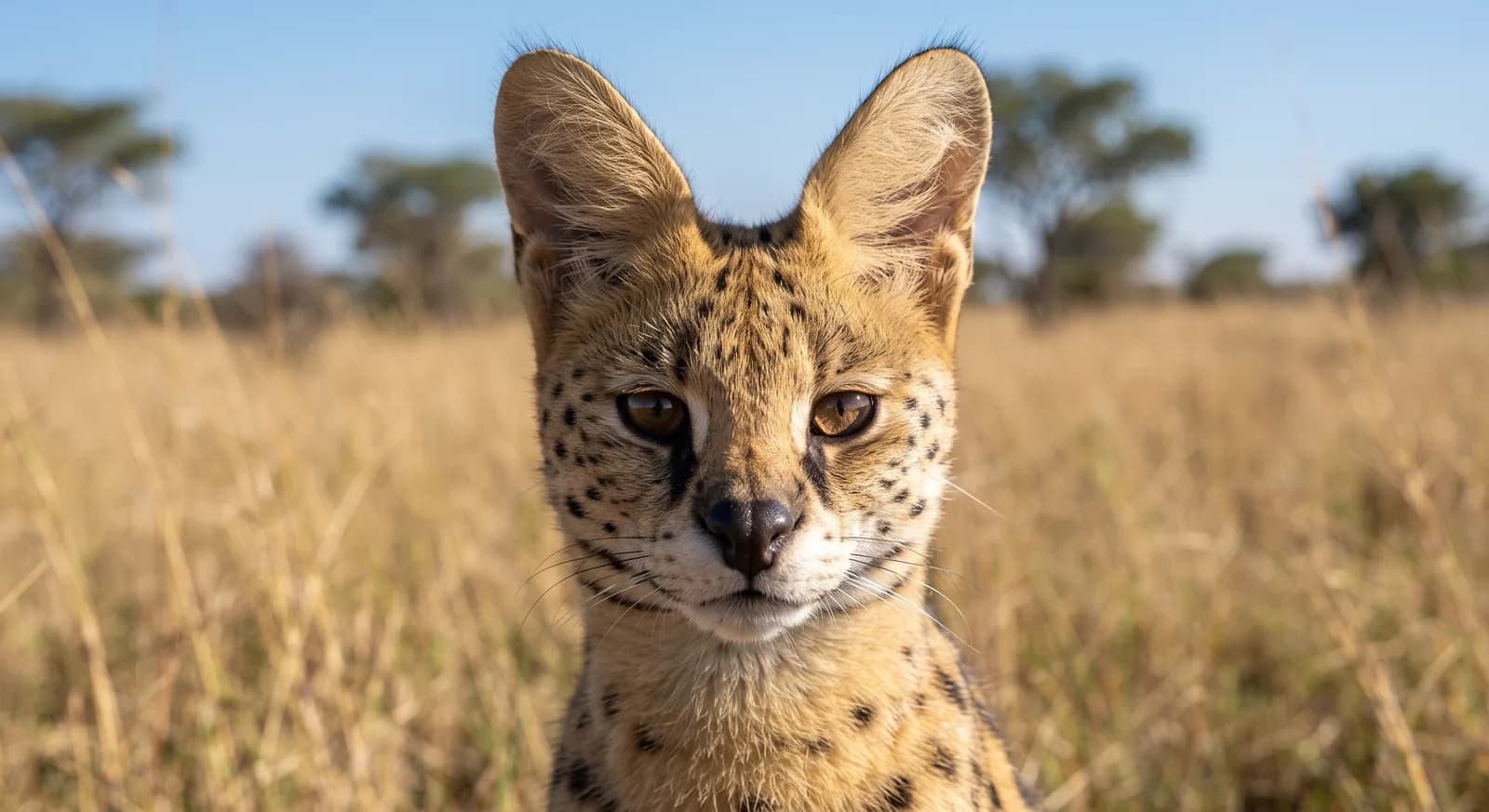 Least Concern
Serval
Leptailurus serval
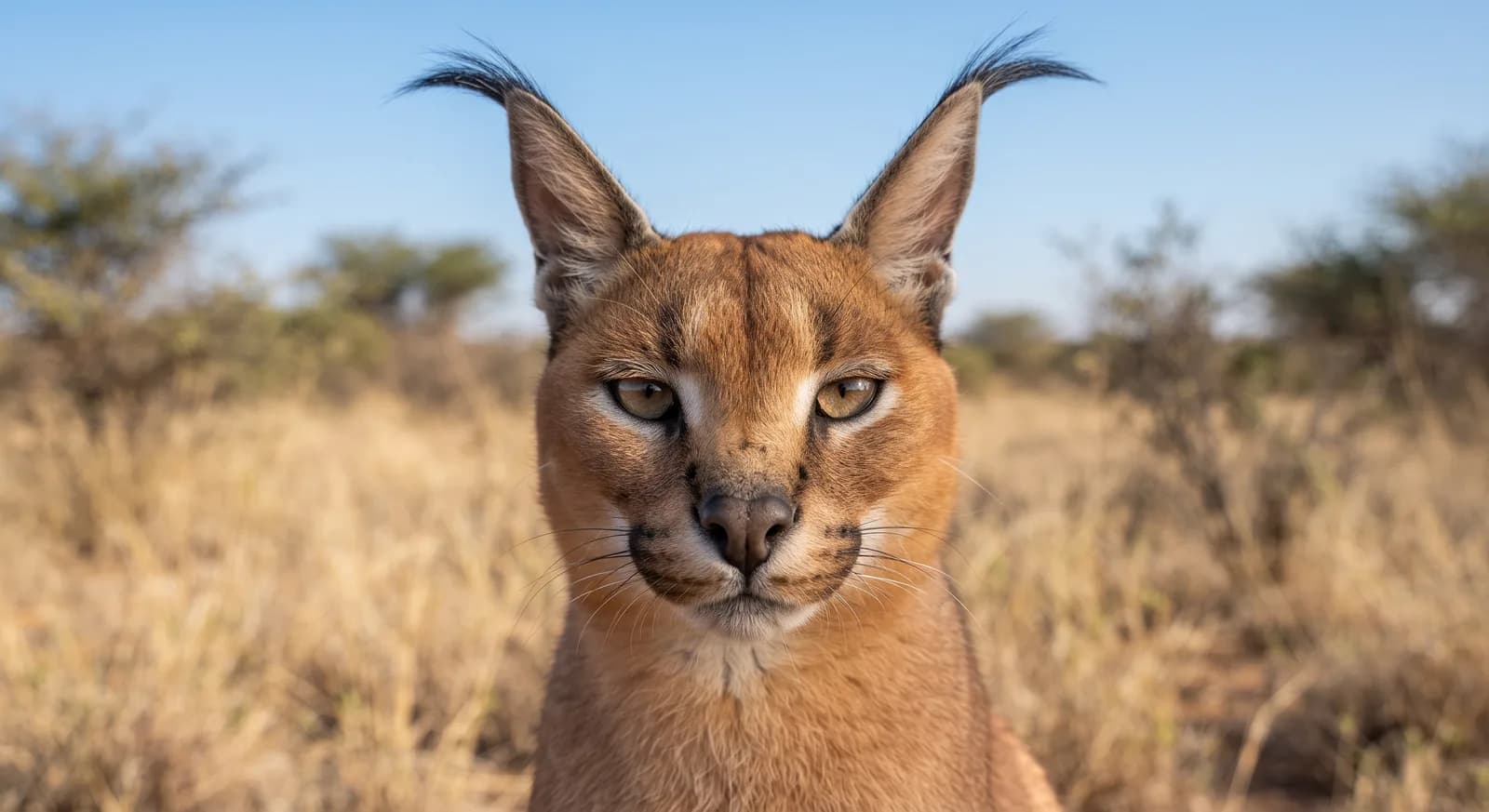 Least Concern
Caracal
Caracal caracal
How to help
The cheetah is classified as vulnerable. Organizations such as UICN, WWF y Wildlife Conservation Society work specifically on its conservation and that of its habitat; looking into their programs is a good starting point if you want to get involved.
It's documented in 10 real protected areas — part of why protecting these places matters for its conservation.
Keep exploring
Based on what we already know about cheetah.
Comments
Share an experience, a fun fact or a tip for seeing the cheetah.
Be the first to comment.