One of the 2 lions on WAnimals
Mammals · Carnivora · Felidae
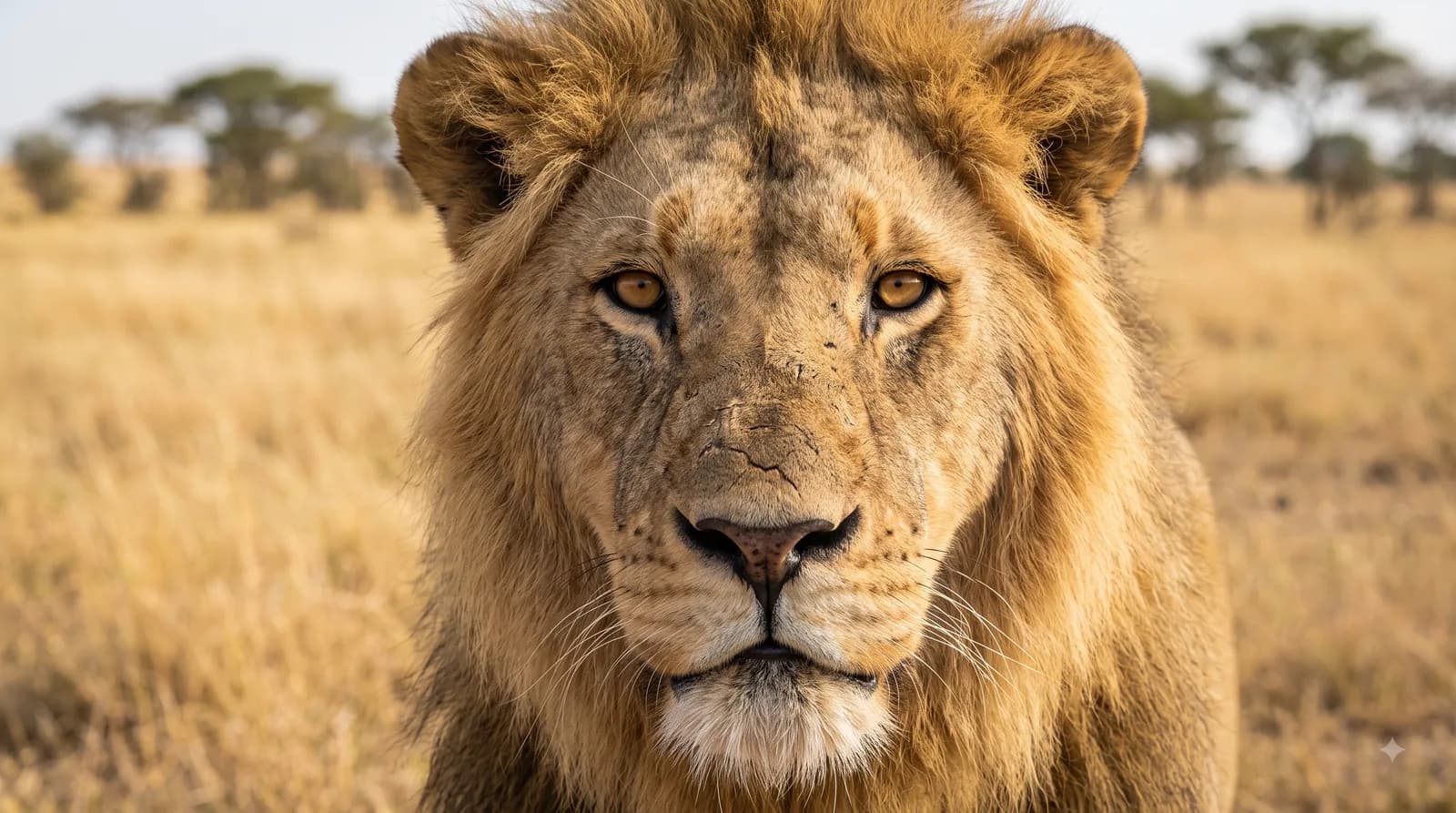
Lion
Panthera leo
It faces a high risk of extinction in the wild over the medium term. See full glossary
The lion is the only truly social cat, living in prides led by related females. It is one of the great emblematic predators of the African savanna.
Weight
120 kg – 250 kg
Size
1.7 m – 2.5 m
Lifespan
14 years
Diet
Carnivore
Feeds mainly on other animals.
Activity
Crepuscular
Active above all at dawn and dusk.
Social structure
Hierarchical pack
Lives in an organised hierarchical group, typical of cooperative hunters.
Sighting difficulty
Moderate
Estimated population
Some 20,000 animals in the wild across Africa; only seven of the 27 African countries with lions hold more than 1,000 each
Fun facts
- Males can weigh up to 250 kg and are distinguished by their mane.
- A pride can number up to 30 animals.
- They sleep or rest for up to 20 hours a day.
Life cycle & biology
- Skeleton type
- Vertebrate - internal bony skeleton (mammal)
- Habitat & environment
- Savannas, grasslands and open scrub of sub-Saharan Africa; a relict population survives in the Gir Forest, India
- Birth weight
- 1.1 - 2 kg (average ~1.3 kg)
- Size at birth
- Blind at birth, crawling after a few days and walking at 3-4 weeks
- Sexual maturity
- Female: ~3.5-4 years (first pregnancy) | Male: physically mature at ~26 months, but rarely manages to breed before 5 because of social competition
- Gestation / incubation
- ~108-110 days
- Litter / clutch size
- 1 to 6 pups per litter (typical 2-4)
- Lifespan in captivity
- 20-27 years (verified record of 27-28 years)
Sources consulted: Britannica; Animal Diversity Web; DesertUSA; Feline Conservation Foundation; AnAge (genomics.senescence.info); SDZWA Library Fact Sheet; PBS Nature; IUCN Red List, Vulnerable bajo el criterio A2c; el African Lion Database cifra en un 34 % la contracción del área de distribución en tres generaciones (2004-2025) || IUCN Red List (Panthera leo, Vulnerable A2abcd); African Lion Database 2025
Where to find it
See its range on the interactive mapBest time: June to October in the Serengeti and the Maasai Mara
Where to watch it
Parques y spots de buceo donde se ha documentado esta especie — se muestran 10 de 52 documentados.
Related species
Other species in the catalogue with the most in common with Lion — same habitat, park, country, tags or family.
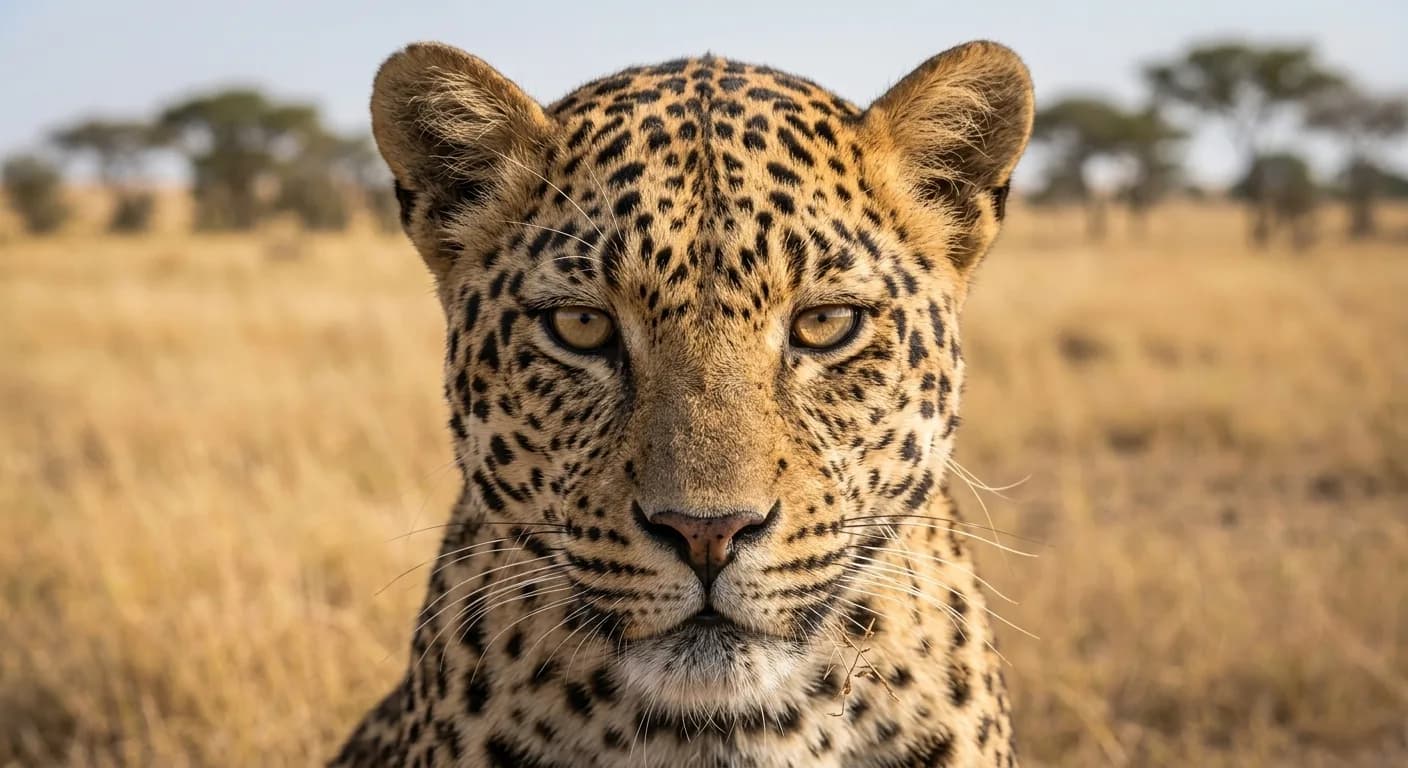 Vulnerable
African Leopard
Panthera pardus pardus
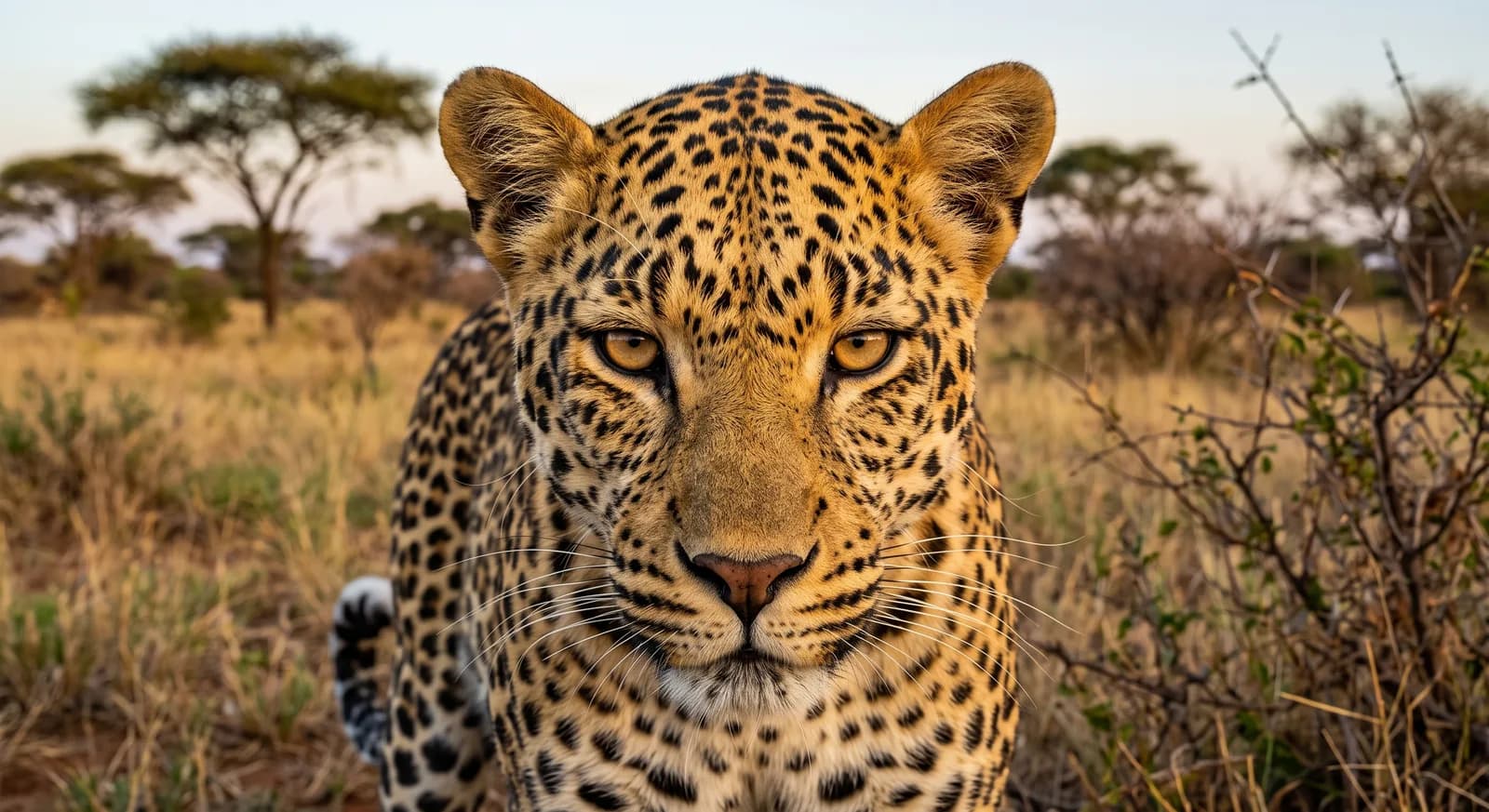 Vulnerable
Leopard
Panthera pardus
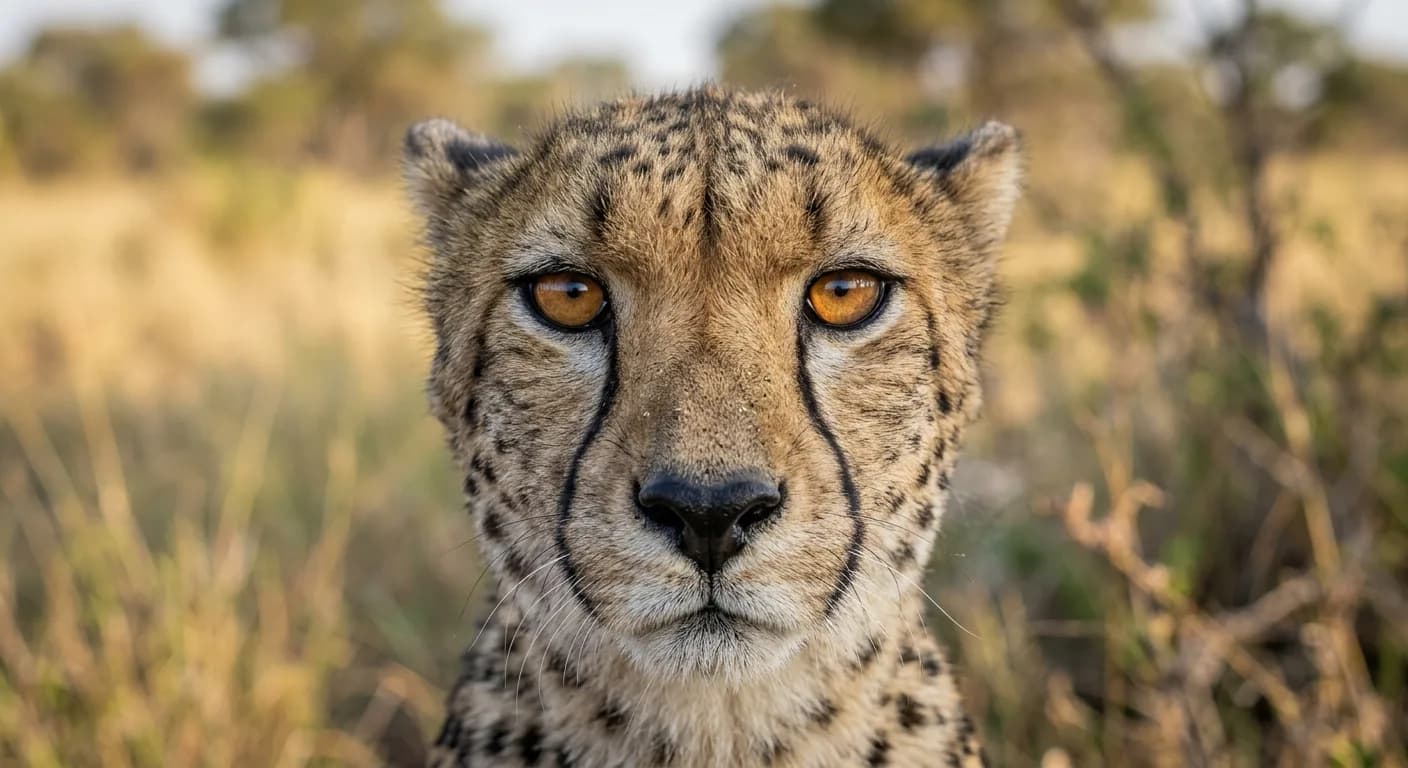 Vulnerable
Cheetah
Acinonyx jubatus
Black-footed Cat
Felis nigripes
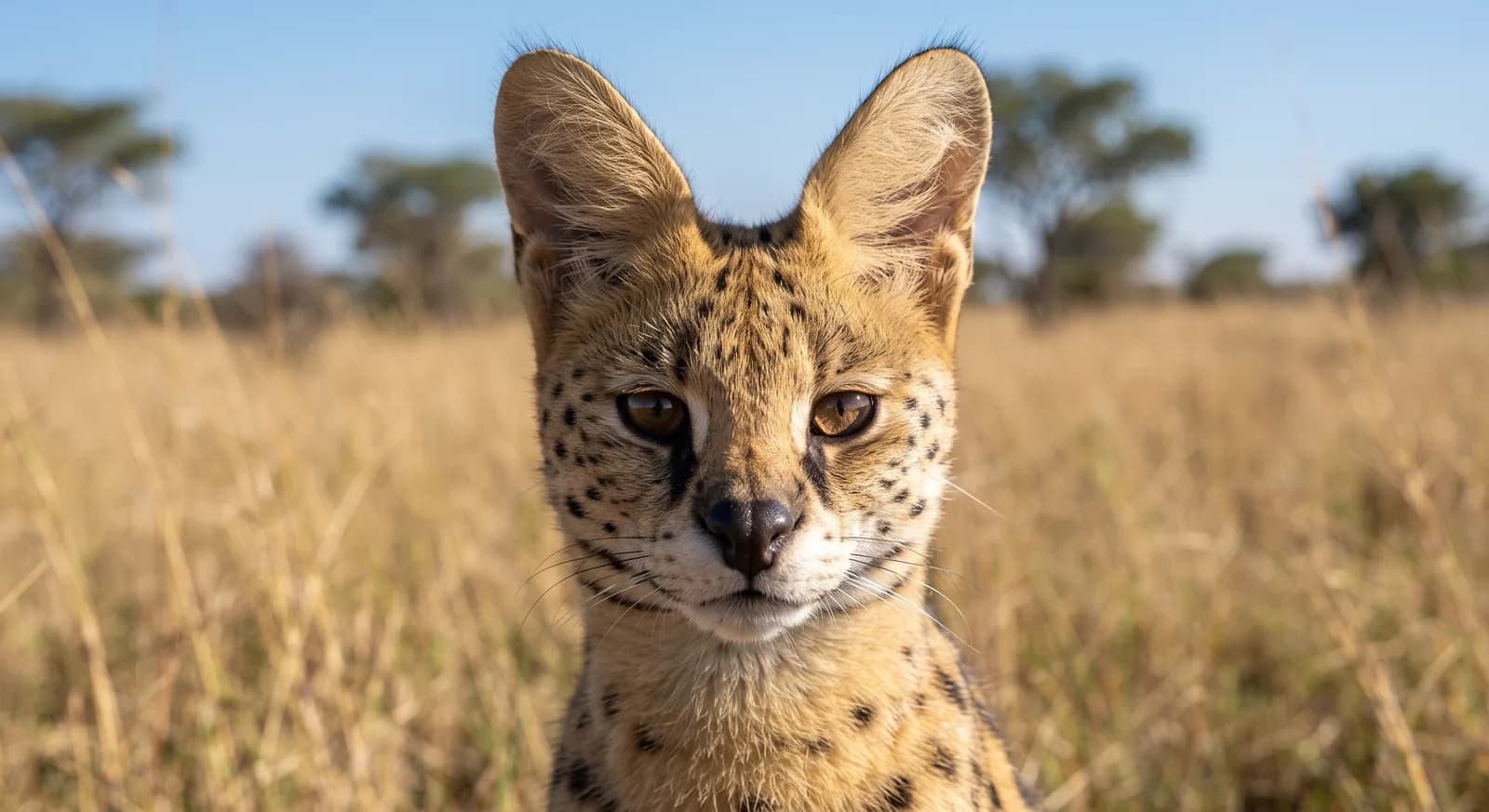 Least Concern
Serval
Leptailurus serval
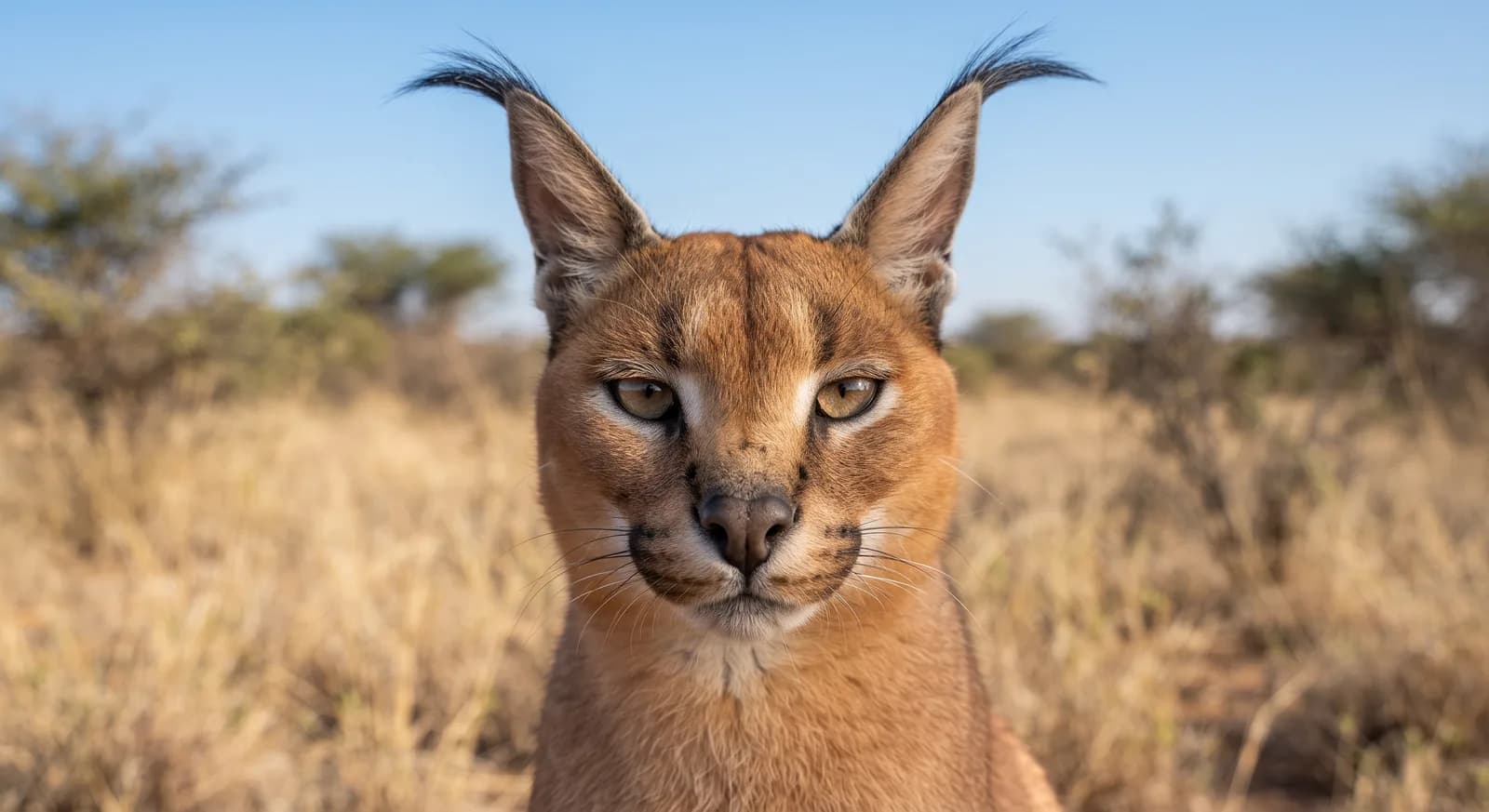 Least Concern
Caracal
Caracal caracal
How to help
The lion is classified as vulnerable. Organizations such as Lion Recovery Fund work specifically on its conservation and that of its habitat; looking into their programs is a good starting point if you want to get involved.
It's documented in 10 real protected areas — part of why protecting these places matters for its conservation.
Keep exploring
Based on what we already know about lion.
Comments
Share an experience, a fun fact or a tip for seeing the lion.
Be the first to comment.