Tanzania
África
Tanzania brings together the largest set of protected natural areas in East Africa and some of the most recognisable settings on the continent. The Serengeti, a plain of grass almost without trees, is the stage for the greatest land migration of mammals on the planet, with more than a million wildebeest accompanied by zebras and gazelles in an annual cycle that follows the rains. The Ngorongoro crater, the largest intact caldera in the world, encloses a complete ecosystem with thousands of resident animals. Kilimanjaro rises in isolation to almost six thousand metres and strings together rainforest, heath and high-altitude desert. In the south, Nyerere and Ruaha protect immense stretches of miombo and savannah, and on the coast Zanzibar and Mafia contribute reefs, mangroves and a colobus found only on the island.
The nature of Tanzania
National animal: The giraffe, Tanzania's national animal
Did you know?
Lake Natron is a soda lake whose waters reach a pH capable of damaging the skin of most animals. Precisely for that reason it is the only place where almost the entire East African population of lesser flamingo breeds regularly: the birds build cones of mud on the salt crust and raise their chicks in a setting almost no predator can approach.
Biodiversity profile
Climate
- •Tropical con estacion seca (Aw) en la mayor parte del territorio
- •Templado de montaña en el Monte Kilimanjaro y el Arco Oriental
- •Semiarido en zonas centrales
Main biomes
- •Sabana de acacia-commiphora (Serengeti, Tarangire)
- •Bosques del Arco Oriental (Udzungwa, Uluguru, Rungwe, "islas" de biodiversidad de altisimo endemismo)
- •Bosque costero del este de Africa
- •Miombo (bosque seco de tierras bajas)
- •Pradera de sabana
- •Caldera volcánica
- •Bosque de miombo
- •Lago alcalino
- •Bosque afromontano
- •Arrecife de coral índico
- •Manglar costero
Marine and coastal ecosystems
- •Costa del Oceano Indico, con arrecifes de coral y manglares alrededor de Zanzibar y el continente
- •Aguas ricas en delfines, tortugas marinas y peces de arrecife
Flagship wildlife
- •Leon africano
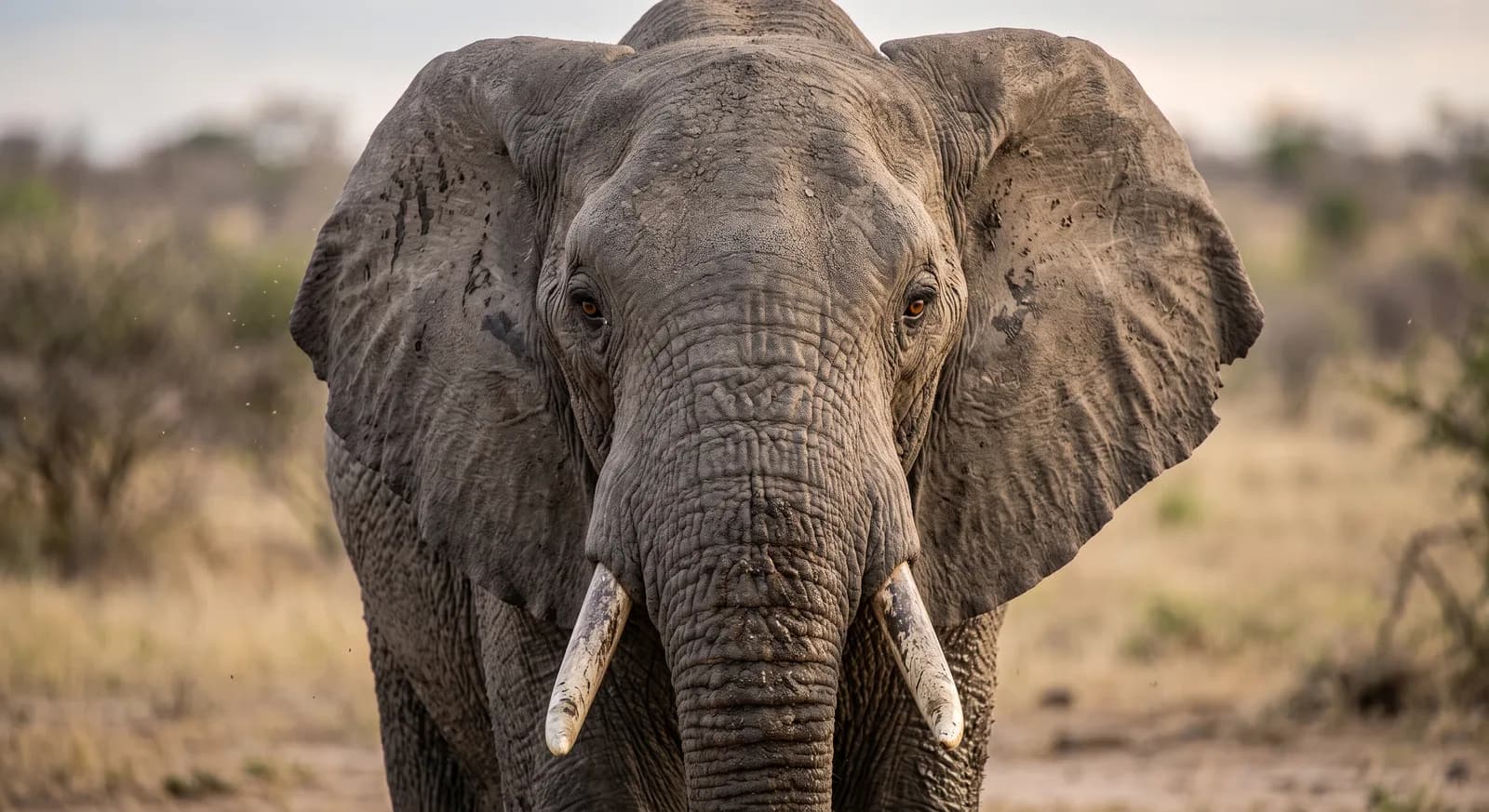
- •Elefante de sabana
- •Gran Migracion de ñus y cebras (Serengeti)
- •Cocodrilo del Nilo (Lago Tanganica y otros)
- •Ñu azul
- •Flamenco enano
- •Jirafa masái
- •Elefante africano de sabana
- •Rinoceronte negro
- •Guepardo
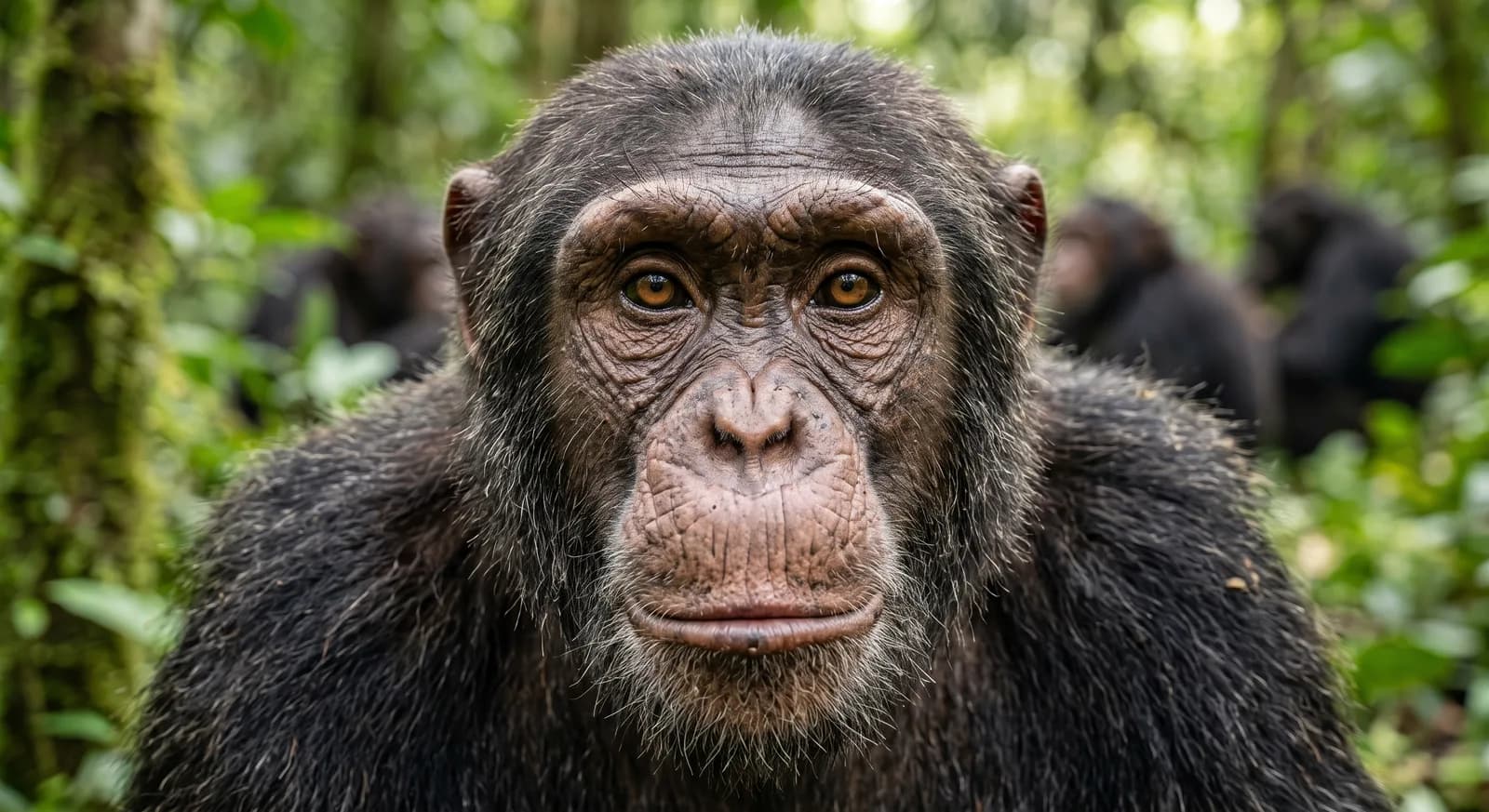
- •Chimpancé
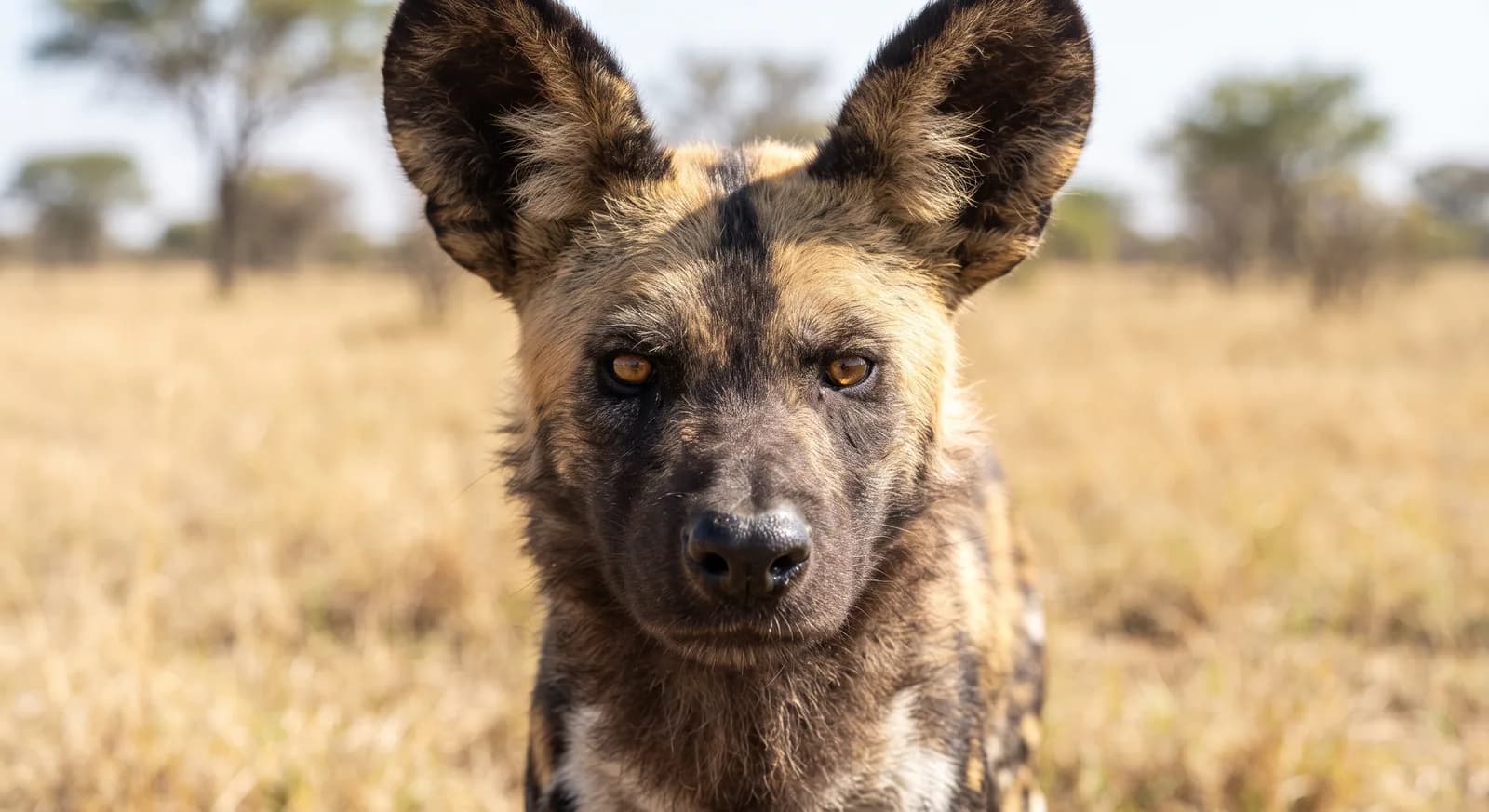
- •Perro salvaje africano
- •Colobo rojo de Zanzíbar
Notable endemic species
- •20 especies de primates (4 endemicas), 34 de antilopes (2 endemicas), 290 de reptiles (75 endemicas), 40 especies de anfibios endemicas, y aprox. 11.000 especies de plantas con numerosos endemismos
- •El Lago Tanganica, segundo lago mas profundo del mundo, alberga mas de 250 especies endemicas de peces cíclidos
- •Tres especies de aves endemicas exclusivas del Serengeti, ninguna registrada en el vecino Masai Mara (Kenia)
- •Colobo rojo de Zanzíbar
- •Sengi de cara gris
- •Kipunji
Notable threatened species
- •Rinoceronte negro (En Peligro Critico, poblacion en recuperacion en zonas protegidas)
- •Elefante de sabana (Vulnerable/En Peligro segun poblacion, fuerte presion de caza furtiva historica)
- •Numerosas especies endemicas de peces cíclidos del Lago Tanganica vulnerables a la sobrepesca y contaminacion
Notable protected areas
- •Parque Nacional del Serengeti (Patrimonio Mundial, Gran Migracion)
- •Area de Conservacion de Ngorongoro (Patrimonio Mundial)
- •Ecosistema Selous-Nyerere (uno de los mayores paisajes protegidos de Africa)
- •Parque Nacional del Kilimanjaro
- •Parque Nacional de Nyerere
- •Parque Nacional de Gombe
- •Parque Marino de la Isla de Mafia
Main conservation threats
- •Caza furtiva de elefantes y rinocerontes
- •Presion demografica y expansion agricola en zonas colindantes a parques
- •Cambio climatico sobre los ecosistemas de "islas" del Arco Oriental, altamente sensibles por su aislamiento geografico
Notable natural phenomena
- •El Monte Kilimanjaro es el pico mas alto de Africa
- •Las montañas del Arco Oriental son consideradas "islas de biodiversidad" por su altisimo endemismo pese a su reducida extension
Conservation
At Gombe, Jane Goodall documented in 1960 that chimpanzees make and use tools, a finding that forced a redefinition of the boundary between humans and the rest of the animals. The Udzungwa mountains still keep yielding species new to science.
Where and when to watch wildlife
The Serengeti between January and March for wildebeest calving in the south and between July and September for the river crossings. Ngorongoro year-round. Mafia between October and March for whale sharks.
Sources: a-z-animals.com - Wildlife in Tanzania | eac.int - Biodiversity East African Community | Wikipedia - Southern Acacia-Commiphora bushlands and thickets | Key Biodiversity Areas - Serengeti National Park factsheet
Natural phenomena in Tanzania
- Gran Migración: cruce del río Mara — Julio a octubre
- Gran Migración: temporada de cría en Ndutu — Enero a marzo (pico en febrero)
- Cría de flamencos enanos en el lago Natron — Junio a octubre (anidación ago-oct)
Parks and reserves
Ngorongoro
The largest intact, unflooded volcanic caldera in the world, with one of the highest densities of wildlife in Africa
View parkNational ParkNyerere (antiguo Selous)
Renamed in 2019 after Tanzania's first president; one of the largest protected wildlife areas in Africa
View parkNational ParkSerengeti National Park
The setting of the great annual migration of wildebeest and zebra, and one of the best places in the world to see the complete Big Five.
View parkNational ParkKilimanjaro
Kilimanjaro is the highest free-standing mountain in the world and the highest peak in Africa
View parkNational ParkNyerere (ex Selous)
One of Africa's largest protected areas, on the List of World Heritage in Danger since 2014 because of poaching and a major dam.
View parkNational ParkLago Manyara
An alkaline lake at the foot of the Rift with tree-climbing lions and large flamingo gatherings.
View parkNational ParkArusha
Three settings in one small park: the Ngurdoto crater, the Momella lakes and Mount Meru.
View parkNational ParkGombe Stream
Where Jane Goodall began in 1960 the longest-running study of wild chimpanzees in the history of primatology
View parkNational ParkRubondo Island
An island out in Lake Victoria where chimpanzees rescued from European circuses and zoos were reintroduced in the 1960s and 1970s
View parkNational ParkKatavi
One of the most remote and least visited parks in Tanzania, with some of the largest hippopotamus concentrations in Africa through the dry season
View parkDiving and snorkelling
Chumbe Island
A private ecological reserve, a pioneer of sustainable ecotourism since 1994, with one of the best preserved reefs off Zanzibar.
View dive siteCoral reefBawe Island
A little-visited island off Stone Town, a quiet alternative to Zanzibar's busier reefs.
View dive sitePelagic/ReefMafia Island (tiburón ballena)
An island less known than Zanzibar but with better reefs and reliable whale shark aggregations.
View dive siteAtoll reefMnemba Atoll (Zanzíbar)
A small private atoll off Zanzibar with one of the best preserved reefs in East Africa.
View dive siteOcean wallPemba Channel
A deep channel between Pemba and mainland Africa, with some of the deepest and most pristine coral walls in East Africa.
View dive siteFauna que puedes ver ahora
¿Qué merece la pena observar este mes en Tanzania?
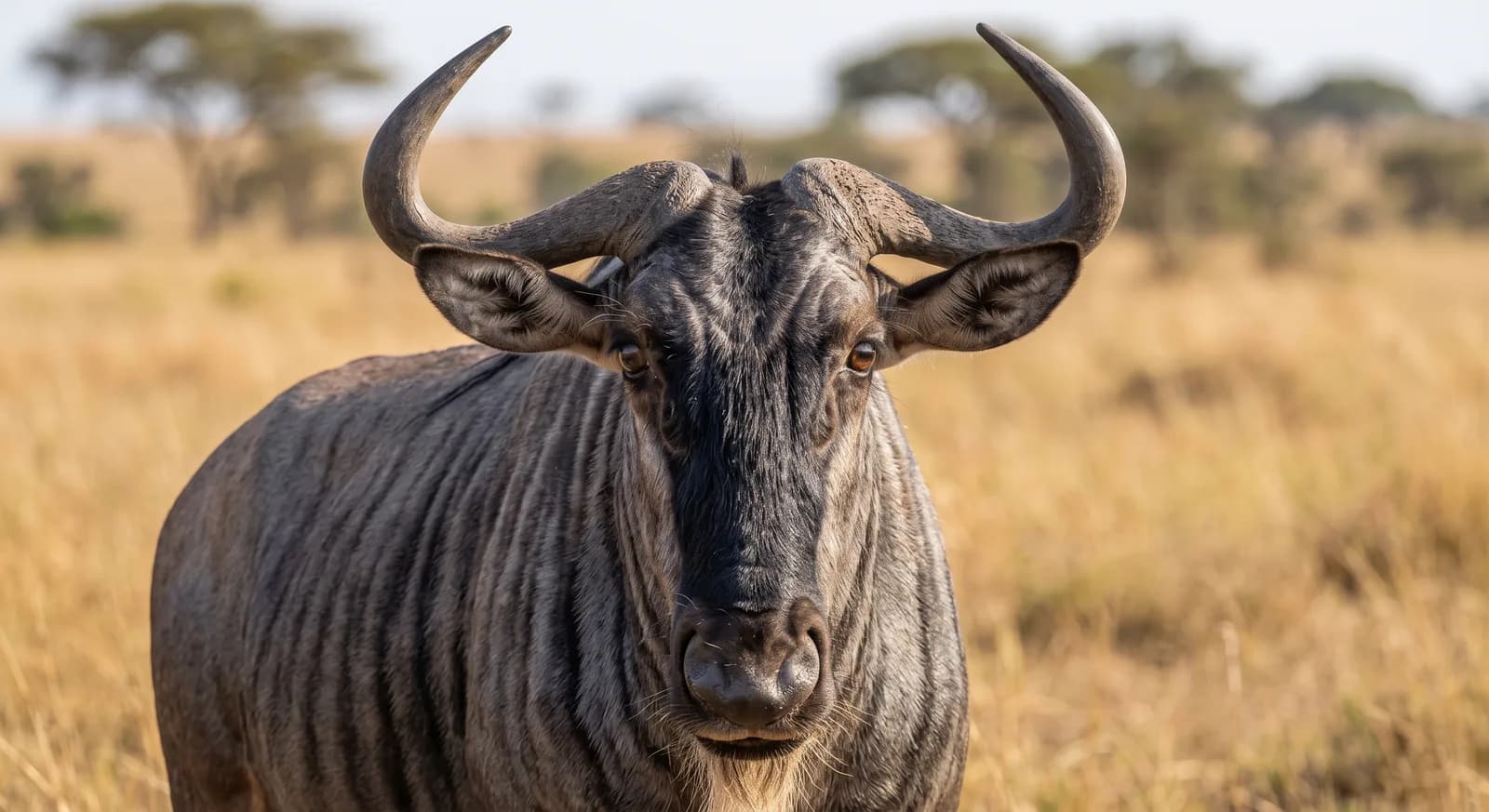 Least Concern
Common Wildebeest
Connochaetes taurinus
Ahora es buena época: Gran Migración: cruce del río Mara (Julio a octubre)
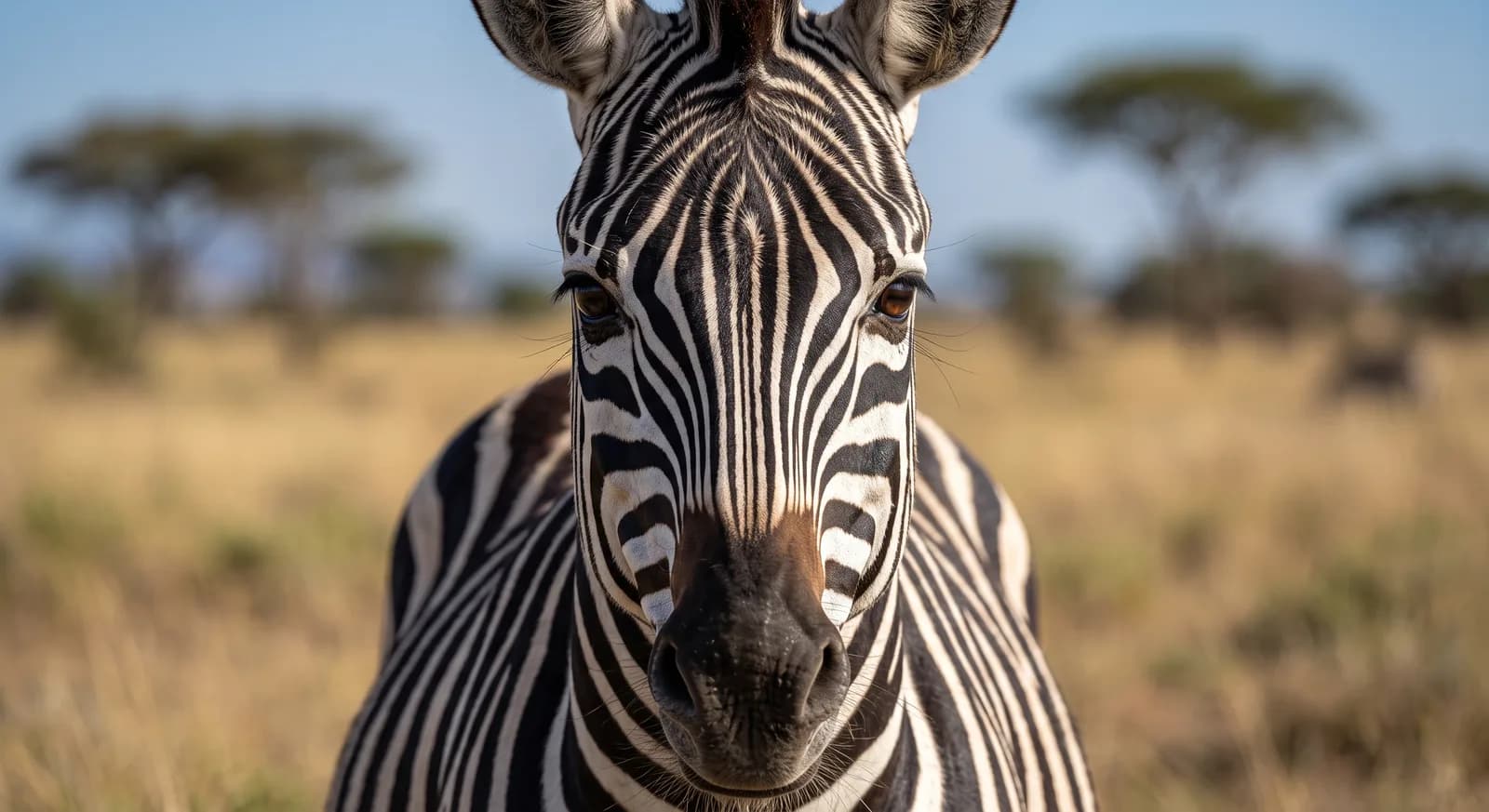 Least Concern
Plains Zebra
Equus quagga
Ahora es buena época: Gran Migración: cruce del río Mara (Julio a octubre)
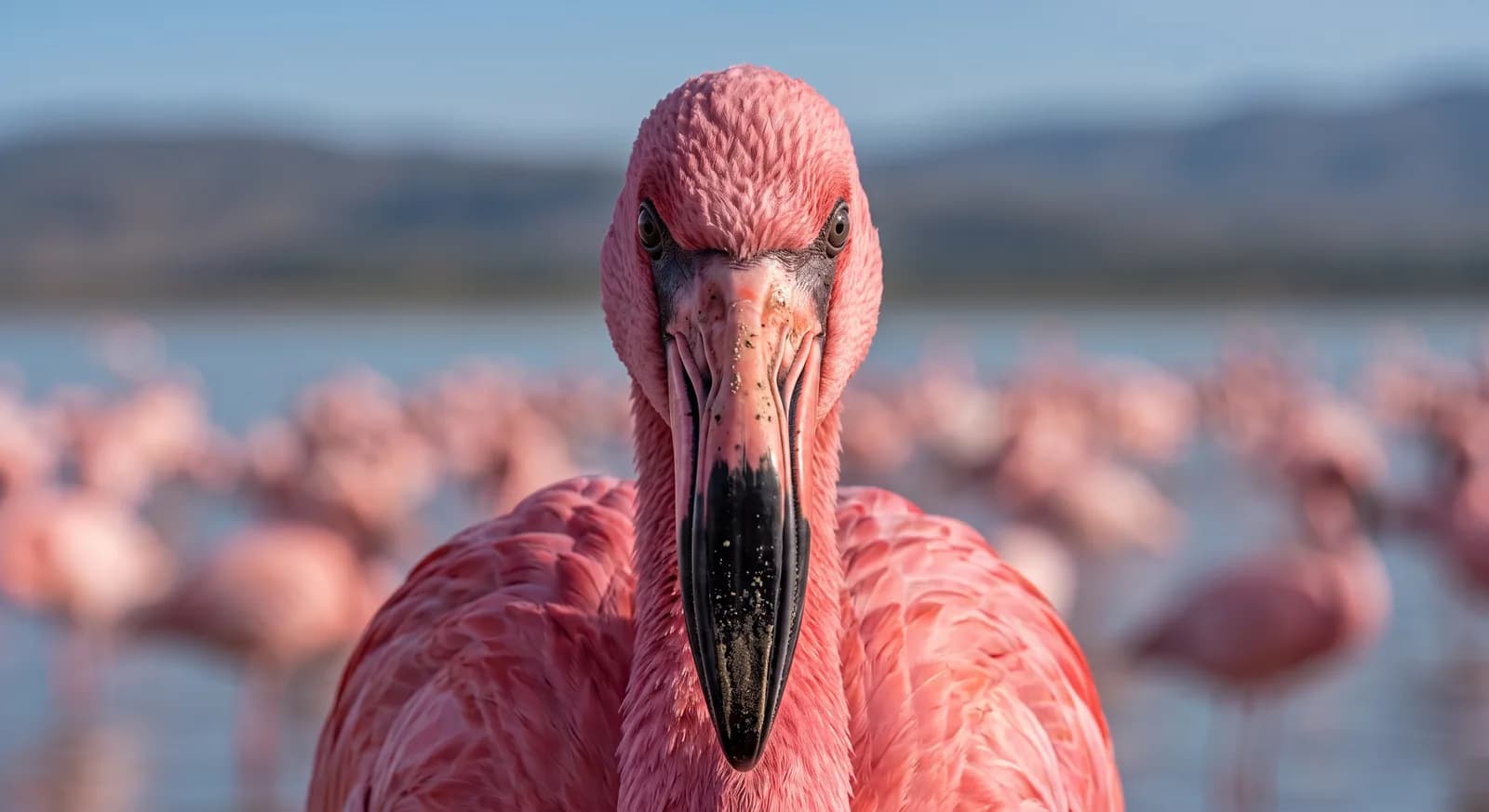 Near Threatened
Lesser Flamingo
Phoeniconaias minor
Ahora es buena época: Cría de flamencos enanos en el lago Natron (Junio a octubre (anidación ago-oct))
Especies documentadas en Tanzania
339 species found
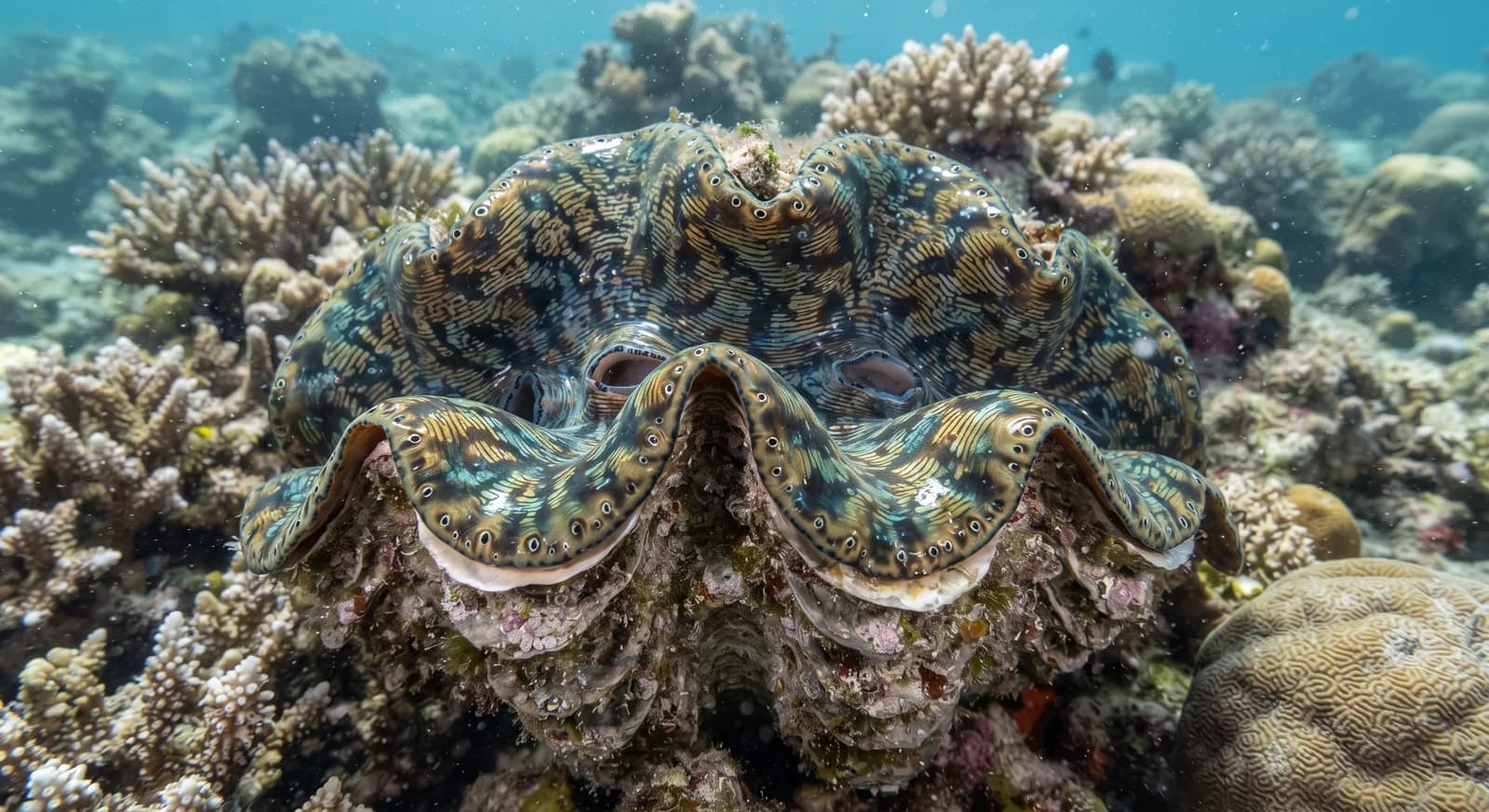 Critically Endangered
Giant Clam
Tridacna gigas
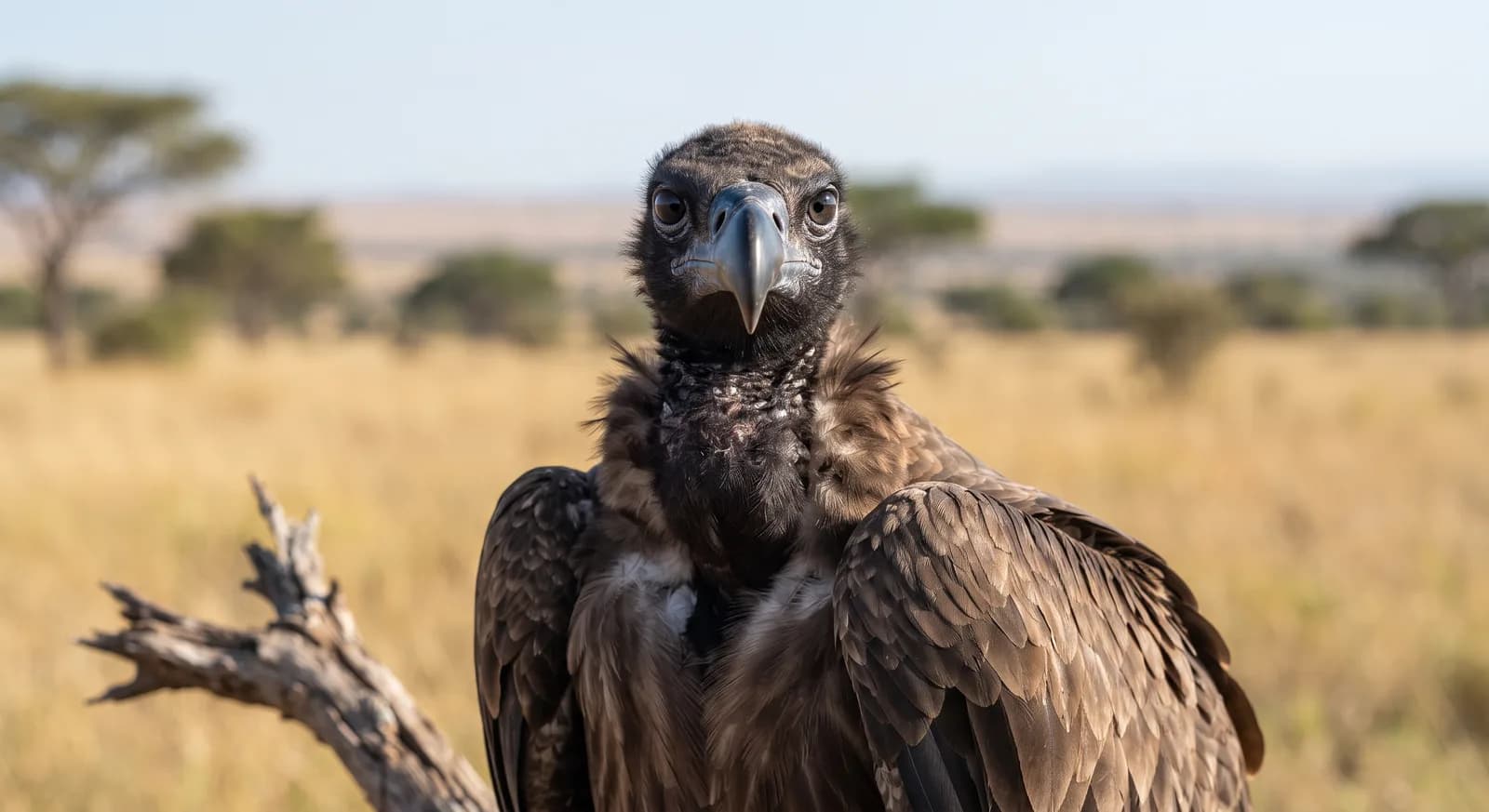 Critically Endangered
White-backed Vulture
Gyps africanus
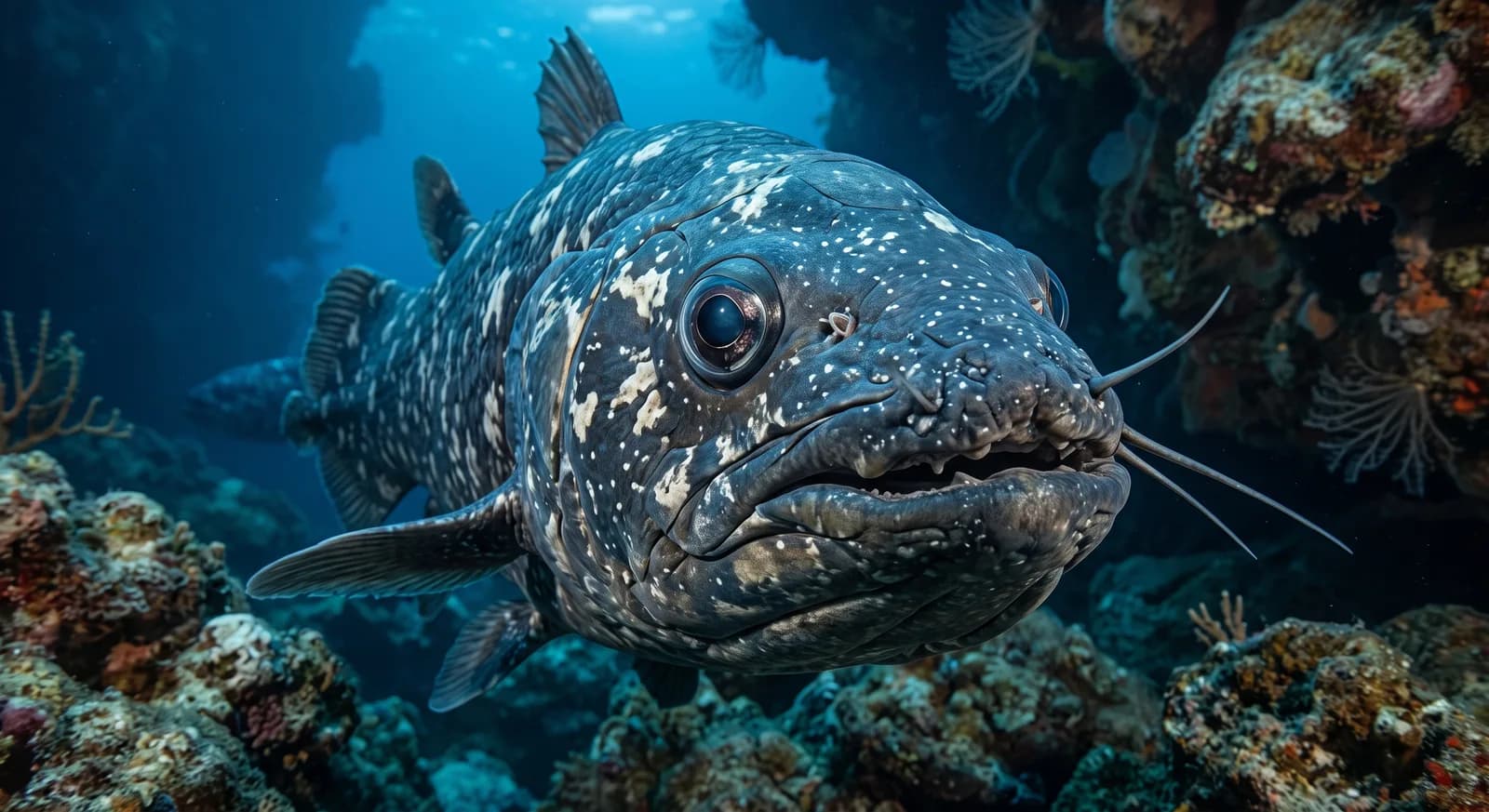 Critically Endangered
Coelacanth
Latimeria chalumnae
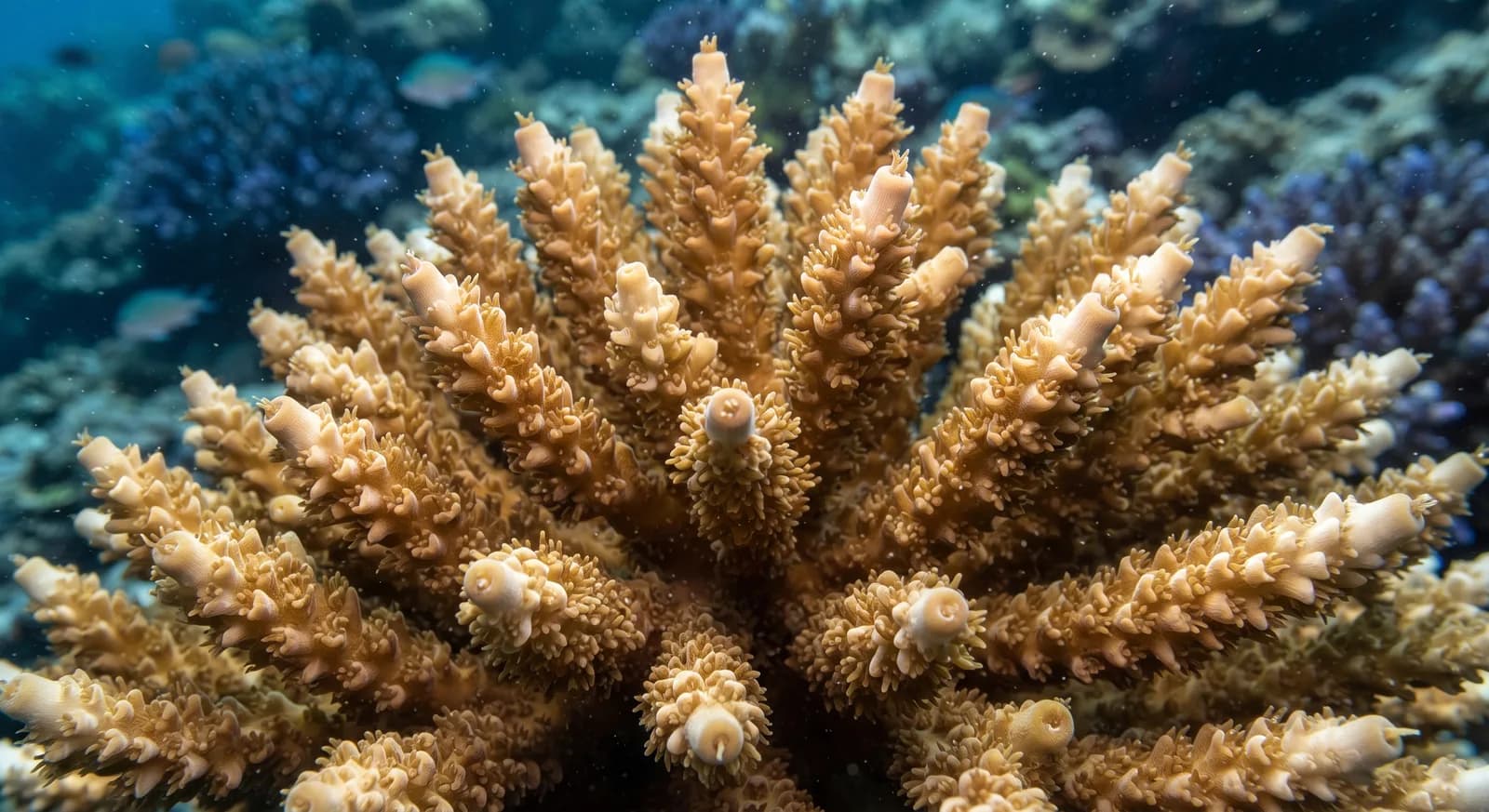 Critically Endangered
Staghorn Coral
Acropora cervicornis
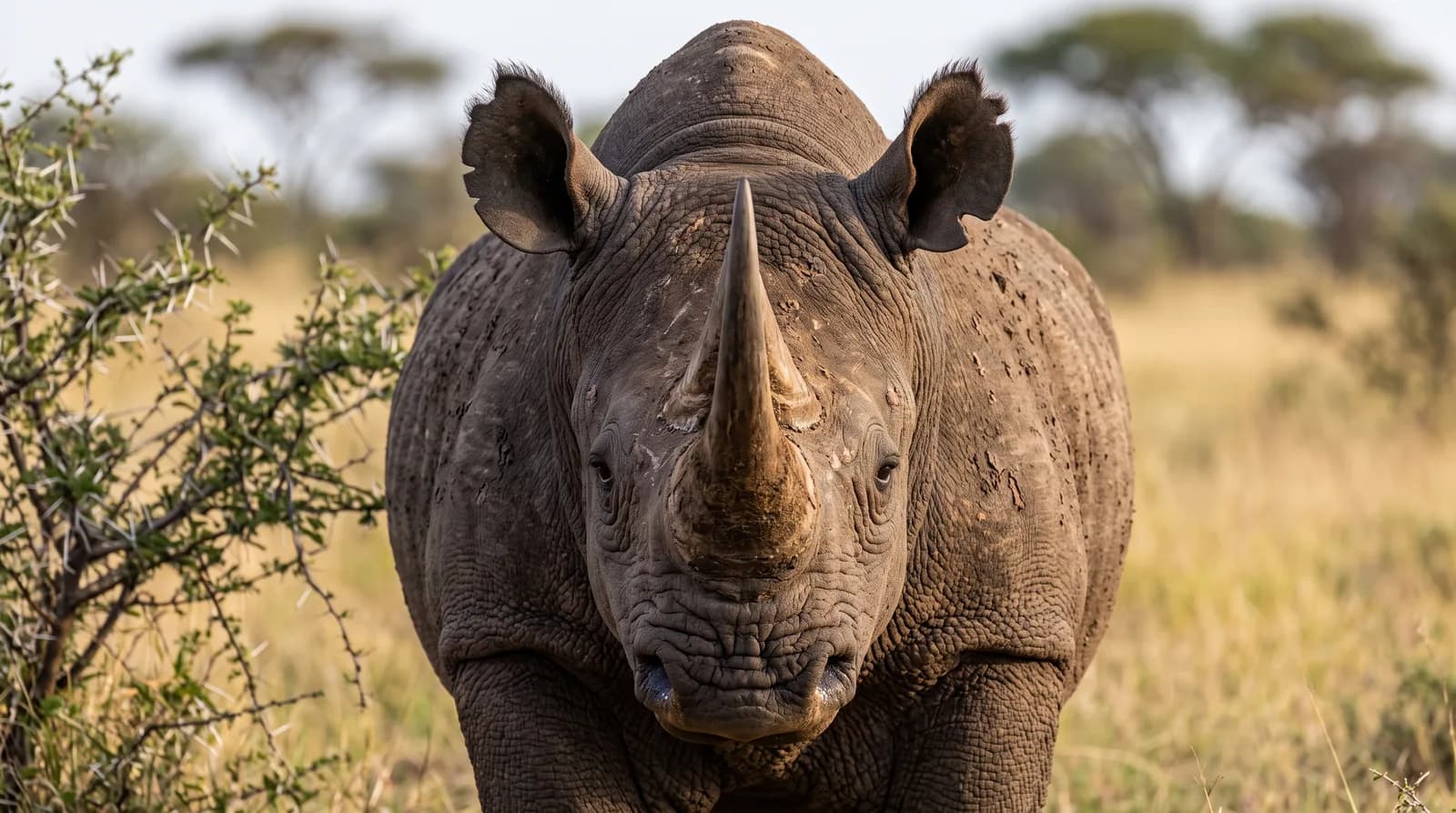 Critically Endangered
Black Rhinoceros
Diceros bicornis
 Critically Endangered
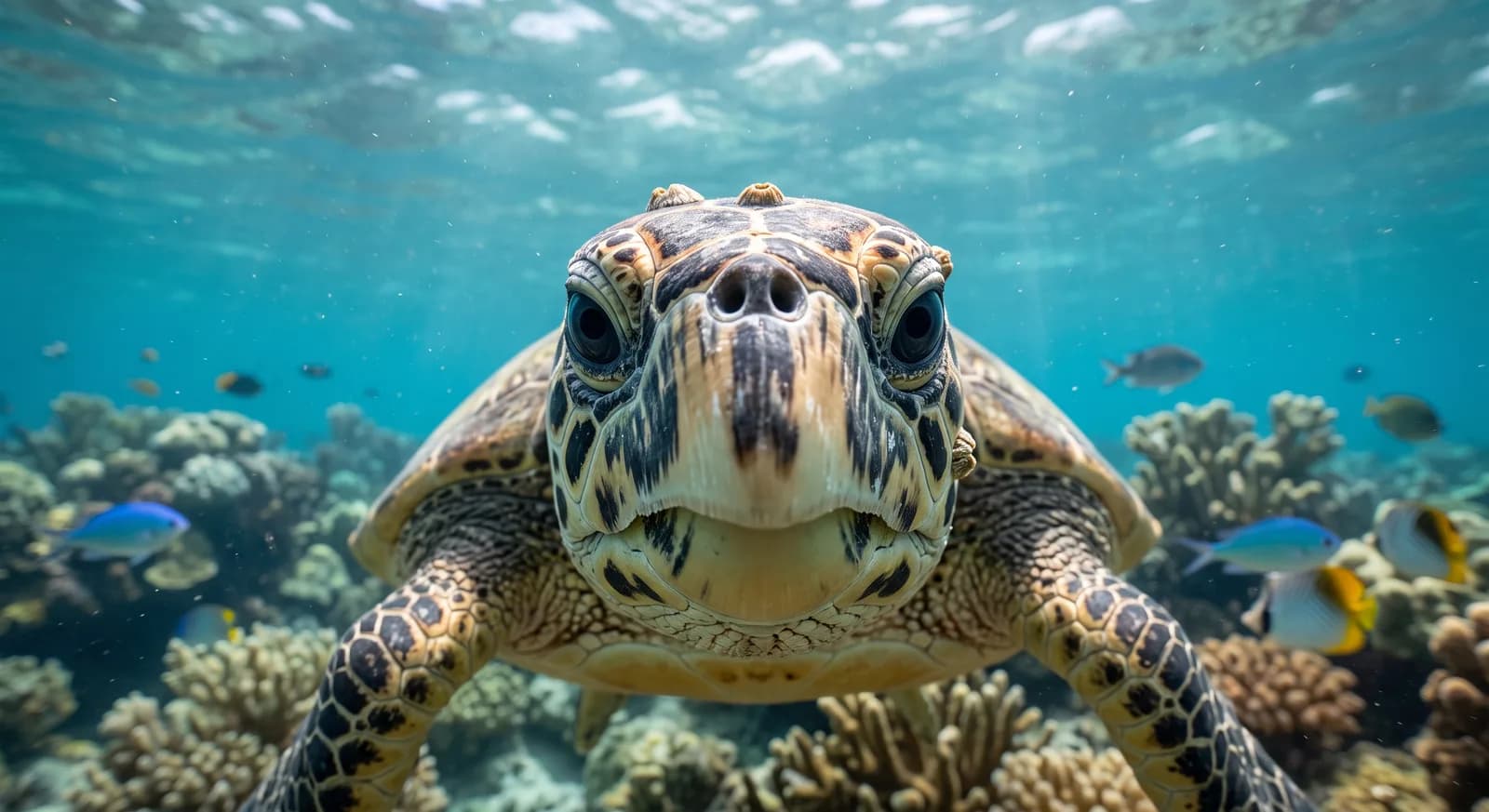
Hawksbill Turtle
Eretmochelys imbricata
 Endangered
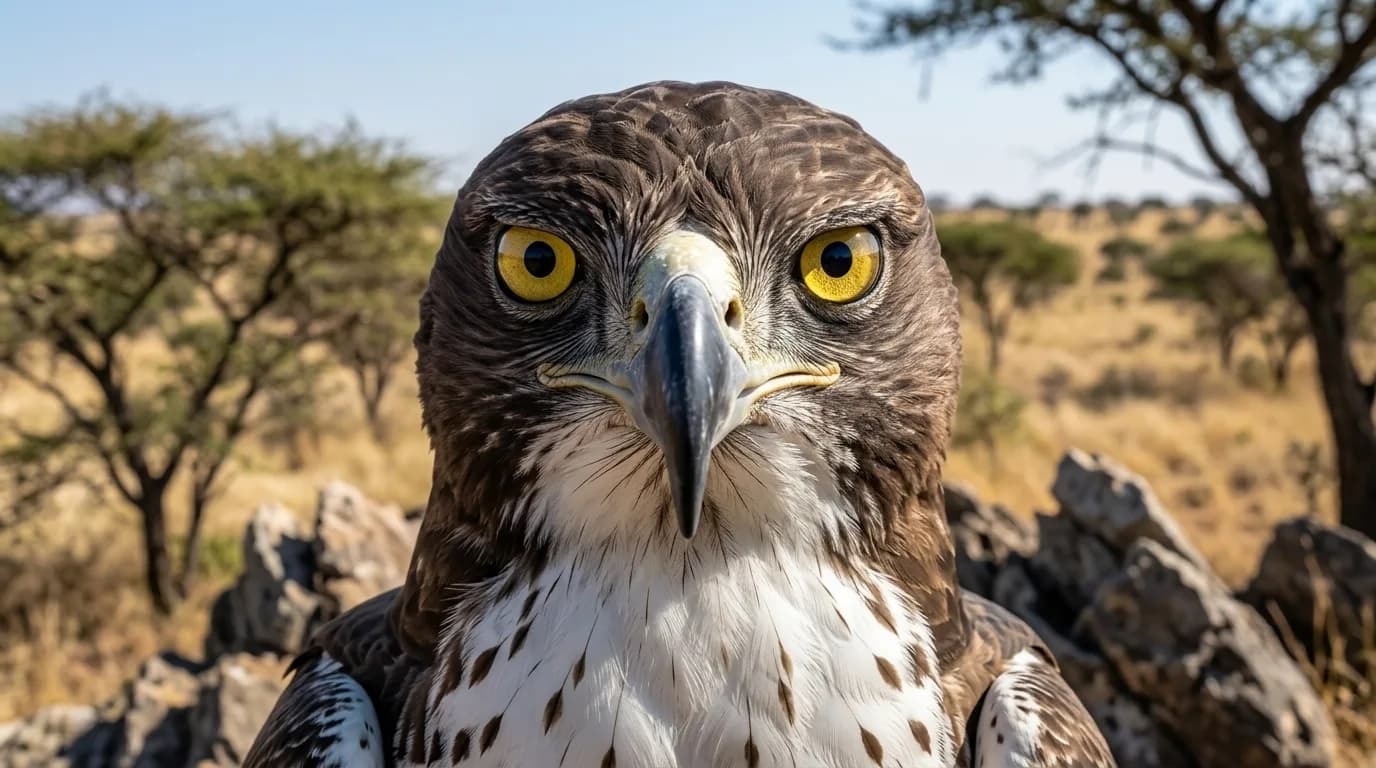
Martial Eagle
Polemaetus bellicosus
 Endangered
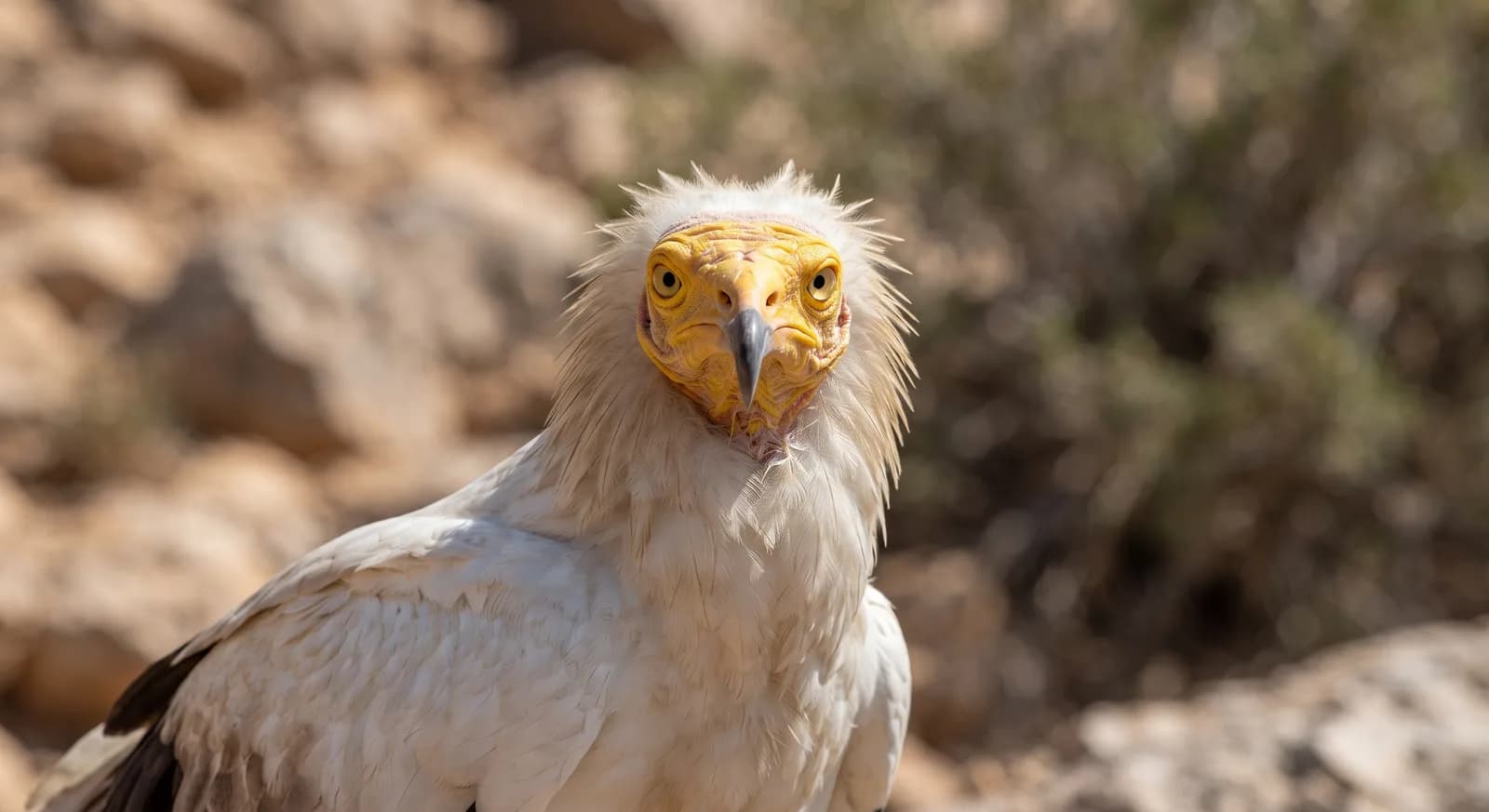
Egyptian Vulture
Neophron percnopterus
 Endangered
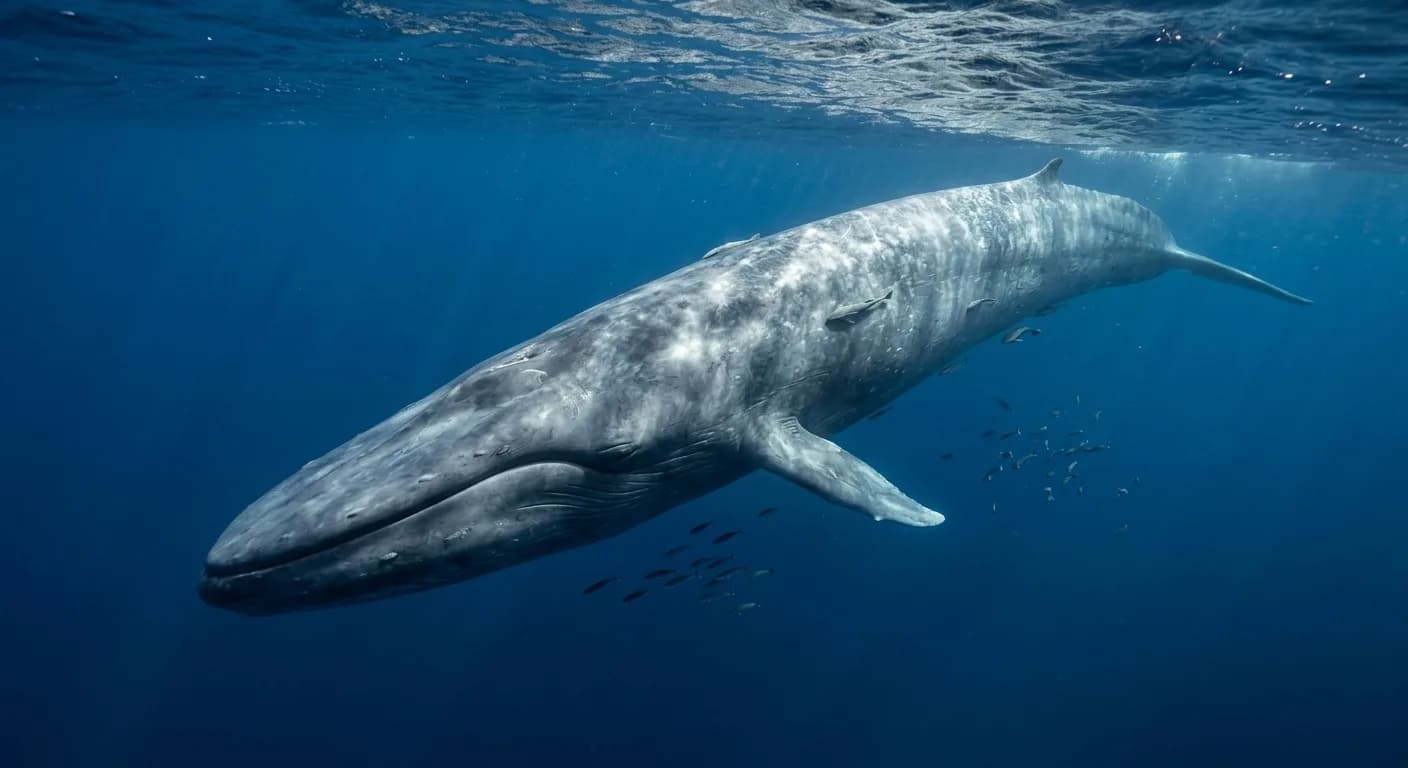
Blue Whale
Balaenoptera musculus
 Endangered
Chimpanzee
Pan troglodytes
 Endangered
African Savanna Elephant
Loxodonta africana
 Endangered
African Wild Dog
Lycaon pictus
Keep exploring
Based on what we already know about Tanzania.