One of the 9 corals on WAnimals
Anthozoans · Scleractinia · Acroporidae
Staghorn Coral
Acropora cervicornis
It faces an extremely high risk of imminent extinction in the wild. See full glossary
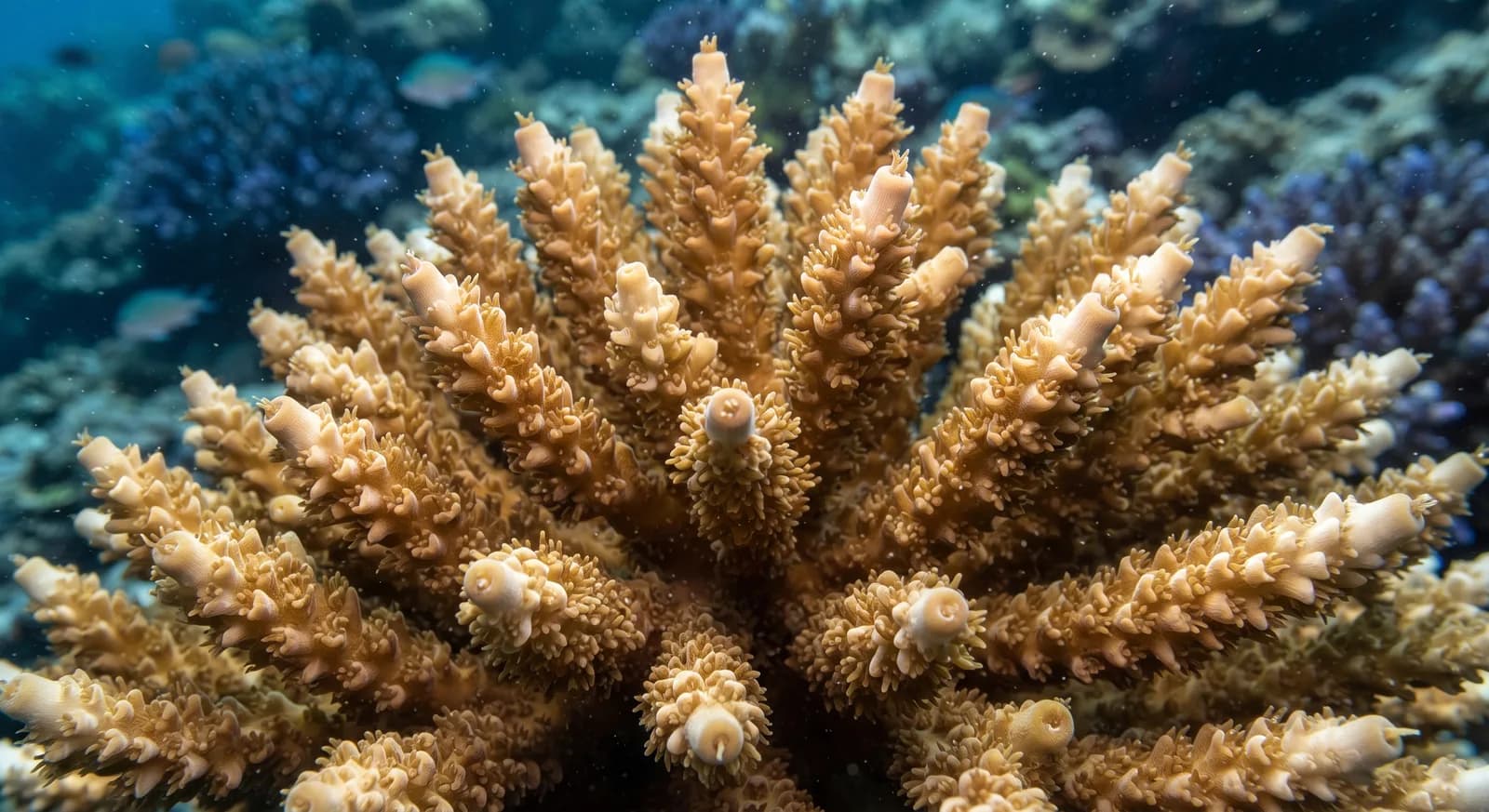
A branching stony coral with cylindrical branches that divide infrequently and recall the antlers of a deer. It forms dense thickets that over millennia built much of the structure of the Caribbean reefs.
Size
up to 2 m
Diet
Carnivore
Feeds mainly on other animals.
Activity
Nocturnal
Active mainly at night.
Social structure
Colony
Lives in large concentrations, often for breeding reasons.
Sighting difficulty
Very hard
Estimated population
A documented decline of at least 80% over three decades. A disease outbreak in the early 1980s wiped out close to 97% of its cover, abundance and occupied area
Fun facts
- reproducciónIt is a key reef-building species that breeds by releasing eggs and sperm together on a single night of the year, timed to the phases of the moon.
- It is the fastest-growing coral in the western Atlantic: its branches lengthen by 10 to 20 cm a year.
- It reproduces mainly asexually: branches that break off and reattach start new colonies, which allows a quick recovery from a storm but not from disease.
- Together with elkhorn coral and the star corals, it built the Caribbean reefs over the past 5,000 years.
- It was the main builder of the Caribbean's reefs, and its collapse is one of the best-documented ecological catastrophes of the sea.
- In the early 1980s an unprecedented epidemic cost it around 97% of its cover, its abundance and its occupied area, within a few years and across the whole Caribbean at once.
- That collapse did not just eliminate the coral: the three-dimensional structure of the shallow reef was lost, and with it the habitat of fish and invertebrates, along with the breakwater function that protected the coasts and allowed seagrass meadows and mangroves to exist behind them.
- Its cylindrical branches grow 2 to 8 cm thick and can exceed two metres in length.
- It grows very fast for a coral and reproduces by fragmentation, so it is the star species of restoration programmes: fragments are grown in underwater nurseries and transplanted onto the reef.
- The results are uneven: in the Florida Keys projects, five-year survival ranged between 4 and 89% depending on the site.
- And there is an irony in those nurseries: the main cause of death among the fragments transplanted in the Dominican Republic was predation by the fireworm, Hermodice carunculata, which also has its own entry in this catalogue.
Life cycle & biology
- Skeleton type
- Invertebrate - external calcareous skeleton of calcium carbonate (colonial cnidarian)
- Habitat & environment
- Fore reef, back reef and patch reefs of the Caribbean and the western Atlantic, between 0 and 30 m deep; the historic optimum band lay between 5 and 25 m
- Size at birth
- The zygote develops into a planktonic planula larva that spends days in the water column before settling
- Sexual maturity
- On reaching about 18 cm of colony height, between 3 and 8 years
- Gestation / incubation
- External fertilisation in the water column; the planula larvae spend several days in the plankton before attaching to hard substrate
- Litter / clutch size
- Broadcast spawning once a year. It is a simultaneous hermaphrodite: each colony produces both eggs and sperm, but does not self-fertilise
Sources consulted: IUCN Red List (e.T133381A3716457); NOAA Fisheries; U.S. Fish & Wildlife Service; SeaLifeBase; Lirman et al. 2014, PLOS ONE; Animal Diversity Web; Wallace 1999, Staghorn corals of the world
Where to find it
See its range on the interactive mapBest time: Visible all year round; the mass spawning happens once a year, in August or September, after the late-summer full moon
Where to watch it
Parques y spots de buceo donde se ha documentado esta especie — se muestran 20 de 100 documentados.
Related species
Other species in the catalogue with the most in common with Staghorn Coral — same habitat, park, country, tags or family.
 Critically Endangered
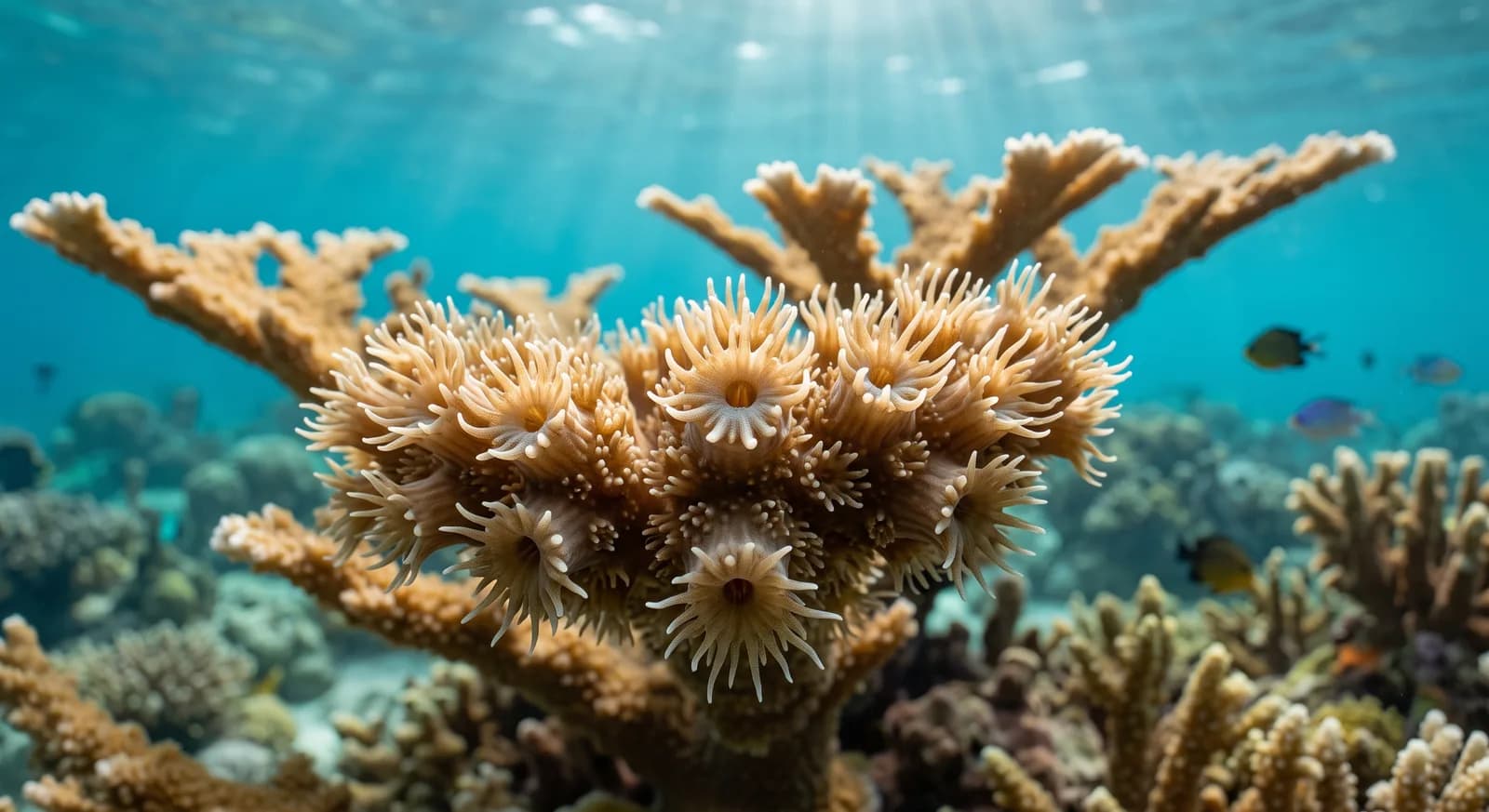
Elkhorn Coral
Acropora palmata
Common Sea Fan
Gorgonia ventalina
 Critically Endangered
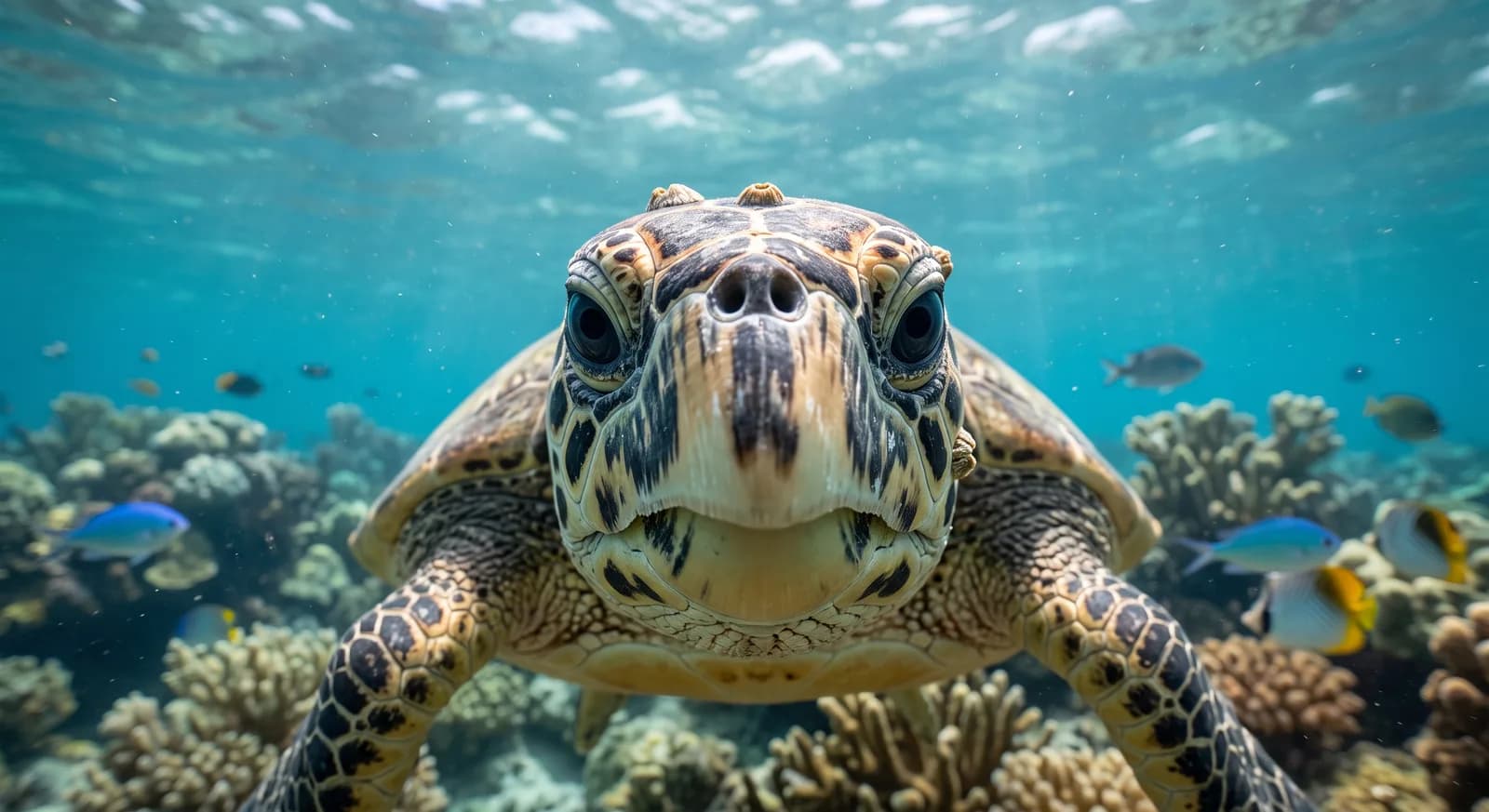
Hawksbill Turtle
Eretmochelys imbricata
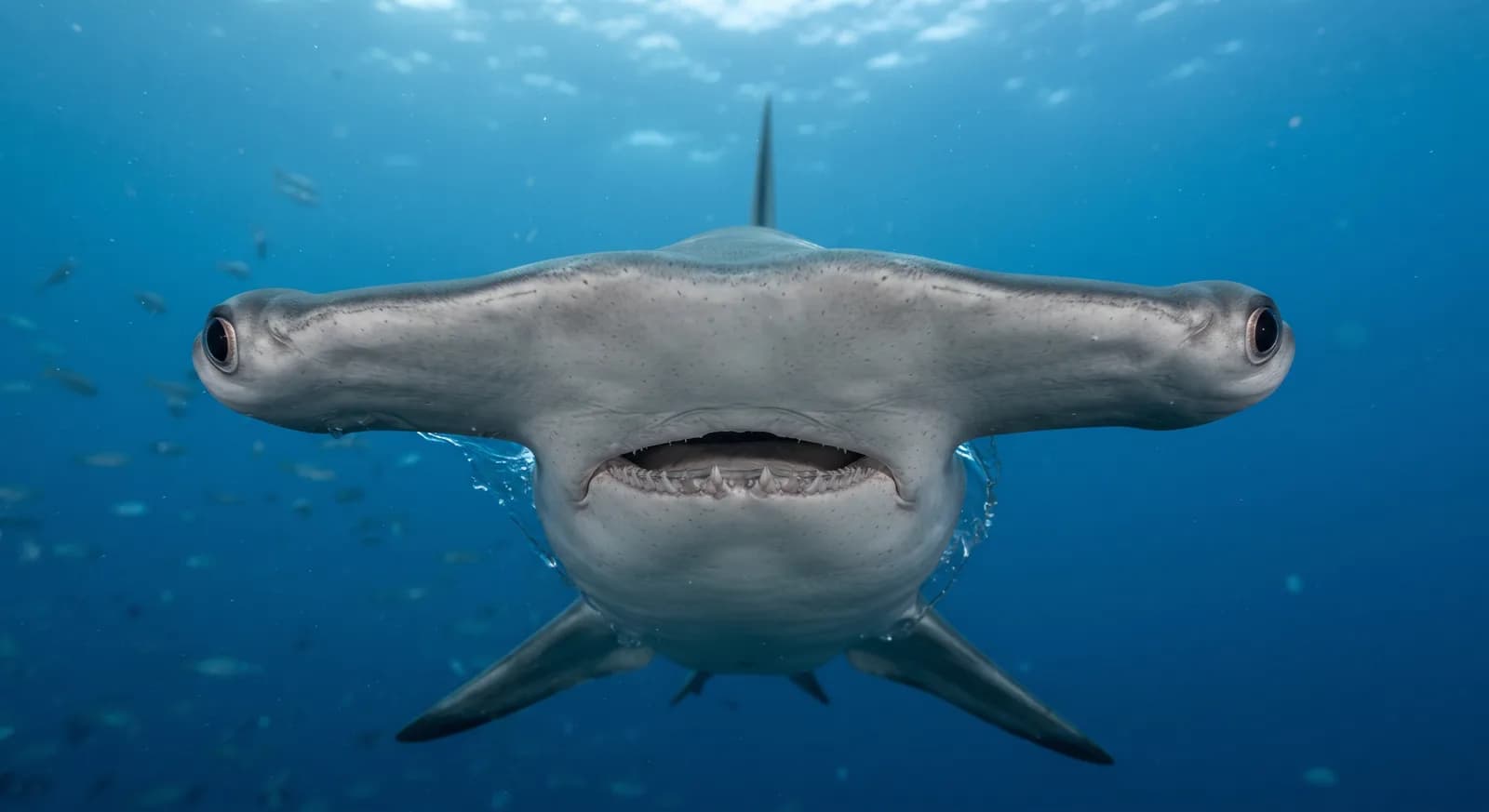 Critically Endangered
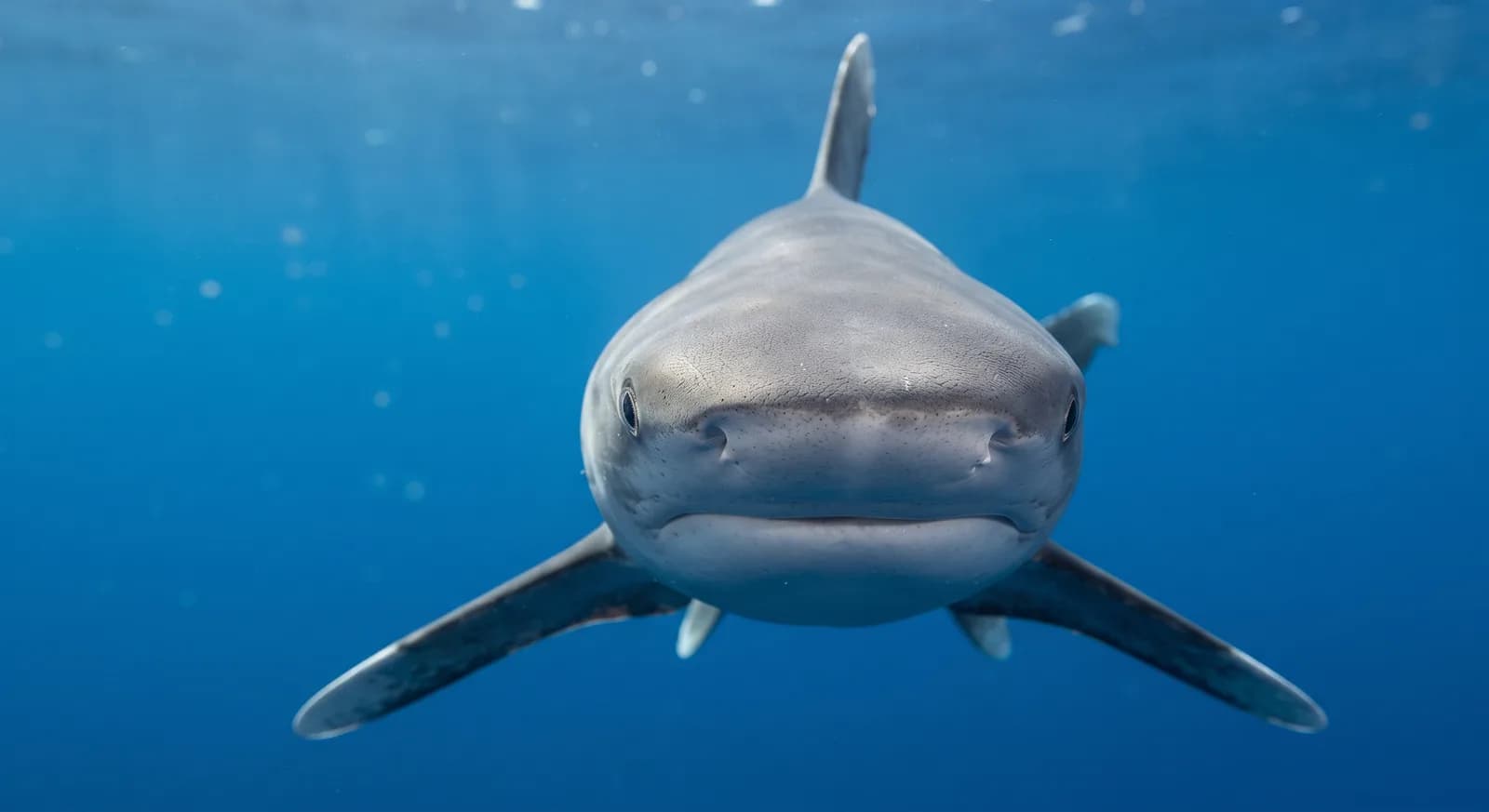
Great Hammerhead
Sphyrna mokarran
How to help
The staghorn coral is classified as critically endangered. Organizations such as UICN, WWF y Wildlife Conservation Society work specifically on its conservation and that of its habitat; looking into their programs is a good starting point if you want to get involved.
It's documented in 17 real protected areas — part of why protecting these places matters for its conservation.
Keep exploring
Based on what we already know about staghorn coral.
Comments
Share an experience, a fun fact or a tip for seeing the staghorn coral.
Be the first to comment.