Anthozoans · Alcyonacea · Gorgoniidae
Common Sea Fan
Gorgonia ventalina
It has not yet been assessed against the IUCN criteria. See full glossary
The purple sea fan, a colony of thousands of tiny polyps held up by a flexible gorgonin skeleton that forms a flat, branching mesh. The colony always grows perpendicular to the prevailing current, so that the water passes through the mesh and the polyps capture the plankton it carries.
Size
30 cm – 1.8 m
Lifespan
30 years
Diet
Carnivore
Feeds mainly on other animals.
Social structure
Colony
Lives in large concentrations, often for breeding reasons.
Sighting difficulty
Unknown
Fun facts
- The whole colony orients itself like a sail to maximise the flow of water through it, which is why the fans in any one area all face the same way.
- It hosts symbiotic algae in its tissues, just as the hard corals do, and it too bleaches when the water warms.
- Since the 1990s it has suffered outbreaks of aspergillosis caused by a fungus of terrestrial origin that reaches the sea in runoff, and which has decimated whole populations in the Caribbean.
- Its fan always grows in a single plane, oriented at right angles to the current, so that water passes through it and the polyps catch the plankton it carries.
- The skeleton is made of gorgonin, a flexible protein, and not of rigid carbonate: that is why it bends with the swell instead of snapping.
- Since the 1980s it has suffered epidemics of aspergillosis, caused by a soil fungus, Aspergillus sydowii, which reaches the sea in dust and run-off and has killed sea fans across the Caribbean.
- It defends itself against the fungus with an immune response of its own: it walls the infection off in melanin nodules, and the colonies that survive show greater activity in that pathway.
- It is the visual emblem of Caribbean reefs, and the purple colour comes from pigments in the skeleton itself.
Life cycle & biology
- Habitat & environment
- Reefs and rocky bottoms of the Caribbean, from 2 to 30 m
Sources consulted: Linneo (1758); Smith et al. (1996), Nature; Mydlarz et al.; Smithsonian Marine Station
Where to find it
See its range on the interactive mapWhere to watch it
Parques y spots de buceo donde se ha documentado esta especie — se muestran 20 de 122 documentados.
Related species
Other species in the catalogue with the most in common with Common Sea Fan — same habitat, park, country, tags or family.
Branching Fire Coral
Millepora alcicornis
 Least Concern
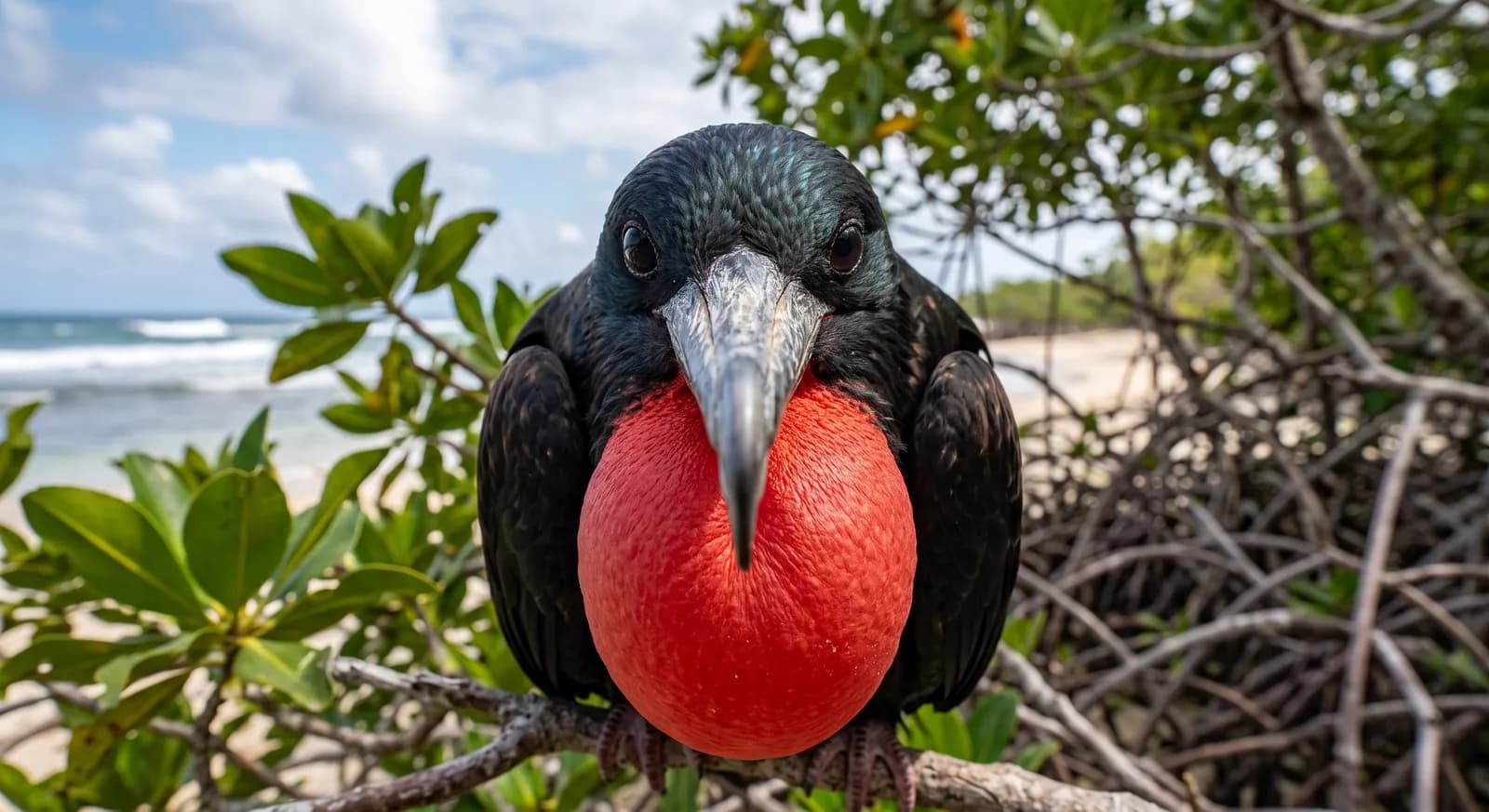
Magnificent Frigatebird
Fregata magnificens
 Critically Endangered
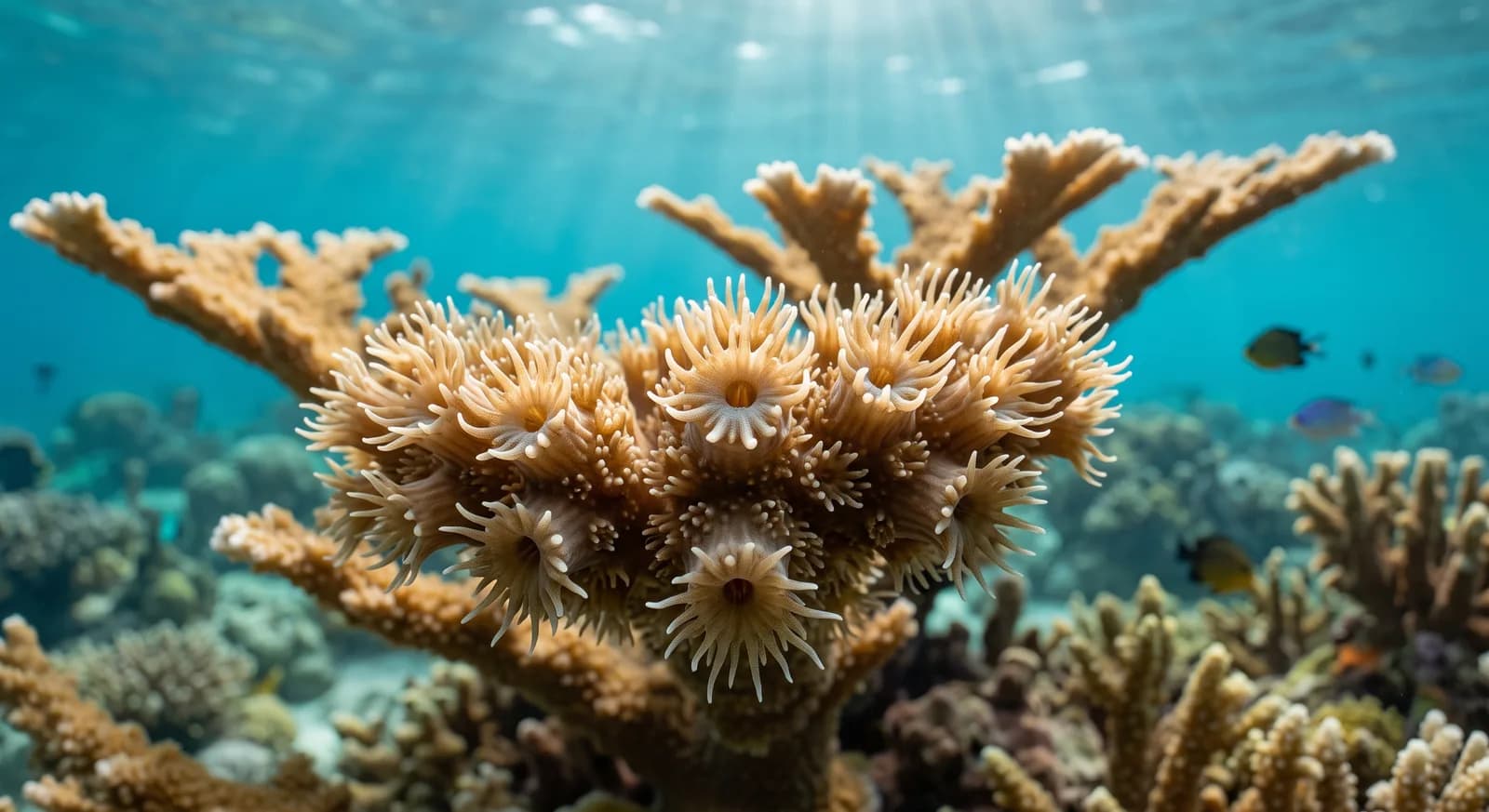
Elkhorn Coral
Acropora palmata
 Critically Endangered
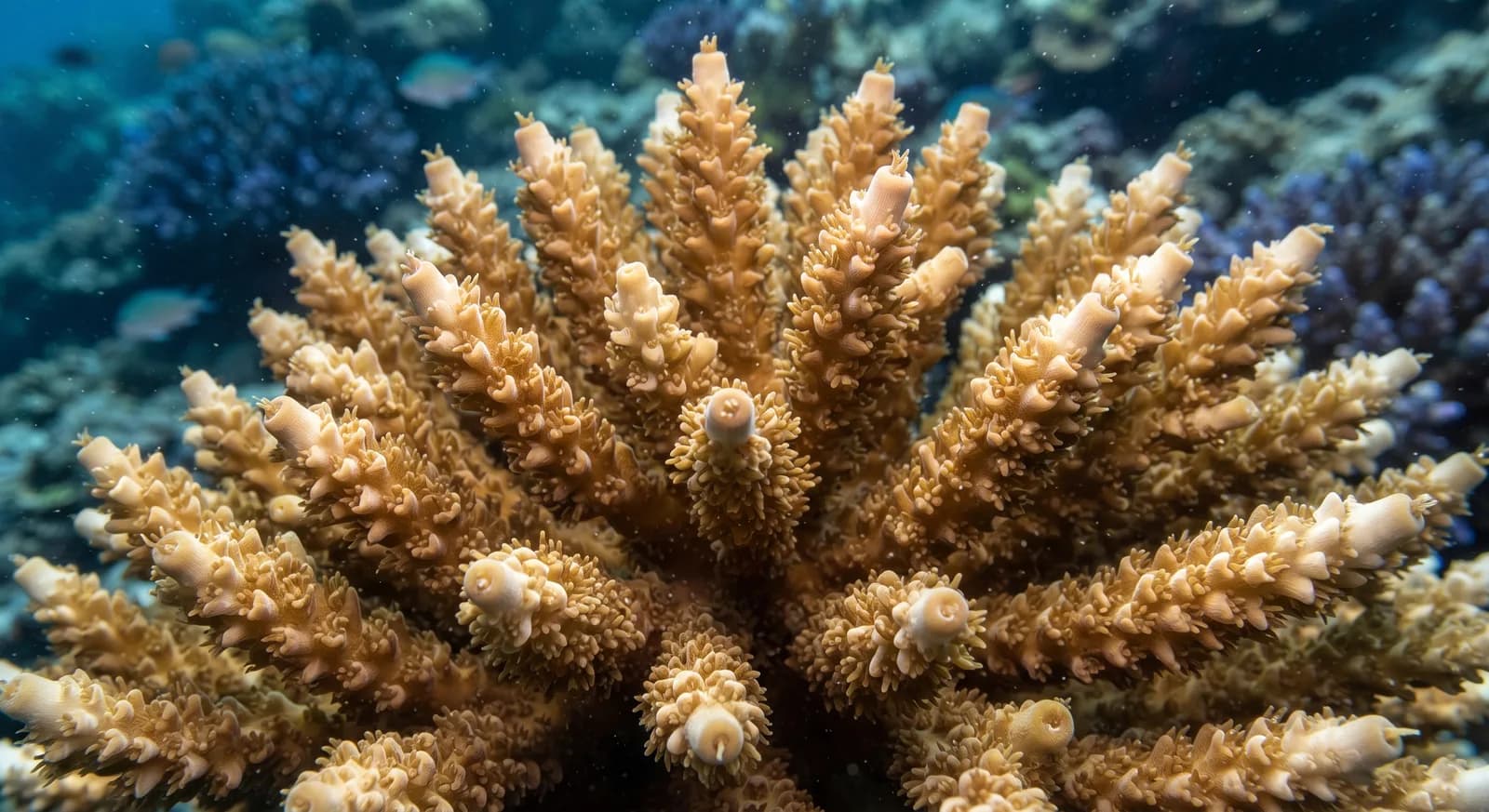
Staghorn Coral
Acropora cervicornis
Portuguese Man-of-war
Physalia physalis
Grey Snapper
Lutjanus griseus
Keep exploring
Based on what we already know about common sea fan.
Comments
Share an experience, a fun fact or a tip for seeing the common sea fan.
Be the first to comment.