Bahamas
América del Norte
The Bahamas is an archipelago of some seven hundred islands and more than two thousand cays sitting on two gigantic limestone banks, with shallow water of exceptional clarity. Andros, the largest island, is fringed by the third longest barrier reef in the world and riddled with hundreds of blue holes, flooded vertical cavities formed when sea level was lower and which hold fauna adapted to darkness and to the absence of oxygen. The sandy bottoms and seagrass meadows sustain turtles, rays and sharks, and the islands' mangroves act as fish nurseries. In the south, the island of Great Inagua holds extensive salt pans ringed by shallow lagoons.
The nature of Bahamas
National animal: The American flamingo, the national bird; the blue marlin is the national fish
Did you know?
The American flamingo came close to disappearing from the Caribbean: by the middle of the twentieth century a few thousand birds remained and the Bahamian colony was on the brink of collapse from hunting and egg collecting. Protecting Great Inagua allowed it to recover to more than eighty thousand birds, which makes it the largest breeding colony of the species in the world and the reason the flamingo is the national bird.
Biodiversity profile
Climate
- •Tropical con estacion seca (Aw) en el sur
- •Subtropical humedo en el norte del archipielago
Main biomes
- •Bosque seco bahameño (Bahamian dry forests)
- •Pinares bahameños (Bahamian pineyards)
- •Manglares extensos (Greater Antilles mangroves)
- •Vegetacion de duna costera sobre sustrato calizo
- •Arrecife barrera
- •Agujero azul
- •Pradera marina
- •Manglar costero
- •Salina y laguna somera
- •Pinar caribeño
- •Banco calizo somero
Marine and coastal ecosystems
- •Cerca de 700 islas y cayos de coral, con extensas praderas marinas y arrecifes de coral
- •Bancos submarinos (Great Bahama Bank) de gran relevancia para la vida marina
Flagship wildlife
- •Flamenco caribeño (ave nacional)
- •Iguana de roca de las Bahamas
- •Delfin manchado del Atlantico
- •Tiburon limon (zonas de cria en manglares)
- •Flamenco americano
- •Iguana de Andros
- •Tiburón tigre
- •Tortuga verde
- •Cotorra de Bahamas
- •Delfín mular
- •Tortuga carey
- •Pez loro
- •Manatí del Caribe
Notable endemic species
- •Iguana de roca de las Bahamas (varias subespecies restringidas a islas especificas del archipielago)
- •Endemismo insular relevante en reptiles y aves, tipico de archipielagos calizos aislados
- •Cotorra de Bahamas
- •Iguana de Andros
- •Curruca de Kirtland en invernada
- •Boa de Bahamas
Notable threatened species
- •Iguana de roca de las Bahamas (En Peligro/En Peligro Critico segun subespecie e isla)
- •Un endemismo unico de mamifero (hutia) presente historicamente, hoy con presencia muy restringida
Notable protected areas
- •Red de parques nacionales terrestres y marinos del Bahamas National Trust (multiples cayos e islas)
- •Parque Nacional de Inagua
- •Parque Nacional de los Agujeros Azules de Andros
- •Parque Terrestre y Marino de Exuma Cays
- •Parque Nacional de Lucayan
- •Parque Nacional de Abaco
- •Isla de Conception
Main conservation threats
- •Subida del nivel del mar (amenaza directa por la baja altitud del archipielago)
- •Degradacion de manglares y arrecifes por desarrollo costero y turismo
- •Huracanes tropicales frecuentes
Notable natural phenomena
- •Proyectos activos de replantacion de manglares en curso (citados por Re:wild)
- •Alta vulnerabilidad a huracanes por la baja altitud general del archipielago
Conservation
Exuma Cays park, created in 1958, was the first marine protected area in the Caribbean and one of the first no-take marine reserves in the world, and today it works as a source of lobster and queen conch larvae for the whole region. Increasingly intense hurricanes are the greatest threat to the low-lying islands.
Where and when to watch wildlife
Inagua between November and May for flamingos. Exuma Cays year-round for iguanas and reefs. Andros for blue holes and pine woodland birds.
Informacion cuantitativa especifica (especies amenazadas totales, % protegido) limitada en las fuentes consultadas para Bahamas; se recomienda una busqueda dedicada adicional en una revision posterior.
Sources: Re:wild - Caribbean Endemics | Wikipedia - Greater Antilles mangroves | LAC Geo - Caribbean Islands Biodiversity Hotspot | The Commonwealth - Caribbean and Americas
Diving and snorkelling
Bimini (gran tiburón martillo)
Every winter great hammerhead sharks gather in the shallows off South Bimini, on a white sand bank at about 6-12 m. It is one of the few places in the world with reliable encounters with this endangered species, and it is dived without a cage, on very shallow profiles that allow long bottom times. The rest of the archipelago offers reefs, walls, wrecks and blue holes.
View dive siteOpen sandy bottomTiger Beach
A shallow white sandbank, between 6 and 10 m, which is probably the most reliable place in the world for an encounter with tiger sharks. The shallow depth allows very long dives.
View dive siteBarrier reef/Blue HoleAndros Barrier Reef
The third largest barrier reef on the planet, with numerous freshwater blue holes inland on the island.
View dive siteSinkhole (freediving)Dean's Blue Hole
The deepest marine sinkhole in the world (202 m), a mecca of freediving and the venue for international apnoea competitions.
View dive siteShark feedingNassau (buceo con tiburones)
The birthplace of open cageless shark diving since the 1990s; one of the most reliable places in the world to see them close up.
View dive sitePaíses similares
¿A dónde más podría interesarme viajar?
Misma región: Centroamérica y Caribe
Misma región: Centroamérica y Caribe
Misma región: Centroamérica y Caribe
Misma región: Centroamérica y Caribe
Especies documentadas en Bahamas
173 species found
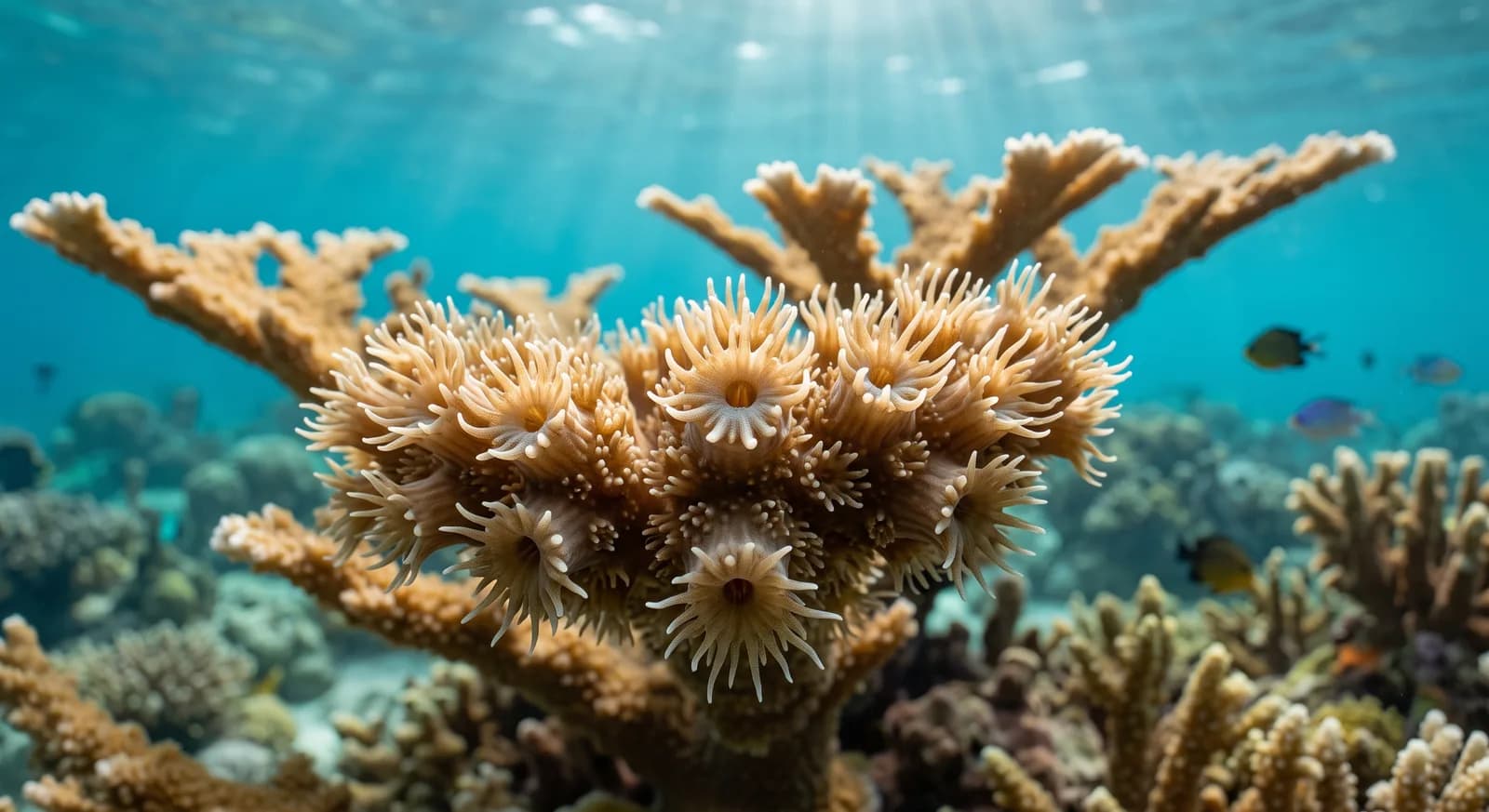 Critically Endangered
Elkhorn Coral
Acropora palmata
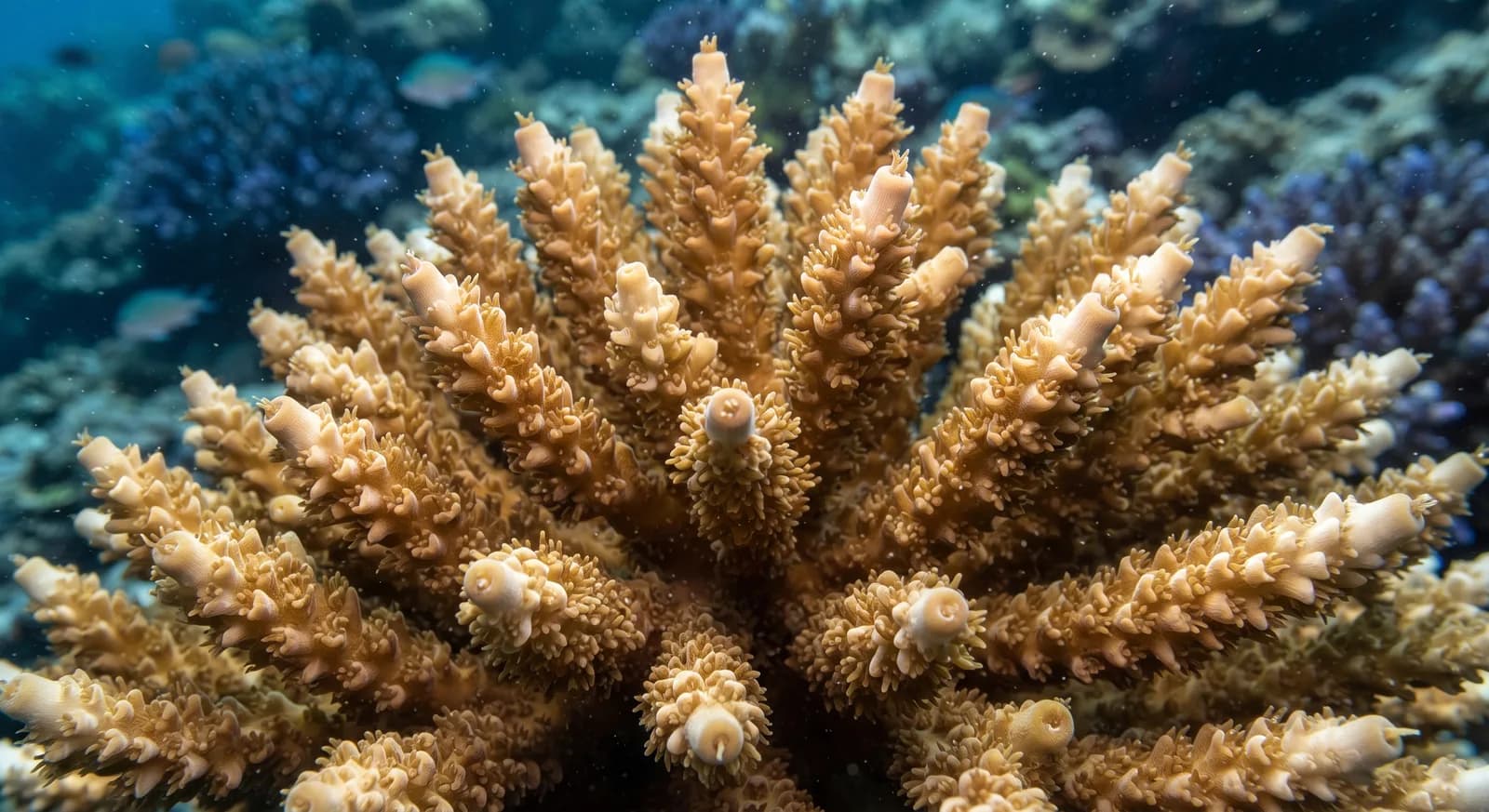 Critically Endangered
Staghorn Coral
Acropora cervicornis
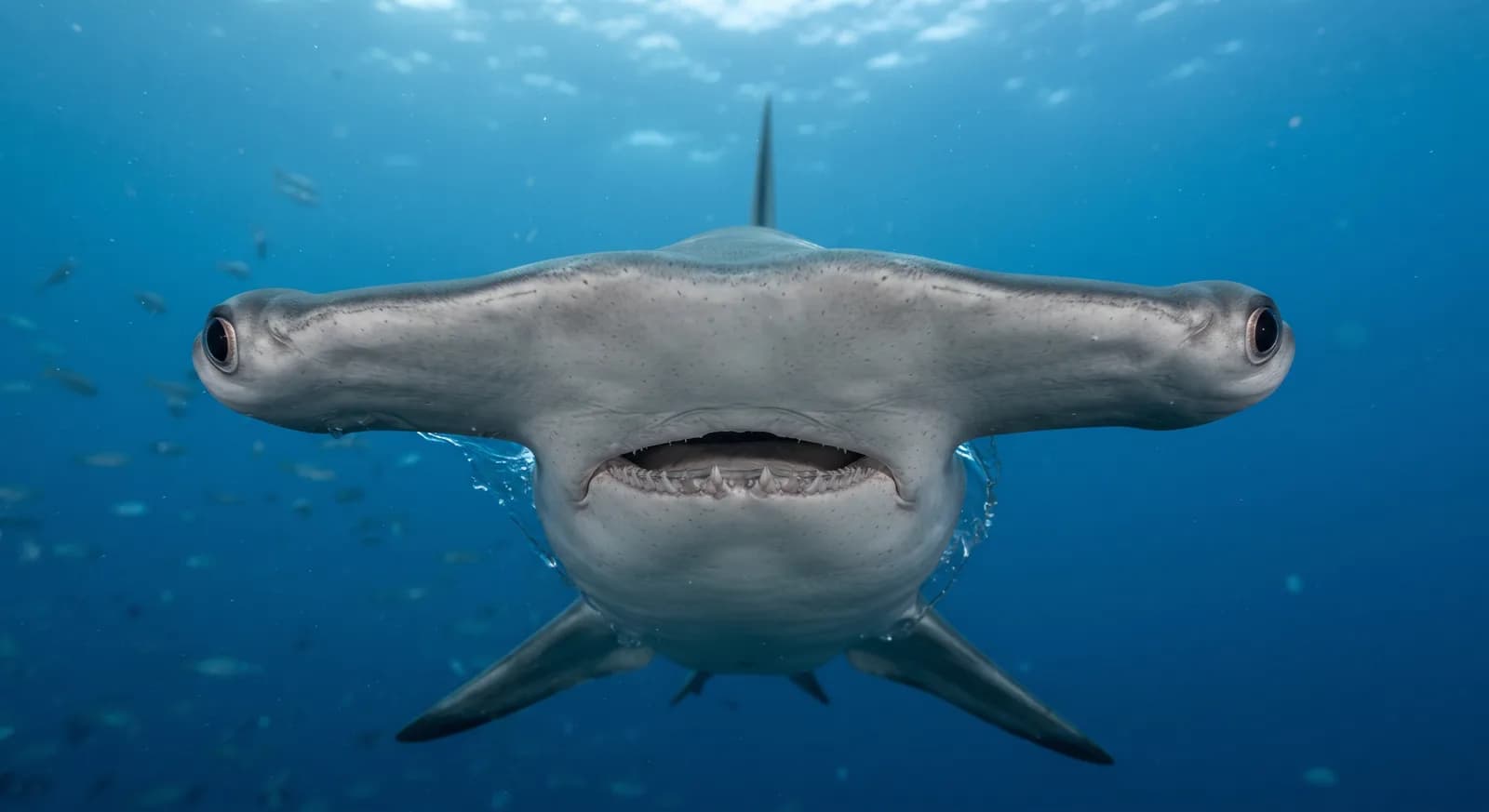 Critically Endangered
Great Hammerhead
Sphyrna mokarran
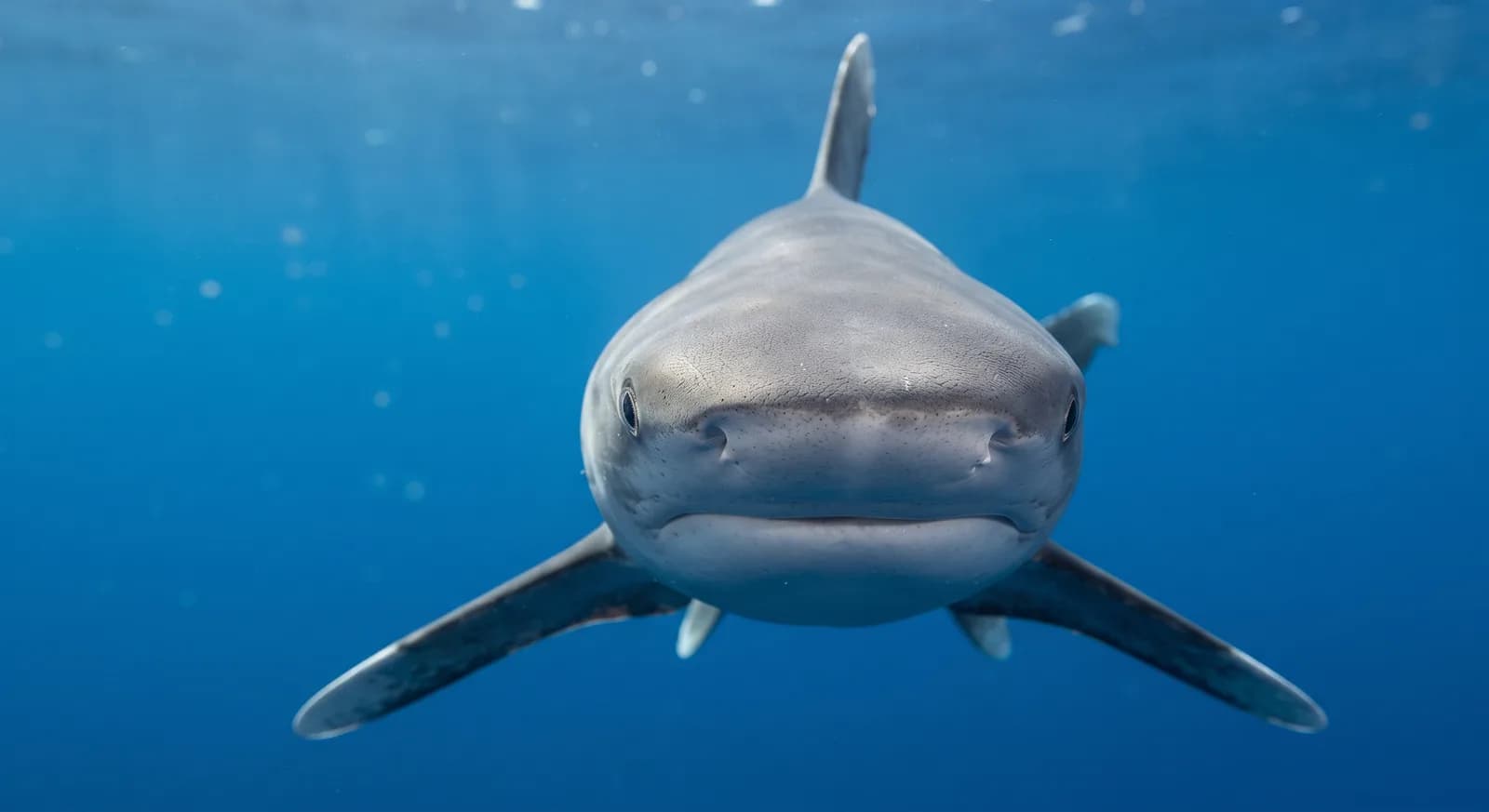 Critically Endangered
Oceanic Whitetip Shark
Carcharhinus longimanus
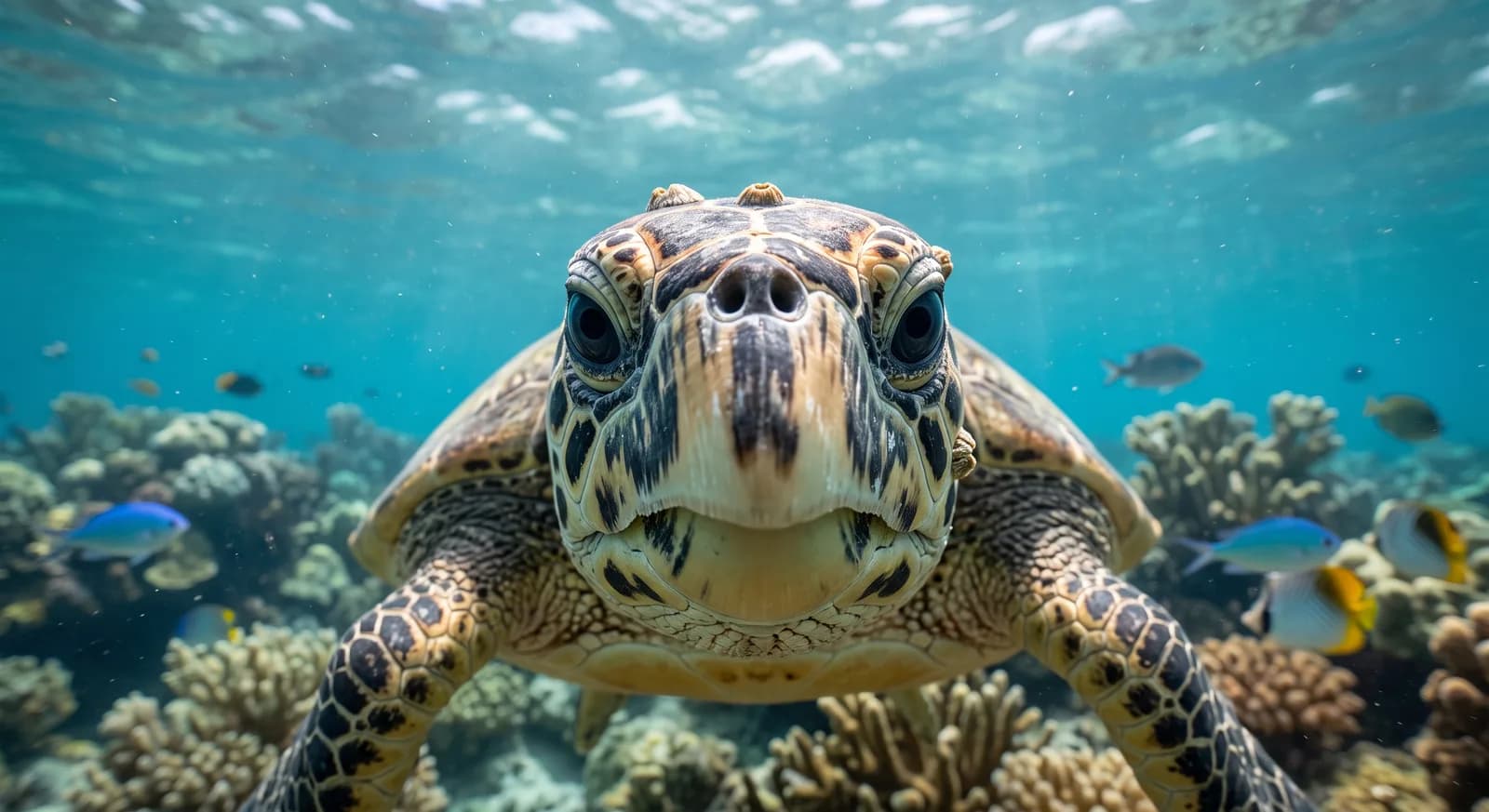 Critically Endangered
Hawksbill Turtle
Eretmochelys imbricata
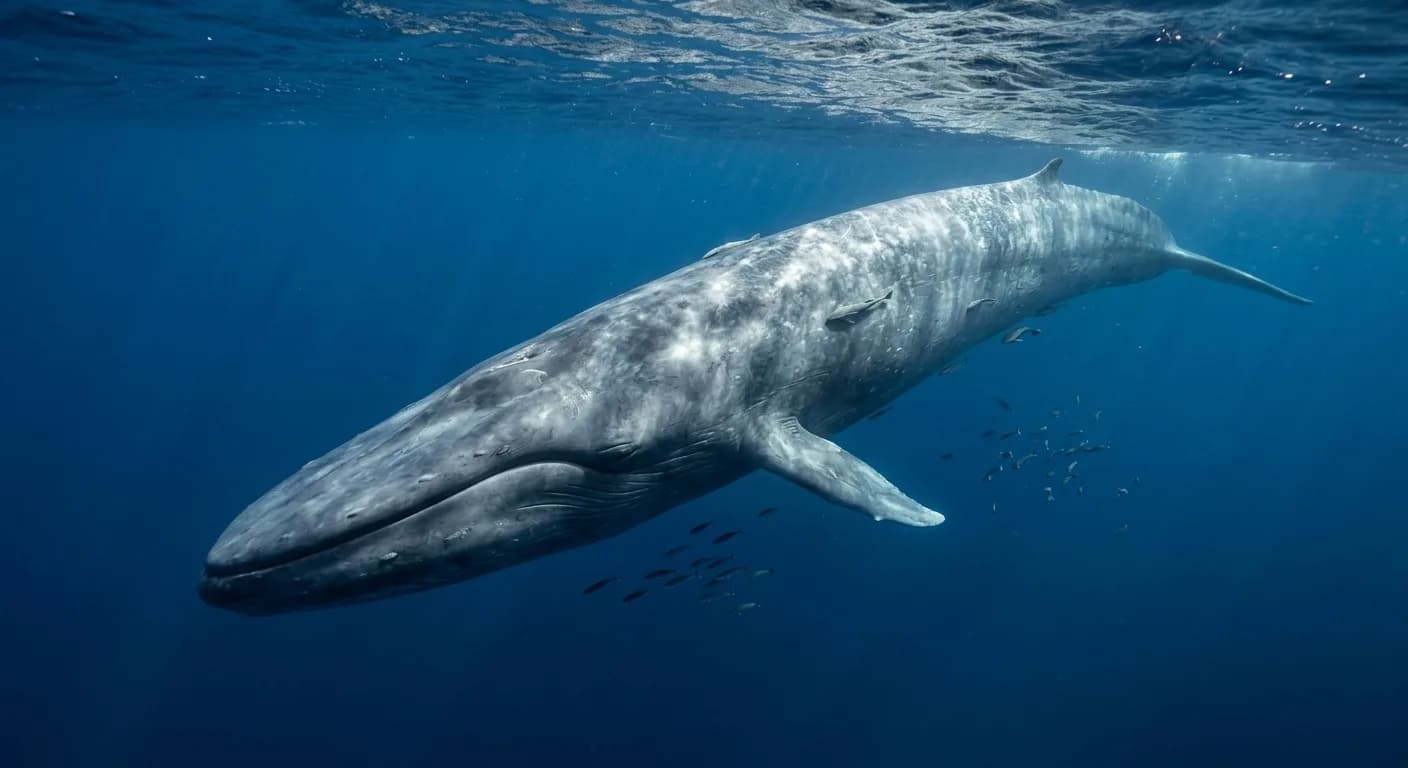 Endangered
Blue Whale
Balaenoptera musculus
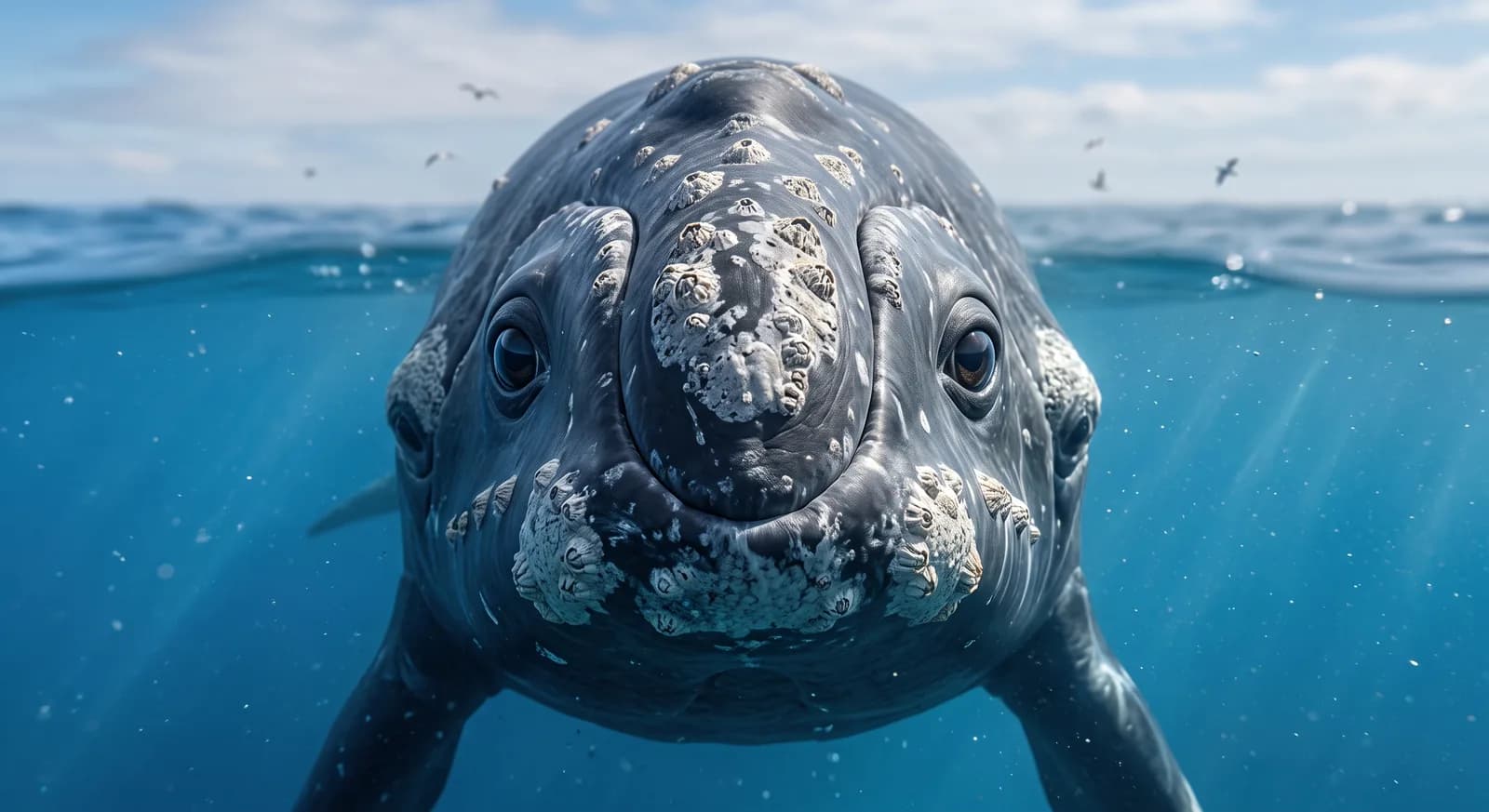 Endangered
North Atlantic Right Whale
Eubalaena glacialis
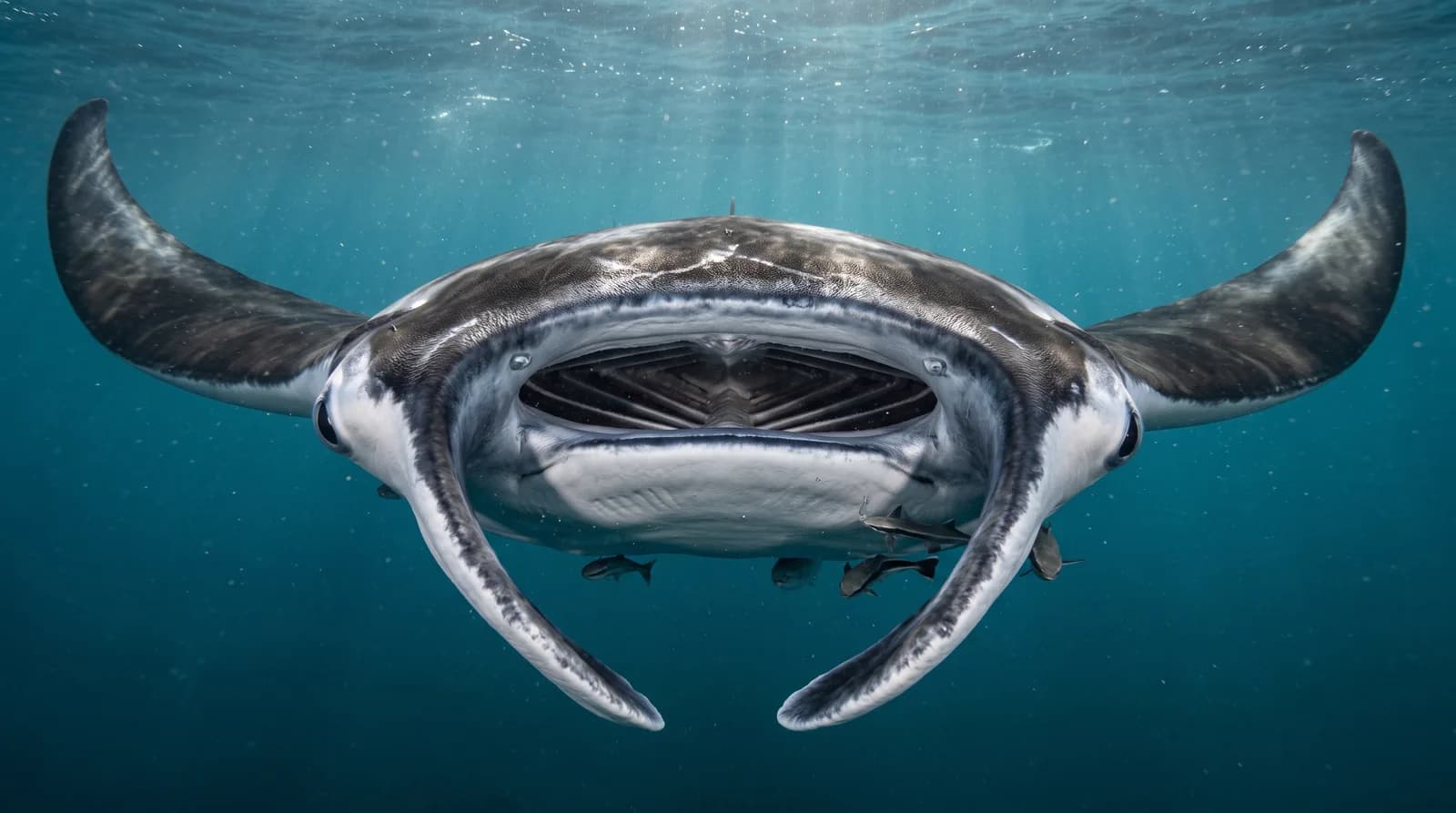 Endangered
Giant Manta
Mobula birostris
 Endangered
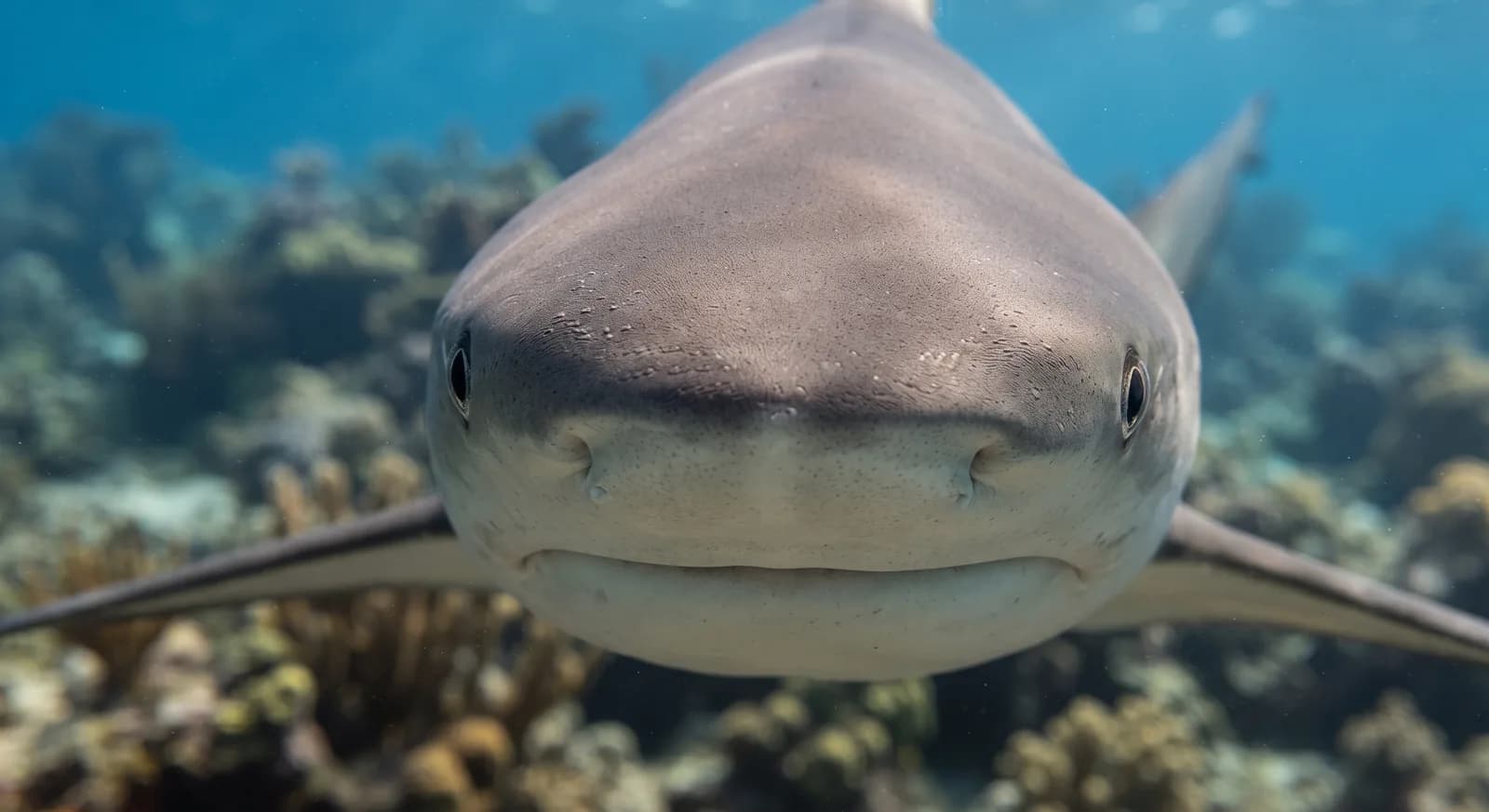
Caribbean Reef Shark
Carcharhinus perezi
 Endangered
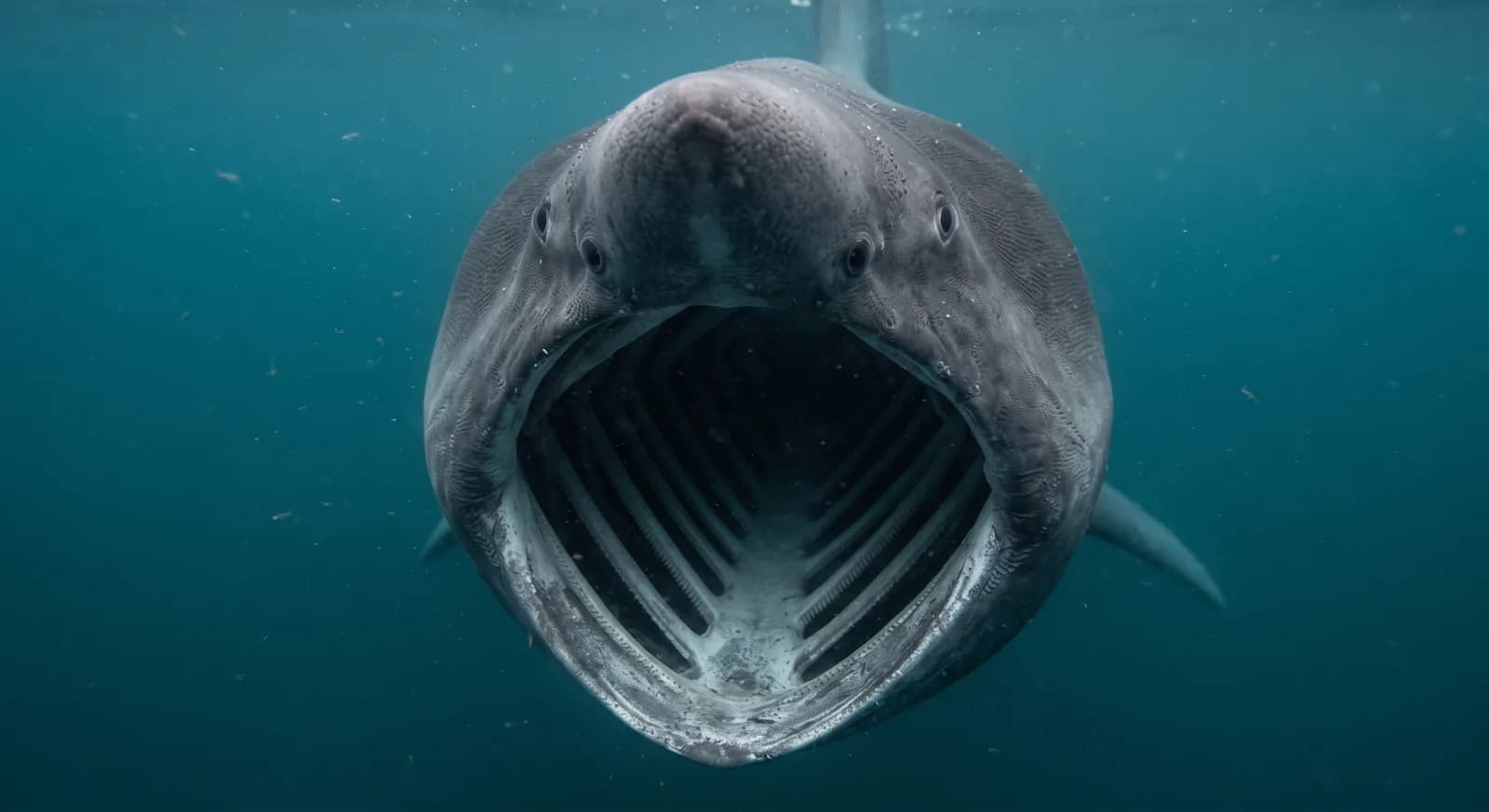
Basking Shark
Cetorhinus maximus
 Endangered
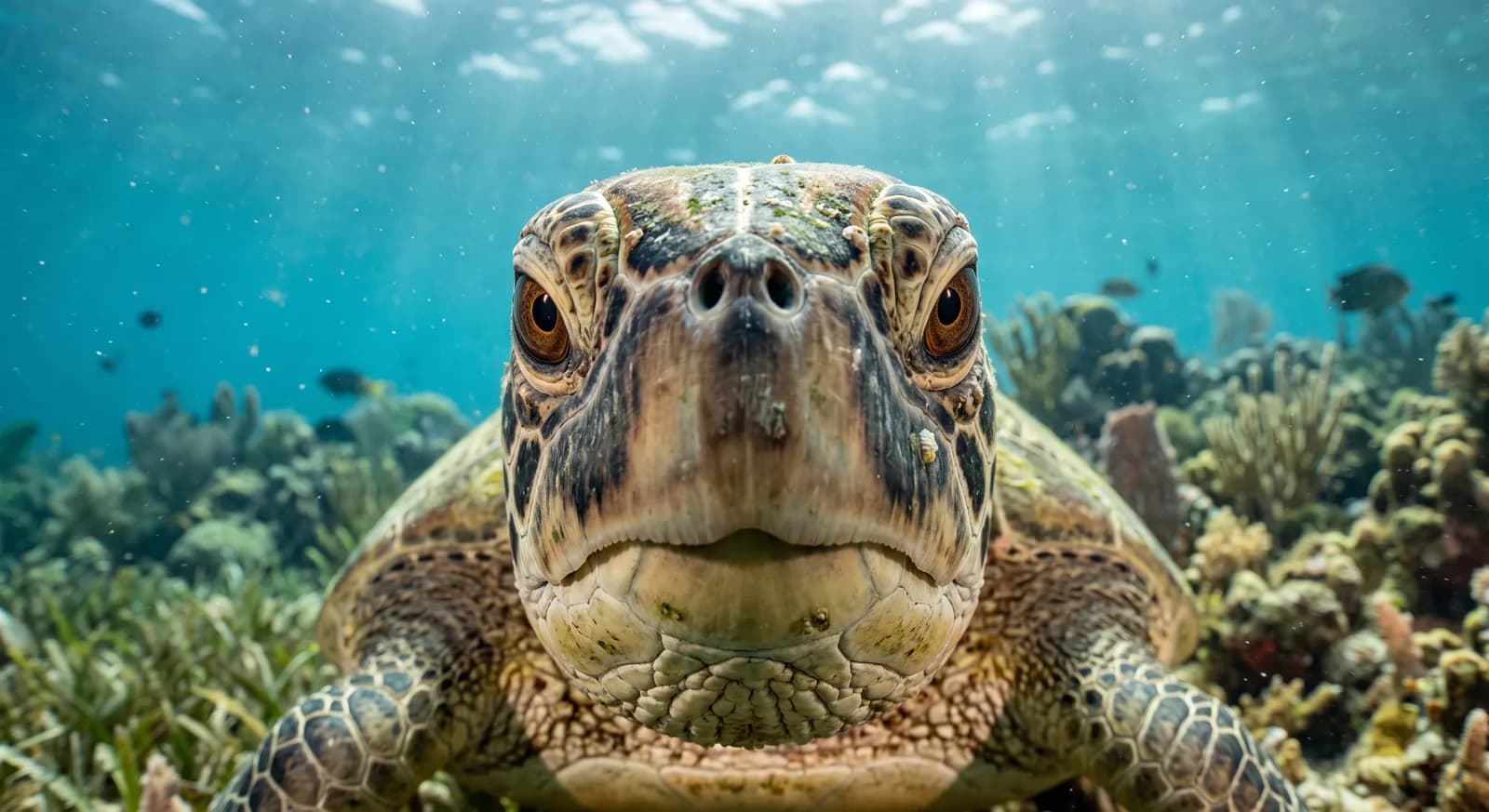
Green Turtle
Chelonia mydas
 Vulnerable
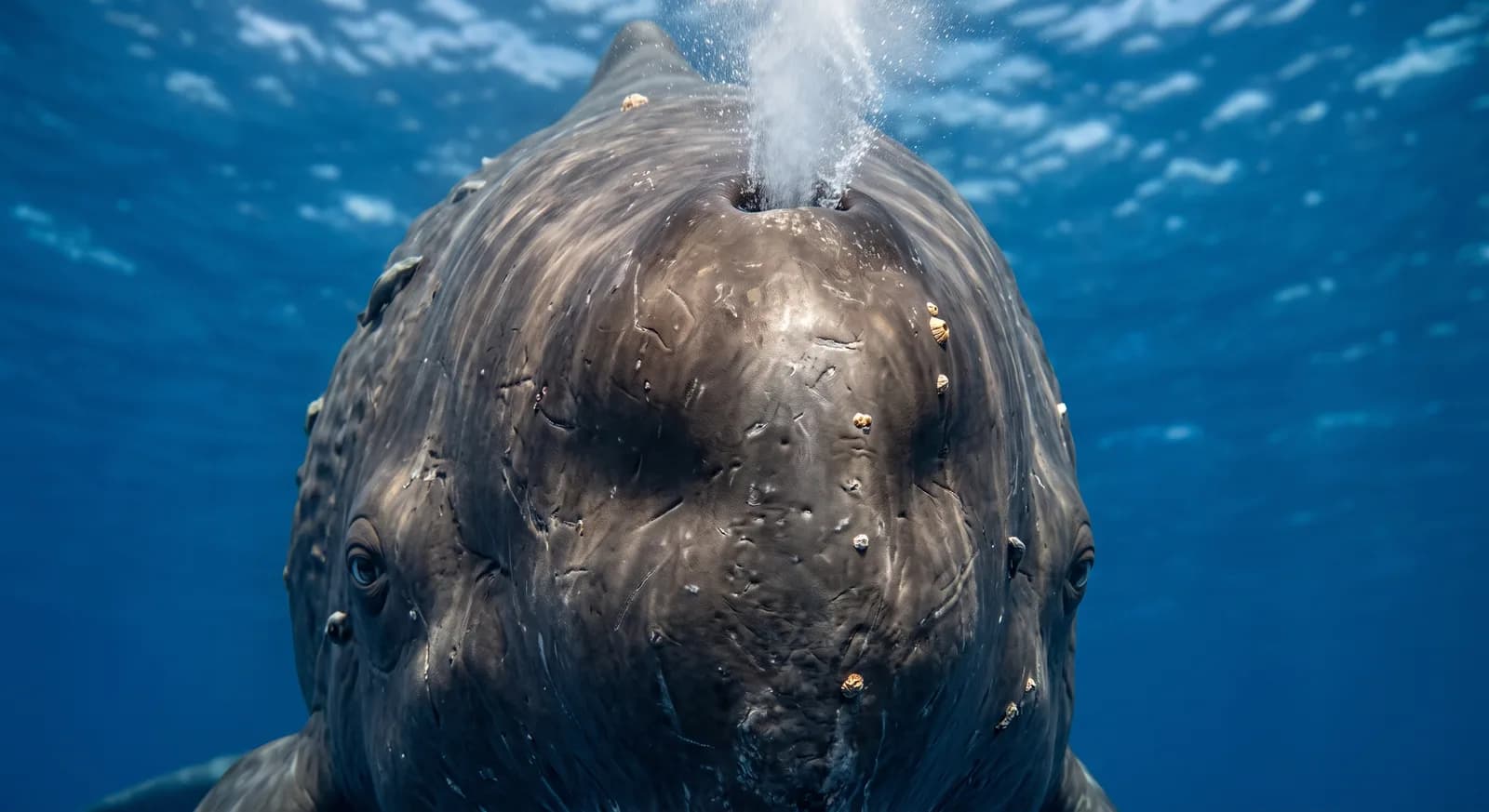
Sperm Whale
Physeter macrocephalus
Keep exploring
Based on what we already know about Bahamas.