One of the 4 manatees on WAnimals
Mammals · Sirenia · Trichechidae
West Indian Manatee
Trichechus manatus
It faces a high risk of extinction in the wild over the medium term. See full glossary
Unlike almost every other mammal — its relatives the giraffe and the elephant included — it has only six neck vertebrae instead of seven, which stops it turning its head independently of its body.
Weight
450 kg – 1.6 t
Size
2.7 m – 4 m
Lifespan
60 years
Diet
Herbivore
Feeds mainly on plants.
Activity
Irregular activity
Active at irregular times, by day or night depending on circumstances.
Social structure
Solitary
Lives and hunts alone, joining others only to breed.
Sighting difficulty
Moderate
Fun facts
- It has to turn its whole body to look sideways.
- It eats a wide range of water plants, as many as 60 different species.
- It lives in warm coastal waters, estuaries, rivers and canals of the Caribbean and the south-eastern United States.
- taxonomíaFor all that it lives in water, its closest living relatives are not other marine mammals but elephants.
- fisiologíaIt can eat up to 10% of its body weight in water plants a day, and its teeth are replaced continuously through its life as sand wears them down.
Life cycle & biology
- Skeleton type
- Vertebrate - internal bony skeleton (mammal)
- Habitat & environment
- Warm coastal waters, estuaries, rivers and fresh and brackish canals of the Caribbean and the south-eastern United States
- Birth weight
- ~27-32 kg (60-70 lb) at birth
- Size at birth
- ~27-32 kg at birth
- Sexual maturity
- Female: 3-5 years | Male: 5-7 years
- Gestation / incubation
- ~12 months
- Litter / clutch size
- 1 young per birth (twins rare), with some 2 years between births
- Lifespan in captivity
- Documented record of up to 65 years
Sources consulted: Menjelajahi Perbedaan Manatee Dugong (traducido); ScienceDirect (Amazonian manatee progesterone study); Anatomical Record (Amazonian manatee reproductive anatomy study); FWC Florida; NPS Mammals; Ocean Info (Dugong vs Manatee)
Where to find it
See its range on the interactive mapBest time: From December to March in Florida, when it gathers at warm springs and at the warm outflows of power stations.
Where to watch it
Parques y spots de buceo donde se ha documentado esta especie — se muestran 19 de 23 documentados.
Related species
Other species in the catalogue with the most in common with West Indian Manatee — same habitat, park, country, tags or family.
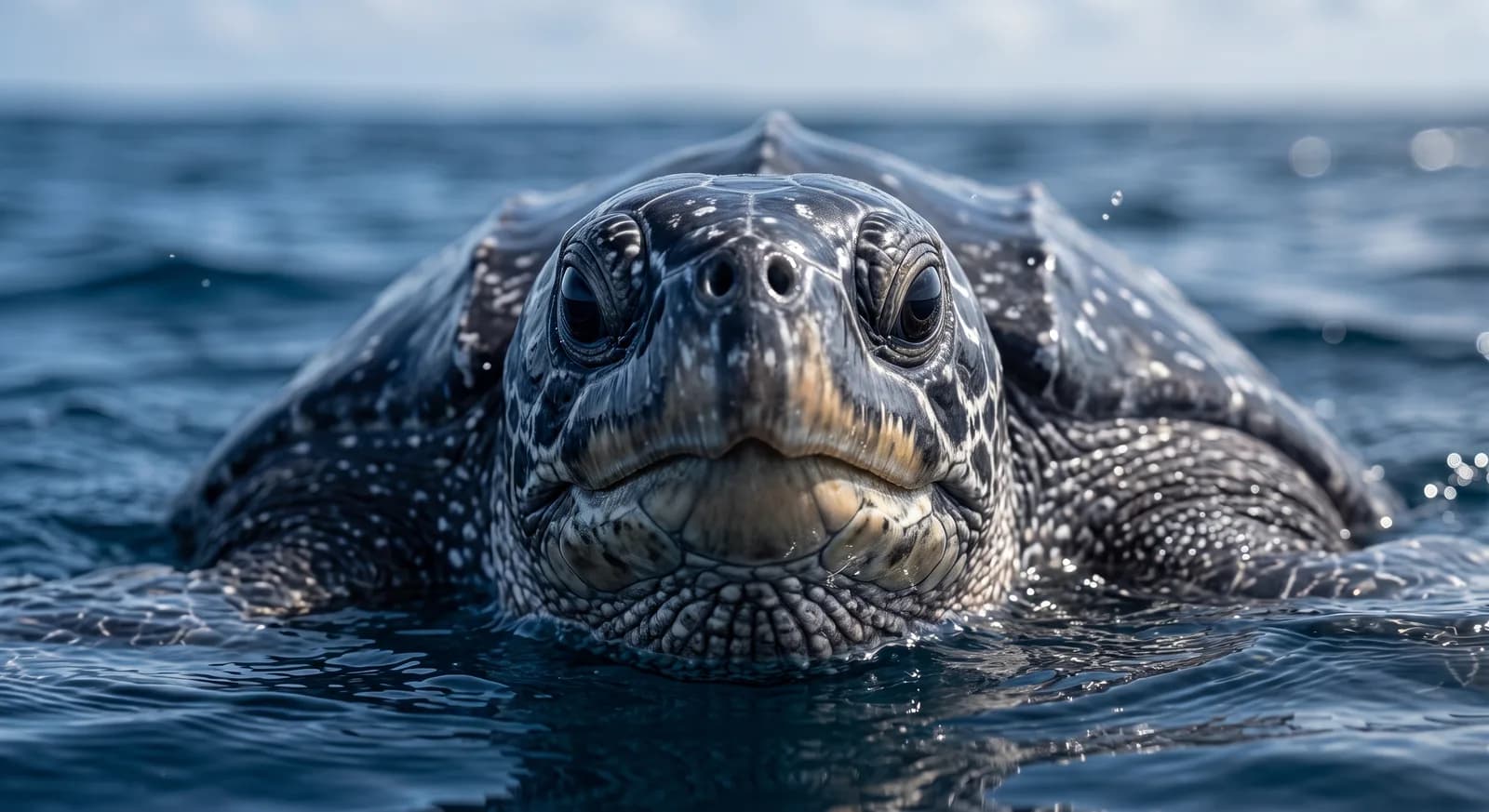 Vulnerable
Leatherback Sea Turtle
Dermochelys coriacea
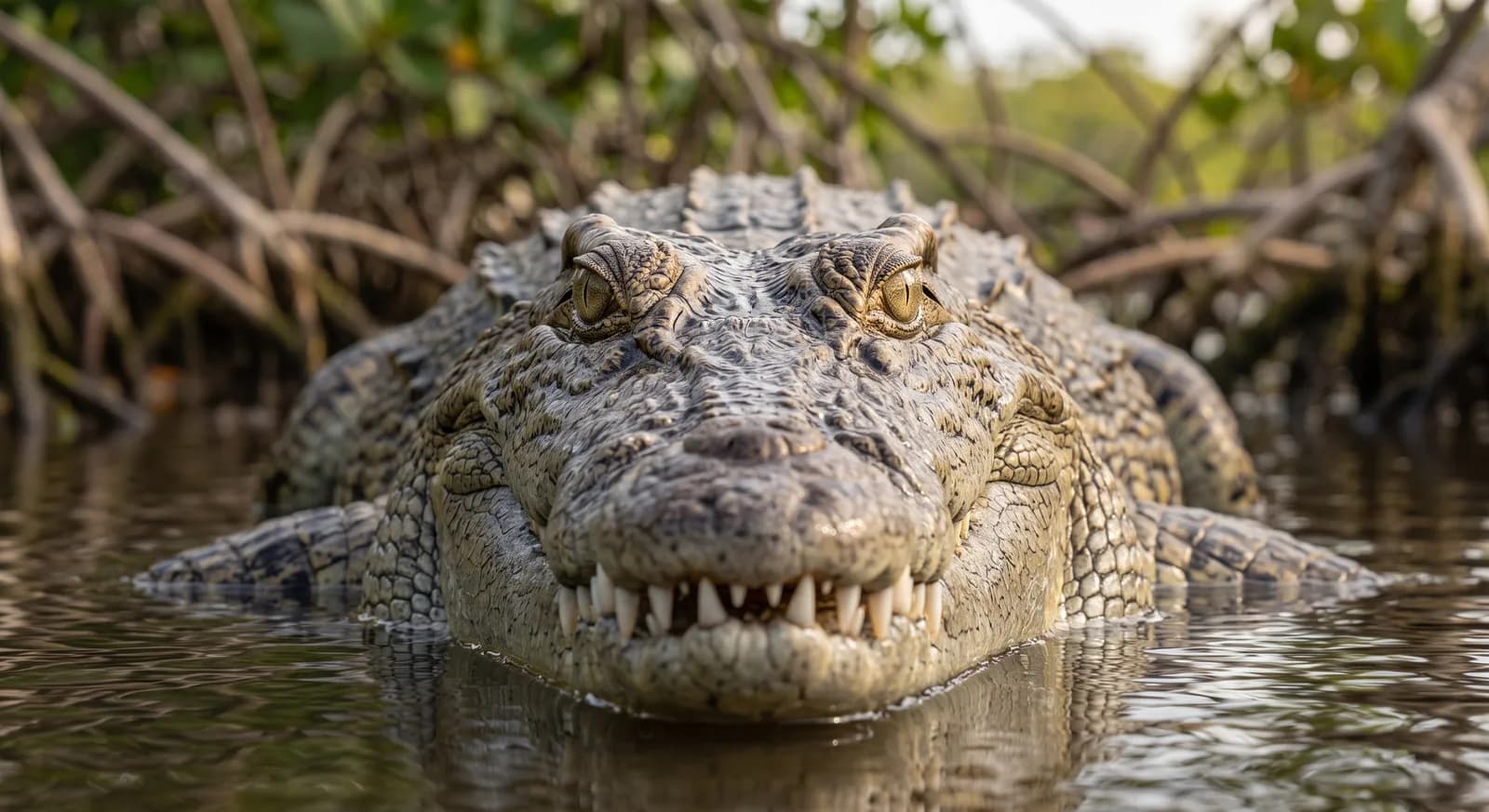 Vulnerable
American Crocodile
Crocodylus acutus
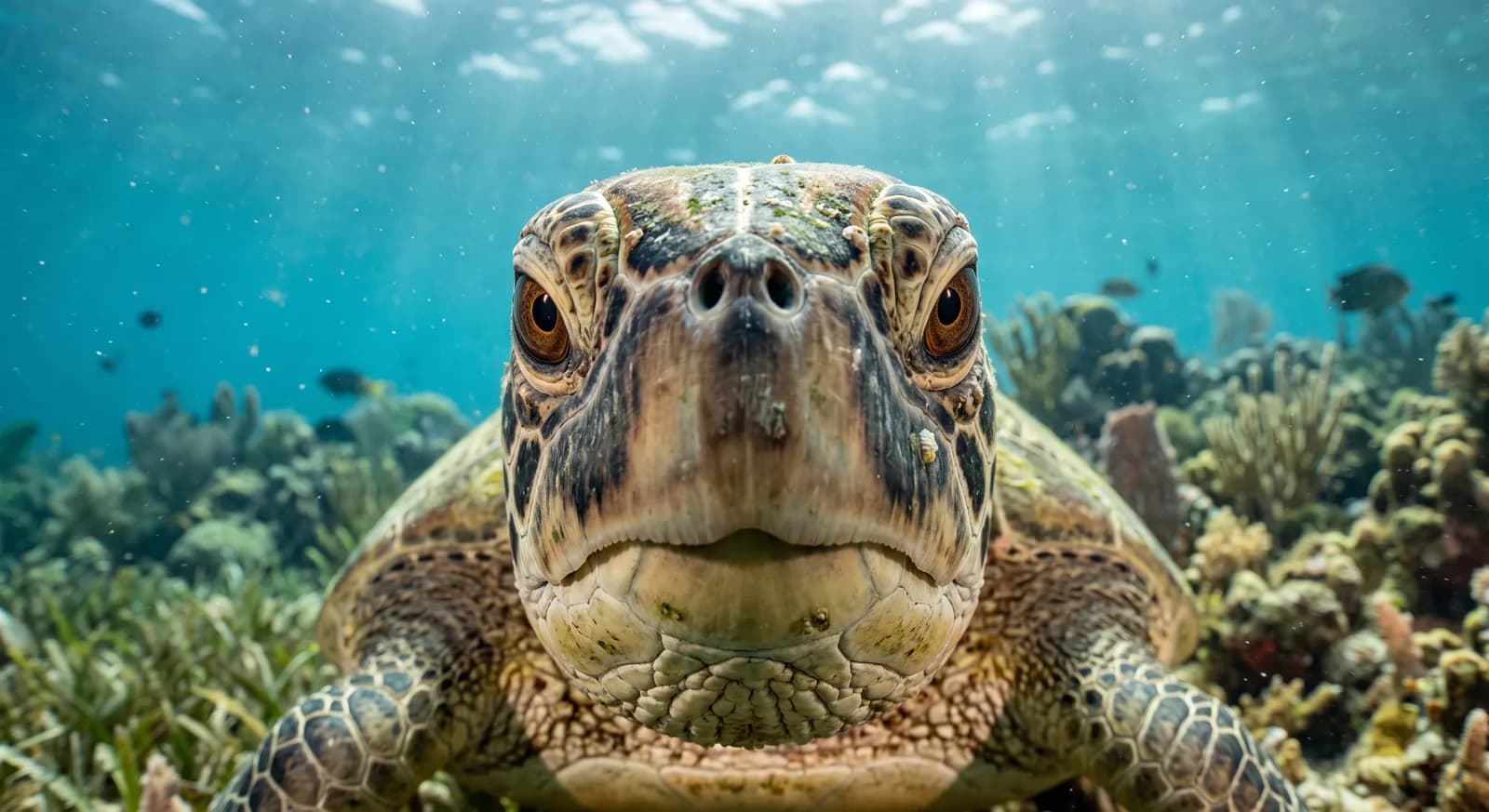 Endangered
Green Turtle
Chelonia mydas
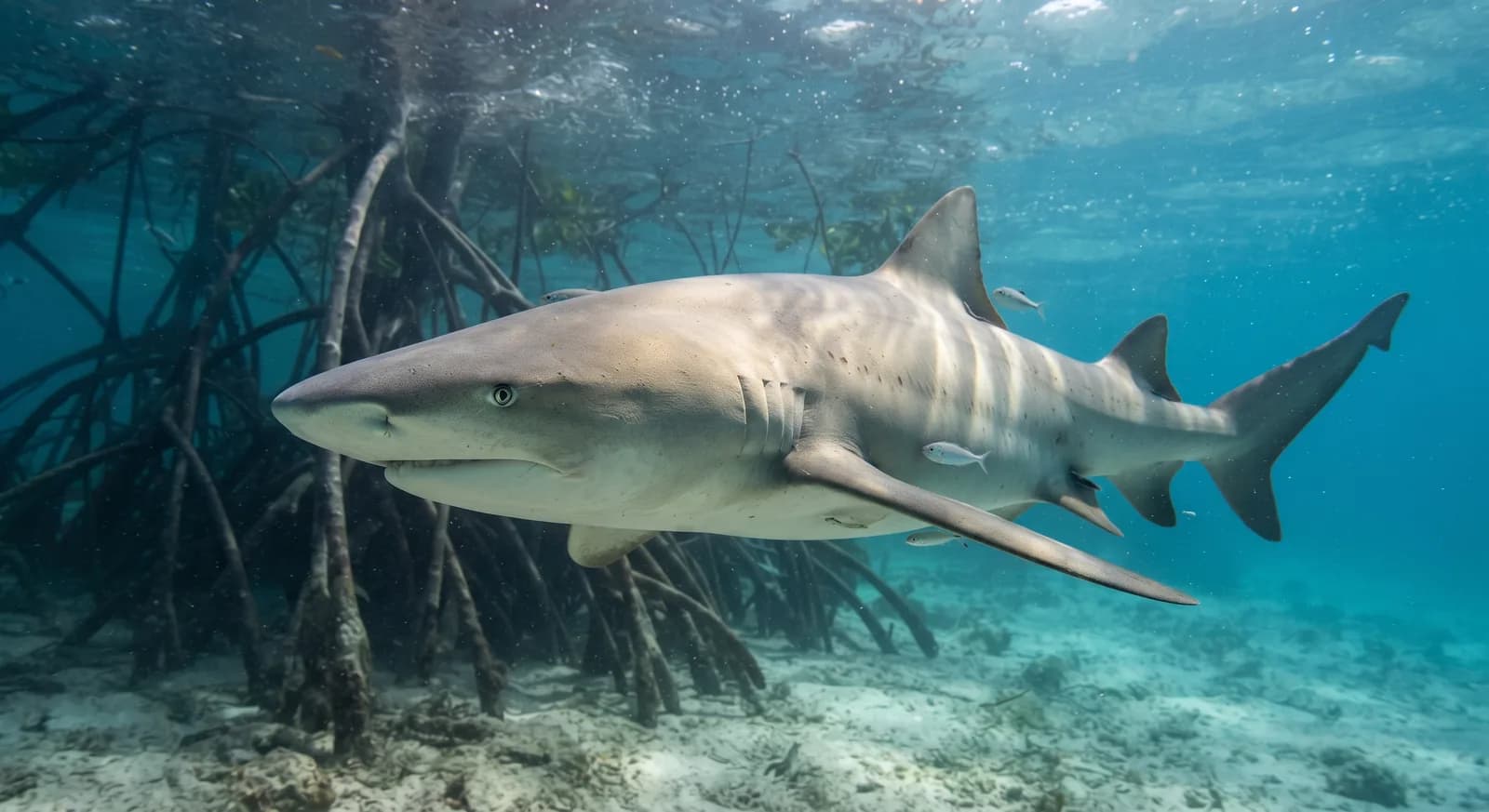 Vulnerable
Lemon Shark
Negaprion brevirostris
Tarpon
Megalops atlanticus
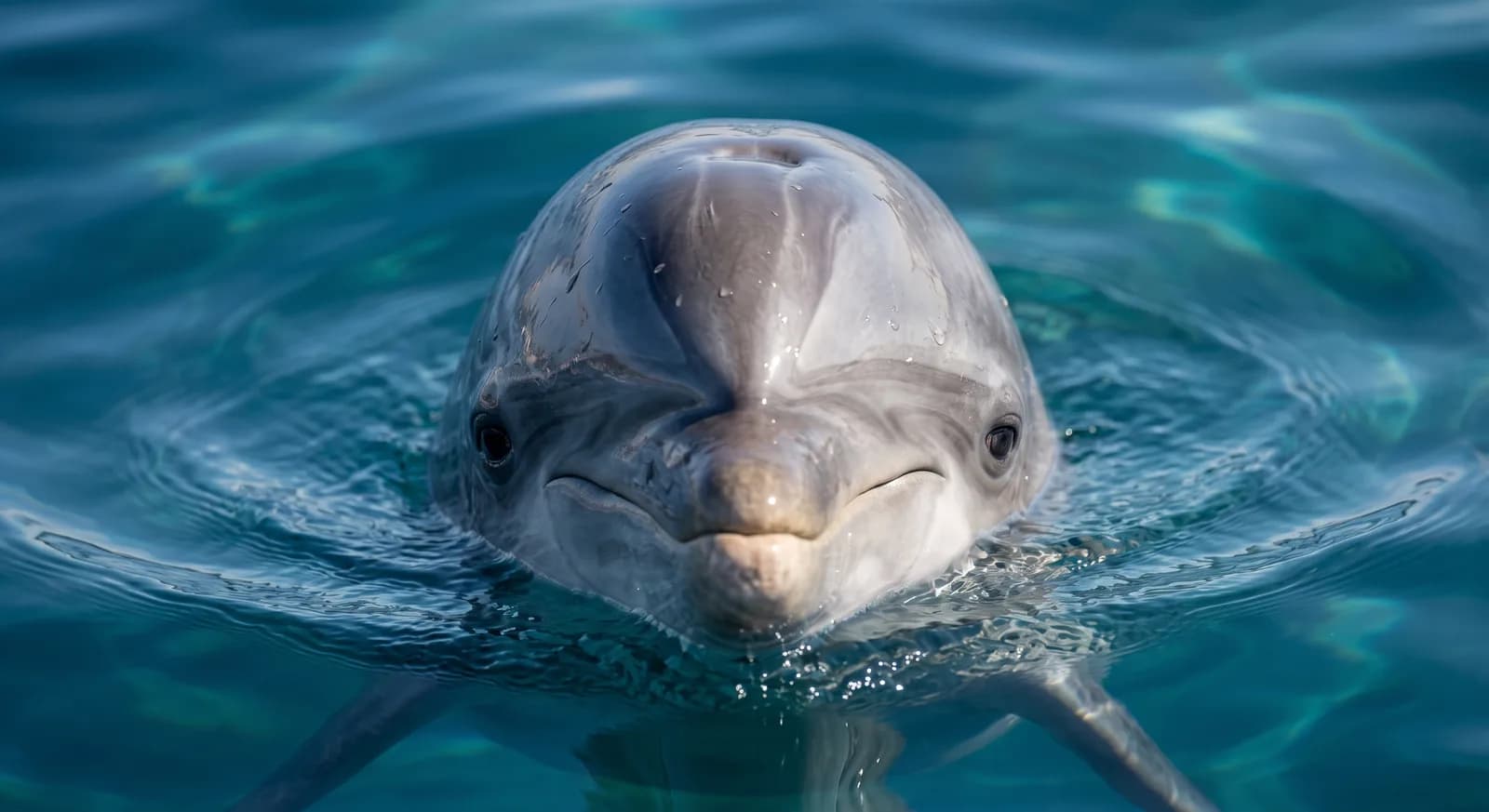 Least Concern
Bottlenose Dolphin
Tursiops truncatus
How to help
The west indian manatee is classified as vulnerable. Organizations such as UICN, WWF y Wildlife Conservation Society work specifically on its conservation and that of its habitat; looking into their programs is a good starting point if you want to get involved.
It's documented in 11 real protected areas — part of why protecting these places matters for its conservation.
Keep exploring
Based on what we already know about west indian manatee.
Comments
Share an experience, a fun fact or a tip for seeing the west indian manatee.
Be the first to comment.