Costa Rica
América del Norte
Costa Rica occupies barely a minimal fraction of the planet's land surface and holds around five per cent of its known biodiversity, a concentration explained by its position as a bridge between two continents, by its two ocean slopes and by a volcanic cordillera that creates dozens of microclimates. Within a few hours you go from Pacific mangroves to cloud forests such as Monteverde, wrapped in permanent mist, and from there to the rainforests of the Caribbean. The Osa peninsula, with Corcovado park, keeps the last great lowland tropical rainforest on the Central American Pacific coast. The country protects around a quarter of its territory.
The nature of Costa Rica
National animal: The white-tailed deer is the national animal and the clay-coloured thrush the national bird
Did you know?
Ostional beach hosts the arribadas: over a few nights each month, tens of thousands of olive ridley turtles come ashore to nest at once and can cover the sand completely. There are so many that the last to arrive dig up the nests of the first, so the local community has legal authorisation to collect the eggs laid in the earliest hours, which would be destroyed anyway, in one of the few regulated turtle egg harvests in the world.
Biodiversity profile
Climate
- •Tropical humedo (Af/Am) en la costa caribeña y zonas bajas
- •Tropical con estacion seca (Aw) en el Pacifico norte (Guanacaste)
- •Templado de montaña en la Cordillera de Talamanca
Main biomes
- •Bosque tropical humedo
- •Bosque nuboso (Monteverde)
- •Bosque seco tropical (Guanacaste)
- •Paramo de alta montaña (Talamanca, compartido con Panama)
- •Manglares en ambas costas
- •Selva húmeda de tierras bajas
- •Manglar
- •Volcán activo
- •Arrecife de coral
- •Páramo de altura
Marine and coastal ecosystems
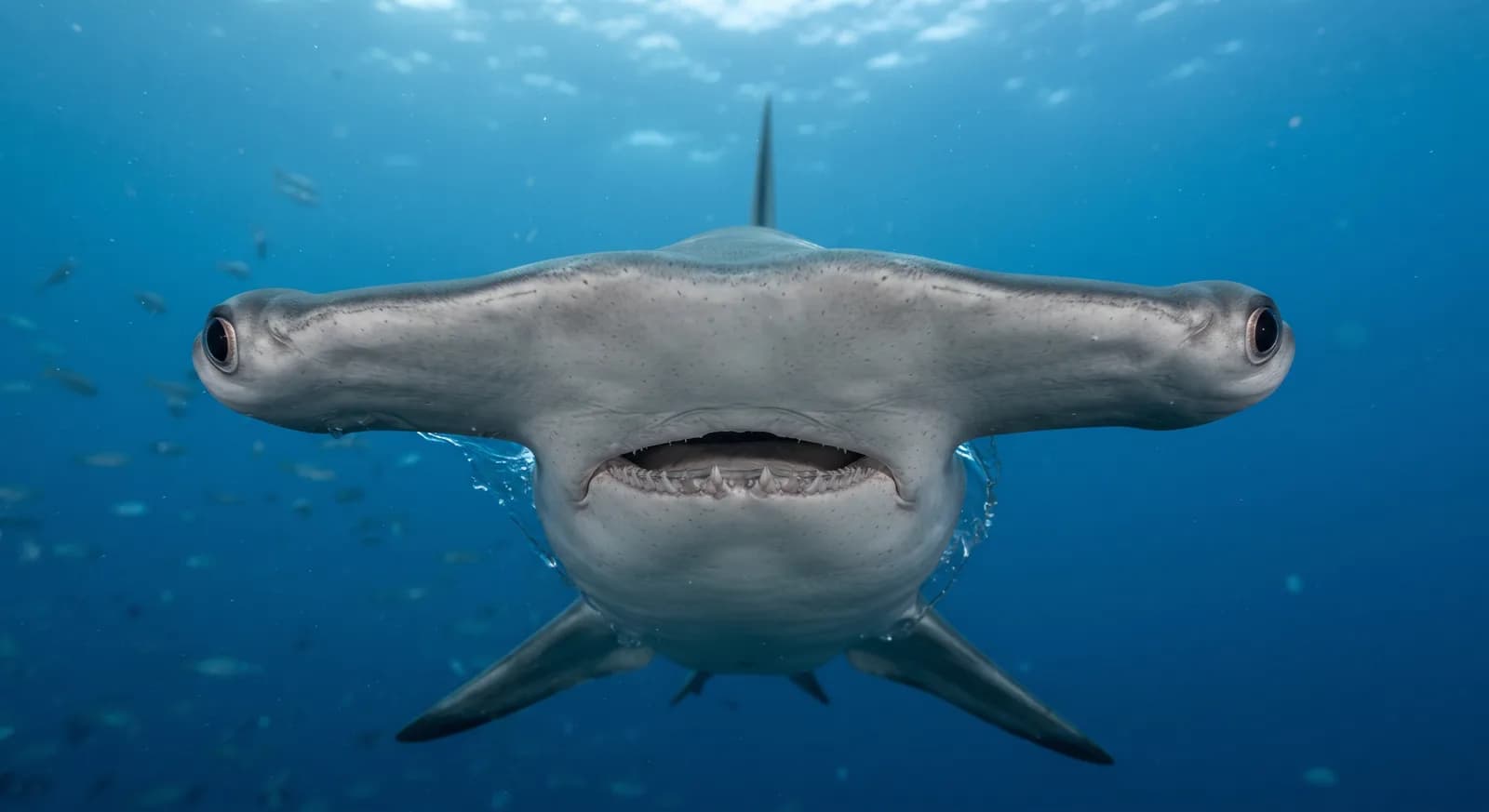
- •Isla del Coco (Patrimonio Mundial, punto de encuentro de tiburones martillo)
- •Arrecifes del Caribe sur
- •Manglares del Golfo de Nicoya
Flagship wildlife
- •Perezoso de tres dedos
- •Quetzal resplandeciente
- •Rana venenosa de ojos rojos
- •Jaguar
- •Tapir centroamericano
- •Mono aullador
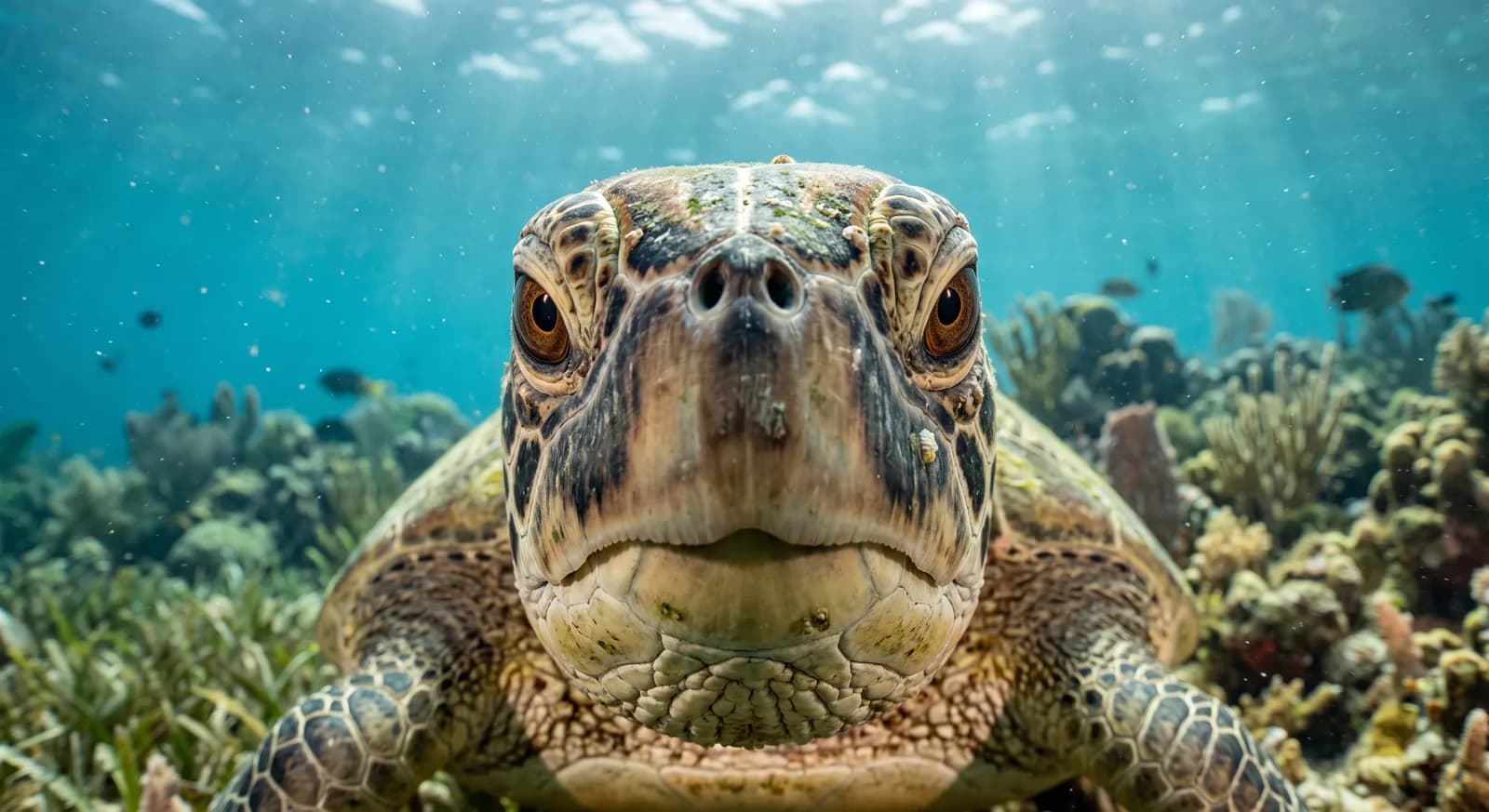
- •Tortuga golfina
- •Quetzal
- •Guacamaya roja
- •Rana flecha
- •Tortuga verde
- •Mono ardilla
- •Colibrí
Notable endemic species
- •Endemismo regional (Costa Rica-Panama-Nicaragua) notablemente alto en herpetofauna (28% regional segun Savage 2002)
- •30% de endemismo en insectos y plantas de la Isla del Coco
- •Aves endemicas restringidas en elevacion en la Cordillera de Talamanca (compartidas con Panama)
- •Mono ardilla centroamericano
- •Rana arborícola de Monteverde
- •Colibrí garganta de fuego
Notable threatened species
- •Loro de frente roja (unica especie de ave endemica-restringida catalogada Casi Amenazada en el analisis de vulnerabilidad de Talamanca)
- •43% de las celdas del pais carecen de areas protegidas pese a la alta cobertura general
- •25% de especies de mamiferos consideradas insuficientemente protegidas segun analisis de rango geografico
Notable protected areas
- •Parque Nacional Monteverde (bosque nuboso)
- •Parque Nacional Corcovado (Peninsula de Osa, alta biodiversidad)
- •Isla del Coco (Patrimonio Mundial)
- •Reserva Biológica Bosque Nuboso Monteverde
- •Parque Nacional Tortuguero
- •Parque Nacional Manuel Antonio
- •Parque Nacional Volcán Arenal
Main conservation threats
- •Cambio climatico sobre aves restringidas en elevacion de la Cordillera de Talamanca
- •Cobertura geografica desigual del sistema de areas protegidas (28,3% de cobertura media del rango de especies de mamiferos)
- •Presion turistica en zonas de alta visitacion
Notable natural phenomena
- •Punto de encuentro estacional de tiburones martillo en Isla del Coco
- •Gran Intercambio Biotico Americano histórico, que dio a Costa Rica una mezcla unica de fauna neartica y neotropical
Conservation
Costa Rica reversed its deforestation: it went from around twenty-one per cent forest cover in the late 1980s to more than half the country today, through a pioneering system of payments to landowners for environmental services. The golden toad of Monteverde, gone by 1989, was one of the first extinctions linked to climate change.
Where and when to watch wildlife
Ostional during the arribadas, above all between July and December. Tortuguero between July and October for green turtles. Monteverde between February and May for quetzals.
Sources: PMC - Effectiveness of Protected Areas for Terrestrial Mammals Costa Rica | biorxiv - Vulnerability of Elevation-Restricted Endemic Birds Talamanca | BioDB.com - Costa Rica | SciELO - Biodiversity conservation Costa Rica hotspots analysis
Natural phenomena in Costa Rica
- Anidación de tortugas marinas en Costa Rica — Julio a noviembre
Parks and reserves
Chirripó
The roof of Costa Rica and of all southern Central America, with high-altitude páramo and traces of Quaternary glaciation.
View parkInternational ParkLa Amistad
The largest nature reserve in Central America, the only binational protected area shared by Costa Rica and Panama
View parkWorld Heritage Site (Natural)Área de Conservación Guanacaste
The largest tropical dry forest restoration project in the world, with a gradient running from the sea to the volcanoes.
View parkNational ParkCocos Island
Nicknamed the Galápagos of Central America; one of the greatest concentrations of hammerhead sharks on the planet
View parkNational ParkCorcovado
Described by National Geographic as the most biologically intense place on Earth
View parkNational ParkPalo Verde
The most important seasonal wetland in Central America for migratory waterbirds, with up to 60,000 birds gathered in the dry season
View parkNational ParkTortuguero
The most important green turtle nesting site in the western hemisphere
View parkNational ParkBarra Honda
A limestone cave system more than 60 million years old, with stalactites growing at barely a centimetre every thousand years
View parkNational ParkBraulio Carrillo
Crossed by a motorway designed to do the least possible damage to the rainforest, with only two official stopping points
View parkNational ParkCahuita
Entry by voluntary donation instead of a fixed fee, a pioneering model of Costa Rican community tourism
View parkDiving and snorkelling
Fauna que puedes ver ahora
¿Qué merece la pena observar este mes en Costa Rica?
 Endangered
Green Turtle
Chelonia mydas
Ahora es buena época: Anidación de tortugas marinas en Costa Rica (Julio a noviembre)
Especies documentadas en Costa Rica
307 species found
 Critically Endangered
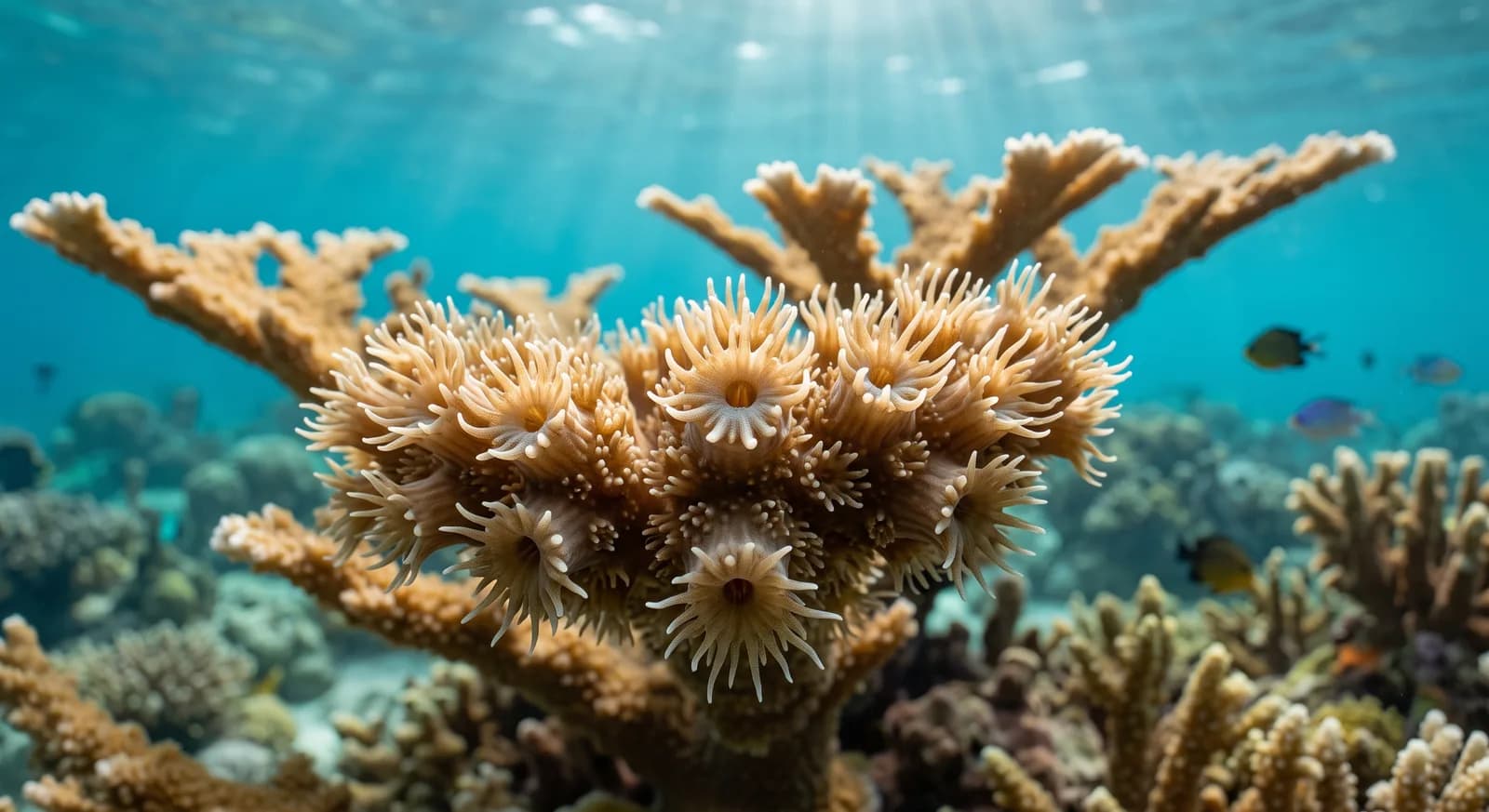
Elkhorn Coral
Acropora palmata
 Critically Endangered
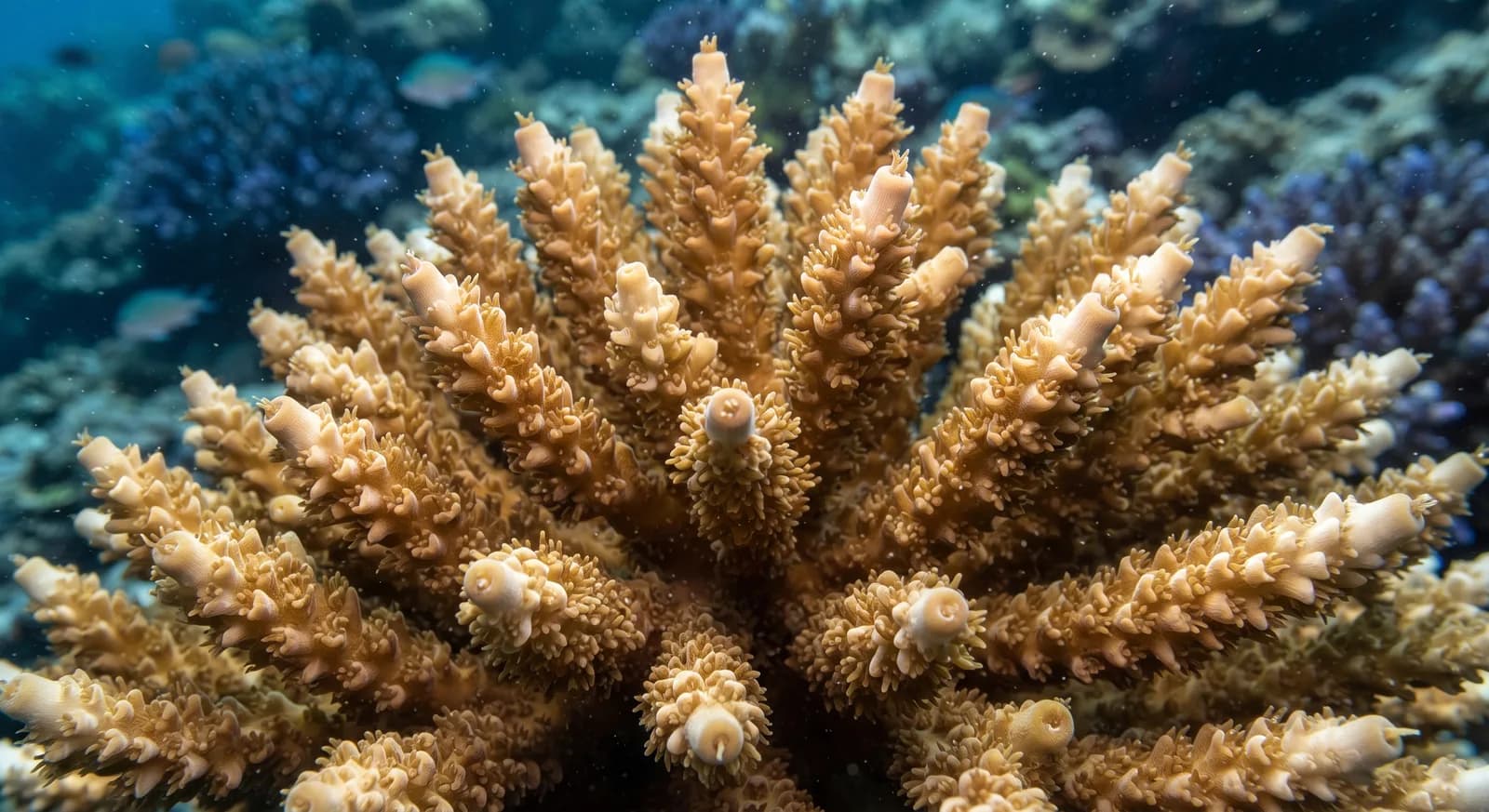
Staghorn Coral
Acropora cervicornis
 Critically Endangered
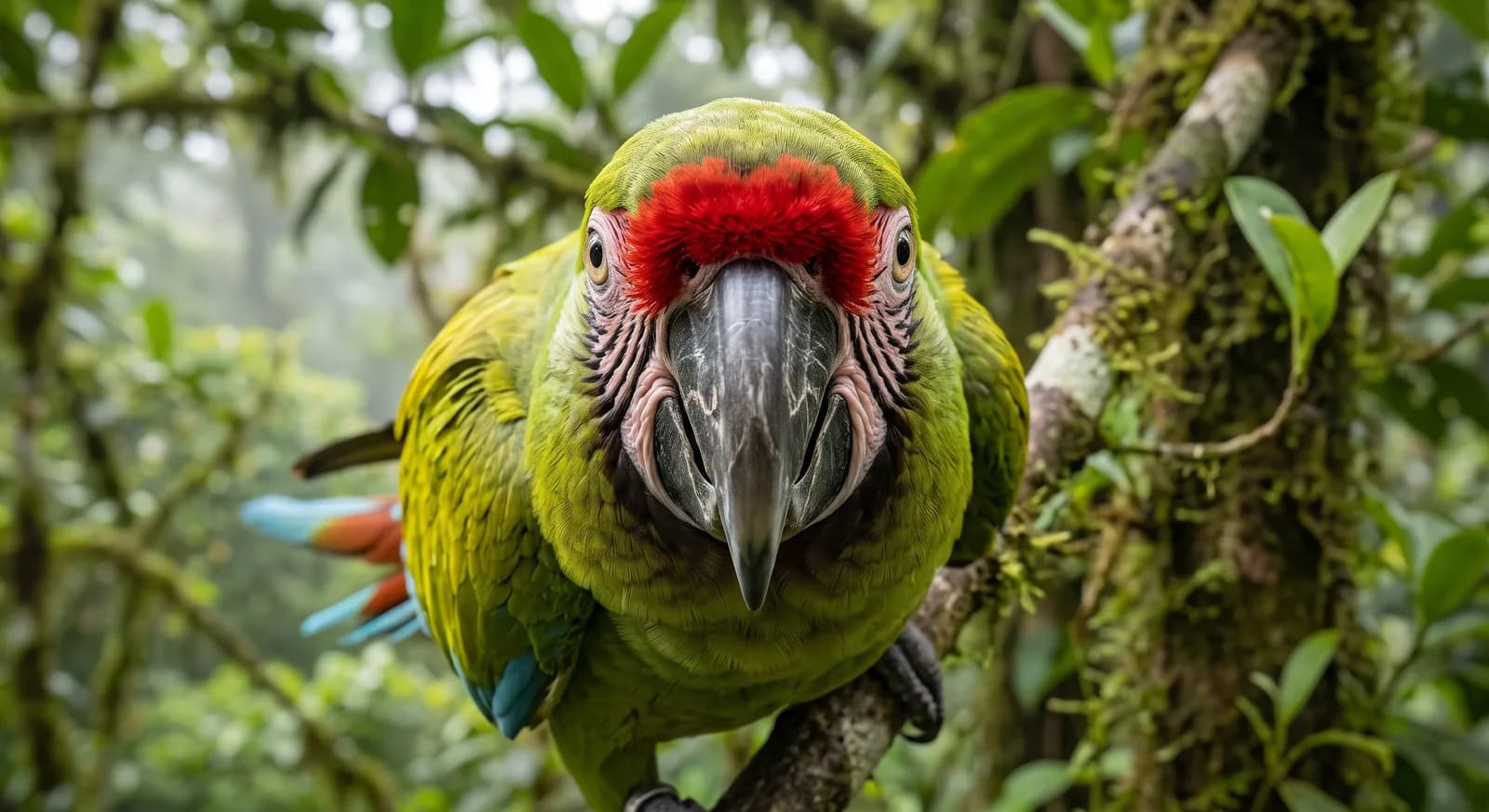
Great Green Macaw
Ara ambiguus
 Critically Endangered
Great Hammerhead
Sphyrna mokarran
 Critically Endangered
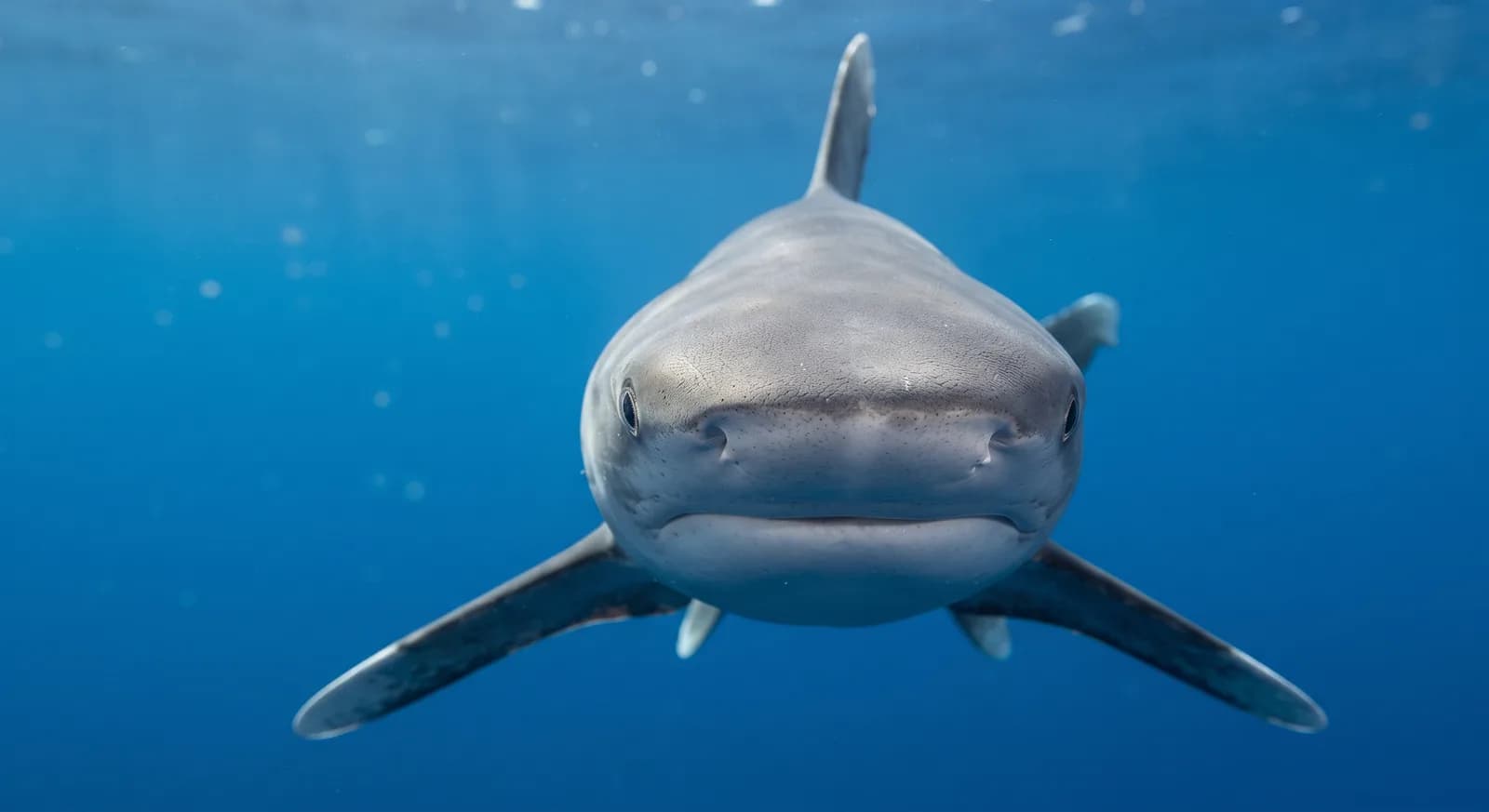
Oceanic Whitetip Shark
Carcharhinus longimanus
 Critically Endangered
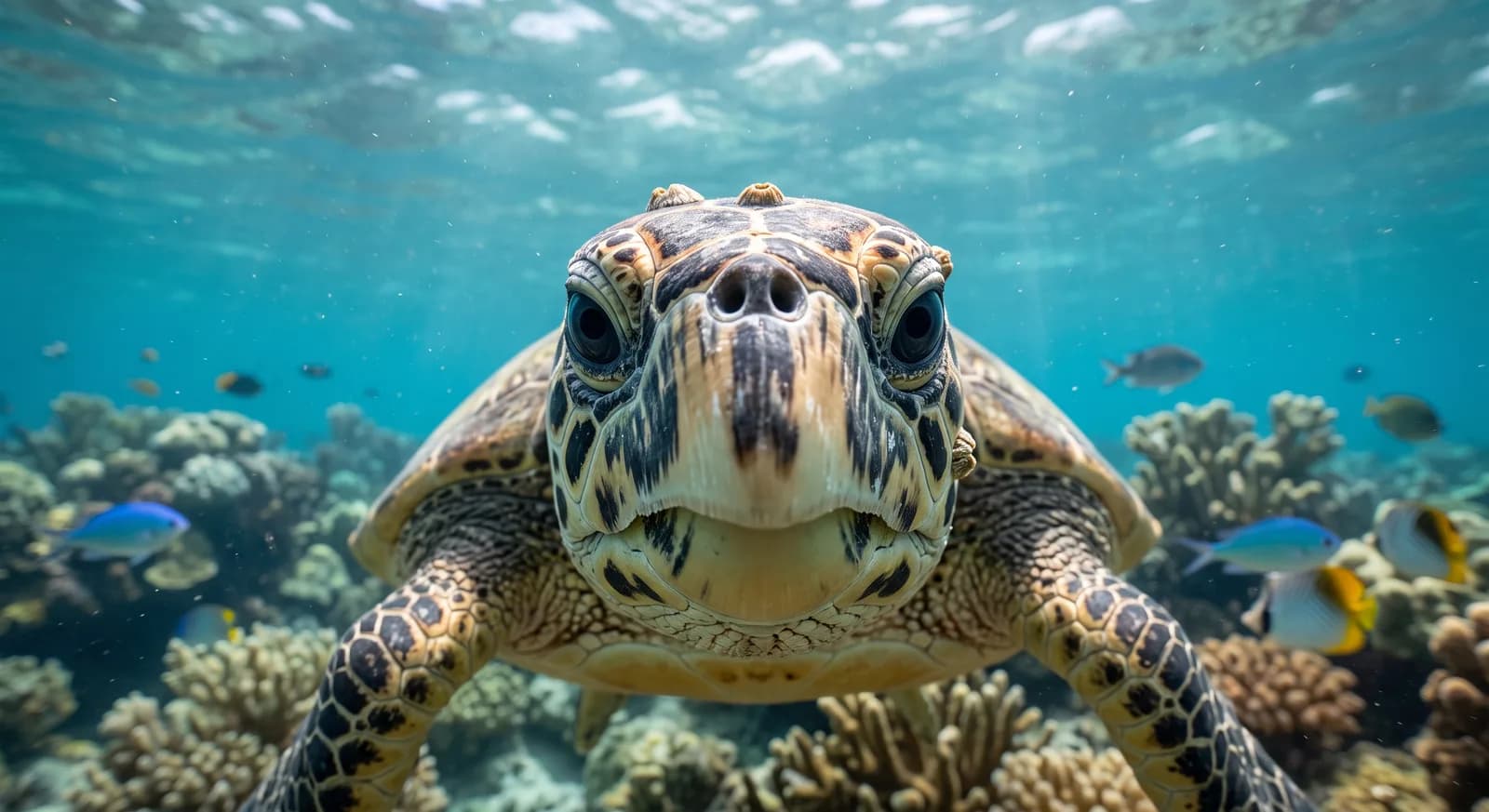
Hawksbill Turtle
Eretmochelys imbricata
 Endangered
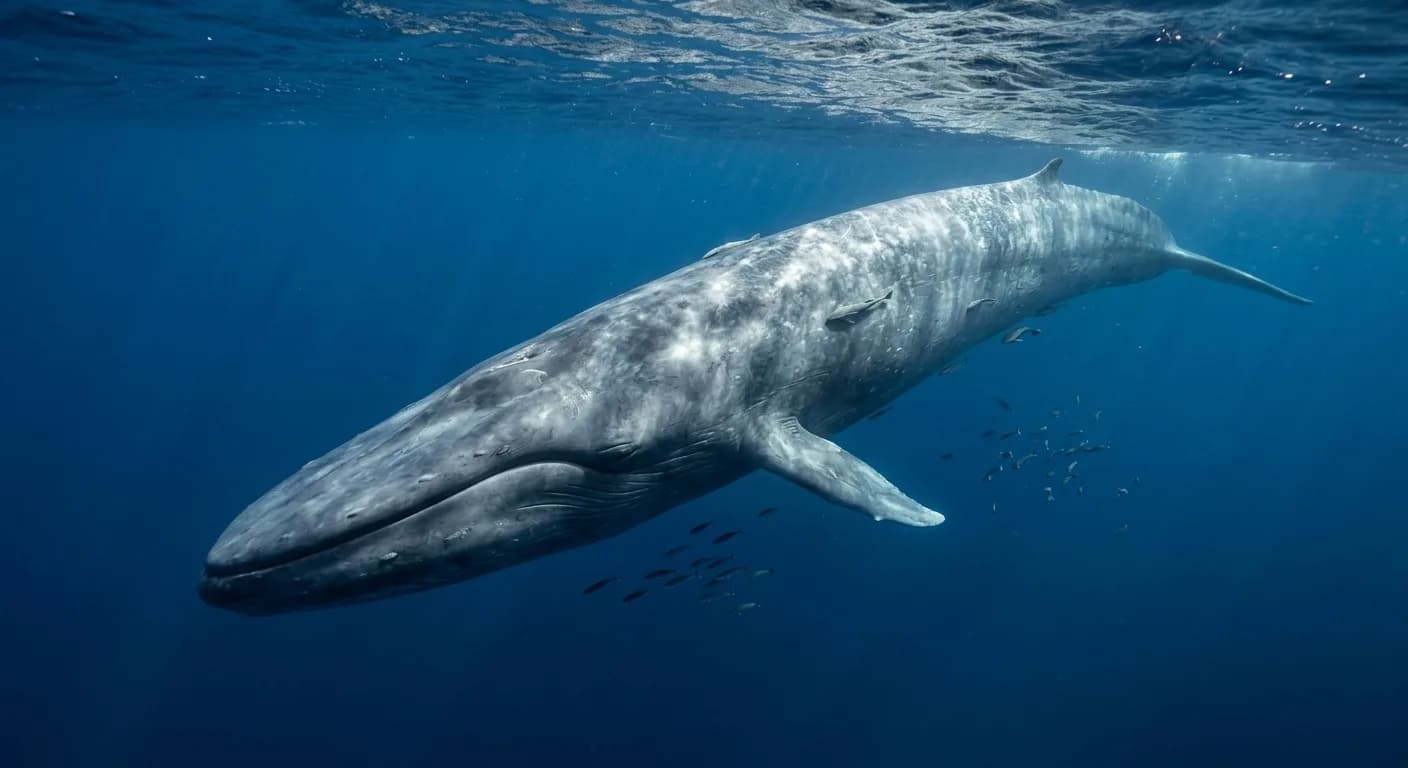
Blue Whale
Balaenoptera musculus
 Endangered
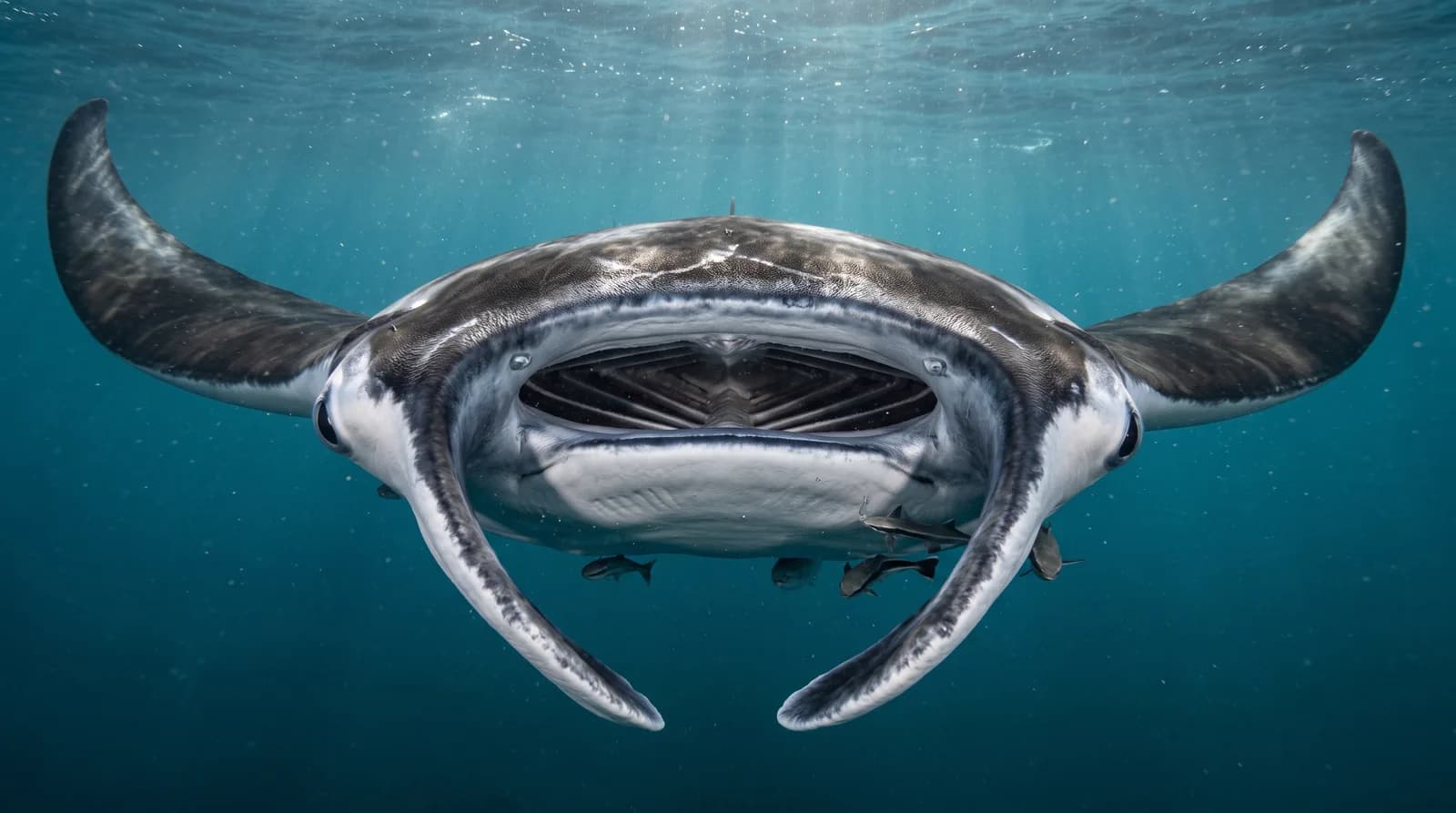
Giant Manta
Mobula birostris
 Endangered
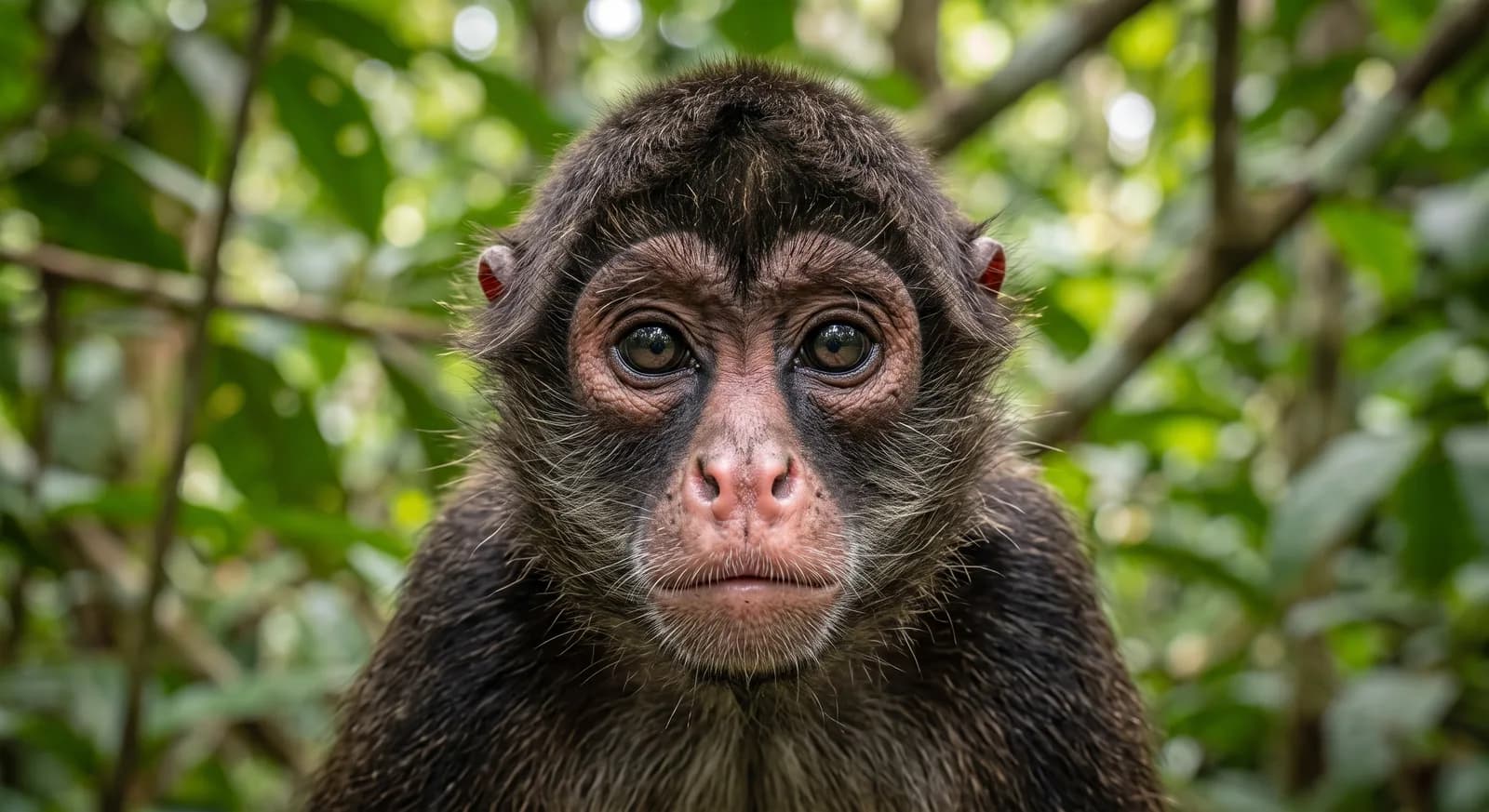
Central American Spider Monkey
Ateles geoffroyi
 Endangered
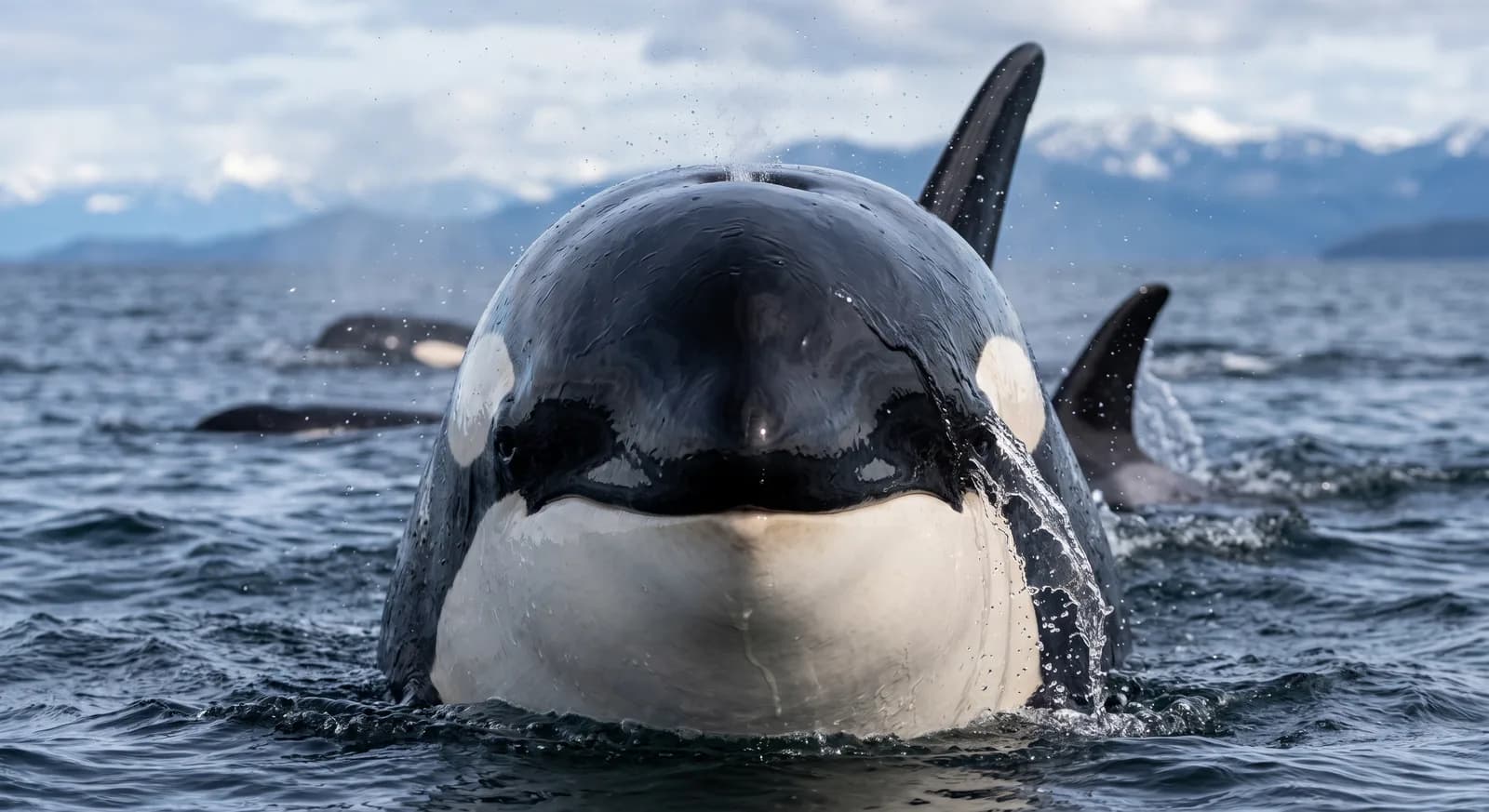
Killer Whale
Orcinus orca
 Endangered
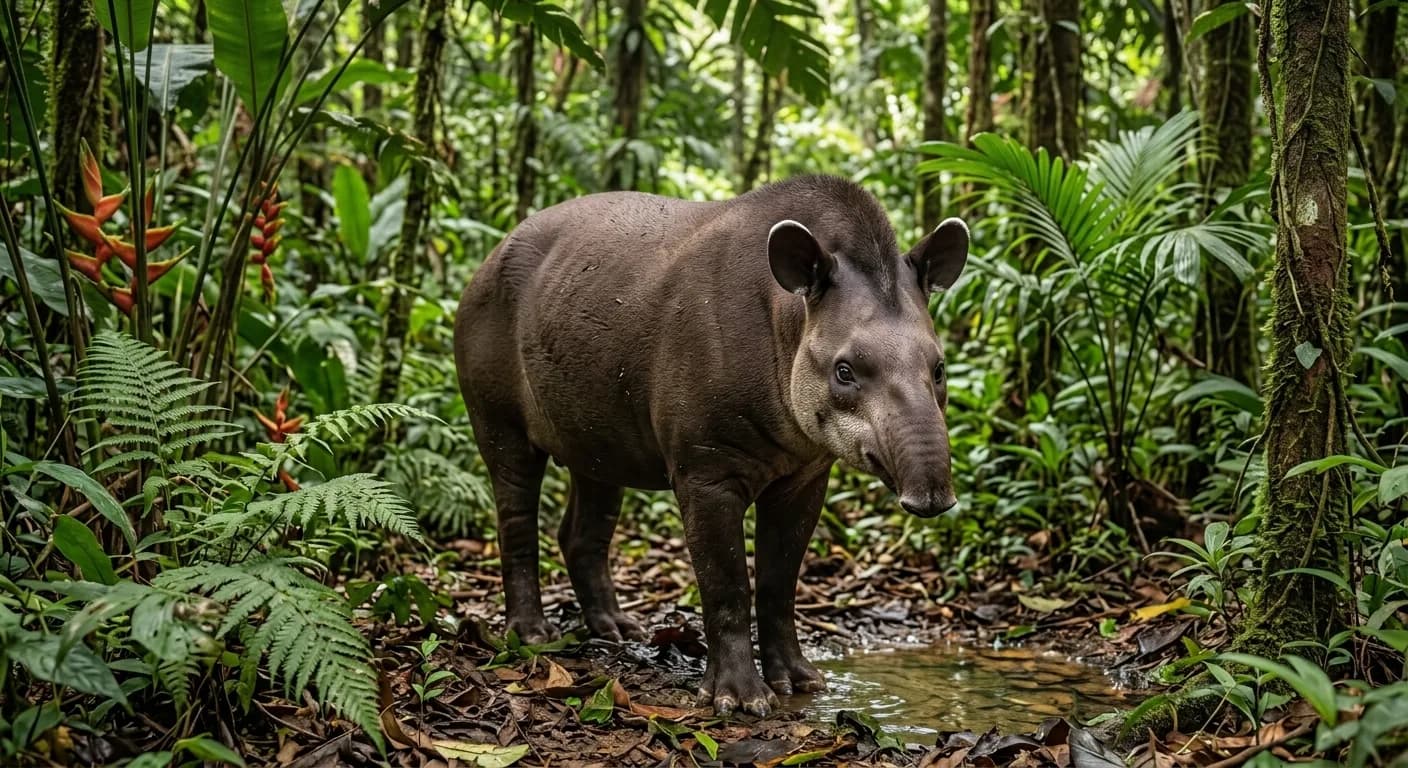
Baird's Tapir
Tapirus bairdii
 Endangered
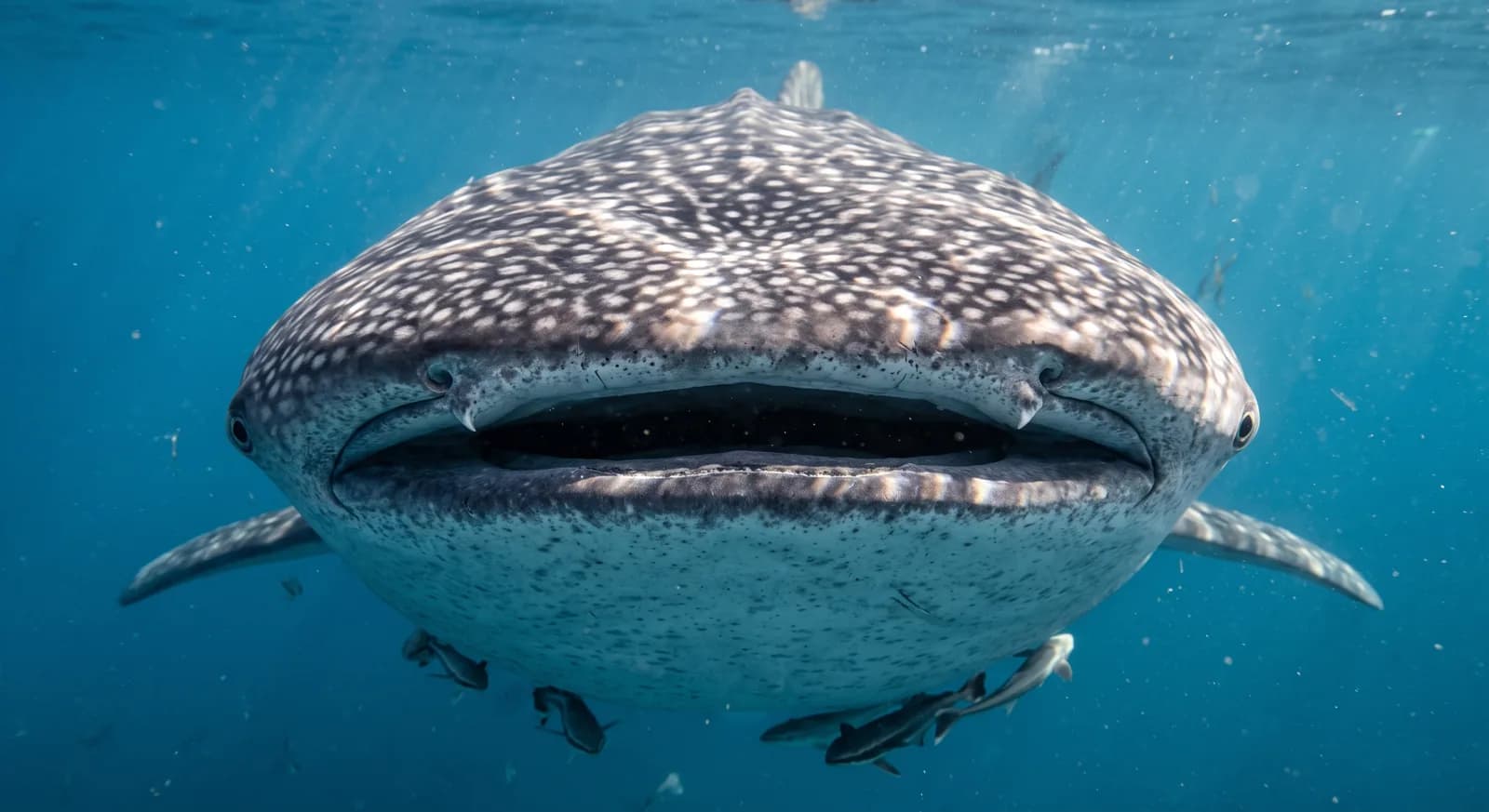
Whale Shark
Rhincodon typus
Keep exploring
Based on what we already know about Costa Rica.