Honduras
América del Norte
Honduras is a mountainous country with more than half its surface above six hundred metres, covered largely by pine and oak forest and, on the western summits, by cloud forests such as those of Celaque and Cusuco. To the northeast lies La Mosquitia, the largest area of tropical rainforest in Central America north of the Panama Canal, crossed by the Plátano river and virtually without roads. On the Caribbean coast, the Bay Islands sit on the Mesoamerican reef, with coral walls that drop to great depth very close to land. The wetlands of the Gulf of Fonseca, on the Pacific, and the coastal lagoons of the Caribbean complete the mosaic.
The nature of Honduras
National animal: The white-tailed deer is the national animal and the scarlet macaw the national bird
Did you know?
At Yoro a phenomenon known as the rain of fish has been recorded for more than a century: after certain heavy spring storms, small fish appear scattered on the ground, far from any river. Explanations have been proposed such as waterspouts that suck them from the sea, or subterranean fish that emerge as the water table rises, but the episode repeats so regularly that the town devotes an annual festival to it.
Biodiversity profile
Climate
- •Tropical humedo (Af/Am) en la costa caribeña
- •Tropical con estacion seca (Aw) en el interior y la costa pacifica
- •Templado de montaña en zonas altas
Main biomes
- •Bosque tropical humedo (Mosquitia, uno de los mayores remanentes de selva de Centroamerica)
- •Bosque de pino-encino en tierras altas
- •Manglares del Caribe (Northern Honduras mangroves)
- •Selva tropical húmeda
- •Bosque nuboso de montaña
- •Bosque de pino y encino
- •Arrecife mesoamericano
- •Manglar costero
- •Sabana de pinos
- •Laguna costera
Marine and coastal ecosystems
- •Sistema Arrecifal Mesoamericano (Islas de la Bahia)
- •Manglares costeros del Caribe
Flagship wildlife
- •Guacamayo rojo
- •Jaguar
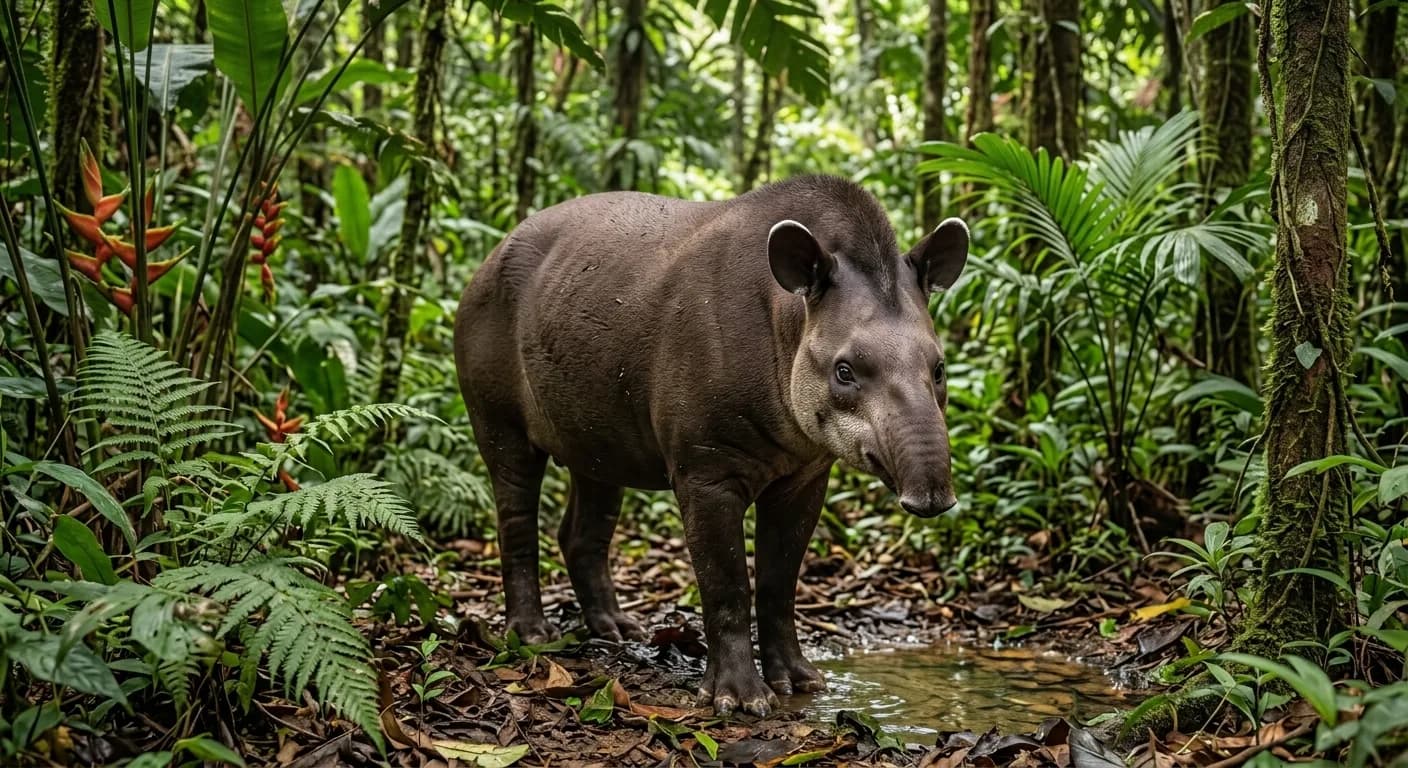
- •Tapir centroamericano
- •Colibri esmeralda (unica ave endemica de Centroamerica, presente en Pico Bonito)
- •Manati antillano
- •Guacamaya roja
- •Venado cola blanca
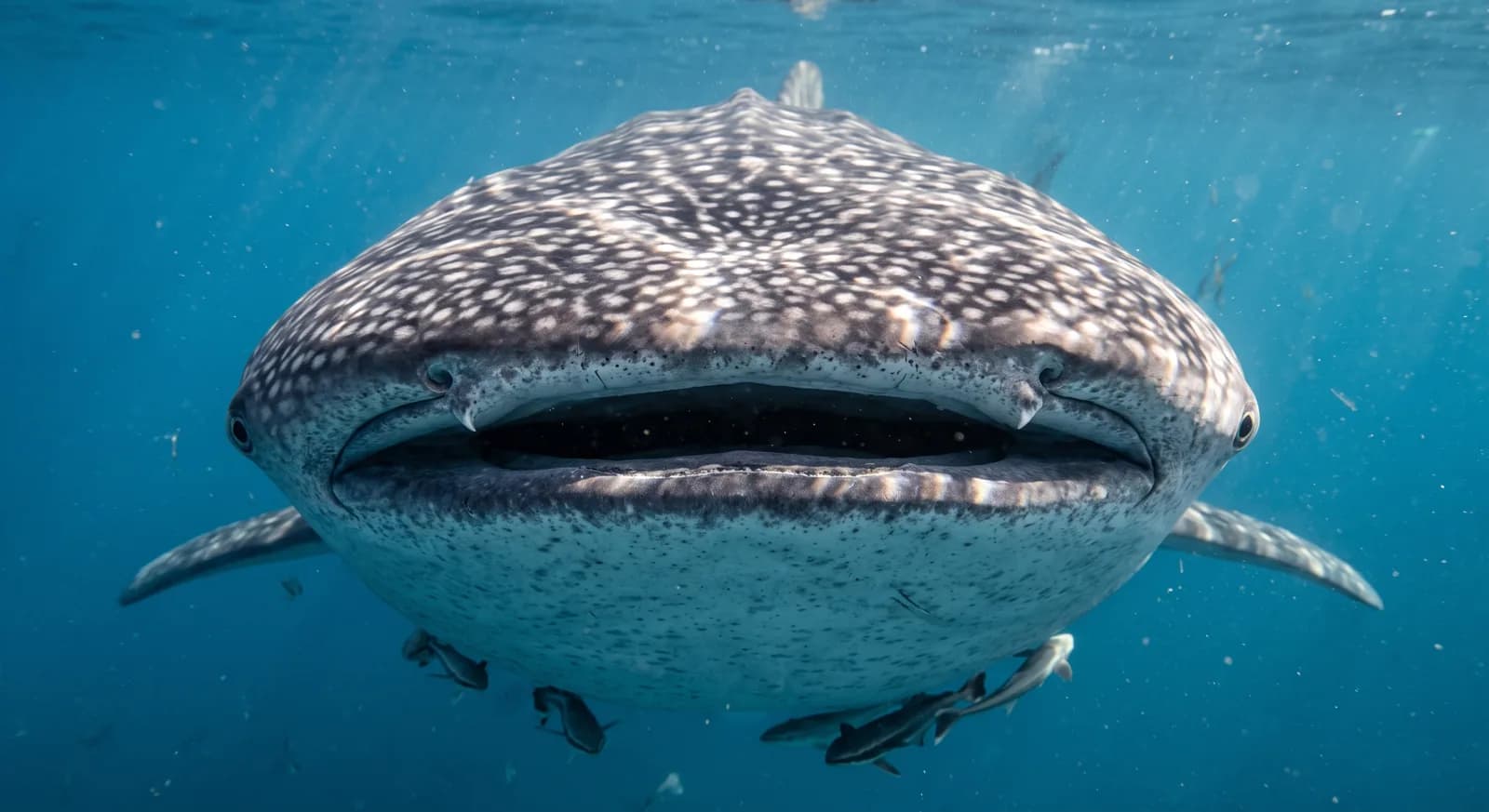
- •Tiburón ballena
- •Manatí del Caribe
- •Quetzal
- •Mono araña
- •Tortuga carey
- •Cocodrilo americano
Notable endemic species
- •Colibri esmeralda, la unica ave endemica de toda Centroamerica, presente en el Parque Nacional Pico Bonito
- •Salamandra de Cusuco
- •Colibrí esmeralda hondureño
Notable threatened species
- •Guacamayo rojo (Vulnerable/En Peligro segun region)
- •Manati antillano (Vulnerable)
- •700+ especies de aves registradas, 25% del territorio declarado protegido segun fuentes de turismo de naturaleza
Notable protected areas
- •Parque Nacional Pico Bonito (mayor area protegida de Atlantida)
- •Reserva de la Biosfera del Rio Platano (Patrimonio Mundial, Mosquitia)
- •Parque Nacional Celaque
- •Parque Nacional Cusuco
- •Islas de la Bahía
- •Golfo de Fonseca
Main conservation threats
- •Deforestacion en la Mosquitia por ganaderia y narcotrafico
- •Corredores climaticos de adaptacion moderadamente protegidos (mediana 47% de proteccion segun estudio PLOS ONE)
- •Huracanes frecuentes
Notable natural phenomena
- •Zona de "corredor de huracanes" de Centroamerica, con impactos historicos crecientes en frecuencia
Conservation
The Río Plátano is a World Heritage Site and has been on the list of sites in danger because of deforestation and illegal ranching. Utila is one of the few places in the world where whale sharks can be seen for almost the whole year, thanks to a deep channel that brings the plankton close to shore.
Where and when to watch wildlife
Utila between March and May for whale sharks. Cusuco and Celaque in the dry season for quetzals and amphibians. The Río Plátano by boat for macaws and forest wildlife.
Sources: PMC/PLOS ONE - Mapping climate adaptation corridors Central America | visitcentroamerica.com - National Parks of Central America | Wikipedia - Northern Honduras mangroves
Parks and reserves
Río Plátano
The largest stretch of untouched rainforest surviving in Honduras, in the remote Mosquitia
View parkNational ParkCelaque
The highest mountain in Honduras, with the country's best-preserved cloud forest and a living Lenca culture.
View parkNational ParkCerro Azul Meambar
It protects the headwaters that feed Lake Yojoa, the largest natural lake in Honduras
View parkNational ParkPico Bonito
The largest protected area in the Atlántida region, with an altitudinal gradient from coastal mangroves to cloud forest
View parkNational ParkSierra de Agalta
Honduras's largest remnant of cloud forest, in Olancho department, historically associated with 20th-century rural banditry
View parkDiving and snorkelling
Cayos Cochinos
A protected marine reserve with eight uninhabited cays and well-preserved reefs.
View dive siteReef/WallRoatán Island
Part of the Mesoamerican Reef; spectacular walls and scuttled wrecks such as the Odyssey.
View dive sitePelagic/ReefUtila (tiburón ballena)
An island known as one of the cheapest places in the world to get certified and see whale sharks.
View dive sitePaíses similares
¿A dónde más podría interesarme viajar?
Misma región: Centroamérica y Caribe
Misma región: Centroamérica y Caribe
Misma región: Centroamérica y Caribe
Misma región: Centroamérica y Caribe
Especies documentadas en Honduras
272 species found
 Critically Endangered
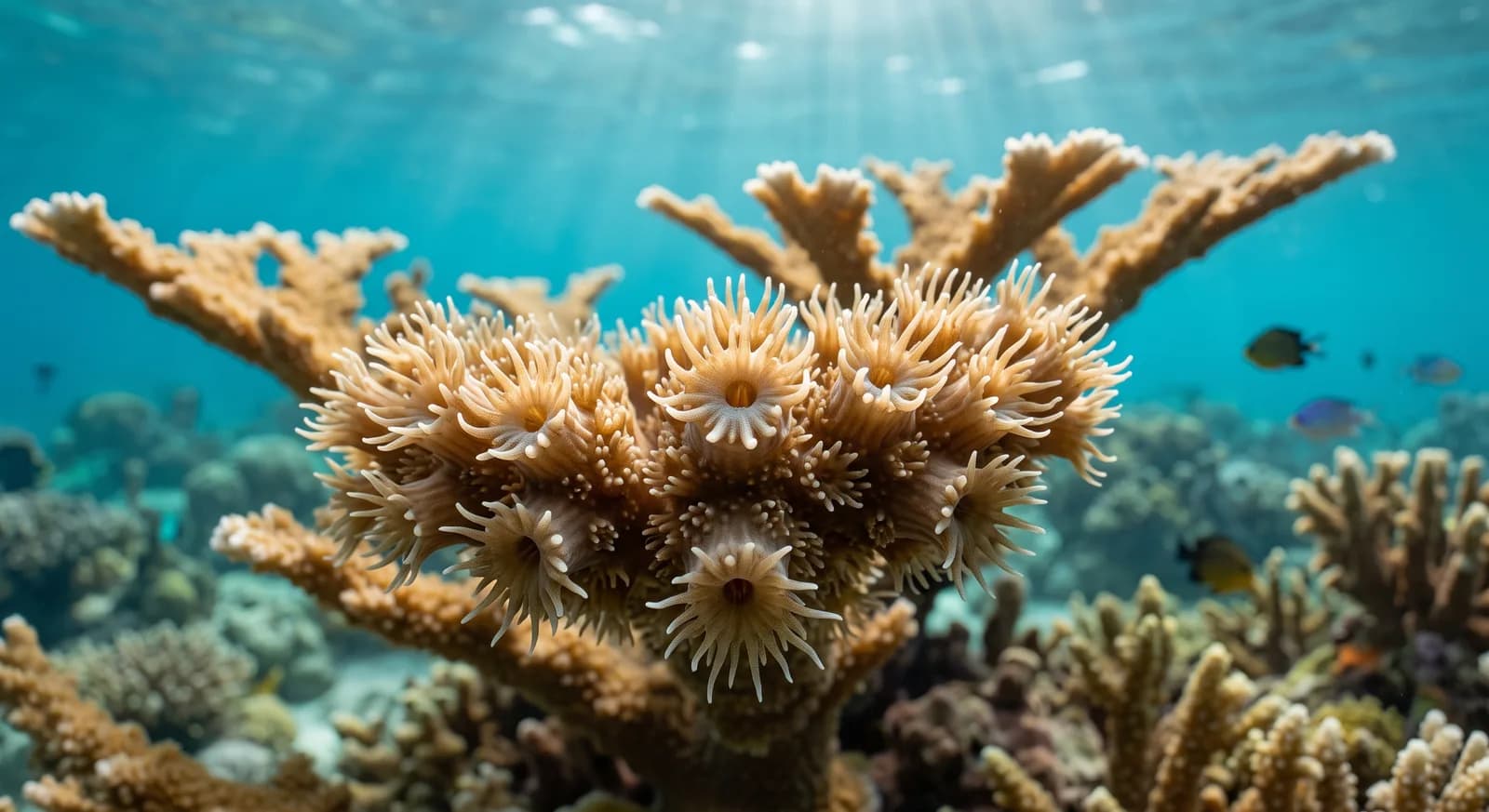
Elkhorn Coral
Acropora palmata
 Critically Endangered
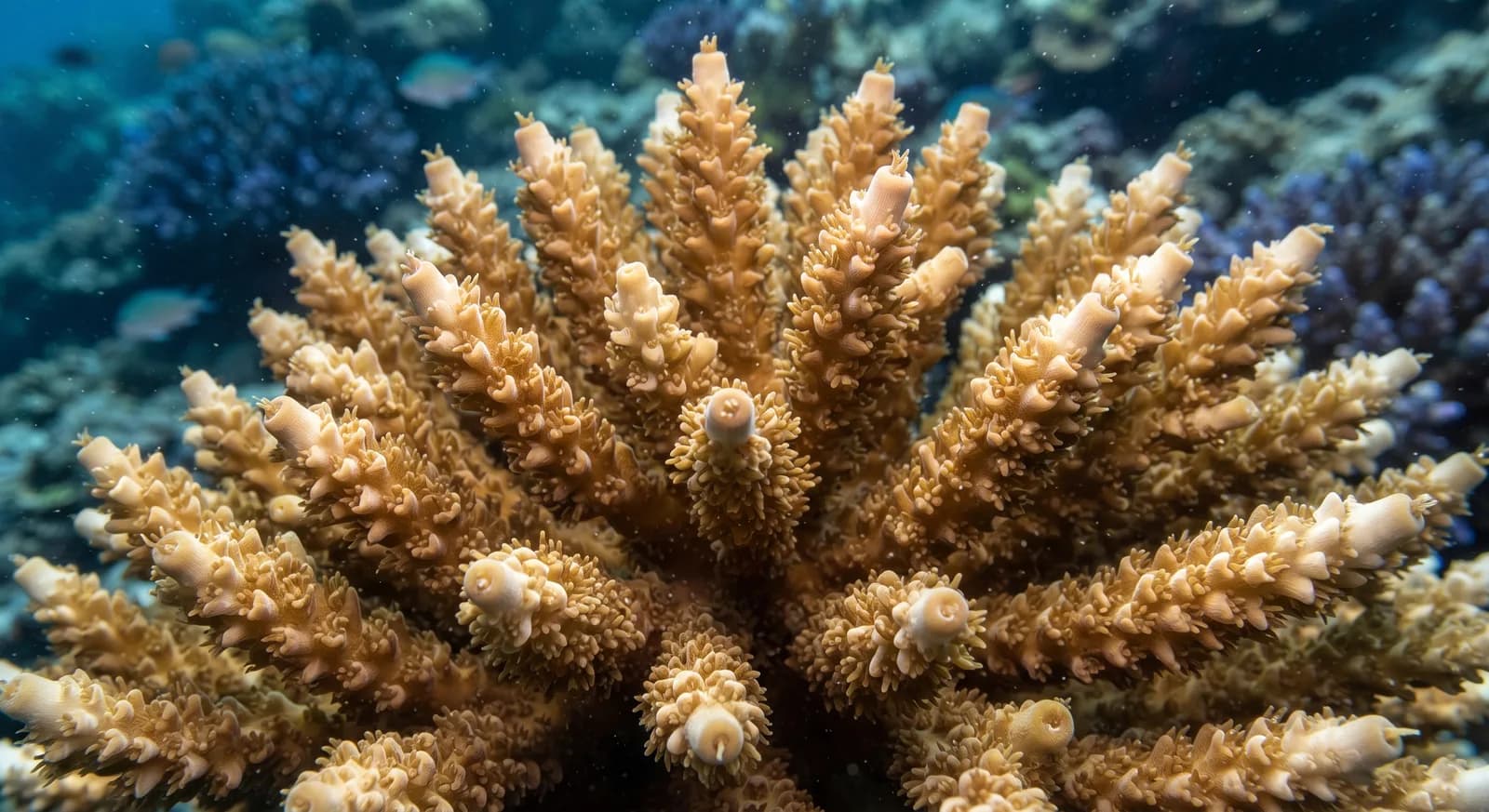
Staghorn Coral
Acropora cervicornis
 Critically Endangered
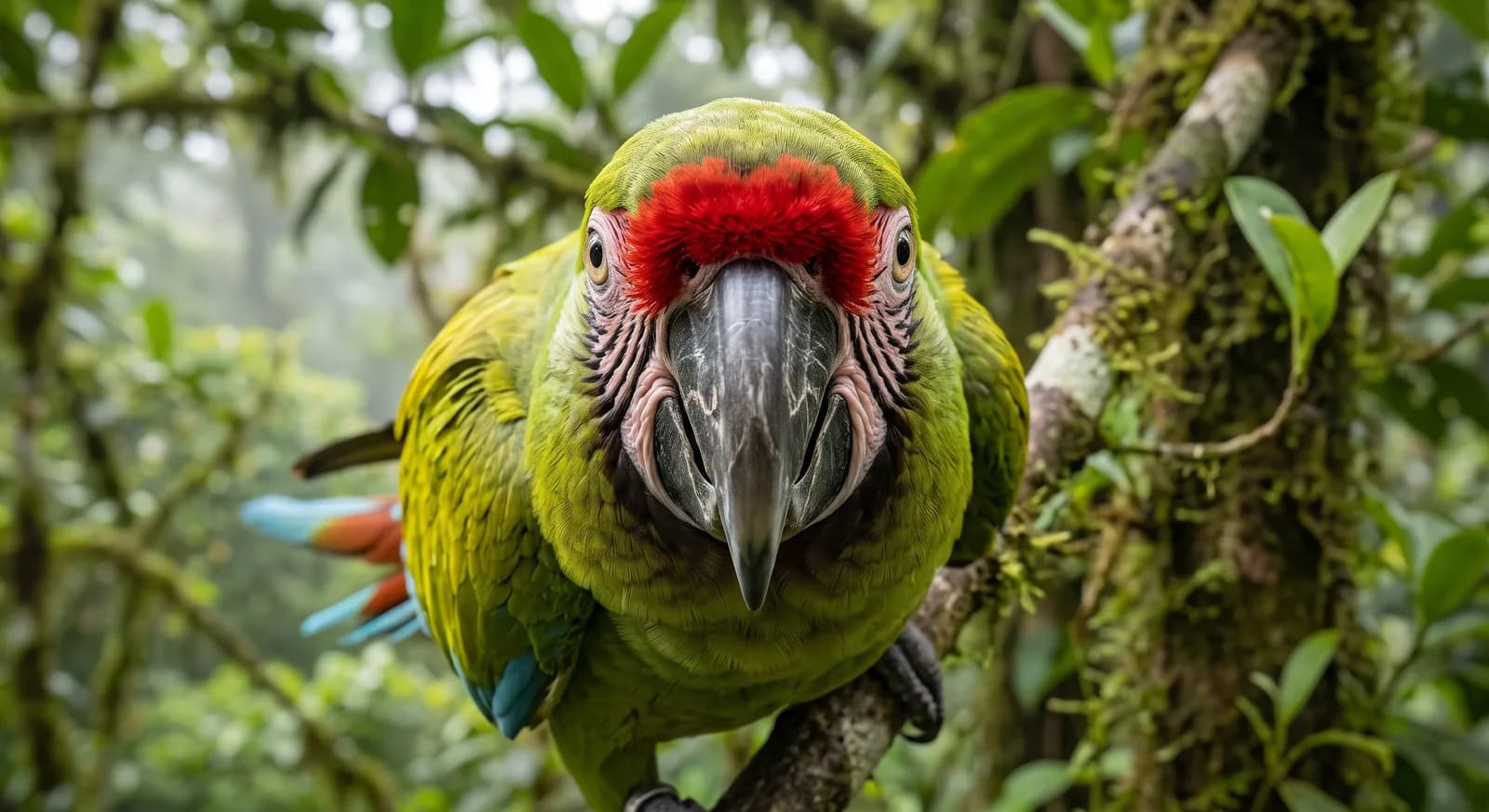
Great Green Macaw
Ara ambiguus
 Critically Endangered
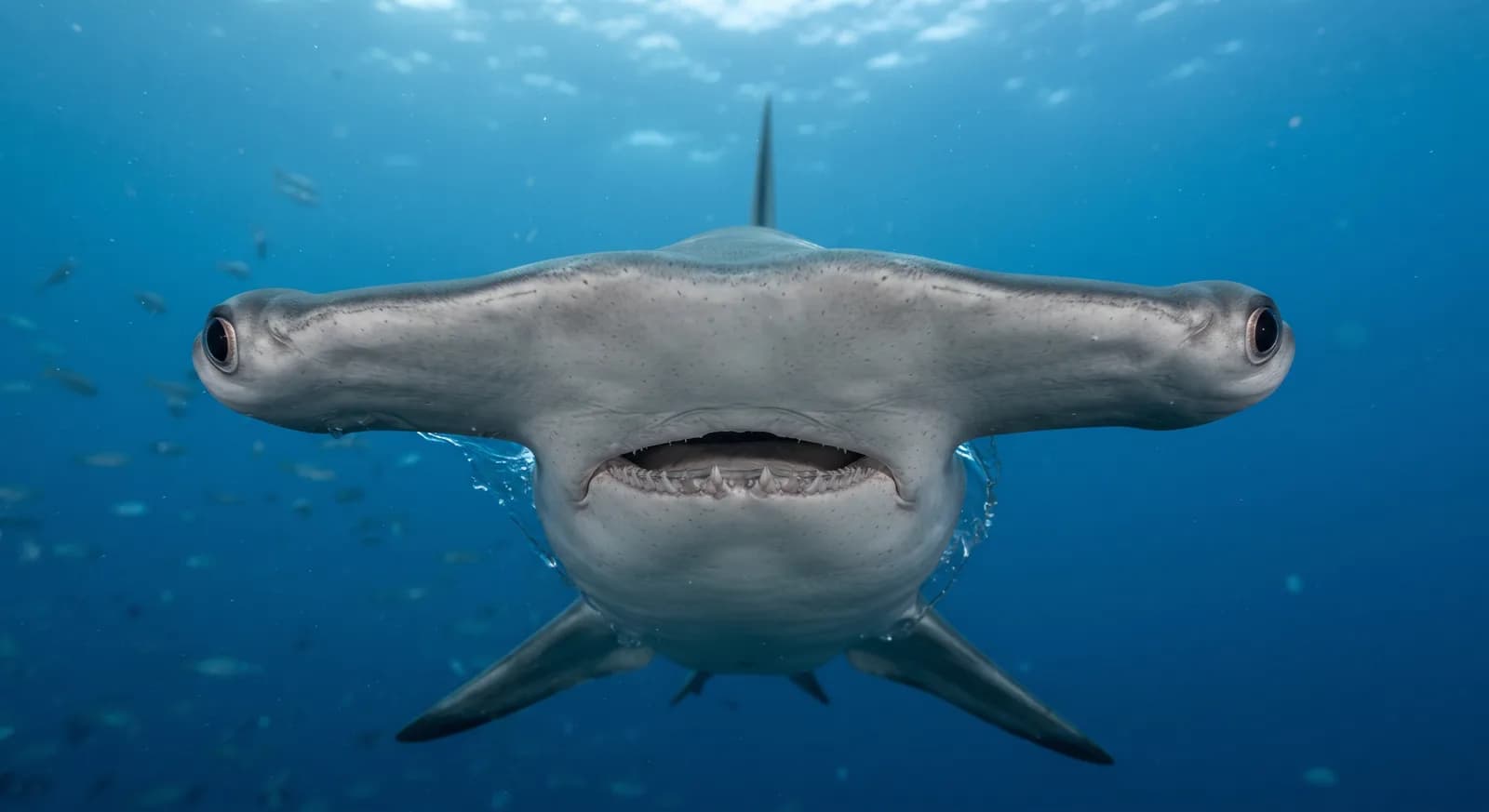
Great Hammerhead
Sphyrna mokarran
 Critically Endangered
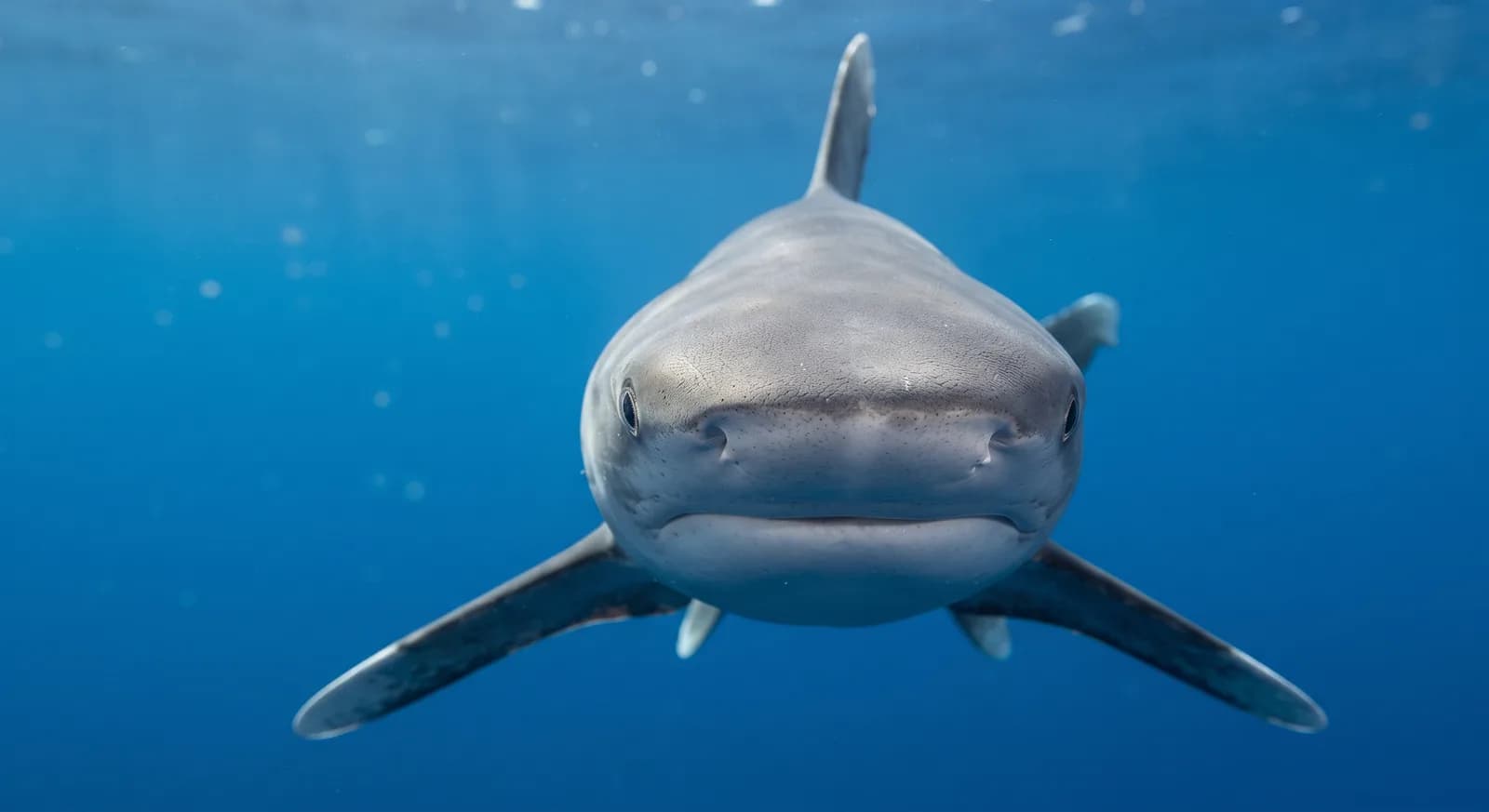
Oceanic Whitetip Shark
Carcharhinus longimanus
 Critically Endangered
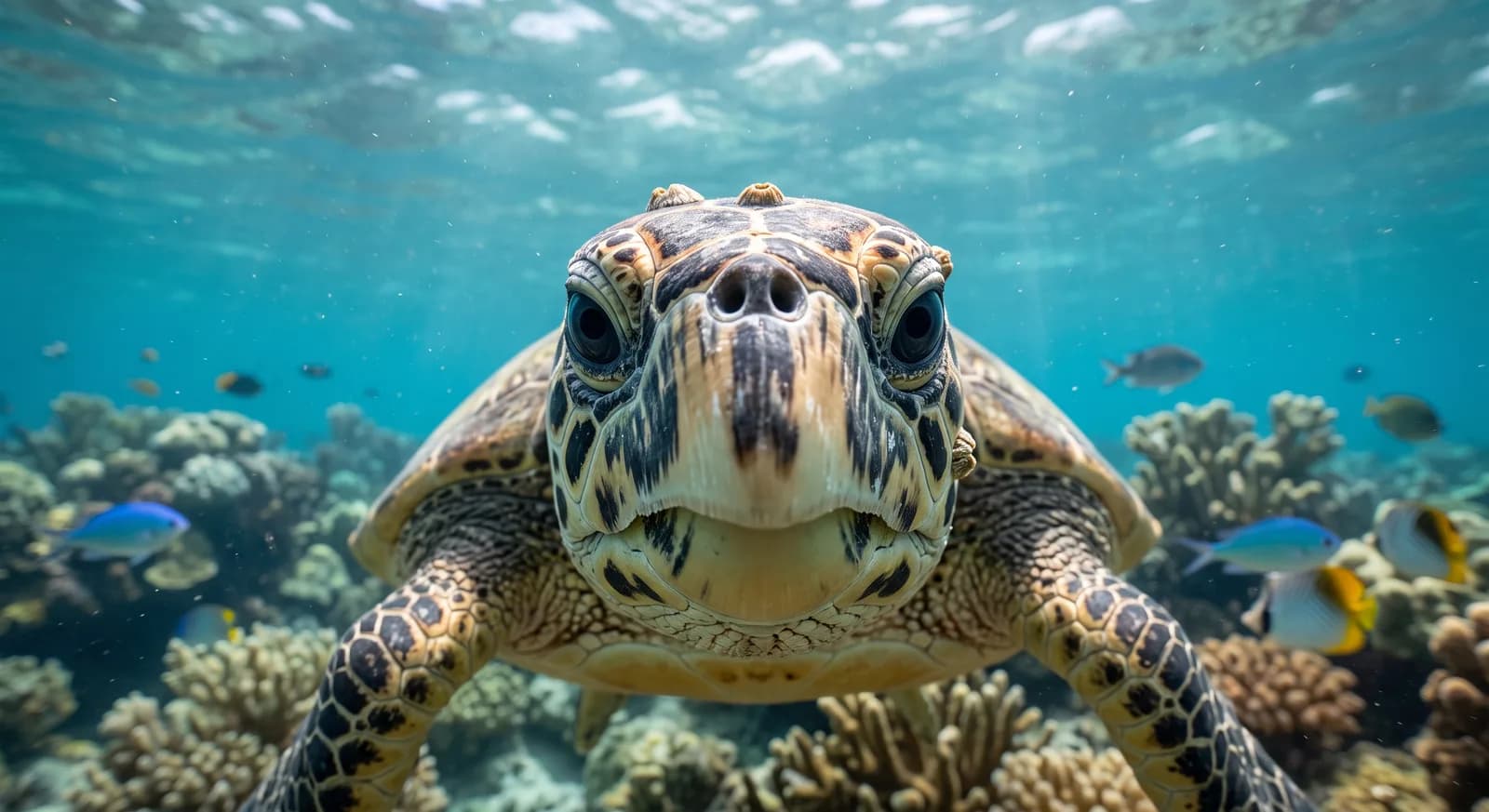
Hawksbill Turtle
Eretmochelys imbricata
 Endangered
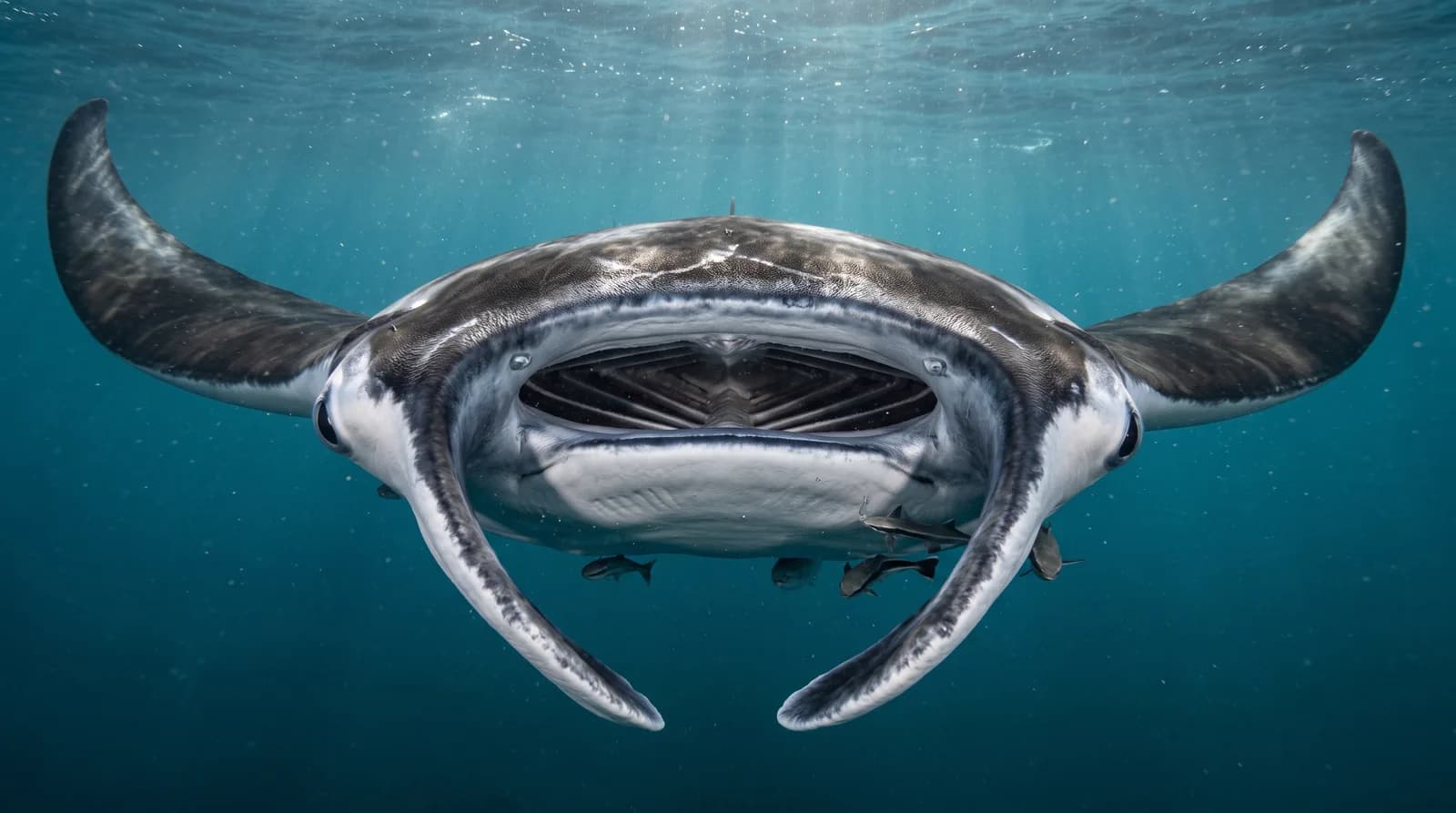
Giant Manta
Mobula birostris
 Endangered
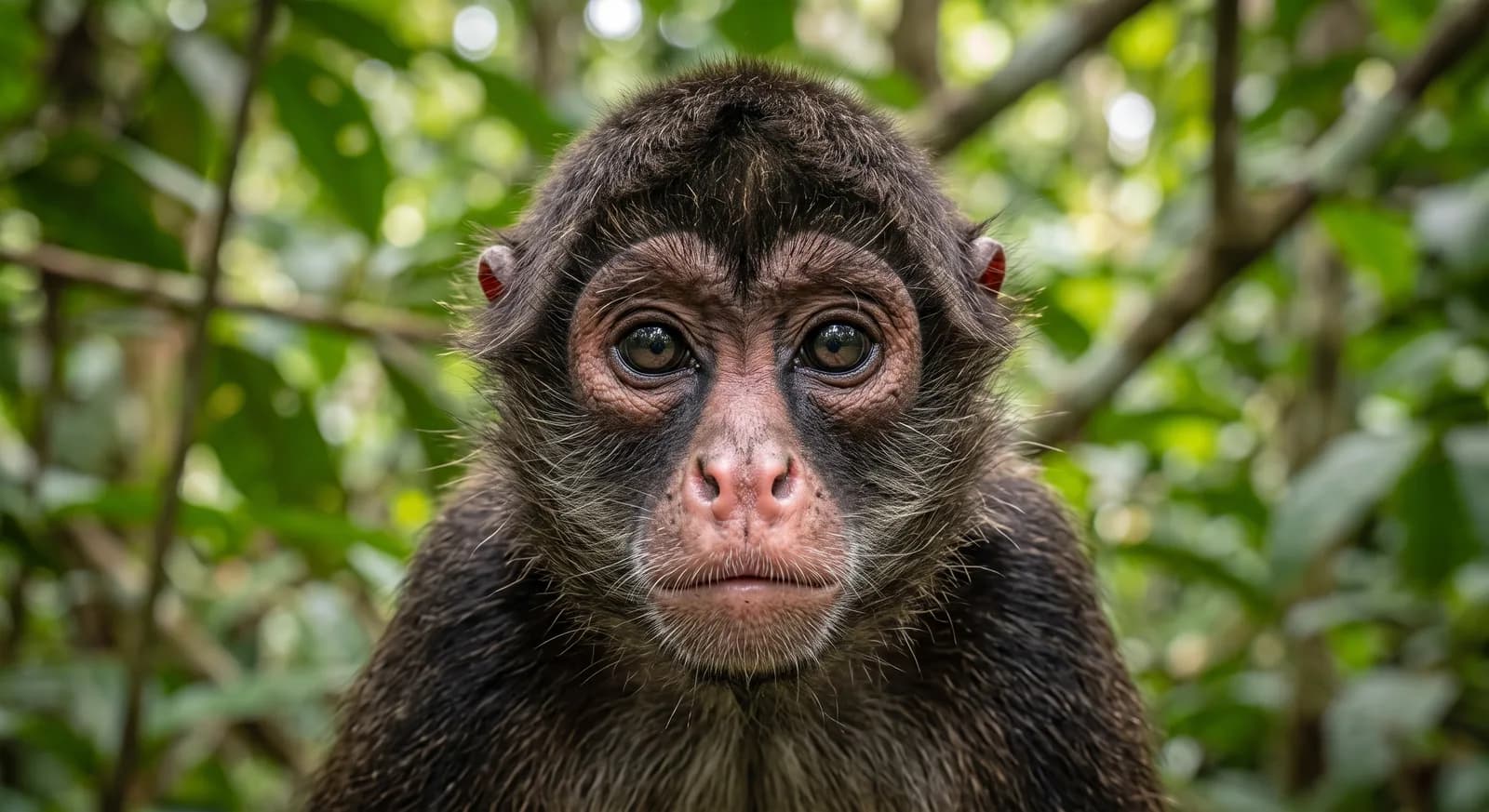
Central American Spider Monkey
Ateles geoffroyi
 Endangered
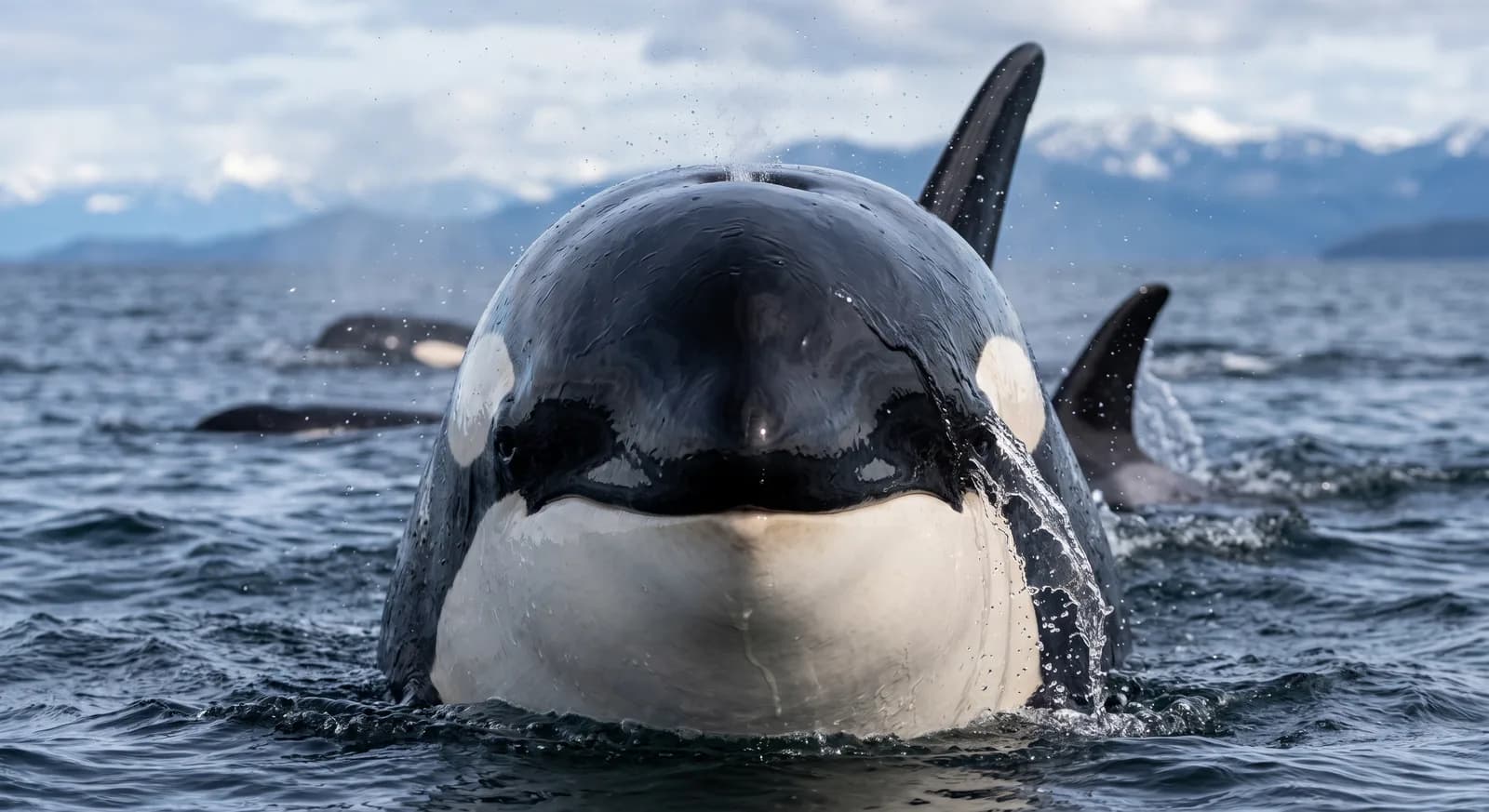
Killer Whale
Orcinus orca
 Endangered
Baird's Tapir
Tapirus bairdii
 Endangered
Whale Shark
Rhincodon typus
 Endangered
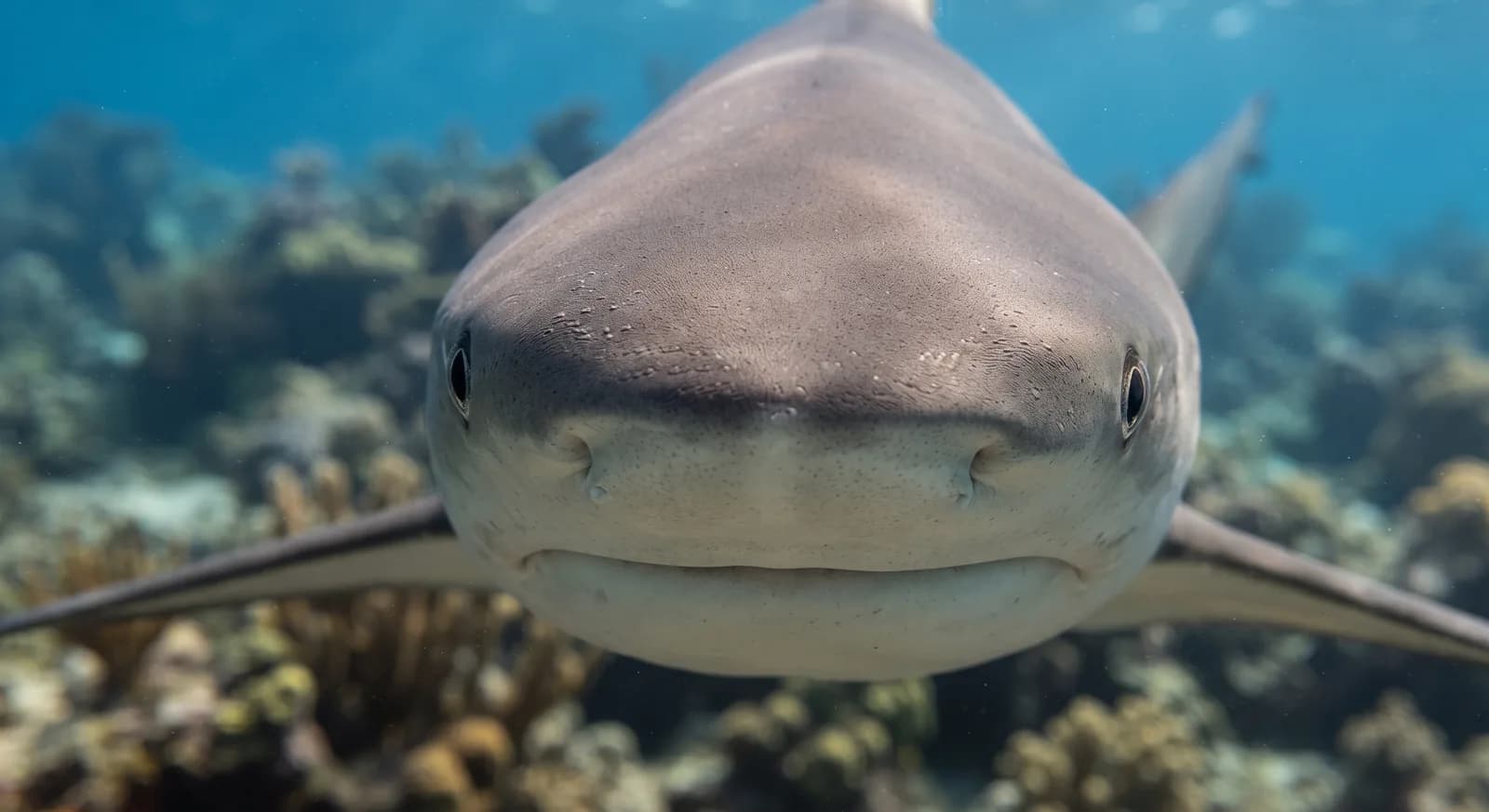
Caribbean Reef Shark
Carcharhinus perezi
Keep exploring
Based on what we already know about Honduras.