Cuba
América del Norte
Cuba is the largest island in the Caribbean and the one that keeps the greatest area of natural habitat in the Antillean archipelago, with very high endemism in plants as well as in amphibians, reptiles and molluscs. The mountainous east, with the Sierra Maestra and above all the Nipe-Sagua-Baracoa massif, holds serpentine soils that have produced an exclusive flora and rainforests that make up the most biodiverse point in all the Antilles. In the southwest, the Zapata swamp is the largest wetland in the insular Caribbean, with mangroves, reedbeds and flooded forest that hold birds found nowhere else and the Cuban crocodile, the crocodile with the smallest natural range in the world.
The nature of Cuba
National animal: The Cuban trogon, the national bird, whose plumage reproduces the colours of the Cuban flag
Did you know?
The bee hummingbird is the smallest bird on the planet: it measures about six centimetres including bill and tail and weighs less than two grams, less than a small coin. It beats its wings around eighty times a second, its nest is the size of a thimble and its eggs are like coffee beans. It exists only in Cuba, and its heart can beat more than a thousand times a minute in flight.
Biodiversity profile
Climate
- •Tropical con estacion seca (Aw), moderado por vientos alisios, con variaciones locales segun relieve
Main biomes
- •Bosque de pino (Cuban pine forests)
- •Bosque humedo y semideciduo
- •Humedales (13,4% del territorio, incluida la Cienaga de Zapata, mayor humedal del Caribe)
- •Matorral y cactus (Cuban cactus scrub)
- •Bosque pluvial sobre serpentinita
- •Ciénaga y manglar
- •Mogote calizo
- •Bosque semideciduo
- •Arrecife de coral
- •Cayo y laguna costera
- •Sabana de palmas
Marine and coastal ecosystems
- •Arrecifes de coral entre los mas prístinos del Caribe (Jardines de la Reina, Golfo de Batabano)
- •Manglares extensos (5.647 km2 aprox.)
Flagship wildlife
- •Cocodrilo cubano (endemico, poblacion silvestre muy reducida)
- •Tocororo o tocoloro (ave nacional)
- •Zunzuncito o colibri abeja (ave mas pequeña del mundo)
- •Jutia cubana
- •Solenodonte cubano (mamifero primitivo endemico)
- •Zunzuncito
- •Tocororo
- •Manatí del Caribe
- •Almiquí
- •Polymita o caracol pintado
- •Cotorra cubana
- •Flamenco americano
- •Manjuarí
- •Tortuga carey
Notable endemic species
- •Aprox. 50% de las especies de plantas y 42% de las especies animales de Cuba son endemicas
- •Zunzuncito (colibri mas pequeño del mundo, endemico)
- •Cocodrilo cubano (restringido a Cienaga de Zapata e Isla de la Juventud)
- •Ferminia o cherna de Zapata, gallinuela de Zapata y cabrerito de la cienaga (aves endemicas exclusivas de la Cienaga de Zapata)
- •Almiquí
- •Polymita
- •Manjuarí
Notable threatened species
- •Cocodrilo cubano (En Peligro, con solo unos pocos miles de individuos, el area de distribucion mas pequeña de cualquier cocodrilo)
- •Solenodonte cubano (En Peligro)
- •Aves endemicas de la Cienaga de Zapata (ferminia, gallinuela) con distribucion extremadamente restringida
Notable protected areas
- •Reserva de la Biosfera Cienaga de Zapata (628.171 ha, mayor humedal del Caribe)
- •Parque Nacional Alejandro de Humboldt (Patrimonio Mundial)
- •Jardines de la Reina (area marina protegida)
- •Ciénaga de Zapata
- •Parque Nacional Viñales
- •Parque Nacional Desembarco del Granma
- •Sierra del Rosario
Main conservation threats
- •Especies invasoras (ej. marabu, que invade grandes areas)
- •Presiones de desarrollo turistico y climaticas sobre la Cienaga de Zapata
- •Cuba destaca en la literatura cientifica por logros de gobernanza: segunda mayor tasa de recuperacion de cobertura forestal del mundo
Notable natural phenomena
- •Cienaga de Zapata como uno de los sistemas de drenaje mas grandes y complejos del Caribe
- •Huracanes tropicales estacionales
Conservation
The Jardines de la Reina, an archipelago protected since 1996 with heavily restricted fishing, keep one of the densest shark and grouper populations in the Caribbean and serve as a reference for what these seas were like before overfishing. The Cuban gar is a fish considered a living fossil, the survivor of a lineage more than a hundred million years old.
Where and when to watch wildlife
Zapata between November and April for endemic and migratory birds. Jardines de la Reina year-round for sharks and groupers. Viñales at dawn for trogons and mogote birds.
Sources: BIOFIN - Cuba | ScienceDirect - Conservation lessons from Cuba | BioDB.com - Cuba | insightCuba - Cuba's Biodiversity | Wikipedia - Cienaga de Zapata Biosphere Reserve
Parks and reserves
Cienaga de Zapata
The largest wetland in the insular Caribbean; it takes in the Bay of Pigs, scene of the failed 1961 invasion
View parkNational ParkAlejandro de Humboldt
The largest and most important remnant of rainforest in the insular Caribbean; named after the naturalist who visited Cuba in 1800-1801
View parkNational ParkDesembarco del Granma
One of the best-preserved sequences of stepped marine terraces in the world, and the place where Fidel Castro landed in 1956
View parkNational ParkViñales
A karst valley of mogotes, isolated limestone hills, farmed by the original method of Cuban tobacco
View parkBiosphere ReserveGuanahacabibes
The westernmost tip of Cuba; María la Gorda beach, famous for its legend of a Venetian captive left there by pirates
View parkBiosphere ReserveSierra del Rosario
The first Biosphere Reserve declared in Cuba, with a pioneering model for reforesting degraded farmland
View parkNational ParkPico Turquino
The roof of Cuba, in the Sierra Maestra, with cloud forest and the guerrilla headquarters of La Plata.
View parkNature ParkTopes de Collantes
A former tuberculosis sanatorium built in the 1930s to exploit the cool mountain climate, today converted into a hotel
View parkDiving and snorkelling
Jardines de la Reina
An archipelago of more than 600 cays running 150 km parallel to the Cuban coast. More than 60 % of the park is seagrass meadow acting as a nursery for fish and lobster. Local guides tend to say these waters show what the whole Caribbean was like fifty years ago, and the data largely bear them out.
View dive siteWall/ReefMaria la Gorda
A biosphere reserve at the western tip of Cuba, with more than 50 all but pristine dive sites.
View dive siteWall/CavePunta Francés
A marine national park south of Isla de la Juventud, with coral walls reckoned among the finest in Cuba.
View dive siteWreck/ReefVaradero
Cuba's principal tourist destination, with several accessible wrecks and shallow reefs ideal for certifications.
View dive sitePaíses similares
¿A dónde más podría interesarme viajar?
Misma región: Centroamérica y Caribe
Misma región: Centroamérica y Caribe
Misma región: Centroamérica y Caribe
Misma región: Centroamérica y Caribe
Especies documentadas en Cuba
217 species found
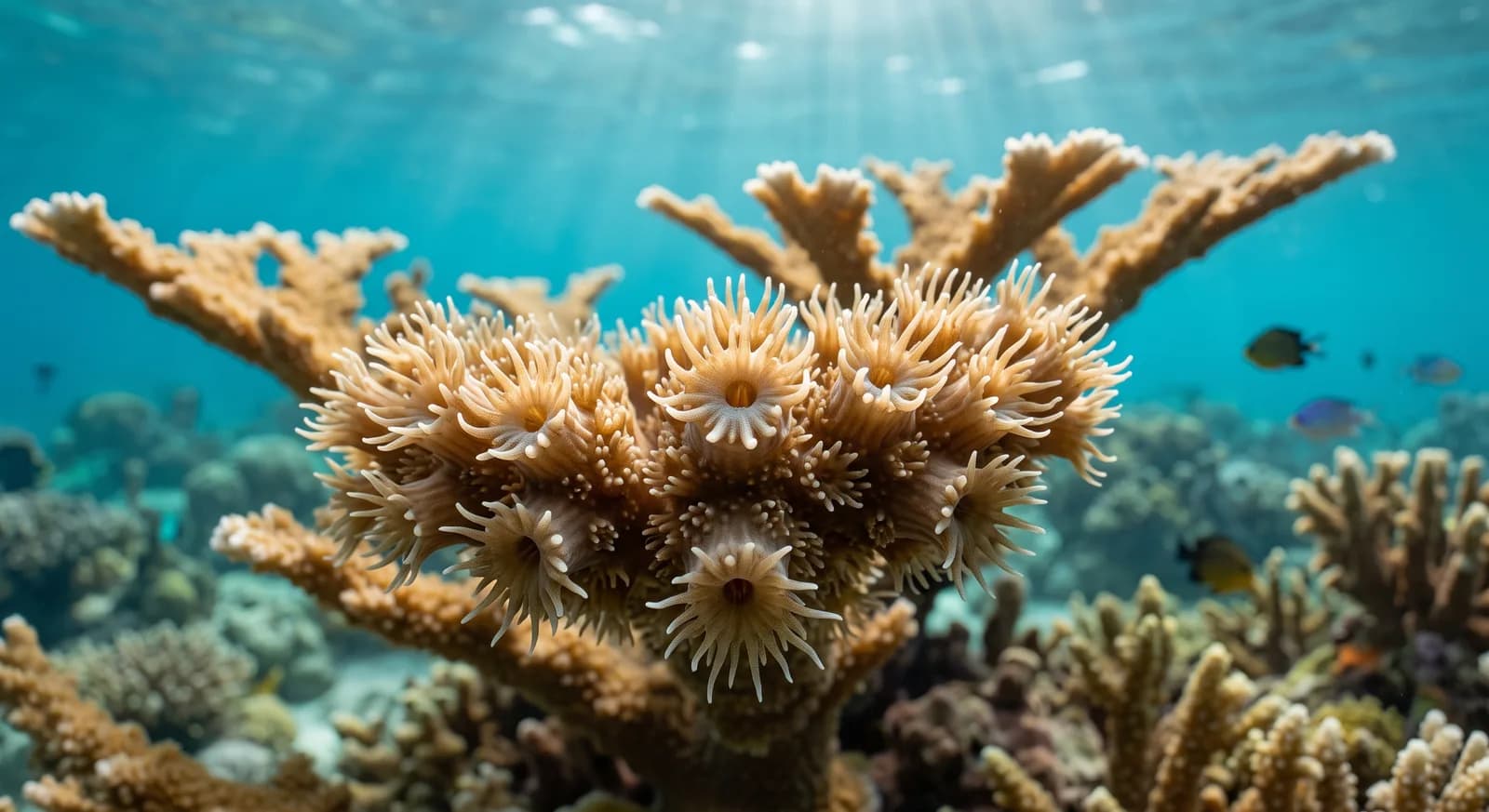 Critically Endangered
Elkhorn Coral
Acropora palmata
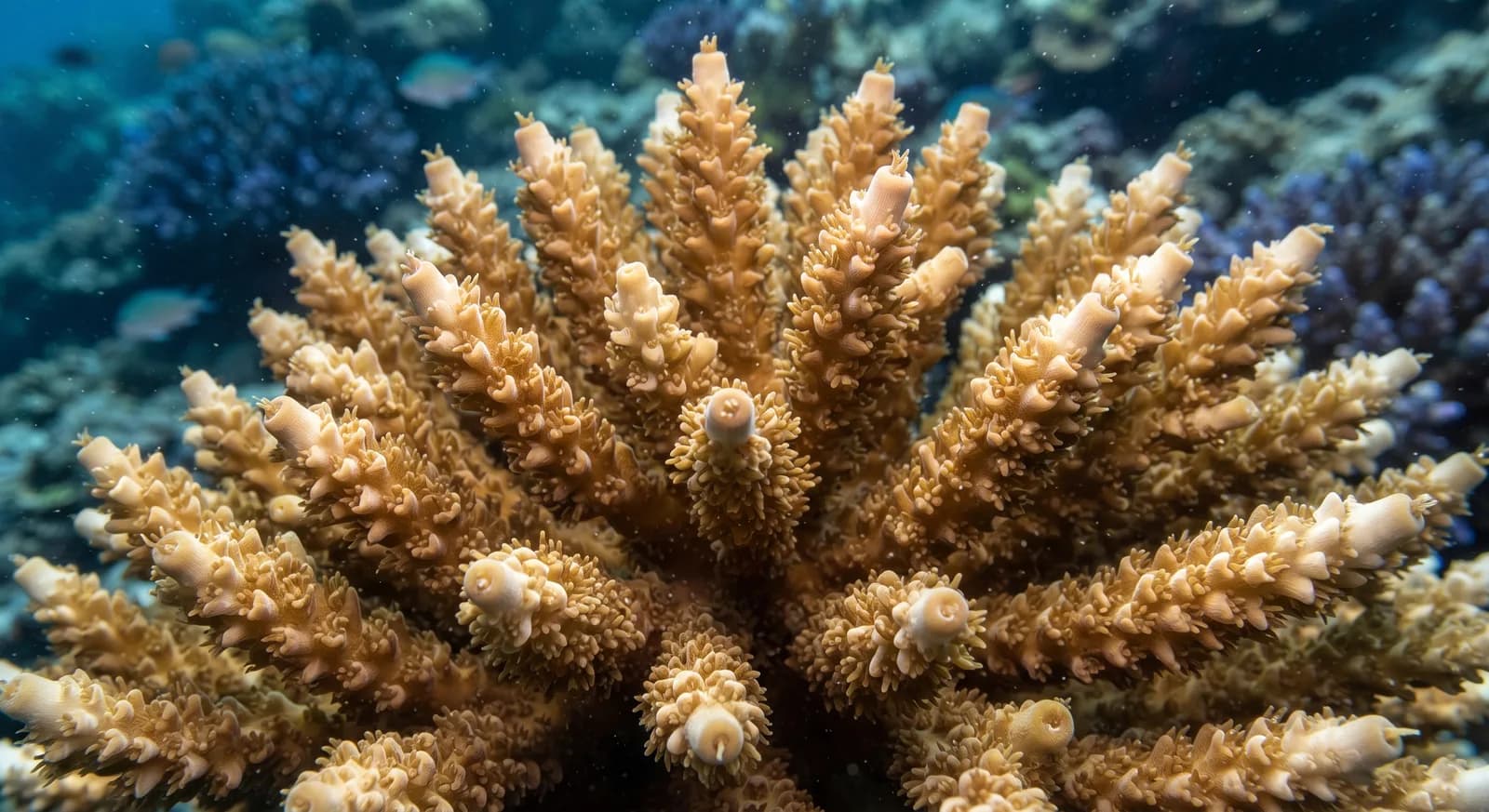 Critically Endangered
Staghorn Coral
Acropora cervicornis
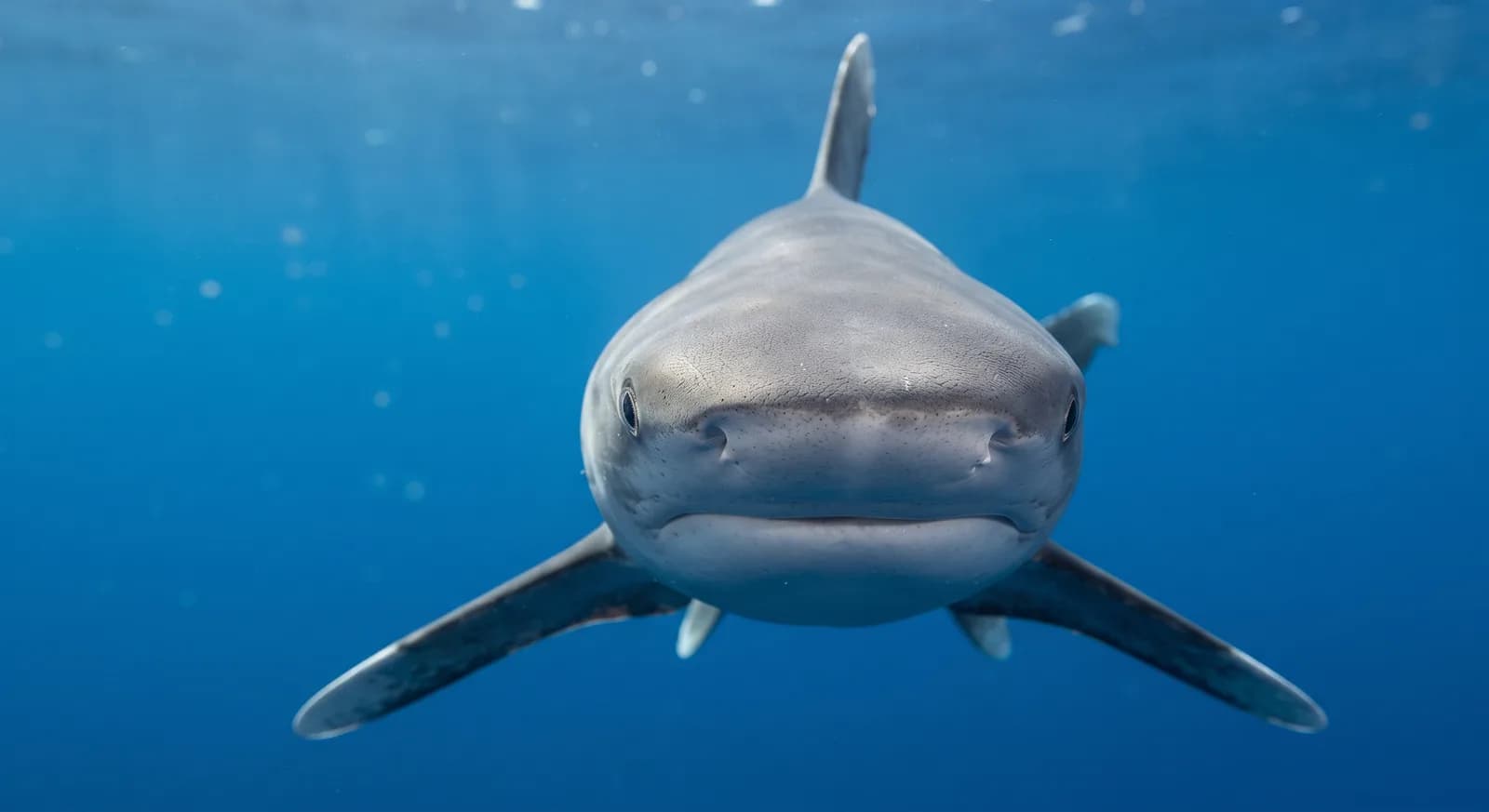 Critically Endangered
Oceanic Whitetip Shark
Carcharhinus longimanus
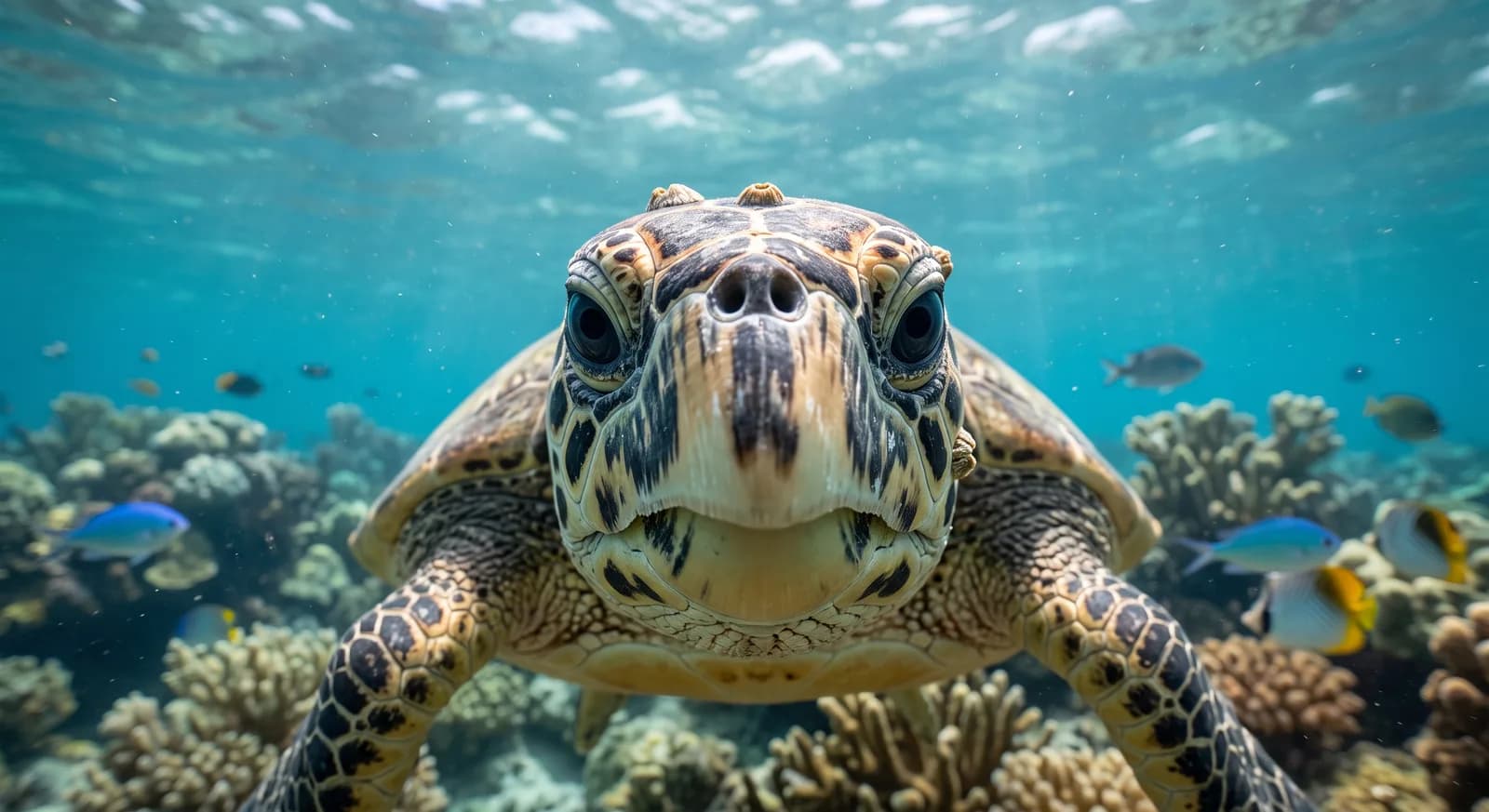 Critically Endangered
Hawksbill Turtle
Eretmochelys imbricata
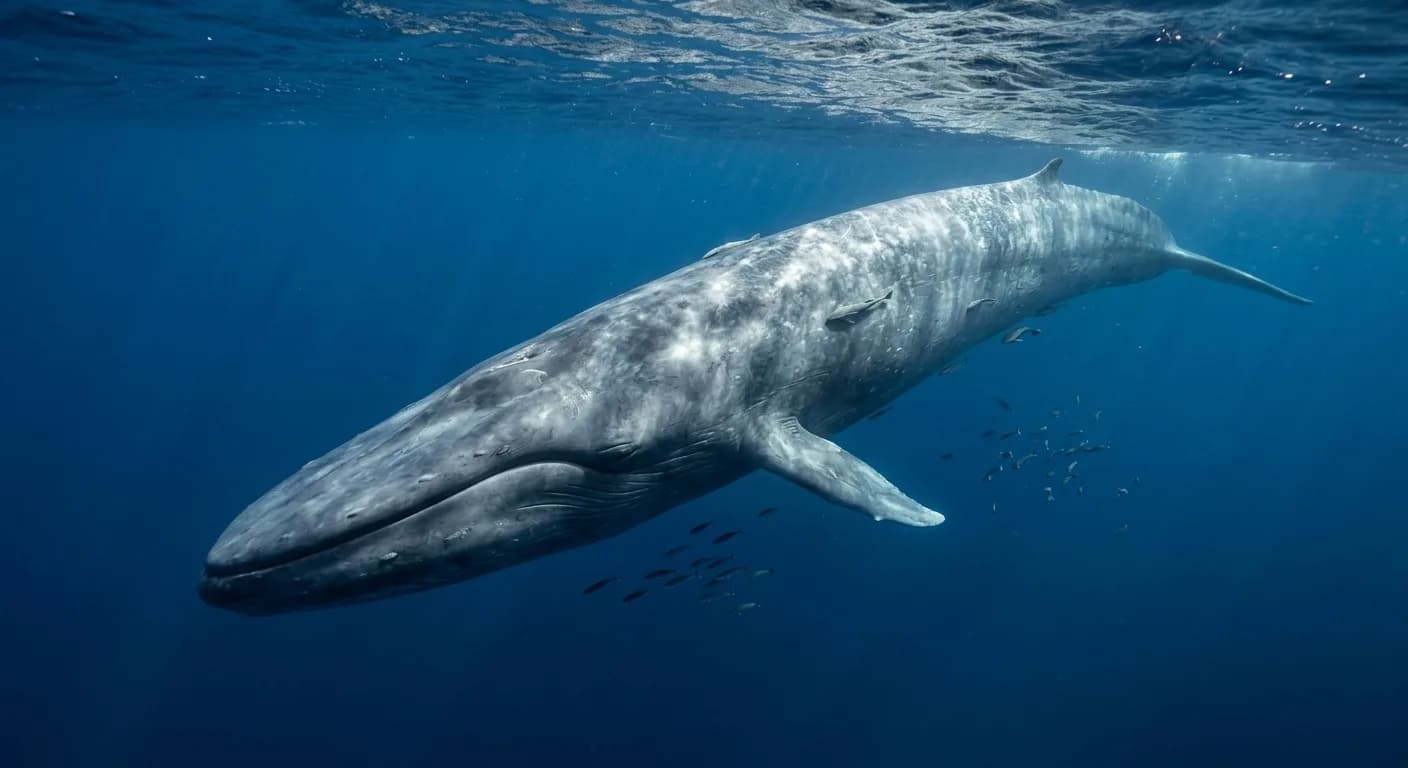 Endangered
Blue Whale
Balaenoptera musculus
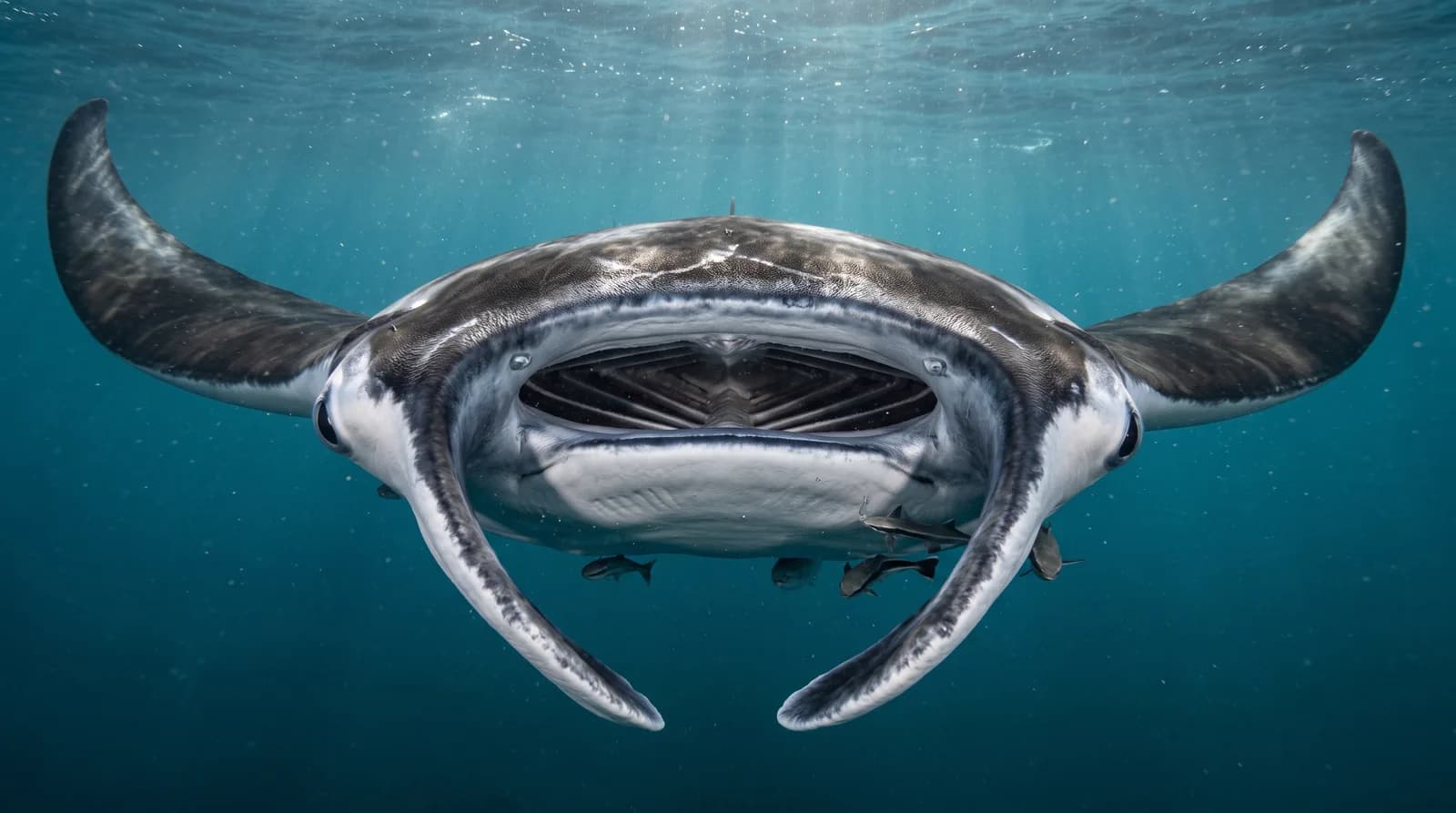 Endangered
Giant Manta
Mobula birostris
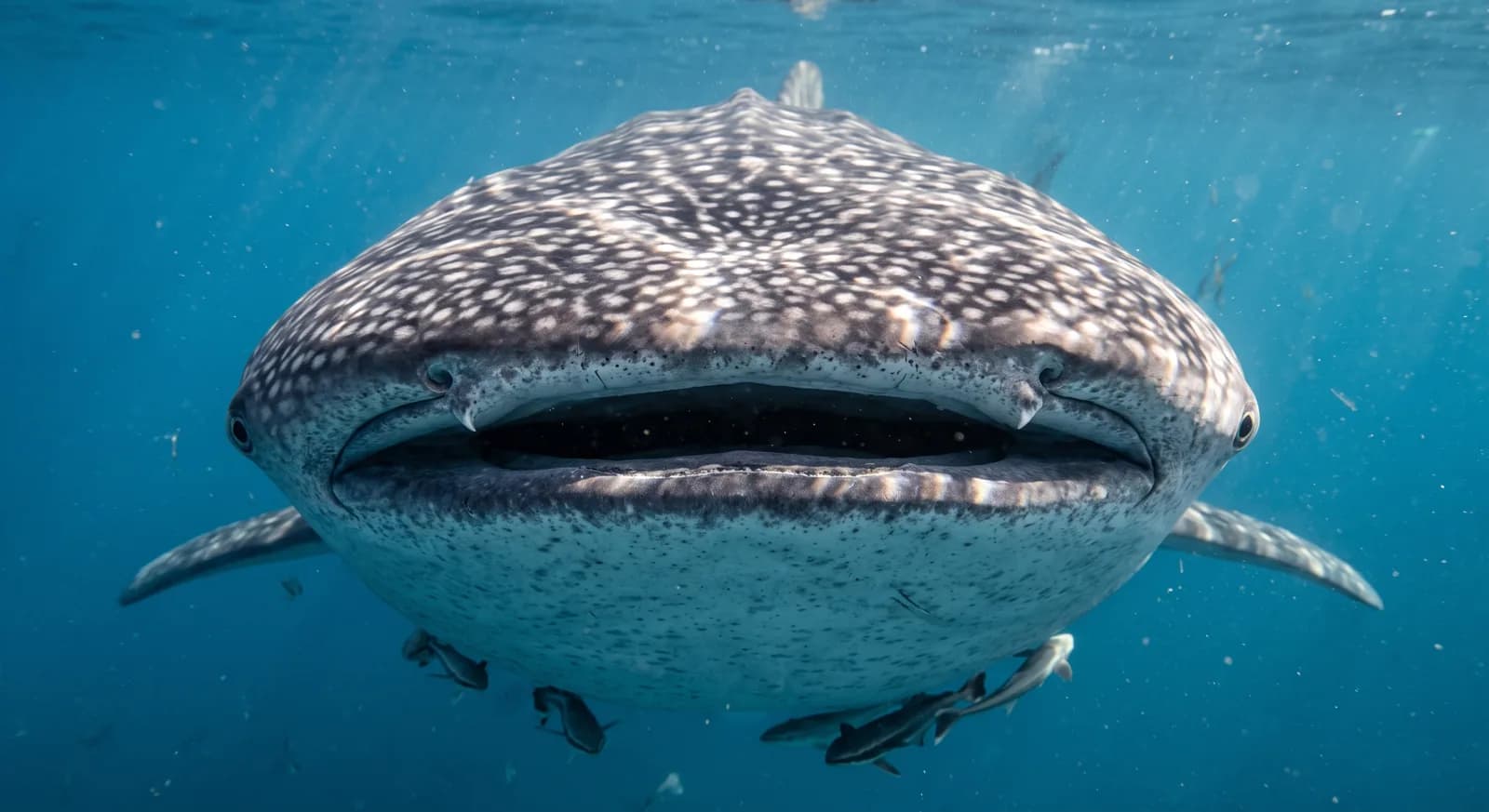 Endangered
Whale Shark
Rhincodon typus
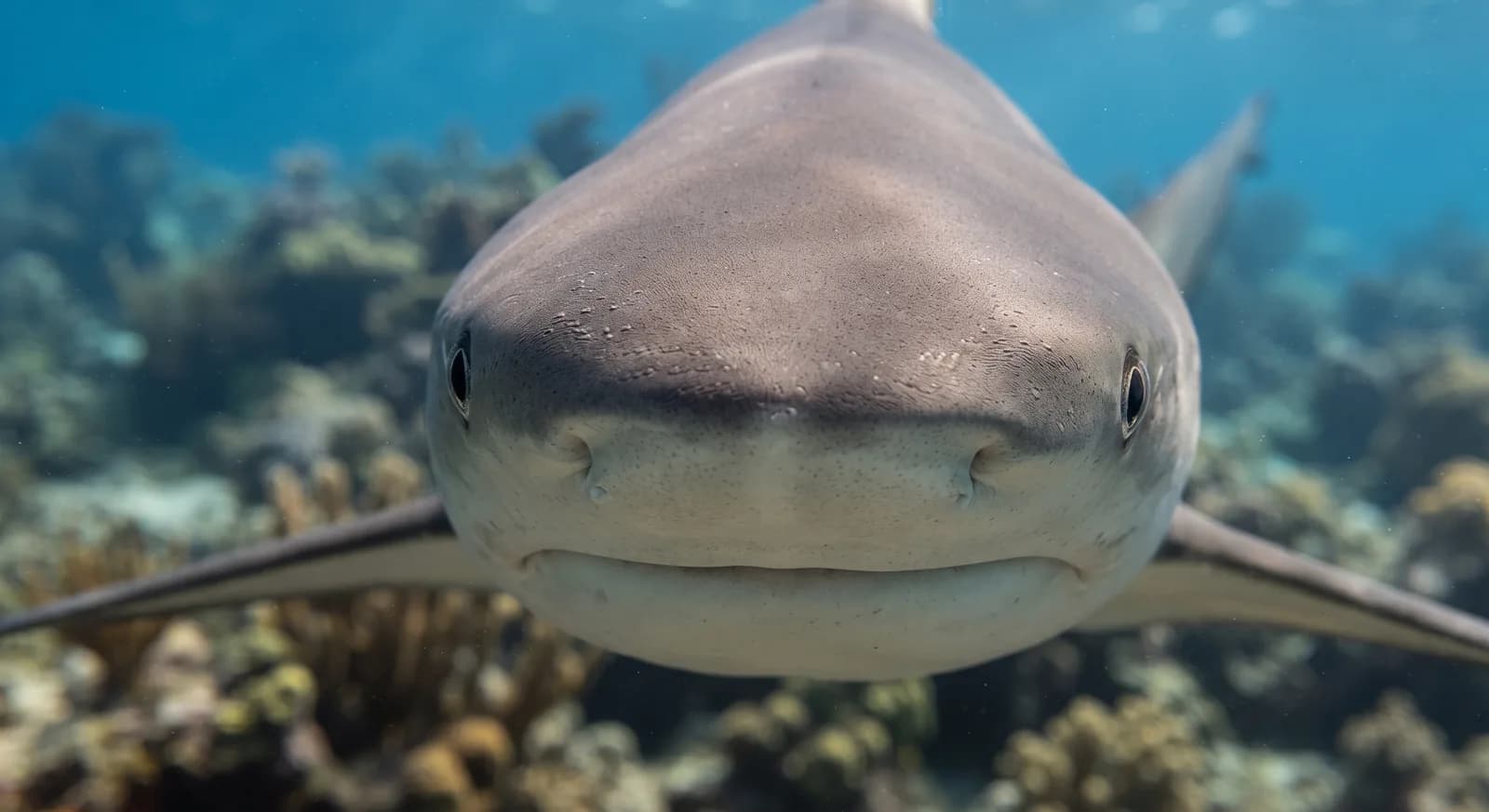 Endangered
Caribbean Reef Shark
Carcharhinus perezi
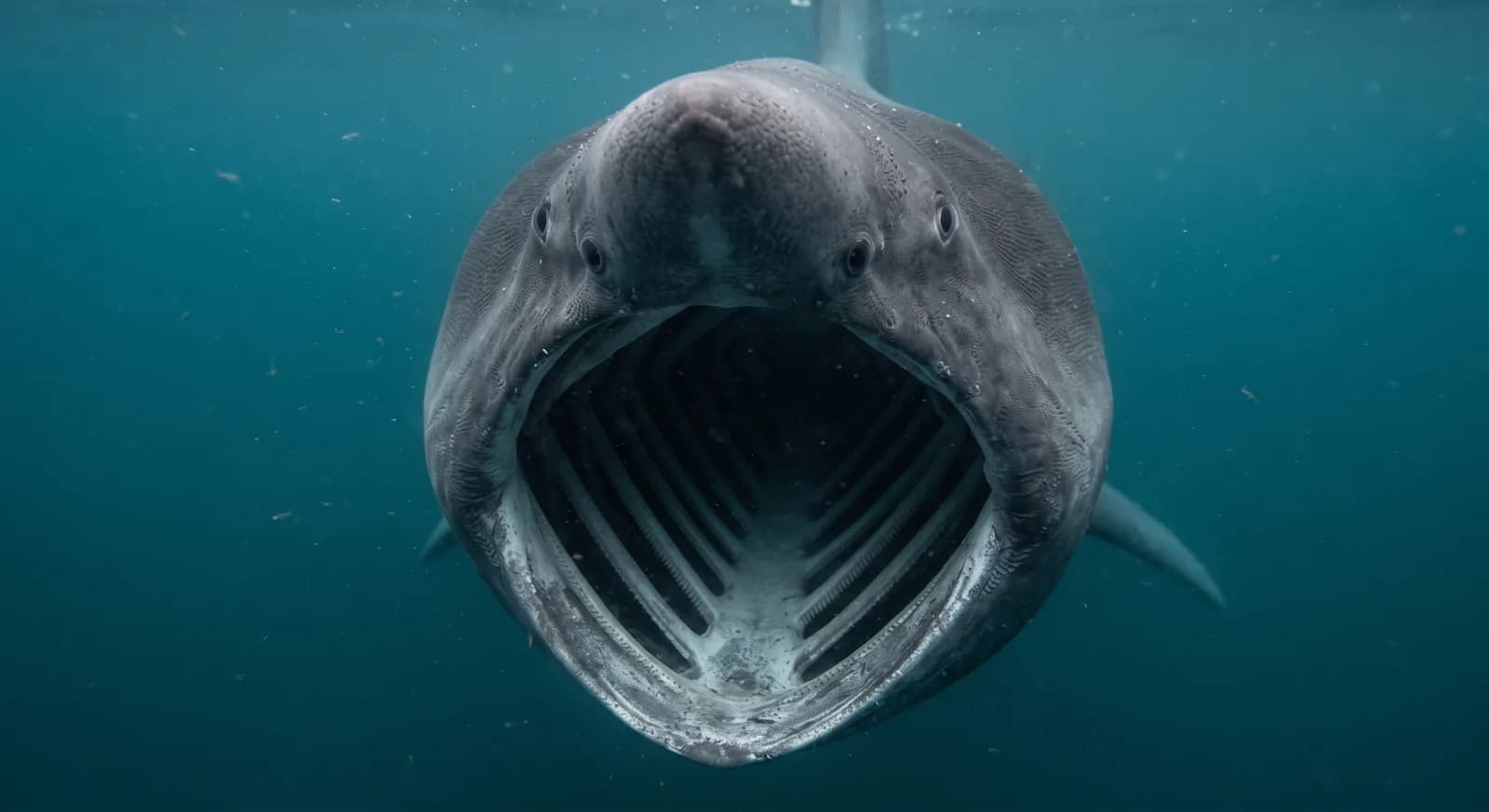 Endangered
Basking Shark
Cetorhinus maximus
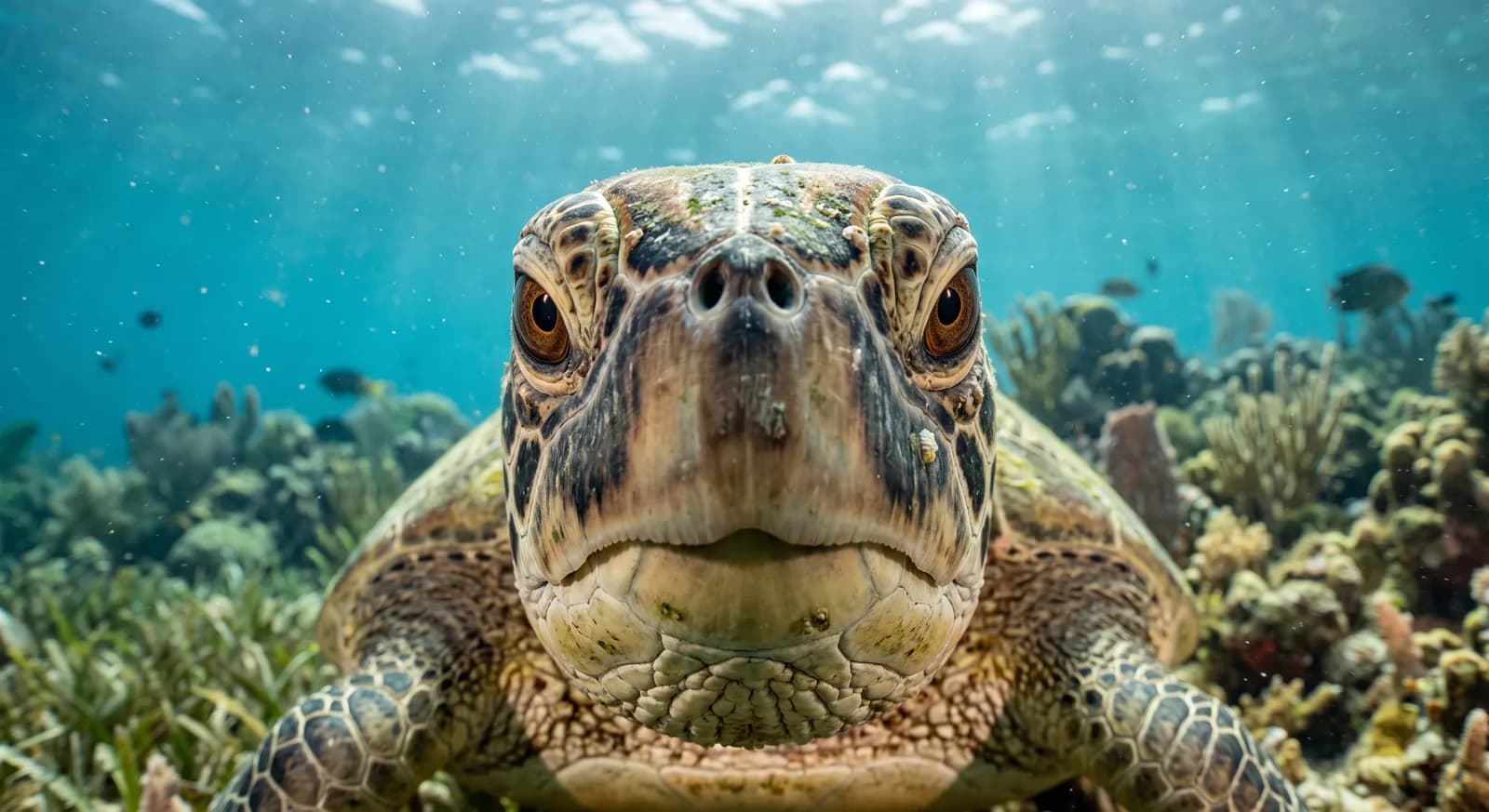 Endangered
Green Turtle
Chelonia mydas
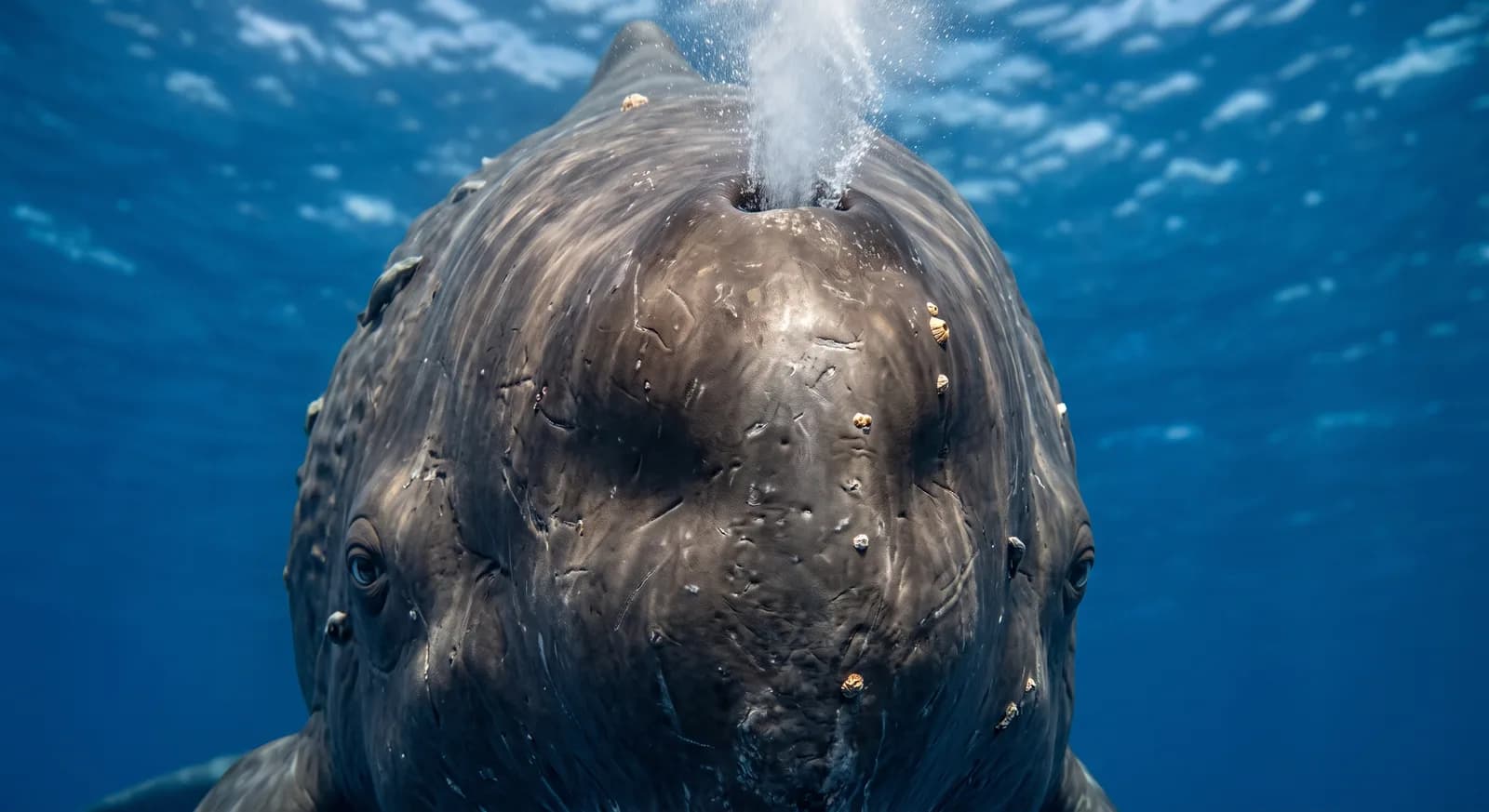 Vulnerable
Sperm Whale
Physeter macrocephalus
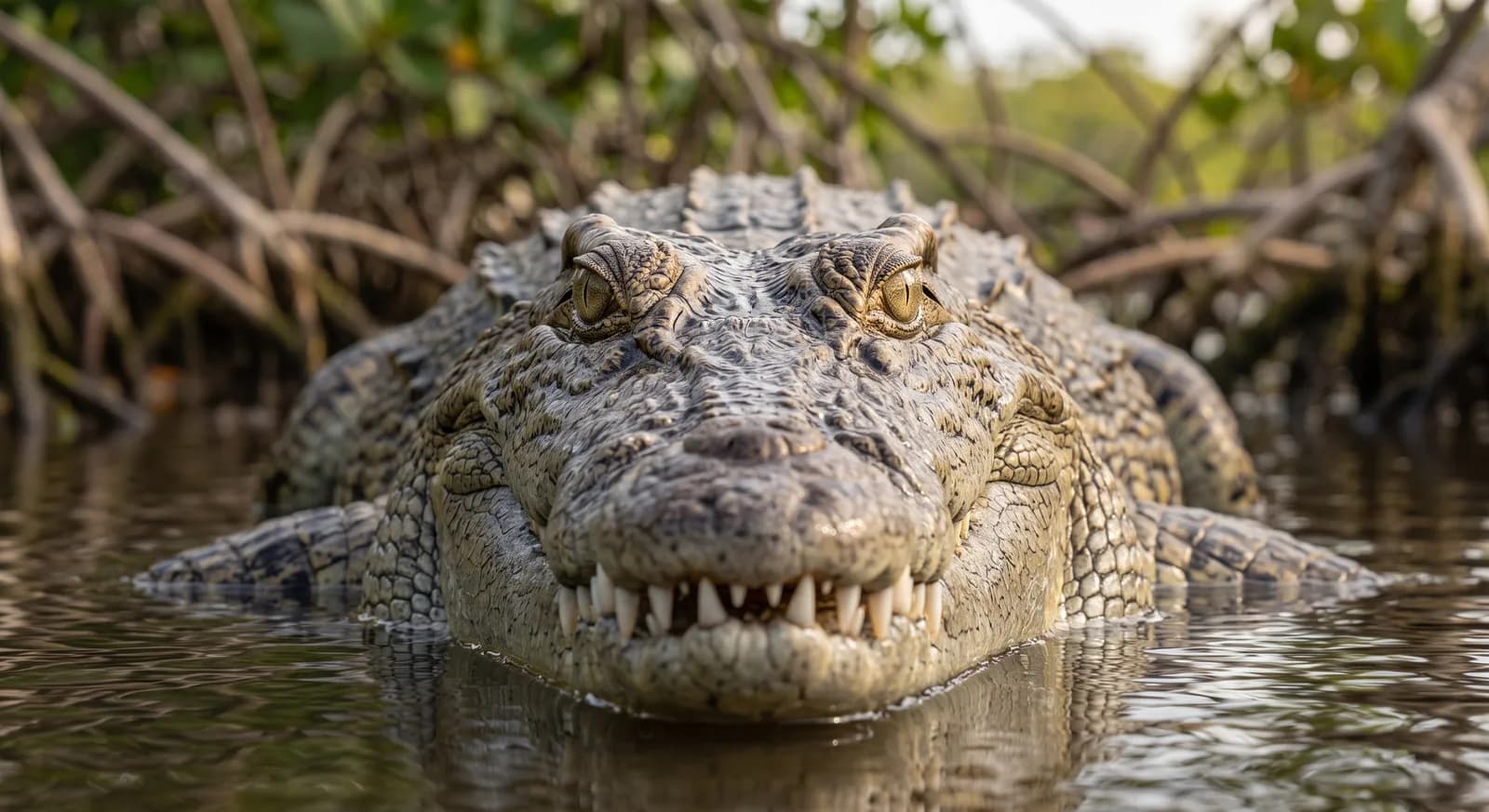 Vulnerable
American Crocodile
Crocodylus acutus
Keep exploring
Based on what we already know about Cuba.