One of the 26 sharks on WAnimals
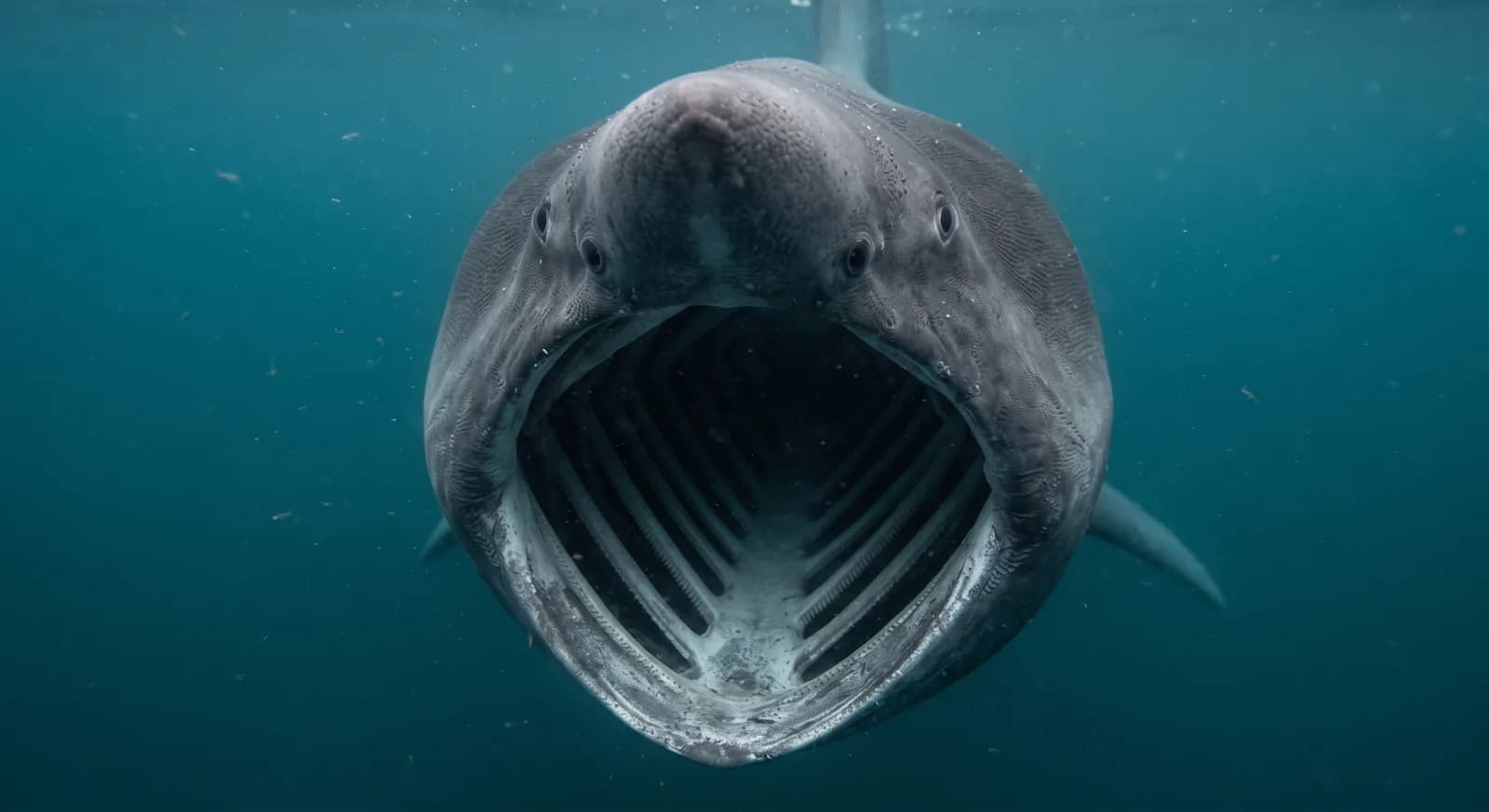
Cartilaginous fish · Lamniformes · Cetorhinidae
Basking Shark
Cetorhinus maximus
It faces a very high risk of extinction in the wild in the near future. See full glossary
It has the longest known gestation of any vertebrate on the planet, estimated at between 2.6 and 3.5 years, after which it gives birth to extraordinarily small litters of barely 6 pups.
Weight
2 t – 4 t
Size
6 m – 12.2 m
Lifespan
50 years
Diet
Omnivore
Combines animal and plant food depending on availability.
Activity
Irregular activity
Active at irregular times, by day or night depending on circumstances.
Social structure
Solitary
Lives and hunts alone, joining others only to breed.
Sighting difficulty
Hard
Fun facts
- alimentaciónIt is the second largest fish in the world and, for all its size, feeds solely by straining plankton from the water, with no interest in large prey.
Life cycle & biology
- Skeleton type
- Vertebrate - cartilaginous skeleton (chondrichthyan fish)
- Habitat & environment
- Temperate and cold coastal waters worldwide, from the shore to the edge of the continental shelf
- Birth weight
- 1.5 - 2 m long at birth
- Size at birth
- 1.5 - 2 m long at birth
- Sexual maturity
- Male: 12-16 years (4.6-7 m) | Female: 16-20 years (8-9.8 m)
- Gestation / incubation
- 2.6 to 3.5 years, the longest gestation known in any vertebrate
- Litter / clutch size
- Only 6 young per litter (from a single documented female)
Sources consulted: COSEWIC assessment Canada; MarLIN; Conserve Wildlife Foundation NJ; A-Z Animals; Shark Research Institute; Diving with Sharks; FishBase
Where to find it
See its range on the interactive mapWhere to watch it
Parques y spots de buceo donde se ha documentado esta especie — se muestran 20 de 68 documentados.
Related species
Other species in the catalogue with the most in common with Basking Shark — same habitat, park, country, tags or family.
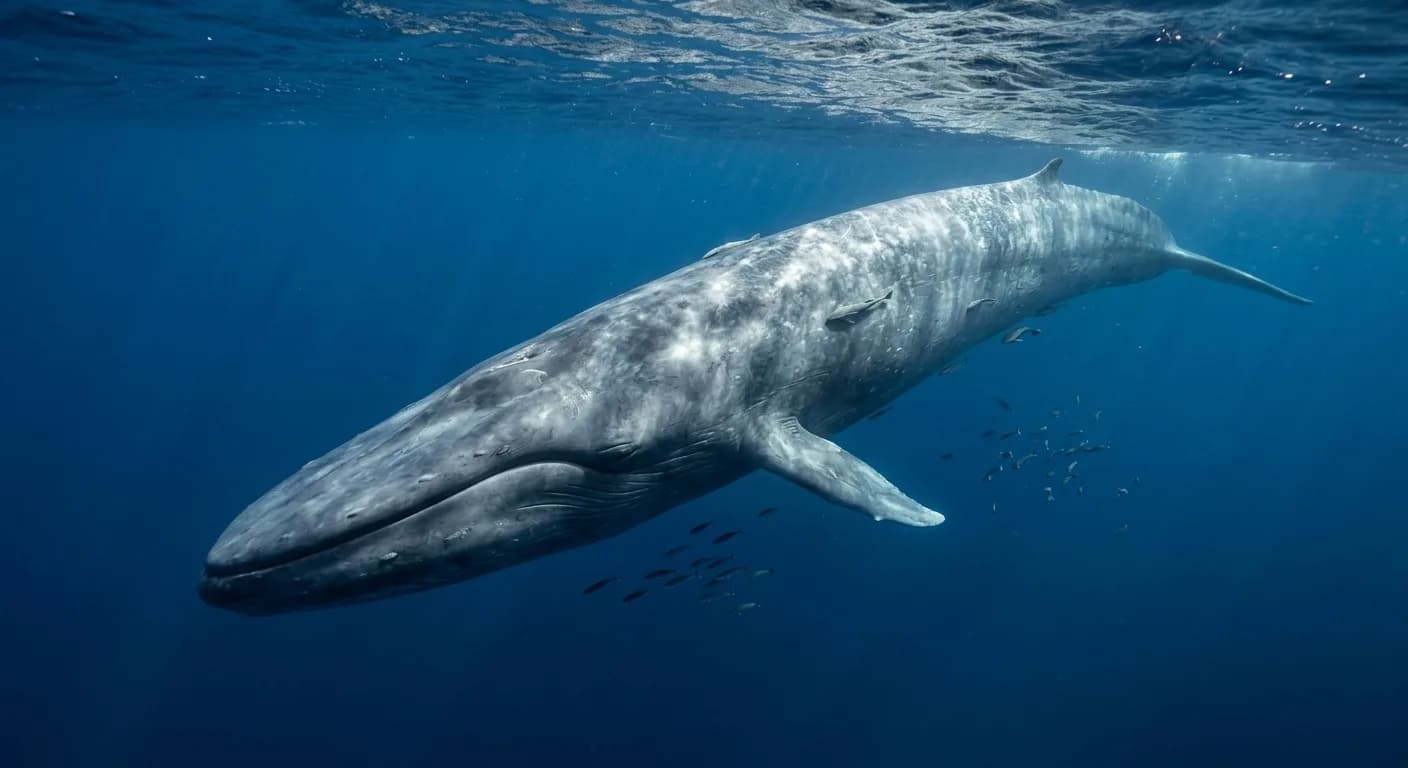 Endangered
Blue Whale
Balaenoptera musculus
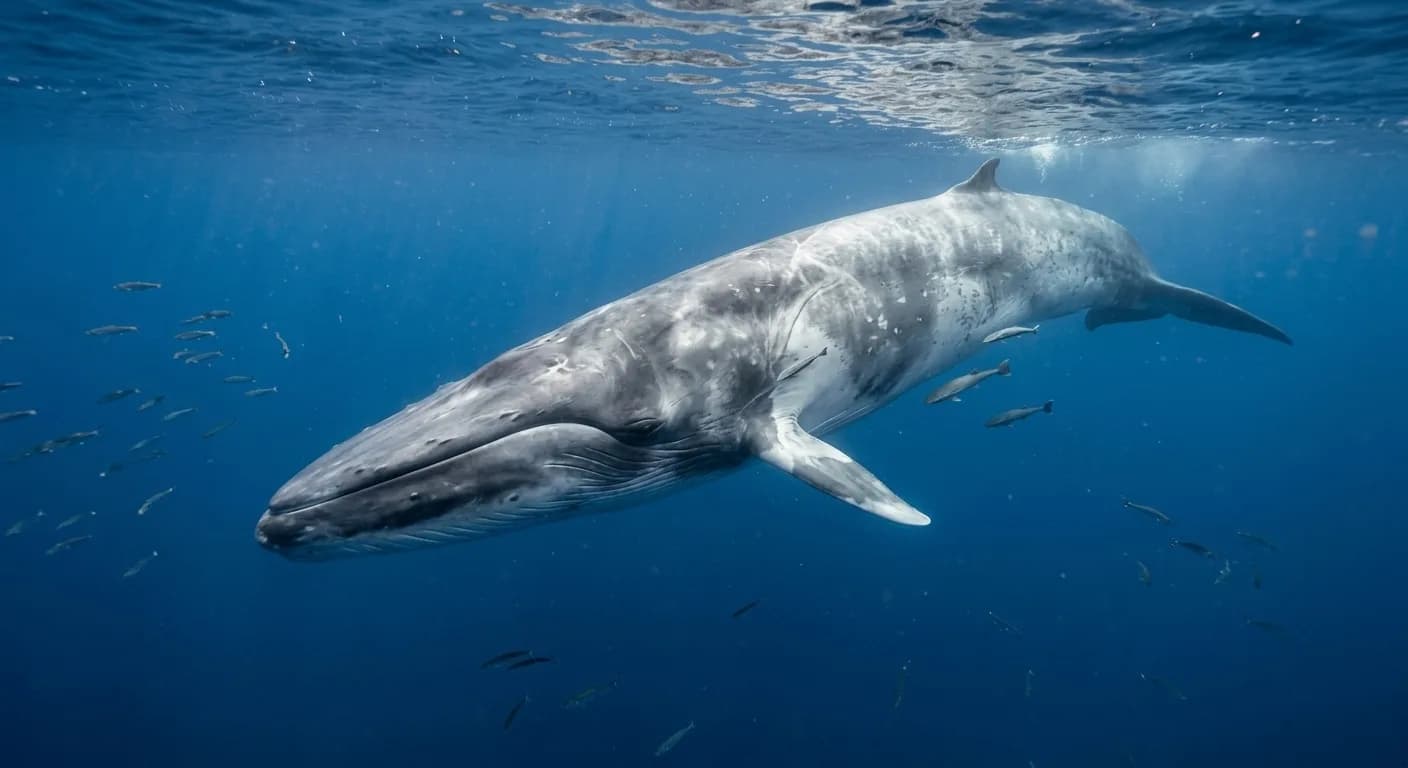 Endangered
Fin Whale
Balaenoptera physalus
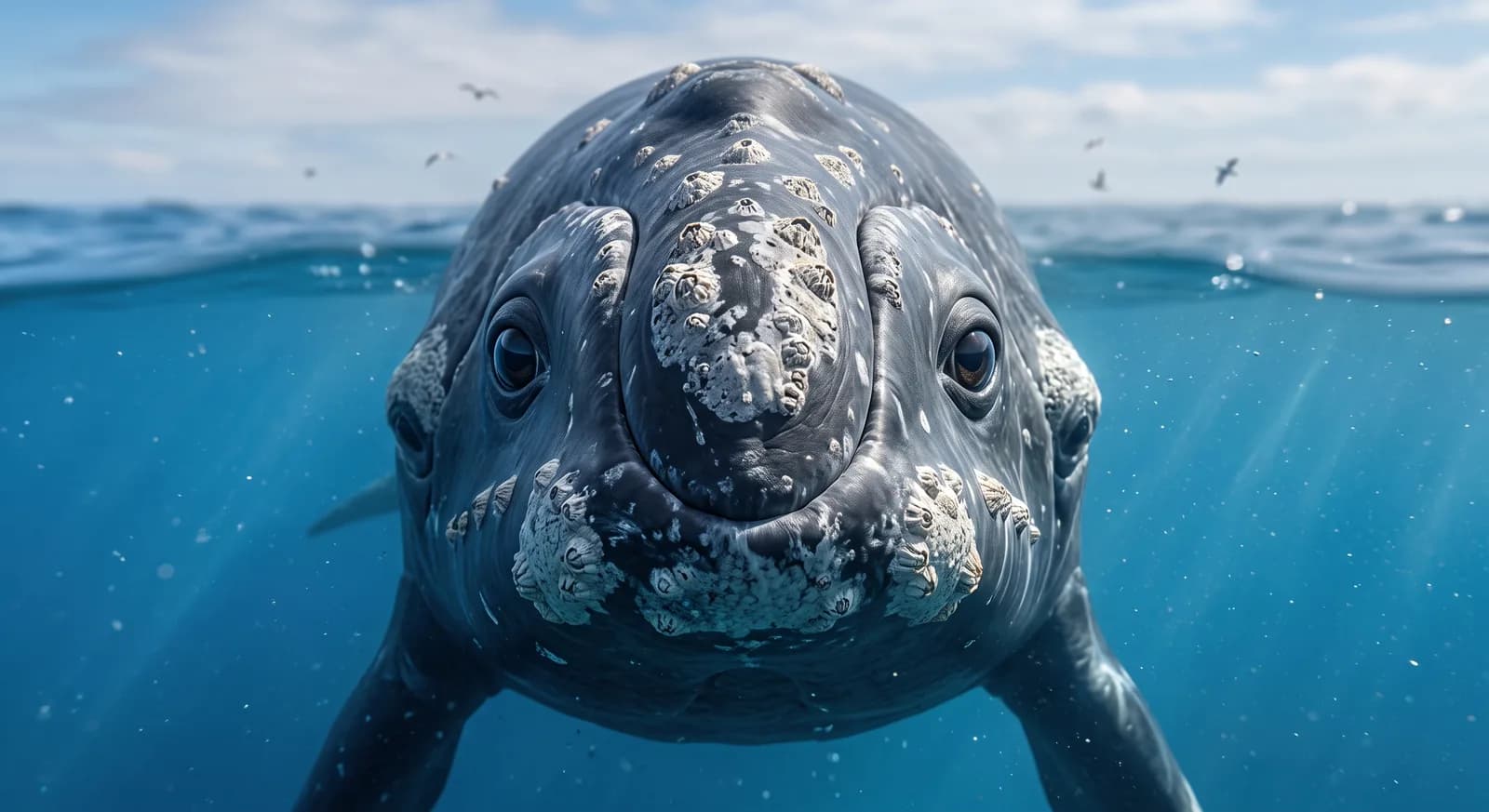 Endangered
North Atlantic Right Whale
Eubalaena glacialis
Shortfin Mako
Isurus oxyrinchus
Dusky Perch
Epinephelus marginatus
Spiny Butterfly Ray
Gymnura altavela
How to help
The basking shark is classified as endangered. Organizations such as UICN, WWF y Wildlife Conservation Society work specifically on its conservation and that of its habitat; looking into their programs is a good starting point if you want to get involved.
It's documented in 14 real protected areas — part of why protecting these places matters for its conservation.
Keep exploring
Based on what we already know about basking shark.
Comments
Share an experience, a fun fact or a tip for seeing the basking shark.
Be the first to comment.