Oman
Asia
Oman is probably the best-preserved country on the Arabian peninsula in natural terms. The Hajar mountains, to the north, rise above three thousand metres and contain some of the best-exposed ocean-floor rocks in the world, as well as wadis with permanent pools, freshwater turtles and the Arabian tahr. In the south, Dhofar receives the khareef, the southwest monsoon, which between June and September covers its slopes in mist and turns them into green grassland and woodland of baobab and anogeissus in the middle of the desert. The coasts hold one of the greatest concentrations of green turtle nesting in the Indian Ocean, and the sandy bottoms of the Gulf of Masirah sustain seagrass meadows. The desert interior links with the Rub al-Khali, where the Arabian oryx was reintroduced.
The nature of Oman
National animal: The Arabian oryx, the country's national animal
Did you know?
In the Arabian Sea lives the only humpback whale population in the world that does not migrate. It has been genetically isolated for some seventy thousand years and, instead of travelling thousands of kilometres between cold and warm waters like the rest of the species, it stays year-round off the coast of Oman, making use of the nutrient upwelling driven by the monsoon. Fewer than a hundred individuals are thought to remain, which makes it one of the most endangered whale populations on the planet.
Biodiversity profile
Climate
- •Desertico calido (BWh) en la mayor parte del pais
- •Clima influenciado por monzon estival en la region de Dhofar (sur), generando un unico "cloud forest" arabigo
Main biomes
- •Desierto (incluye el Desierto Central de Oman, centro de endemismo floristico regional)
- •Bosque nebuloso monzonico de Dhofar, biogeograficamente vinculado a Yemen y el Cuerno de Africa
- •Montañas del Hajar (norte)
- •Montaña de ofiolitas
- •Bosque monzónico de niebla
- •Desierto arenoso
- •Wadi con pozas permanentes
- •Playa de puesta de tortugas
- •Pradera marina
- •Sabka salina
Marine and coastal ecosystems
- •Costa del Mar Arabigo y el Golfo de Oman, con manglares y zonas de anidacion de tortugas marinas
Flagship wildlife
- •Orix de Arabia (reintroducido, poblacion silvestre en el centro del pais)
- •Leopardo de Arabia (montañas de Dhofar y Hajar)
- •Tahr arabigo (endemico de las montañas Hajar)
- •Tortuga verde (playas de Ras al Jinz)
- •Ballena jorobada del mar Arábigo
- •Leopardo árabe
- •Tahr árabe
- •Gacela árabe
- •Dugongo
- •Tiburón ballena
- •Lobo árabe
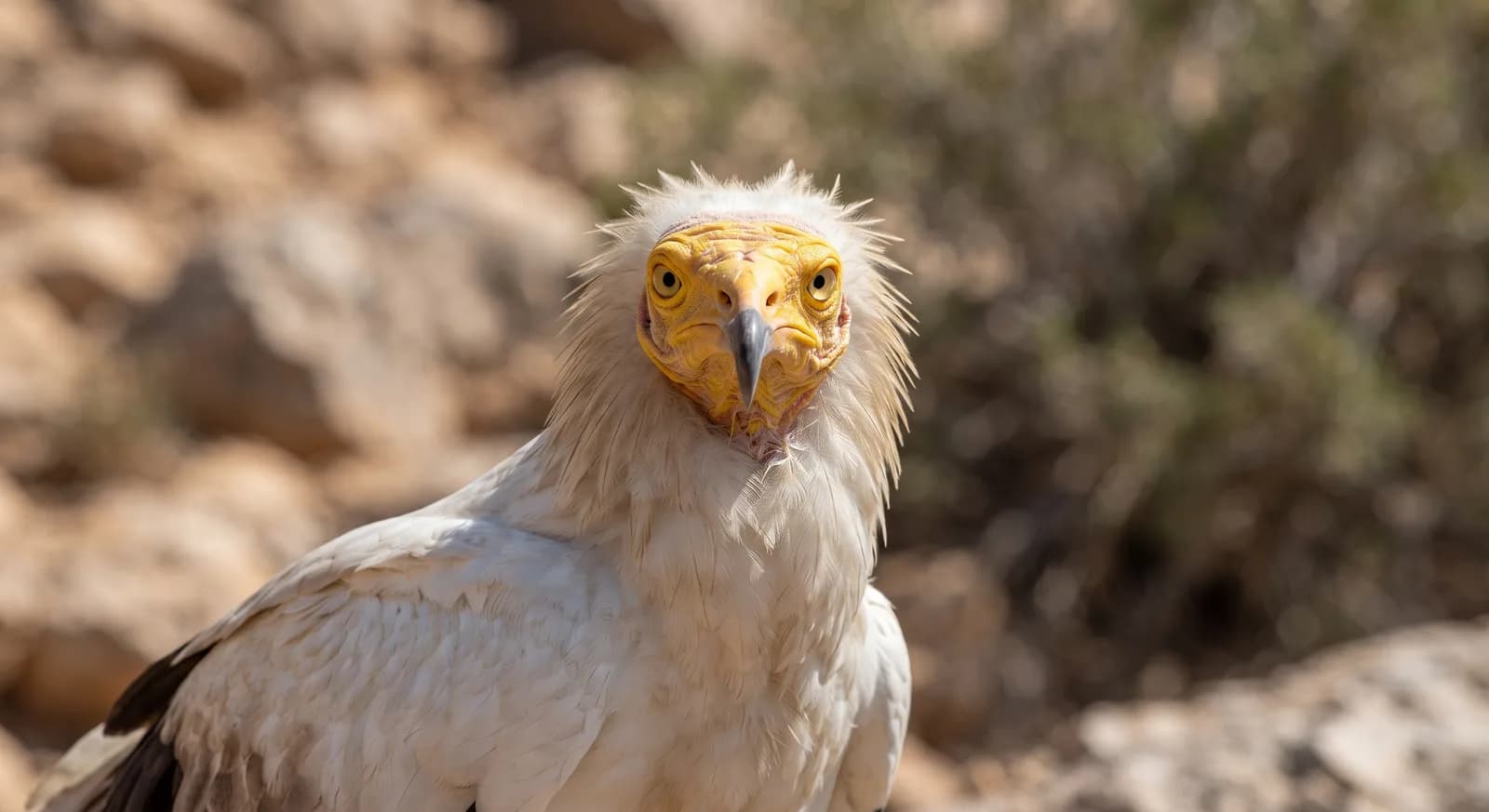
- •Buitre egipcio
Notable endemic species
- •Tahr arabigo, endemico de las montañas Hajar de Oman y los Emiratos
- •Geco de dedos curvados de las alturas del Jebel Akhdar, endemico y catalogado Vulnerable
- •El Desierto Central de Oman concentra la mayor proporcion de plantas endemicas de distribucion restringida de todo el pais
- •Tahr árabe
- •Ballena jorobada del mar Arábigo
Notable threatened species
- •Leopardo de Arabia (En Peligro Critico, poblacion muy reducida en Dhofar y Hajar)
- •Tahr arabigo (En Peligro, endemico y de distribucion muy restringida)
- •Orix de Arabia (recuperado tras reintroduccion, aunque la poblacion silvestre libre volvio a declinar por caza furtiva en los años 2000)
Notable protected areas
- •Reserva Natural de Ras al Jinz (anidacion de tortugas marinas)
- •Zonas protegidas de Dhofar (bosque monzonico nebuloso)
- •Reserva de Tortugas de Ras al Jinz
- •Reserva del Órix de Arabia
- •Yebel Shams
- •Yebel Samhan
- •Wadi Shab
- •Islas Daymaniyat
Main conservation threats
- •Caza furtiva historica del orix de Arabia tras su reintroduccion
- •Sobrepastoreo por ganado camellar y caprino
- •Cambio climatico sobre el habitat de niebla estacional de Dhofar
Notable natural phenomena
- •El monzon estival de Dhofar ("khareef") genera un microclima verde unico en la peninsula arabiga durante los meses de verano
Conservation
The Arabian Oryx Sanctuary was the first place in history to be removed from the World Heritage list, in 2007, after its area was cut back drastically and the oryx population collapsed. The country has maintained breeding and monitoring programmes ever since.
Where and when to watch wildlife
Ras al Jinz year-round, peaking between June and September, for green turtle nesting. Dhofar between July and September during the monsoon. The Daymaniyat islands in summer for whale sharks and reefs.
Sources: biorxiv - Islands in the desert Environmental distribution modelling Oman | Wikipedia - Gulf of Oman desert and semi-desert | IUCN - Conservation Status Reptiles Arabian Peninsula
Natural phenomena in Oman
- Anidación de tortuga verde en Ras Al Jinz — Junio a octubre
Parks and reserves
Diving and snorkelling
Bandar Khayran
A nature reserve of rocky fjords near the Omani capital, with coral reefs and frequent dolphin sightings.
View dive siteReef/ReserveDaymaniyat Islands
A nature reserve of nine uninhabited islets off Muscat, a turtle nesting site.
View dive siteRocky pinnacleLima Rock
A remote rock pinnacle in the Musandam fjords, with one of the finest concentrations of pelagic wildlife in the region.
View dive siteRocky reefMusandam Peninsula
The fjords of Arabia, steep mountains falling into the sea; nutrient-rich currents draw pelagic wildlife.
View dive siteFauna que puedes ver ahora
¿Qué merece la pena observar este mes en Oman?
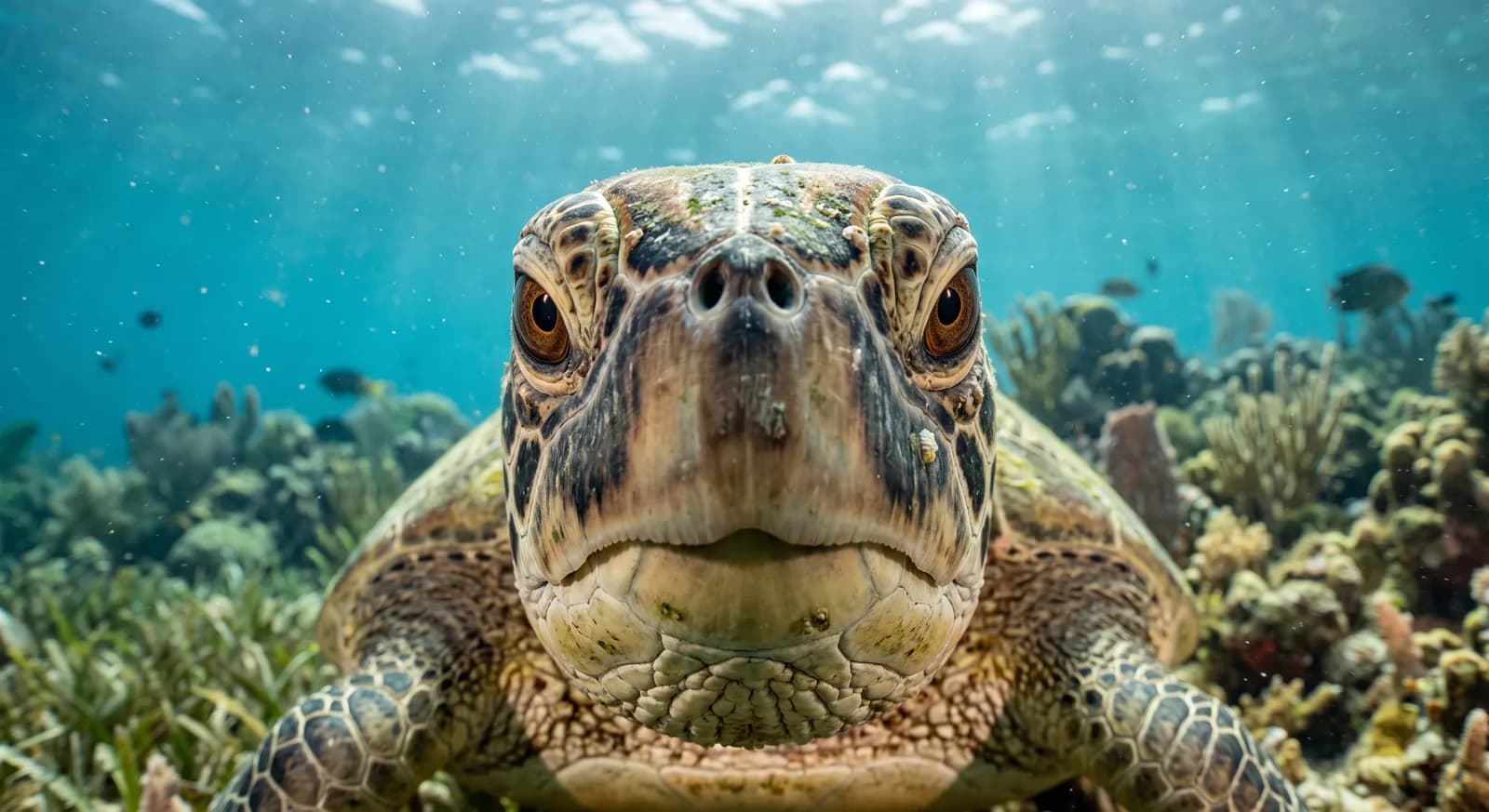 Endangered
Green Turtle
Chelonia mydas
Ahora es buena época: Anidación de tortuga verde en Ras Al Jinz (Junio a octubre)
Países similares
¿A dónde más podría interesarme viajar?
Misma región: Oriente Medio y Asia Occidental
Misma región: Oriente Medio y Asia Occidental
Misma región: Oriente Medio y Asia Occidental
Misma región: Oriente Medio y Asia Occidental
Especies documentadas en Oman
195 species found
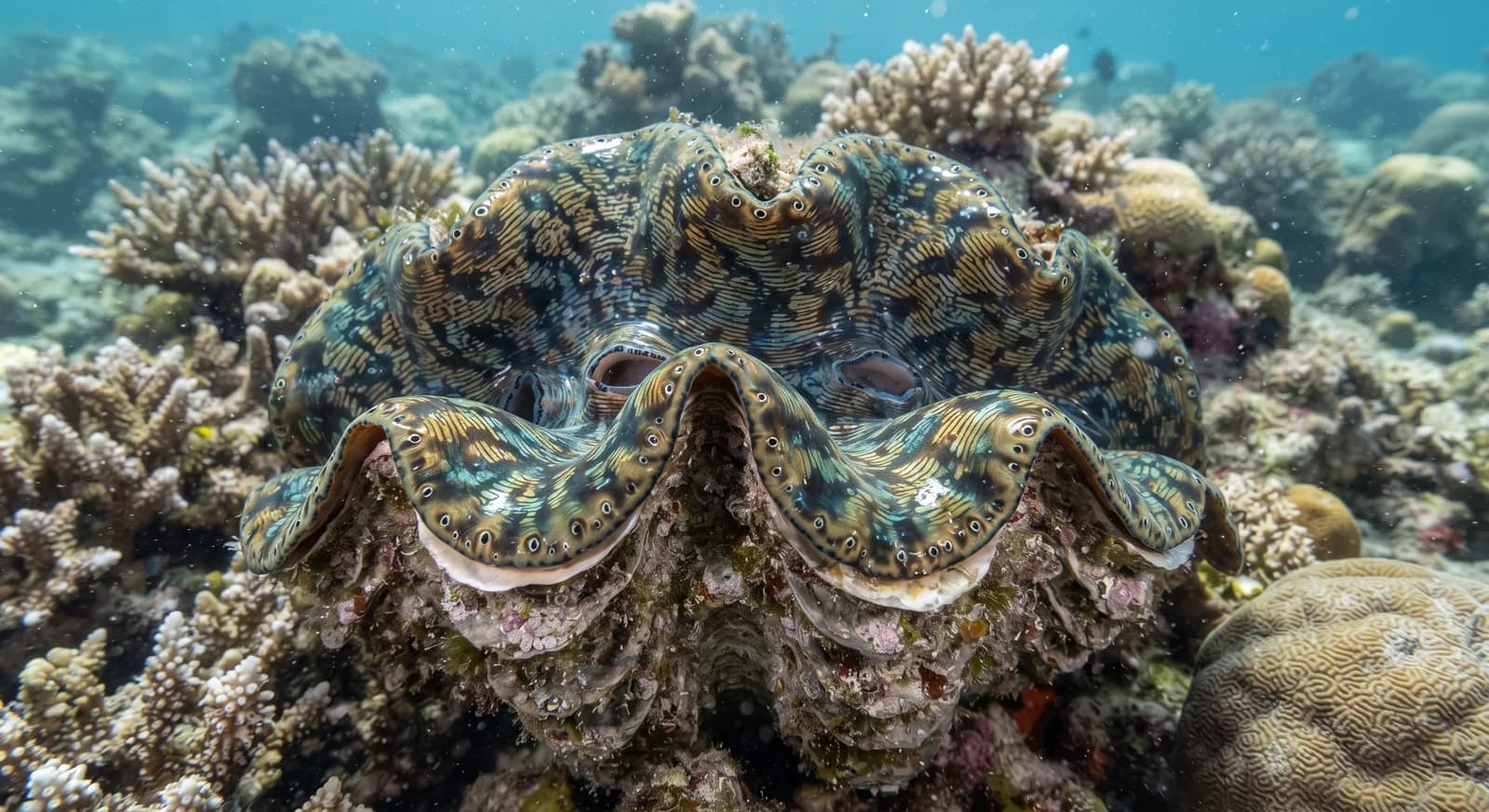 Critically Endangered
Giant Clam
Tridacna gigas
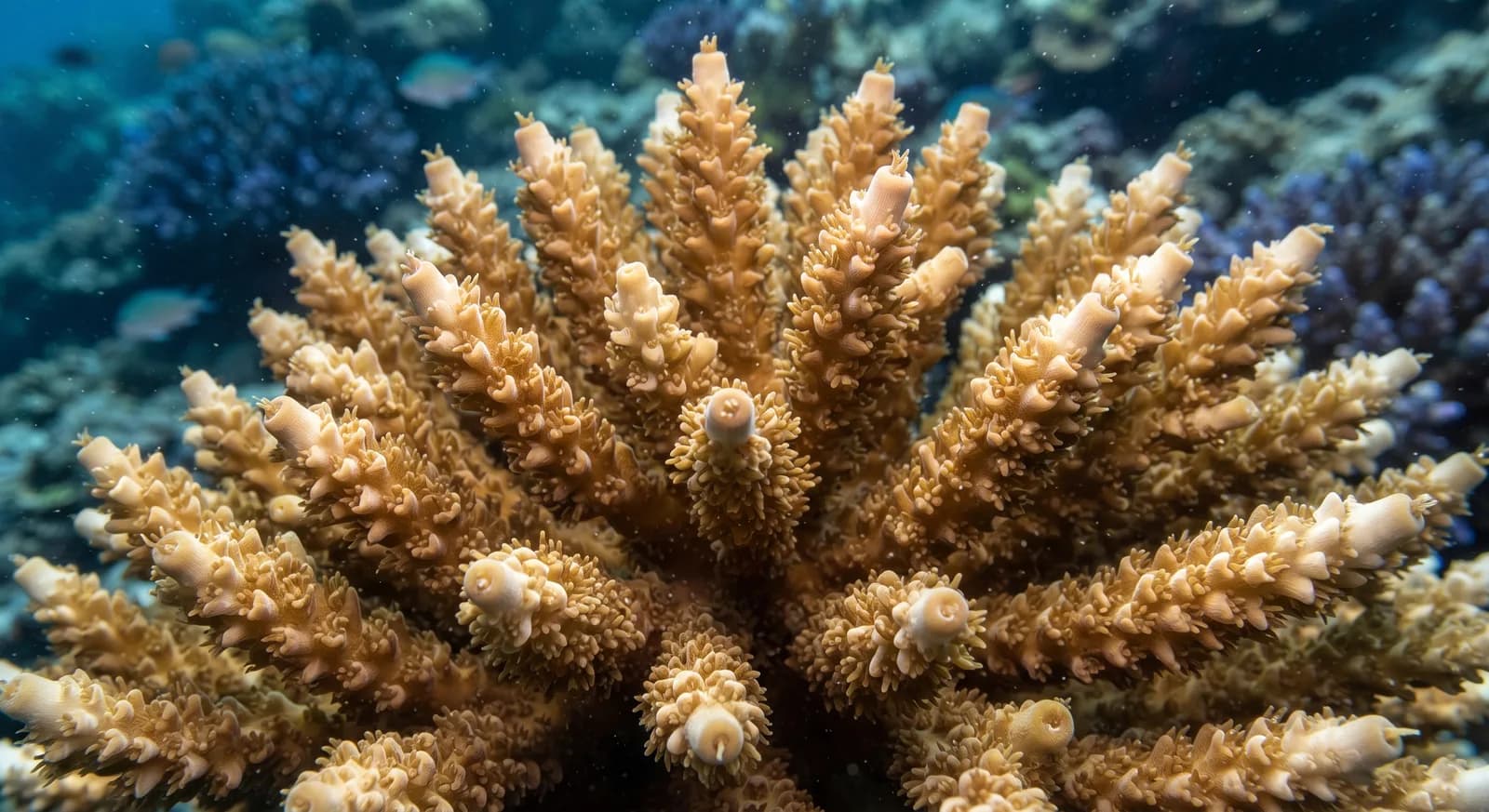 Critically Endangered
Staghorn Coral
Acropora cervicornis
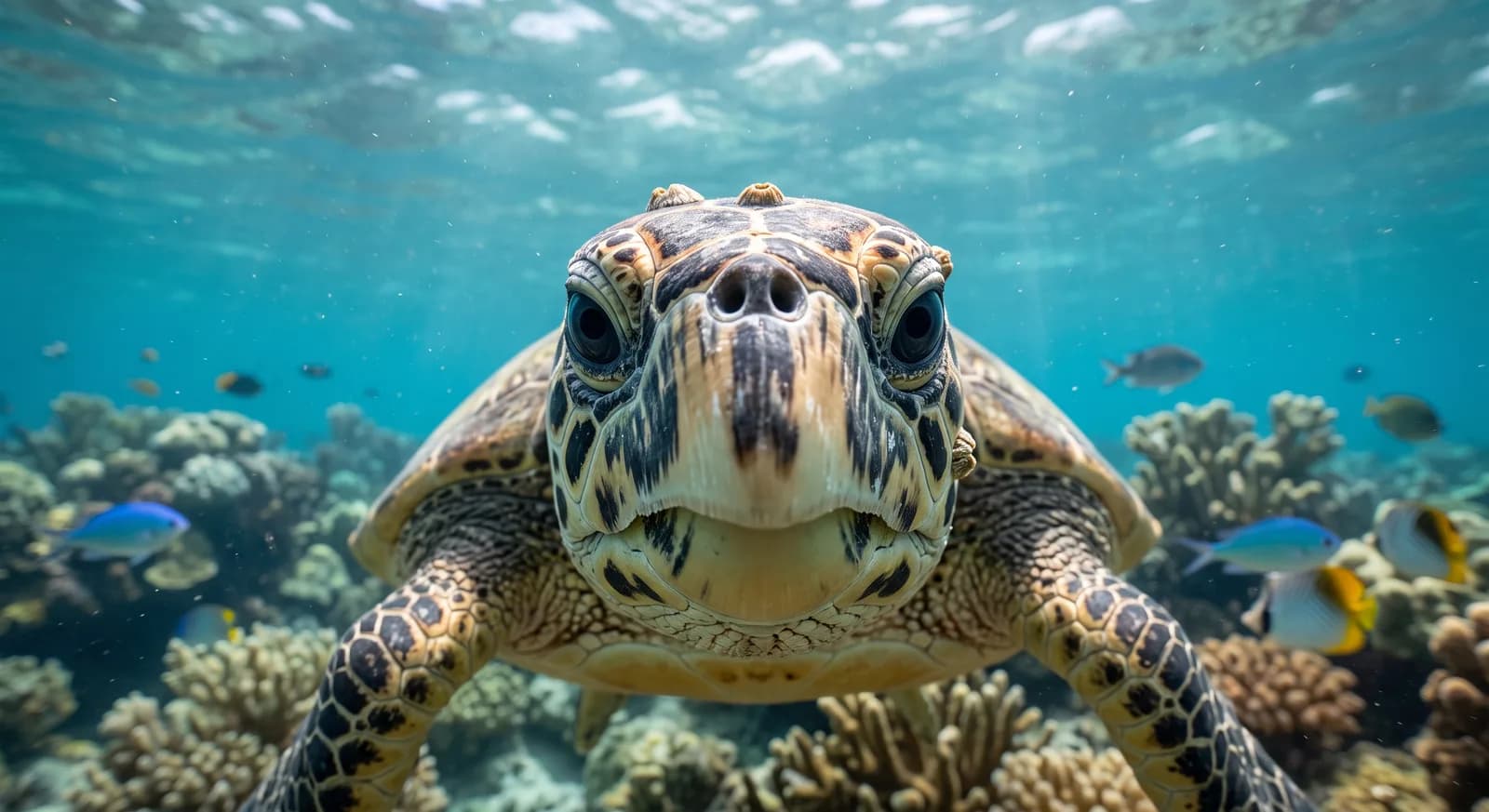 Critically Endangered
Hawksbill Turtle
Eretmochelys imbricata
 Endangered
Egyptian Vulture
Neophron percnopterus
 Endangered
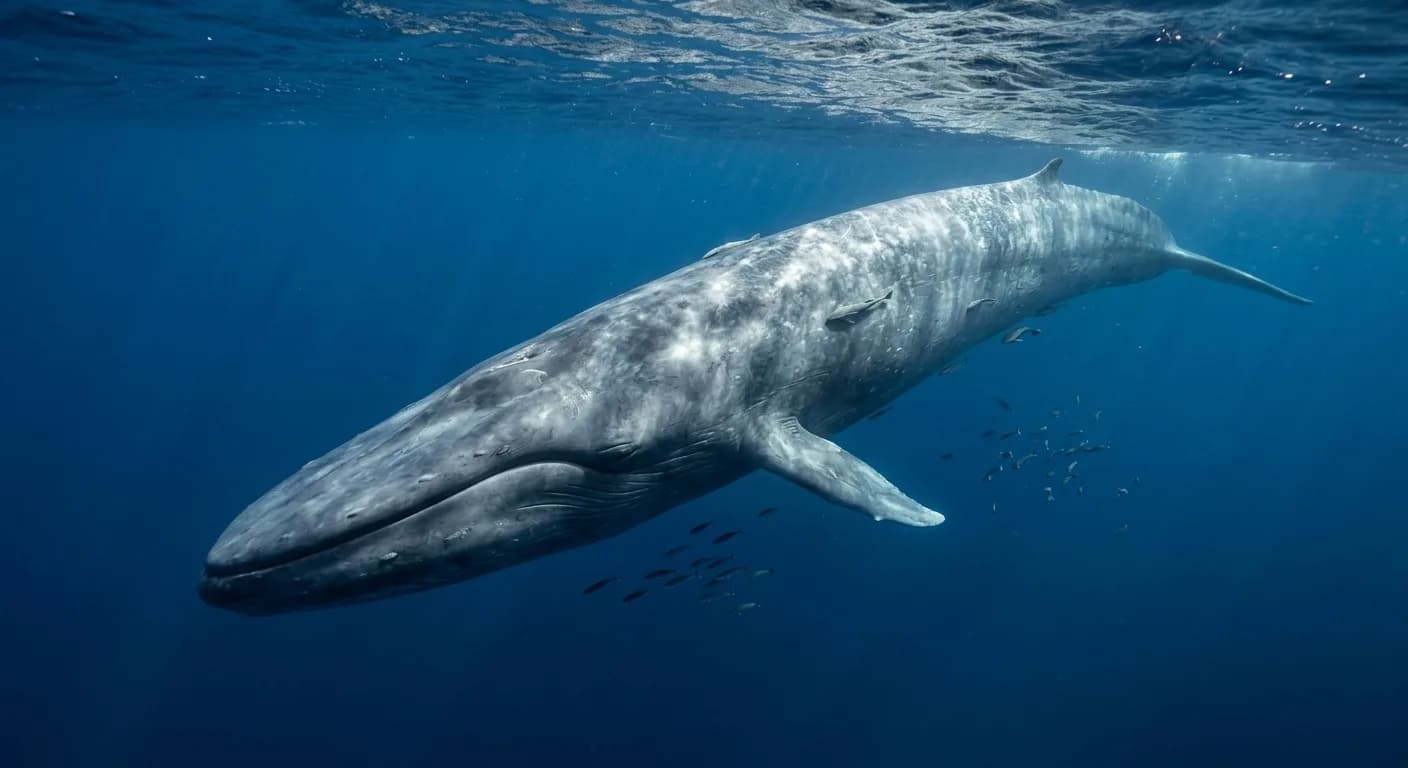
Blue Whale
Balaenoptera musculus
 Endangered
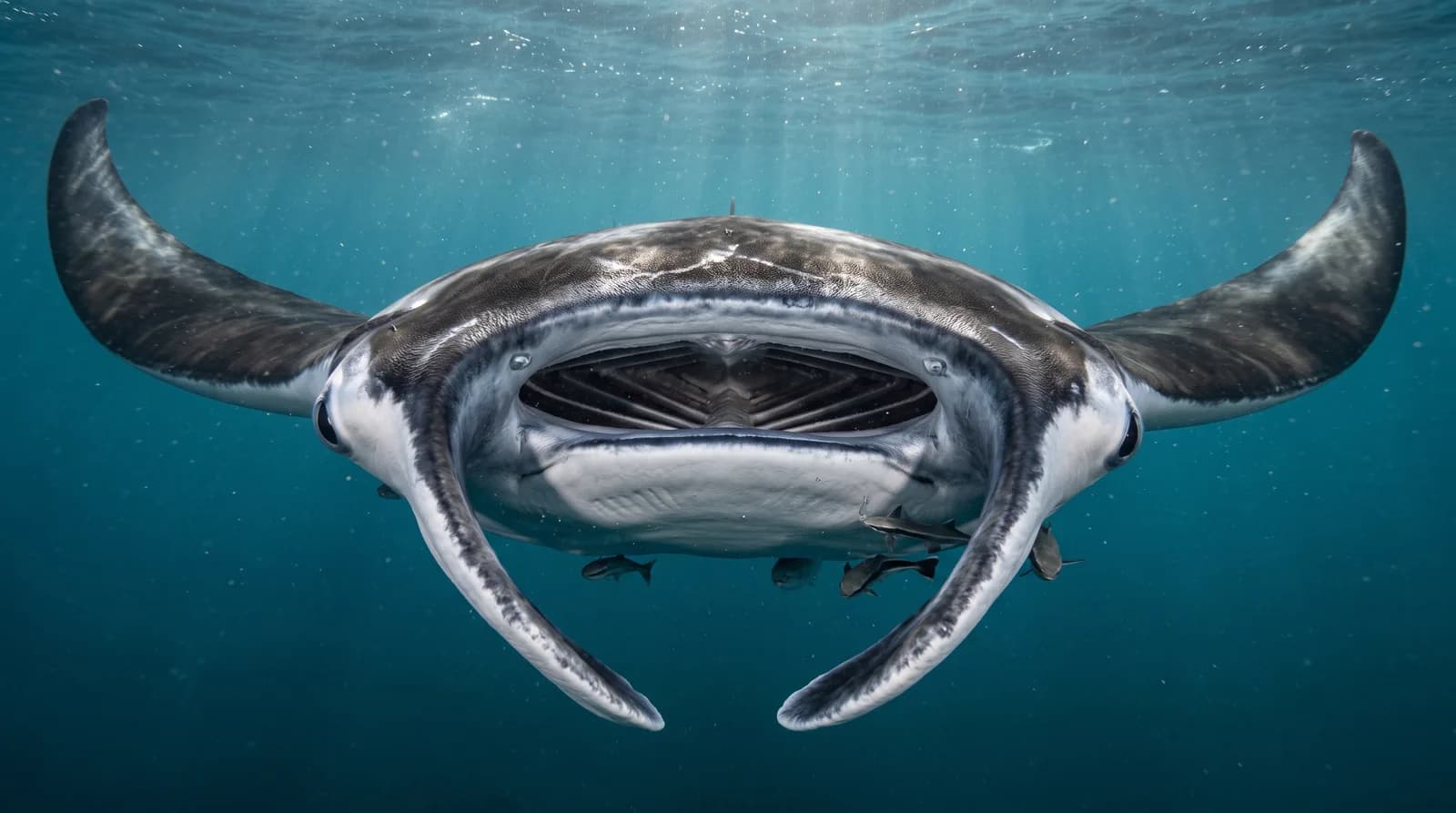
Giant Manta
Mobula birostris
 Endangered
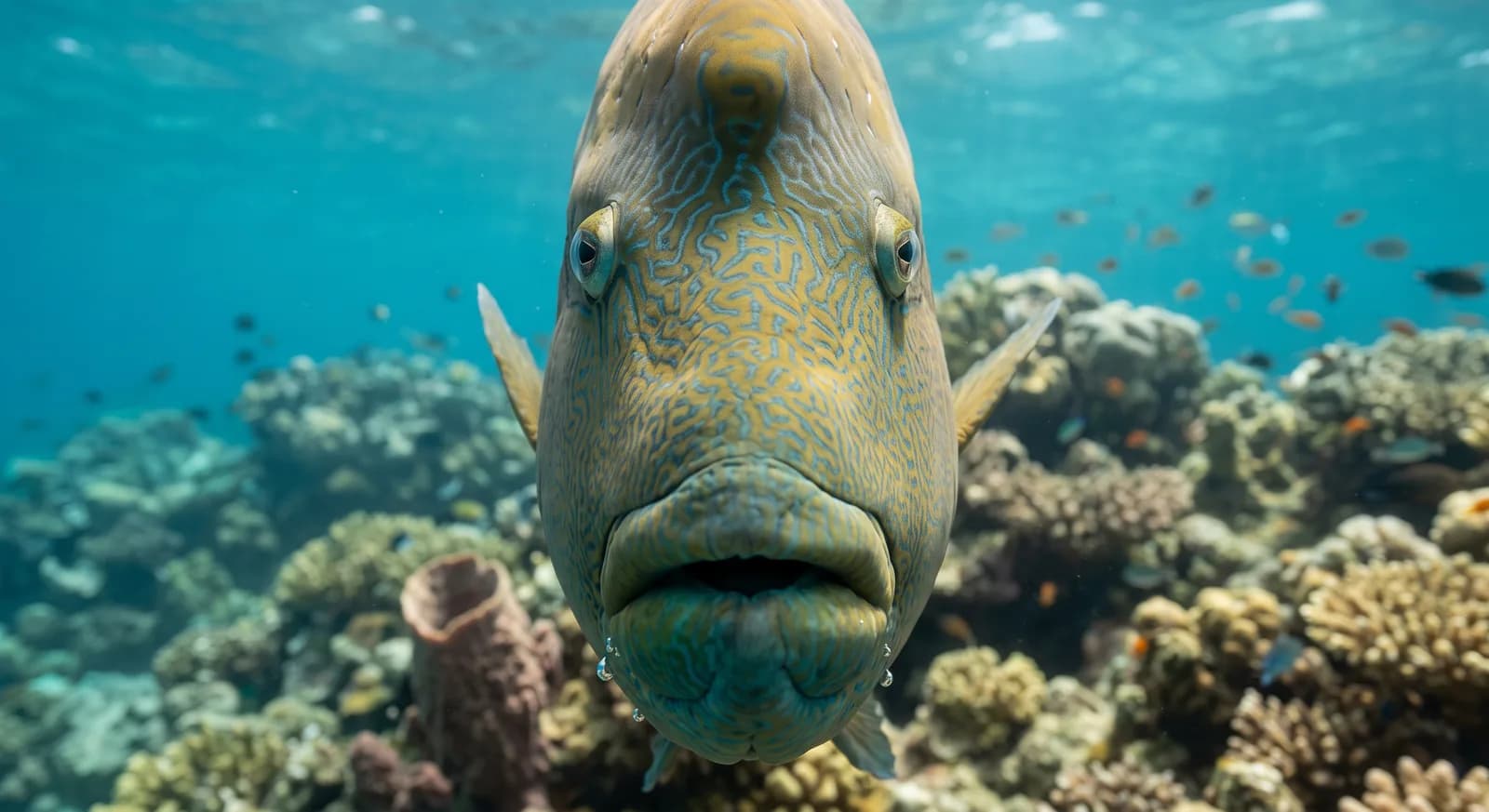
Humphead Wrasse
Cheilinus undulatus
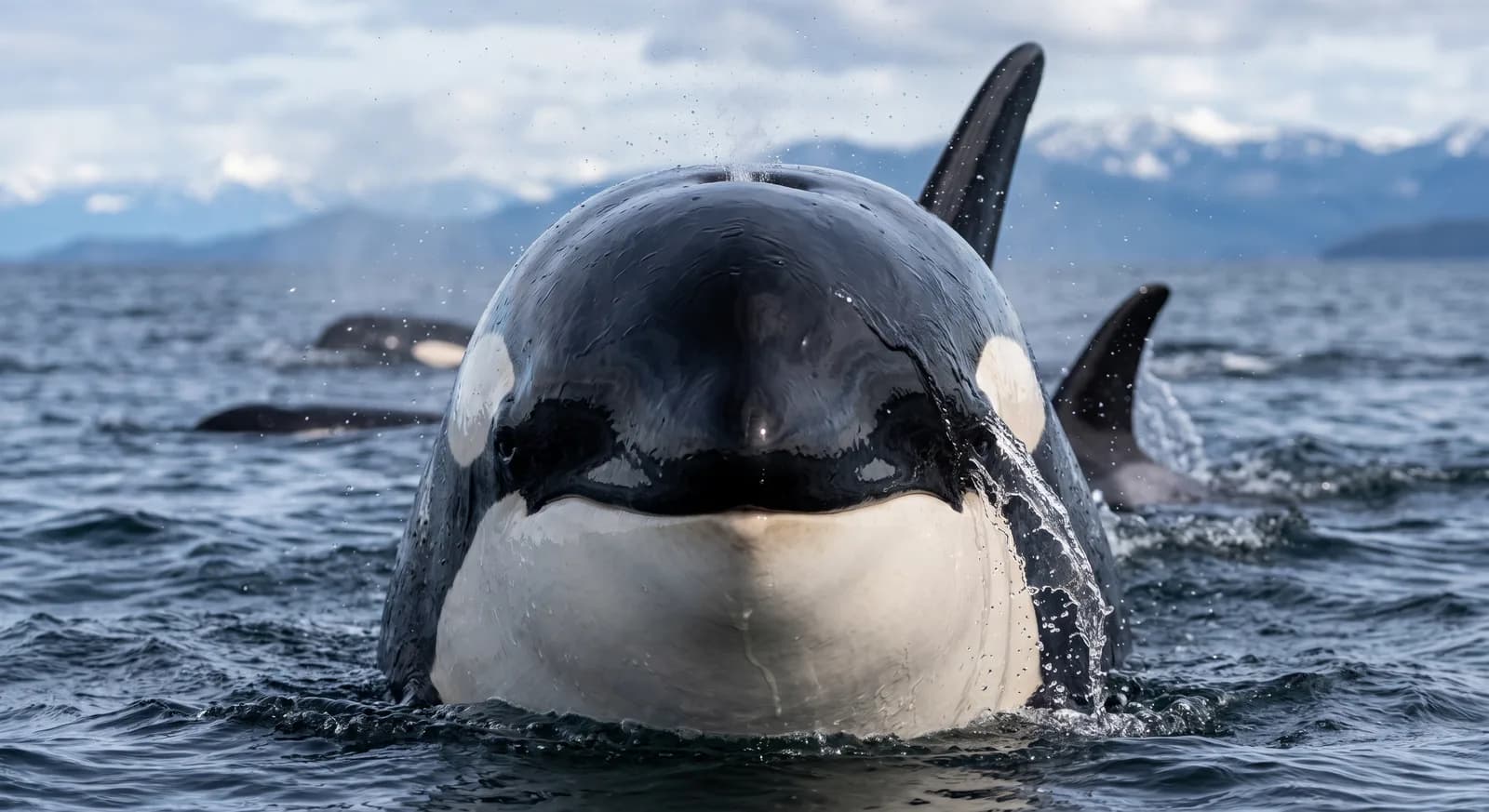 Endangered
Killer Whale
Orcinus orca
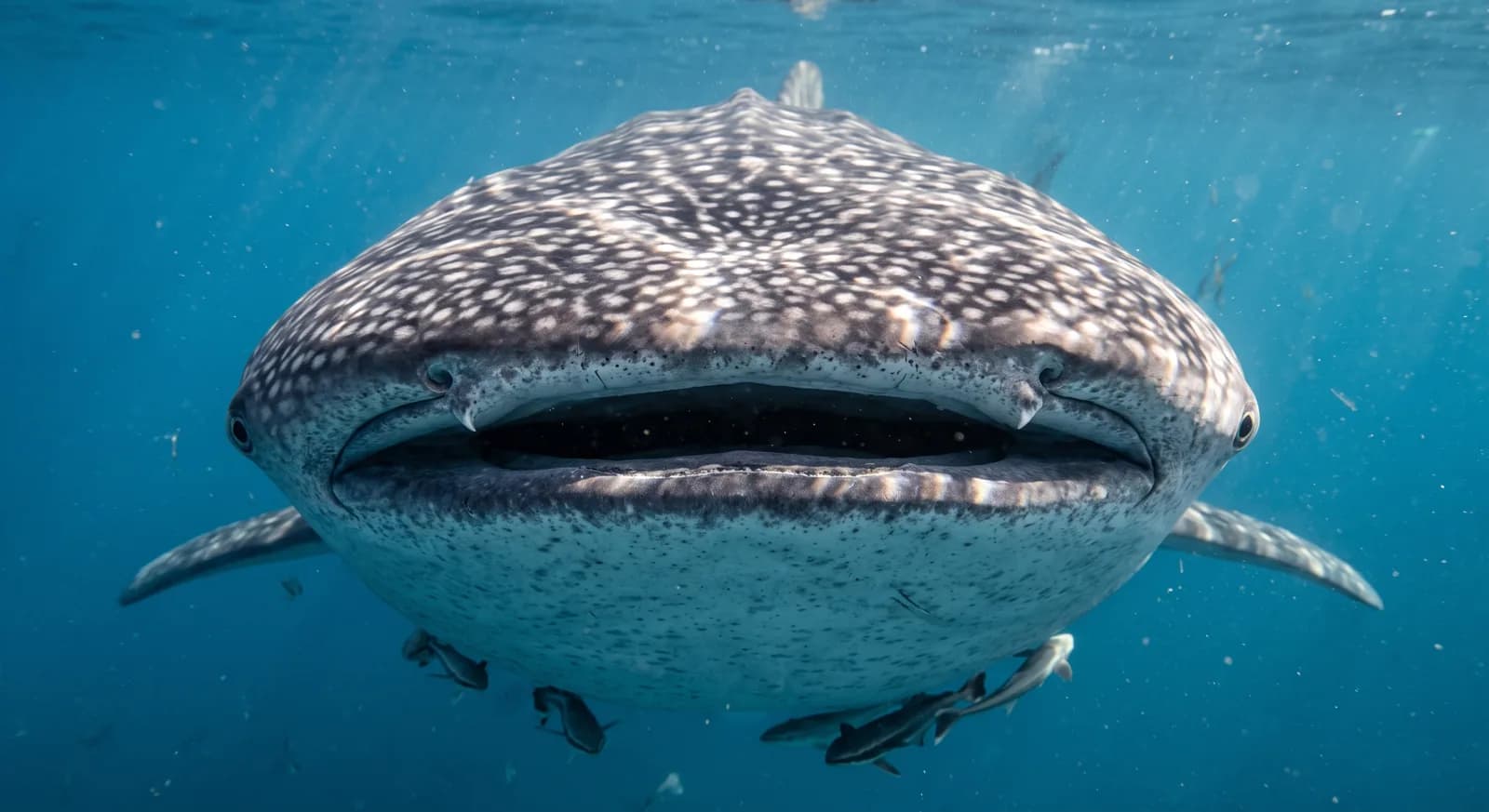 Endangered
Whale Shark
Rhincodon typus
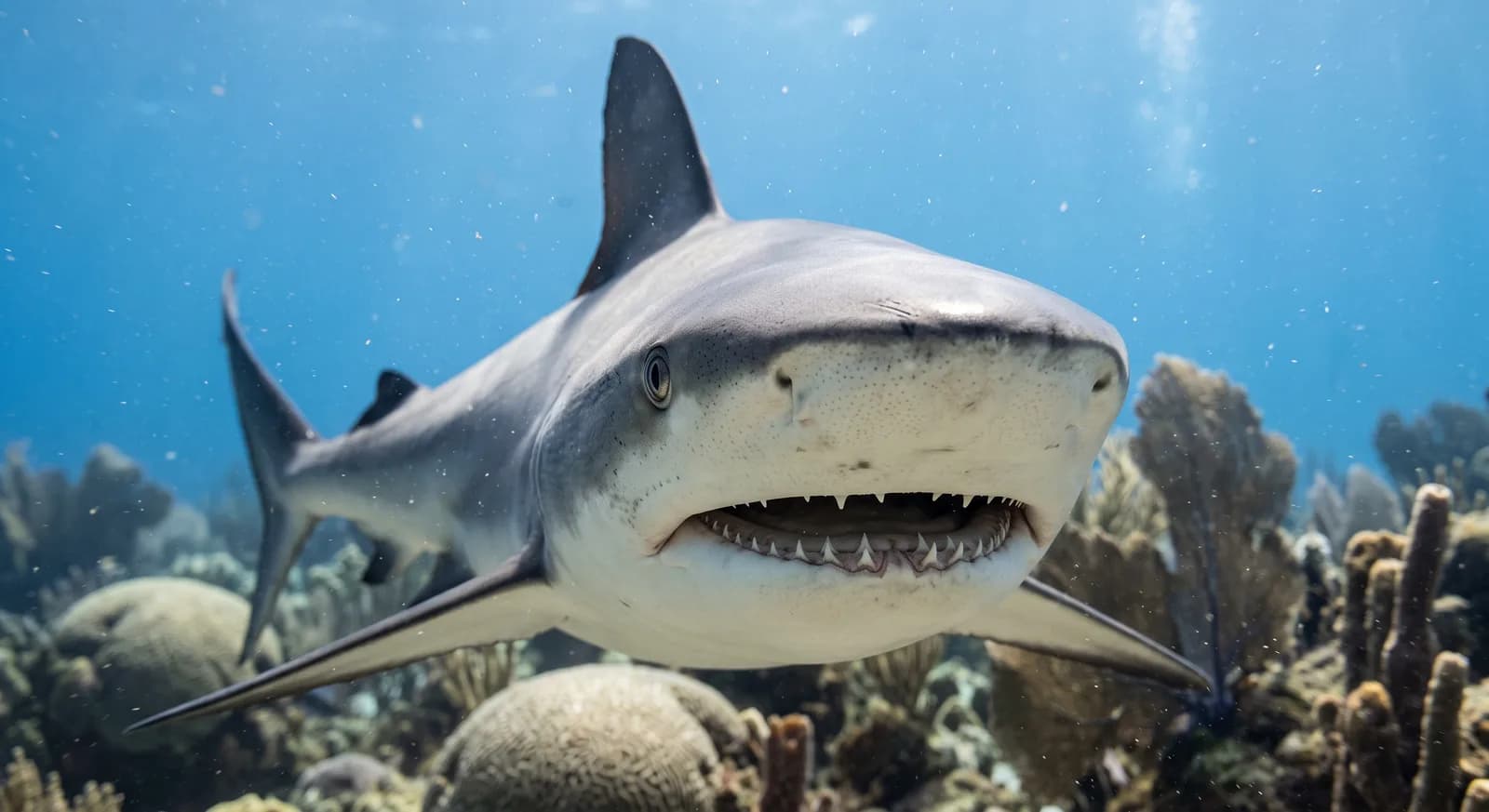 Endangered
Grey Reef Shark
Carcharhinus amblyrhynchos
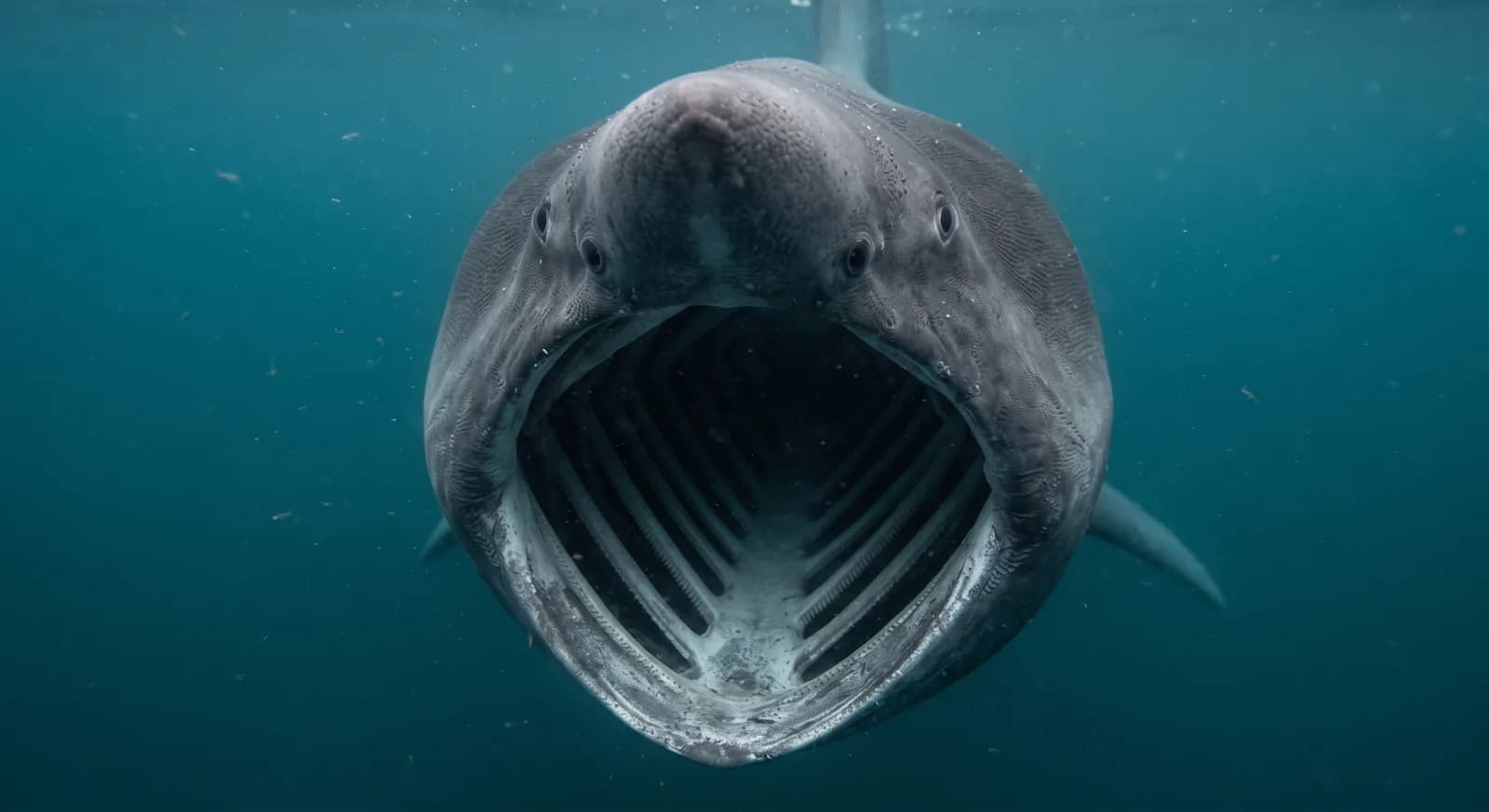 Endangered
Basking Shark
Cetorhinus maximus
EndangeredGreen Turtle
Chelonia mydas
Keep exploring
Based on what we already know about Oman.