One of the 41 turtles and tortoises on WAnimals
Reptiles · Testudines · Cheloniidae
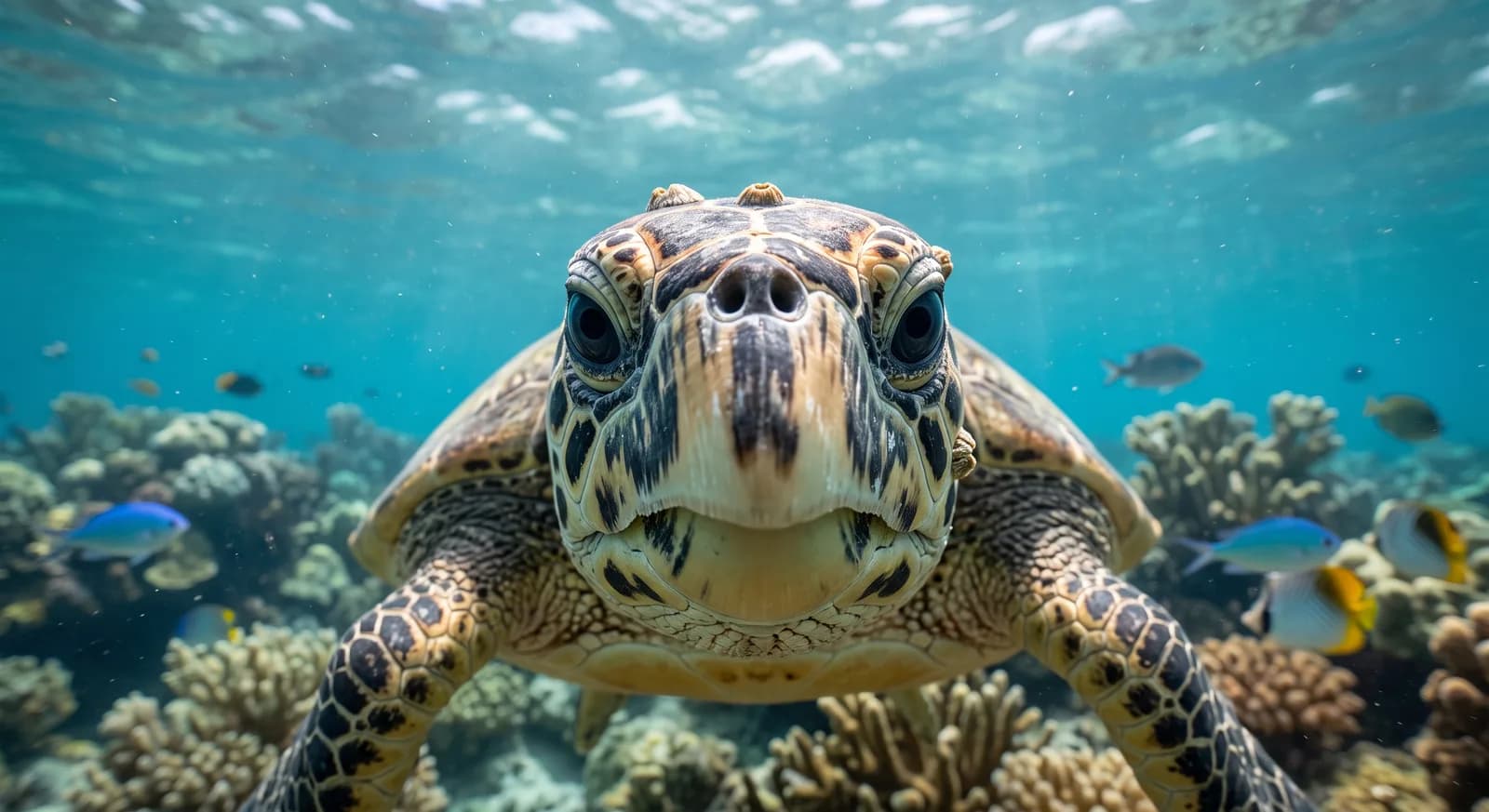
Hawksbill Turtle
Eretmochelys imbricata
It faces an extremely high risk of imminent extinction in the wild. See full glossary
A sea turtle with a narrow, elongated head ending in a hooked beak like a bird of prey's, from which it takes its name. It is the only sea turtle whose shell scutes overlap like roof tiles, and the rear edge is serrated.
Weight
45 kg – 90 kg
Size
70 cm – 95 cm
Lifespan
50 years
Diet
Carnivore
Feeds mainly on other animals.
Activity
Diurnal
Active mainly during the day.
Social structure
Solitary
Lives and hunts alone, joining others only to breed.
Sighting difficulty
Very hard
Estimated population
No global estimate of individuals. Only five regional populations still have more than 1,000 females nesting a year: the Seychelles, Mexico, Indonesia and two in Australia
Fun facts
- alimentaciónIt feeds mainly on sea sponges that are toxic to most other animals, and stores those toxins in its own tissues with no apparent harm.
- It is the only marine consumer whose diet consists mainly of sponges, which makes it a keystone in the balance of the reef.
- Even surrounded by dozens of sponge species, it selects only a handful of them: its dietary specificity is extremely fine.
- It has recorded the largest clutch of any sea turtle, with up to 250 eggs in a single nest.
Life cycle & biology
- Skeleton type
- Vertebrate - internal bony skeleton with a shell (reptile)
- Habitat & environment
- Tropical coral and rocky reefs, usually between 30°N and 30°S; newly hatched juveniles spend their first years in the open ocean before recruiting to coastal feeding grounds
- Birth weight
- 13.5-19.5 g in the Caribbean
- Size at birth
- About 42 mm of straight carapace
- Sexual maturity
- Estimated at between 20 and 35-40 years; in the Caribbean it is around 25 years
- Gestation / incubation
- About 60 days of incubation (a documented range of 47 to 75 days), with sex determined by the temperature of the nest
- Litter / clutch size
- 3-5 nests a season, averaging 130-140 eggs each and about 14 days apart; the females nest again every 2-3 years
Sources consulted: IUCN Red List / Meylan & Donnelly 1999 (Chelonian Conservation and Biology 3(2)); NOAA Fisheries; U.S. Fish & Wildlife Service; Animal Diversity Web; CMS (Convención sobre Especies Migratorias); WIDECAST; Olive Ridley Project; SWOT - State of the World's Sea Turtles
Where to find it
See its range on the interactive mapBest time: The nesting season, between April and November depending on the locality
Where to watch it
Parques y spots de buceo donde se ha documentado esta especie — se muestran 20 de 427 documentados.
Related species
Other species in the catalogue with the most in common with Hawksbill Turtle — same habitat, park, country, tags or family.
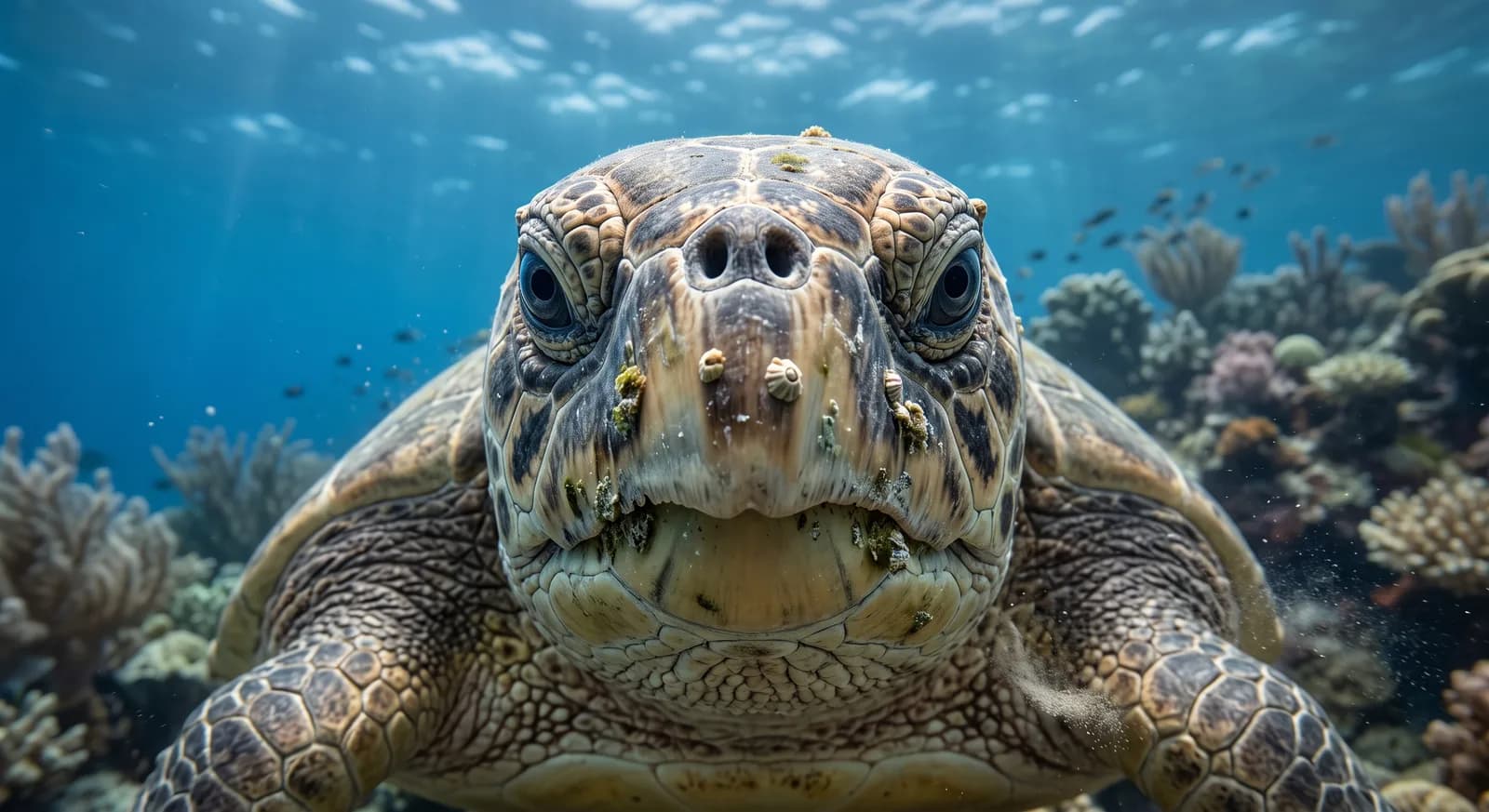
Kemp's Ridley
Lepidochelys kempii
 Vulnerable
Loggerhead Turtle
Caretta caretta
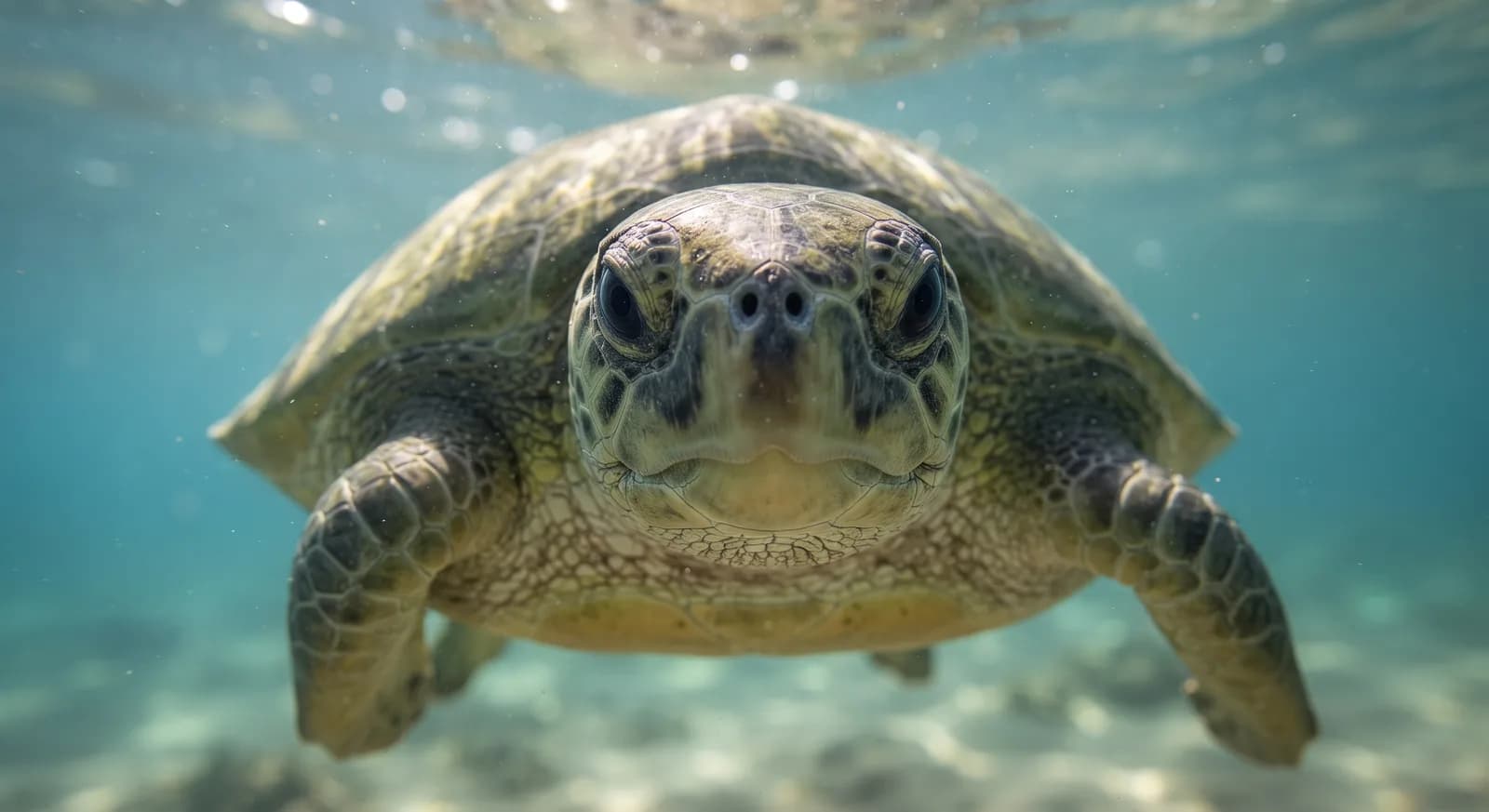
Flatback
Natator depressus
 Vulnerable
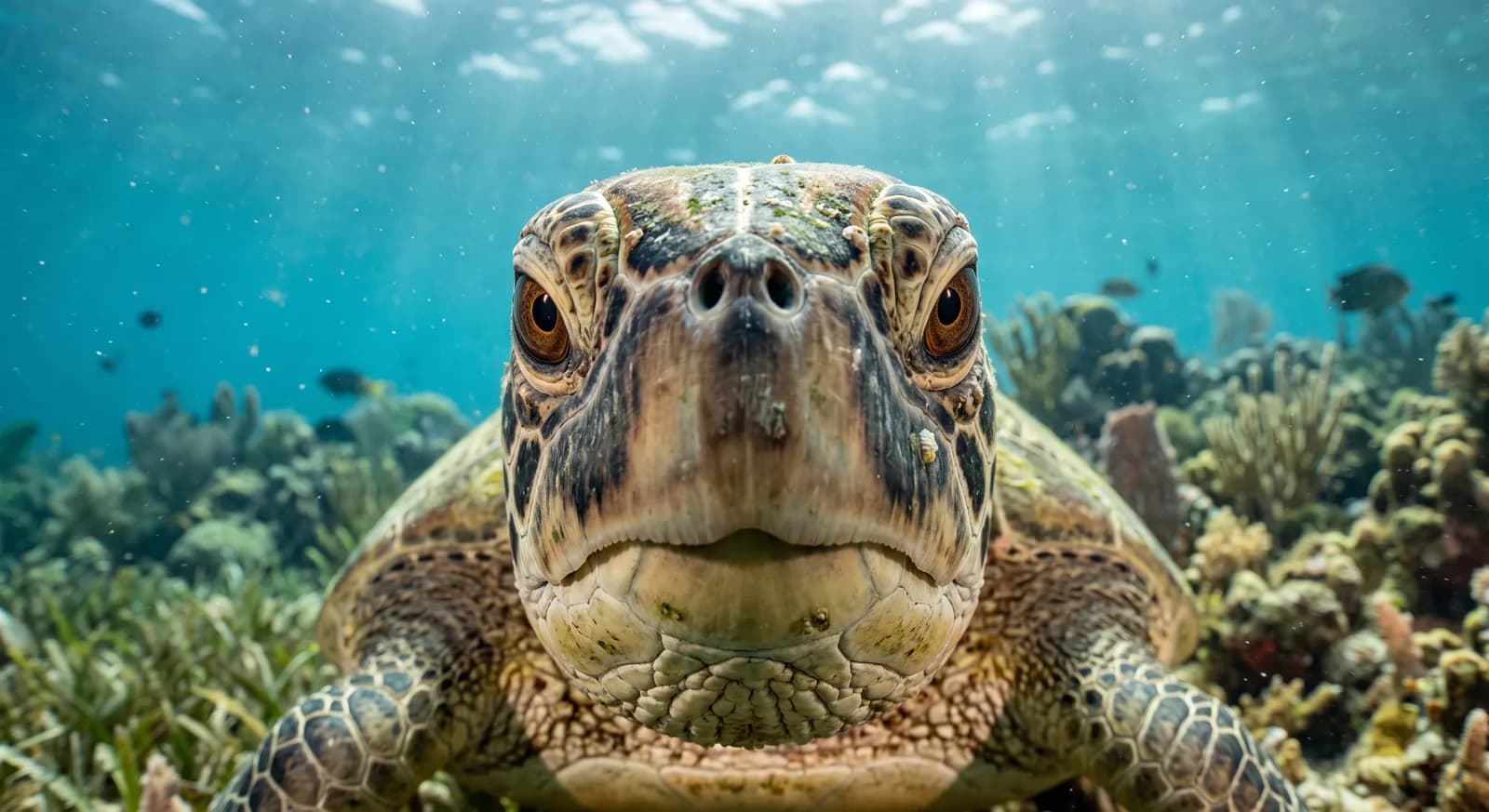
Olive Ridley
Lepidochelys olivacea
 Endangered
Green Turtle
Chelonia mydas
 Critically Endangered
Great Hammerhead
Sphyrna mokarran
How to help
The hawksbill turtle is classified as critically endangered. Organizations such as UICN, WWF y Wildlife Conservation Society work specifically on its conservation and that of its habitat; looking into their programs is a good starting point if you want to get involved.
It's documented in 14 real protected areas — part of why protecting these places matters for its conservation.
Keep exploring
Based on what we already know about hawksbill turtle.
Comments
Share an experience, a fun fact or a tip for seeing the hawksbill turtle.
Be the first to comment.