Myanmar
Asia
Myanmar keeps one of the largest expanses of natural forest in Southeast Asia, organised by the Irrawaddy river, which runs the length of the country from north to south and ends in an immense delta. To the north, the eastern foothills of the Himalaya reach five thousand eight hundred metres at Hkakabo Razi and string together rainforest, temperate woodland and permanent snow, with a fauna that mixes Himalayan and Indo-Burmese elements. The Hukawng valley held the largest tiger reserve in the world by area. In the centre lies a dry zone of deciduous forest and in the east the Shan plateau, with Lake Inle and its floating gardens. To the south, the Mergui archipelago brings together more than eight hundred almost uninhabited islands, with reefs and coastal forests.
The nature of Myanmar
National animal: The green peafowl, the national emblematic bird; the chinthe, a mythical lion, is the heraldic symbol
Did you know?
In 2010 a snub-nosed monkey completely unknown to science was described in the northern mountains. Local hunters located it for an unusual reason: its nostrils point upwards, so when it rains water gets in and it sneezes, which gives away its presence. On rainy days the animals sit with their heads between their knees to avoid it.
Biodiversity profile
Climate
- •Tropical monzonico (Am) en las tierras bajas centrales y el delta del Irrawaddy
- •Subtropical y templado de montaña en las tierras altas del norte y este
Main biomes
- •Selva tropical humeda
- •Bosque montano en las tierras altas Kayah-Karen y el norte del pais
- •Manglares costeros del Golfo de Bengala
- •Bosque caducifolio seco
- •Alta montaña himalaya
- •Delta fluvial
- •Lago de meseta
- •Manglar costero
- •Archipiélago tropical
Marine and coastal ecosystems
- •Costa extensa del Golfo de Bengala y el Mar de Andaman, con arrecifes de coral (51 especies registradas) y praderas marinas
Flagship wildlife
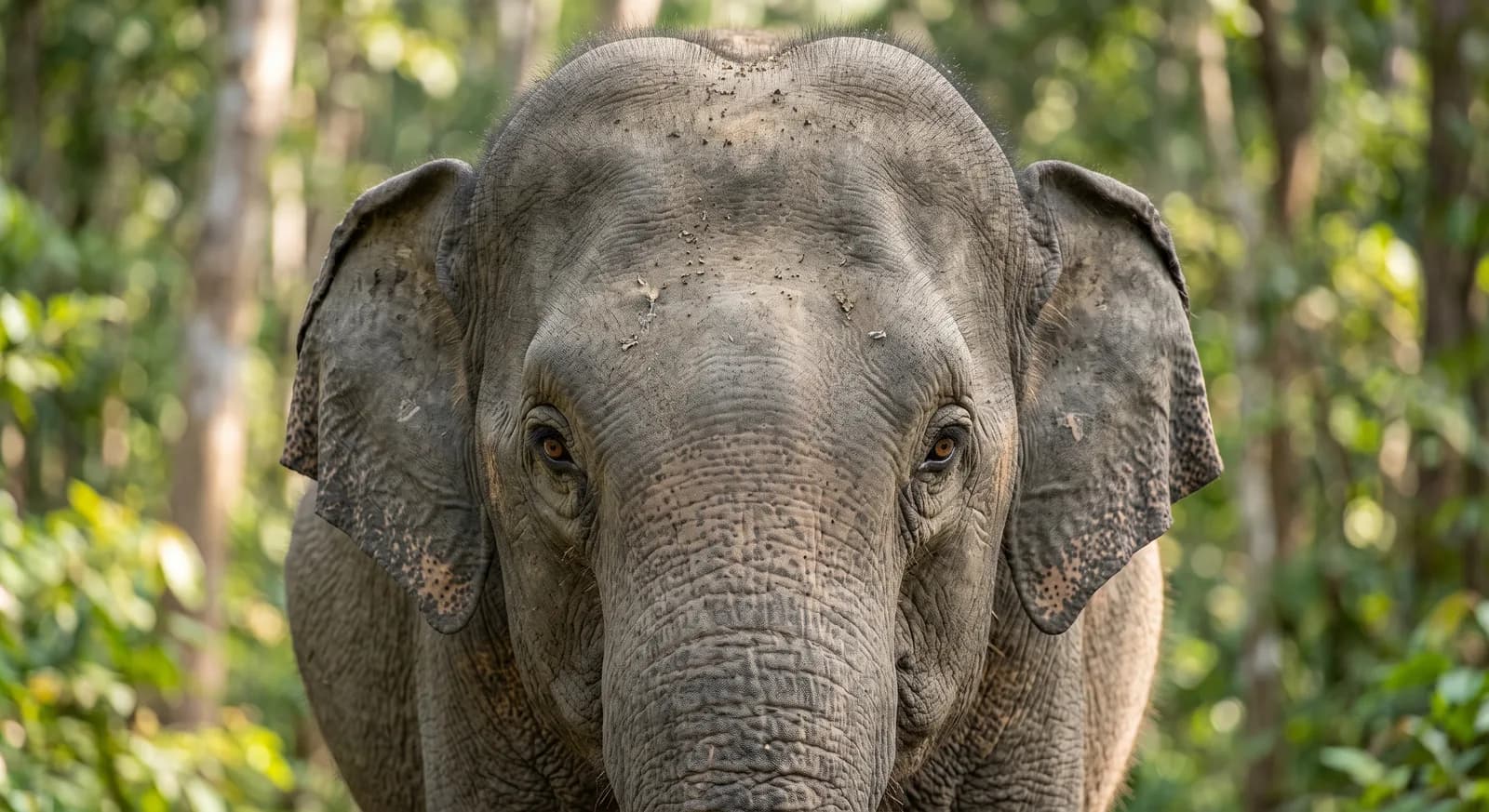
- •Elefante asiatico
- •Tigre indochino
- •Delfin del Irrawaddy
- •Panda rojo (tierras altas del norte)
- •Tortugas marinas (5 de las especies mundiales presentes en sus aguas)
- •Mono de nariz chata de Myanmar
- •Tigre de Bengala
- •Gaur
- •Pavo real verde
- •Tortuga estrellada de Birmania
- •Gibón de Hoolock
- •Dugongo
Notable endemic species
- •Mas de 18.000 especies registradas, incluidas 11.800 especies de plantas vasculares y especies de arroz endemicas
- •Parte central del hotspot de biodiversidad Indo-Burma, uno de los mas amenazados del mundo
- •Mono de nariz chata de Myanmar
- •Tortuga estrellada de Birmania
- •Tortuga de techo de Birmania
Notable threatened species
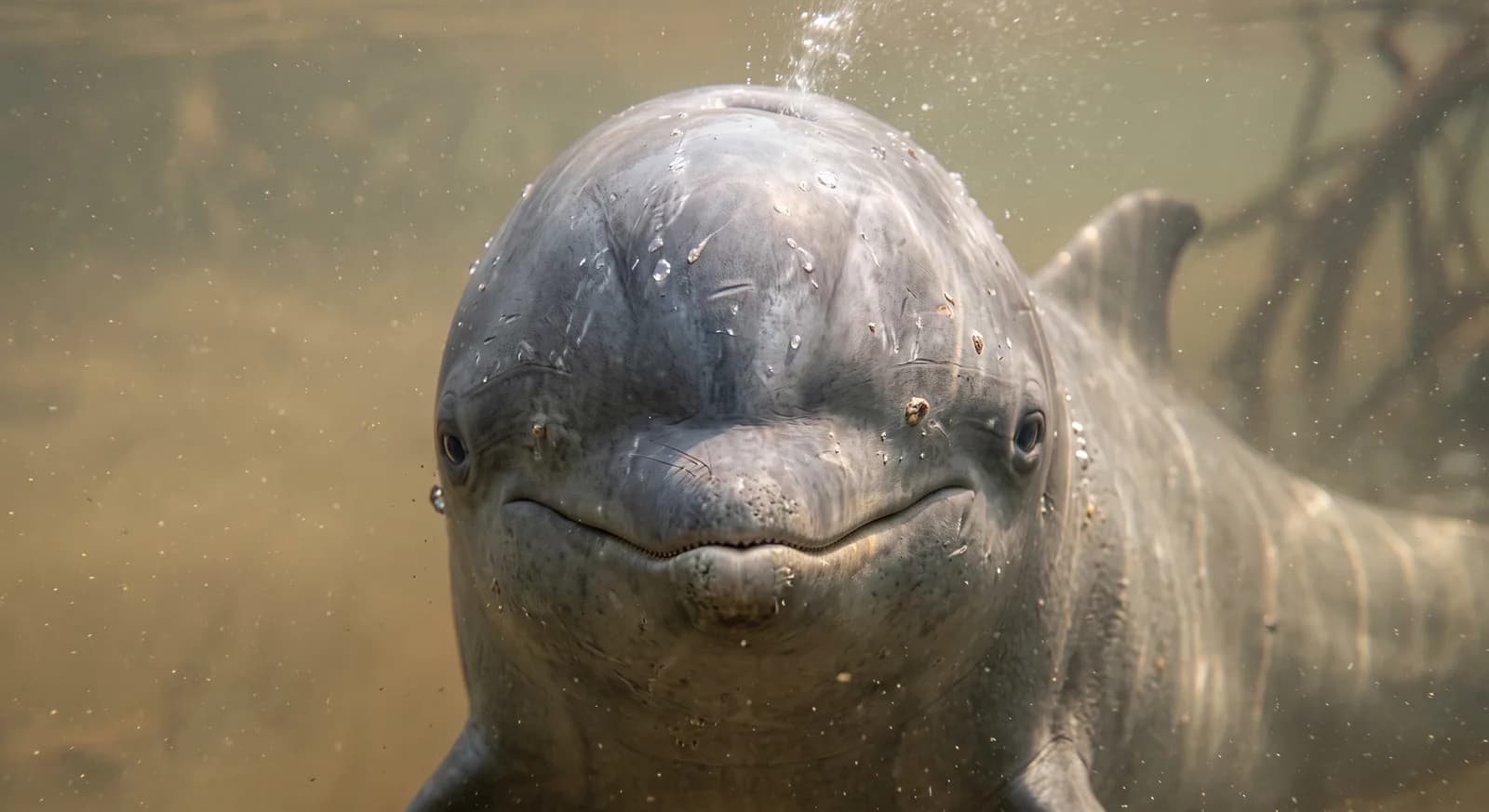
- •Delfin del Irrawaddy (En Peligro, con aprox. 60 individuos remanentes en el rio Irrawaddy segun WWF)
- •Menos de 200 tigres remanentes en toda la subregion del Gran Mekong, con extinciones nacionales ya registradas en varios paises vecinos
Notable protected areas
- •Areas protegidas de las tierras altas Kayah-Karen (frontera con Tailandia)
- •Red de 43 areas protegidas nacionales
- •Reserva de Tigres del Valle de Hukawng
- •Parque Nacional de Hkakabo Razi
- •Lago Indawgyi
- •Lago Inle
- •Archipiélago de Mergui
- •Parque Nacional de Alaungdaw Kathapa
Main conservation threats
- •Solo queda aproximadamente el 5% del habitat original del hotspot Indo-Burma en condicion relativamente prístina
- •Caza y comercio ilegal de especies (elefante, tigre)
- •Deforestacion acelerada en las ultimas decadas
Conservation
On the Irrawaddy a cooperative fishery was practised in which the dolphins came at the fishermen's call, made by tapping the gunwale, and herded fish towards the nets in exchange for keeping those that escaped; that relationship, documented for more than a century, is on the point of being lost as the dolphins decline.
Where and when to watch wildlife
Indawgyi between November and February for waterbirds. The upper reaches of the Irrawaddy for dolphins. Mergui in the dry season for reefs and coastal birds.
Sources: ASEAN Centre for Biodiversity - ASEAN Biodiversity | WWF - Greater Mekong | opendevelopmentmekong.net - Environment and natural resources | FAO - GMS Forest Policy Brief 03
Parks and reserves
Lago Inle
Myanmar's first biosphere reserve, with the Intha leg-rowers and their floating gardens on the lake.
View parkNational ParkAlaungdaw Kathapa
Myanmar's oldest and largest national park, around a Buddhist pilgrimage shrine.
View parkNational ParkHkakabo Razi
The southern tip of the eastern Himalaya, with the highest mountain in South-East Asia and glaciers in the tropics.
View parkWildlife SanctuaryHukaung Valley Wildlife Sanctuary
One of the largest protected areas for tigers in the world, in the rainforest of Myanmar's far north.
View parkDiving and snorkelling
Mergui Archipelago (Black Rock)
An isolated pinnacle in the Burmese archipelago, one of the last great secrets of pelagic diving in Asia.
View dive siteRemote reefMergui Archipelago
More than 800 practically uninhabited islands, one of the last great pristine diving destinations in Asia.
View dive siteEspecies documentadas en Myanmar
302 species found
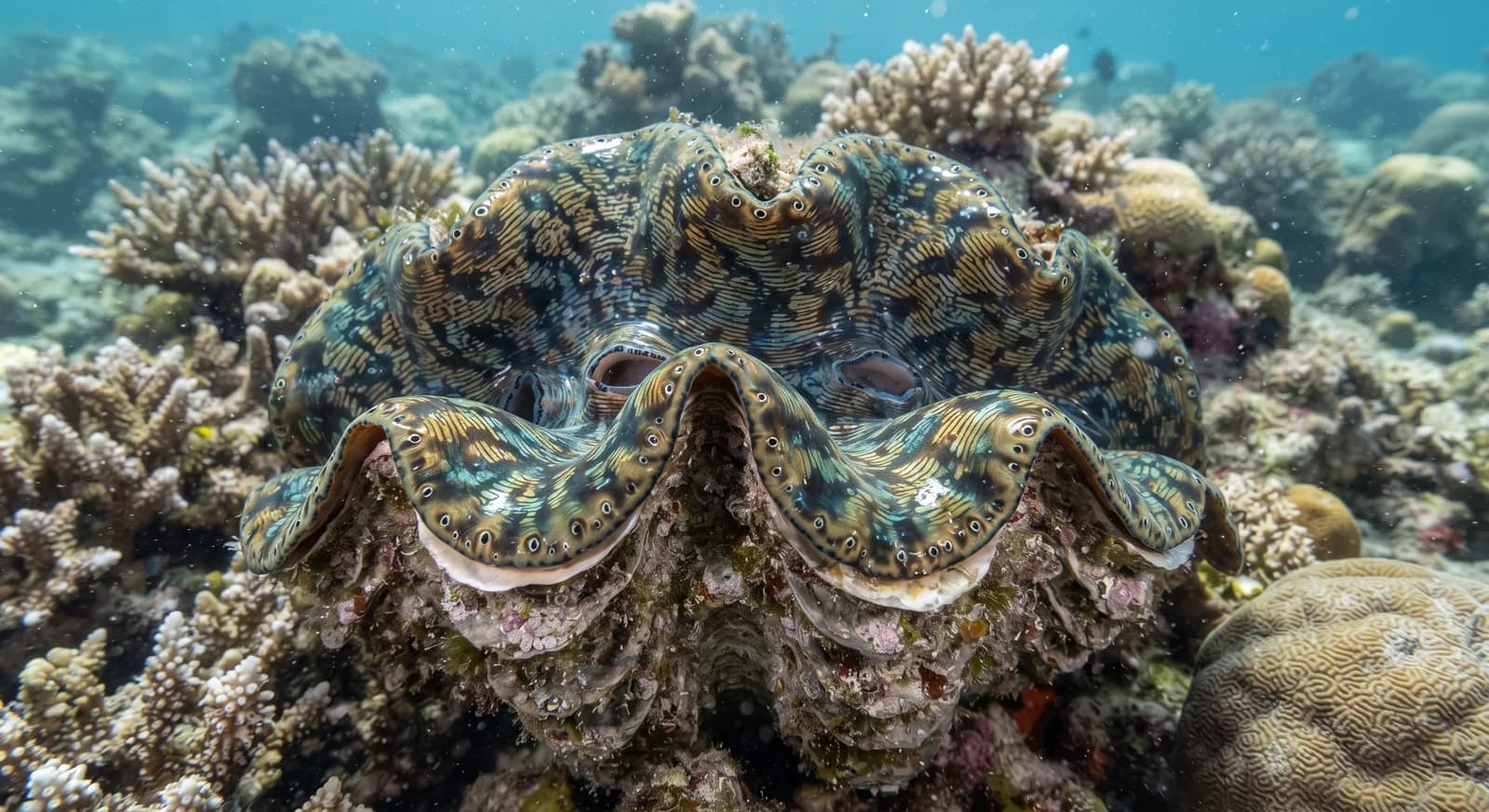 Critically Endangered
Giant Clam
Tridacna gigas
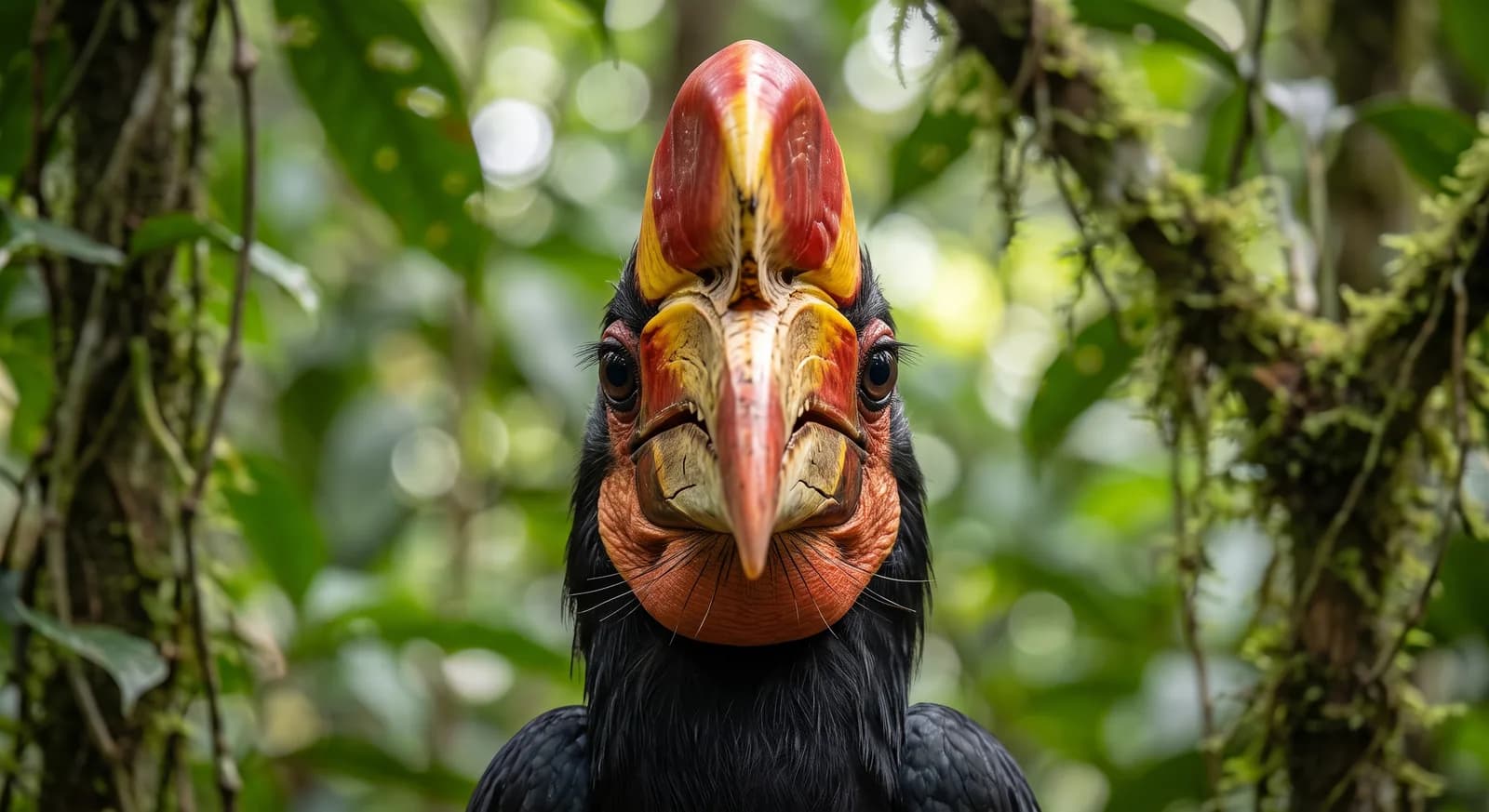 Critically Endangered
Helmeted Hornbill
Rhinoplax vigil
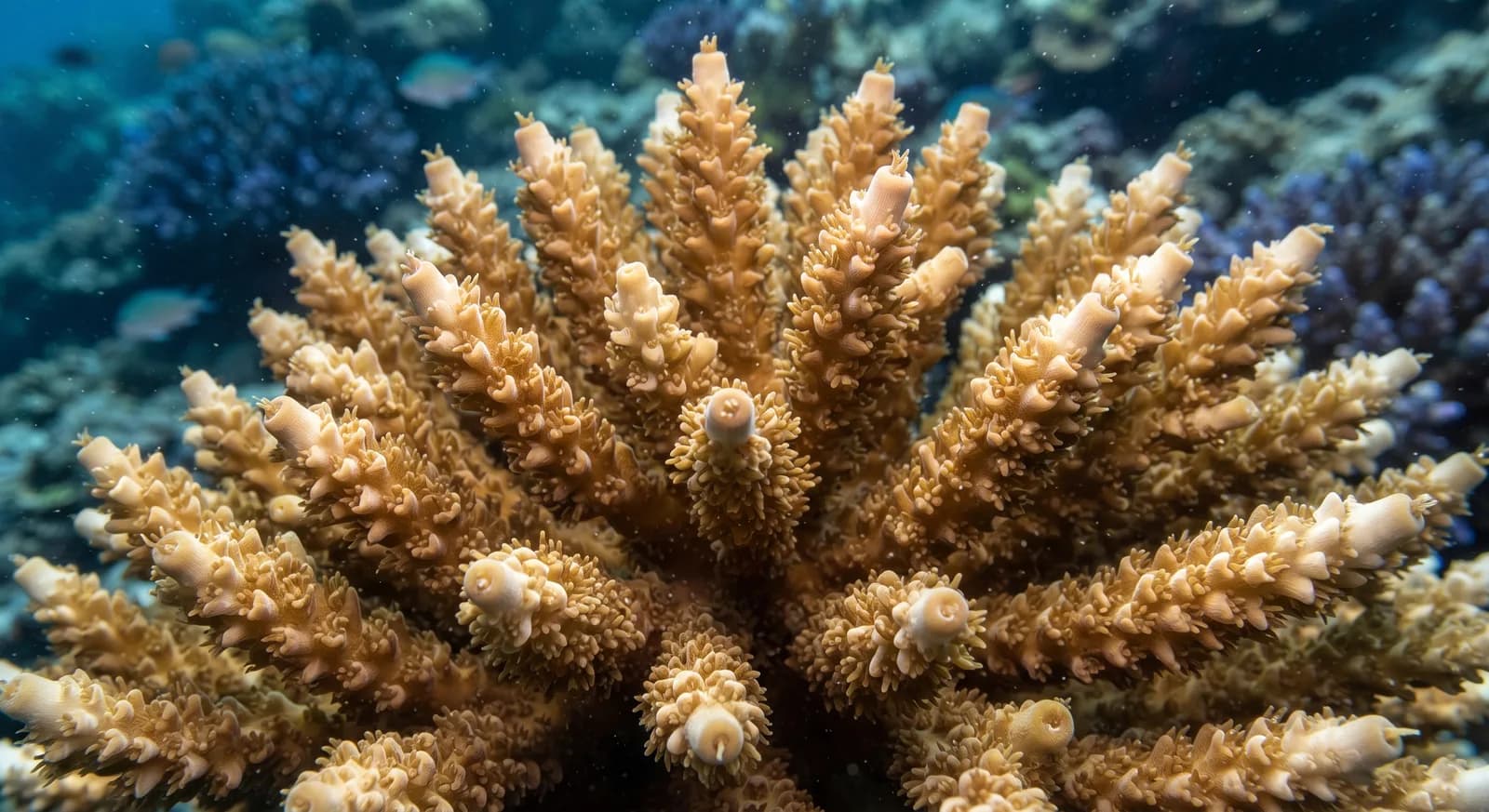 Critically Endangered
Staghorn Coral
Acropora cervicornis
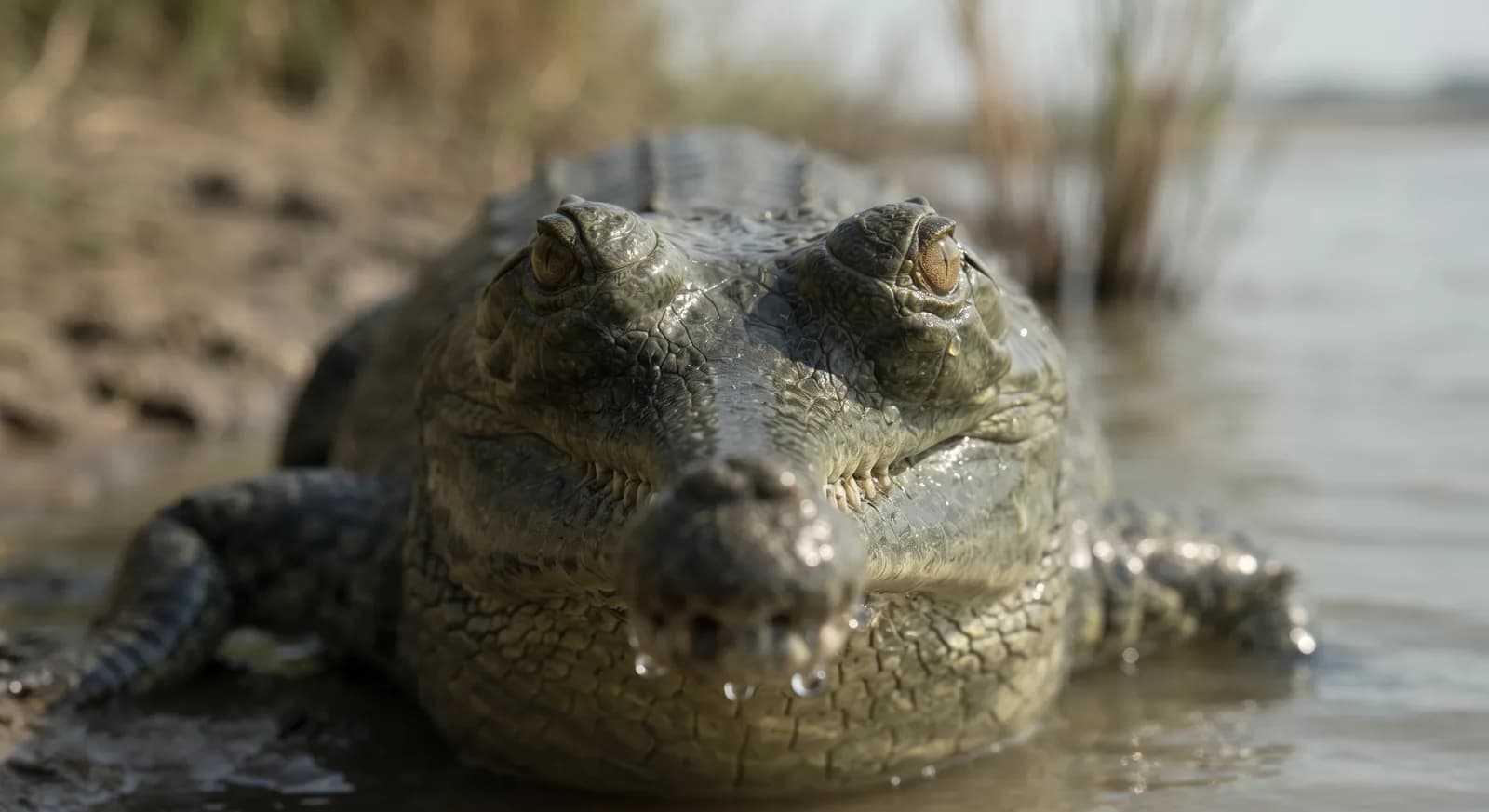 Critically Endangered
Gharial
Gavialis gangeticus
 Critically Endangered
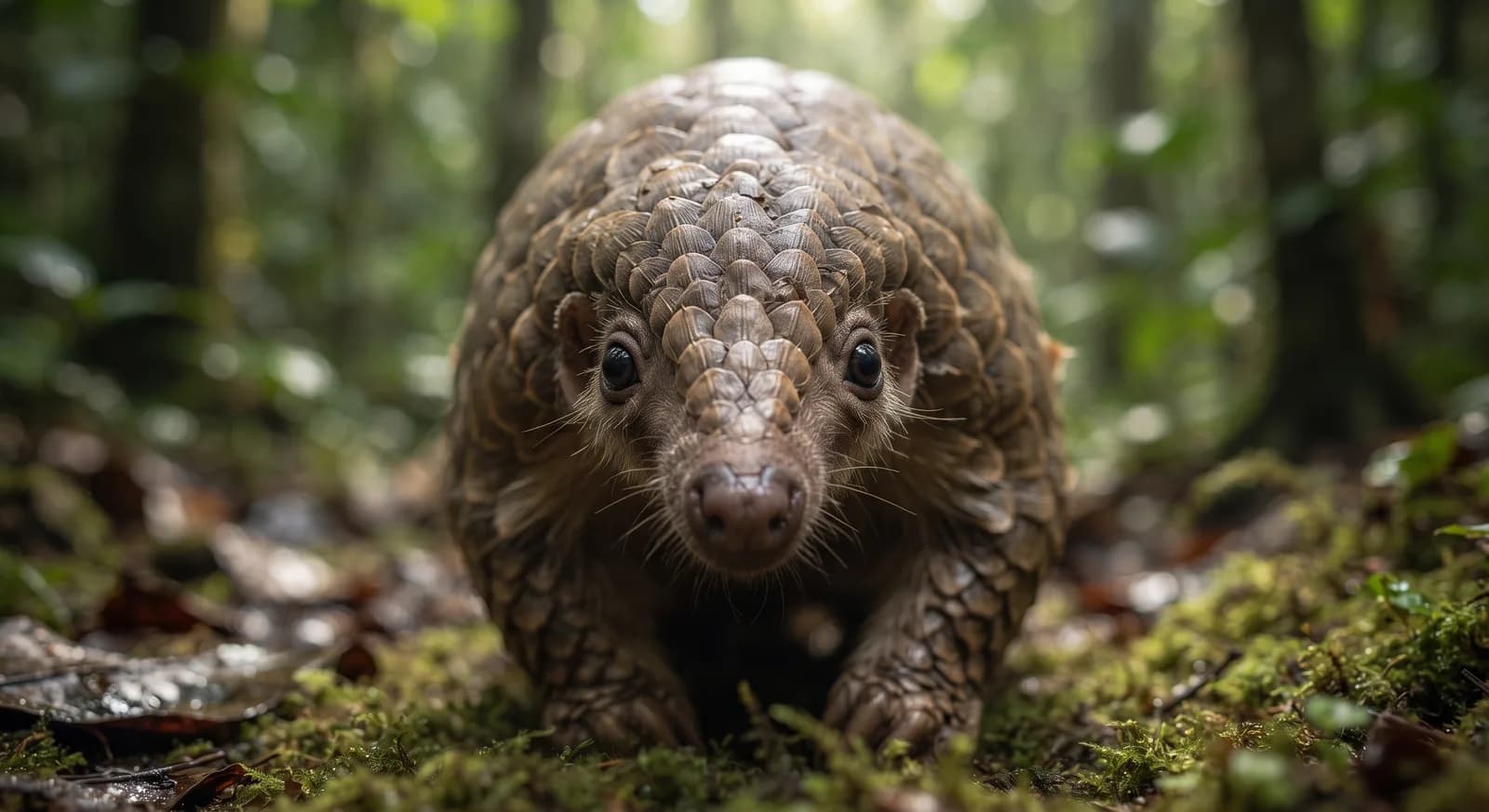
Chinese Pangolin
Manis pentadactyla
 Critically Endangered
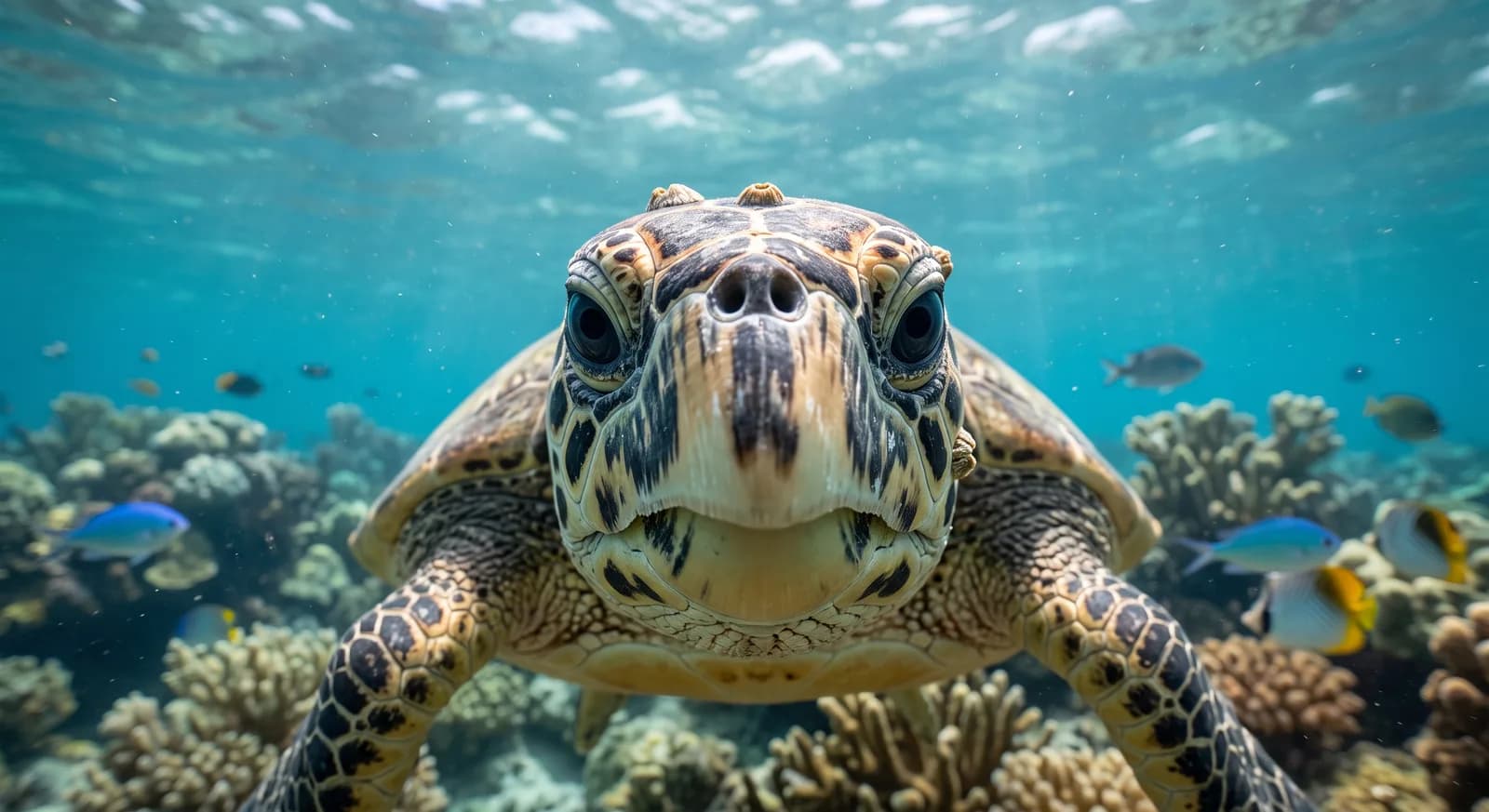
Hawksbill Turtle
Eretmochelys imbricata
 Endangered
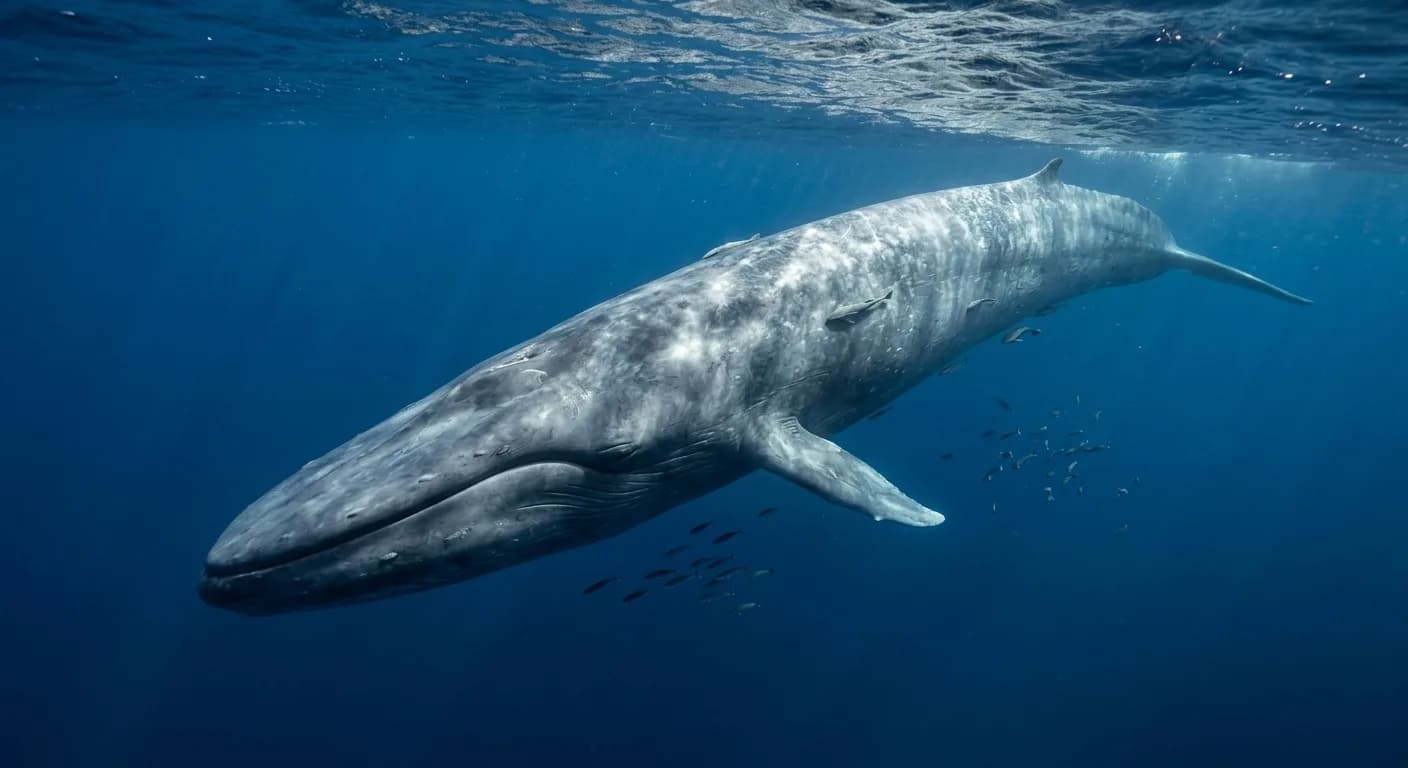
Blue Whale
Balaenoptera musculus
 Endangered
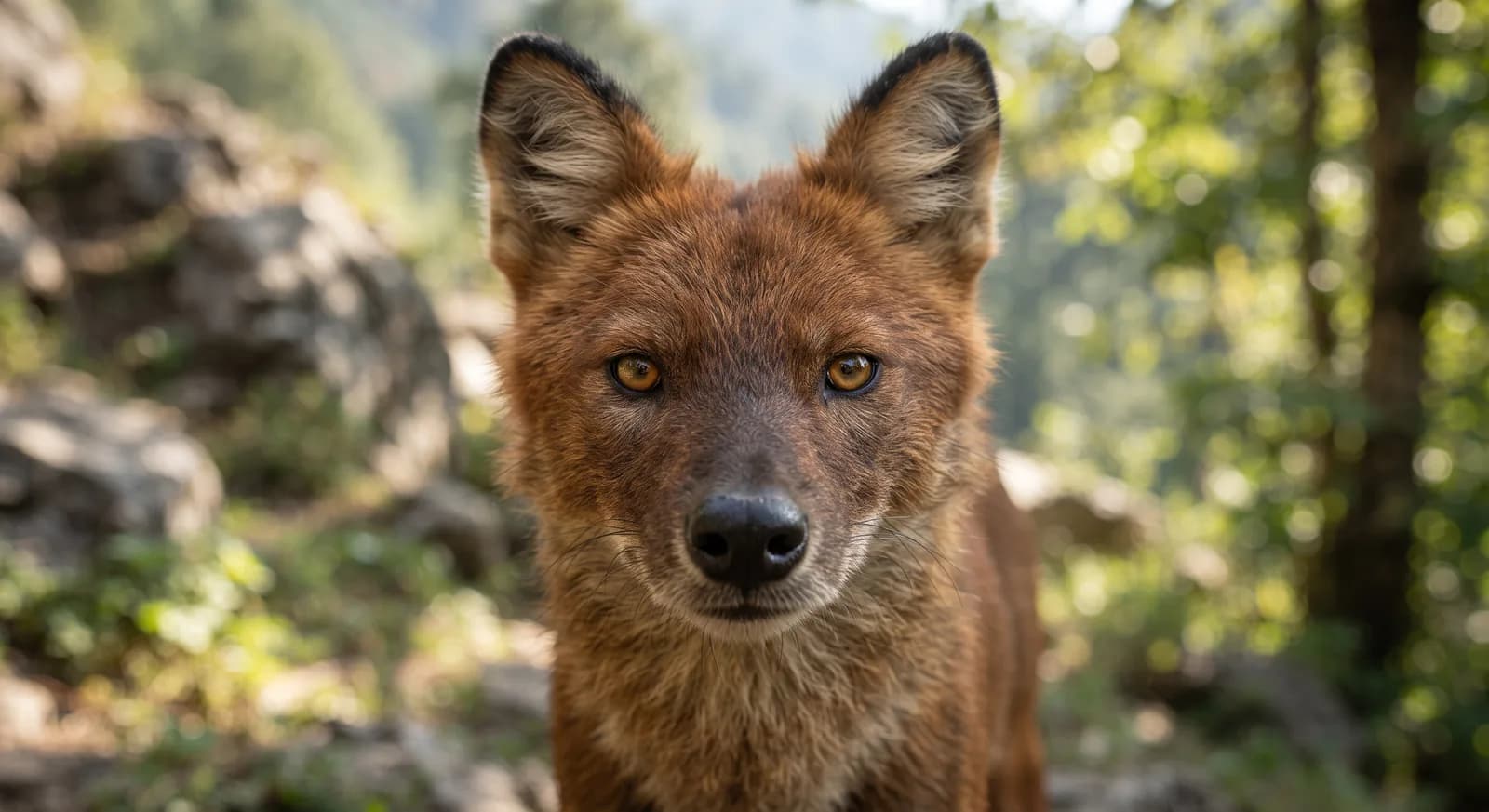
Dhole
Cuon alpinus
 Endangered
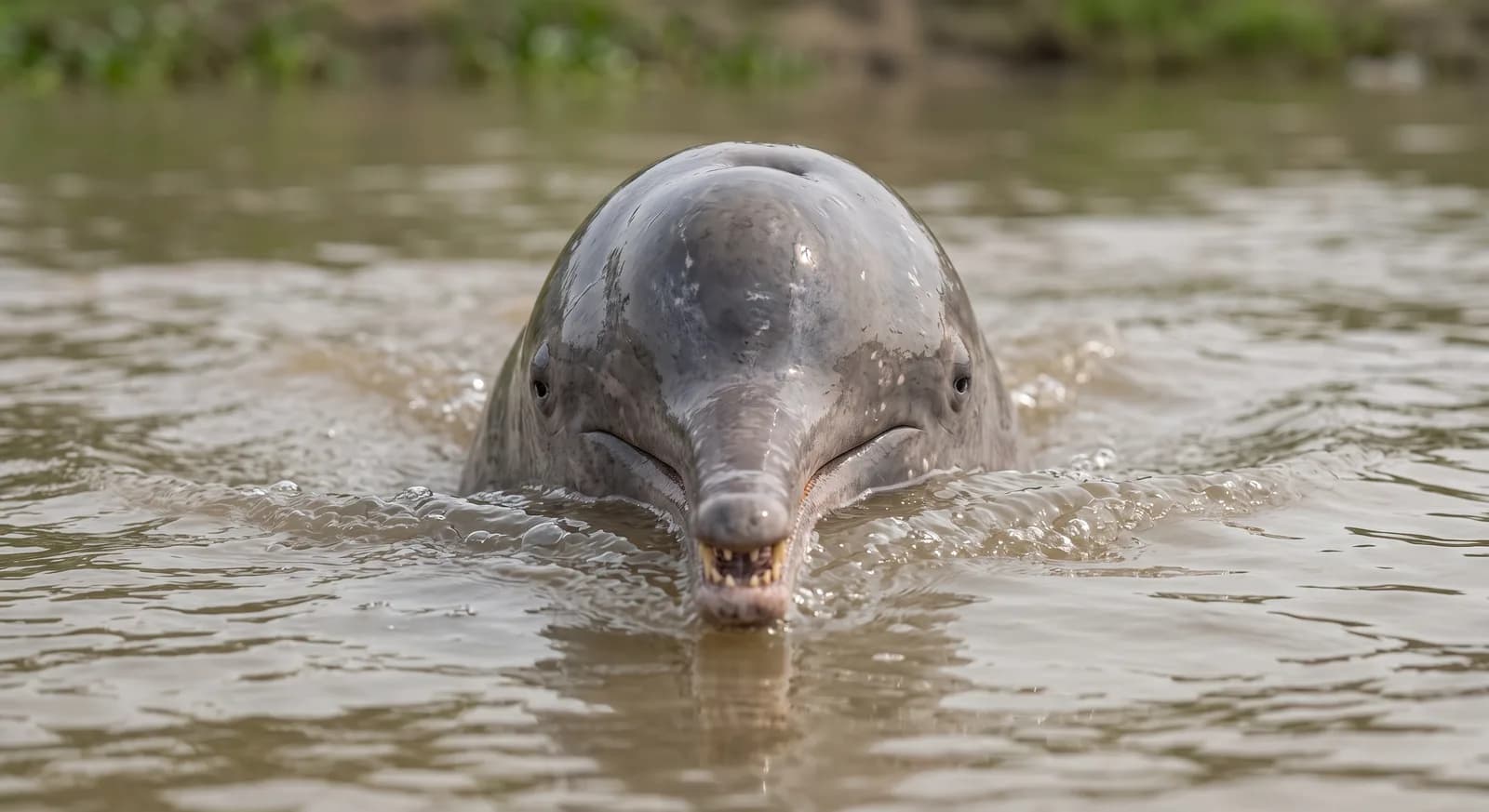
Ganges River Dolphin
Platanista gangetica
 Endangered
Irrawaddy Dolphin
Orcaella brevirostris
 Endangered
Asian Elephant
Elephas maximus
 Endangered
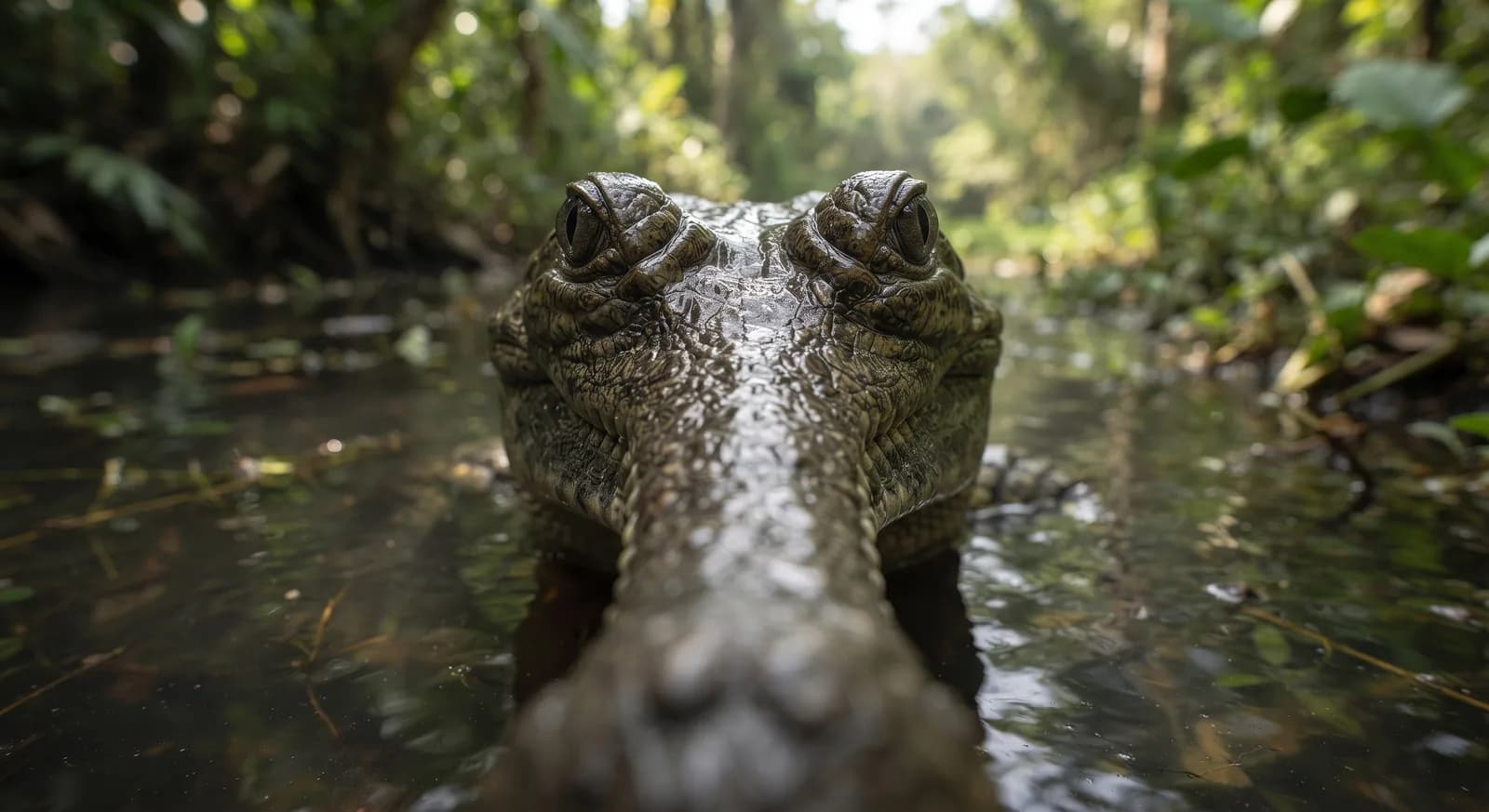
Sunda Gharial
Tomistoma schlegelii
Keep exploring
Based on what we already know about Myanmar.