One of the 17 dolphins on WAnimals
Mammals · Artiodactyla · Delphinidae
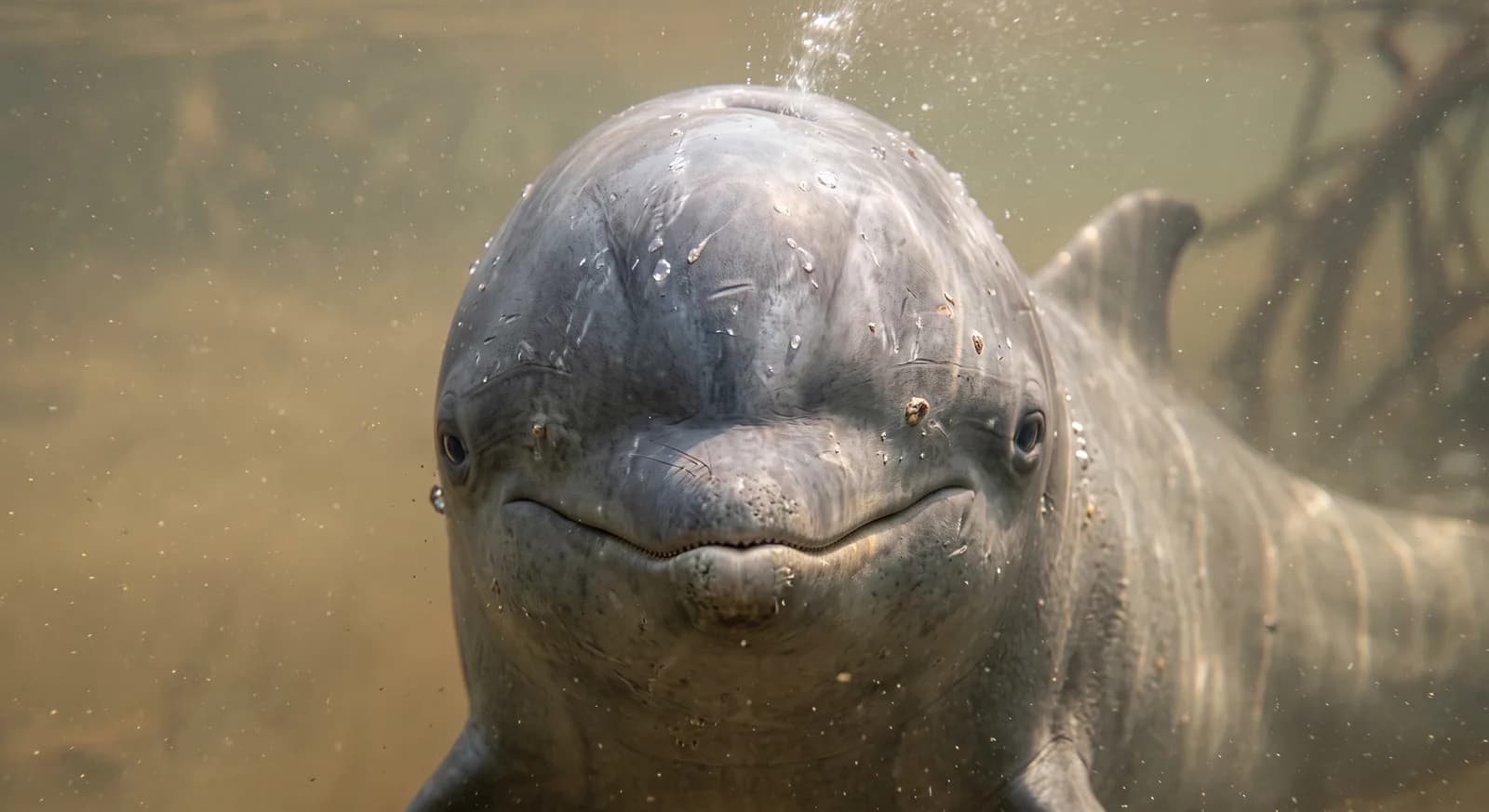
Irrawaddy Dolphin
Orcaella brevirostris
It faces a very high risk of extinction in the wild in the near future. See full glossary
The Irrawaddy dolphin is a cetacean with a rounded head, no beak and a small dorsal fin, occupying shallow coastal waters and also stretches of great rivers such as the Irrawaddy, the Mekong and the Mahakam. The river subpopulations are tiny and on the edge of disappearing. It lives in small groups and feeds on fish and crustaceans, which it sometimes catches by spitting jets of water. Gillnets and electrofishing are its main cause of death.
Weight
90 kg – 150 kg
Size
1.8 m – 2.8 m
Lifespan
30 years
Diet
Carnivore
Feeds mainly on other animals.
Activity
Diurnal
Active mainly during the day.
Sighting difficulty
Hard
Fun facts
- GeneralBeakless with a bulging forehead, it spits jets of water to corral fish.
- comportamientoIt lives both in coastal waters and in freshwater stretches of the great Asian rivers, and has developed a traditional cooperative fishing relationship with fishermen in Myanmar.
- In Myanmar there is a centuries-old cooperative fishery: the fishermen tap the water with their oars and the dolphins drive the shoals towards the nets, keeping the fish that escape, a collaboration passed down the generations in both species.
- It spits jets of water from its mouth, sometimes more than a metre, apparently to herd fish and perhaps also in play.
Life cycle & biology
- Skeleton type
- Vertebrate - internal bony skeleton (mammal)
- Habitat & environment
- Large rivers, estuaries and shallow coasts
- Sexual maturity
- 5 years
- Gestation / incubation
- 14 months
- Litter / clutch size
- 1
Sources consulted: https://en.wikipedia.org/wiki/Irrawaddy_dolphin
Where to find it
See its range on the interactive mapWhere to watch it
Parques y spots de buceo donde se ha documentado esta especie — se muestran 15 de 16 documentados.
Related species
Other species in the catalogue with the most in common with Irrawaddy Dolphin — same habitat, park, country, tags or family.
 Vulnerable
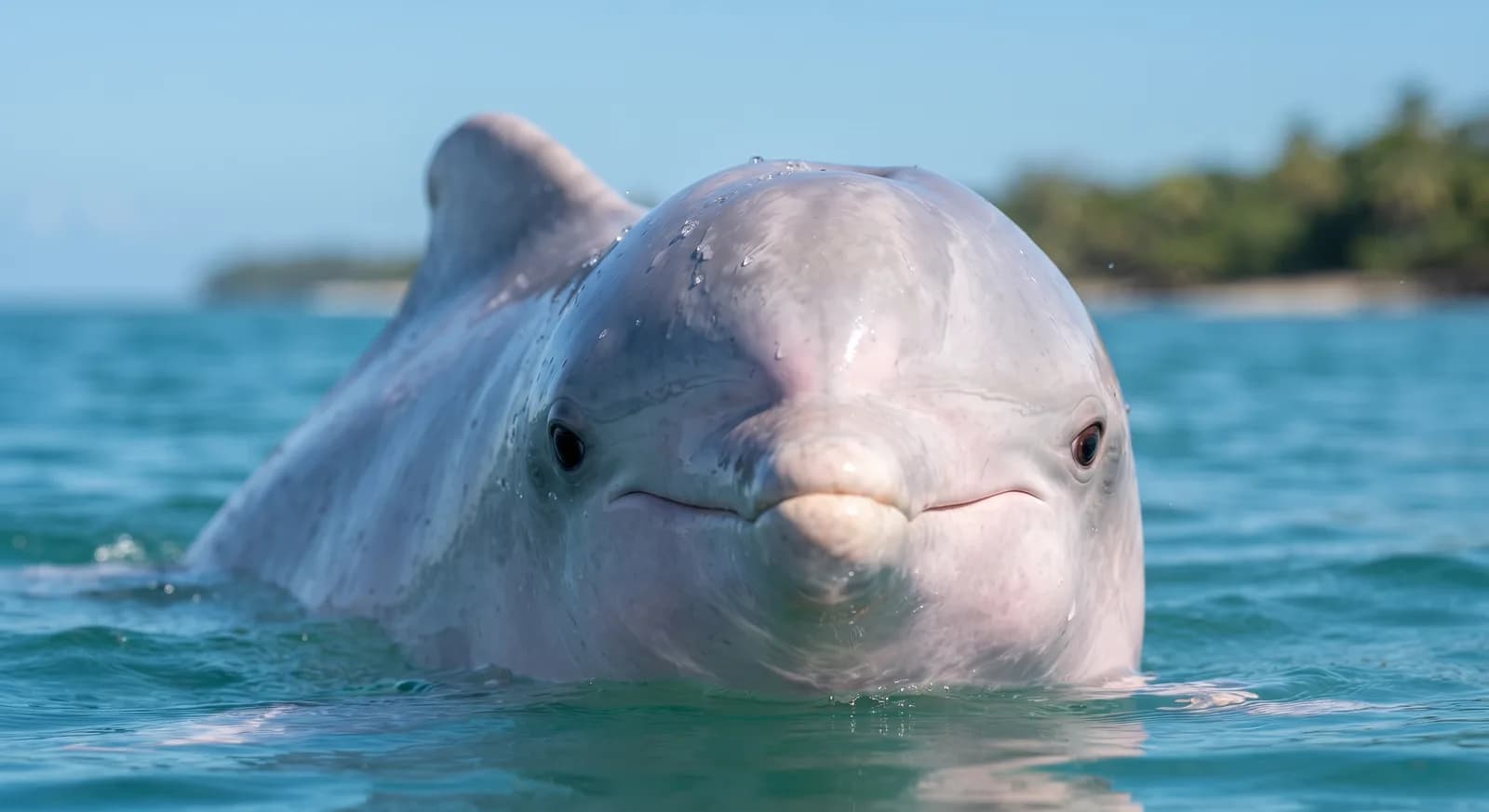
Indo-Pacific Humpback Dolphin
Sousa chinensis
False Killer Whale
Pseudorca crassidens
Spinner Dolphin
Stenella longirostris
 Least Concern
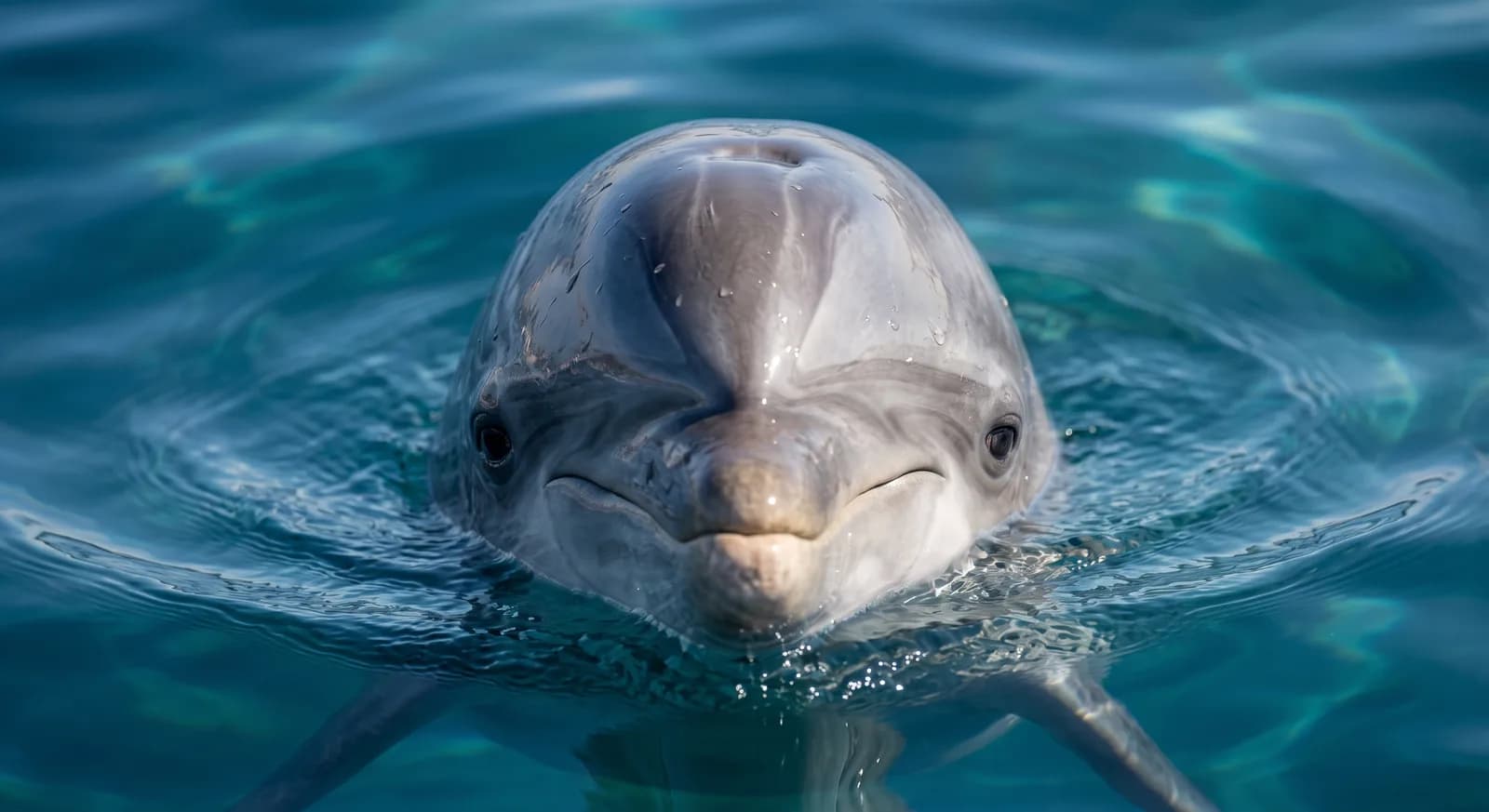
Bottlenose Dolphin
Tursiops truncatus
Common Water Monitor
Varanus salvator
Blacktip Reef Shark
Carcharhinus melanopterus
How to help
The irrawaddy dolphin is classified as endangered. Organizations such as UICN, WWF y Wildlife Conservation Society work specifically on its conservation and that of its habitat; looking into their programs is a good starting point if you want to get involved.
It's documented in 5 real protected areas — part of why protecting these places matters for its conservation.
Keep exploring
Based on what we already know about irrawaddy dolphin.
Comments
Share an experience, a fun fact or a tip for seeing the irrawaddy dolphin.
Be the first to comment.