Species group · Mammals
Dolphins
WAnimals has 17 species of dolphin, spread across 4 families (Delphinidae, Iniidae, Lipotidae, Platanistidae).
- 17 species
- 4 families
- 173 countries
- 184 parks
- Weight
- 30 kg – 650 kg
- Length
- 1.2 m – 3.8 m
- Lifespan
- 13 – 55 years
Ranges calculated from the entries that record the figure, not from all 17.
All 17 species of dolphins on WAnimals
Each one has its own full entry. This group does not replace them: it brings them together.
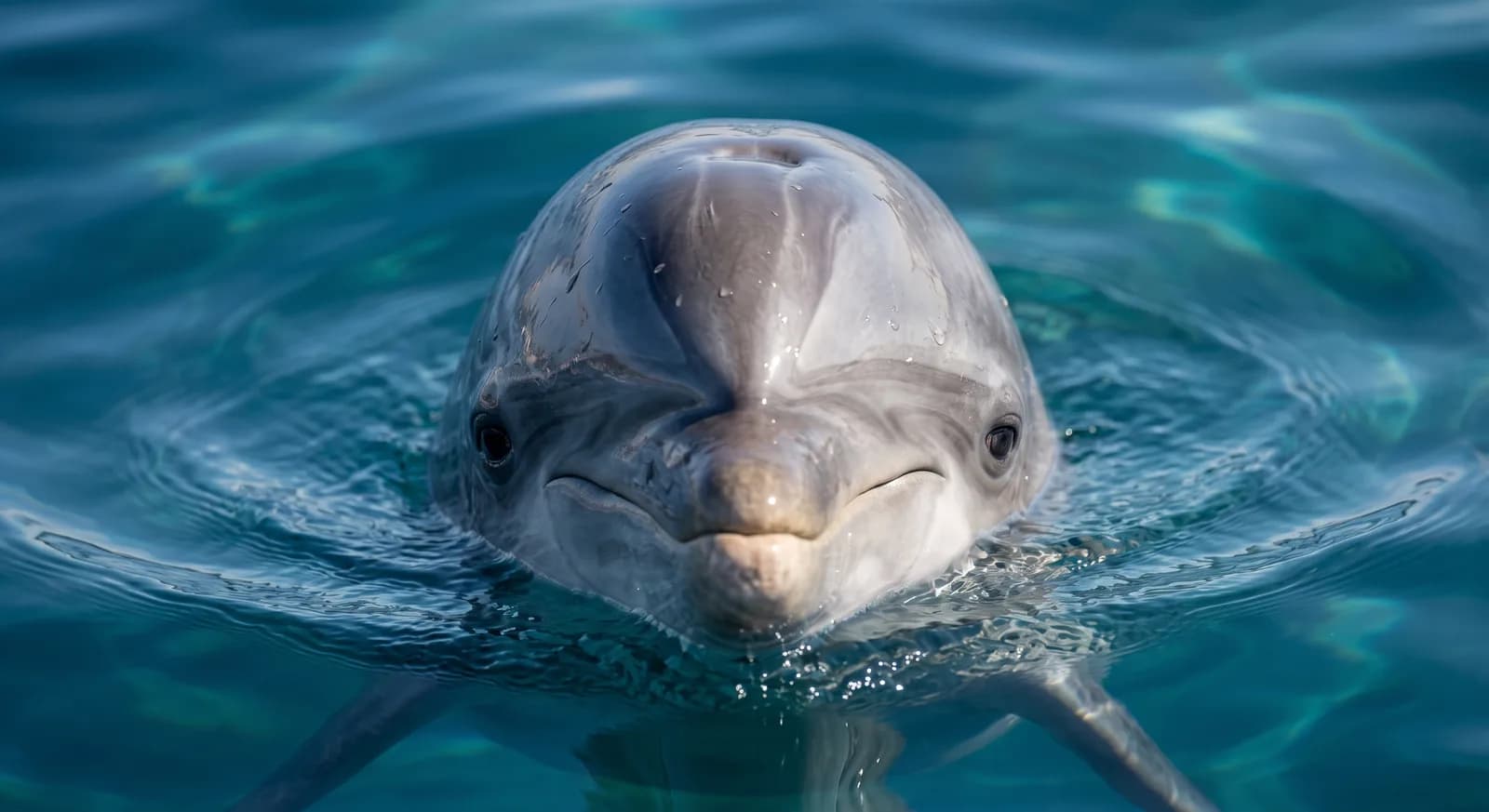 Least Concern
Bottlenose Dolphin
Tursiops truncatus
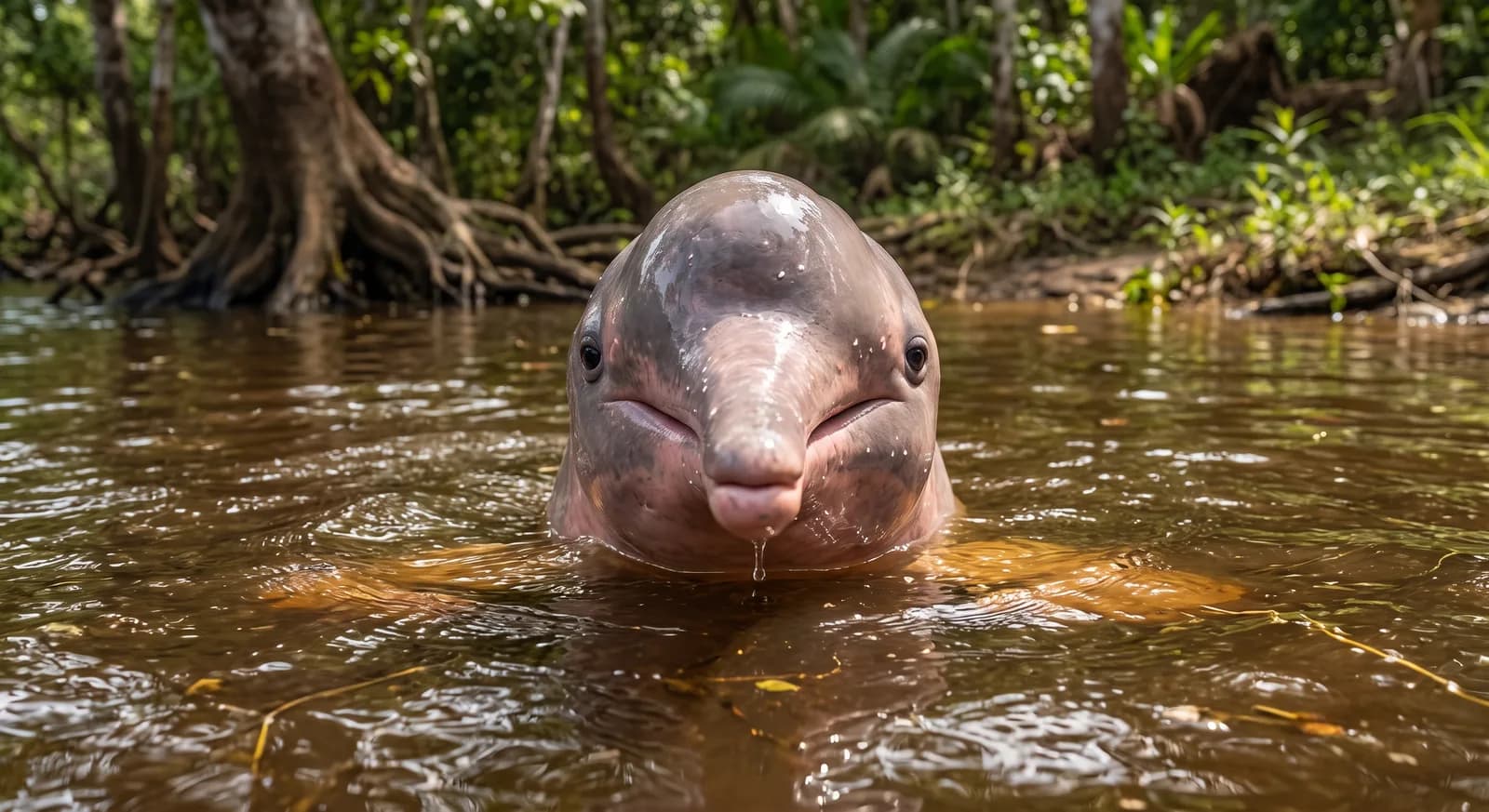 Endangered
Amazon River Dolphin
Inia geoffrensis
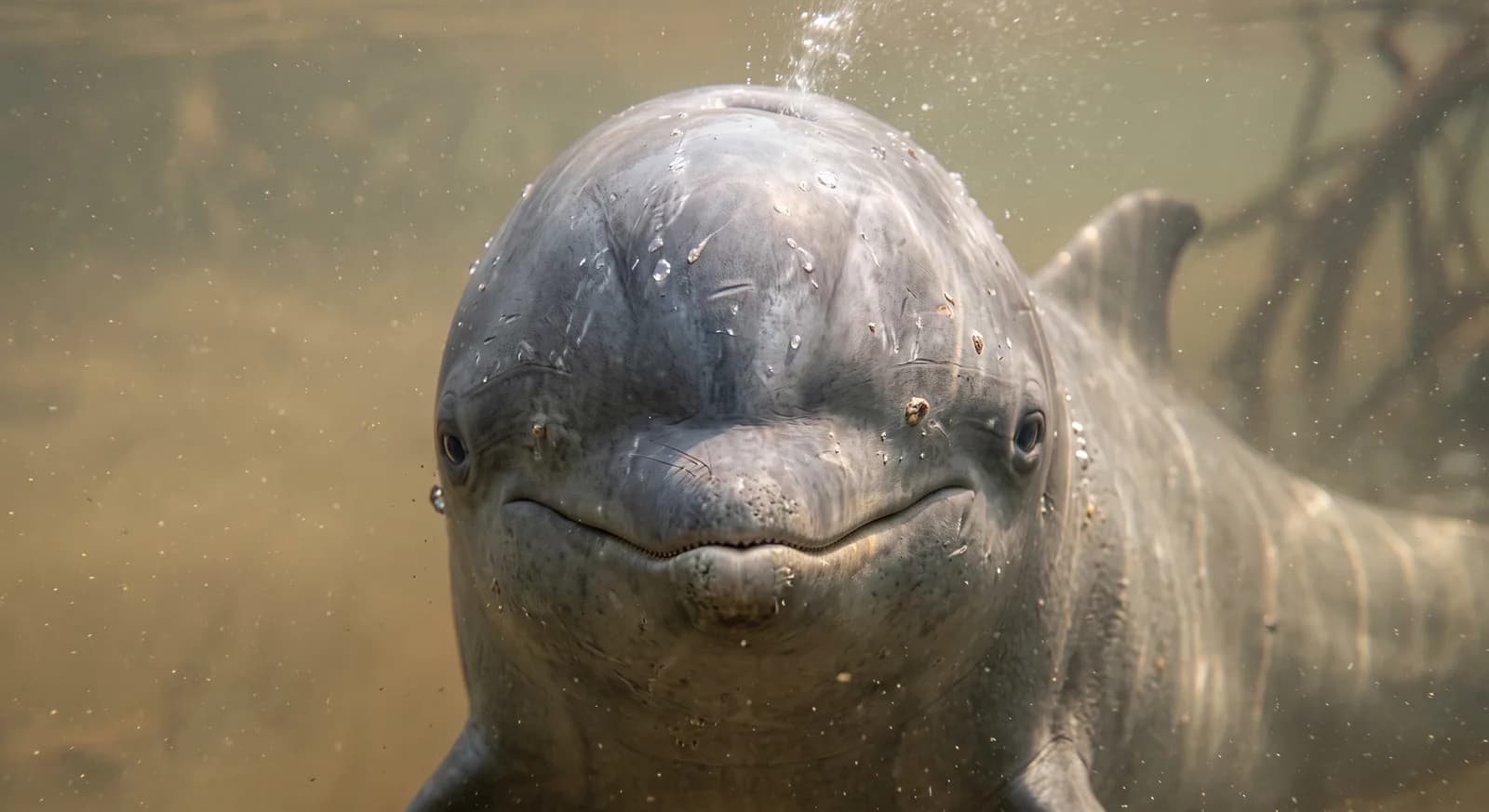 Endangered
Irrawaddy Dolphin
Orcaella brevirostris
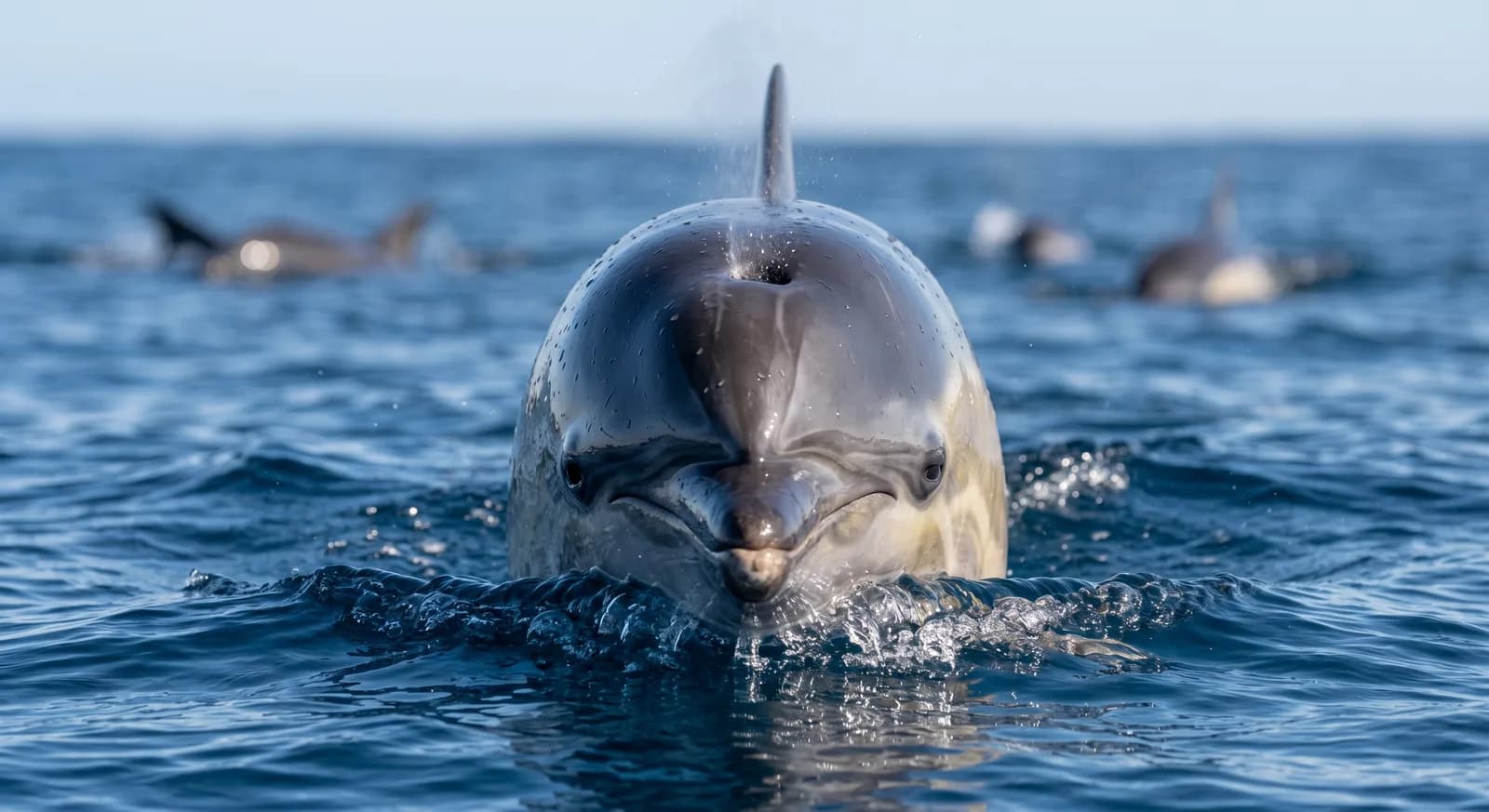 Least Concern
Short-beaked Common Dolphin
Delphinus delphis
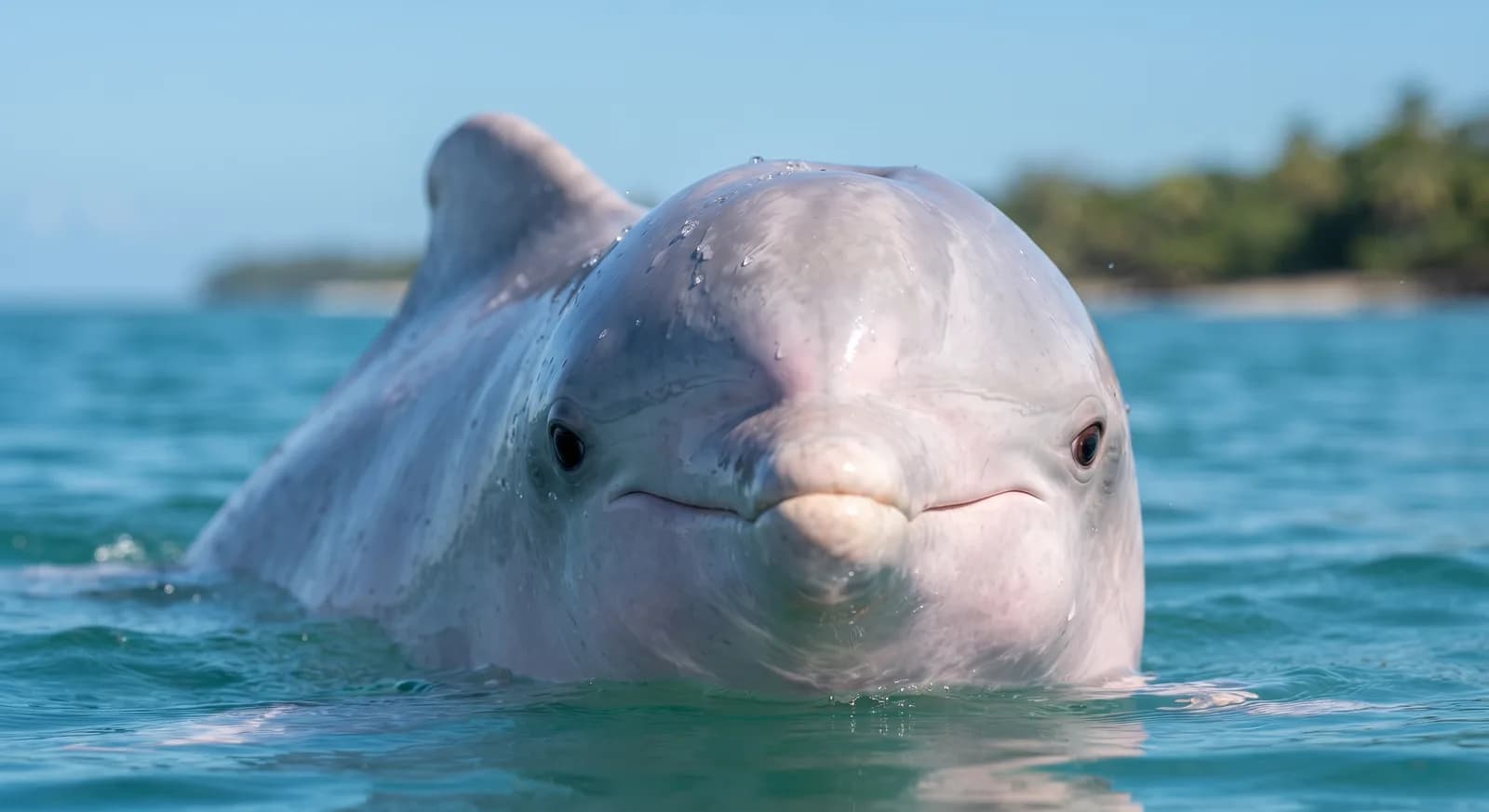 Vulnerable
Indo-Pacific Humpback Dolphin
Sousa chinensis
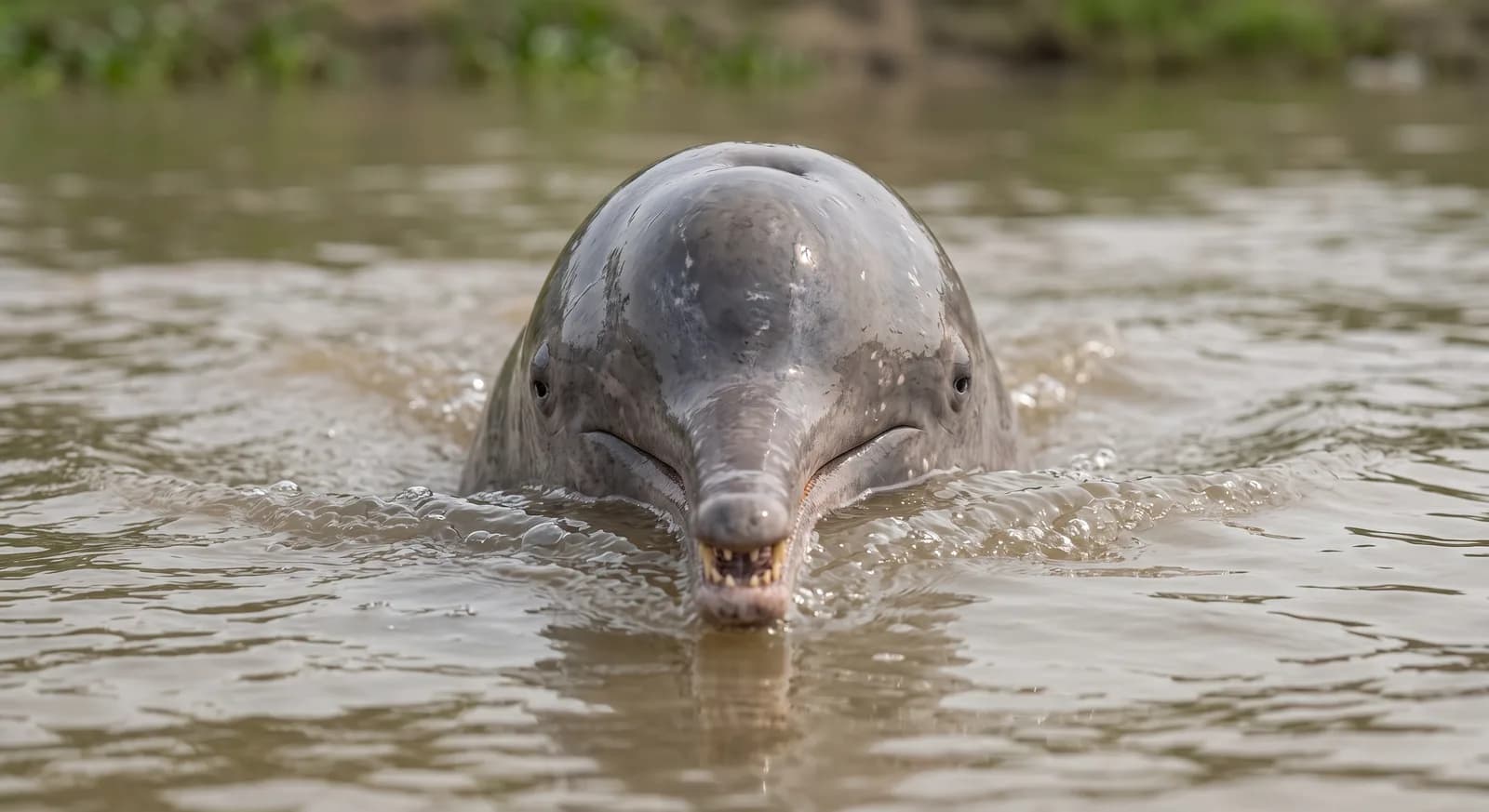 Endangered
Ganges River Dolphin
Platanista gangetica
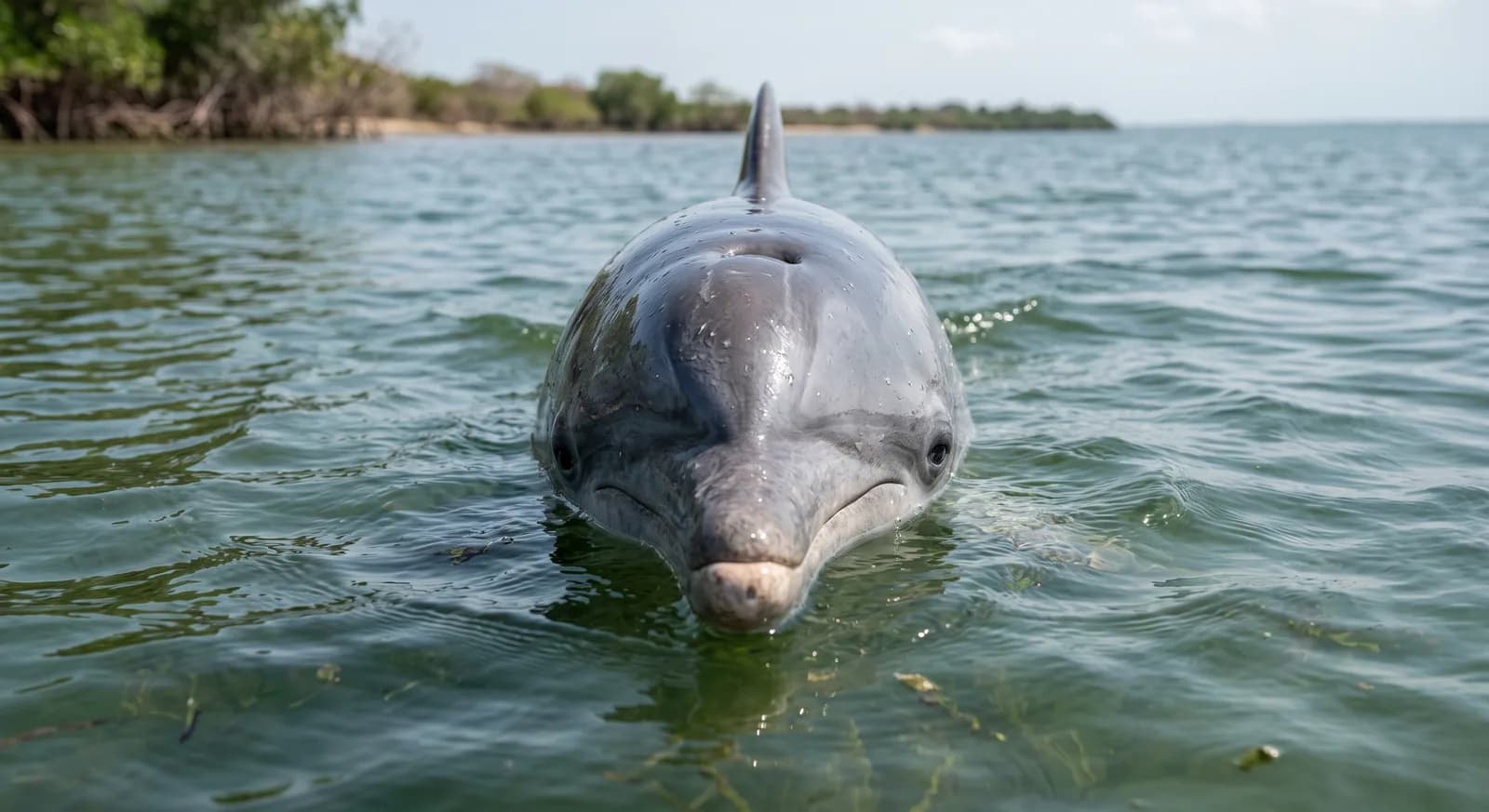 Critically Endangered
Atlantic Humpback Dolphin
Sousa teuszii
Spinner Dolphin
Stenella longirostris
Striped Dolphin
Stenella coeruleoalba
Atlantic Spotted Dolphin
Stenella frontalis
Pantropical Spotted Dolphin
Stenella attenuata
Commerson's Dolphin
Cephalorhynchus commersonii
White-beaked Dolphin
Lagenorhynchus albirostris
Hector's Dolphin
Cephalorhynchus hectori
Peale's Dolphin
Lagenorhynchus australis
Chilean Dolphin
Cephalorhynchus eutropia
Baiji
Lipotes vexillifer
Conservation status
7 especies in this group están en alguna categoría de riesgo real según la UICN.
See the global conservation statusWhere they live
Recorded in 173 countries. The ones with the most species in the group:
Where to see them
- Fernando de Noronha4 species
- Isla del Coco4 species
- Alonissos y Esporadas del Norte3 species
- Archipielago de Bazaruto3 species
- Bernardo O'Higgins3 species
- Biscayne3 species
- Coiba3 species
- Con Dao3 species
- Dry Tortugas3 species
- Exuma Cays Land and Sea Park3 species
- Gran Barrera de Coral3 species
- Islas Cies3 species
- Cabo Verde (Isla de Sal)diving
- El Hierro / La Restingadiving
- Fernando de Noronhadiving
- Garajau Marine Reserve (Madeira)diving
- Islas Azores (Princess Alice Bank)diving
- Museo Atlántico (Lanzarote)diving
Did you know…
It is probably the most studied cetacean in the world, thanks to more than 50 years of research in Sarasota Bay.
From Bottlenose Dolphin
It can hold its breath for up to 7 minutes.
From Bottlenose Dolphin
It can recognise itself in a mirror, a cognitive ability that is rare among animals.
From Bottlenose Dolphin
Males urinate into the air during social encounters, a behaviour researchers believe may work as a chemical signal.
From Amazon River Dolphin
Beakless with a bulging forehead, it spits jets of water to corral fish.
From Irrawaddy Dolphin
It lives both in coastal waters and in freshwater stretches of the great Asian rivers, and has developed a traditional cooperative fishing relationship with fishermen in Myanmar.
From Irrawaddy Dolphin
In Myanmar there is a centuries-old cooperative fishery: the fishermen tap the water with their oars and the dolphins drive the shoals towards the nets, keeping the fish that escape, a collaboration passed down the generations in both species.
From Irrawaddy Dolphin
It forms pods of over 10,000, among the largest social gatherings of any marine mammal.