One of the 17 dolphins on WAnimals
Mammals · Artiodactyla · Delphinidae
Hector's Dolphin
Cephalorhynchus hectori
It faces a very high risk of extinction in the wild in the near future. See full glossary
Hector's dolphin is the smallest marine dolphin in the world and is endemic to New Zealand. It is told apart by its rounded dorsal fin, shaped like a mouse's ear, unique among the dolphins. It lives in small groups in murky coastal waters, where it hunts fish and squid near the bottom. Its northern subspecies, the Māui dolphin, is one of the most threatened cetaceans on the planet, with fewer than a hundred individuals. Accidental capture in gillnets is its main threat.
Weight
40 kg – 60 kg
Size
1.2 m – 1.5 m
Lifespan
20 years
Diet
Carnivore
Feeds mainly on other animals.
Activity
Diurnal
Active mainly during the day.
Sighting difficulty
Hard
Estimated population
Some 15,000 individuals; the Maui subspecies numbers fewer than a hundred
Fun facts
- conservaciónIt is one of the smallest marine dolphins in the world and one of the most threatened cetaceans, confined to the coastal waters of New Zealand.
- Its rounded, blunt dorsal fin is unique among all the dolphins and allows the species to be identified at a single glance.
- It breeds extremely slowly: the females do not calve until they are seven or eight and have one calf every two or three years, so the death of a few animals a year in nets is enough to crash a population.
Life cycle & biology
- Skeleton type
- Vertebrate - internal bony skeleton (mammal)
- Habitat & environment
- Shallow, murky coastal waters, almost always within 20 miles of the New Zealand coast
- Sexual maturity
- 7.7 years
- Gestation / incubation
- 11 months
- Litter / clutch size
- 1
Sources consulted: https://es.wikipedia.org/wiki/Cephalorhynchus_hectori
Where to watch it
Parks and dive sites where this species has been documented.
Related species
Other species in the catalogue with the most in common with Hector's Dolphin — same habitat, park, country, tags or family.
 Endangered
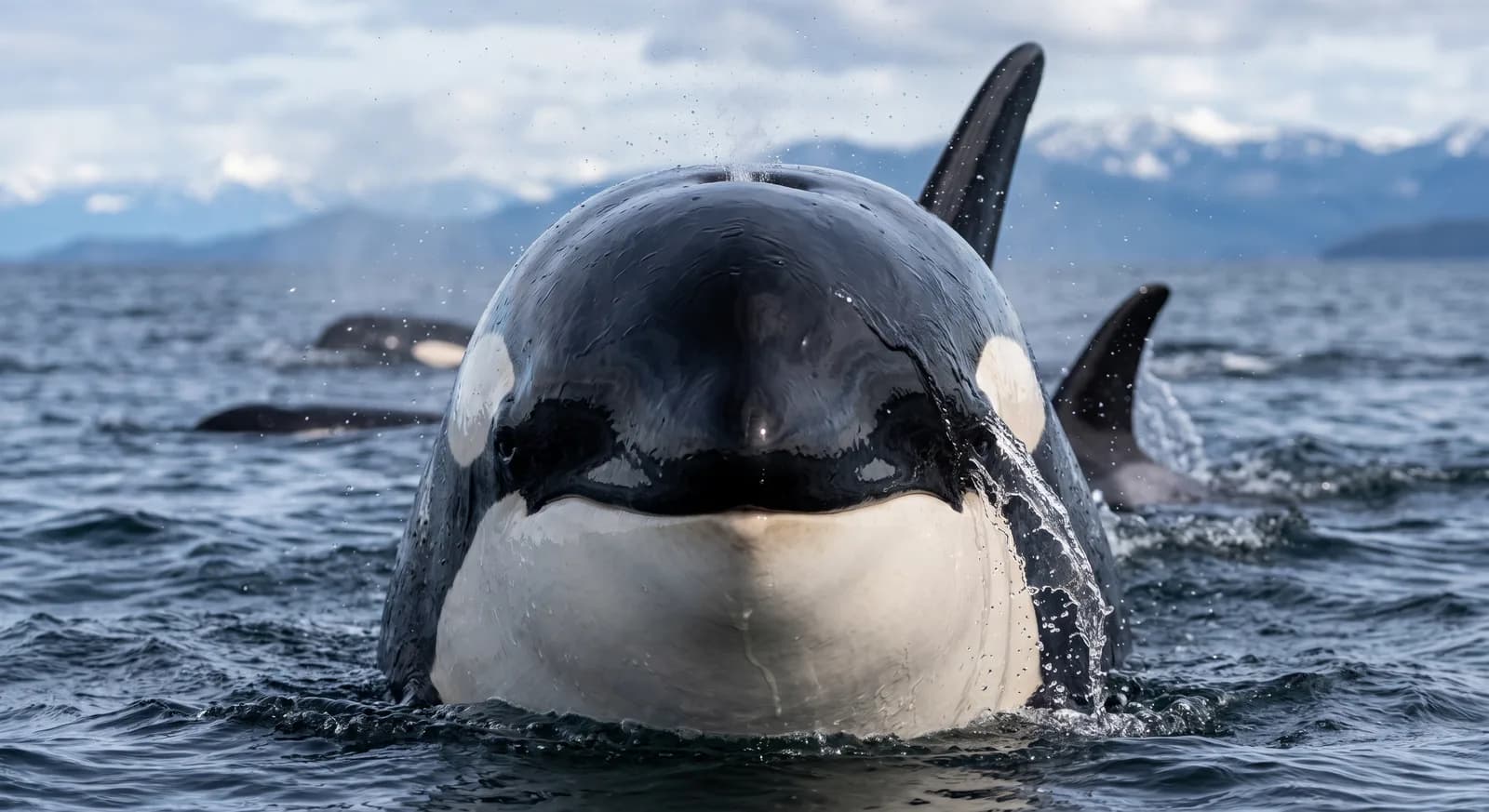
Killer Whale
Orcinus orca
 Least Concern
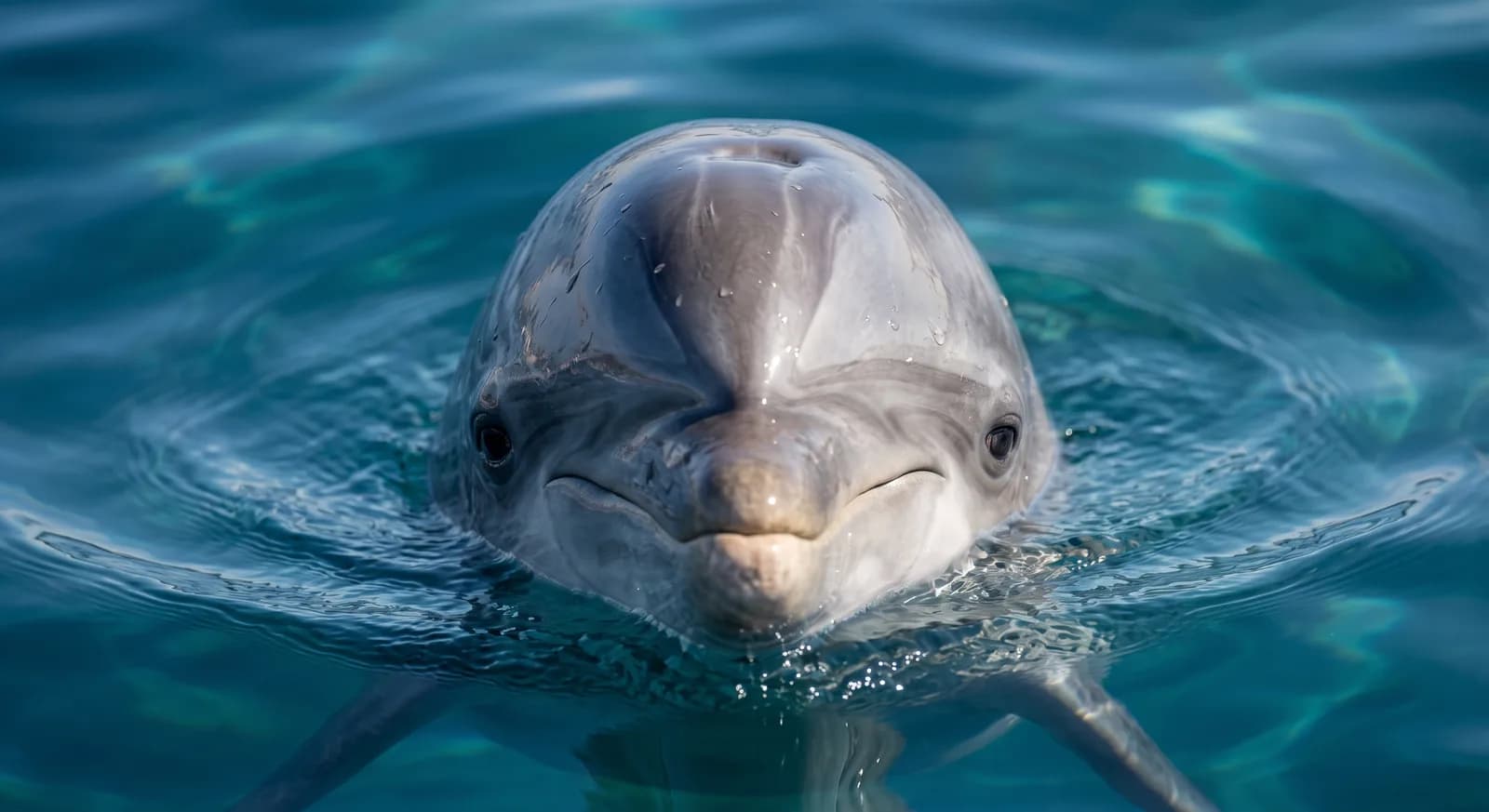
Bottlenose Dolphin
Tursiops truncatus
 Least Concern
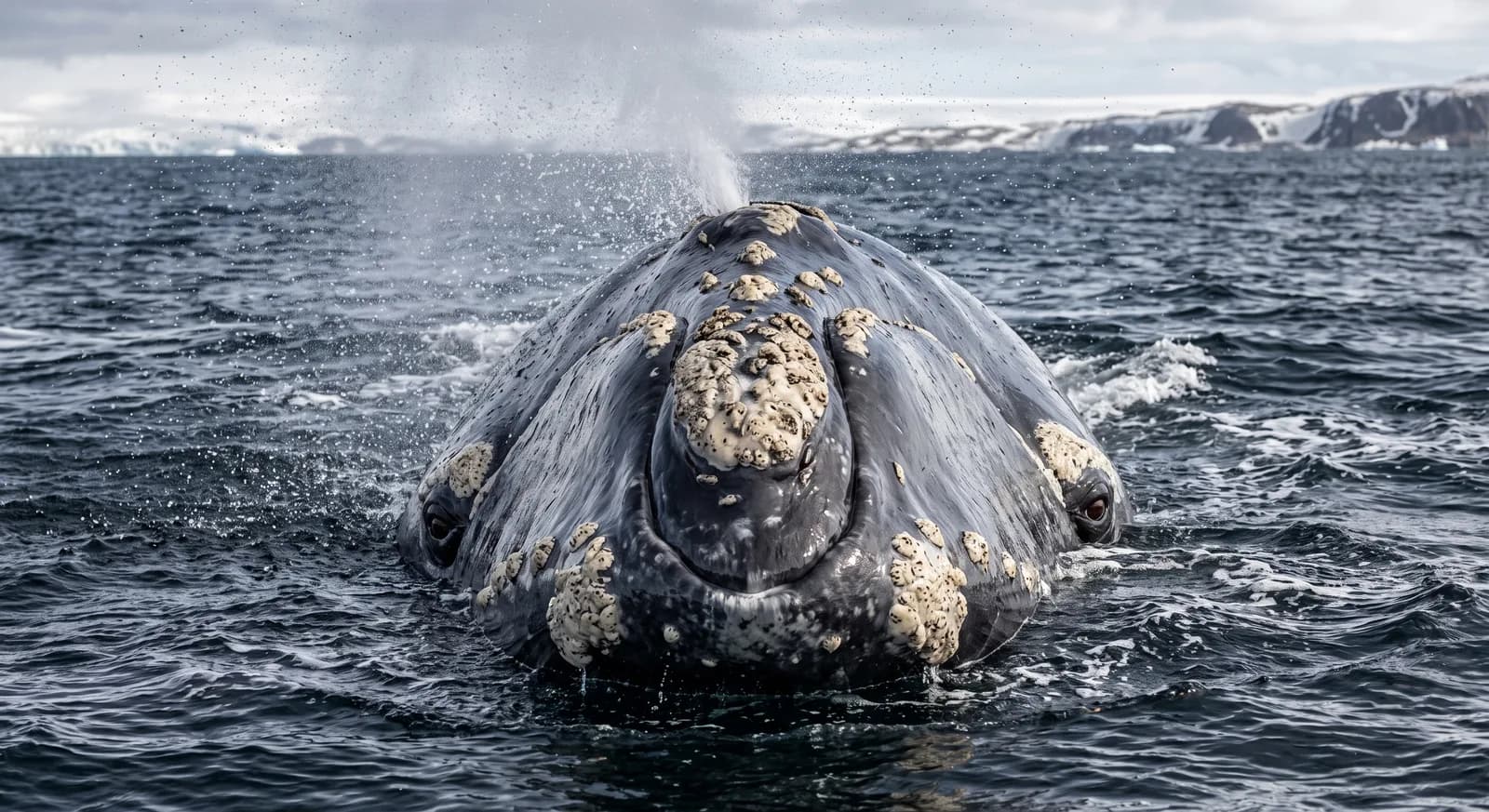
Southern Right Whale
Eubalaena australis
 Vulnerable
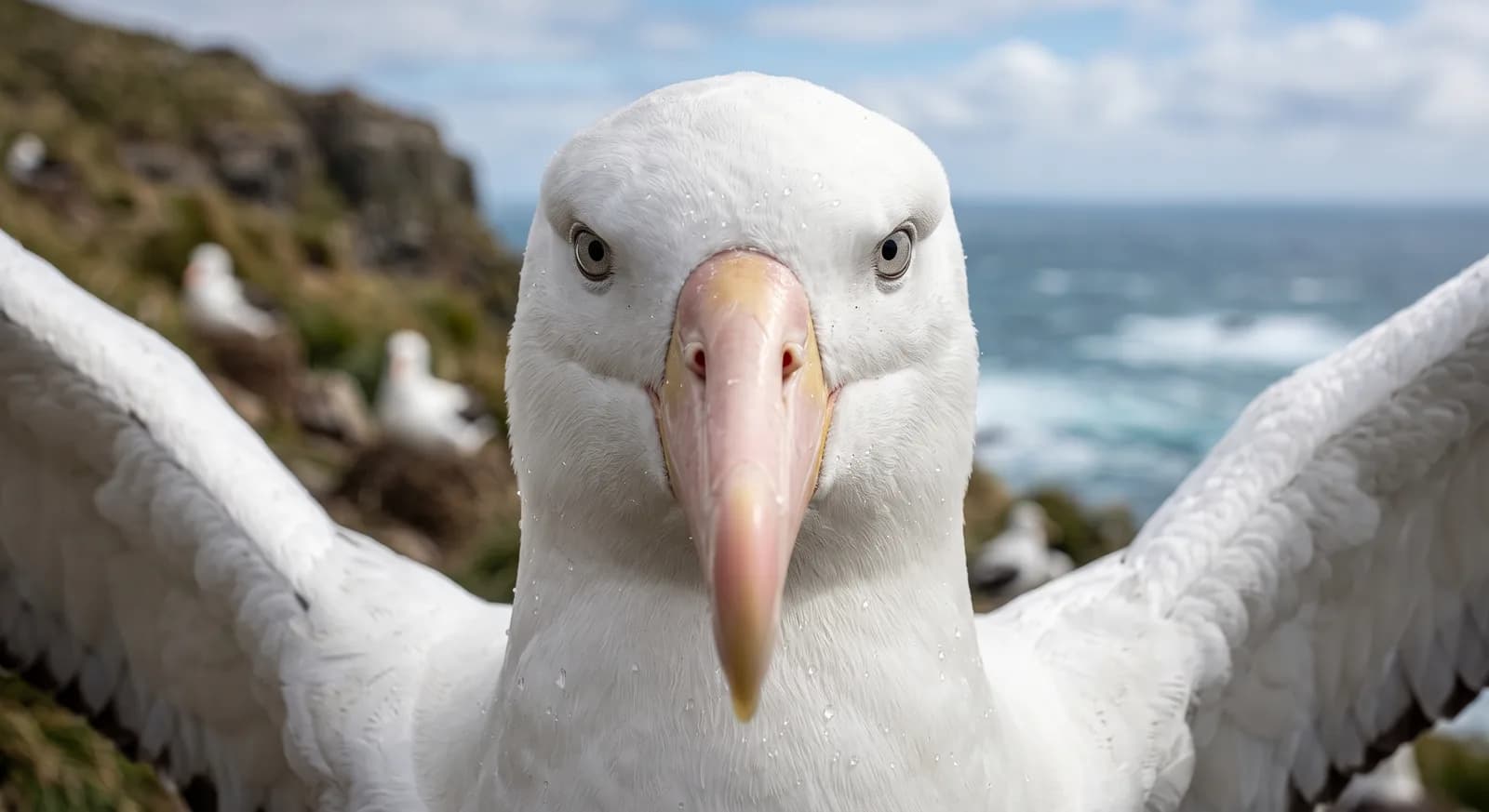
Southern Royal Albatross
Diomedea epomophora
 Least Concern
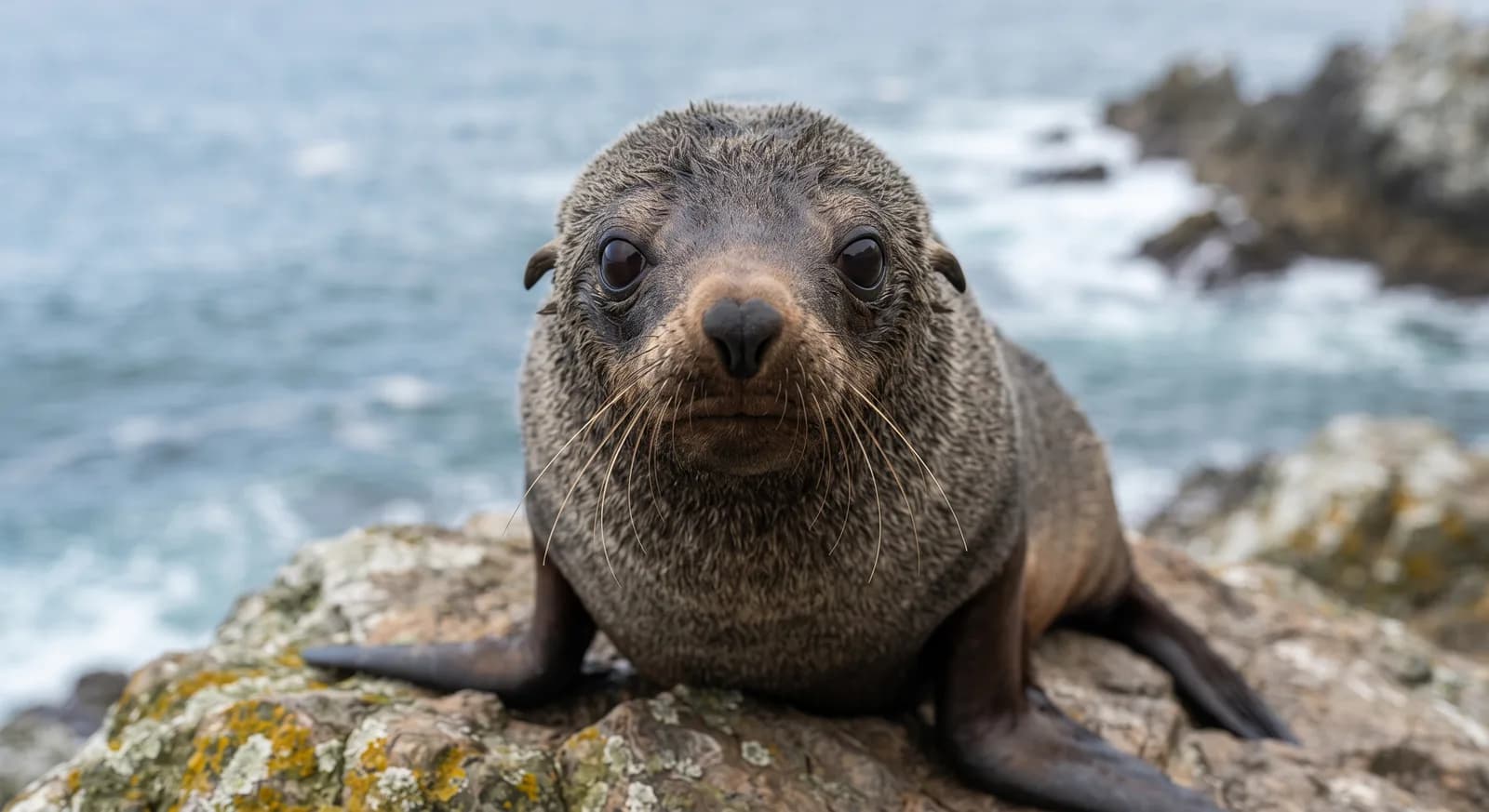
New Zealand Fur Seal
Arctocephalus forsteri
Fiordland Penguin
Eudyptes pachyrhynchus
How to help
The hector's dolphin is classified as endangered. Organizations such as UICN, WWF y Wildlife Conservation Society work specifically on its conservation and that of its habitat; looking into their programs is a good starting point if you want to get involved.
It's documented in 5 real protected areas — part of why protecting these places matters for its conservation.
Keep exploring
Based on what we already know about hector's dolphin.
Comments
Share an experience, a fun fact or a tip for seeing the hector's dolphin.
Be the first to comment.