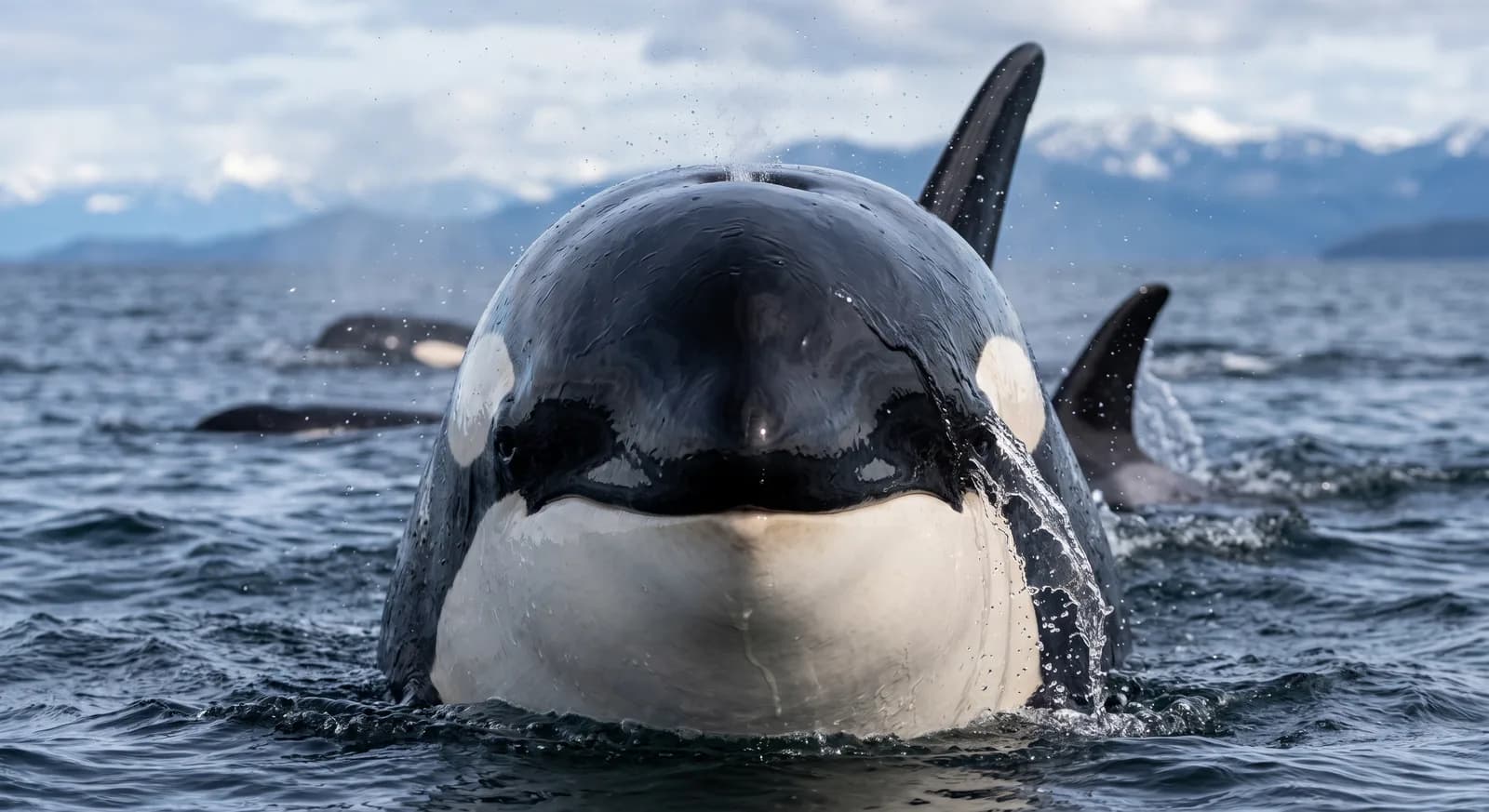
Mammals · Artiodactyla · Delphinidae
Killer Whale
Orcinus orca
It faces a very high risk of extinction in the wild in the near future. See full glossary
It lives in matriarchal pods where leadership passes down the female line. Females go through the menopause at around 40, a phenomenon that is extremely rare in the animal kingdom.
Weight
7.5 t – 10 t
Size
4.6 m – 6.2 m
Lifespan
50 years
Diet
Carnivore
Feeds mainly on other animals.
Activity
Irregular activity
Active at irregular times, by day or night depending on circumstances.
Social structure
Hierarchical pack
Lives in an organised hierarchical group, typical of cooperative hunters.
Sighting difficulty
Hard
Fun facts
- Females can live for 50 to 90 years or more, far outliving the males.
- It is one of the few animals, along with humans, in which females go through the menopause.
- It hunts in groups, taking fish, squid, seals, seabirds and even other cetaceans.
- comportamientoSome populations develop hunting techniques unique to their culture, such as making waves to wash seals off ice floes, passed down from one generation to the next.
Life cycle & biology
- Skeleton type
- Vertebrate - internal bony skeleton (mammal)
- Habitat & environment
- Every ocean in the world, from polar regions to tropical waters; the most widely distributed marine mammal after humans
- Birth weight
- 120-180 kg and ~2.4-2.6 m long at birth
- Size at birth
- 120-180 kg at birth
- Sexual maturity
- Female: ~11-18 years (average 15)
- Gestation / incubation
- 15-18 months
- Litter / clutch size
- 1 young per birth, with intervals of 3-10 years
Sources consulted: SeaWorld/United Parks; A-Z Animals; US FWS; Texas Tech NSRL Mammals of Texas; Dolphins World; Biology Insights; Alaska Department of Fish and Game
Where to find it
See its range on the interactive mapWhere to watch it
Parques y spots de buceo donde se ha documentado esta especie — se muestran 20 de 74 documentados.
Related species
Other species in the catalogue with the most in common with Killer Whale — same habitat, park, country, tags or family.
Hector's Dolphin
Cephalorhynchus hectori
 Least Concern
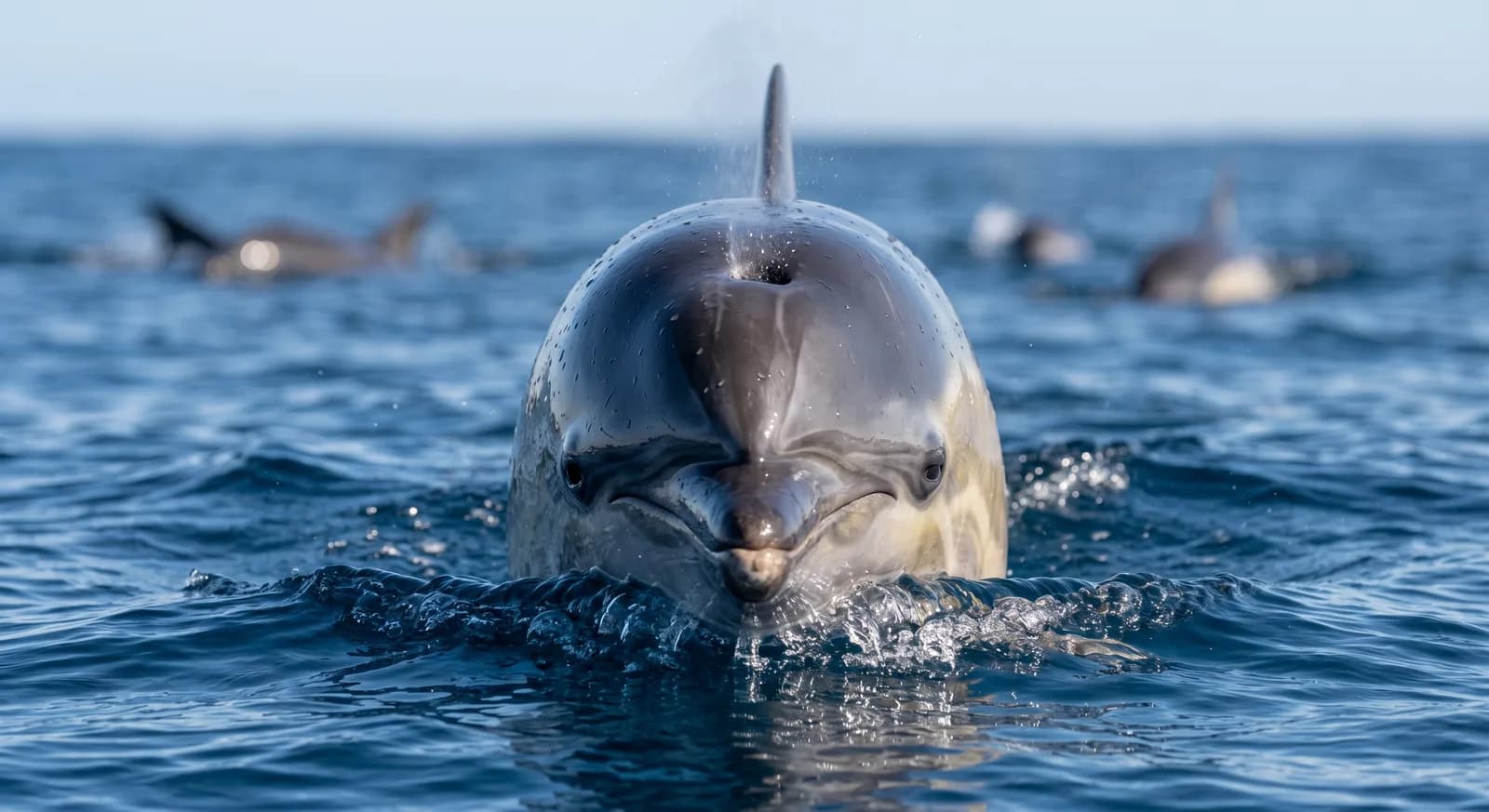
Short-beaked Common Dolphin
Delphinus delphis
 Least Concern
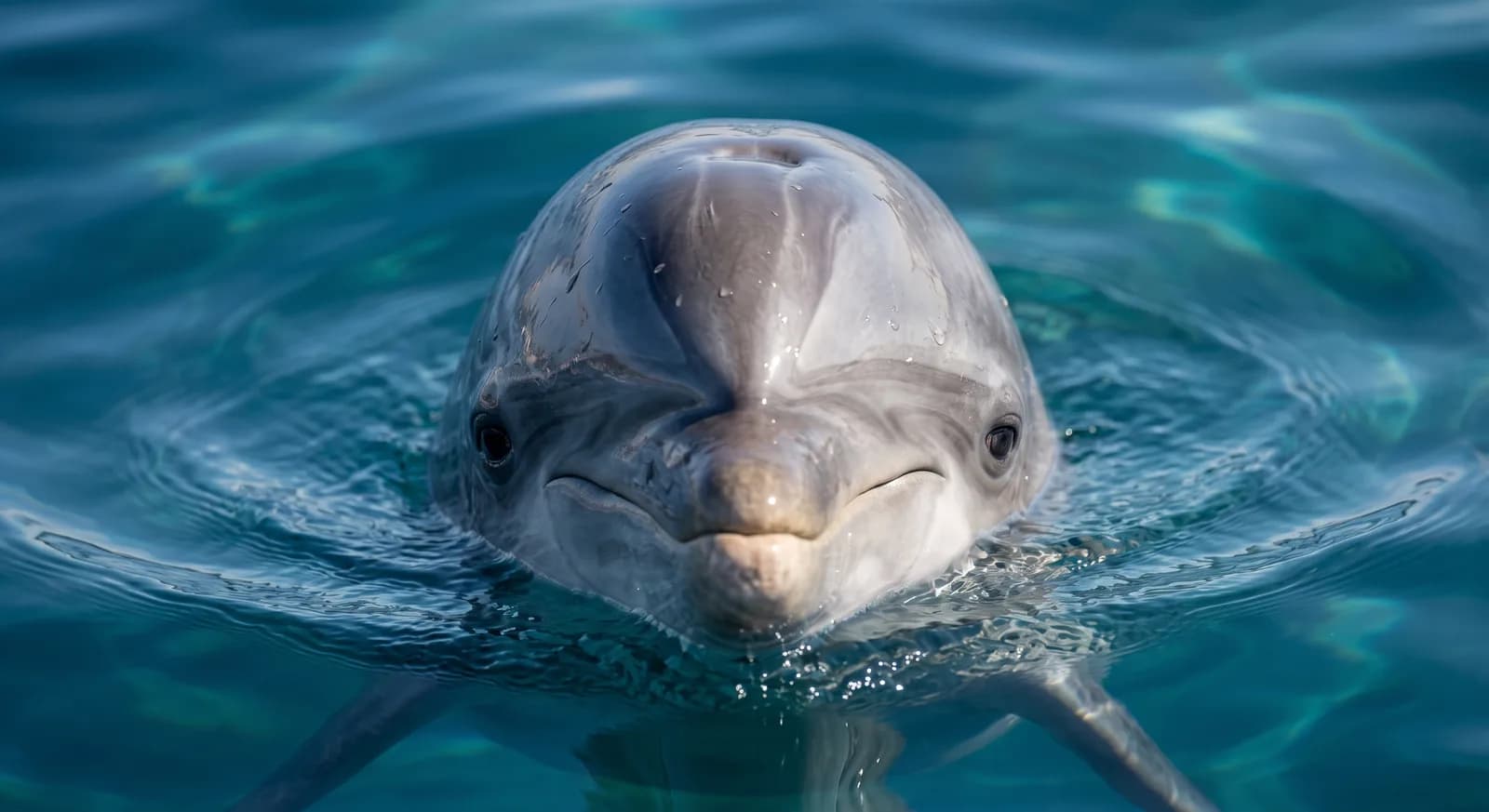
Bottlenose Dolphin
Tursiops truncatus
Commerson's Dolphin
Cephalorhynchus commersonii
Risso's Dolphin
Grampus griseus
Peale's Dolphin
Lagenorhynchus australis
How to help
The killer whale is classified as endangered. Organizations such as UICN, WWF y Wildlife Conservation Society work specifically on its conservation and that of its habitat; looking into their programs is a good starting point if you want to get involved.
It's documented in 12 real protected areas — part of why protecting these places matters for its conservation.
Keep exploring
Based on what we already know about killer whale.
Comments
Share an experience, a fun fact or a tip for seeing the killer whale.
Be the first to comment.