One of the 17 dolphins on WAnimals
Mammals · Artiodactyla · Delphinidae
Commerson's Dolphin
Cephalorhynchus commersonii
The species is abundant and widely distributed; it faces no significant short-term risk. See full glossary
The piebald dolphin or tonina overa, also called Commerson's dolphin, is a species of odontocete cetacean of the family Delphinidae that lives in the waters of the southern hemisphere. It was first described by the naturalist Philibert Commerson, who was part of Baron de Bougainville's round-the-world expedition; later, the toninas overas were studied by the expert Francisco P. Moreno and also by the biologist Rae Natalie Prosser de Goodall.
Weight
35 kg – 60 kg
Size
1.3 m – 1.7 m
Lifespan
18 years
Diet
Carnivore
Feeds mainly on other animals.
Social structure
Herd
Lives in large groups as a strategy against predators.
Sighting difficulty
Easy
Fun facts
- GeneralBlack and white like a miniature orca; it measures a little over 1.4 m.
- It has two populations separated by some 8,500 kilometres of open ocean: one in Atlantic Patagonia and one in the Kerguelen Islands, in the middle of the subantarctic Indian Ocean, and the animals of each differ clearly in size and colour.
- The calves are born grey and brown and only take on the black and white contrast of the adults after a few months.
- Its strongly marked black-and-white pattern has earned it the names of panda dolphin and skunk dolphin; in South America it is known as the tonina overa.
- It has two subspecies separated by 130 degrees of longitude and some 8,500 km, and nobody knows why: one at the tip of South America and another in the Kerguelen Islands, in the Indian Ocean. The Kerguelen one is larger, with less contrasting grey tones.
- It is one of the smallest dolphins in the world: it does not exceed 1.7 m.
- It seeks out areas of strong current. In the Strait of Magellan it prefers waters running faster than 15 km/h.
- It swims inside and along the edge of the kelp forests, just like Peale's dolphin, with which it shares its range.
- A 2022 study found that females are philopatric and males are the ones that disperse, a pattern that explains the genetic structure of its populations.
Life cycle & biology
- Skeleton type
- Vertebrate - internal bony skeleton (mammal)
- Habitat & environment
- Cold coastal waters and estuaries of Patagonia
- Sexual maturity
- 5.5 years
- Gestation / incubation
- 11.5 months
- Litter / clutch size
- 1
Sources consulted: https://es.wikipedia.org/wiki/Cephalorhynchus_commersonii
Where to find it
See its range on the interactive mapWhere to watch it
Parks and dive sites where this species has been documented.
Related species
Other species in the catalogue with the most in common with Commerson's Dolphin — same habitat, park, country, tags or family.
Peale's Dolphin
Lagenorhynchus australis
 Least Concern
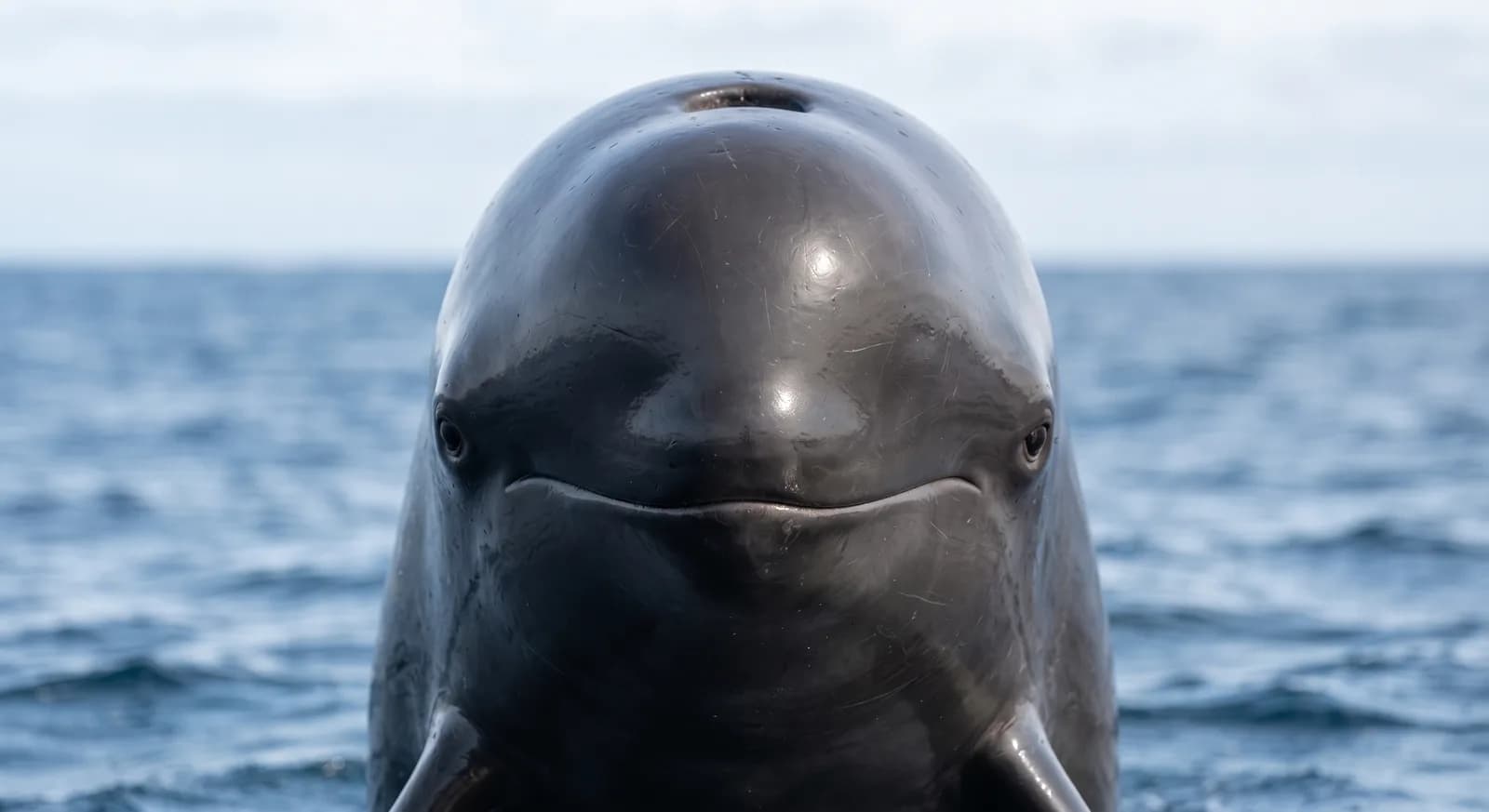
Long-finned Pilot Whale
Globicephala melas
 Endangered
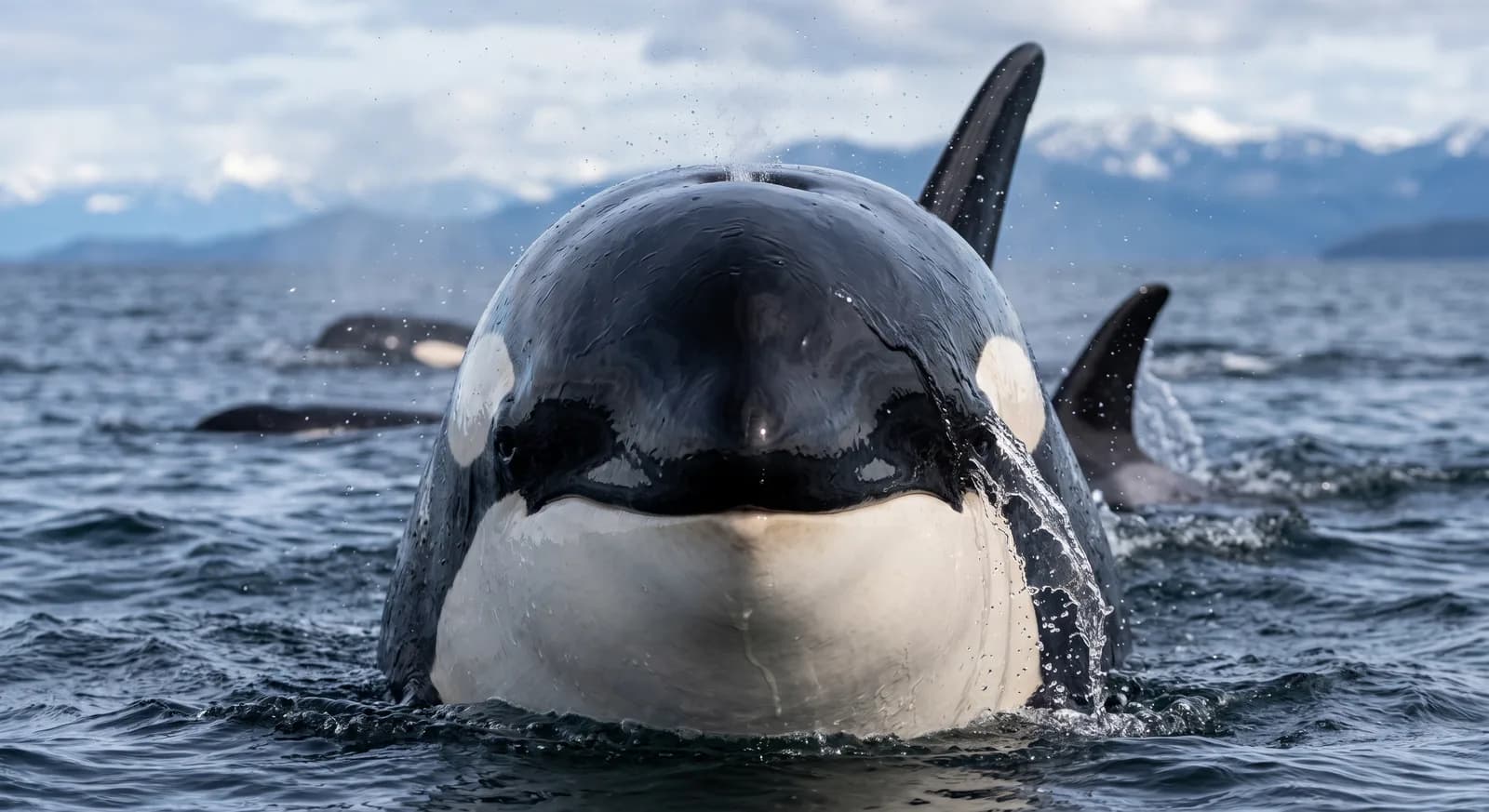
Killer Whale
Orcinus orca
South American Fur Seal
Arctocephalus australis
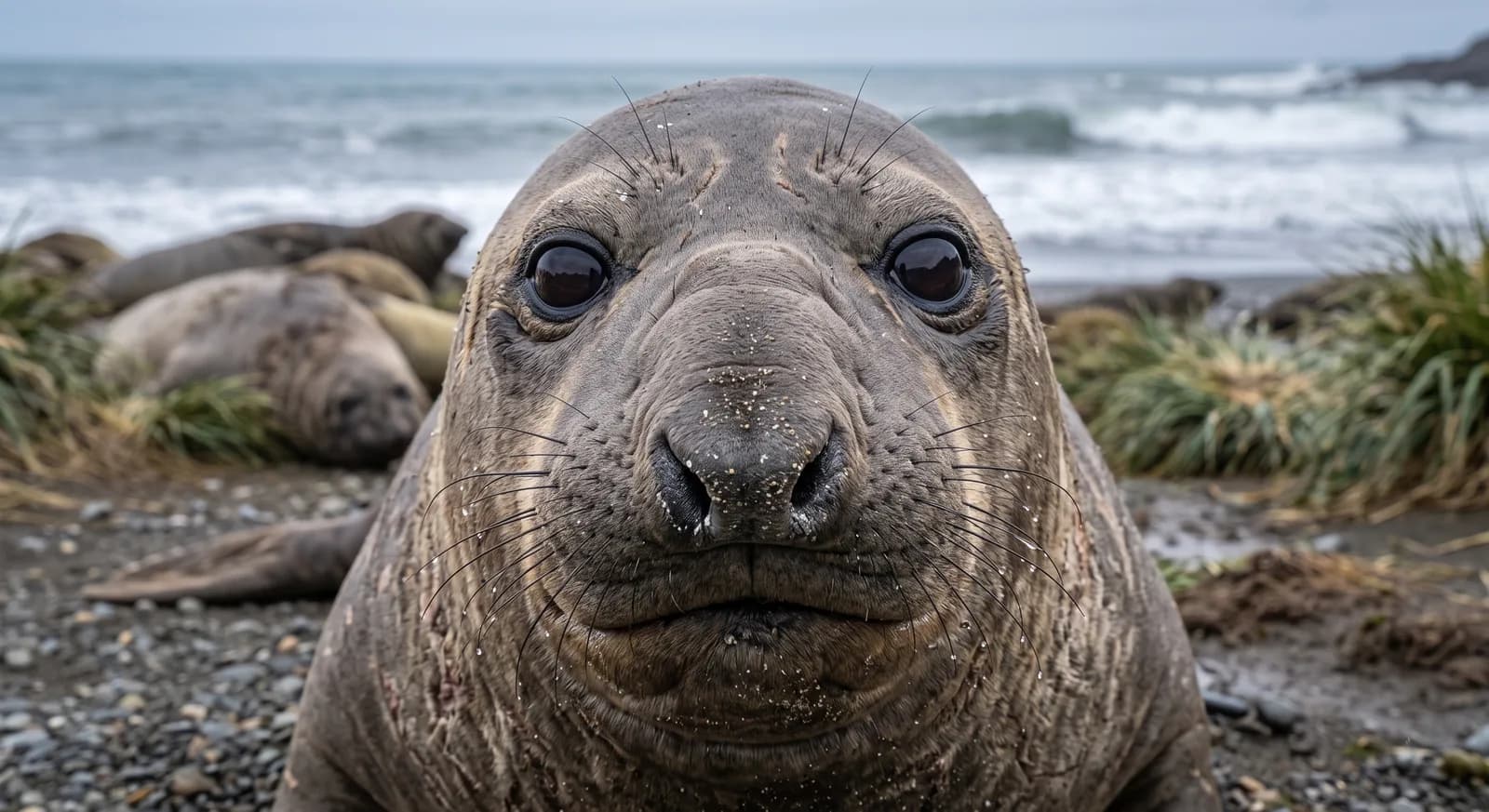 Vulnerable
Southern Elephant Seal
Mirounga leonina
South American Sea Lion
Otaria flavescens
Keep exploring
Based on what we already know about commerson's dolphin.
Comments
Share an experience, a fun fact or a tip for seeing the commerson's dolphin.
Be the first to comment.