Uruguay
América del Sur
Uruguay is a country of grassland: it has no mountains of any size and no rainforest, and its dominant landscape is the pampa, a sea of rolling grassland dotted with low ranges, butiá palm groves and riverside woodland following the courses of the rivers. That apparent uniformity conceals one of the most threatened and least protected ecosystems in the world, with an extremely high diversity of grasses and grassland birds in global decline. In the east, the Bañados del Este form an enormous system of wetlands, coastal lagoons and dunes declared a biosphere reserve, which serves as a wintering ground for migratory birds from both hemispheres. The Atlantic coast combines beaches, rocky points and islands where sea lions gather.
The nature of Uruguay
National animal: No official national animal; the southern lapwing, or tero, is the country's national bird
Did you know?
Isla de Lobos, off Punta del Este, holds one of the largest South American sea lion and South American fur seal colonies in the world, with tens of thousands of animals packed onto an islet of barely a few hectares. It was exploited for centuries for its skins and oil, first by the Spanish crown and later by the Uruguayan state, until hunting was finally banned in 1991 and the colony was protected.
Biodiversity profile
Climate
- •Subtropical humedo (Cfa), sin estacion seca marcada, templado todo el año
Main biomes
- •Pampa/pastizales templados (bioma dominante, compartido con Argentina y sur de Brasil)
- •Bosque de galeria en cursos de agua
- •Sabanas de quebradas subtropicales en el norte (frontera con Brasil)
- •Pradera de la pampa
- •Humedal costero
- •Laguna litoral
- •Palmar de butiá
- •Bosque ribereño
- •Duna atlántica
- •Isla de lobos marinos
Marine and coastal ecosystems
- •Costa atlantica y del Rio de la Plata con humedales y playas
- •Zonas de descanso de aves migratorias costeras
Flagship wildlife
- •Carpincho (capibara)
- •Aguara guazu (lobo de crin)
- •Tero (lapwing sureño, ave muy comun)
- •Ñandu
- •Zorro de monte
- •Lobo marino sudamericano
- •Lobo fino sudamericano
- •Ballena franca austral
- •Capibara
- •Venado de campo
- •Tortuga verde
- •Delfín franciscana
Notable endemic species
- •Endemismo relativamente bajo en comparacion con paises andinos o amazonicos, tipico de pastizales templados compartidos regionalmente; datos especificos de especies endemicas exclusivas no confirmados con precision en fuentes consultadas
Notable threatened species
- •Aguara guazu o lobo de crin (Casi Amenazado)
- •Datos cuantitativos de especies amenazadas a nivel nacional limitados por la escasez de datos digitales de biodiversidad del pais
Notable protected areas
- •Reserva de Biosfera Bioma Pampa-Quebradas del Norte (UNESCO, Rivera)
- •Valle del Lunarejo (paisaje protegido)
- •Reserva de la Biosfera Bañados del Este
- •Parque Nacional Cabo Polonio
- •Isla de Lobos
- •Quebrada de los Cuervos
- •Laguna de Rocha
- •Palmar de Castillos
Main conservation threats
- •Uruguay tiene los niveles mas bajos de datos digitales de biodiversidad disponibles en America Latina, lo que dificulta la conservacion basada en evidencia
- •36,2% del territorio ya modificado por actividad humana
- •Red de areas protegidas la menos desarrollada de la region segun estudios cientificos
- •Expansion de monocultivos forestales industriales
Conservation
The pampas deer, once abundant across the whole pampa, survives in a few isolated populations on private land and in protected areas. The conversion of natural grassland to soya and forestry plantations is the country's main environmental transformation of recent decades.
Where and when to watch wildlife
The coast of Rocha and Maldonado between July and November for the southern right whale. Cabo Polonio year-round for sea lions. The Bañados del Este between October and March for migratory birds.
Uruguay es señalado explicitamente en la literatura cientifica como el pais con menor disponibilidad de datos de biodiversidad digitalizados de America Latina; esto limita la calidad de esta ficha respecto a otros paises del lote.
Sources: PMC - Biodiversidata: dataset for vascular plant diversity Uruguay | BioDB.com - Uruguay | EBSCO Research Starters - Uruguayan Savannas Pampa Grasslands | Wikipedia - Bioma Pampa-Quebradas del Norte
Parks and reserves
Cabo Polonio
Shifting dunes and a village with no roads and no electricity, holding one of the largest sea lion colonies in South America.
View parkNational ParkEsteros de Farrapos
It protects river islands of the river Uruguay, key to the region's Corredor de las Aves Pintadas birding route
View parkNational ParkSanta Teresa
Uruguay's oldest protected area, around a colonial fortress, with an arboretum of thousands of species.
View parkDiving and snorkelling
Especies documentadas en Uruguay
176 species found
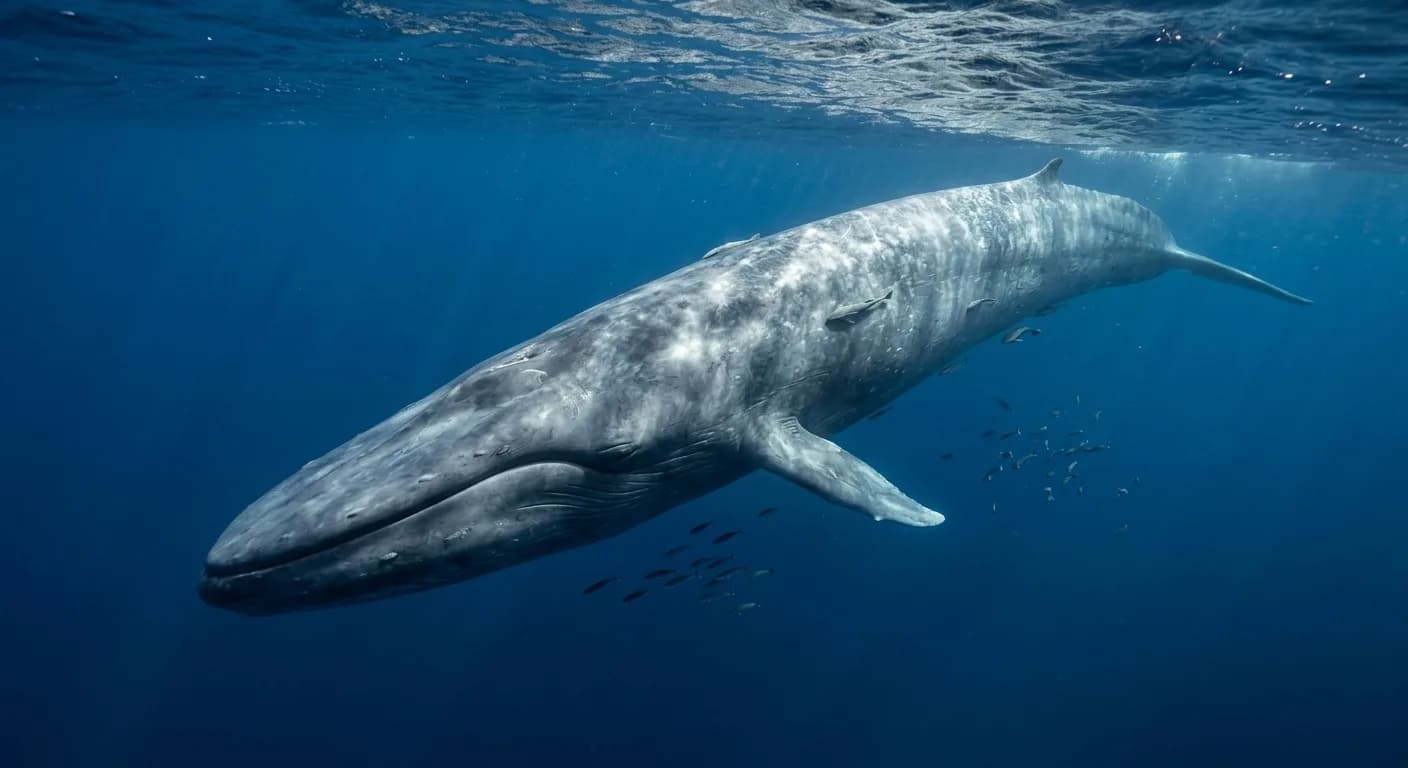 Endangered
Blue Whale
Balaenoptera musculus
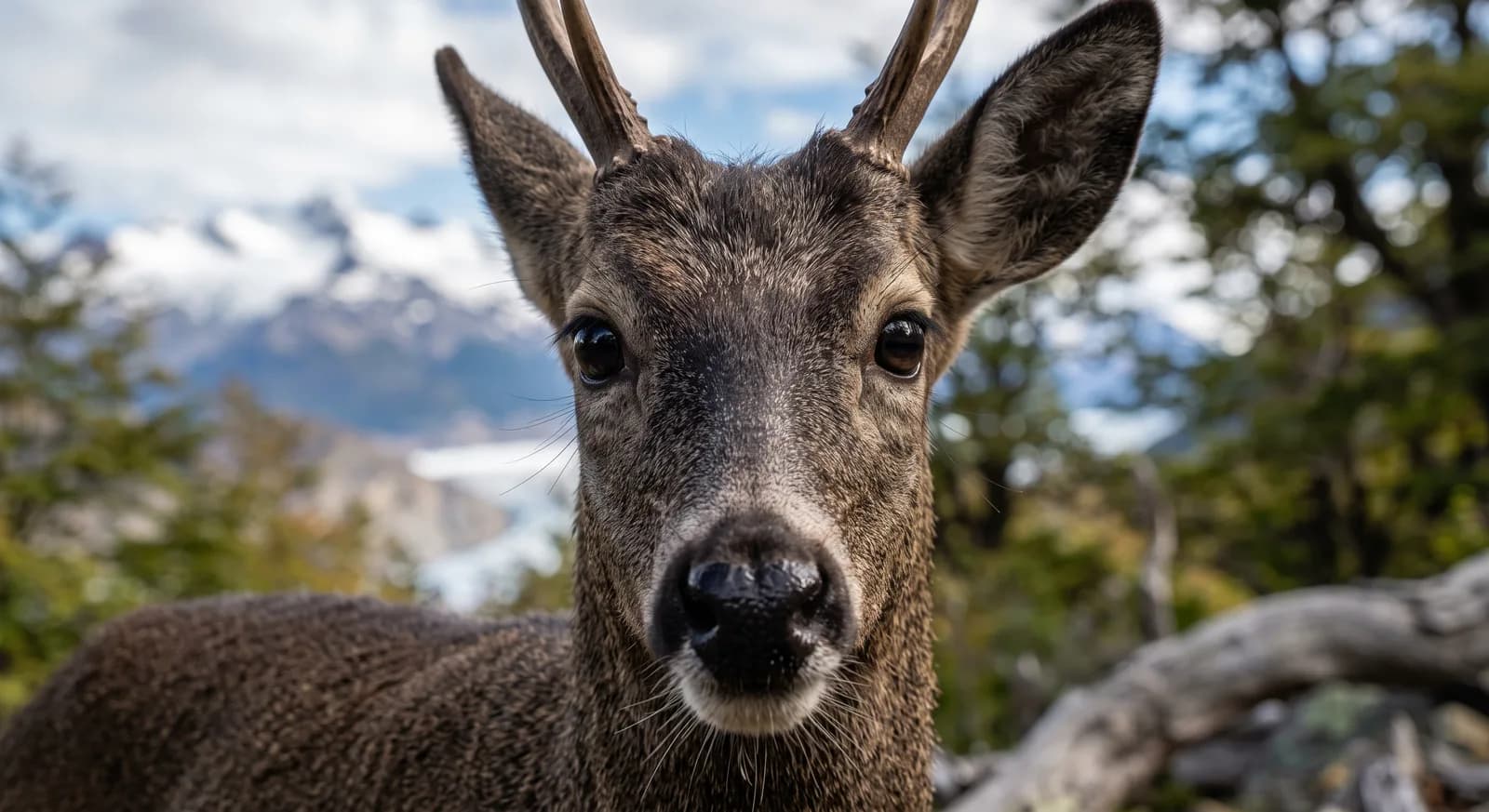 Endangered
Patagonian Huemul
Hippocamelus bisulcus
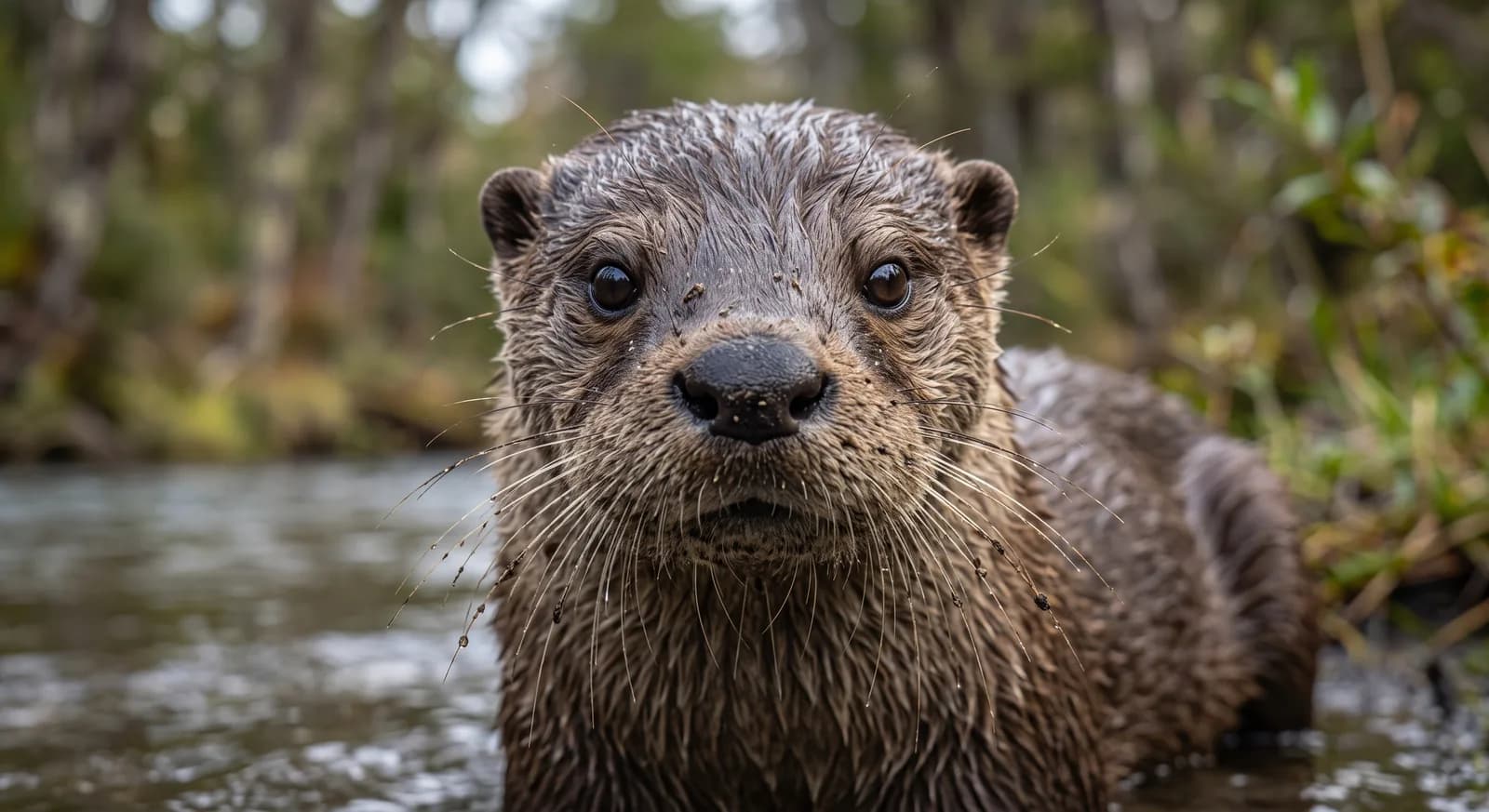 Endangered
Southern River Otter
Lontra provocax
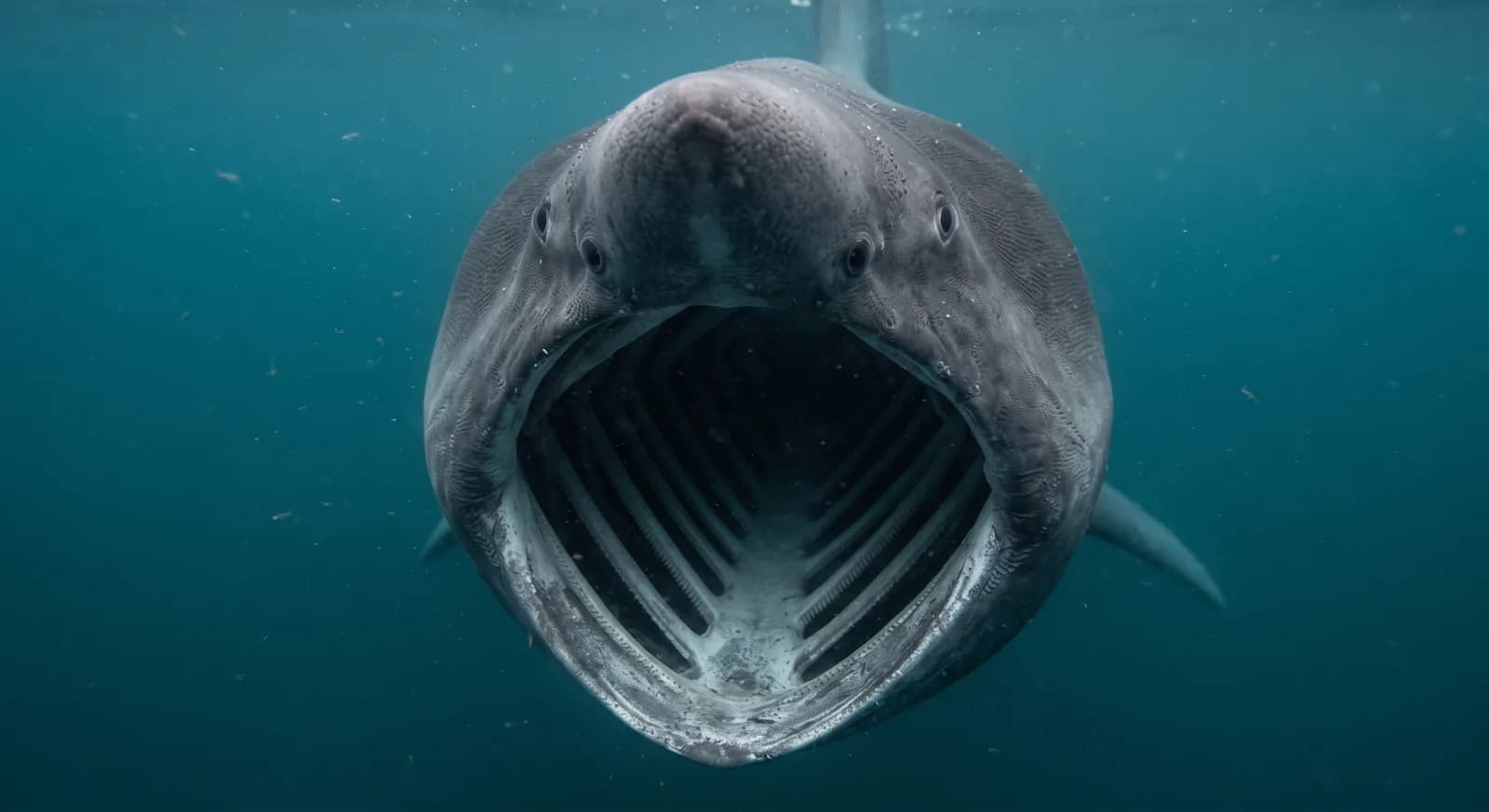 Endangered
Basking Shark
Cetorhinus maximus
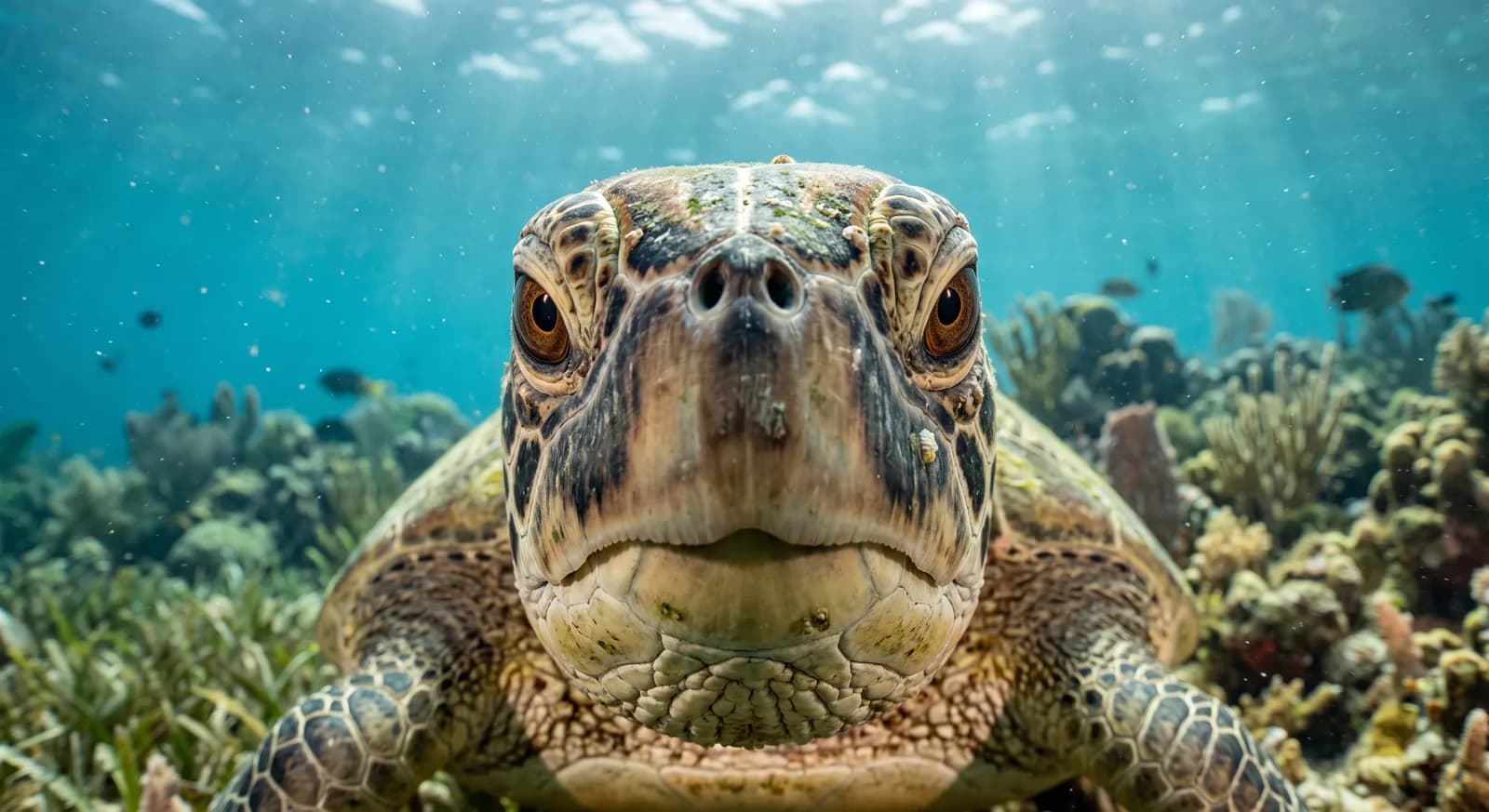 Endangered
Green Turtle
Chelonia mydas
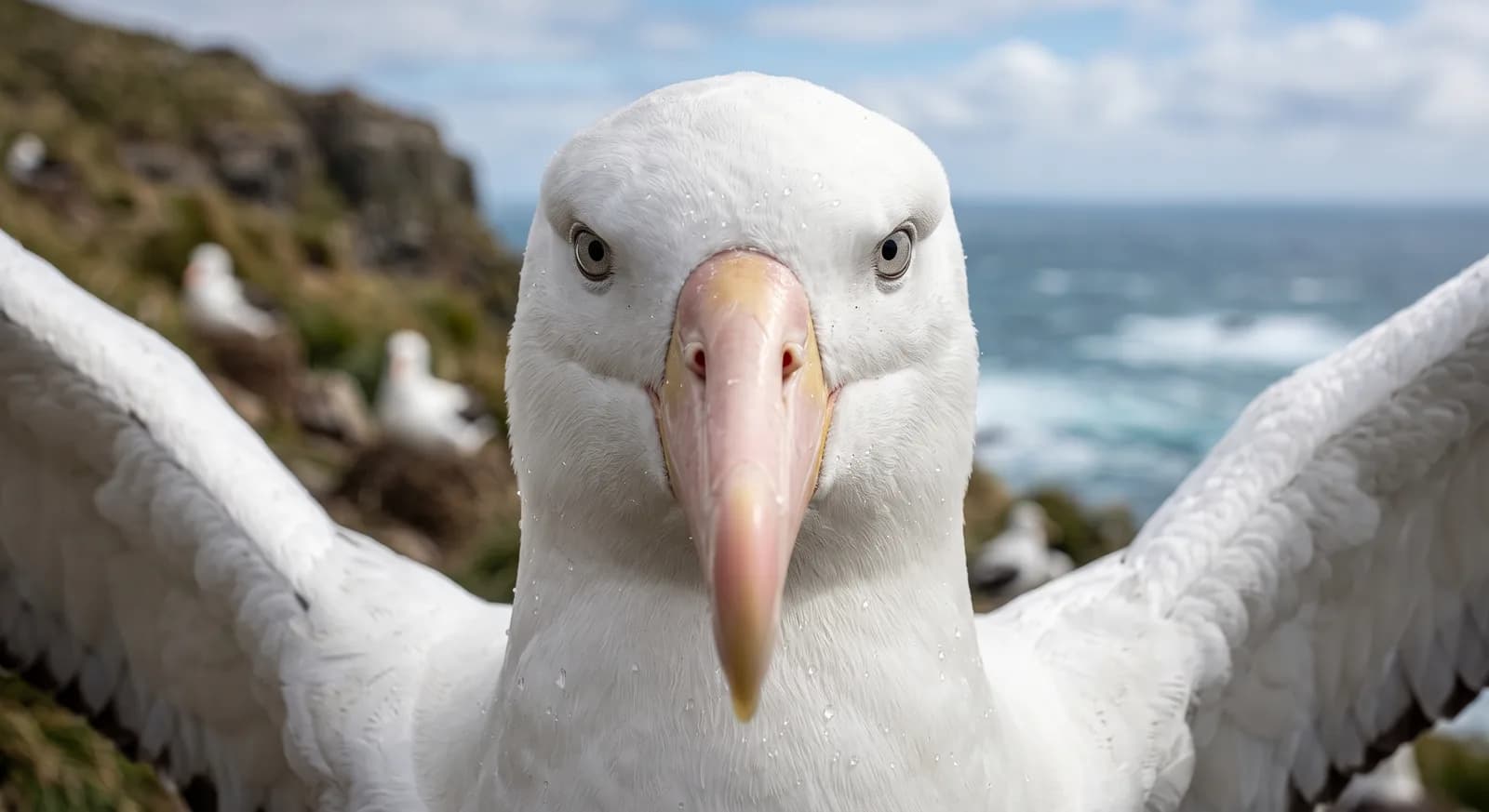 Vulnerable
Southern Royal Albatross
Diomedea epomophora
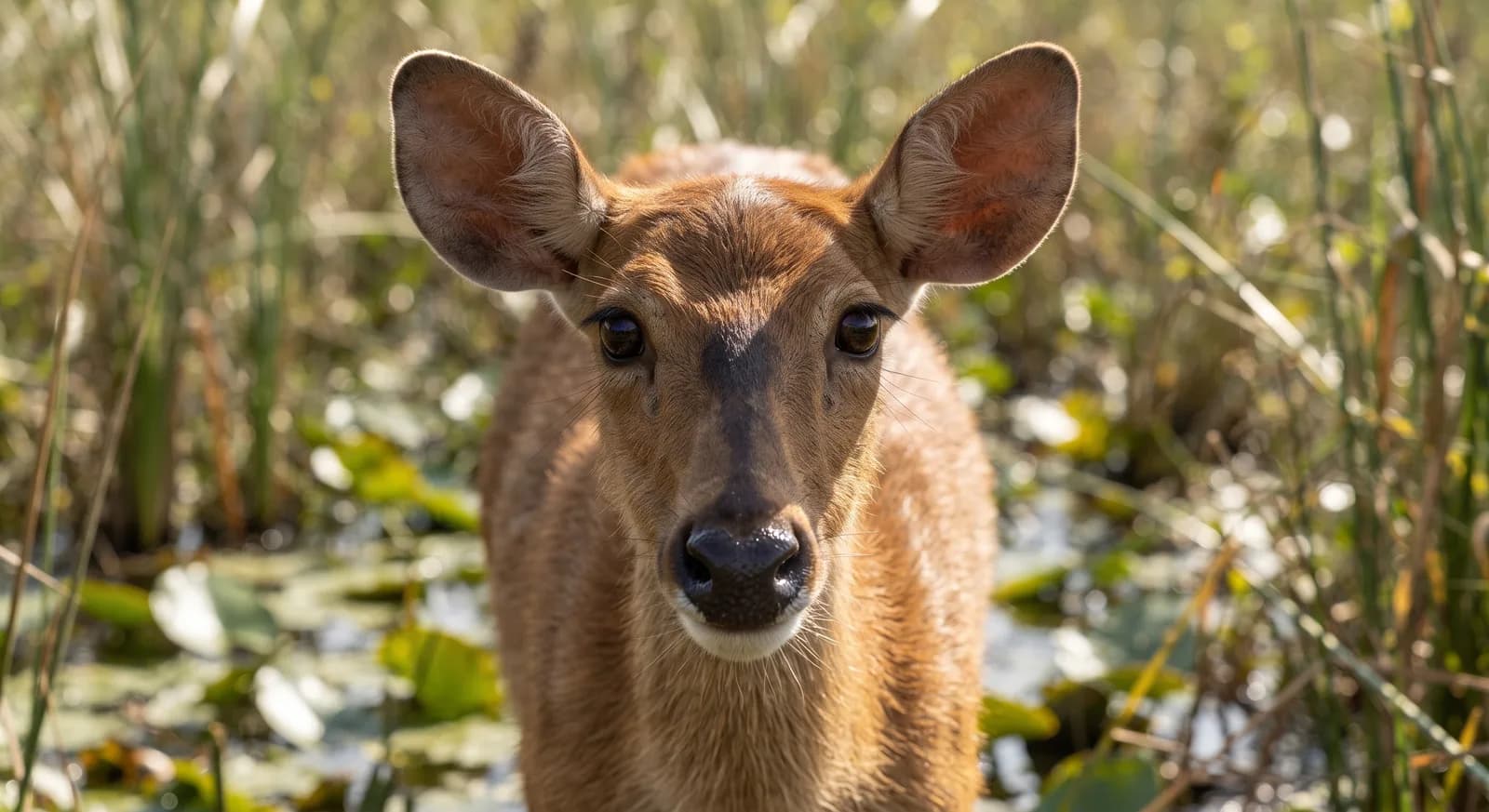 Vulnerable
Marsh Deer
Blastocerus dichotomus
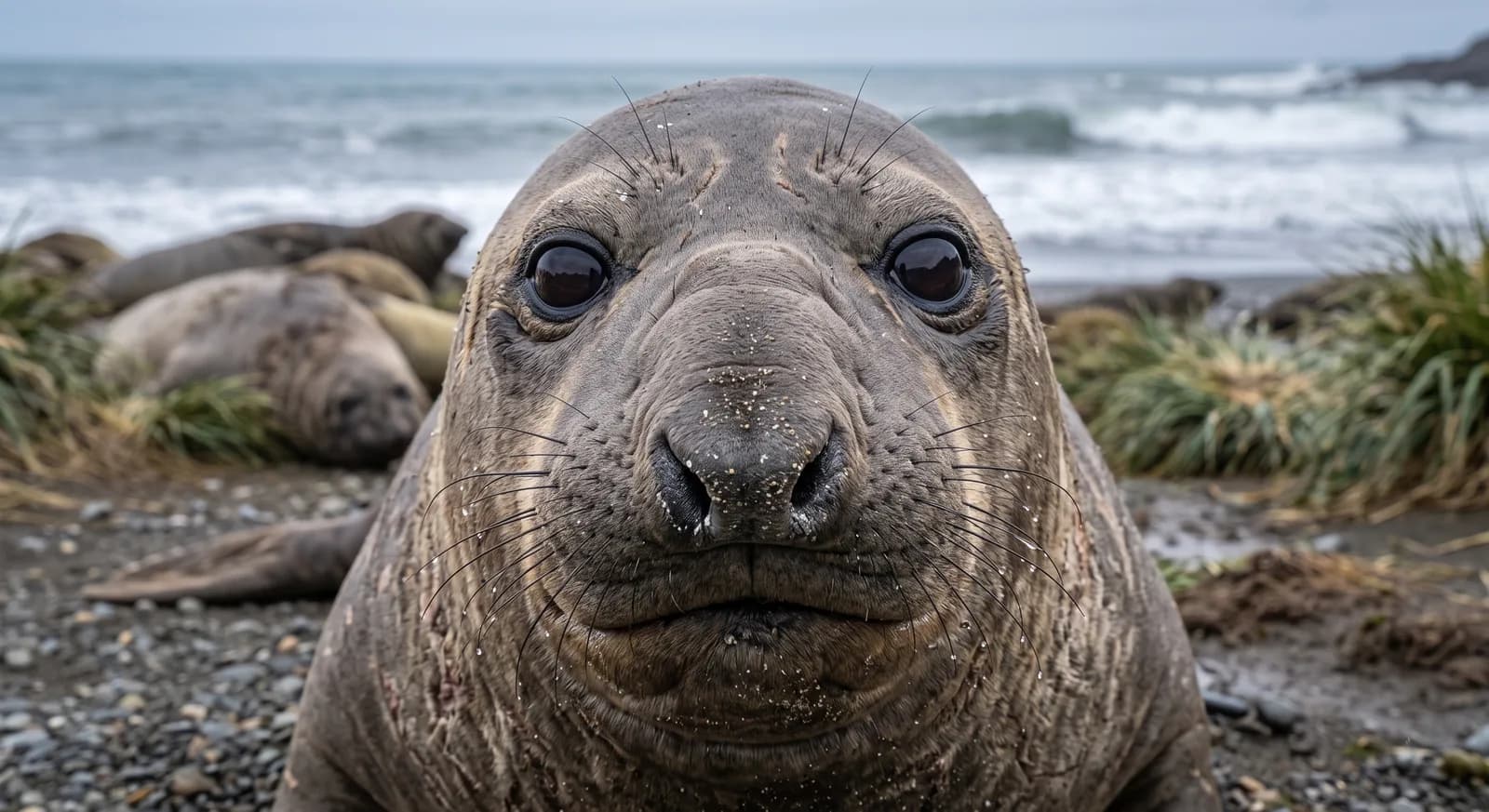 Vulnerable
Southern Elephant Seal
Mirounga leonina
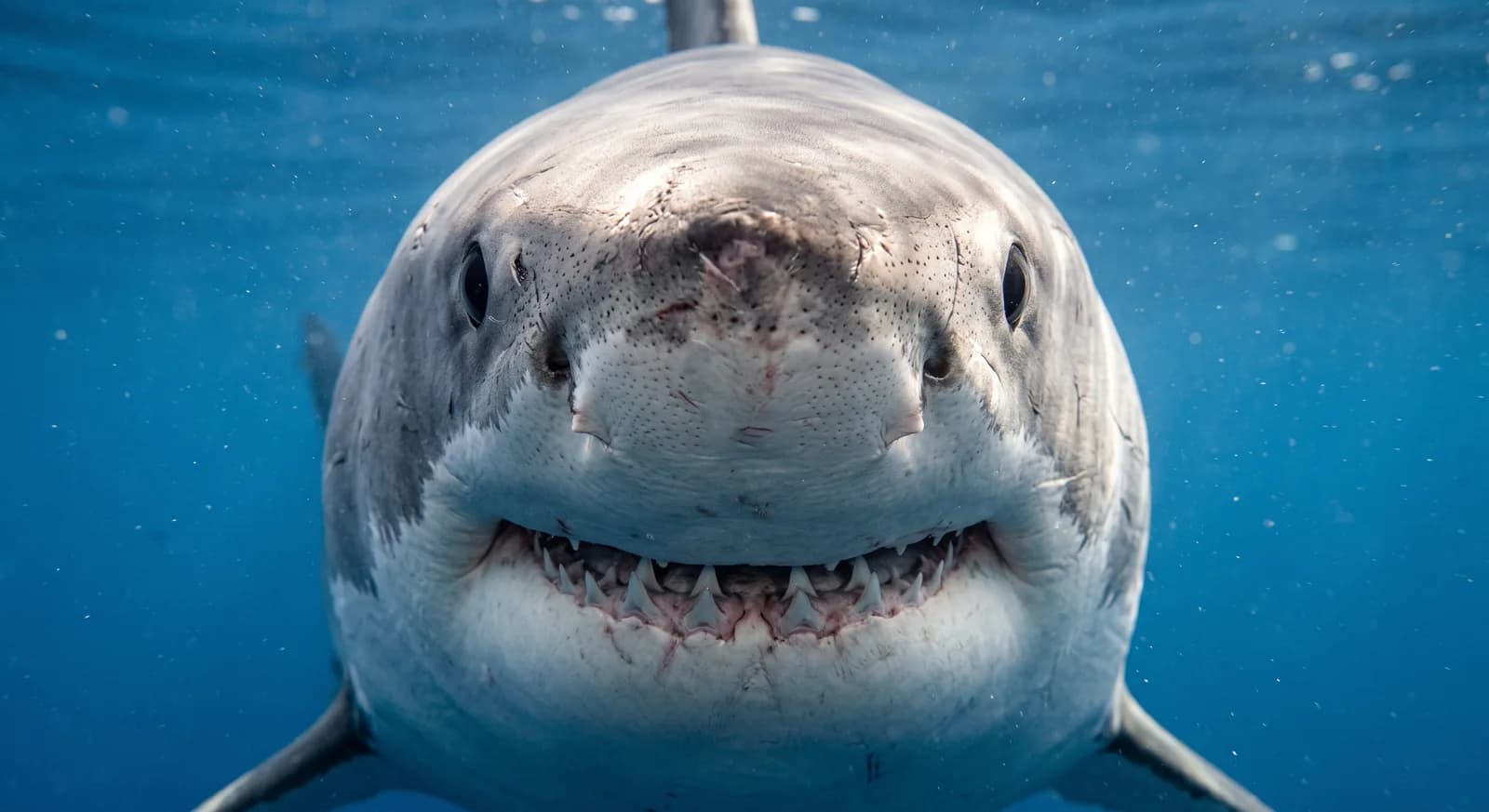 Vulnerable
Great White Shark
Carcharodon carcharias
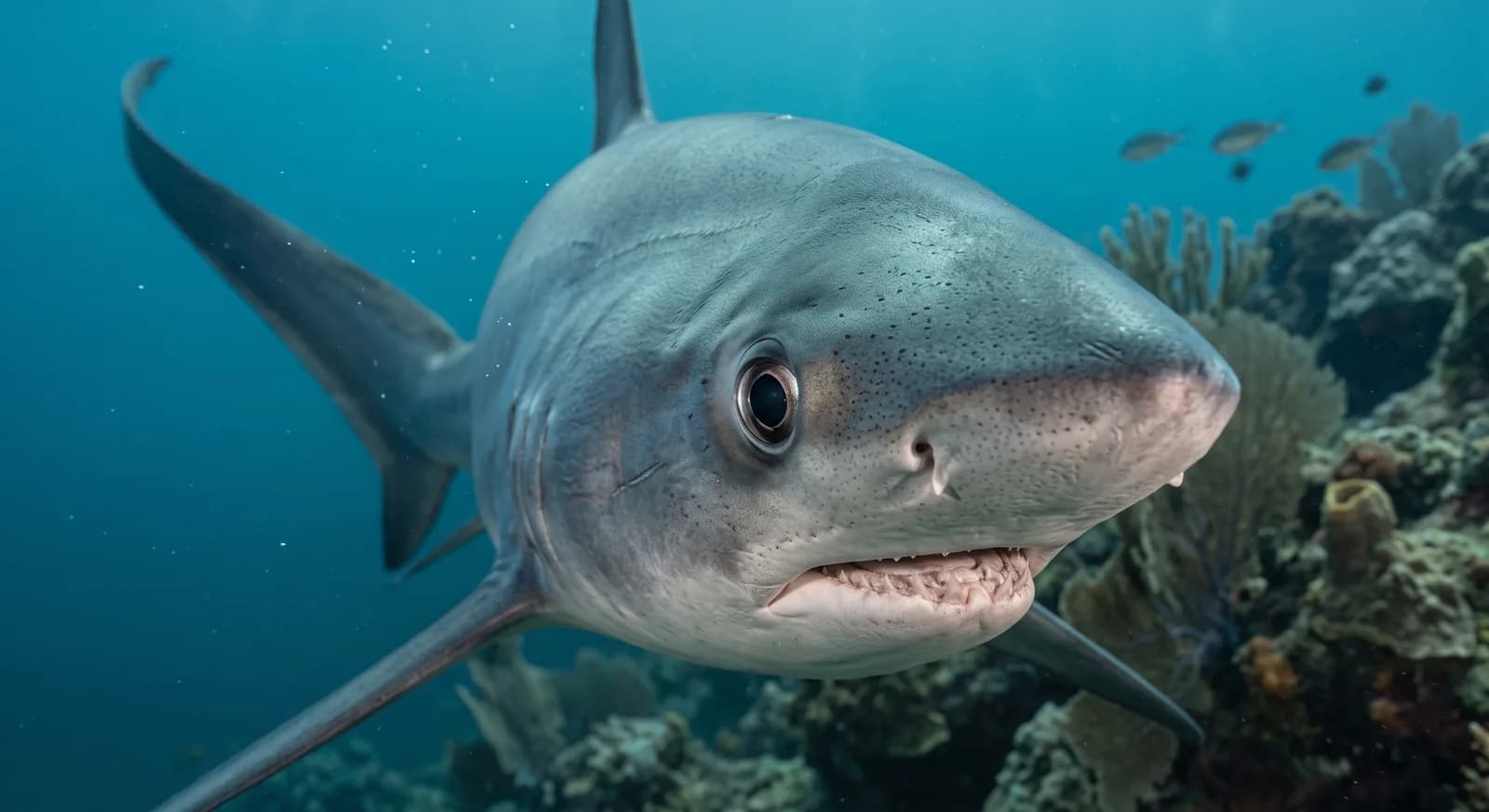 Vulnerable
Grayfish
Alopias vulpinus
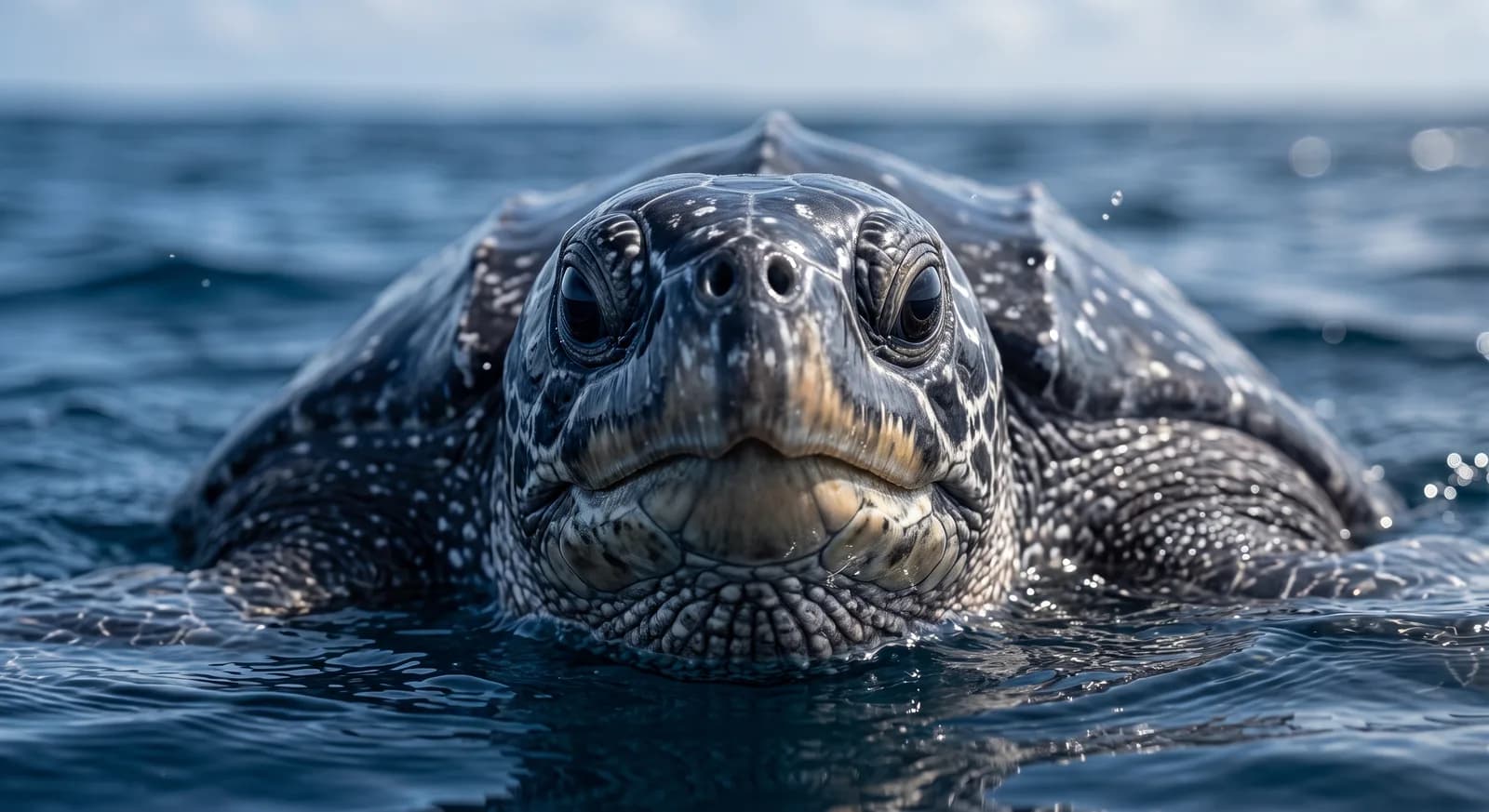 Vulnerable
Leatherback Sea Turtle
Dermochelys coriacea
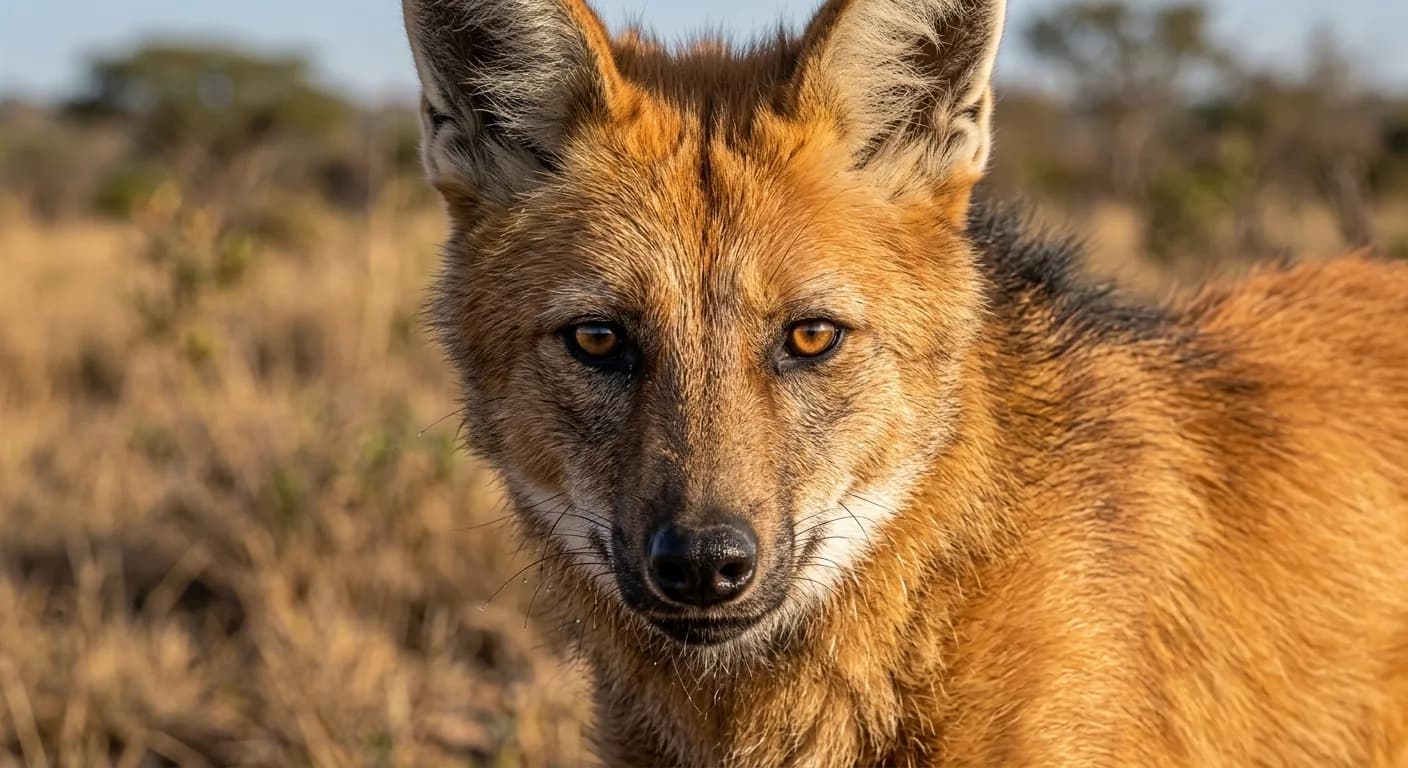 Near Threatened
Maned Wolf
Chrysocyon brachyurus
Keep exploring
Based on what we already know about Uruguay.