One of the 26 sharks on WAnimals
Cartilaginous fish · Lamniformes · Alopiidae
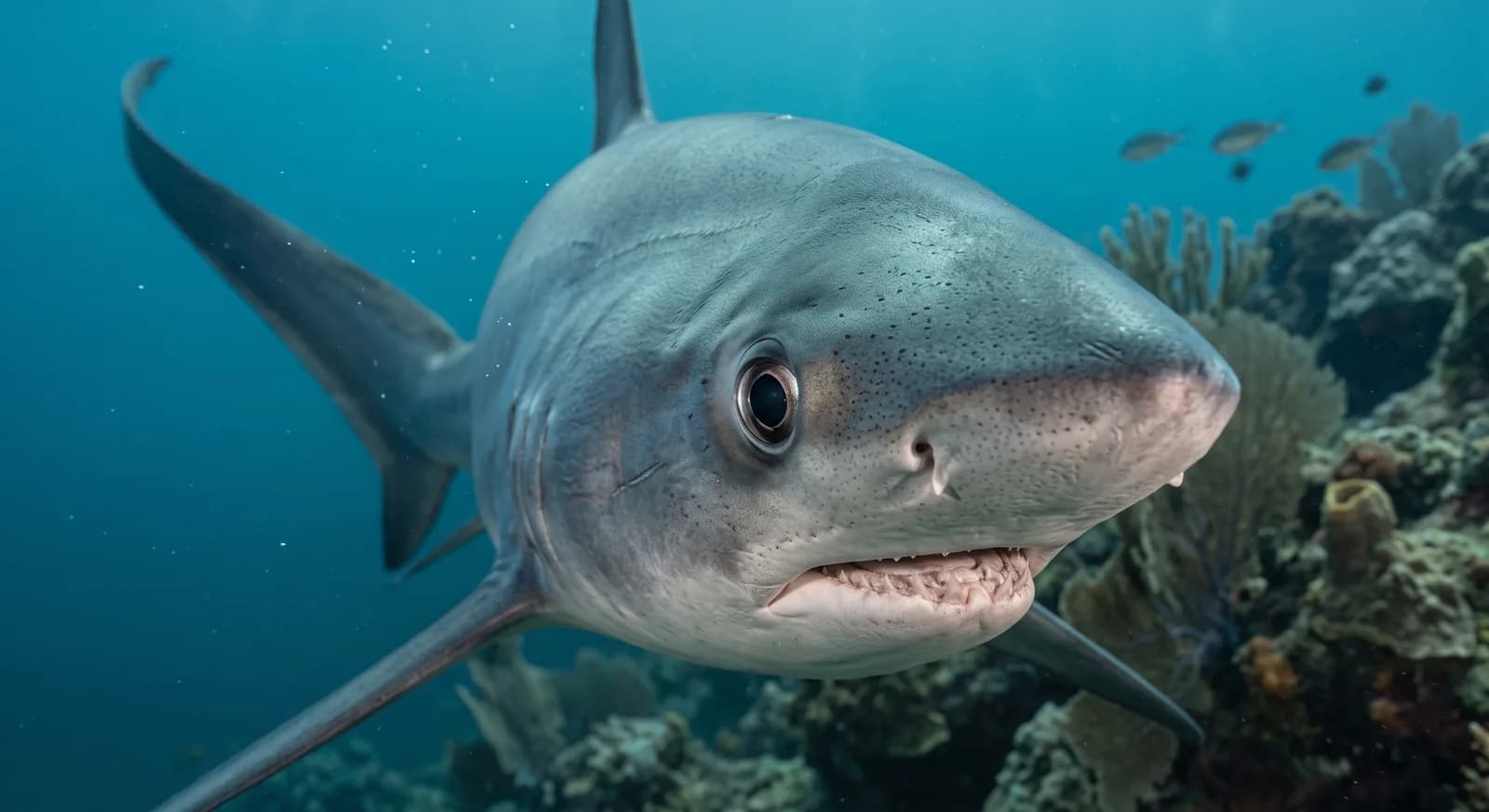
Grayfish
Alopias vulpinus
It faces a high risk of extinction in the wild over the medium term. See full glossary
Its extraordinary upper tail lobe, which can be almost half its total body length, is used like a whip to stun and daze whole shoals of fish before eating them.
Weight
200 kg – 510 kg
Size
2.7 m – 6.1 m
Lifespan
40 years
Diet
Carnivore
Feeds mainly on other animals.
Activity
Irregular activity
Active at irregular times, by day or night depending on circumstances.
Social structure
Solitary
Lives and hunts alone, joining others only to breed.
Sighting difficulty
Moderate
Fun facts
- It uses its enormous tail fin like a whip to stun shoals of fish.
- Its embryos practise oophagy, feeding on unfertilised eggs in the womb.
- Thanks to that, it is already over a metre long at birth.
Life cycle & biology
- Skeleton type
- Vertebrate - cartilaginous skeleton (chondrichthyan fish)
- Habitat & environment
- Temperate and tropical coastal and oceanic waters worldwide, from the surface down to 650 m
- Birth weight
- 1.14 - 1.5 m long at birth
- Size at birth
- 1.14 - 1.5 m long at birth
- Sexual maturity
- Male: 8-14 years | Female: 7-13 years (some sources give 9-13.4 years)
- Gestation / incubation
- 9 months
- Litter / clutch size
- 2 to 7 young per litter (most commonly 2-4)
Sources consulted: Animal Diversity Web; Washington Dept. of Fish & Wildlife; IUCN Red List assessment; Marine Bio; Shark Guardian; Fishipedia; FishBase; Mexican Fish
Where to find it
See its range on the interactive mapWhere to watch it
Parques y spots de buceo donde se ha documentado esta especie — se muestran 20 de 96 documentados.
Related species
Other species in the catalogue with the most in common with Grayfish — same habitat, park, country, tags or family.
 Vulnerable
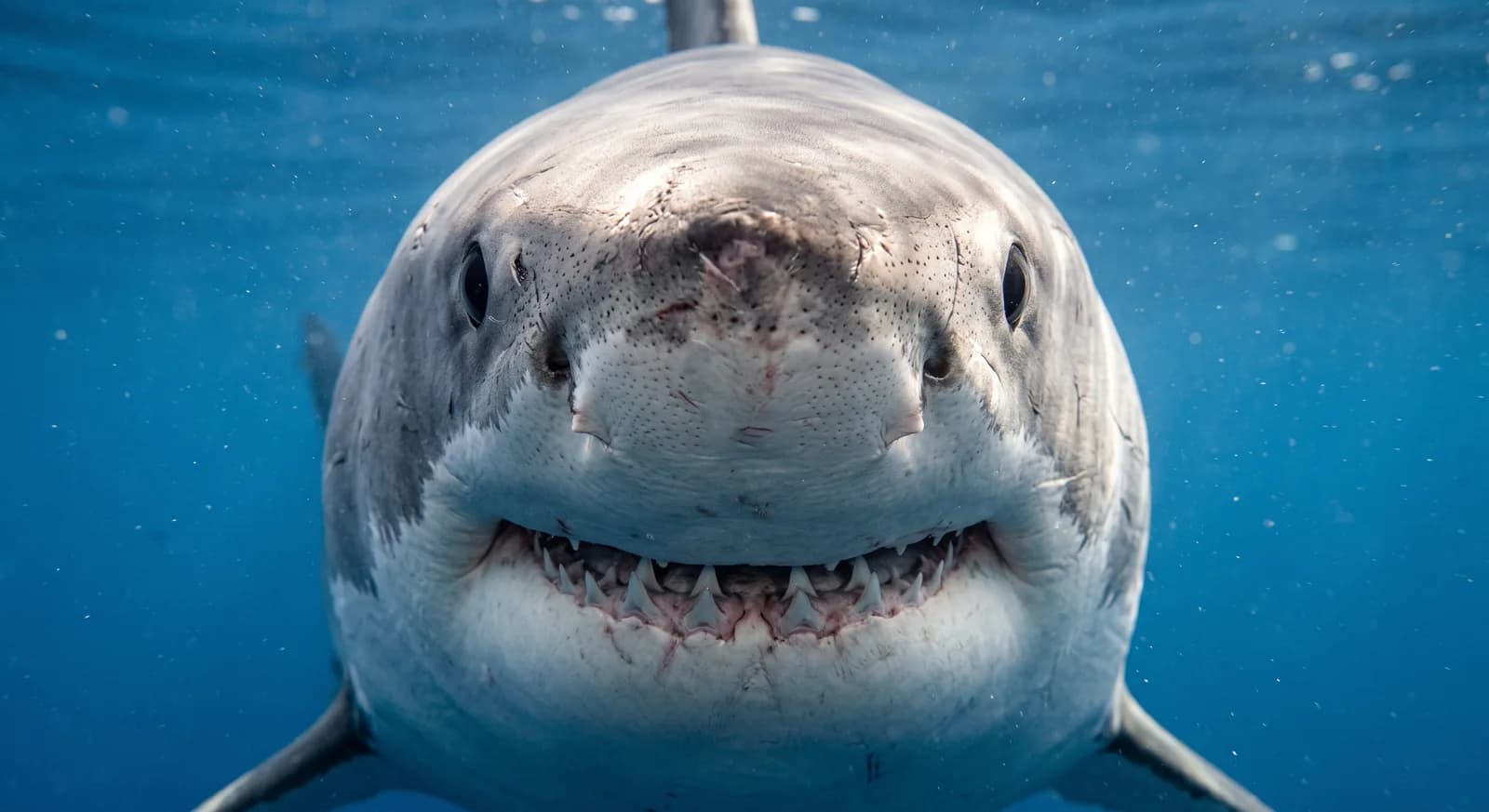
Great White Shark
Carcharodon carcharias
 Vulnerable
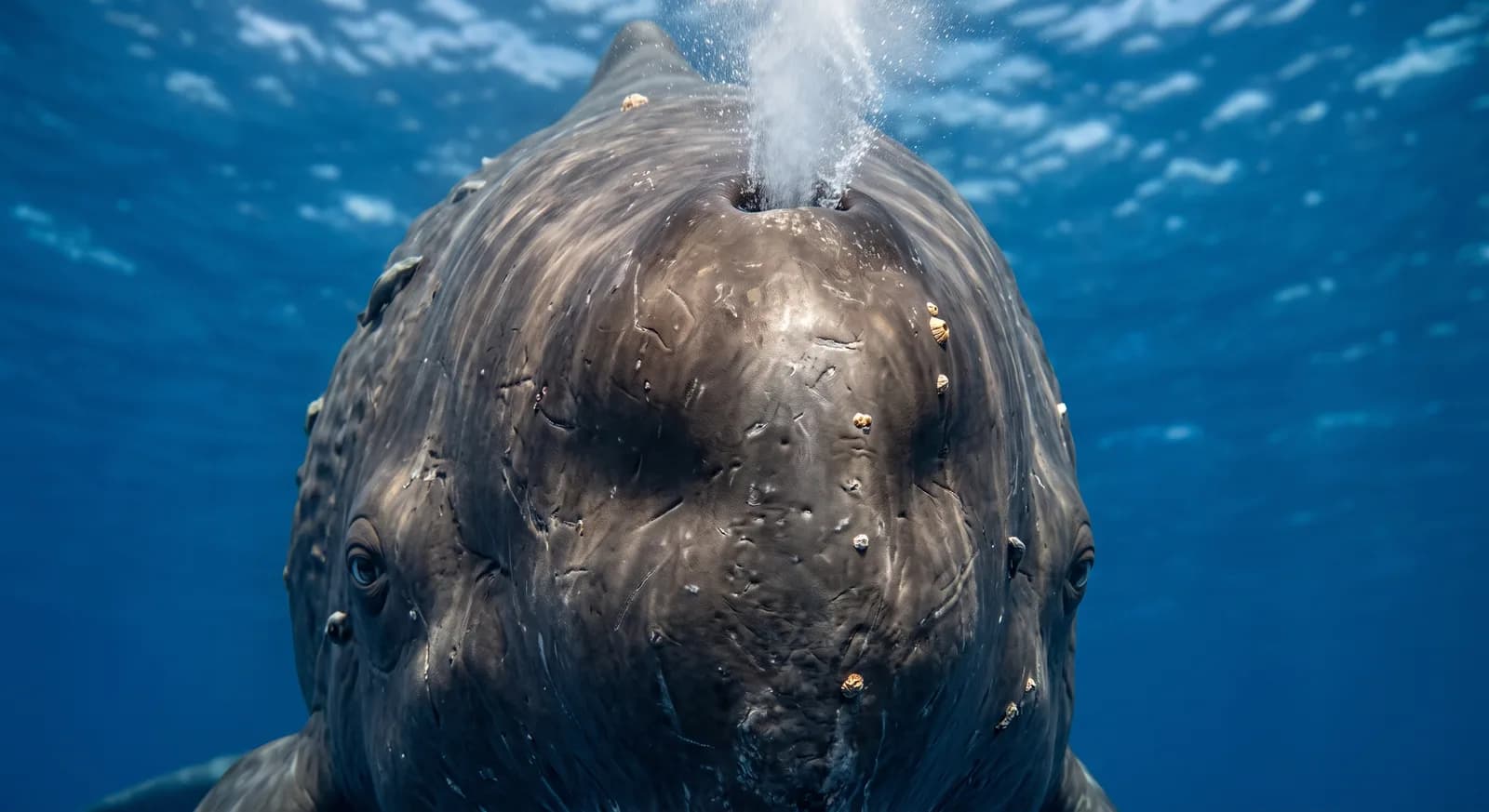
Sperm Whale
Physeter macrocephalus
 Vulnerable
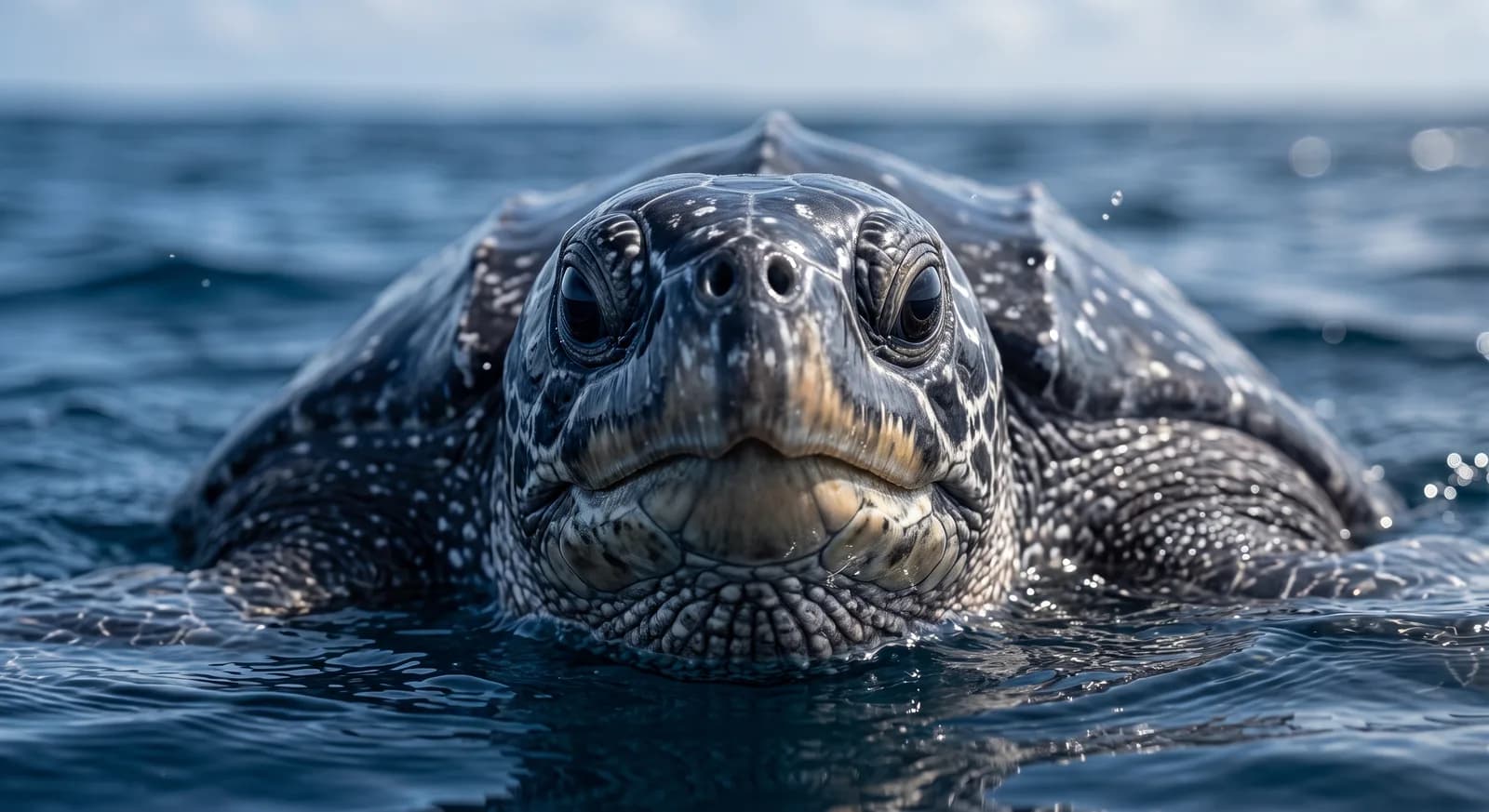
Leatherback Sea Turtle
Dermochelys coriacea
Blacktip Reef Shark
Carcharhinus melanopterus
Spurdog
Squalus acanthias
Short-snouted Seahorse
Hippocampus hippocampus
How to help
The grayfish is classified as vulnerable. Organizations such as UICN, WWF y Wildlife Conservation Society work specifically on its conservation and that of its habitat; looking into their programs is a good starting point if you want to get involved.
It's documented in 17 real protected areas — part of why protecting these places matters for its conservation.
Keep exploring
Based on what we already know about grayfish.
Comments
Share an experience, a fun fact or a tip for seeing the grayfish.
Be the first to comment.