Galápagos National Park
Ecuador · Pacific (Galápagos Province)The natural laboratory that inspired Darwin, home to the giant tortoise and endemic wildlife without parallel.
Area
7,995 km²
Declared in
1959
Region
Pacific (Galápagos Province)
Climate
Tropical, Árido / desértico, Montañoso
Best time
June to September
Length of its routes
6–8 days
Difficulty of its routes
Media
Plan your visit
- Best time
- June to September
- Length of its routes
- 6–8 days
- Difficulty of its routes
- Media
- Area
- 7,995 km²
Highlight
The archipelago that inspired Darwin's theory of evolution; the first natural World Heritage Site UNESCO ever declared, in 1978
Declared in 1959, the centenary of the publication of On the Origin of Species, Galápagos National Park protects 97% of the archipelago Charles Darwin visited for five weeks in 1835 aboard HMS Beagle, where his observations of how finches and iguanas varied from island to island proved decisive for his later theory of evolution by natural selection. It was the first natural site ever inscribed on UNESCO's World Heritage list, in 1978. Its isolation at the meeting of three ocean currents has produced an extremely high level of endemism: some 80% of the land birds, 97% of the reptiles and land mammals and over 30% of the plants exist nowhere else on the planet — the giant tortoise among them, which gave the archipelago its name, galápago being an old Spanish word for tortoise.
Location
See on the interactive map4 dive sites within 300 km are also shown.
47 species documented in Galápagos National Park
At conservation risk:Tortuga gigante de Galápagos,Iguana marina,Iguana terrestre de Galápagos,Pingüino de Galápagos,Tiburón ballena,Tortuga verde,Albatros de Galápagos,Lobo fino de Galápagos,Lobo marino de Galápagos,Cachalote,Cormorán no volador,Manta gigante oceánicaand 5 more
Endemic to Ecuador:Tortuga gigante de Galápagos,Pingüino de Galápagos
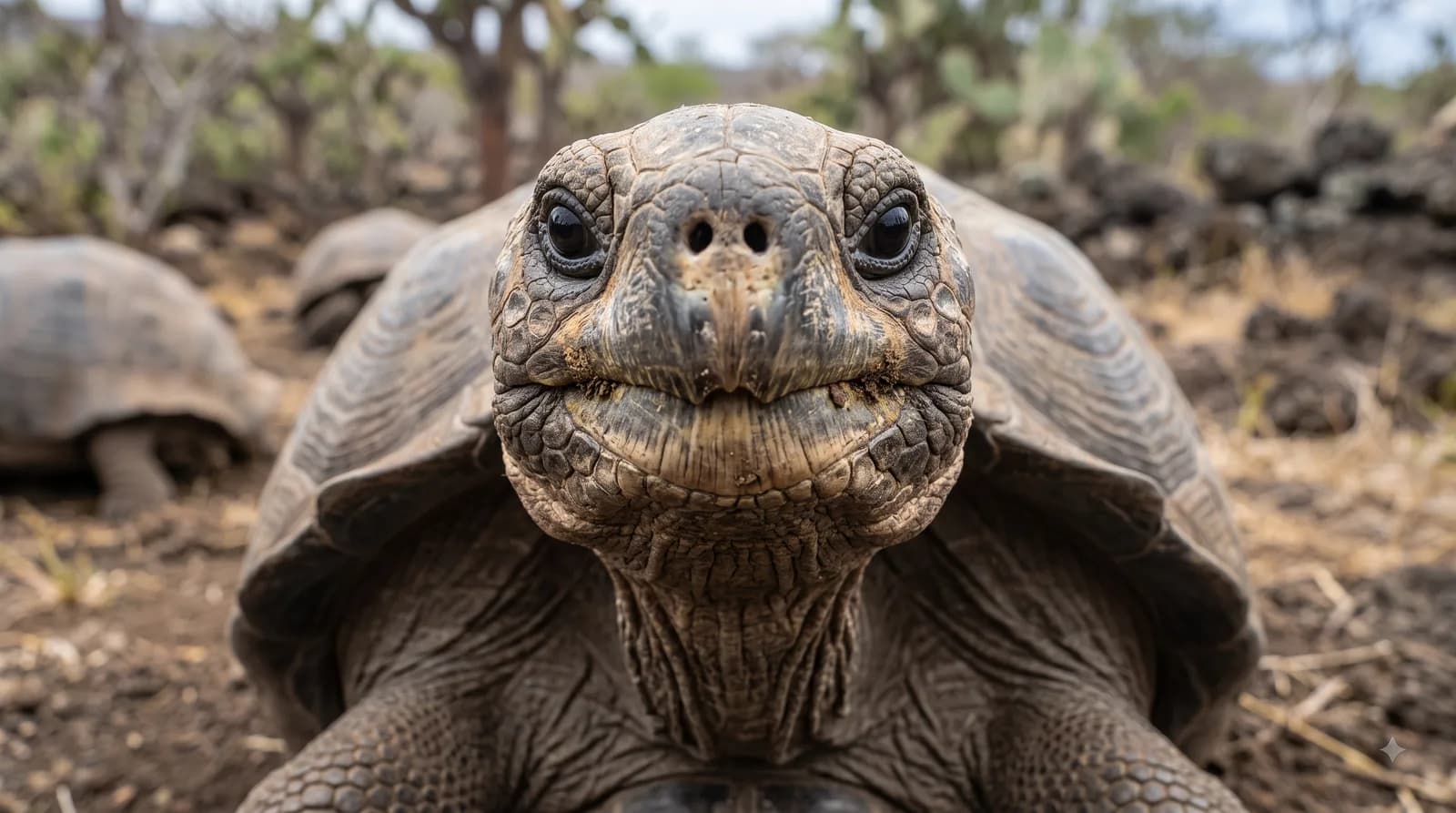 Vulnerable
Tortuga gigante de Galápagos
Chelonoidis niger
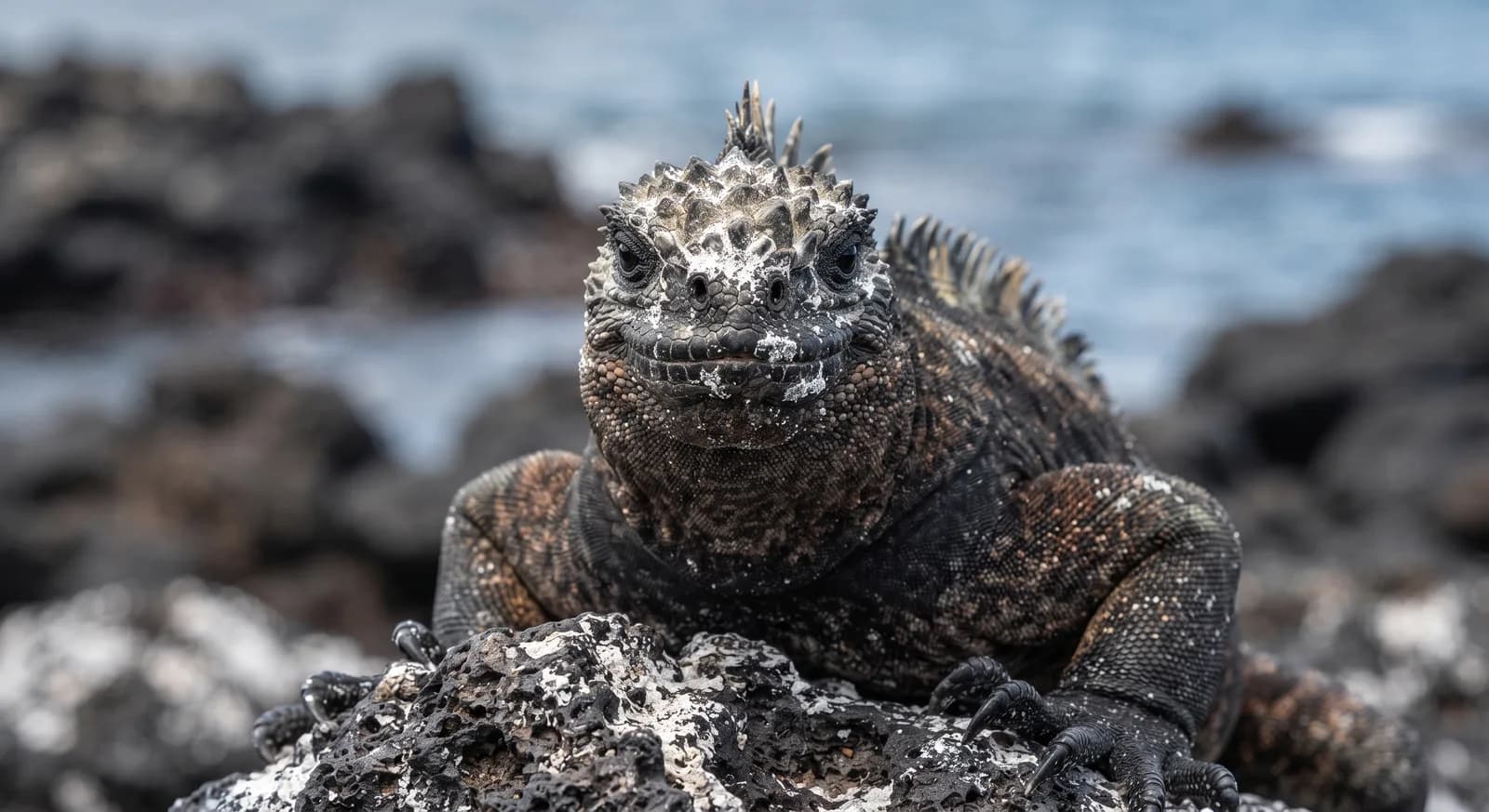 Vulnerable
Iguana marina
Amblyrhynchus cristatus
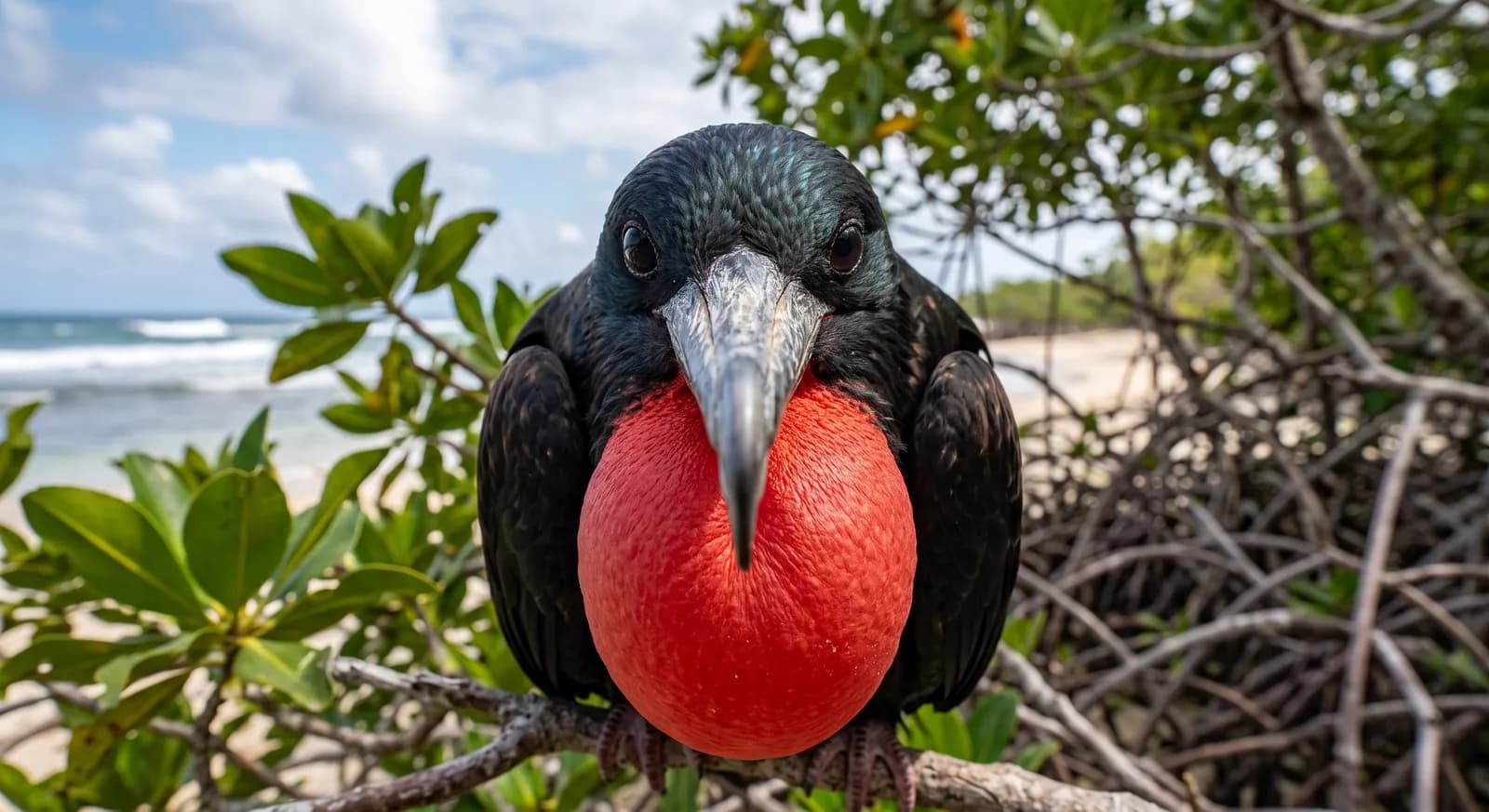 Least Concern
Fragata magnífica
Fregata magnificens
Iguana terrestre de Galápagos
Conolophus subcristatus
Pingüino de Galápagos
Spheniscus mendiculus
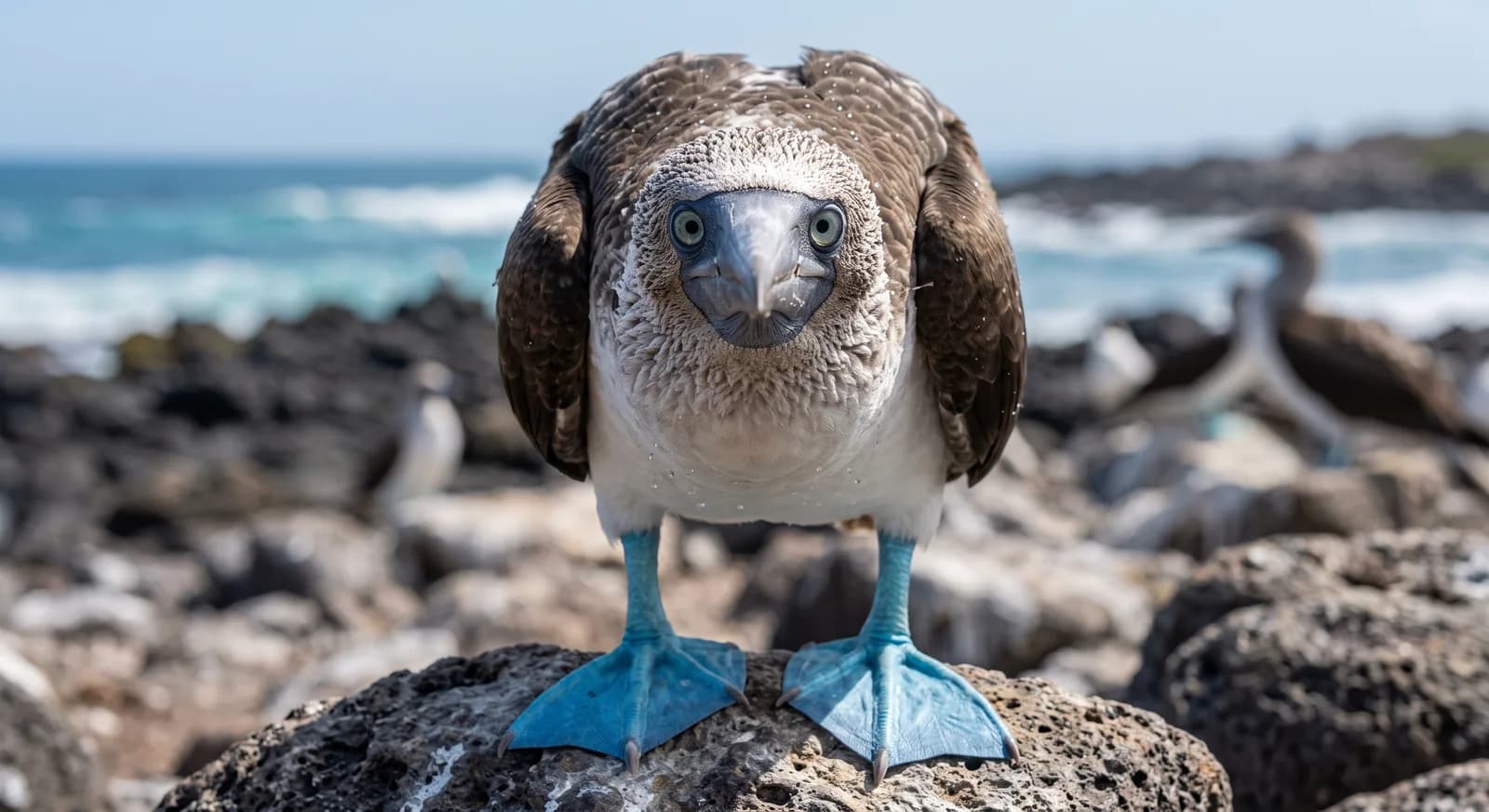 Least Concern
Piquero de patas azules
Sula nebouxii
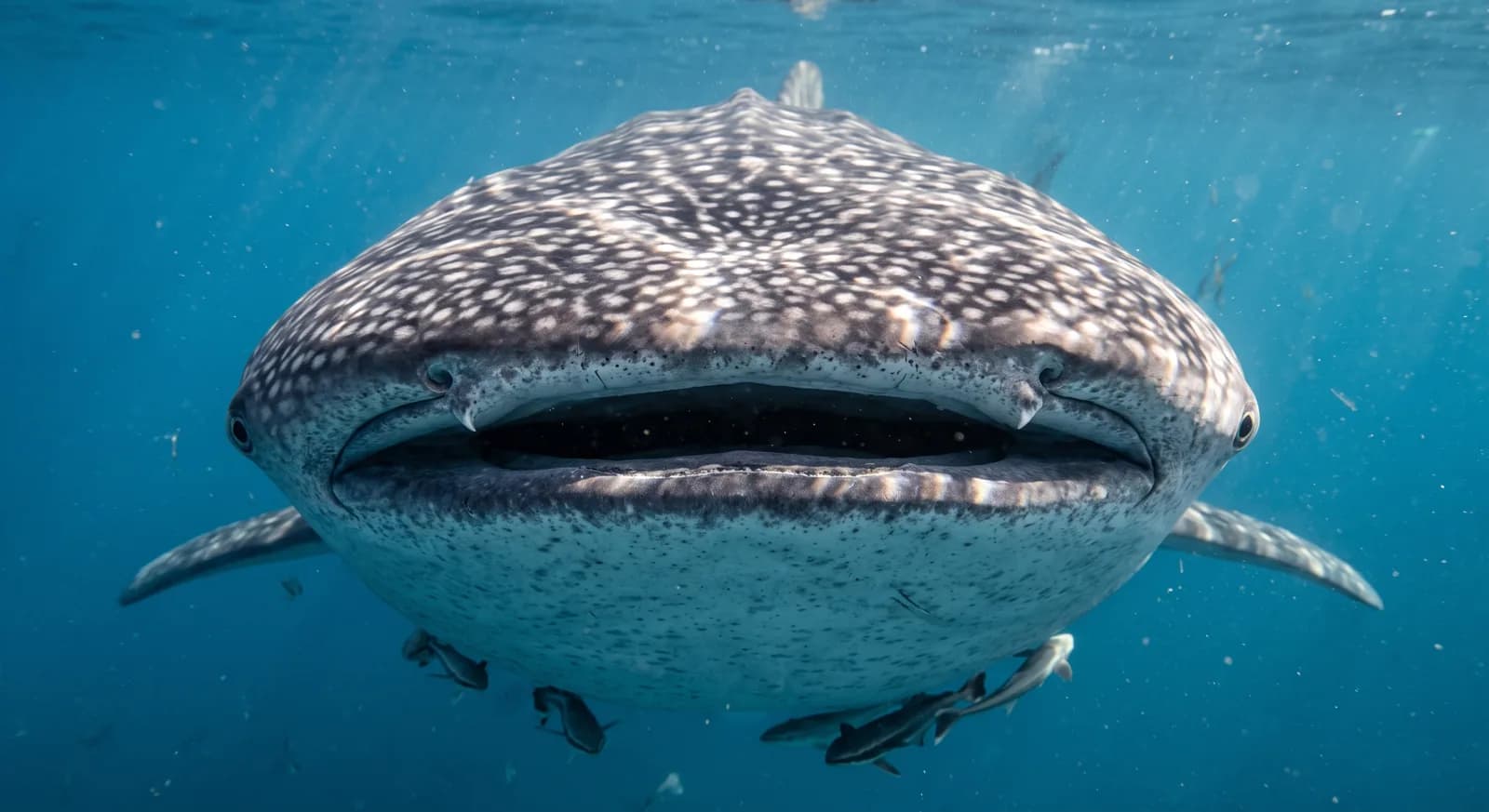 Endangered
Tiburón ballena
Rhincodon typus
 Endangered
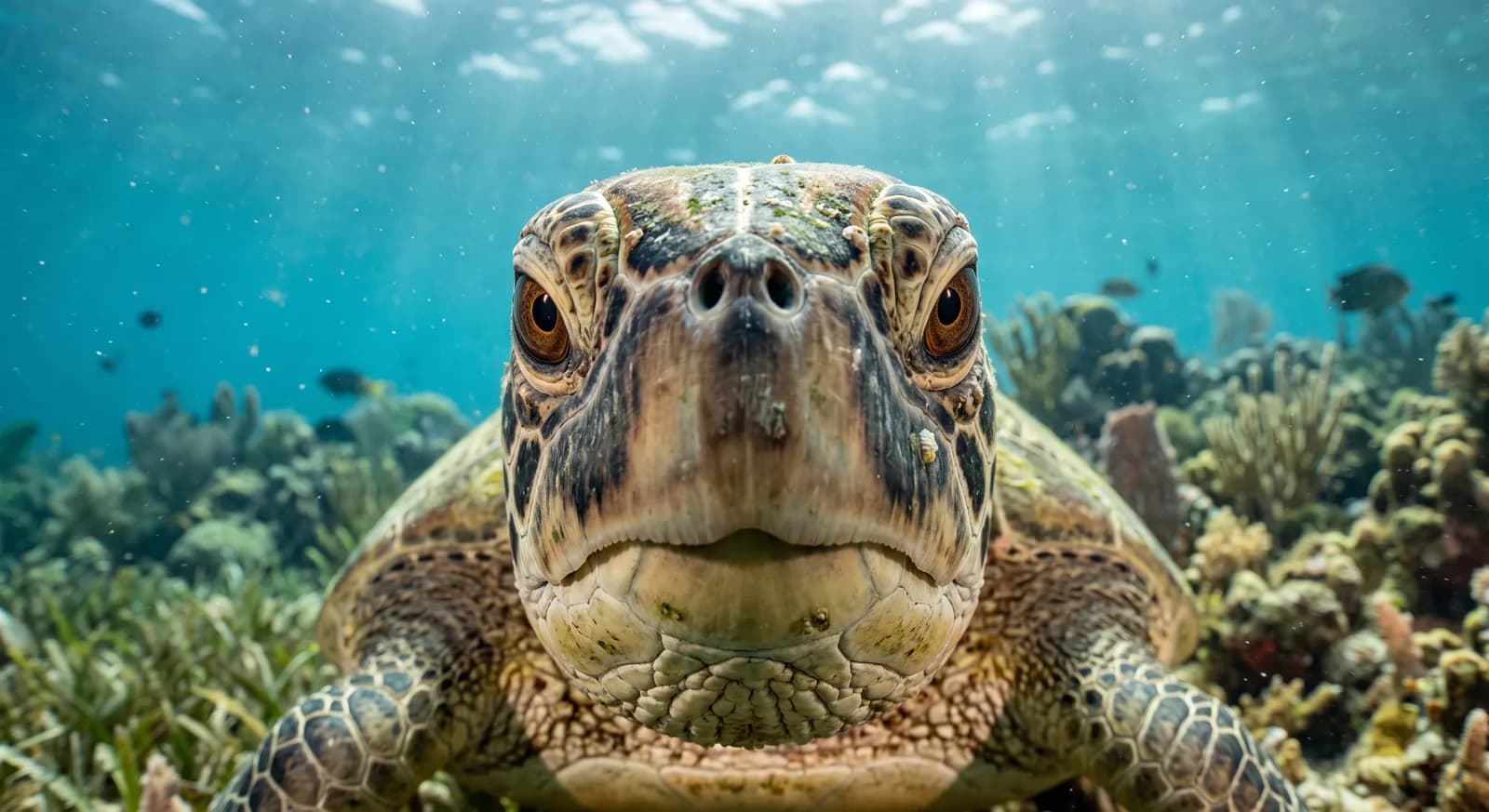
Tortuga verde
Chelonia mydas
Albatros de Galápagos
Phoebastria irrorata
Lobo fino de Galápagos
Arctocephalus galapagoensis
Lobo marino de Galápagos
Zalophus wollebaeki
Piquero de Nazca
Sula granti
Flora and ecosystems
Ecosystems found in Ecuador, where Galápagos National Park lies.
Experiences in this park
Nearby dive sites
Where can I dive near here?
Gordon Rocks
44 km away
Cousin's Rock
75 km away
Kicker Rock (León Dormido)
96 km away
Cape Marshall
166 km away
Similar parks
Which other parks are like this one?
Podocarpus
Ecuador
Spectacled bear · mountain tapir
Junio a septiembre
View parkMismo país: Ecuador
Yasuni
Ecuador
Jaguar · Spider Monkey
Junio a septiembre
View parkMismo país: Ecuador
Keep exploring
Based on what we already know about Galápagos National Park.
Your rating
How many stars would you give Galápagos National Park?
Comments
Share your experience visiting Galápagos National Park, or a tip for other travellers.
Be the first to comment.