One of the 9 iguanas on WAnimals
Reptiles · Squamata · Iguanidae
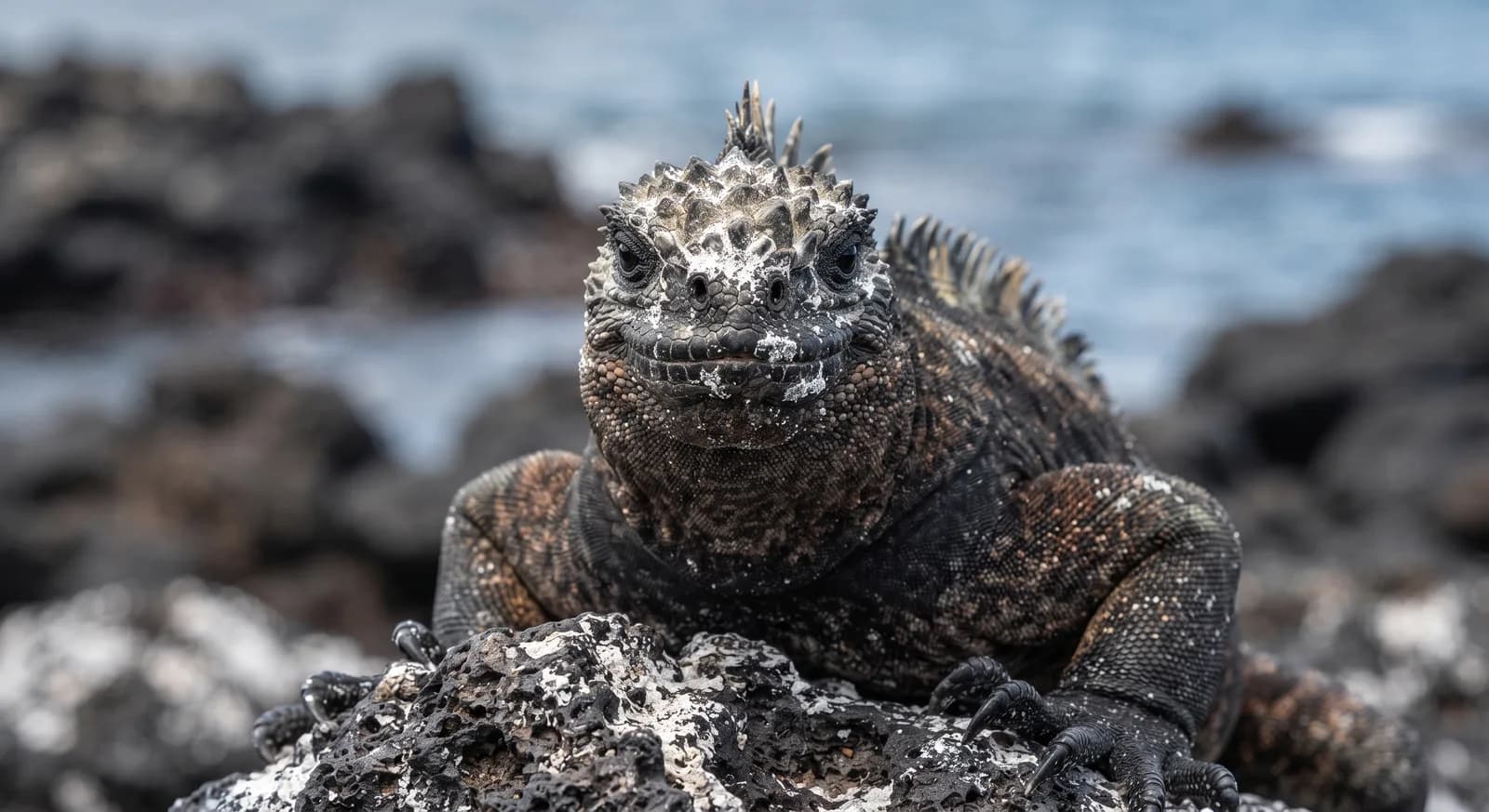
Marine Iguana
Amblyrhynchus cristatus
It faces a high risk of extinction in the wild over the medium term. See full glossary
The marine iguana is a scaled reptile of the family Iguanidae. It is the only species in its genus, which is related to the genus of the land iguanas and most closely to the genus Conolophus.
Weight
2.2 kg on average
Size
up to 1 m
Lifespan
6 years
Diet
Herbivore
Feeds mainly on plants.
Activity
Diurnal
Active mainly during the day.
Social structure
Colony
Lives in large concentrations, often for breeding reasons.
Sighting difficulty
Moderate
Fun facts
- fisiologíaIt is the only lizard that feeds in the sea, diving to graze algae, and sneezes the excess salt out through nasal glands.
- fisiologíaDuring the food shortages brought on by El Niño it can temporarily shrink its own skeleton by as much as 20%, reabsorbing bone tissue, and grow back once the algae return.
- It is the only lizard in the world that feeds in the sea. Of some 7,850 lizard species, only this one dives to eat algae.
- It shrinks to survive. During El Niño episodes the algae disappear and adults reduce their body length by up to 20%, bone length included, growing back when the food returns. It is one of the most extraordinary fasting responses documented in a vertebrate.
- And it does not just shrink: one study measured that during El Niño its relative mass falls by 17%, its girth by 12% and its resting metabolism by 20%. In other words, it actively shuts down its energy consumption.
- Those episodes can kill more than half of an island's population.
- It expels excess salt by sneezing it out: nasal glands concentrate the salt from seawater and expel it in a jet, leaving white crusts on its head.
- It must reach between 35 and 38 °C basking on the lava before it can dive, hence the carpets of motionless iguanas at dawn.
- Darwin saw it in 1835 on Fernandina and called it an 'imp of darkness'.
- Its total area of occupancy is estimated at less than 500 km², spread across ten island subpopulations.
Life cycle & biology
- Skeleton type
- Vertebrate - internal bony skeleton (reptile)
- Habitat & environment
- Rocky lava shores of the Galápagos Islands; it basks in the sun on the basalt and dives to feed on algae, to depths of more than 30 m in large adults
Sources consulted: https://es.wikipedia.org/wiki/Amblyrhynchus_cristatus
Where to watch it
Parks and dive sites where this species has been documented.
Related species
Other species in the catalogue with the most in common with Marine Iguana — same habitat, park, country, tags or family.
Common Land Iguana
Conolophus subcristatus
 Vulnerable
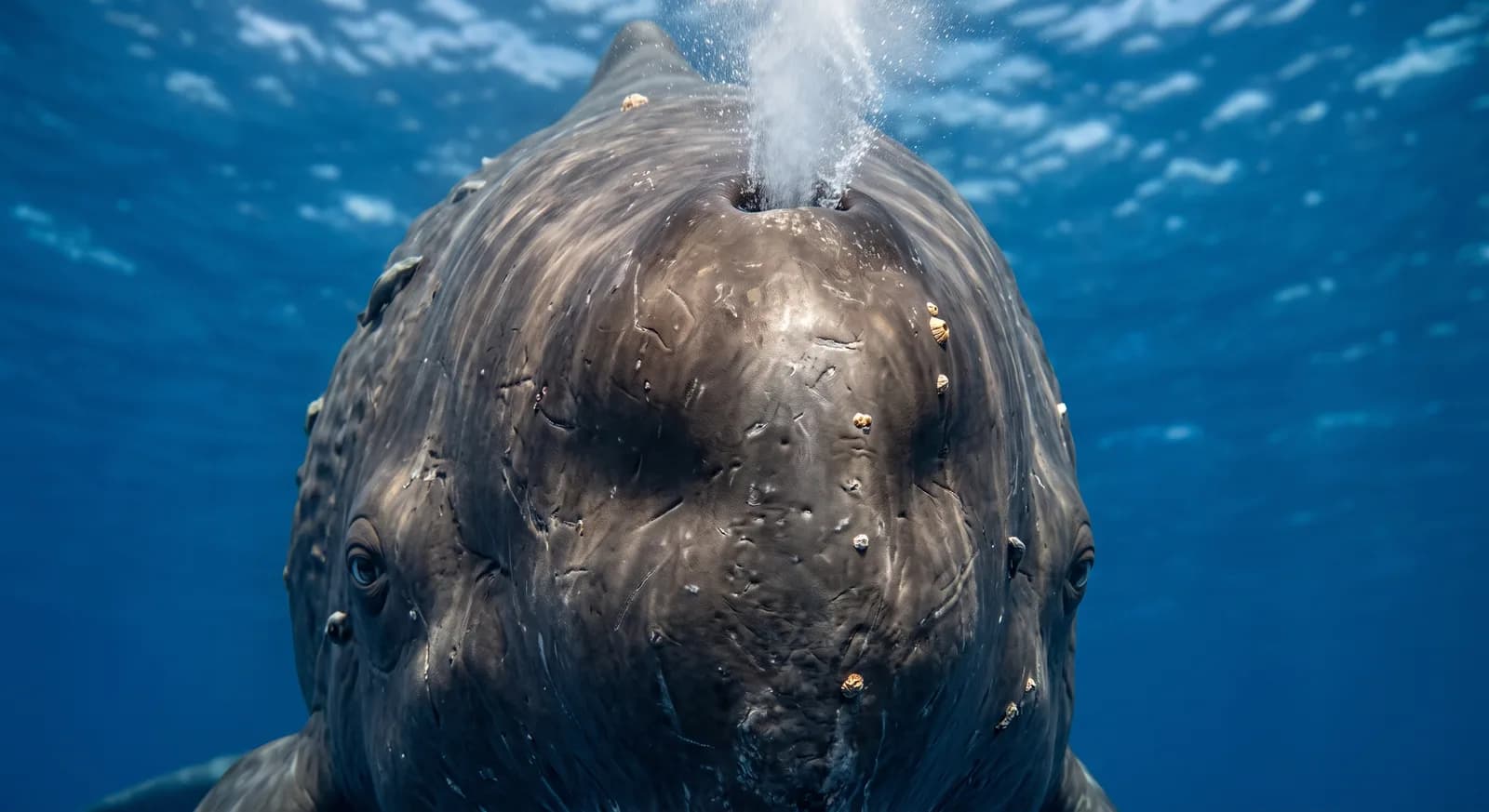
Sperm Whale
Physeter macrocephalus
 Least Concern
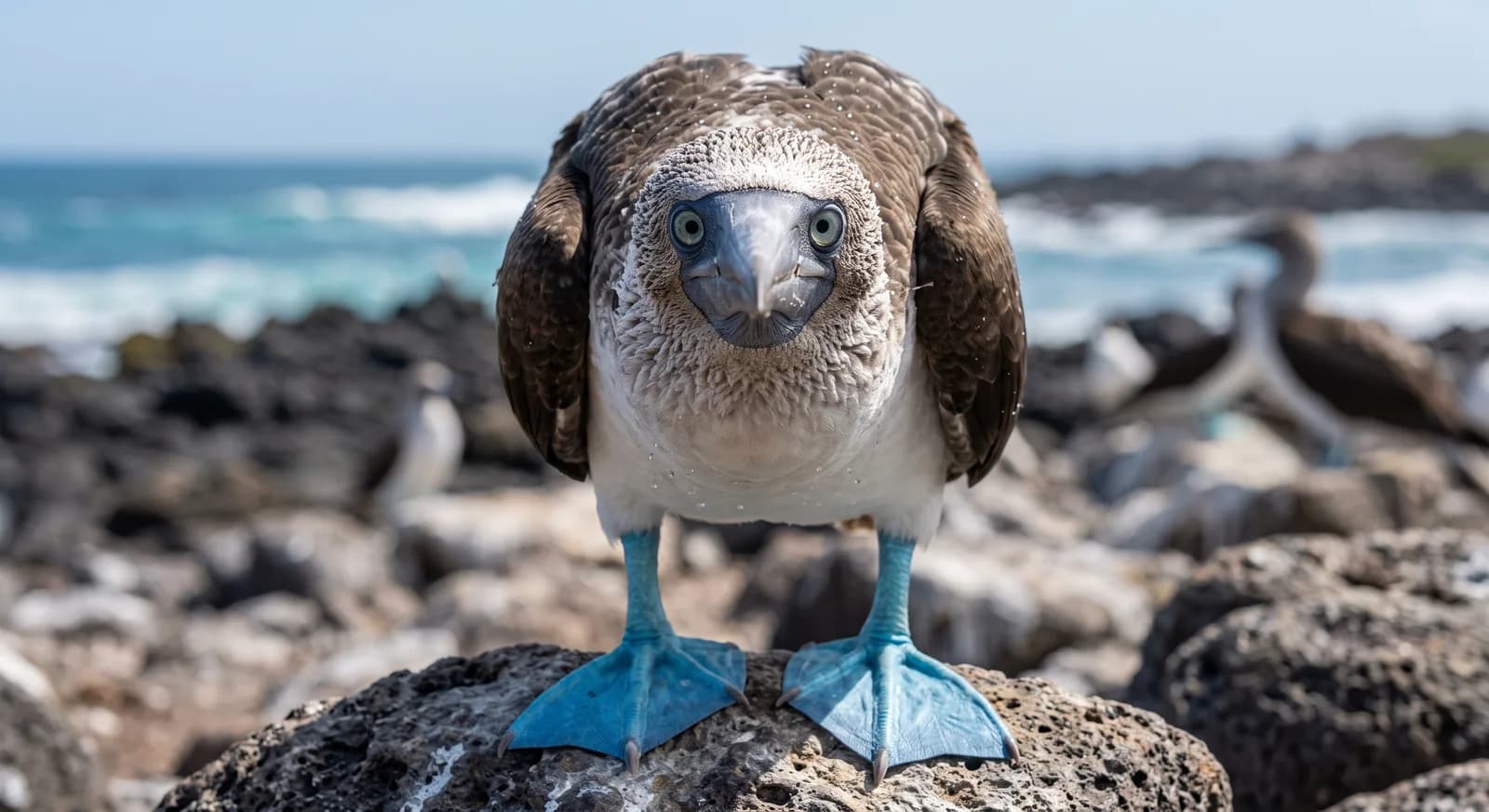
Blue-footed Booby
Sula nebouxii
 Least Concern
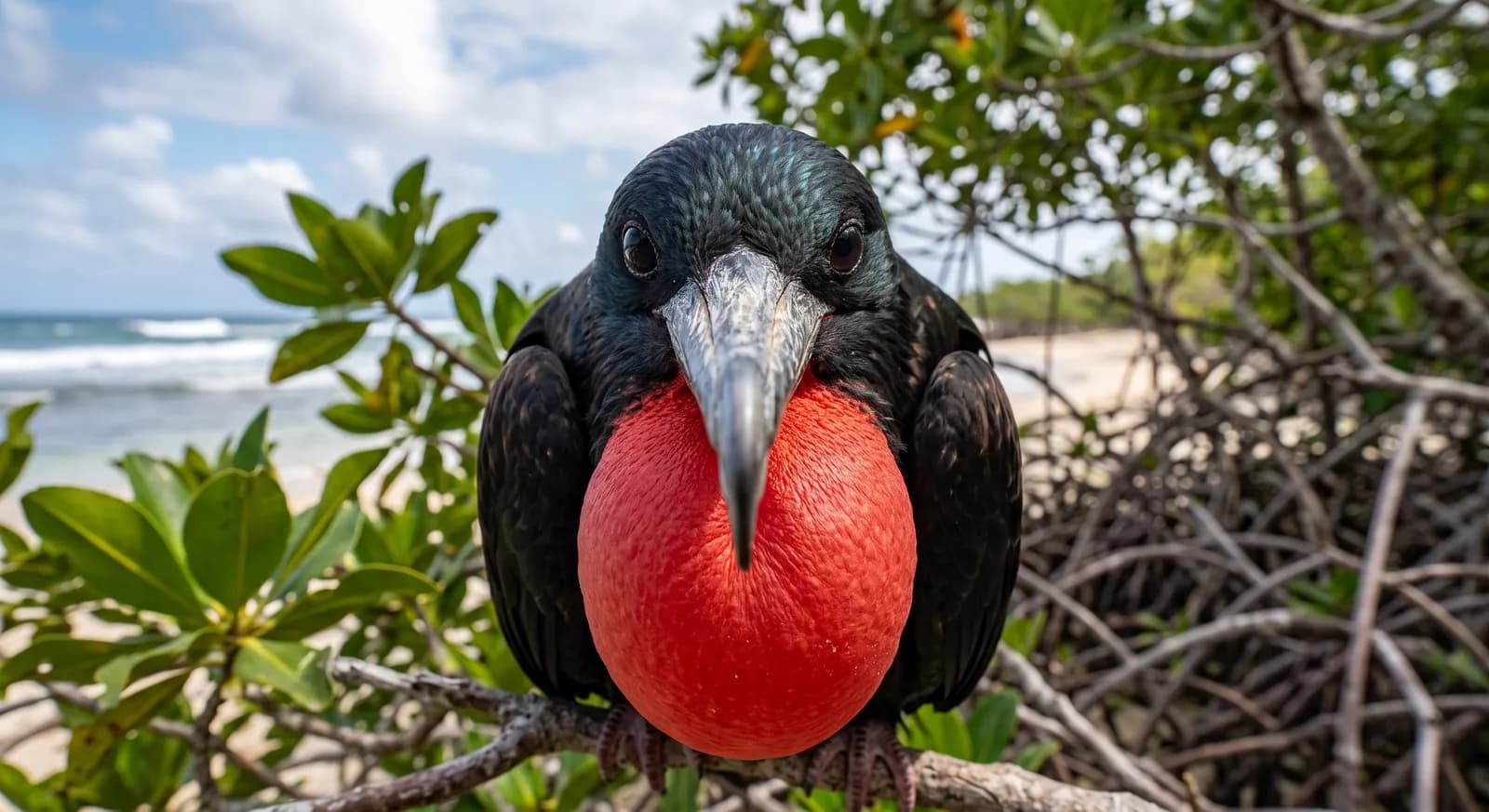
Magnificent Frigatebird
Fregata magnificens
 Endangered
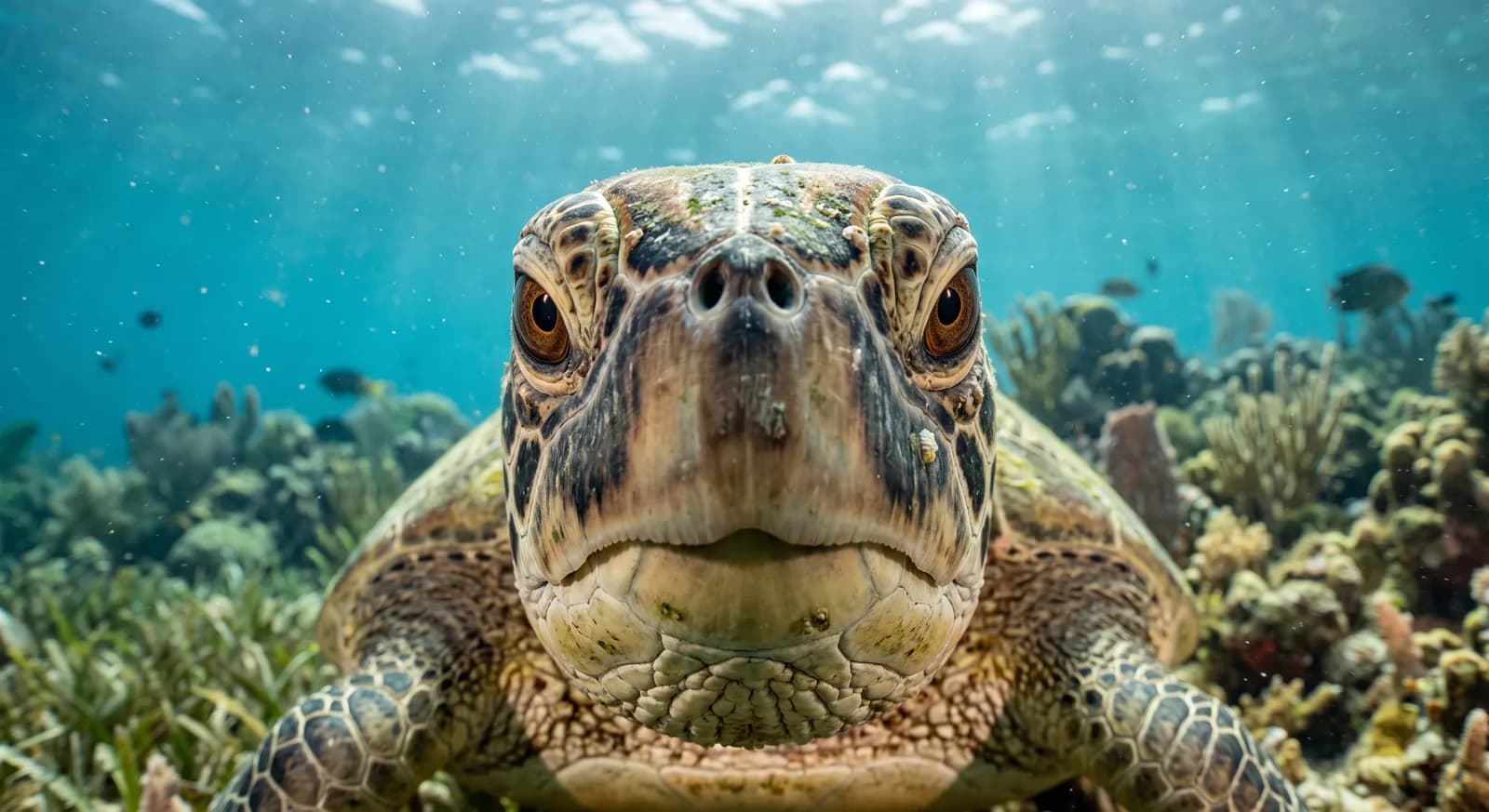
Green Turtle
Chelonia mydas
 Vulnerable
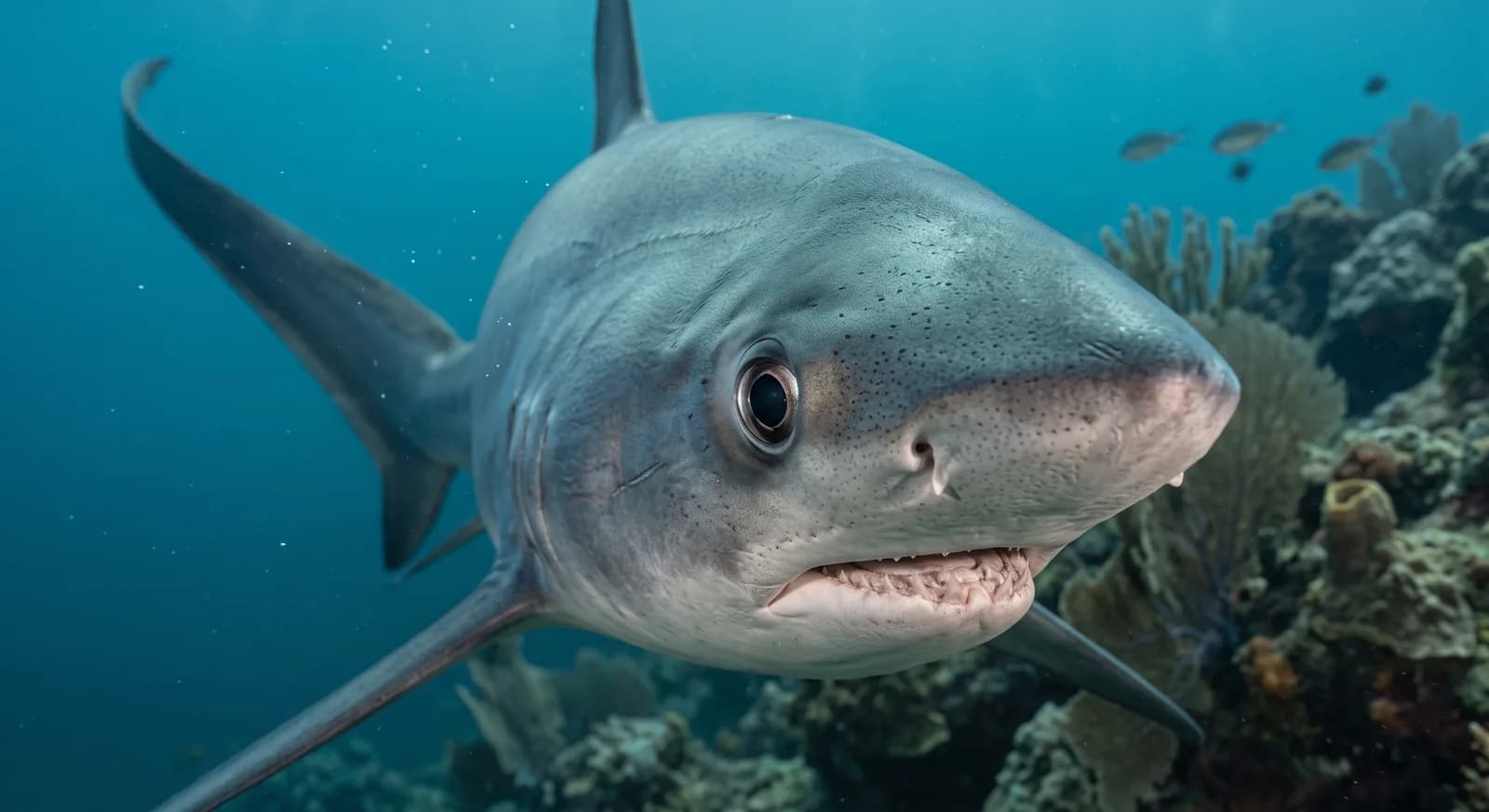
Grayfish
Alopias vulpinus
How to help
The marine iguana is classified as vulnerable. Organizations such as UICN, WWF y Wildlife Conservation Society work specifically on its conservation and that of its habitat; looking into their programs is a good starting point if you want to get involved.
It's documented in 7 real protected areas — part of why protecting these places matters for its conservation.
Keep exploring
Based on what we already know about marine iguana.
Comments
Share an experience, a fun fact or a tip for seeing the marine iguana.
Be the first to comment.