Colonial
Species that breed or live in dense groups, sometimes thousands strong.
What it means
A colony packs an enormous number of individuals into very little space, and that brings clear advantages: more eyes keeping watch, joint defence against predators and shared information about where the food is. The price is competition for space, the spread of parasites and the risk of losing everything if something goes wrong at that one spot. It is a common arrangement among seabirds, bats, social insects and many corals.
Species
Asian Giant Hornet
Vespa mandarinia
 Endangered
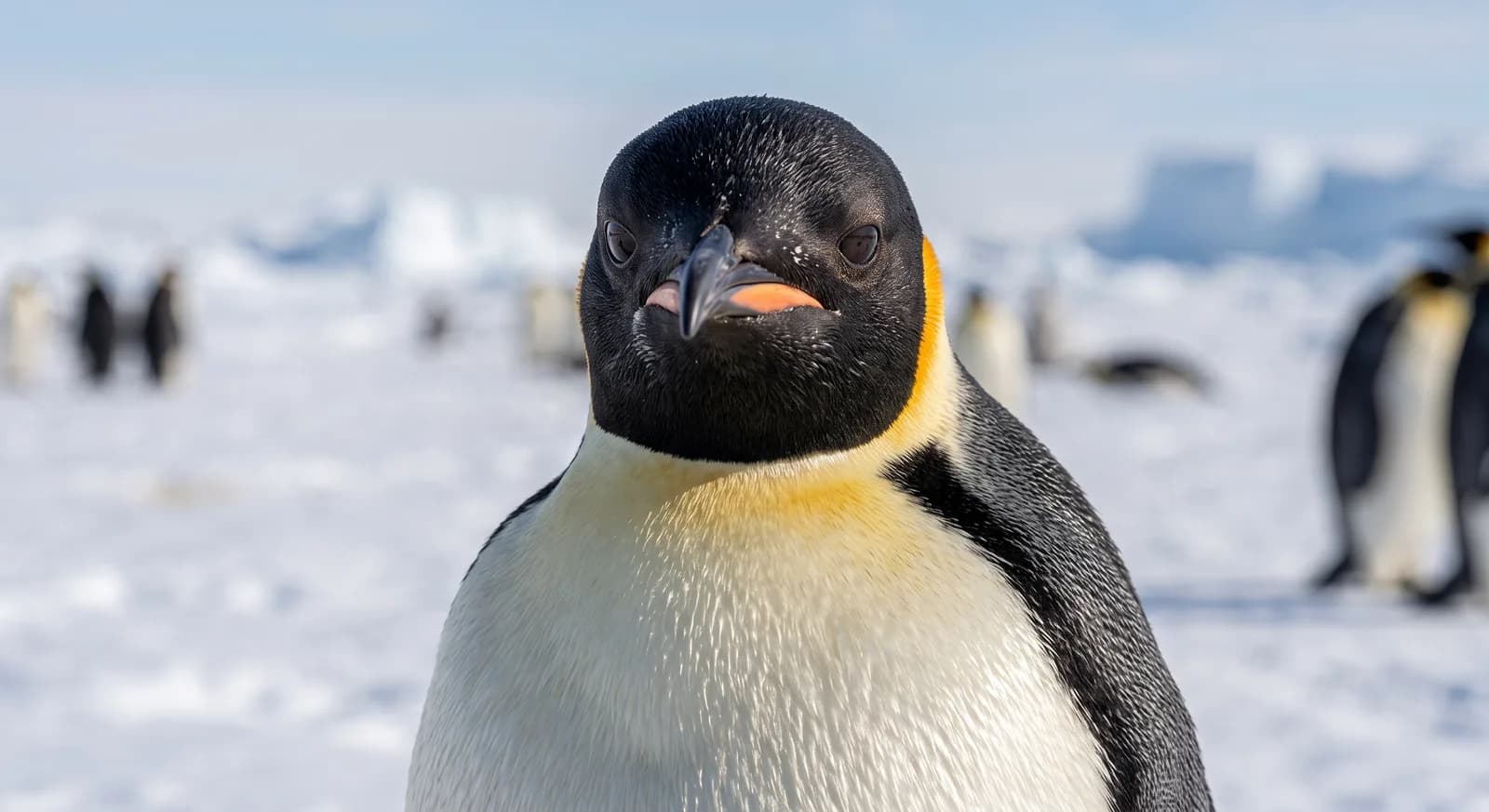
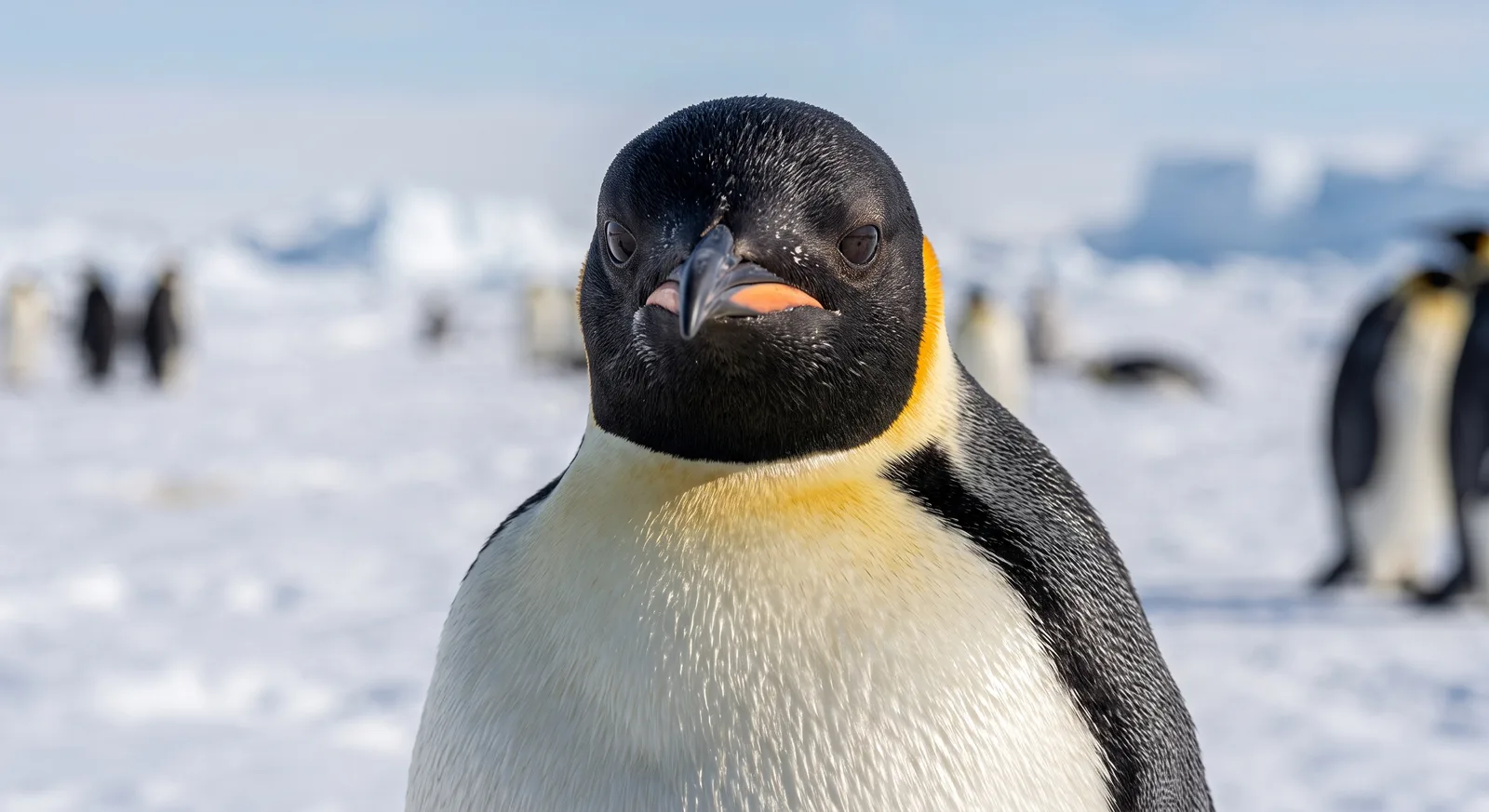
Emperor Penguin
Aptenodytes forsteri
 Least Concern
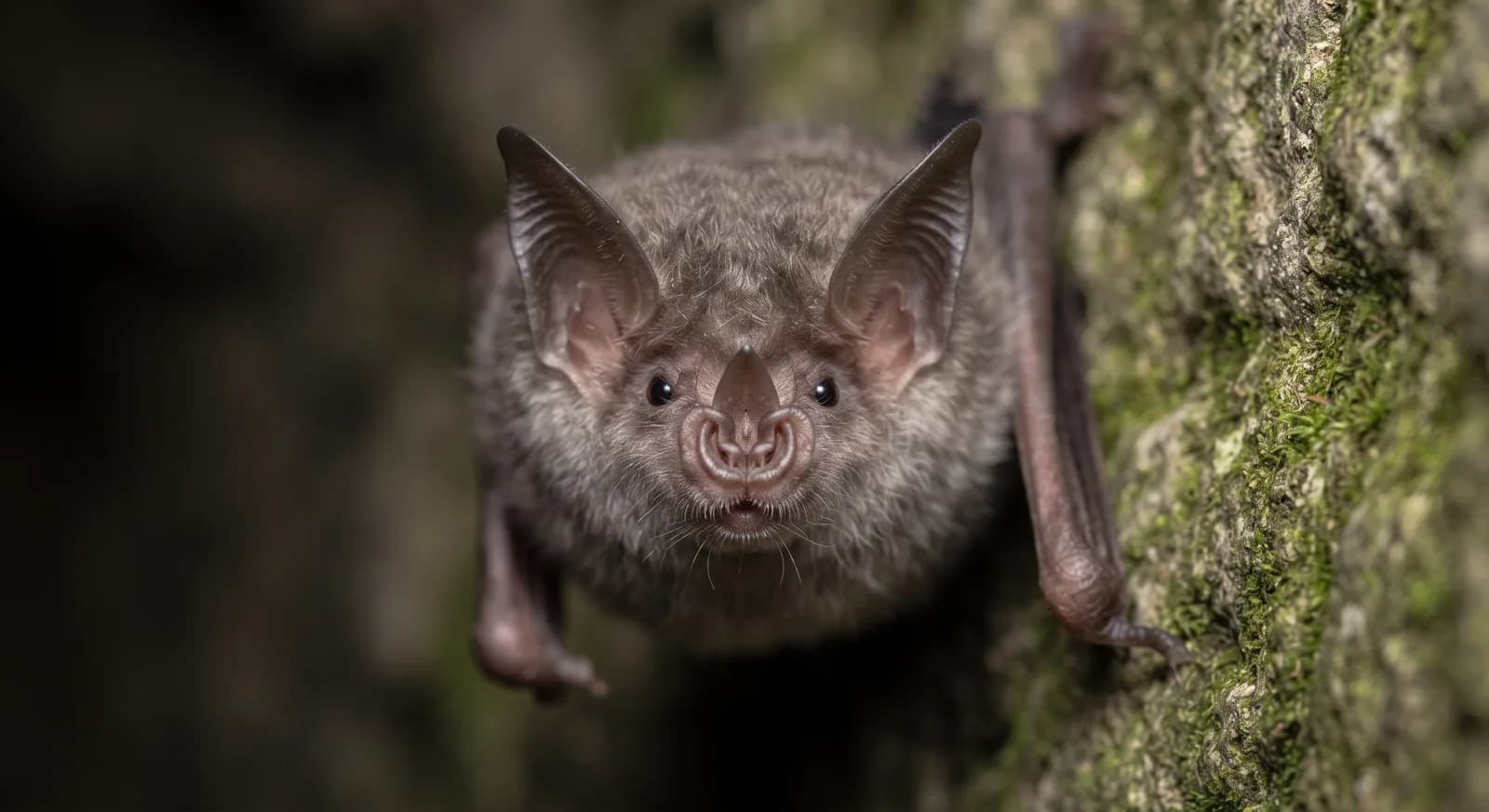
Greater Horseshoe Bat
Rhinolophus ferrumequinum
Large Flying-fox
Pteropus giganteus
House Mouse
Mus musculus
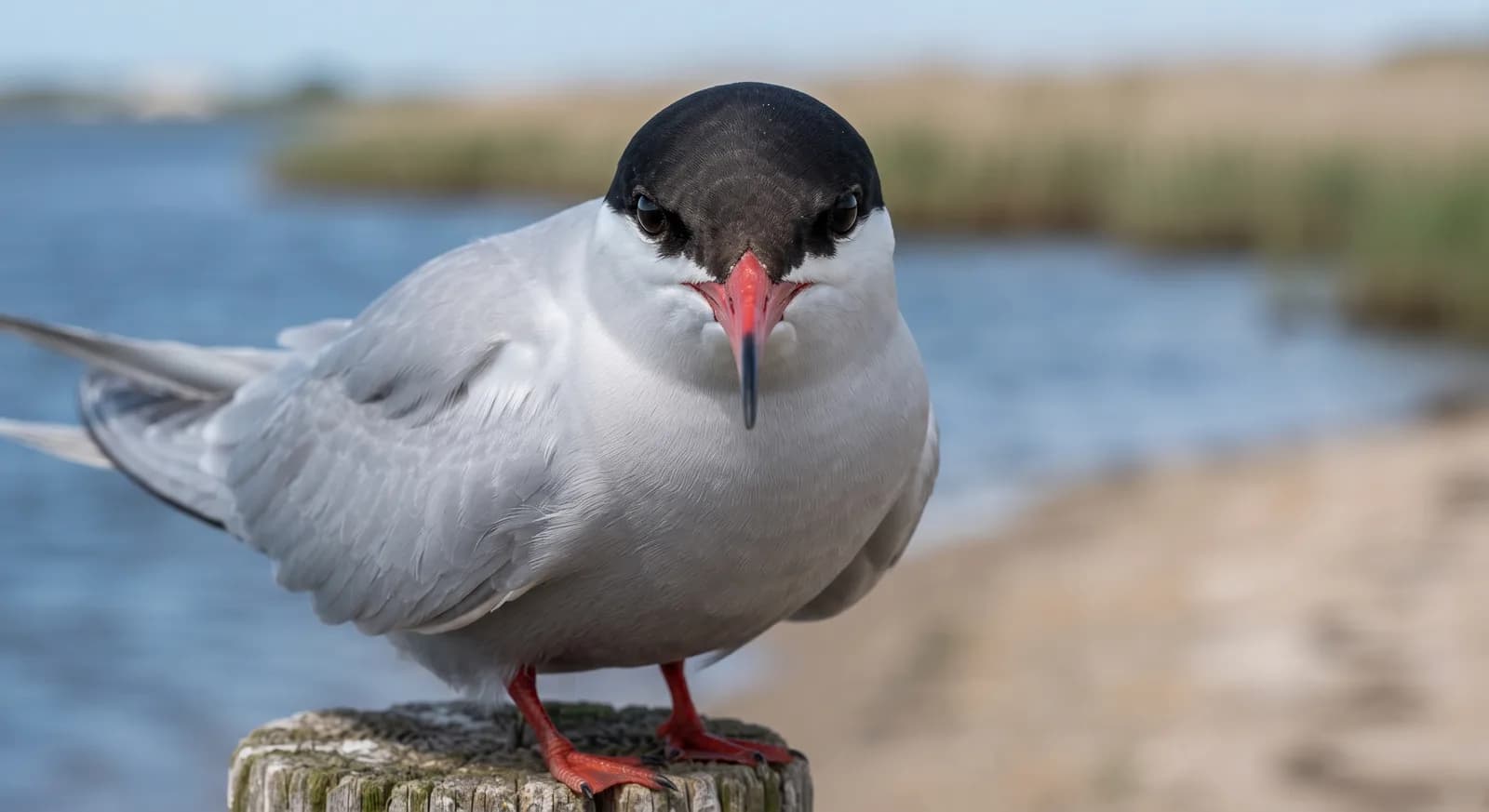 Least Concern
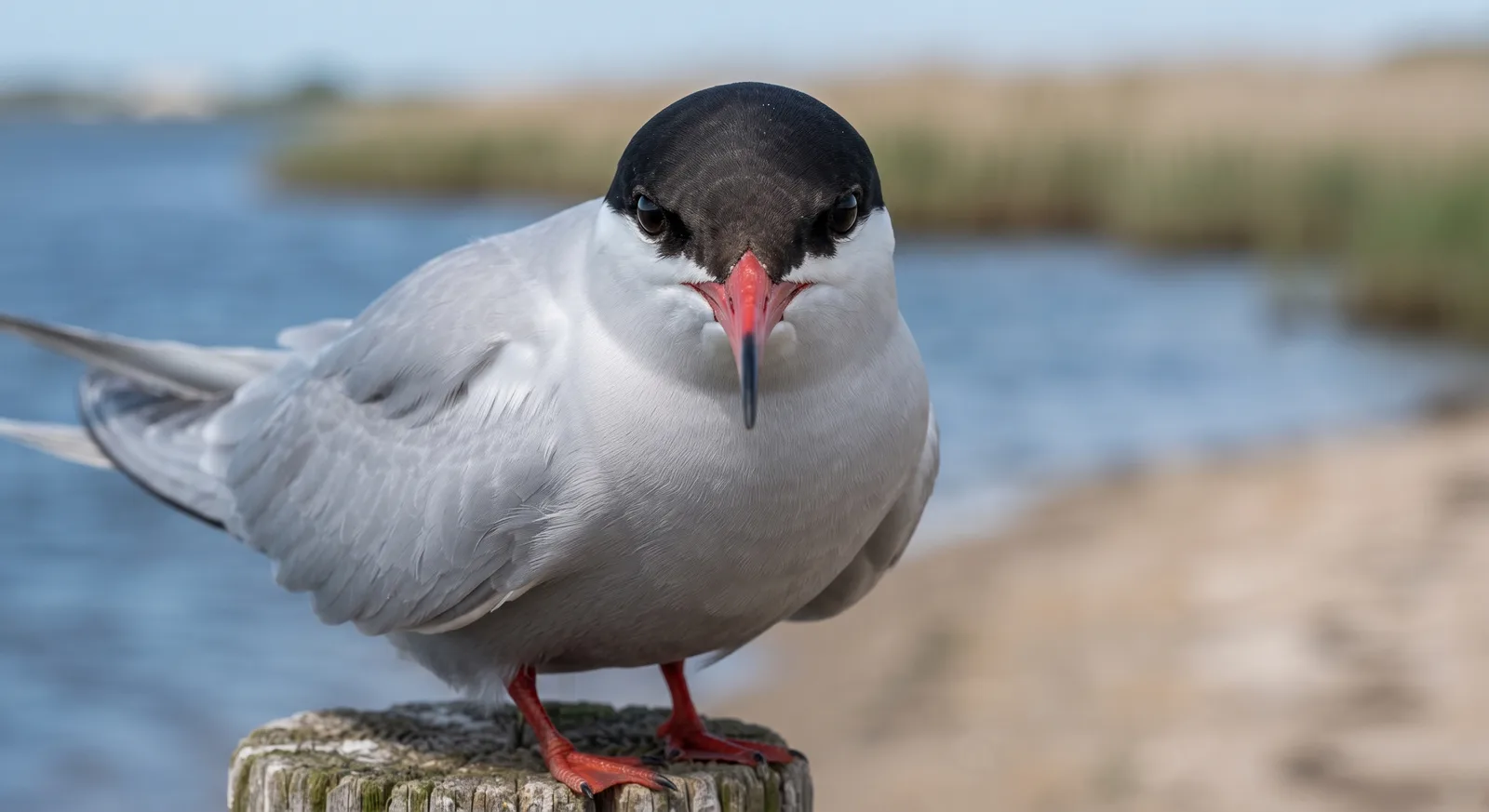
Common Tern
Sterna hirundo
Red Wood Ant
Formica rufa
 Not Evaluated
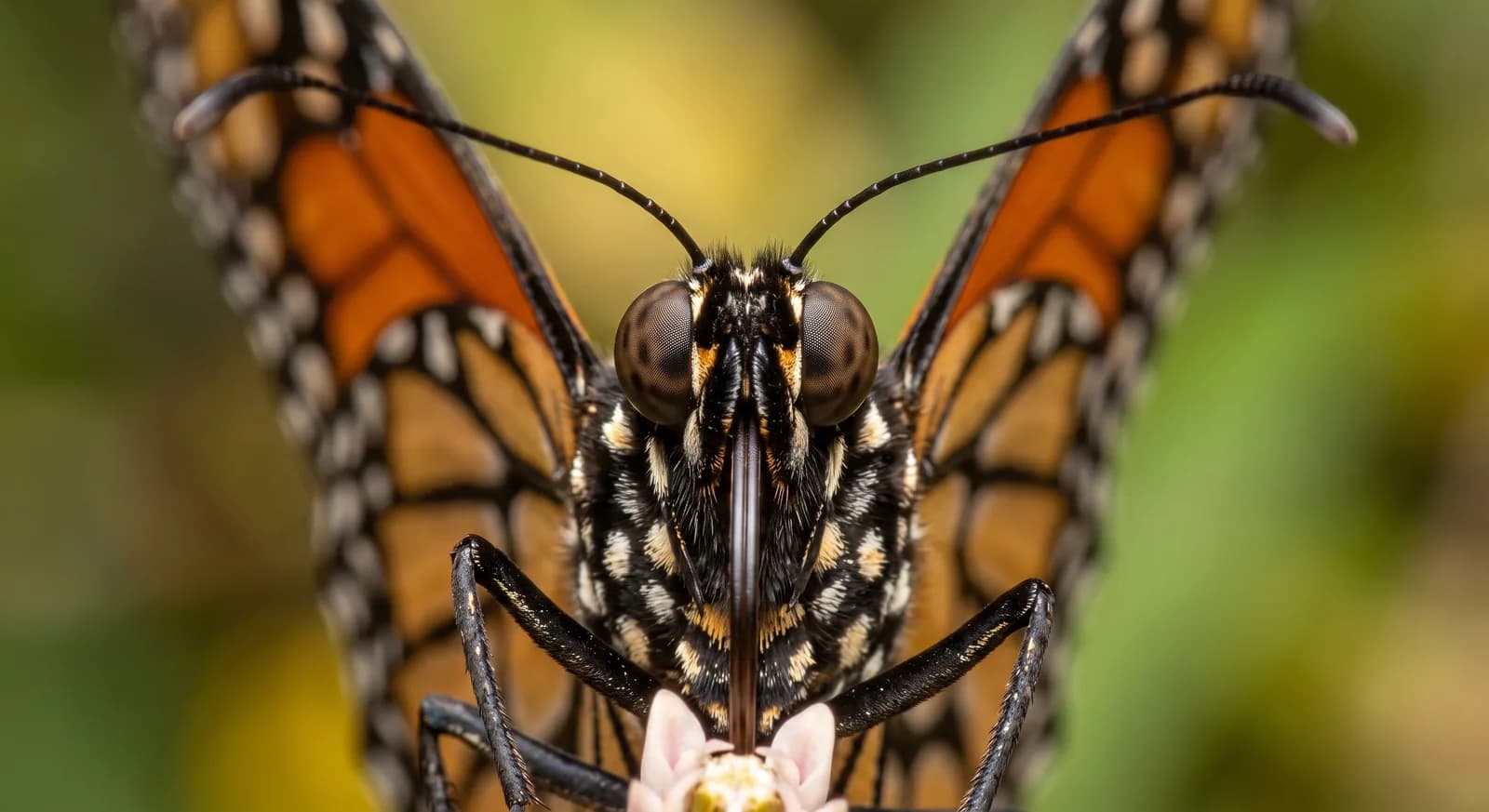
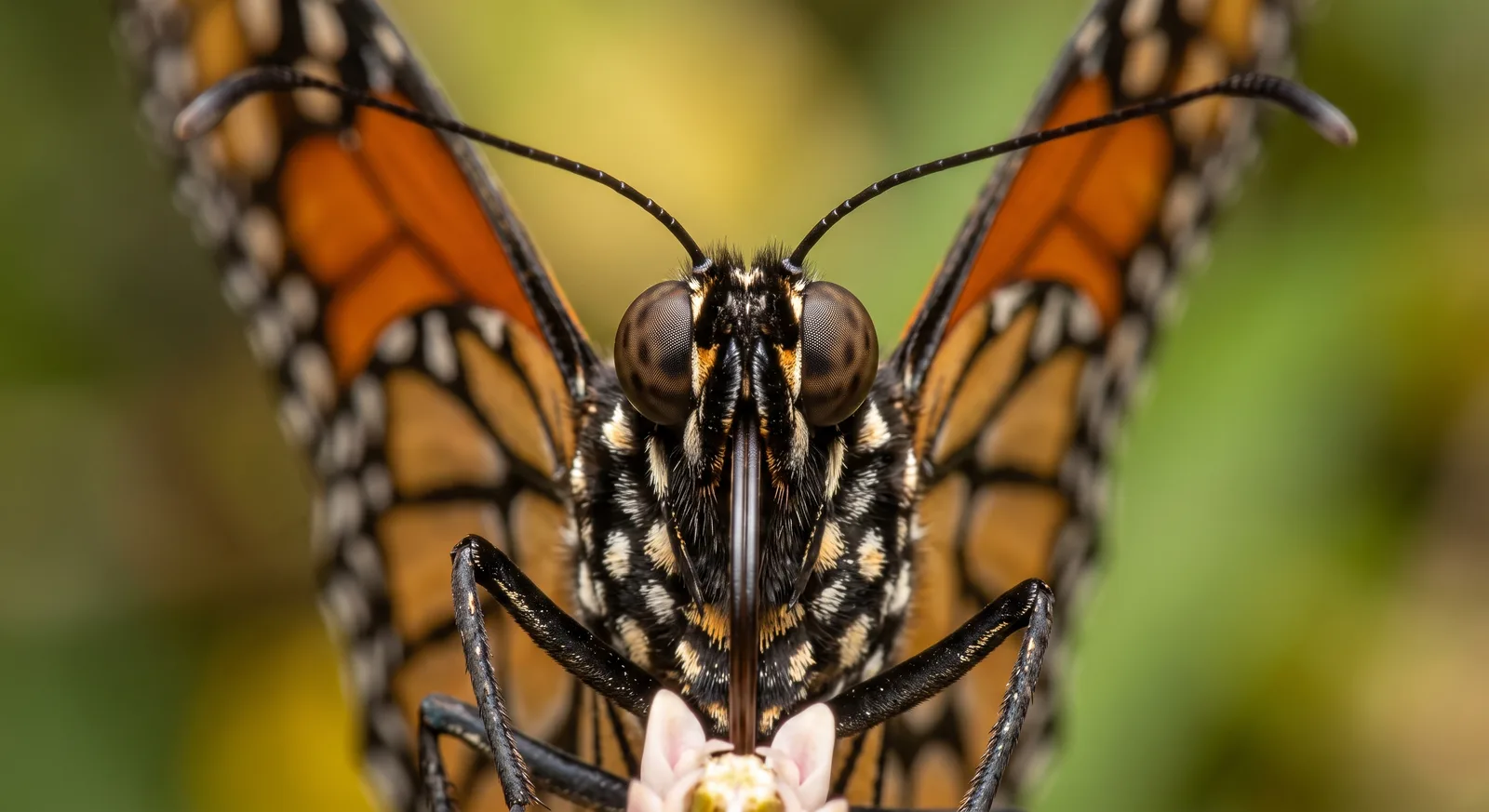
Monarch
Danaus plexippus
Mauve Stinger
Pelagia noctiluca
Western Honey Bee
Apis mellifera
Leaf-cutter Ant
Atta cephalotes
 Least Concern
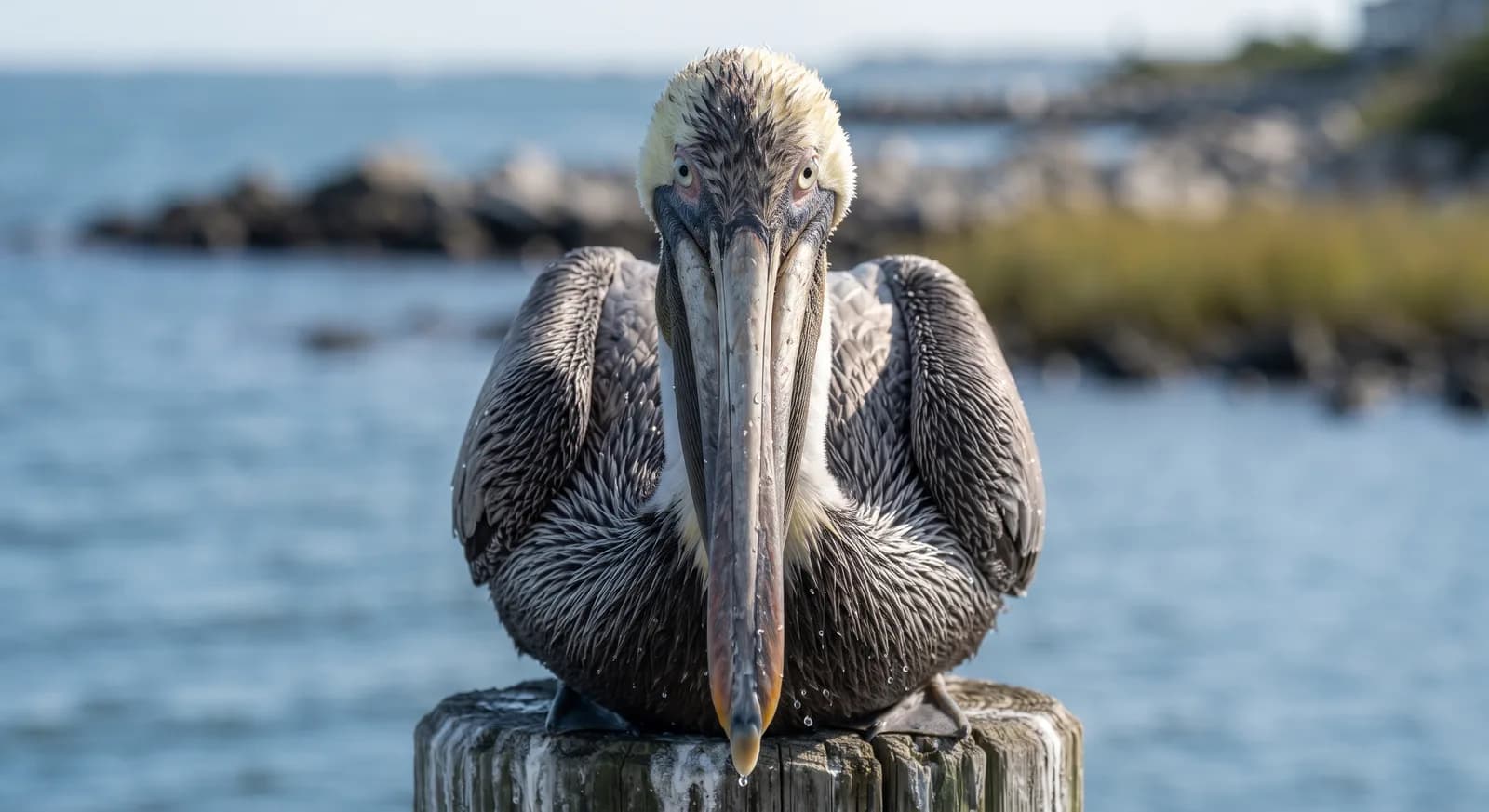
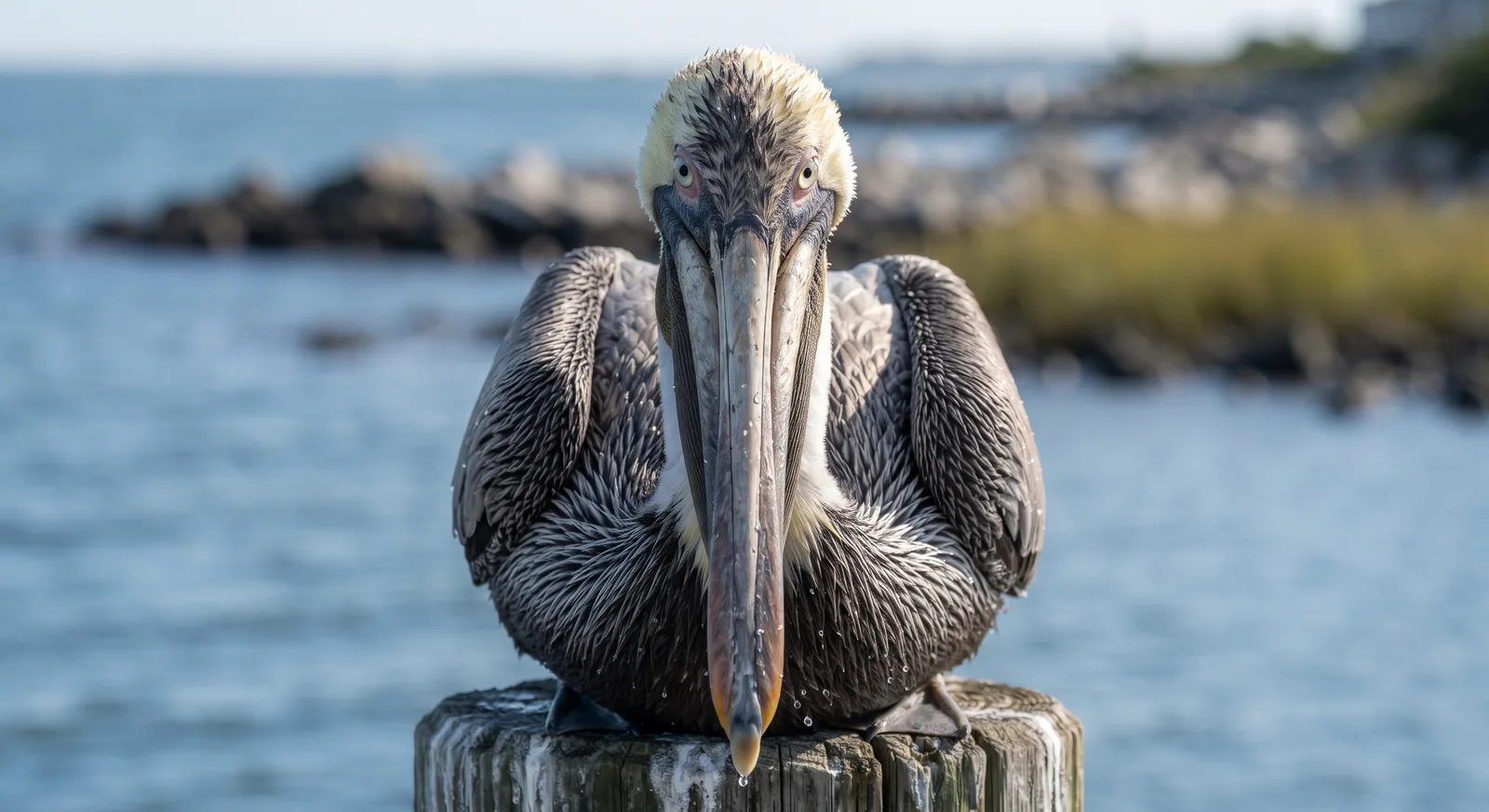
Brown Pelican
Pelecanus occidentalis
 Least Concern
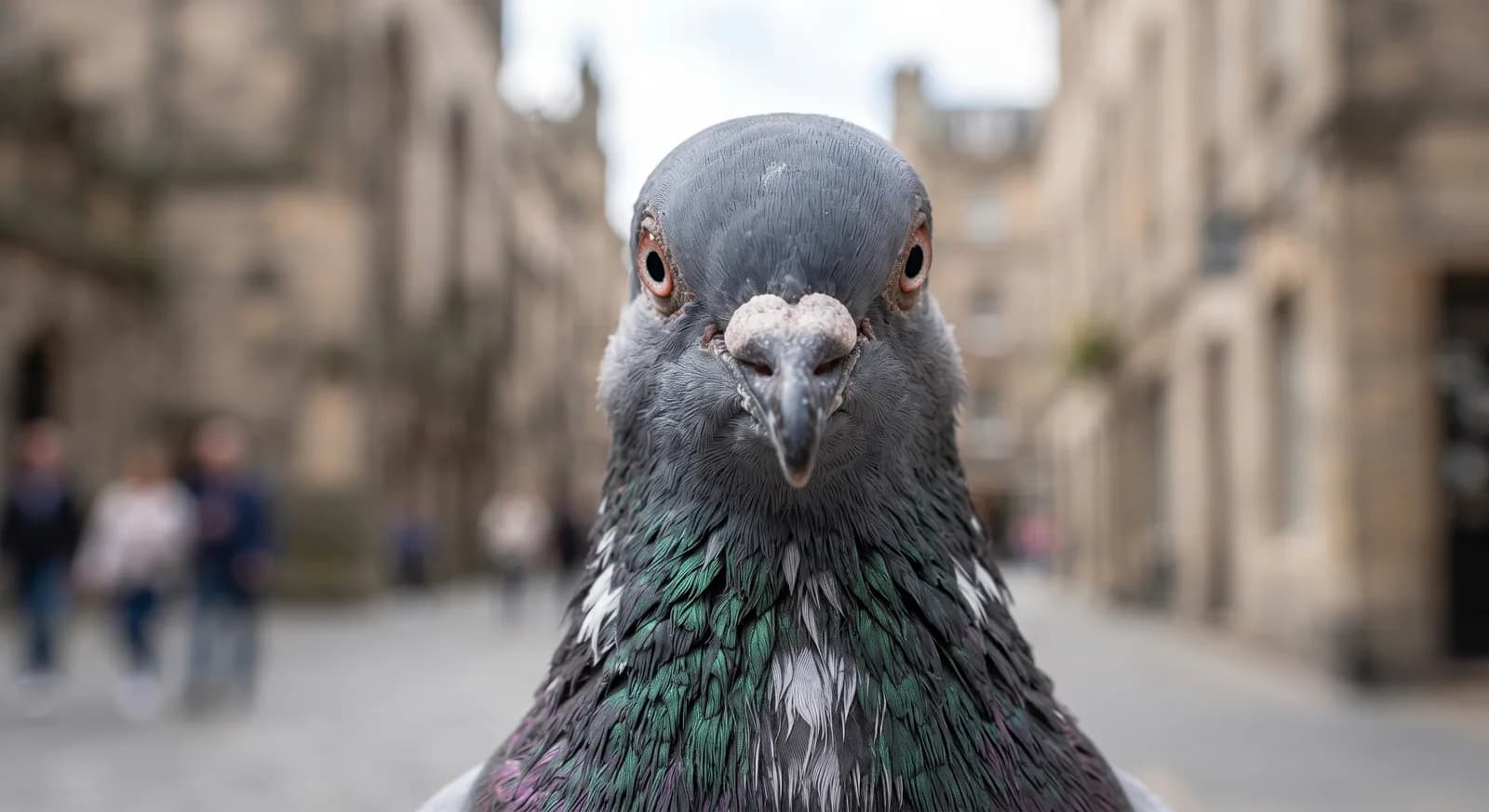
Rock Pigeon
Columba livia
 Least Concern
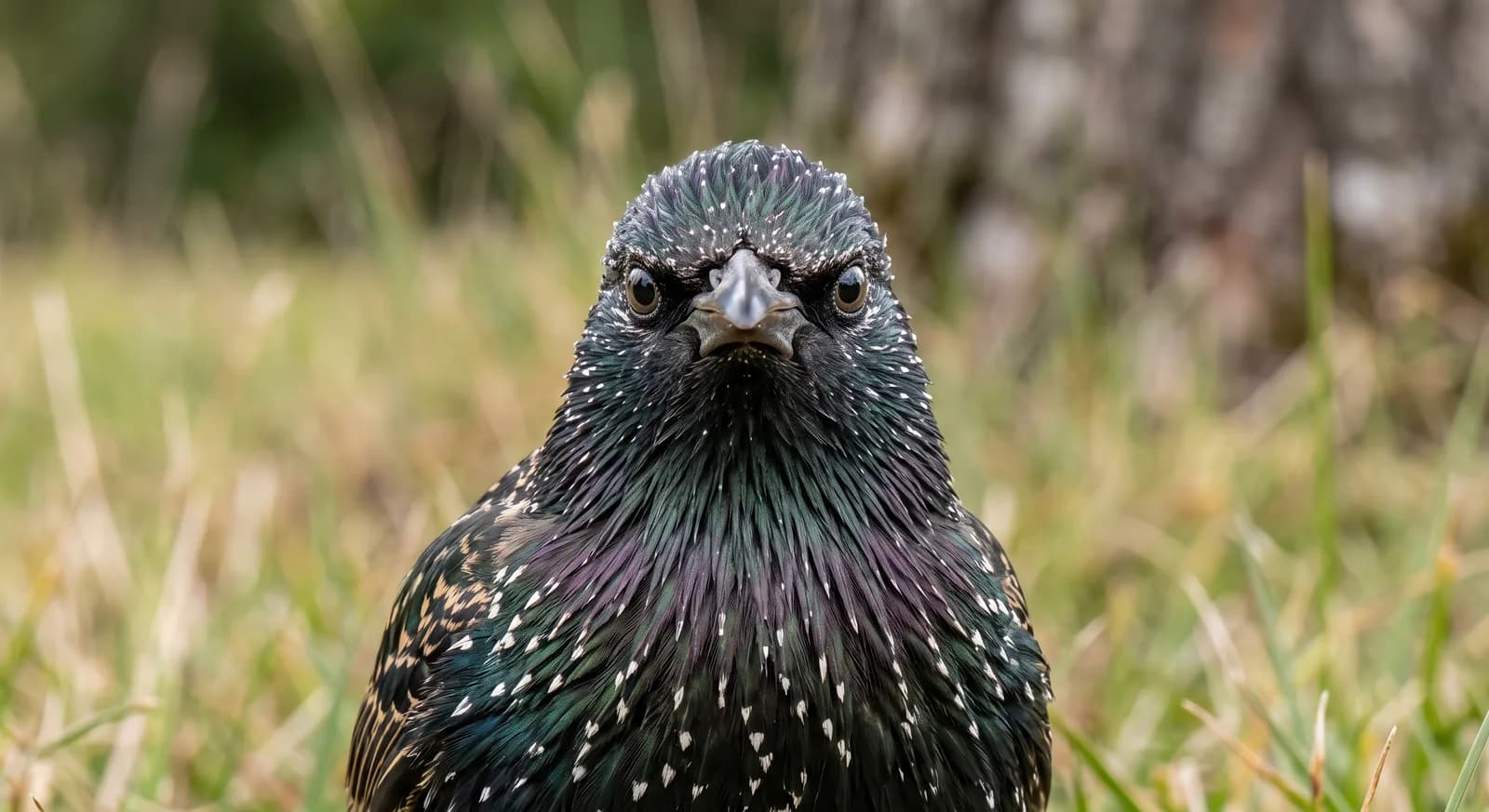
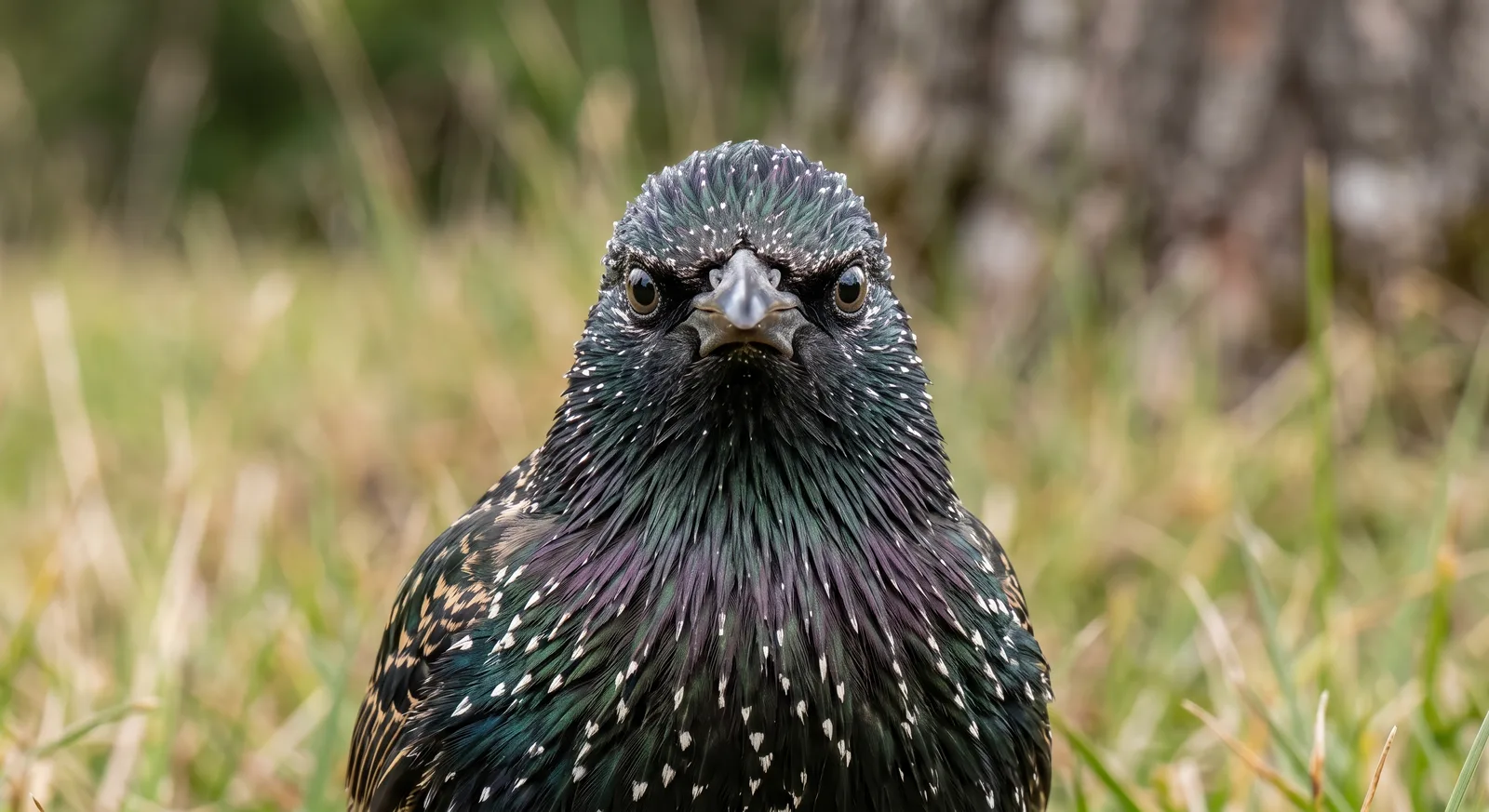
Common Starling
Sturnus vulgaris
House Sparrow
Passer domesticus
Barn Swallow
Hirundo rustica
 Least Concern
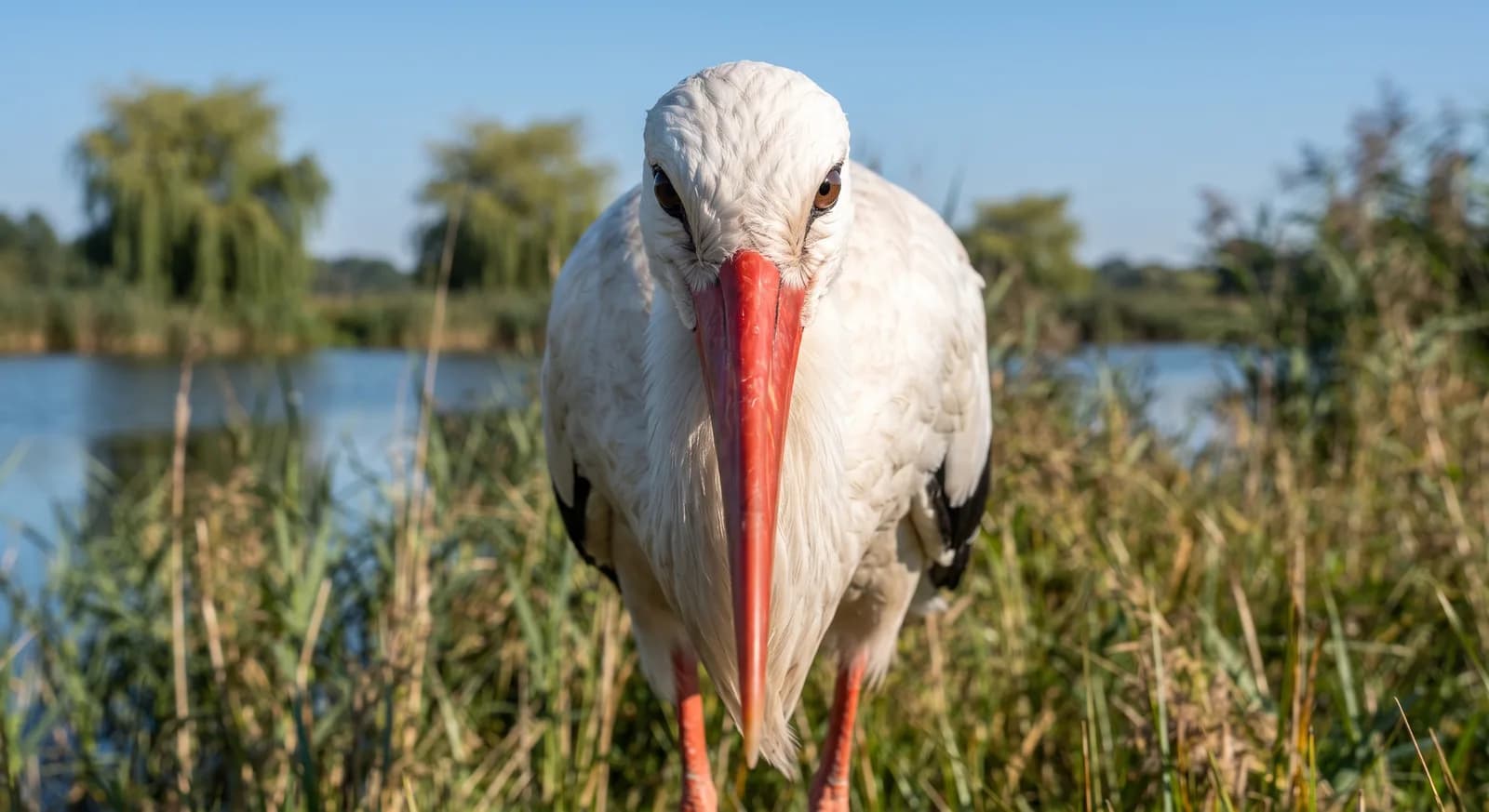
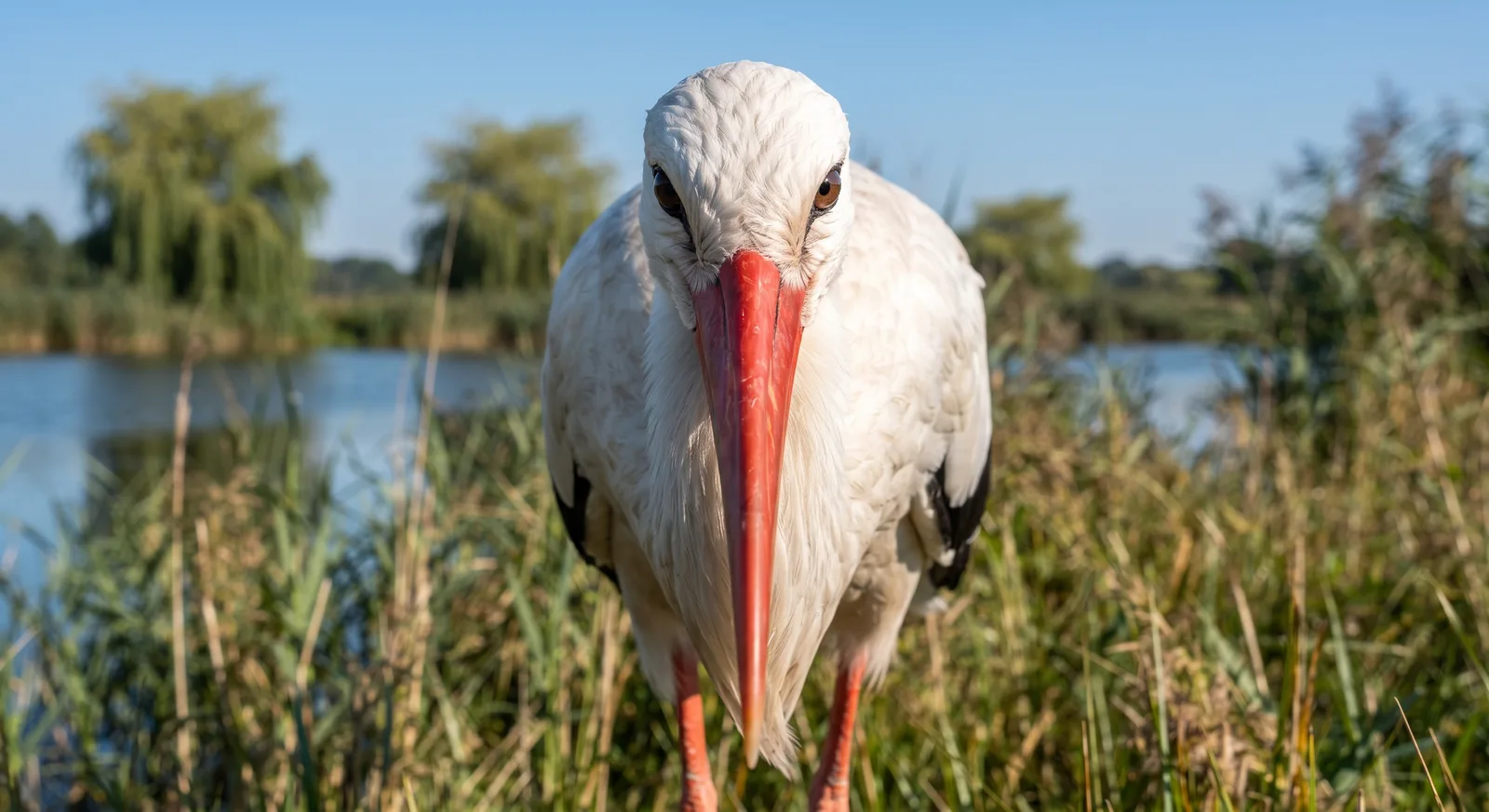
White Stork
Ciconia ciconia
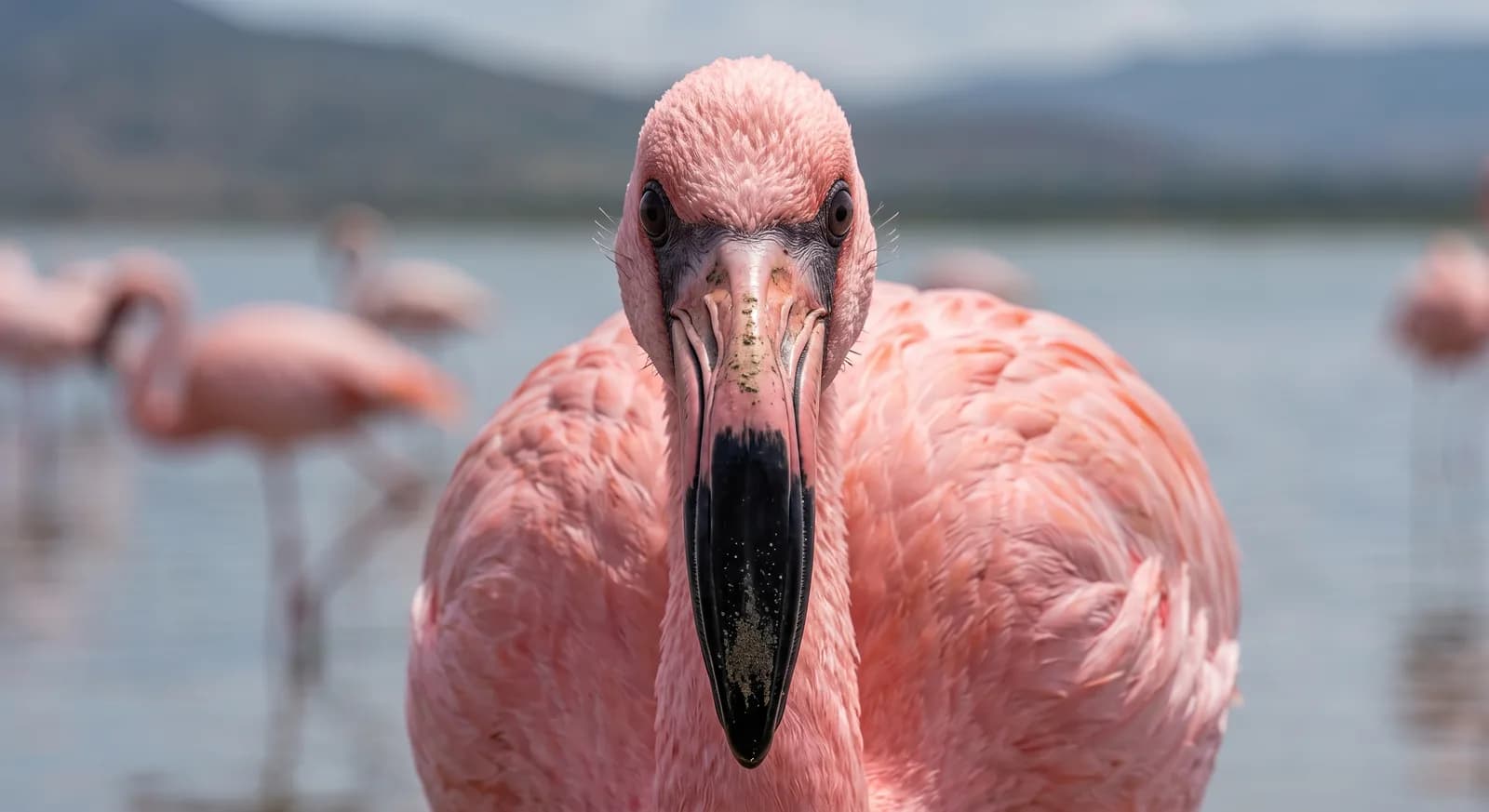 Least Concern
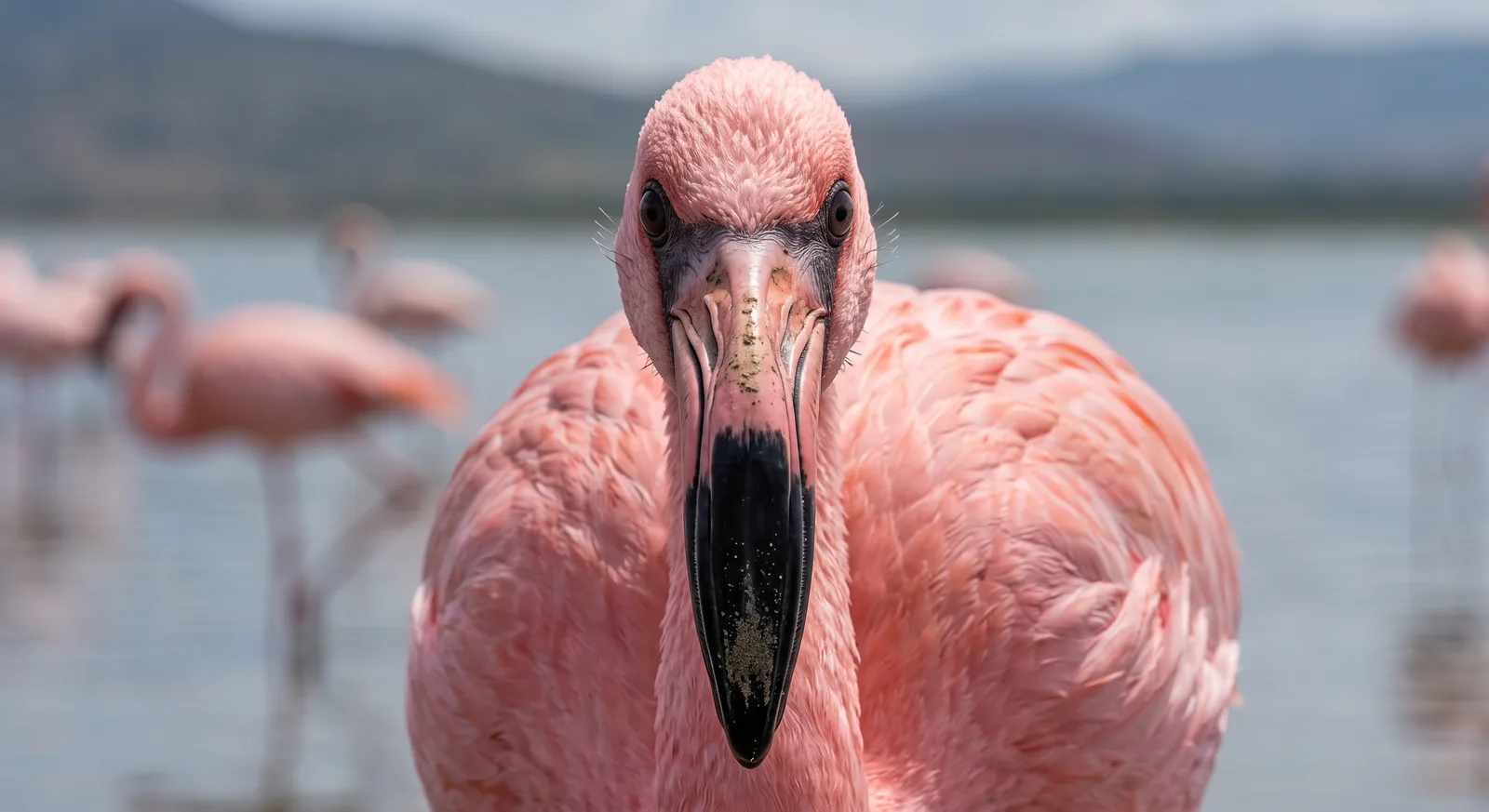
Greater Flamingo
Phoenicopterus roseus
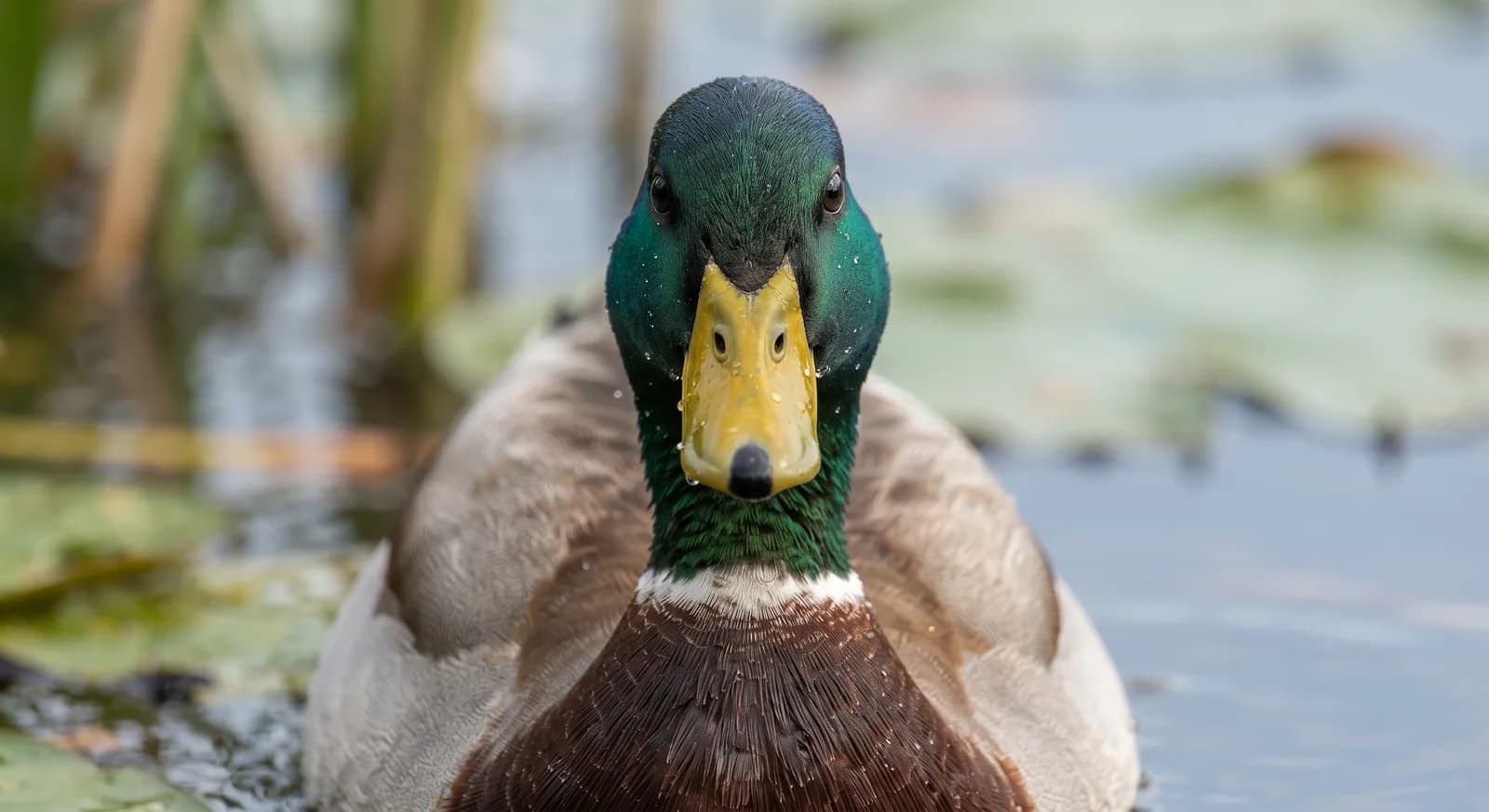 Least Concern
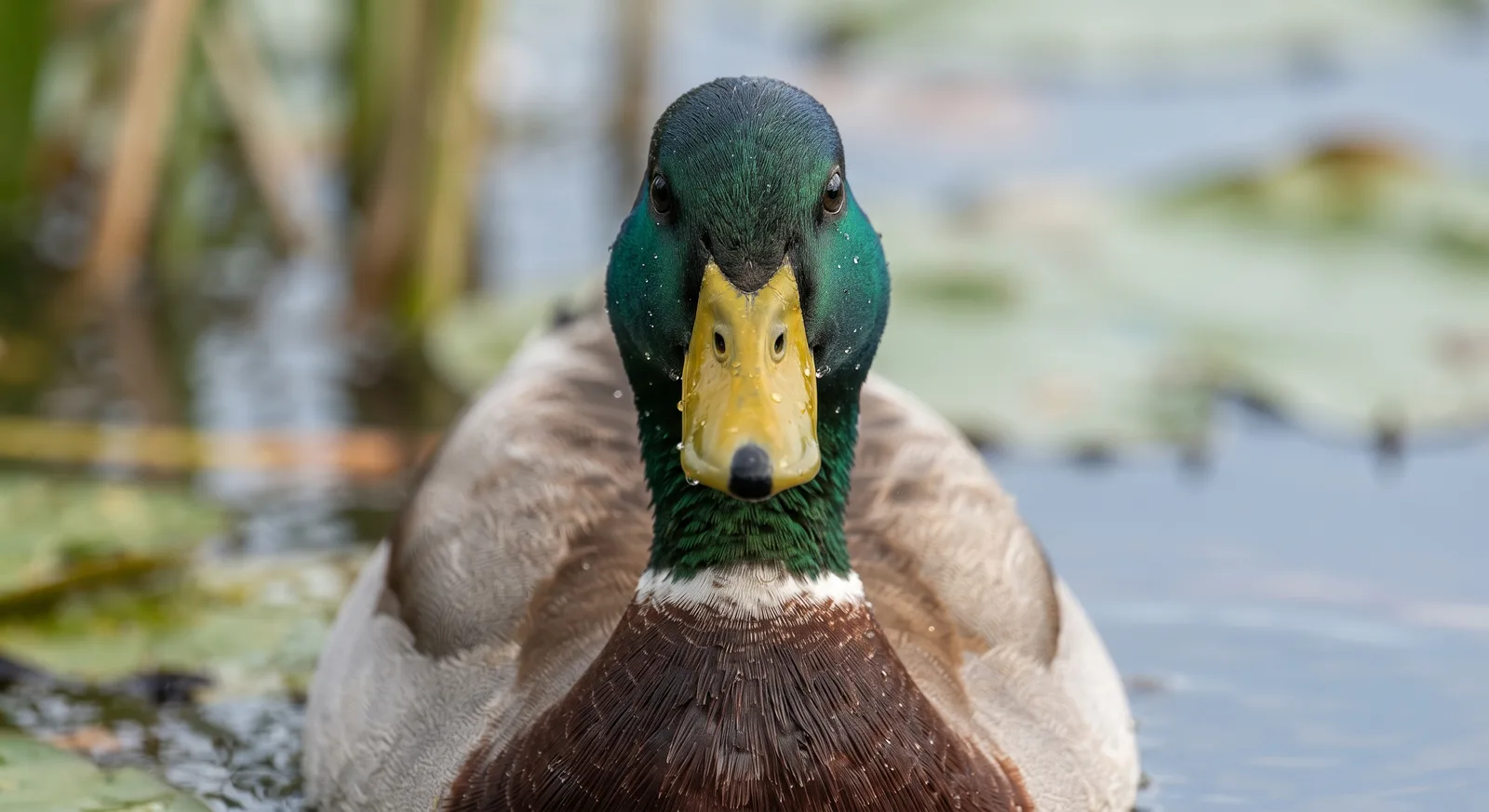
Mallard
Anas platyrhynchos
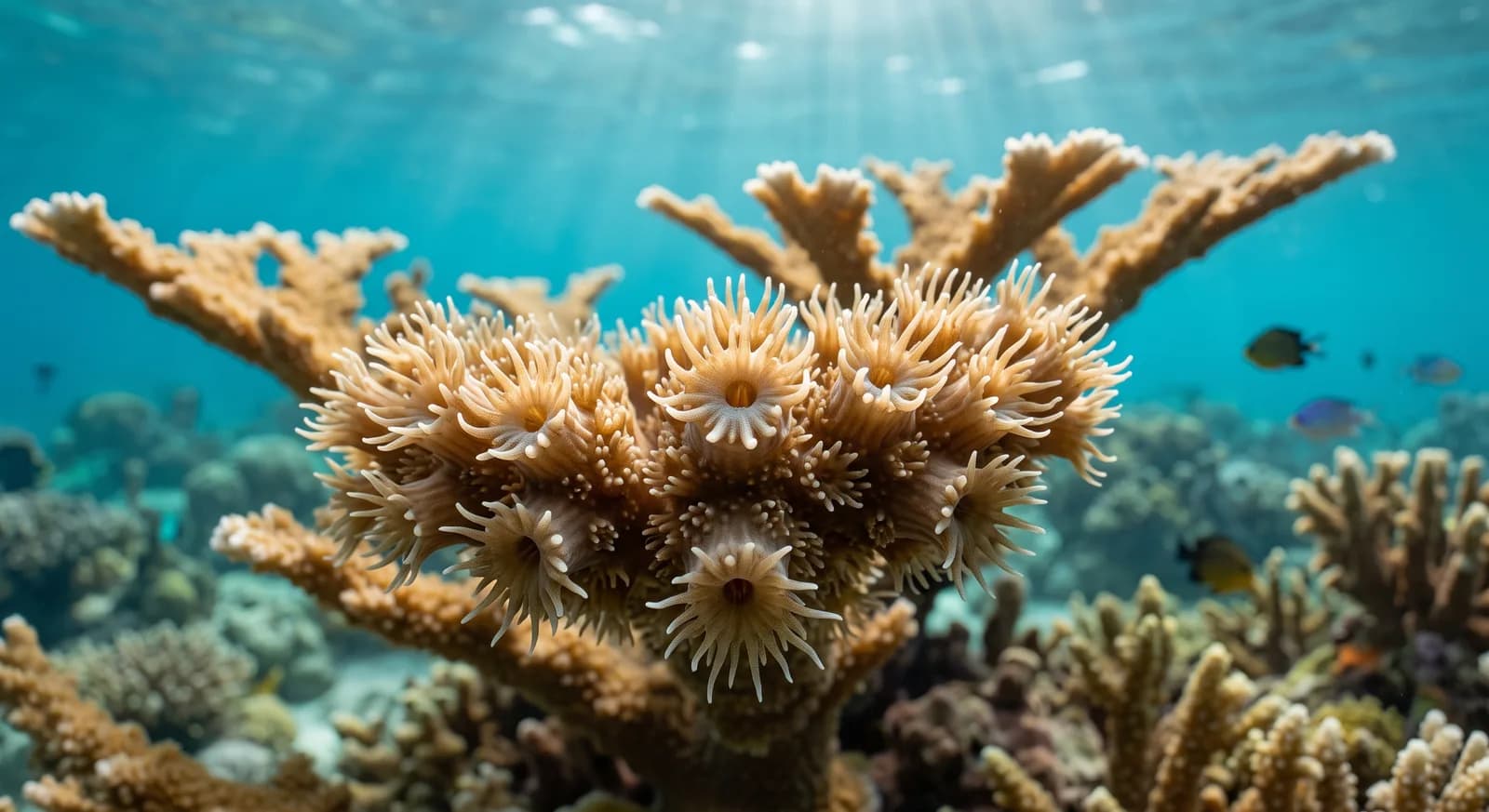 Critically Endangered
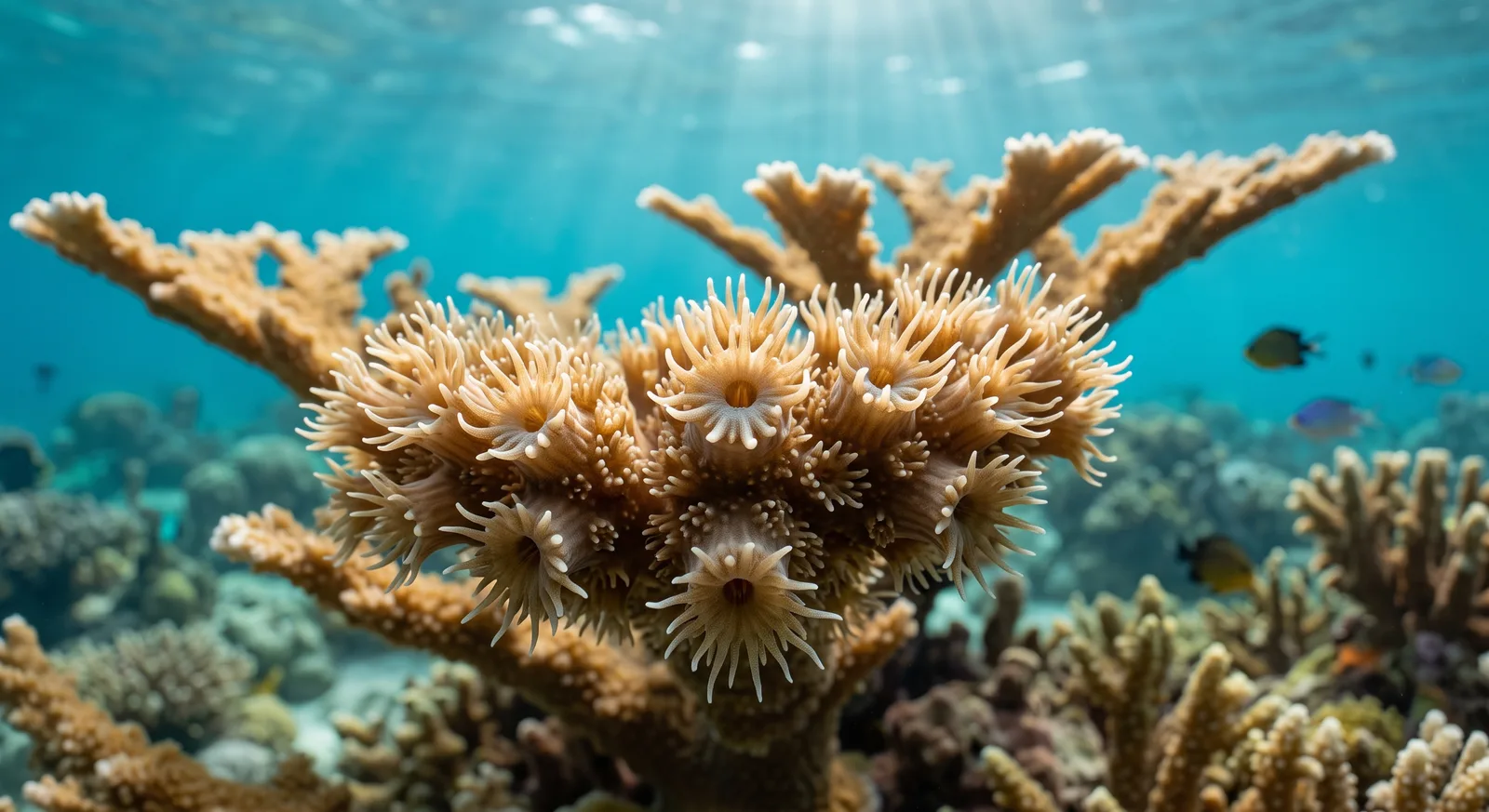
Elkhorn Coral
Acropora palmata
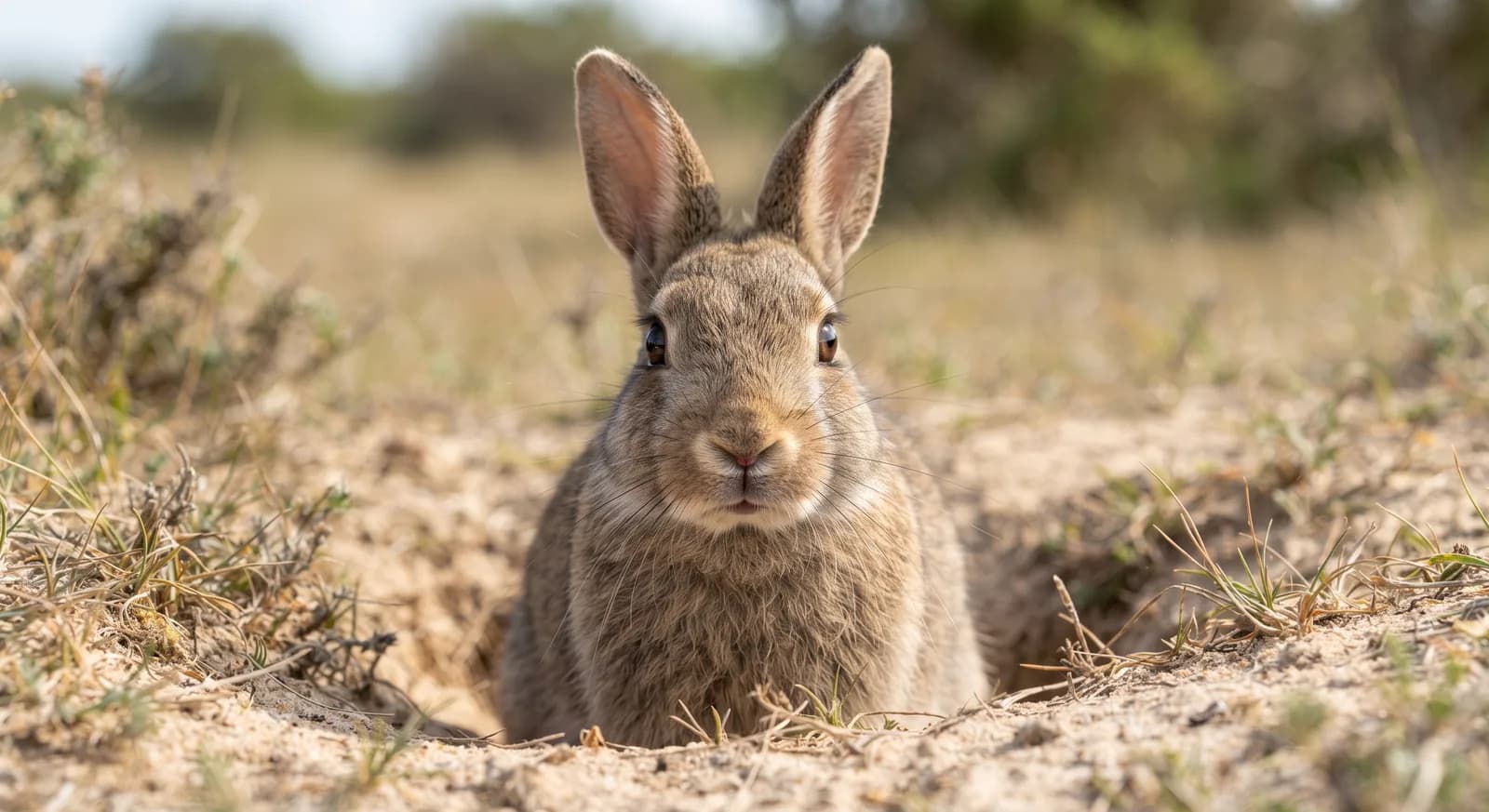 Near Threatened
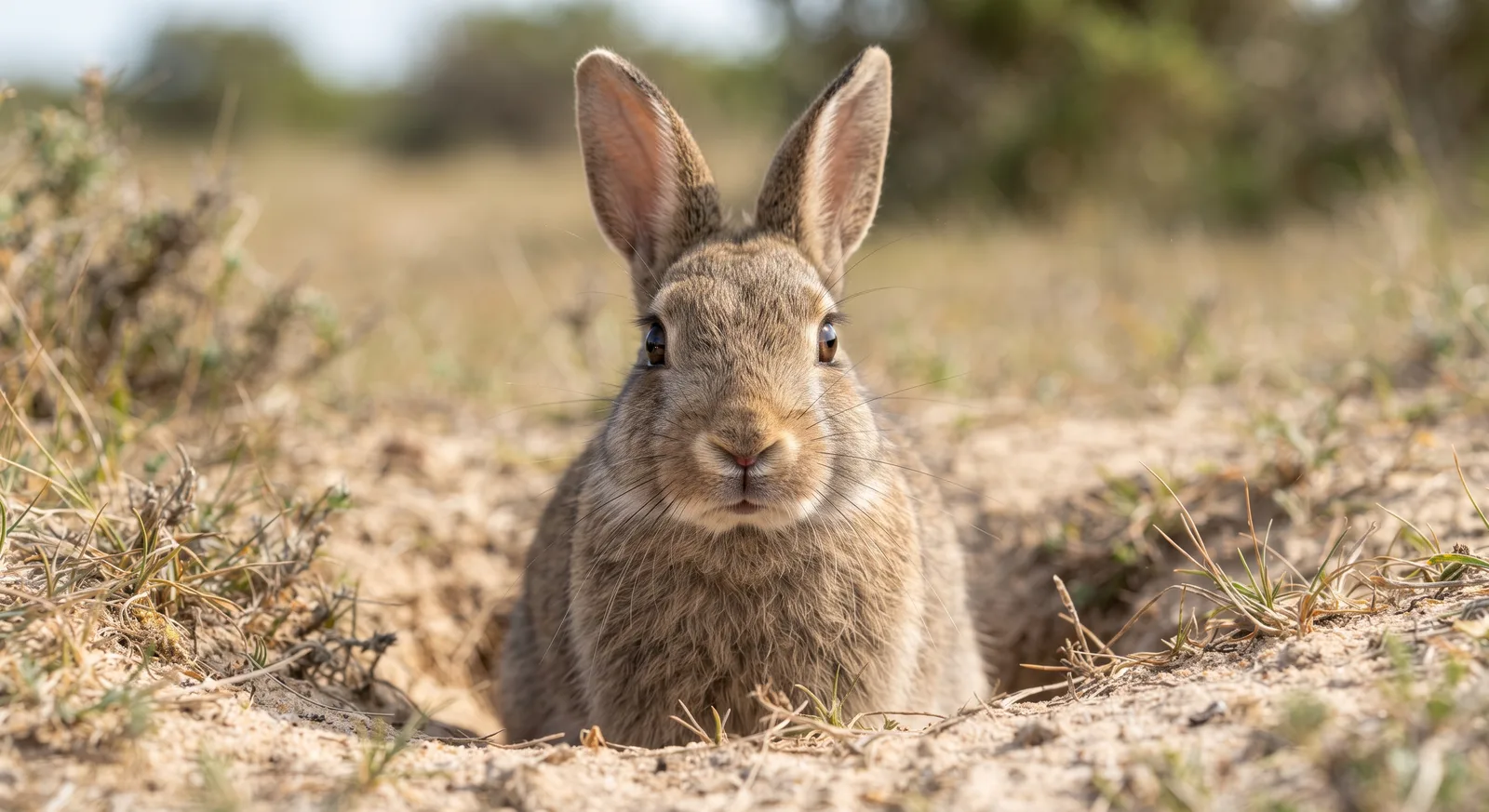
European Rabbit
Oryctolagus cuniculus
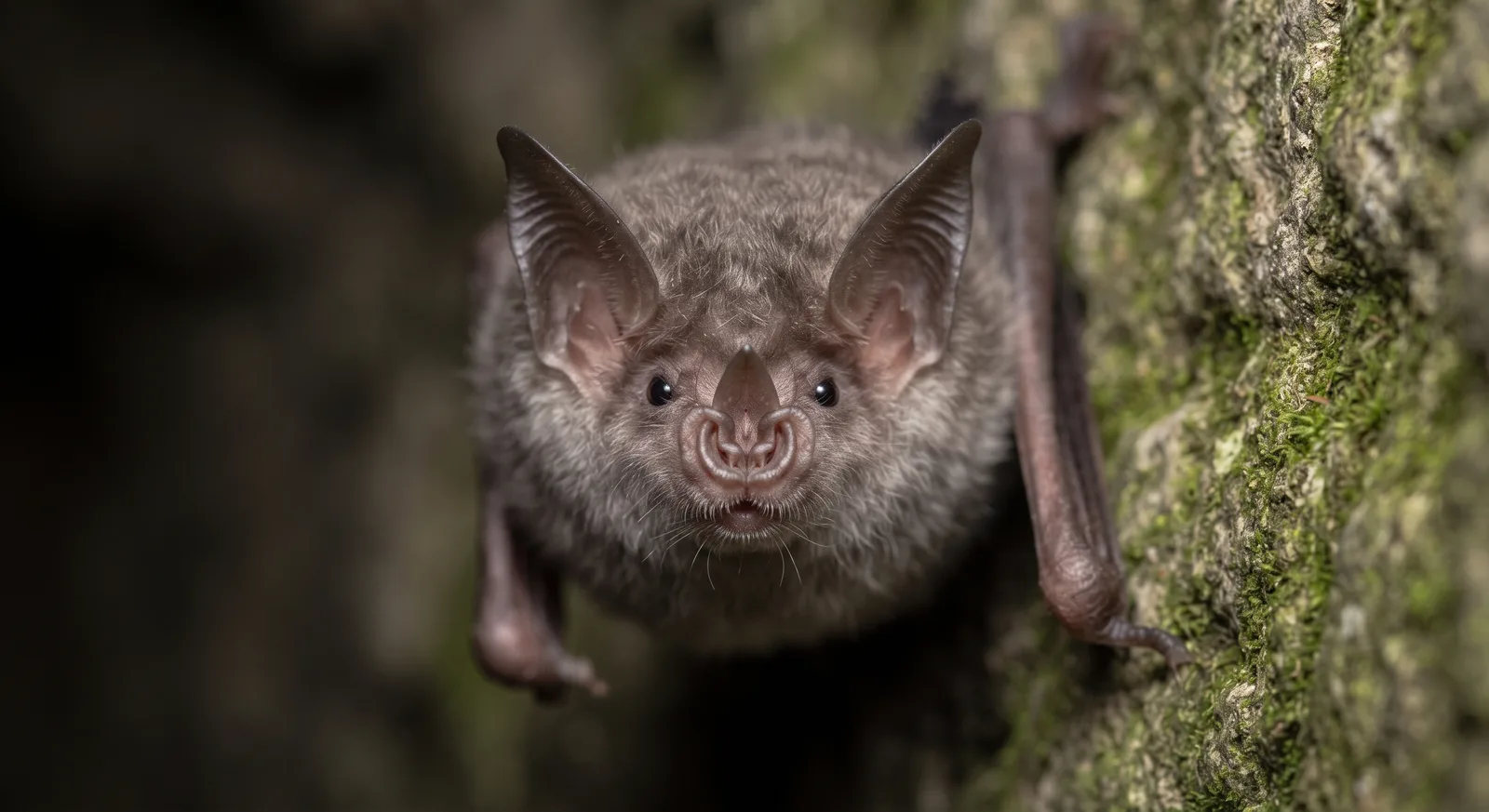
Vampire Bat
Desmodus rotundus
 Least Concern
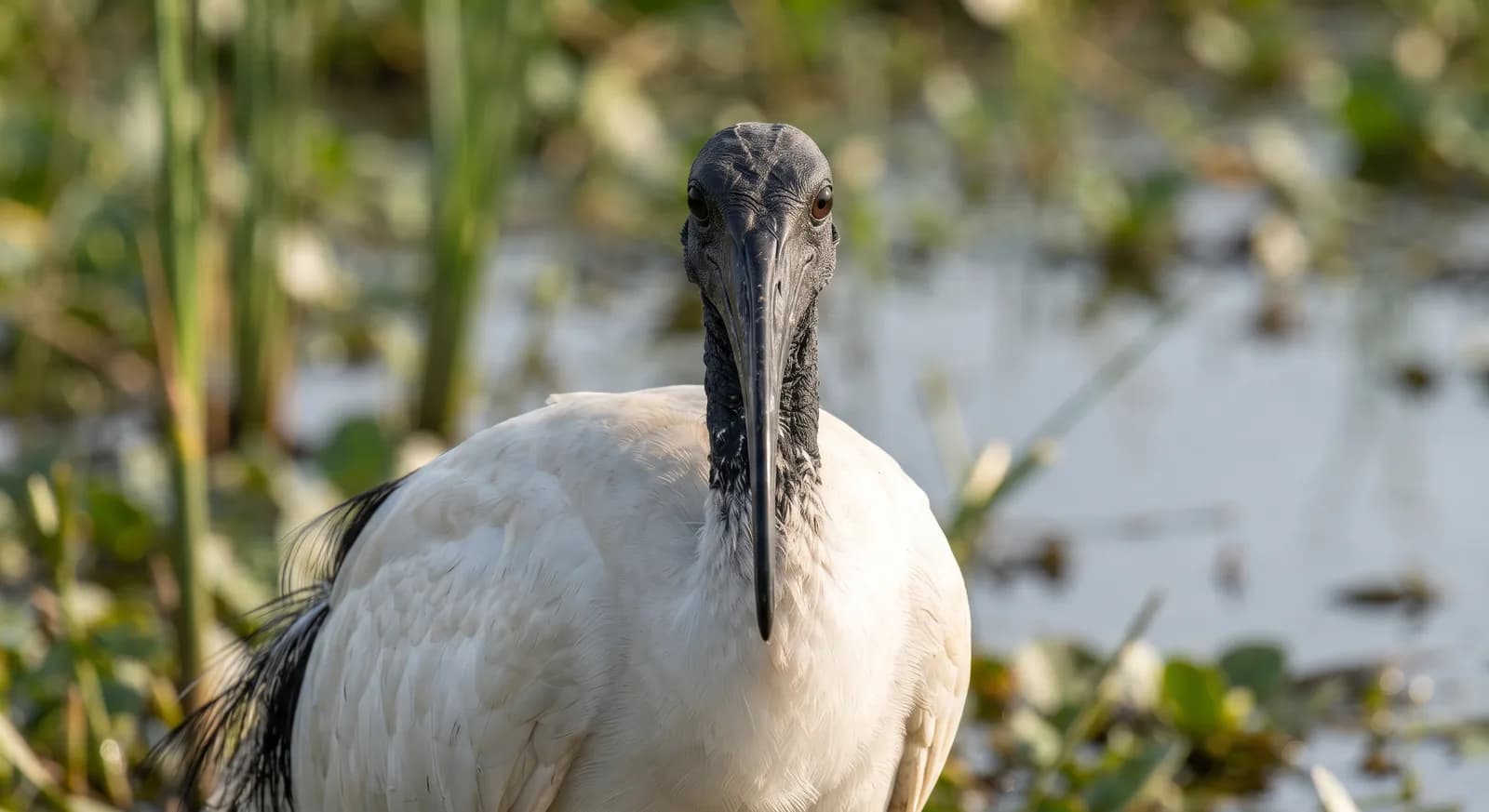
African Sacred Ibis
Threskiornis aethiopicus
Coconut Lorikeet
Trichoglossus haematodus
Gallery

More from Comportamiento
Keep exploring
Based on what we already know about colonial.
22 visitas